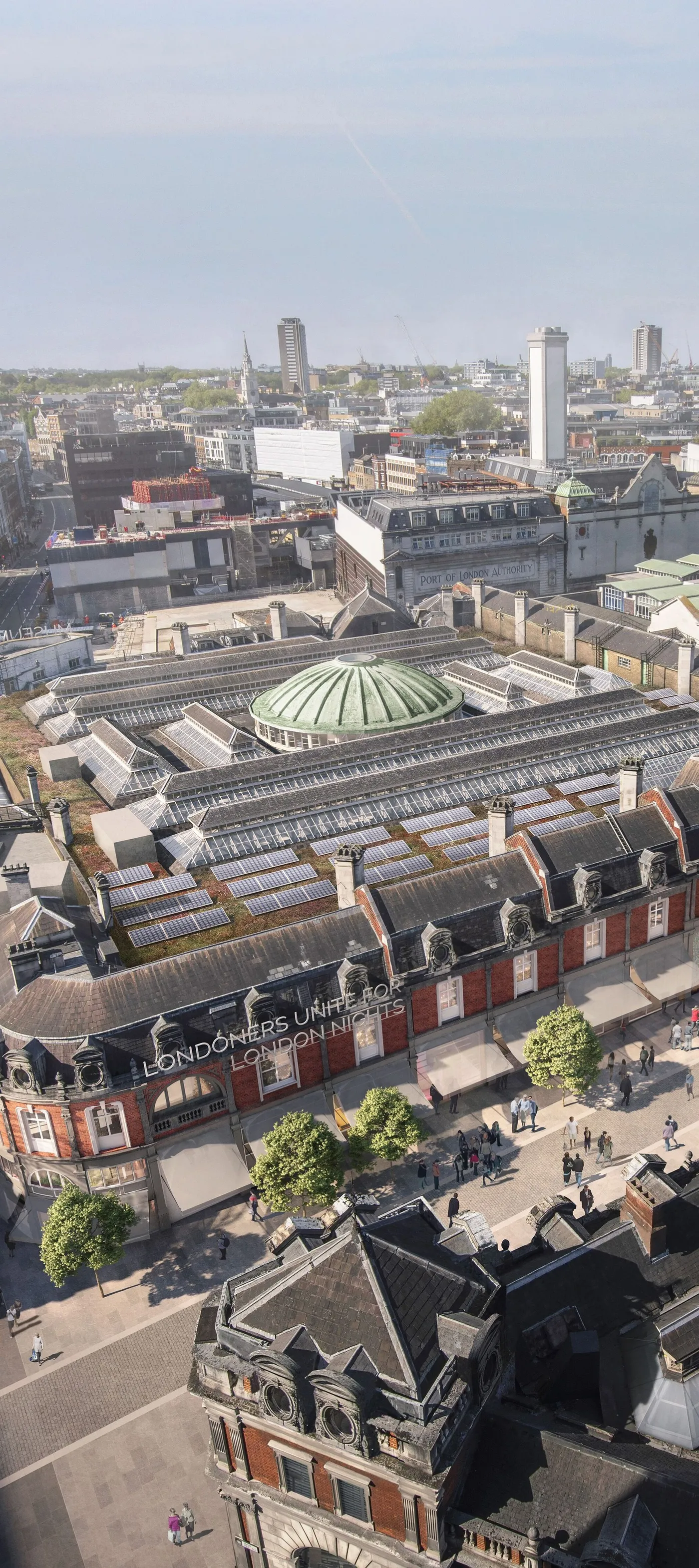
What was life like in Victorian London?
The Victorian era spans the reign of Queen Victoria, from 1837 to 1901. It was a period of intense change. As London became a powerful imperial and industrial capital, it struggled to cope with its rising population.
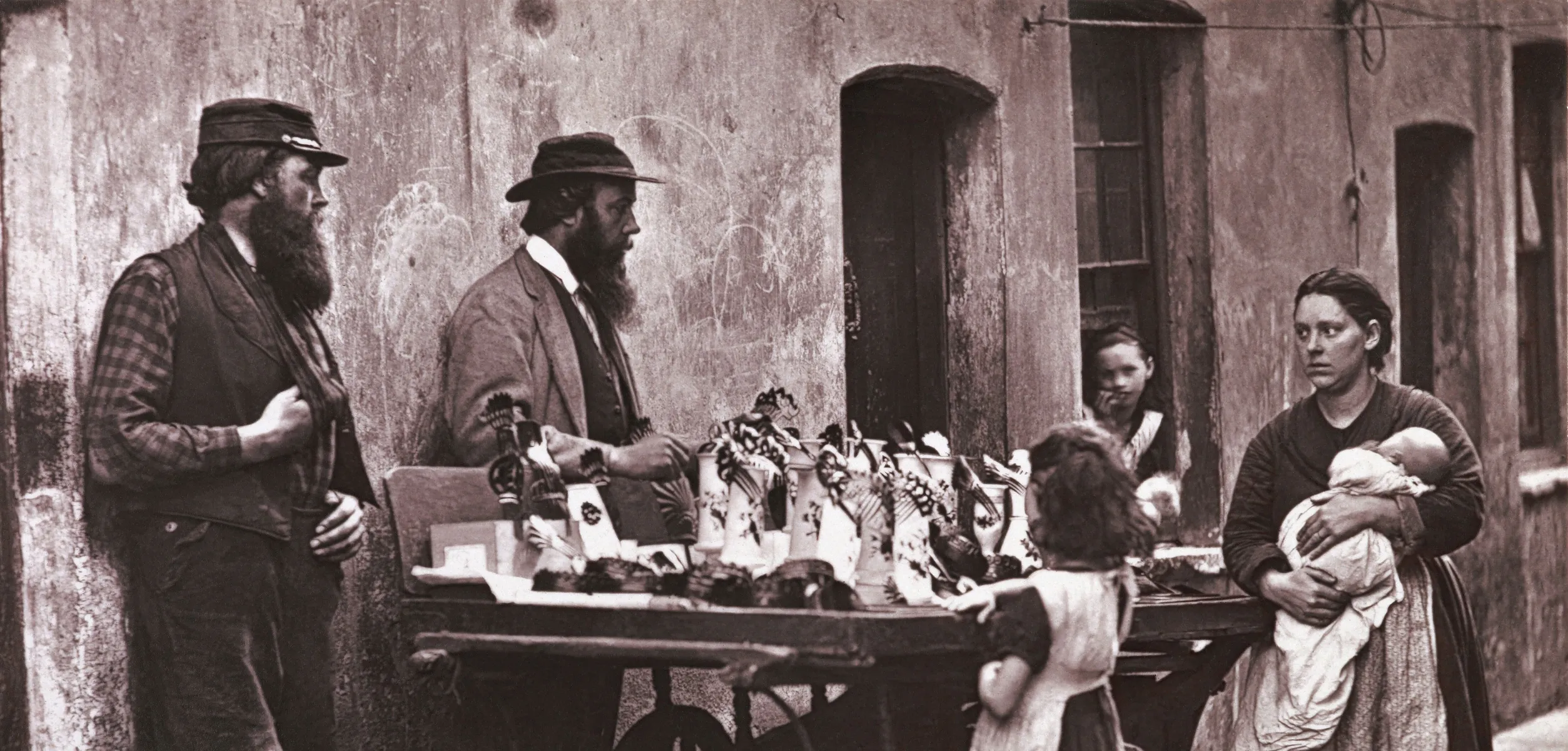
How did London’s population change in the Victorian period?
London’s population increased dramatically across the 19th century, ballooning from around one million in 1800 to well over six million in 1900. It was the world’s largest city and the centre of the British empire. The riches and resources extracted from the colonies all flowed through London’s port, making it the most profitable ‘warehouse of the world’.
London’s wealth made it a place of opportunity. Huge numbers of people flocked to the capital. People came from the countryside and from countries within the British empire to study, train, work and ‘make their fortune’.
New communities
-
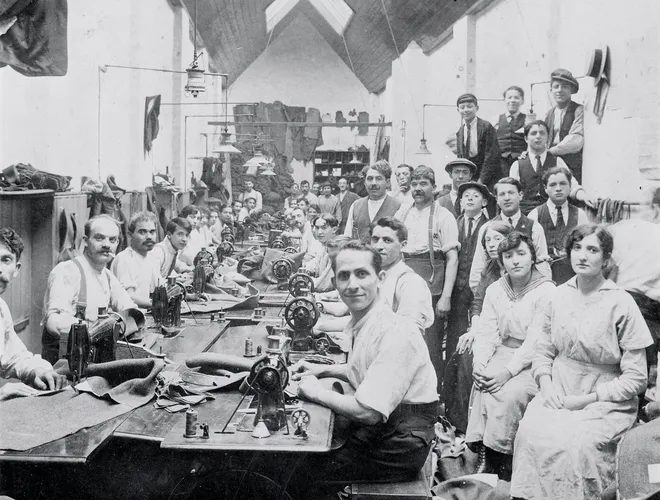
The Jewish East End
How Spitalfields and Whitechapel offered new lives to thousands fleeing persecution
-
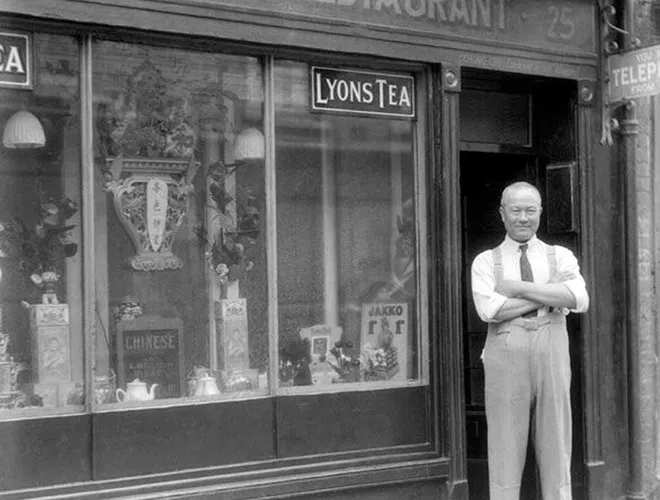
Limehouse: London’s first Chinatown
The Chinese communities who lived in this pocket of the East End
-
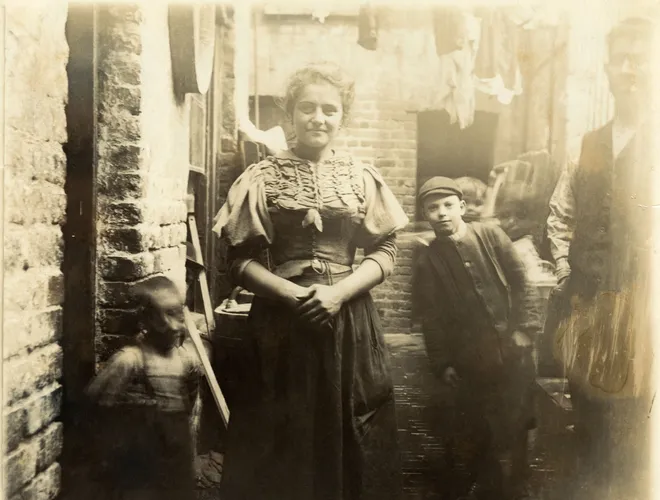
A Little Italy in London
Clerkenwell and Soho were once the centres of London’s Italian community
How bad was poverty in Victorian London?
Pockets of extreme poverty were visible throughout the capital as the authorities struggled to provide adequate housing, clean water and sanitation to its growing working-class population.
There were overcrowded slums, also known as ‘rookeries’, in places like Stepney, Spitalfields, Covent Garden and Borough. The conditions in these neighbourhoods were awful, and they became stigmatised as areas of criminality and depravity.
Those who found themselves destitute sought temporary refuge in lodging houses or, as a last resort, shamefully entered workhouses. Here they were sheltered in exchange for gruelling work and harsh conditions that separated families.
Mapping poverty
-
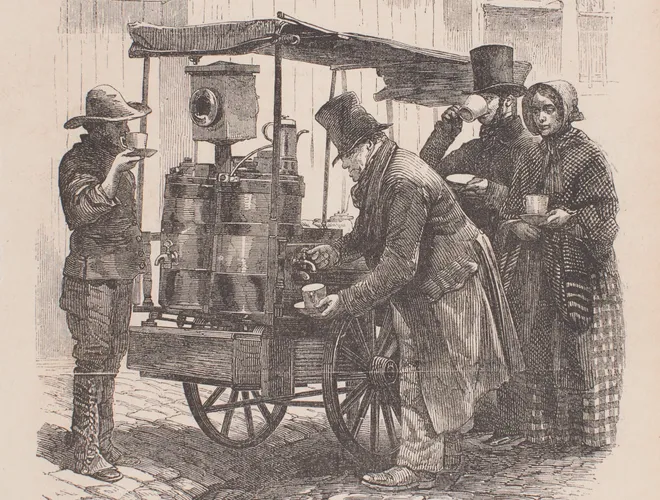
Henry Mayhew brings Victorian London to life
His spectacular survey preserved the experiences and voices of street workers in the 19th century
-
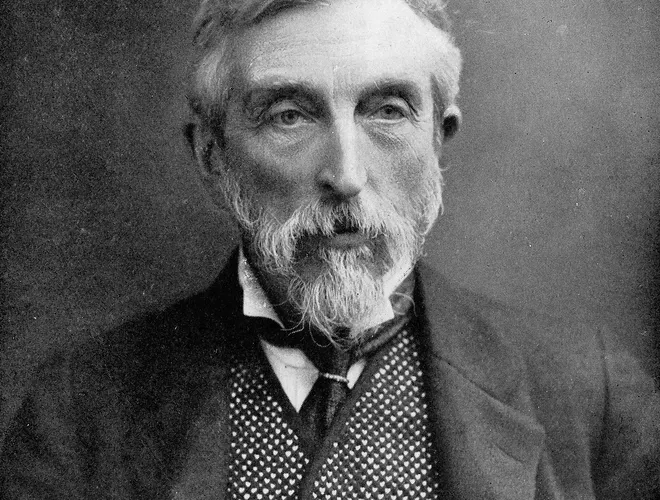
How Charles Booth mapped London poverty
And showed the complexity of social class in the late 19th century
-
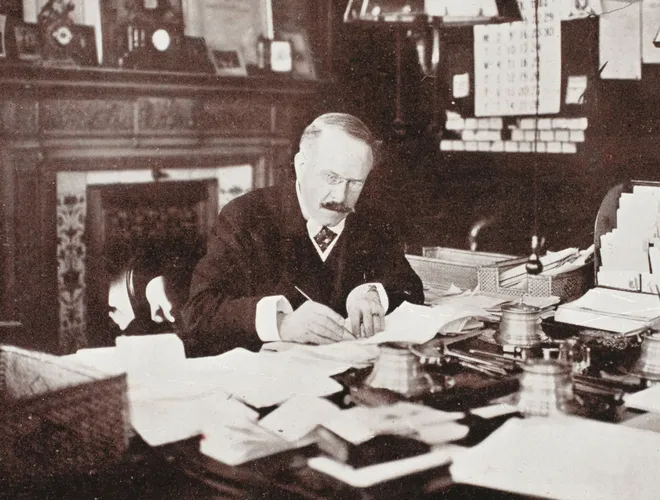
Thomas Barnardo’s crusade against child poverty
The suffering children of London’s East End motivated Barnardo’s tireless social work
What did Victorian London look and smell like?
Victorian architecture was a blend of the old and the new. The medieval-inspired gothic revival style was popular, but industrial innovations meant that materials like wrought iron and plate glass could be widely used.
The city – and its people – smelled. Many middle-class Londoners referred to the capital’s poor as ‘the great unwashed’. As the population swelled and industry boomed, air pollution became an even bigger problem than before. Hundreds of open sewers and industrial waste flowed into the River Thames.
The Victorian city was artistically interpreted by artists like James McNeill Whistler, and vividly described by authors like Charles Dickens. Photography, invented in the 1830s, offered a new form of documentation.
Senses of the city
-
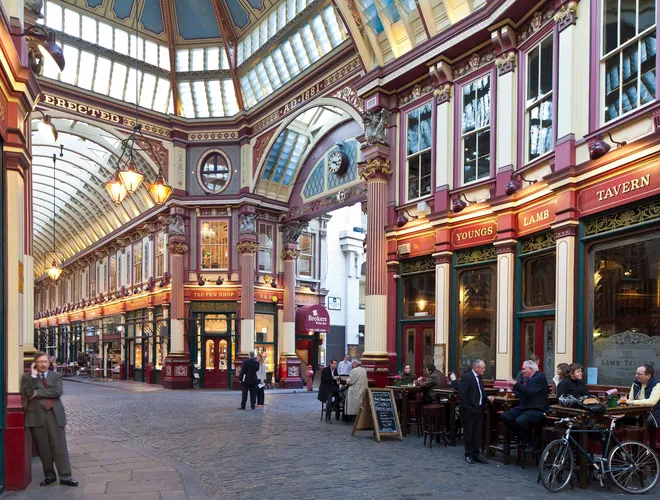
London’s Victorian-era architecture
A bumper blend of old and new
-
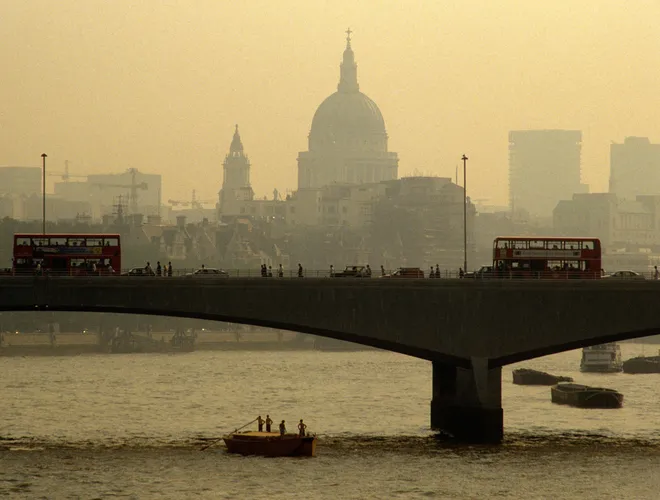
Why is London called the Big Smoke?
Fog, smog and deadly fumes
-
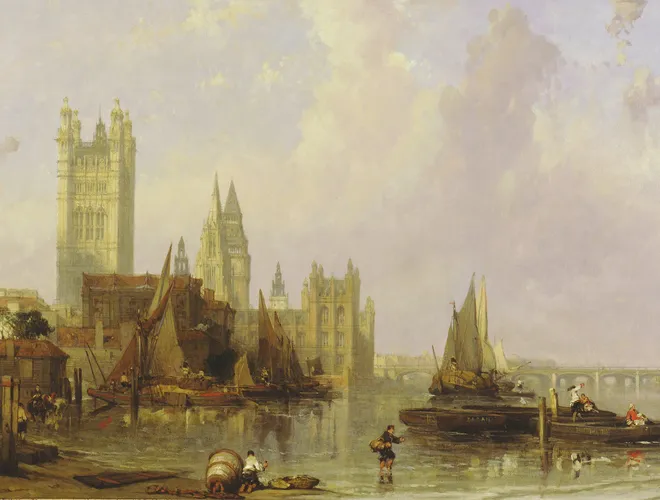
The Great Stink of 1858
A smell so incredibly awful it demanded a modern sewer solution
-
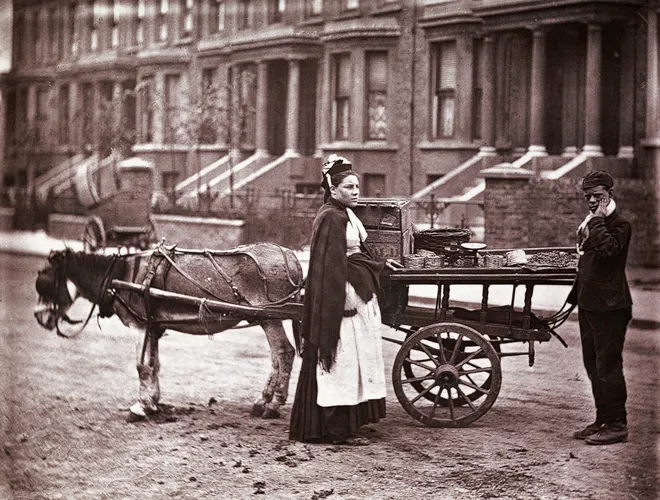
Street life & work in 1877
John Thomson’s fascinating photographs reveal the lives of workers in 19th-century London
-
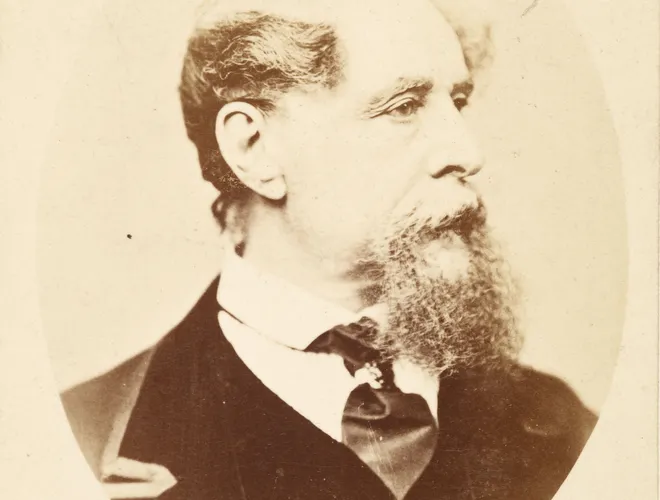
Who was Charles Dickens?
19th-century London’s most celebrated writer gave us Oliver Twist and A Christmas Carol
-
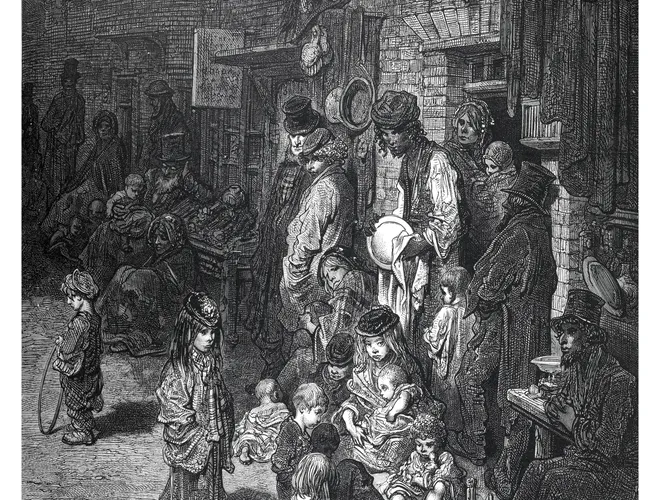
Gustave Doré’s London pilgrimage
The artist’s gloomy illustrations recall his 19th-century trips through the poverty-stricken city
How did Victorian infrastructure develop?
The Victorian era saw huge innovations in industry and technology. Our modern sewer system, for example, is one of the most significant pieces of Victorian engineering. Profits from the empire, including wealth extracted from the colonies and the trade in enslaved Africans, helped fund this industrial revolution.
There were numerous other innovations in infrastructure, such as developments in public transport and communications. The building of the London Underground physically expanded the city. And the launch of the telegram and telephone connected Londoners with the rest of the world.
Innovations underground and overground
-
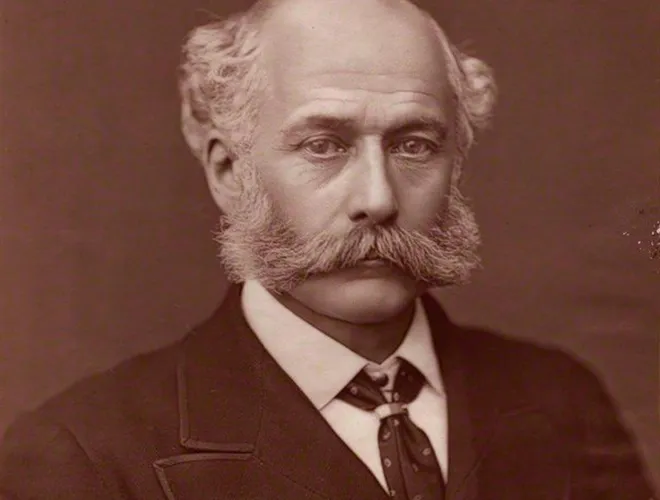
How Bazalgette built London's first super-sewer
Taming a city’s-worth of sewage
-
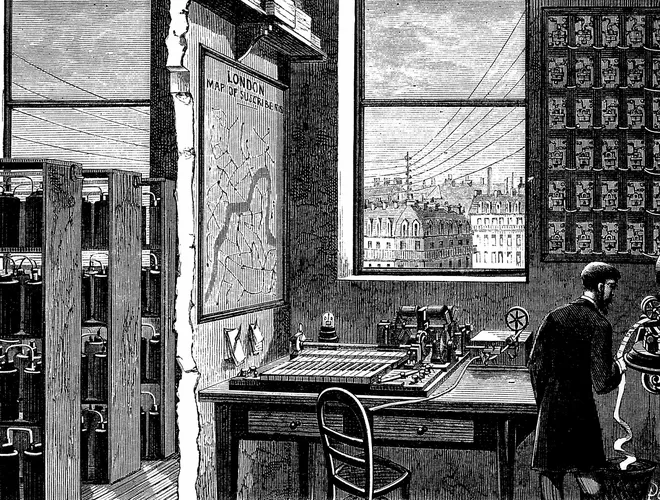
How the telegraph took off in Victorian London
This invention marked the beginning of instant messaging – and standardised time
-
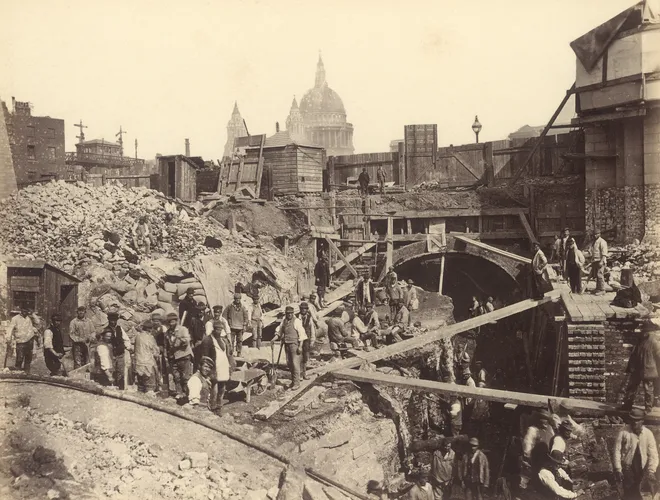
Building a Victorian underground railway
Henry Flather’s photos of the Metropolitan District Railway show a transport revolution in action
-
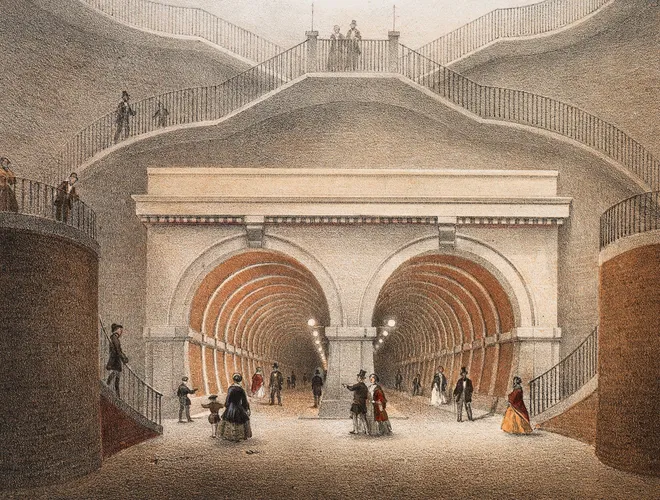
The Thames Tunnel: Marc Brunel’s engineering marvel
A world first right under the River Thames
-
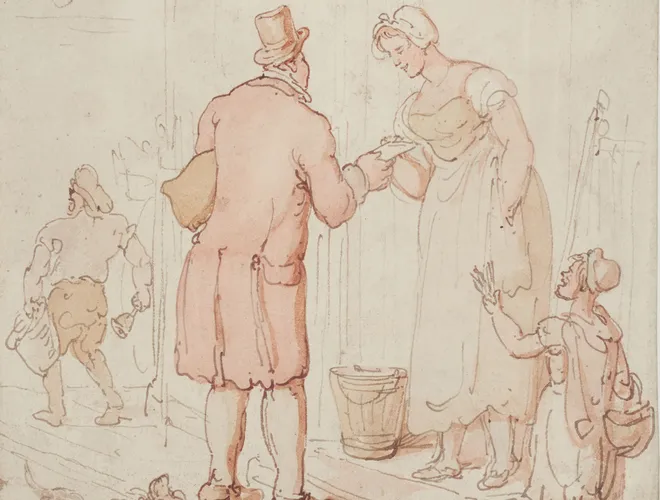
The Penny Post sparked a letter-writing revolution
Letter-writing exploded in popularity in Victorian Britain thanks to one-penny postage
-
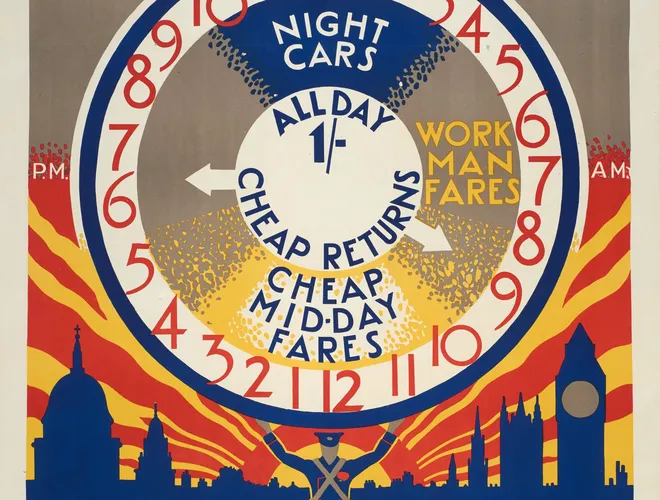
When London moved by tram
Powered by horses, then electricity, London’s tram network was once the largest in the world
How did politics change in Victorian London?
London was at the forefront of new political ideas. Radicals and activists were drawn to the capital to form new political groups, discussion forums and radical publications.
As state education grew, London’s working class became more literate and politicised. They began to demand more rights and better conditions. Strikes proved that by uniting together within a trade union structure, workers could become a powerful force for change.
Protests, reforms & new ideas
-
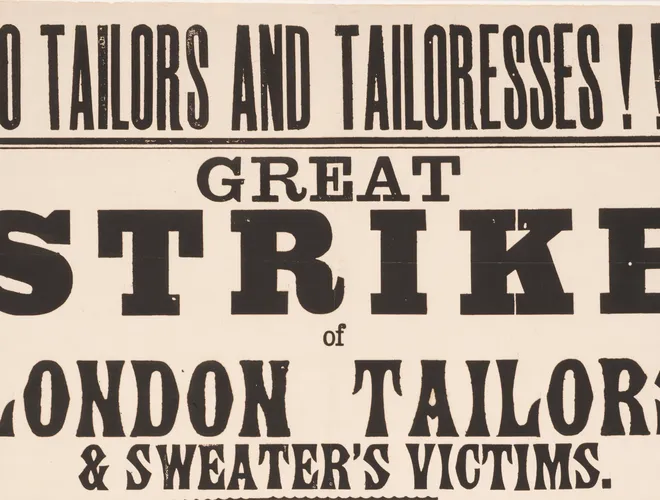
The 1889 London dockers’ & tailors’ strikes
When workers from two key local industries – tailoring and the docks – fought for better pay and working conditions
-
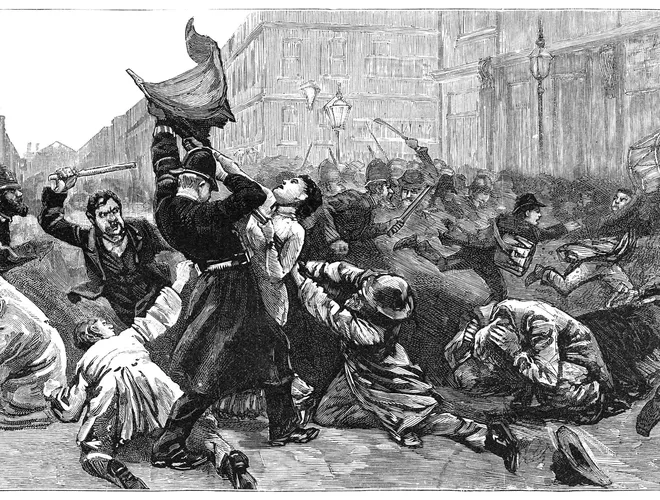
What was Bloody Sunday 1887?
A demonstration of desperate working-class Londoners met with police brutality
-
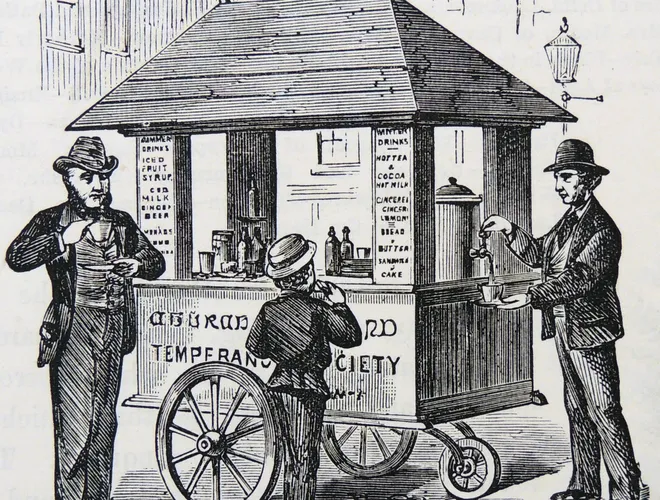
What was the temperance movement?
How this anti-alcohol campaign shaped Victorian London and its drinking habits
The rule of Queen Victoria
Alexandrina Victoria was just 18 years old when she came to the throne in 1837. She reigned for 63 years, making her the second-longest-serving British monarch after Queen Elizabeth II.
Queen Victoria became the figurehead of the British empire, which, by the end of her reign, had ruthlessly imposed its rule over a quarter of the world’s population.
Victoria married her first cousin, Albert of Saxe-Coburg and Gotha, in 1840 and they had nine children together. Upon his death in 1861, Victoria entered a permanent state of mourning and withdrew from public life for a decade.
Victoria & Albert
-
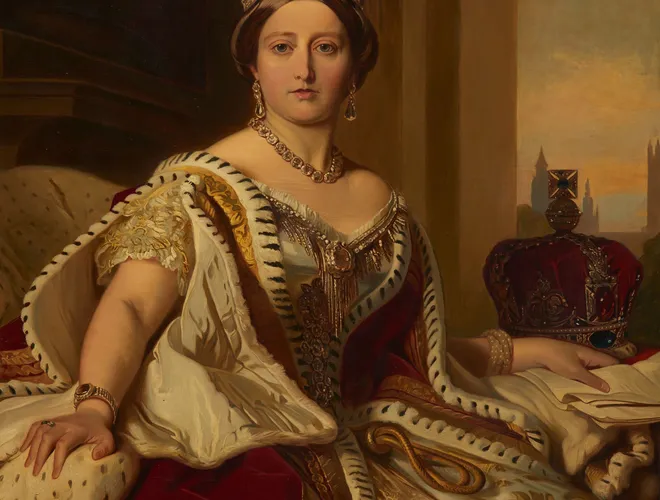
The long reign of Queen Victoria
Ruling for 63 years, Victoria witnessed rapid changes in British society, culture and industry
-
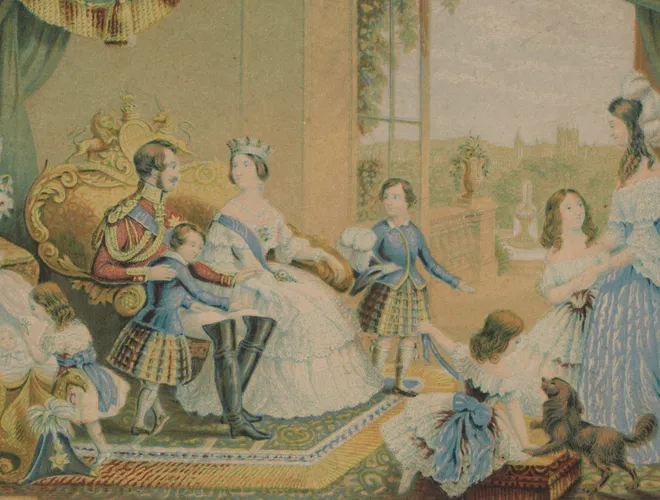
The marriage of Queen Victoria & Prince Albert
A royal story of love – and loss
-
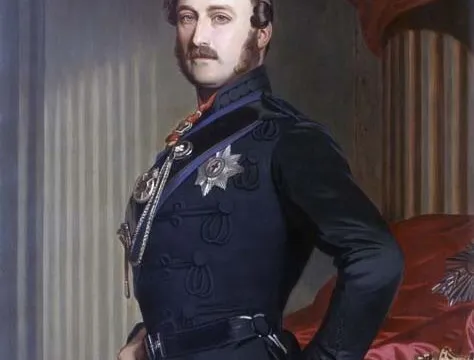
Albertopolis: Prince Albert’s London legacy
South Kensington looks a little different today thanks to Albert’s enthusiasm for education and art
-
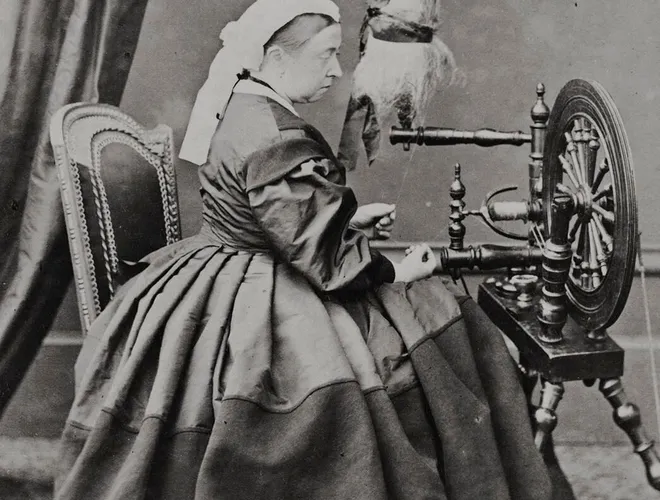
Queen Victoria’s nifty needlework
Embroidery, crocheting, making dresses for toy dolls: Victoria was one crafty Queen
What was crime and justice like in Victorian London?
Though violence wasn’t unusual, the most common crimes in Victorian London were drunkenness and theft. Throughout the Victorian era, the authorities gradually took greater responsibility for their citizens, including protecting them from crime.
The abolition of public executions in 1868 and the building of new prisons reflected changing attitudes towards state punishment and justice.
Thieving gangs & grisly murders
-
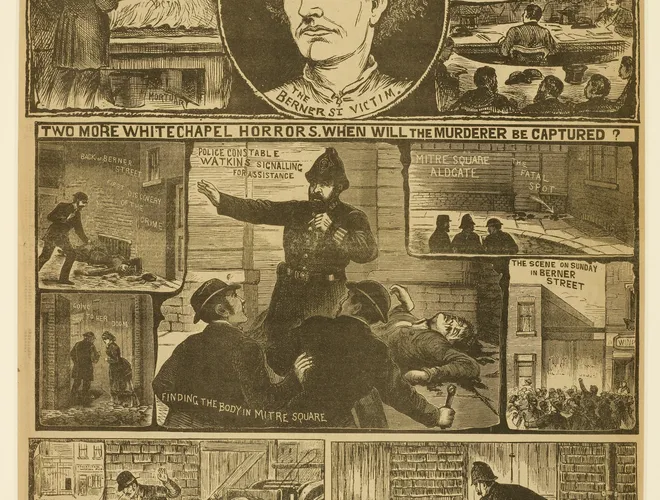
Jack the Ripper
How the murders of five women birthed an infamous East End crime story
-
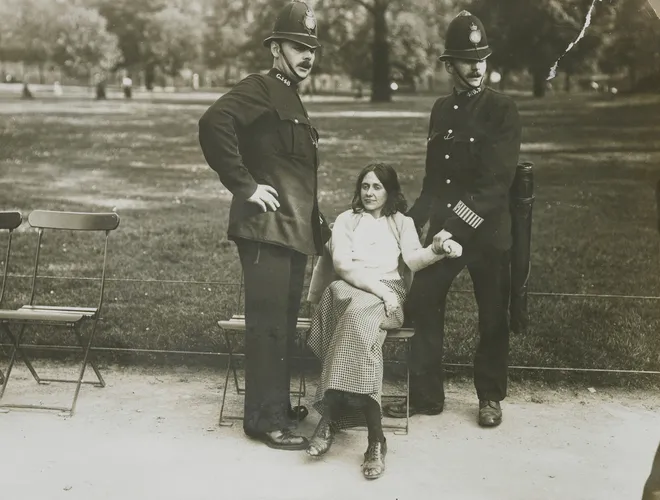
The Metropolitan Police: From 1829 to today
Two hundred years of policing London
-
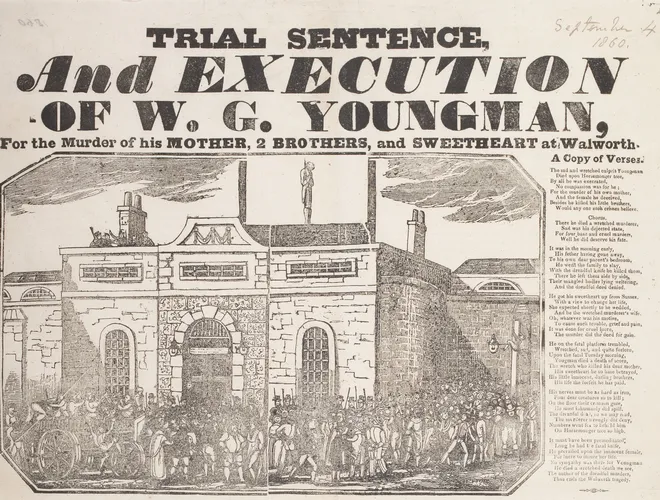
Horsemonger Lane Jail
Where rooftop executions became a violent Southwark spectacle
-
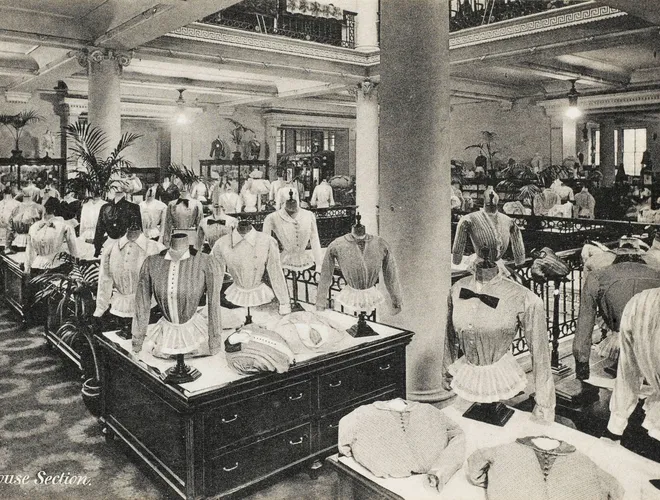
The Forty Elephants: South London’s supreme shoplifters
How an all-women clan of career criminals hounded West End department stores
What was Victorian healthcare and medicine like?
Diseases like cholera, typhoid, smallpox and tuberculosis were a leading cause of death in Victorian London. Overcrowding and poor sanitation helped them spread.
There were major advances in healthcare and medicine during the Victorian period. Modern anaesthesia was developed. The understanding of germs as the cause of disease led to the introduction of antiseptic procedures during surgery. Legislation around public health was passed and health boards were established.
Nurses, doctors & disease
-
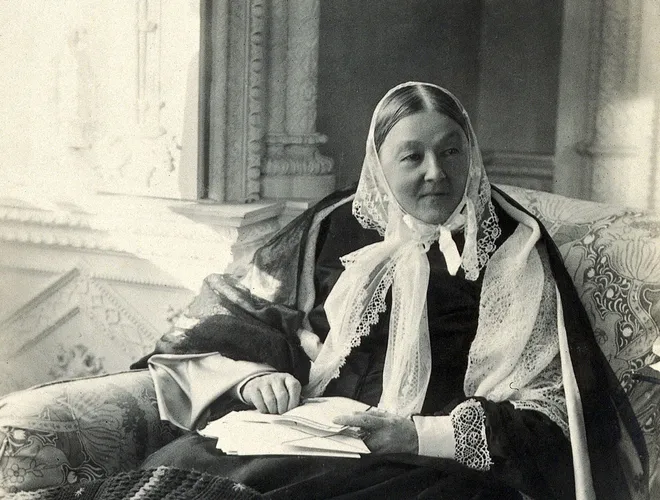
How Florence Nightingale shaped London healthcare
Modern nursing has a lot to thank this 19th-century trailblazer for
-
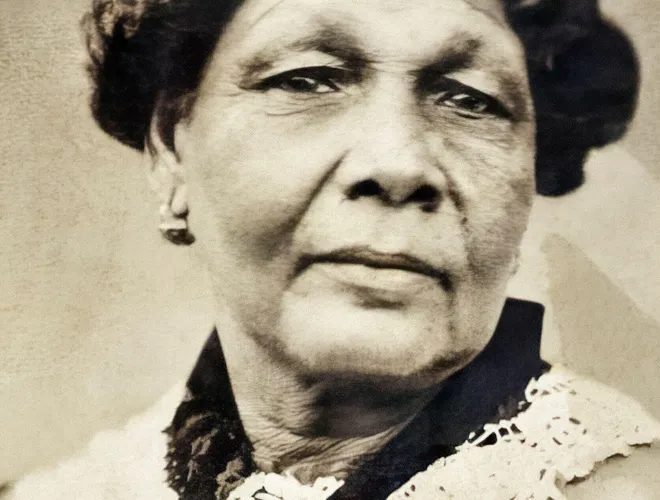
Mary Seacole: Doctress of the Crimean War
The determined businesswoman and caregiver who looked after troops at war
-
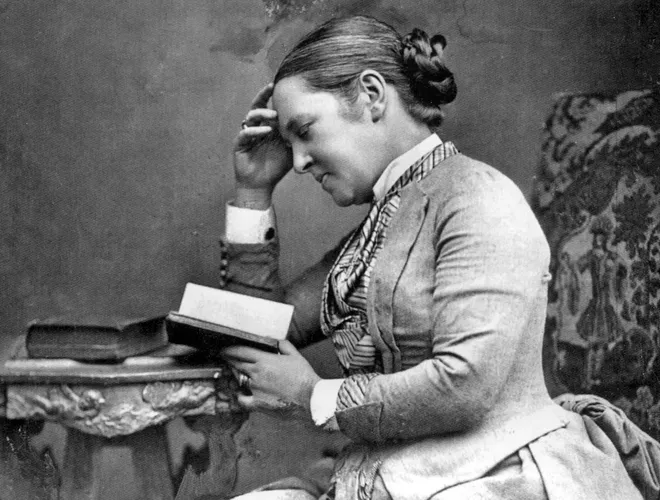
Elizabeth Garrett Anderson: A pioneering doctor
The first woman in Britain to qualify as a doctor
-
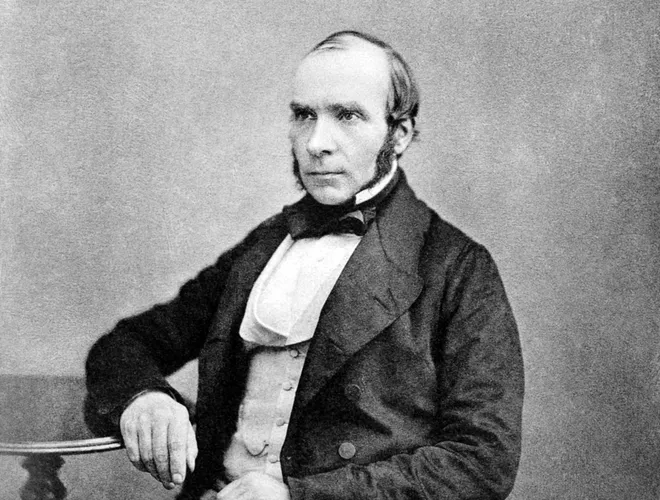
John Snow: Cholera & the Broad Street pump
Sure that the deadly disease spread through water, Snow traced a cholera outbreak to a Soho water pump
How did the Victorians entertain themselves?
Thanks to fixed working hours, the expansion of the railways and increasing living standards, working-class people had more time and money to spend on leisure.
Affordable music halls and variety theatres opened. Many pubs, once only used by working-class men, transformed into ornate gin palaces, respectable enough for courting couples. Sports like football became formalised spectator events. And grand exhibitions, like the Great Exhibition of 1851, glorified the empire and Britain’s exploitation of its colonies.
Attitudes towards children changed and they were no longer thrown into the world of work as soon as possible. The production of toys and novelties also boomed. An increase in literacy meant print media, like newspapers, magazines, novels and cheap serials called penny dreadfuls, thrived.
Pleasure-seeking Victorian-style
-
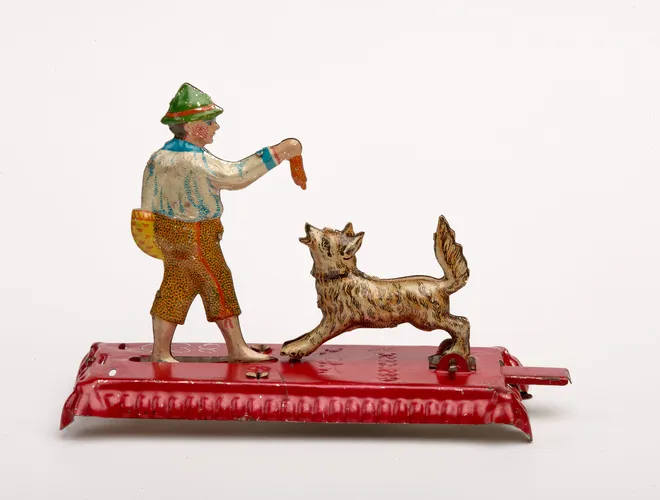
What were penny toys?
These colourful toys were sold on the streets by some of London’s poorest citizens
-
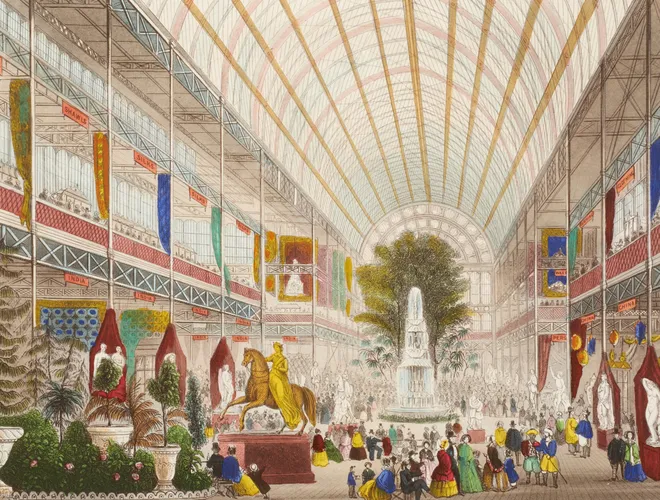
What was the Great Exhibition of 1851?
A groundbreaking public attraction on an almost unheard-of scale
-
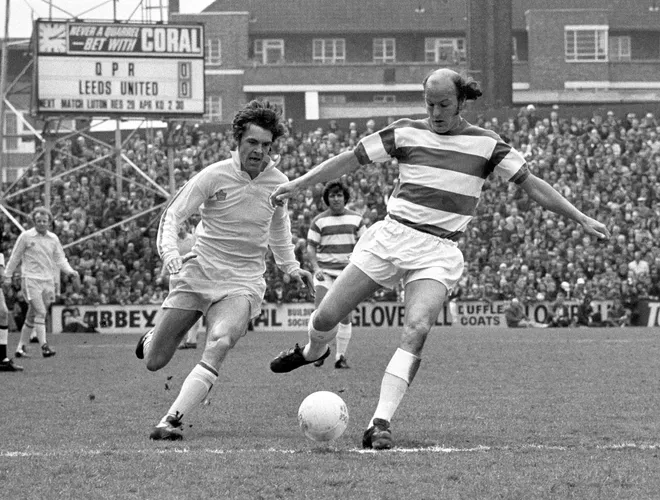
London’s oldest football clubs
Over 100 years of football fandom
-
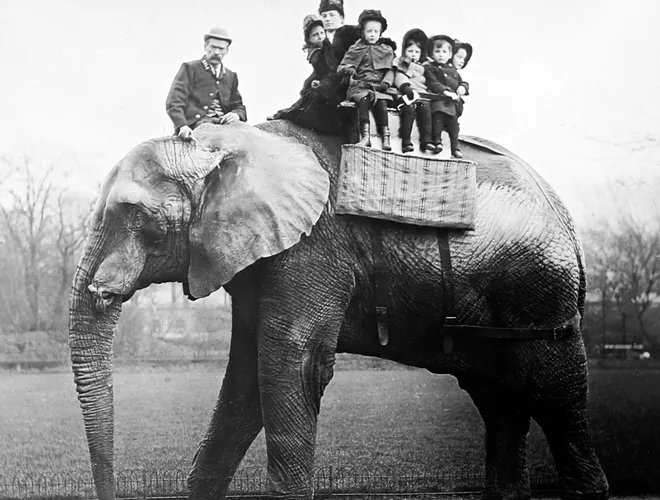
Jumbo the Elephant
How a 19th-century animal celebrity gave us a massive new word
-
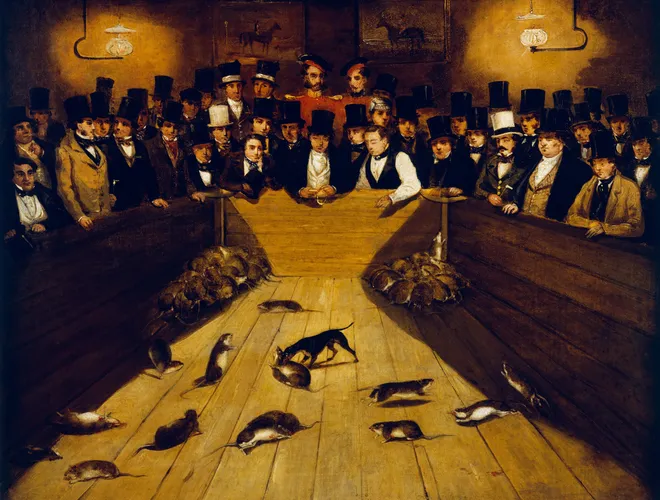
Tiny the wonder dog: Rat-killing champion
London’s most famous, most deadly terrier
-
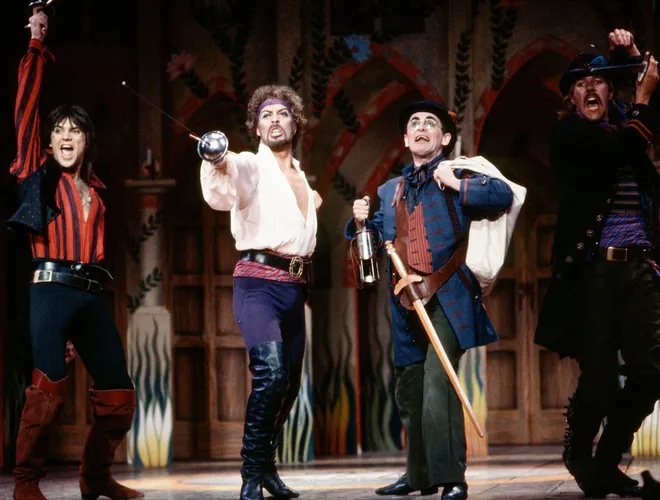
The comic operas of Gilbert & Sullivan
The writer-composer pair behind the hottest shows in Victorian London
-
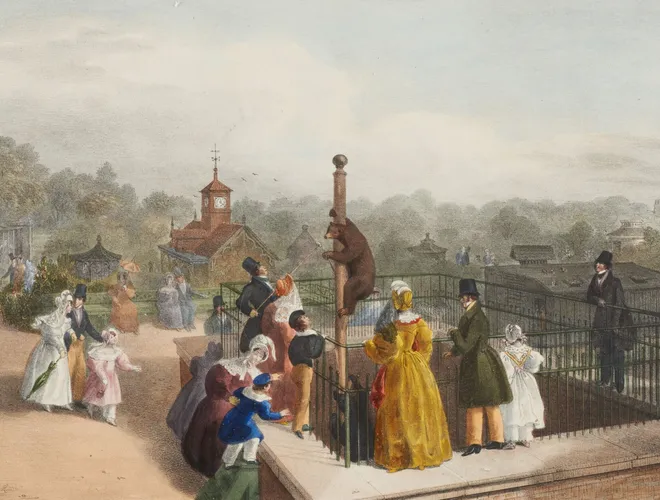
A little history of London Zoo
The wildest place in the capital?
-
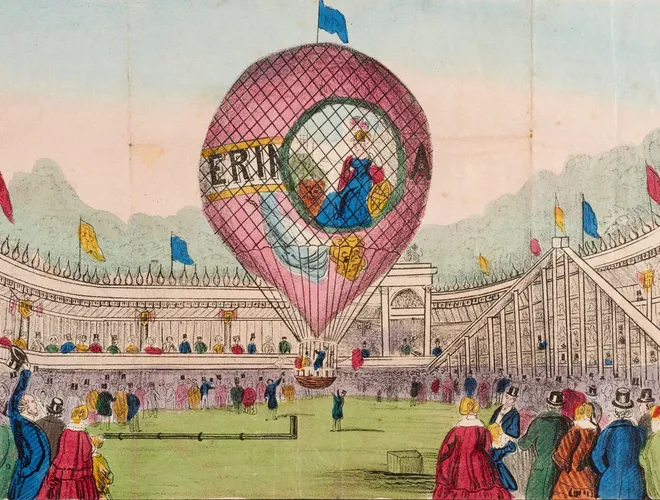
When London was swept up in balloon mania
Balloon ascents were all the rage in the late 1700s and 1800s