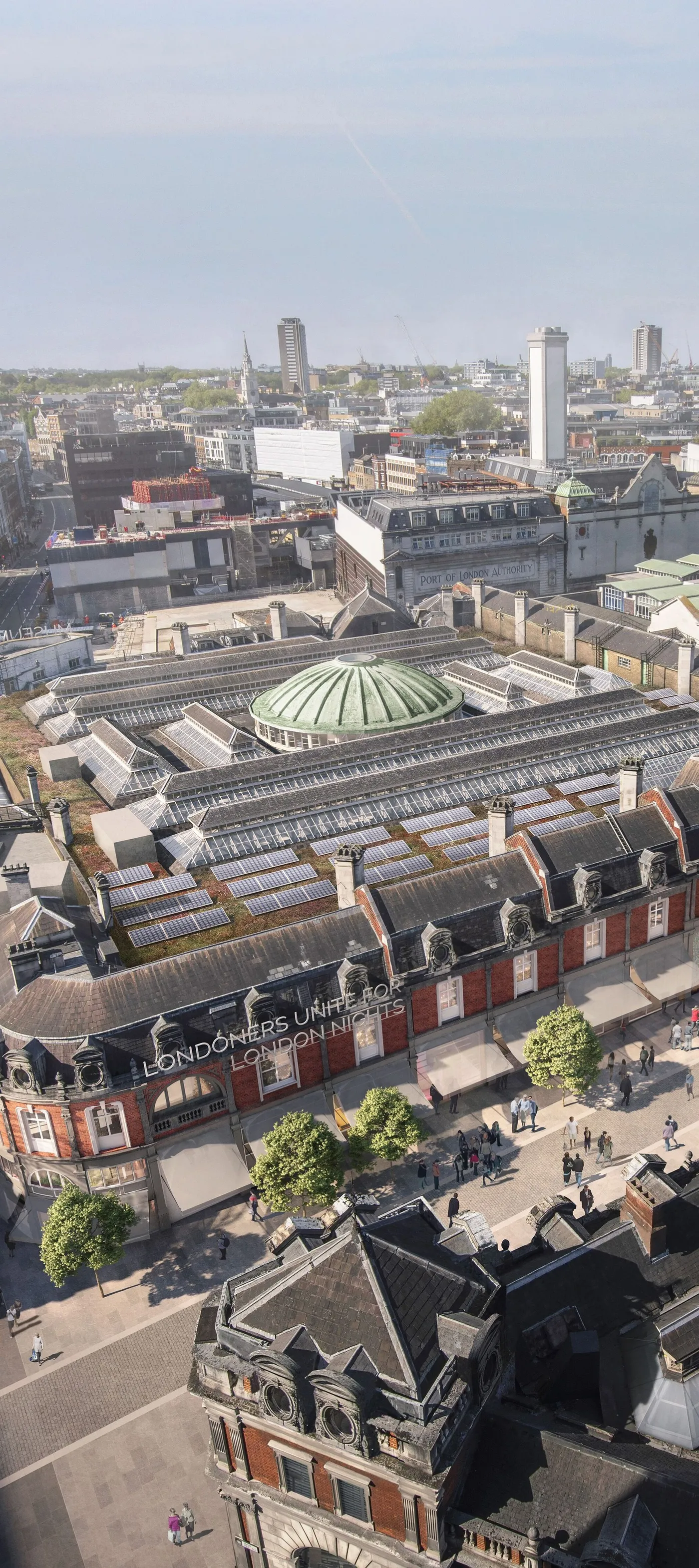
What was the temperance movement?
Social reformers blamed alcohol for many of Victorian society’s problems, and so they campaigned widely for a life without drink. This movement towards moderation or teetotalism reshaped London’s landscape – as well as the city’s drinking habits.
1830s to the mid-20th century
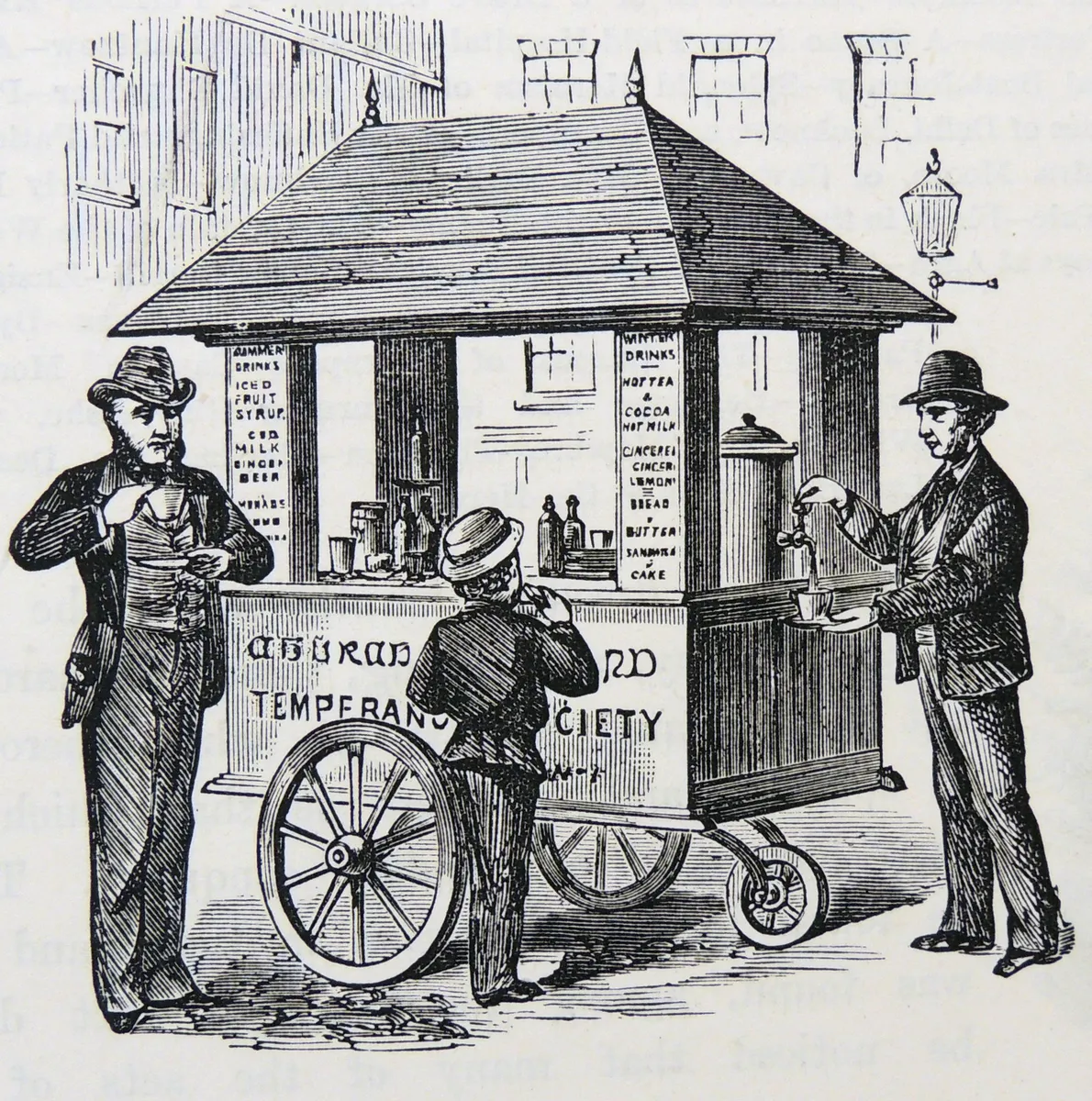
Engraving of a coffee stall set up in London by the Temperance Society, around 1890.
Driving people away from drink
Most Londoners – young and old – drank alcohol in the early 19th century. It was often seen as safer to drink beer and gin than polluted water.
But it was the drinking habits of working-class people that caught the eye of middle-class social reformers and religious groups. Their campaign for temperance, meaning the moderation and control of alcohol consumption, snowballed into a widespread movement for totally avoiding ‘the evil’. It continued well into the 20th century.
The temperance movement was hugely influential and had a lasting impact on what people drank. Societies promoting abstinence, or ‘teetotalism’, could be found up and down the country. They built their own alcohol-free spaces to gather in, including cocoa rooms, coffee houses, halls, hotels and even hospitals.
Why did Londoners drink alcohol in the 19th century?
In his 1859 account of the Ins and Outs of London, William O’Daniel wrote: “There is a well known London boast that ‘No one drinks water.’ This is literally true.”
Alcohol was everywhere in the capital. In the 1850s, there were more drink-sellers than fishmongers, dairy-keepers, cheesemongers, greengrocers, butchers and bakers combined. There were no age restrictions on alcohol, so you wouldn’t have to flash your ID to get a beer back then.
The public house, or ‘pub’ to us nowadays, played a huge role in working Londoners’ lives. You’d hang out at the pub, do business at the pub, hear the latest news at the pub. Prize fighting, ratting, amateur dramatics, pigeon-keeping – the pub was one of the few places you’d get your leisure fix, too.
People drank alcohol out of necessity. Safe drinking water was difficult to find in London. With much of it contaminated by industrial pollution and sewage, water was a source of serious diseases including cholera. So alcohol was a reliable alternative.
Hospitals prescribed wine, beer and spirits for a wide range of illnesses. And alcohol companies branded some of their products as ‘tonics’.
Londoners also drank for the same reasons many of us drink today – to socialise, to get a buzz, or to be totally intoxicated. In the face of awful living conditions, many drank for relief from the realities of life.
Why did the temperance movement start?
Middle-class social reformers and philanthropists saw alcohol as a moral failing and a route to ruin. While alcohol also fuelled bad behaviour in upmarket West End members’ clubs, it was the public drinking habits of working-class people that were a cause for concern. Drink was the easy blame for the complex issues of the industrialised city, where many lived in slum housing and poverty.
In the 1830s, these early temperance campaigns focused on spirits, but allowed drinking beer and wine. This wasn’t the first time spirits had come under the firing line. In the 18th century, gin-drinking caused a moral panic in London and led to several laws limiting who could distil and sell it.
-
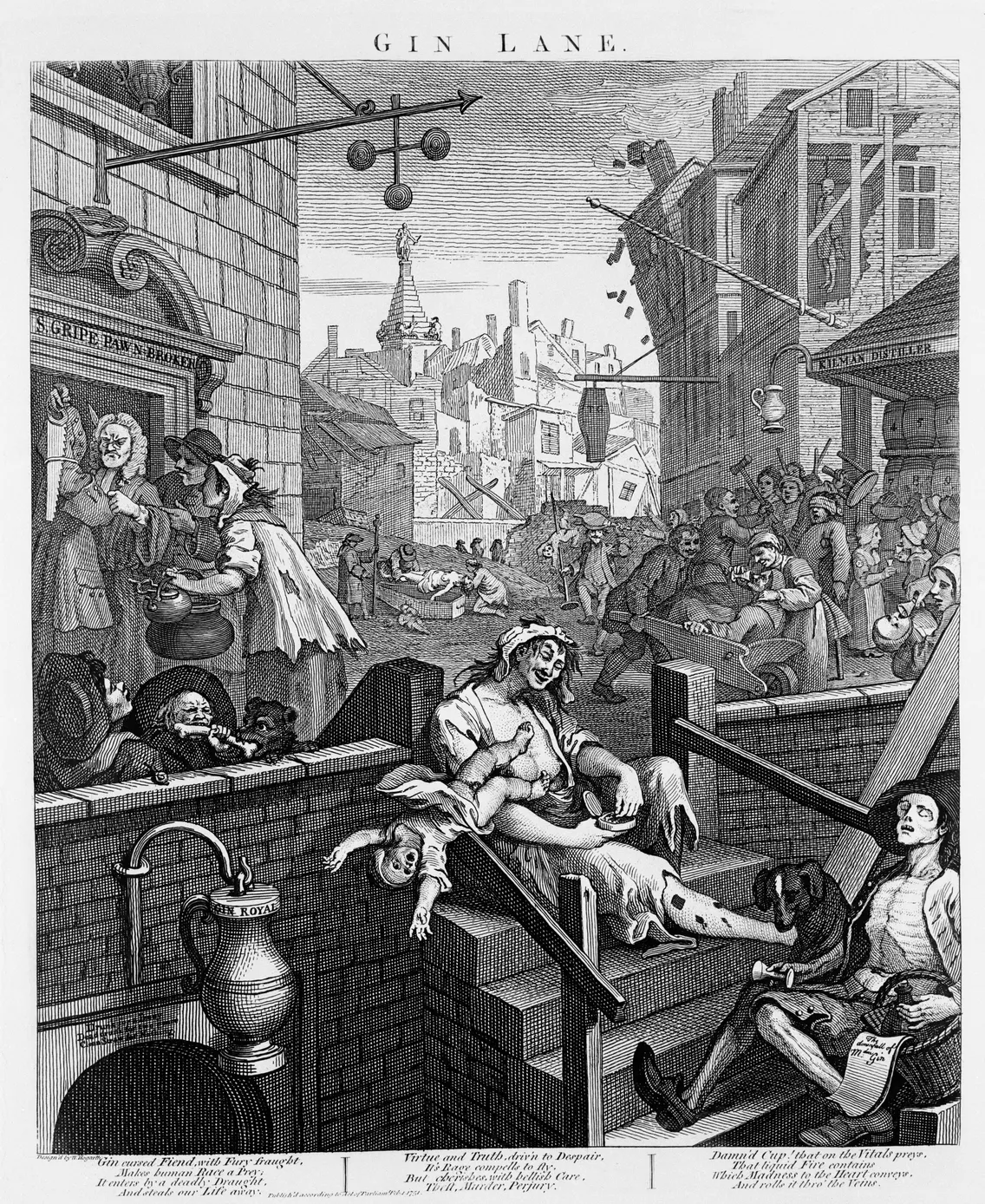
The artist William Hogarth produced a hellish image of gin's effects in his famous engraving Gin Lane.
-
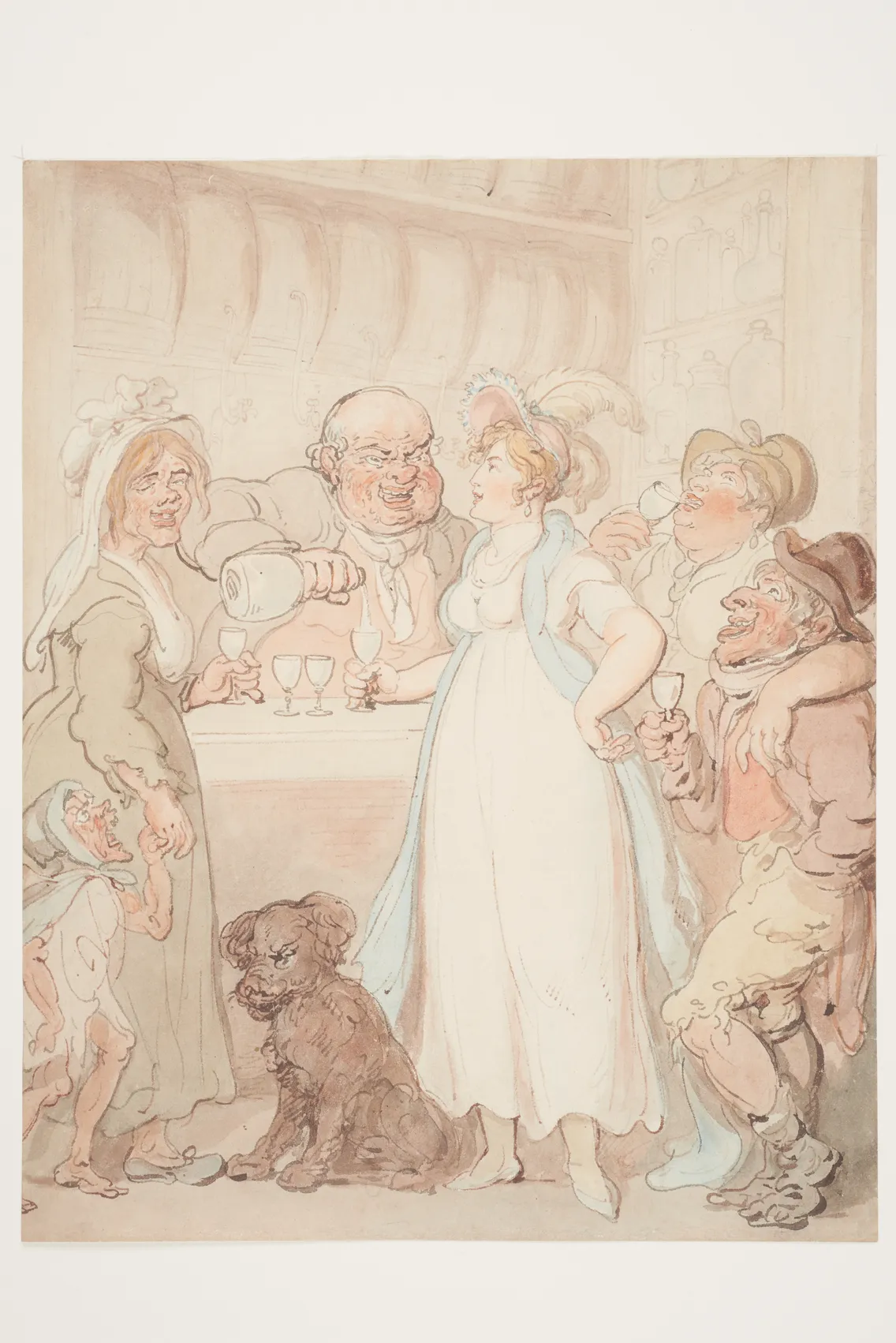
This Thomas Rowlandson drawing shows a woman being served gin surrounded by sozzled customers.
Some reformers didn’t think campaigning against spirits went far enough. A more radical movement towards teetotalism soon emerged. These teetotalers, including those from the working class, demonstrated their commitment to the cause by signing a pledge of avoidance.
A smaller campaign for prohibition – making, buying or selling alcohol illegal – also emerged in the mid-19th century, spearheaded by the United Kingdom Alliance.
Who was part of the temperance movement?
There were huge numbers of temperance societies in Britain during the 19th century, with most committed to teetotalism. Their ideas of an alcohol-free future captured the hearts and minds of millions.
The movement was powered by Christian religious groups and churches, particularly Methodists and Quakers. The Salvation Army, a Christian organisation that supported poor Londoners, was opposed to alcohol from its foundation in 1865. This sometimes made their members pretty unpopular. The co-founder, Catherine Booth, designed this ‘Hallelujah Bonnet’ to protect members from objects that people threw at them.
-
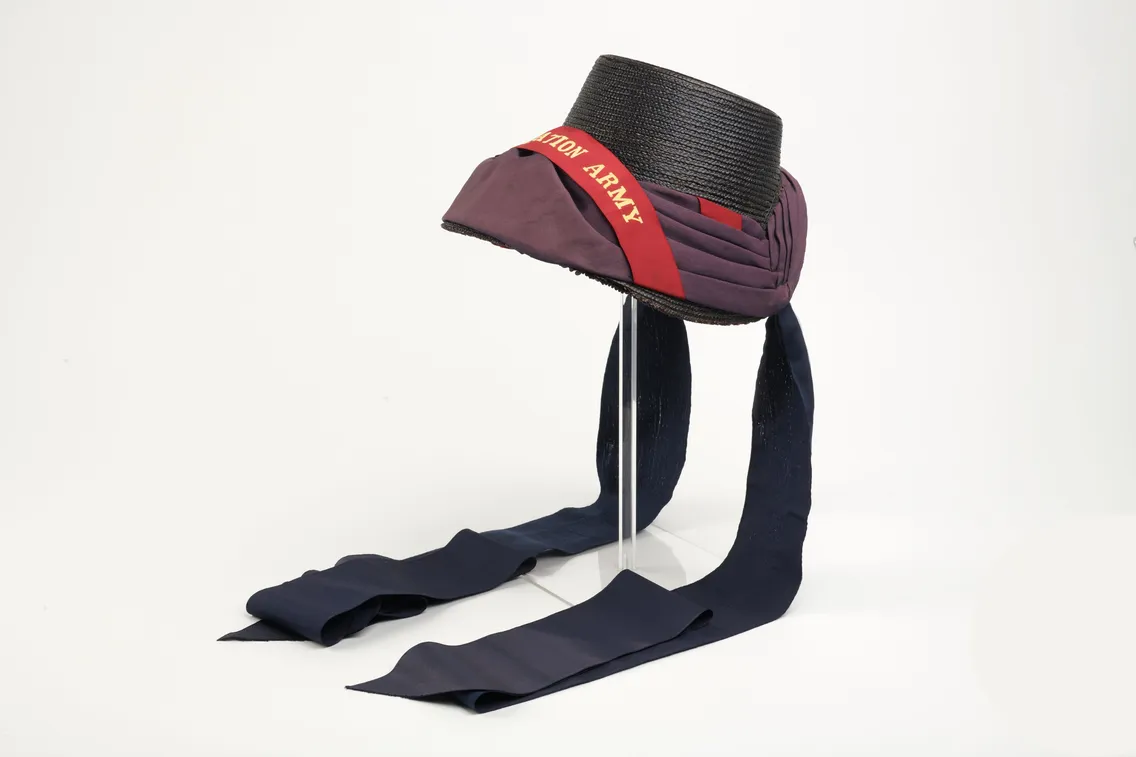
The Salvation Army’s Hallelujah Bonnet.
-
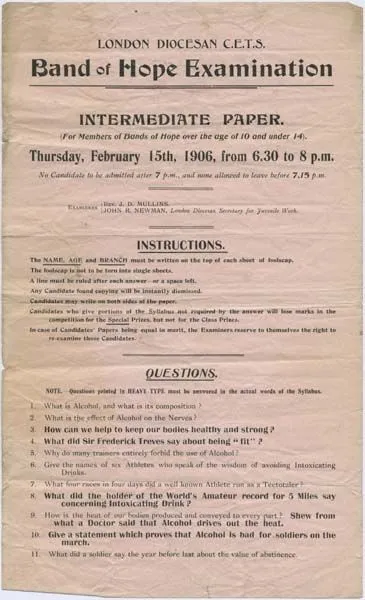
This Band of Hope exam paper from 1906 asked children questions about alcohol and abstinence.
Some temperance societies focused on specific issues. There was the Band of Hope, which was set up in 1847 to educate working-class children on the ‘evils’ of alcohol. By 1860, there were 120 Bands of Hope branches in London.
There was also the British Women’s Temperance Association, founded in 1876. It's thought this society had 45,000 members at its peak.
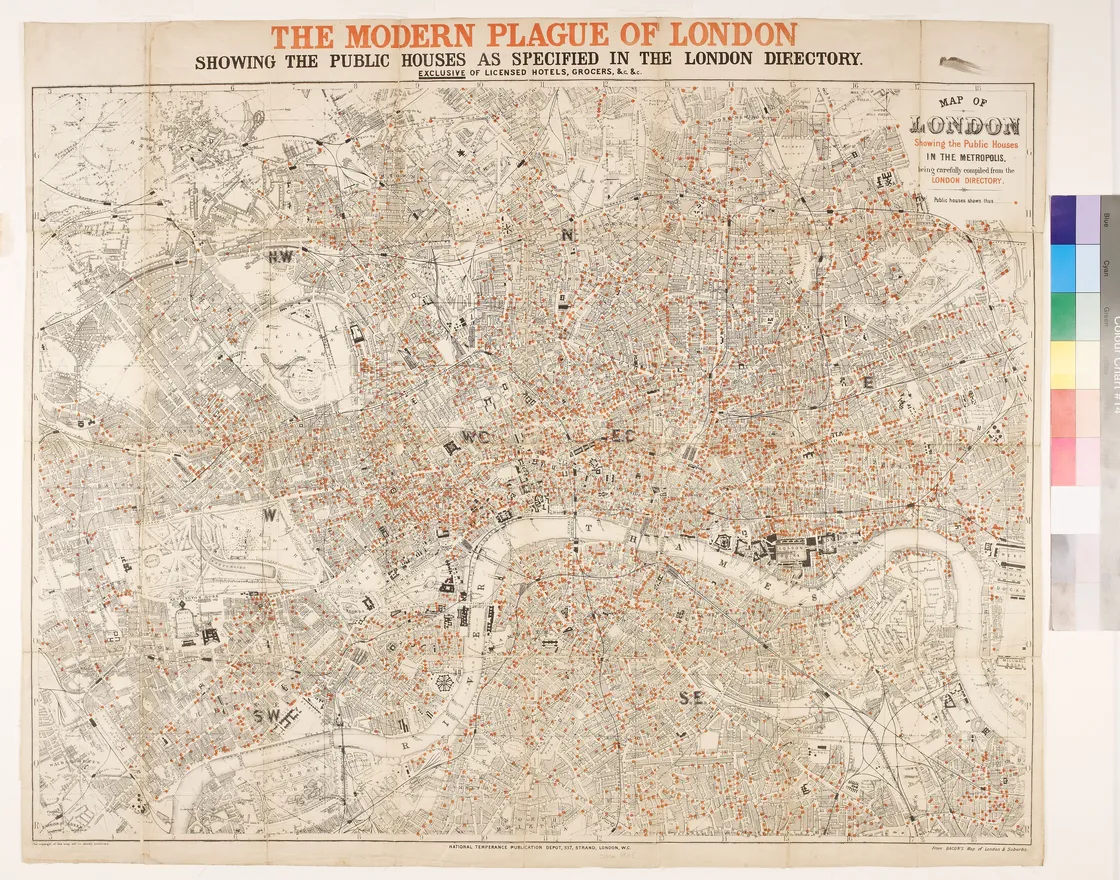
The Modern Plague of London map, published in 1886.
How did temperance campaigners spread their message?
The temperance movement was very visible across London’s public spaces. Societies organised noisy rallies, processions, pageants and public pledges of sobriety. These events would often involve speeches from a ‘reformed’ drinker.
The National Temperance League and other societies also held a huge annual fair at the Crystal Palace grounds in south London, which was attended by thousands.
Advances in 19th-century technologies, like printing and graphics, carried temperance messages far and wide. Societies produced their own journals and newspapers. They also made merchandise like medals, badges and household objects, like mugs and plates.
This map in our collection visualised the “plague” of alcohol through the density of public houses in London, which were marked by orange dots. It was made by the National Temperance Publication Depot, which also published books promoting sobriety.