The Thames Tunnel: Marc Brunel’s engineering marvel
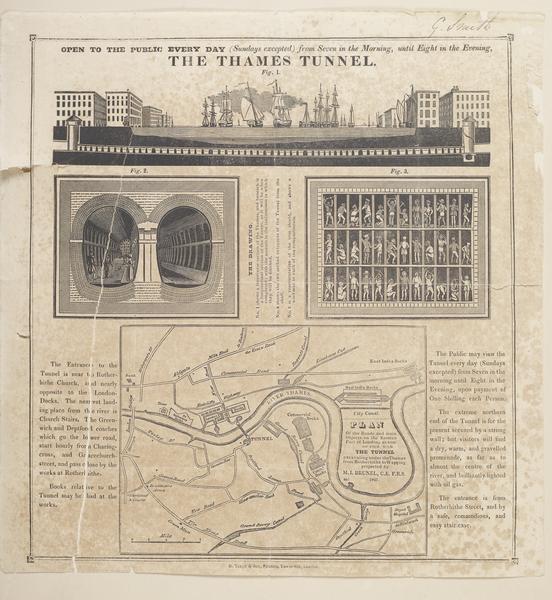
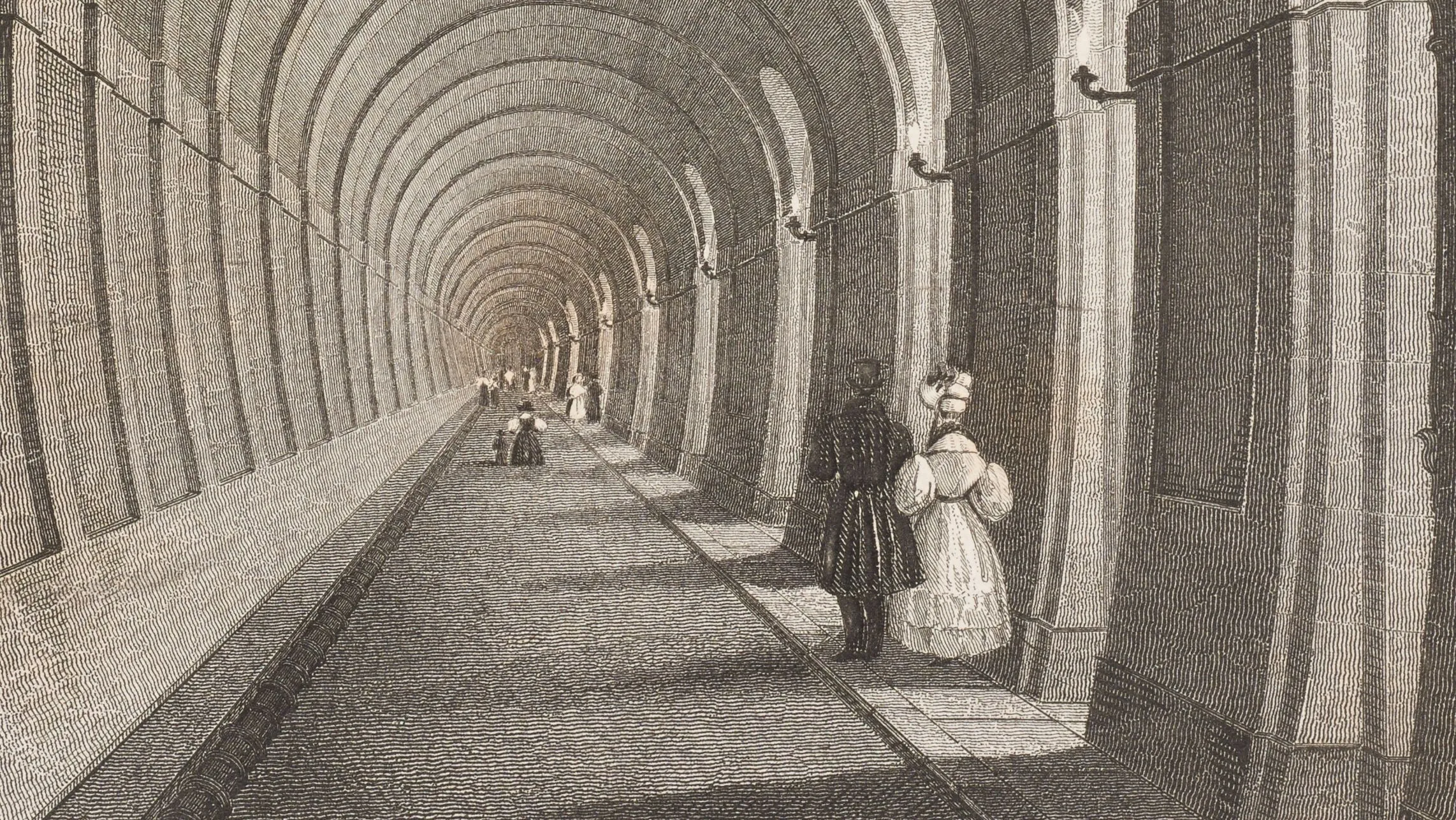
If you’ve ever travelled on the Windrush Line between Rotherhithe and Wapping, did you know you were going through the world’s first known underwater tunnel? The Thames Tunnel was a big deal for 19th-century Londoners. When it opened in 1843, taking a subterranean stroll through it was the Victorians’ idea of a great day out.
Tower Hamlets & Southwark
1843
A world first right under the River Thames
Who built the Thames Tunnel?
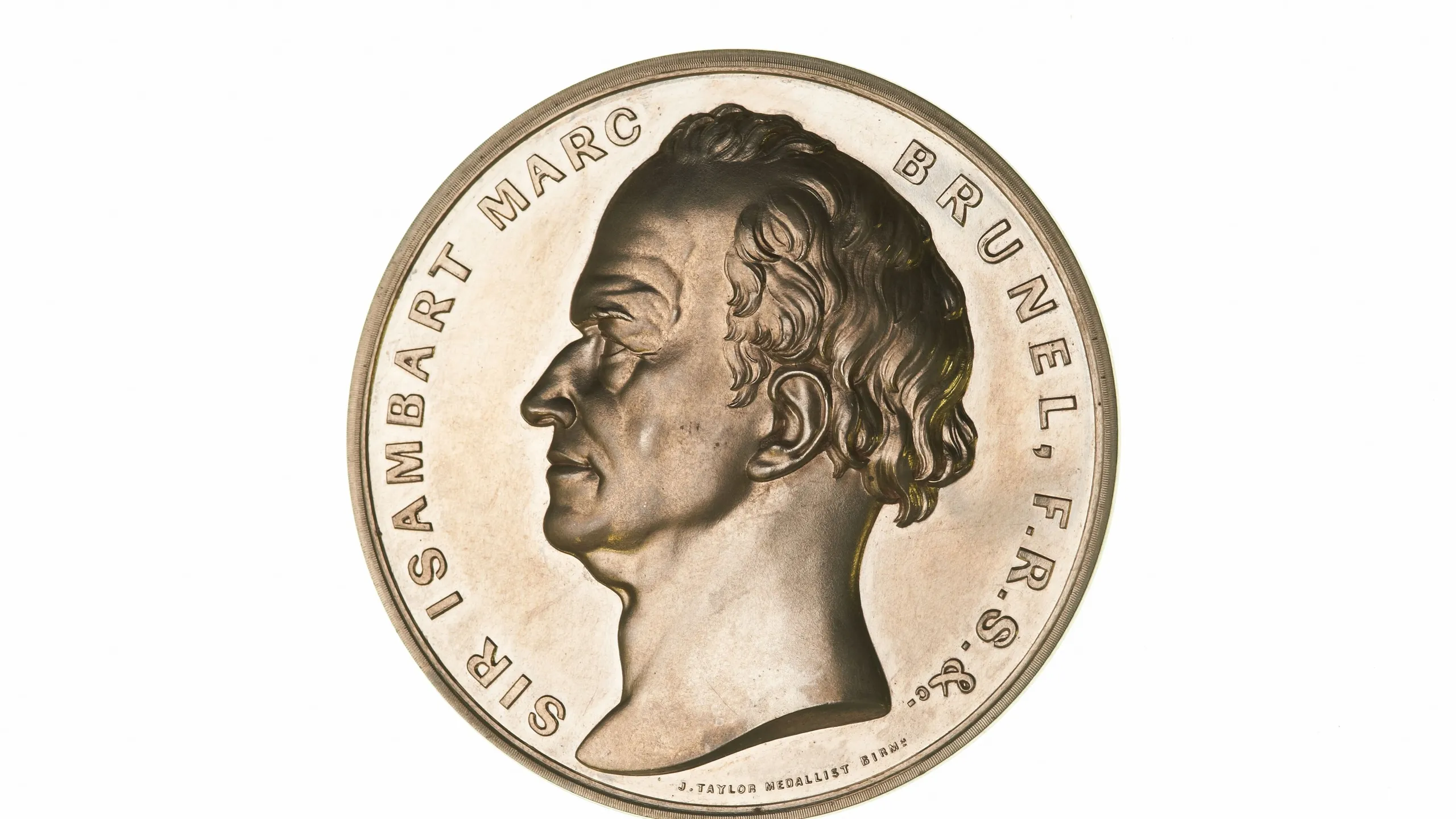
The Thames Tunnel was built by the engineer Marc Isambard Brunel. Brunel’s son, Isambard Kingdom Brunel, was brought on as a resident engineer. Isambard Brunel went on to become one of Britain’s most famous engineers, known for designing the Great Western Railway, Bristol’s Clifton Suspension Bridge and London’s Paddington Station.
How was the Thames Tunnel built?
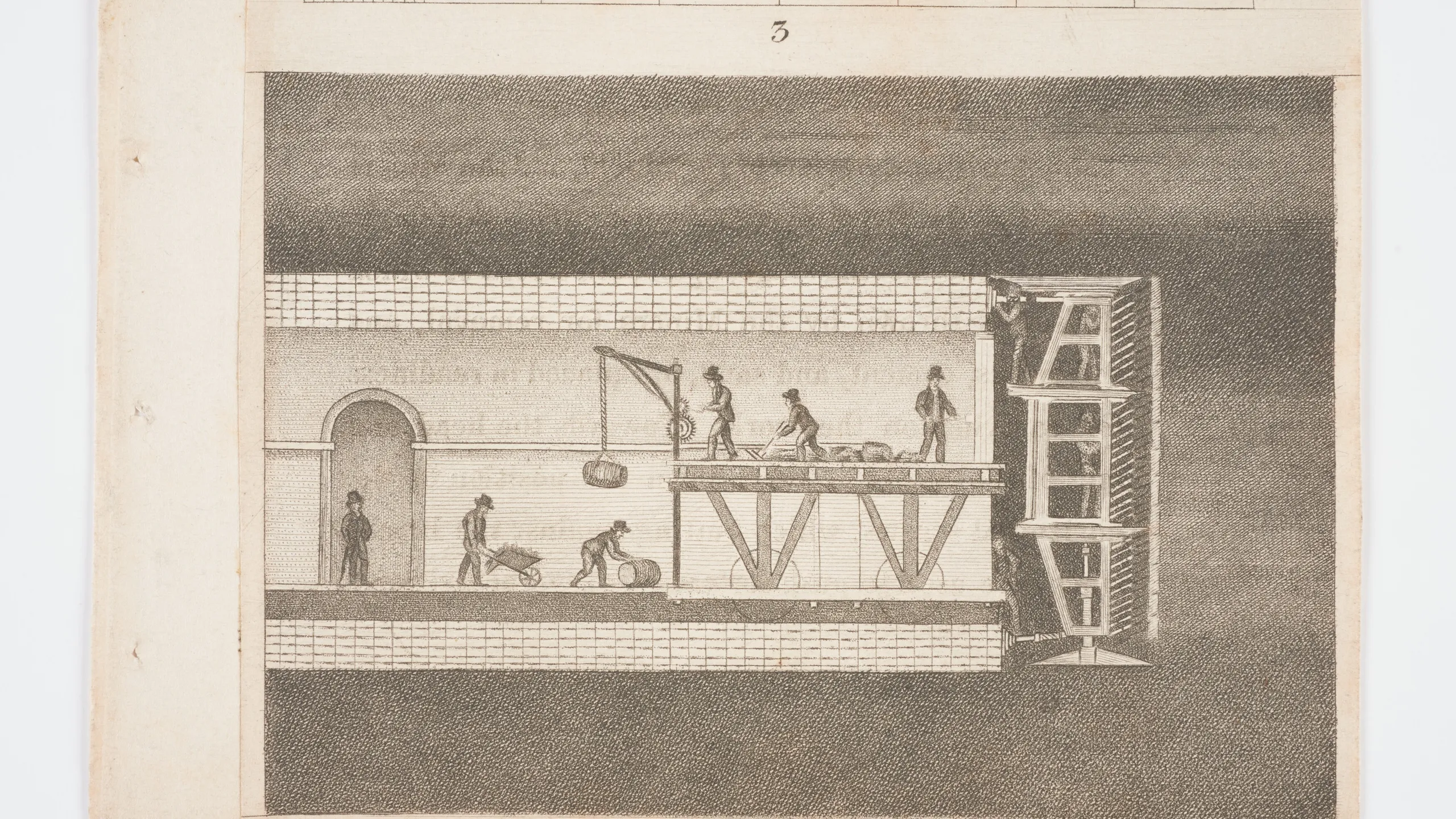
How could you tunnel through a riverbed without mud and water coming in? This problem had baffled engineers for centuries. Brunel’s solution? He created a seven-tonne tunnelling shield, pictured here, which was made locally in Lambeth. He was inspired by how shipworms use shell plates on their head to bore through wood. His rectangular wood and cast iron structure protected workers digging into the riverbed while the tunnel walls were constructed behind them.
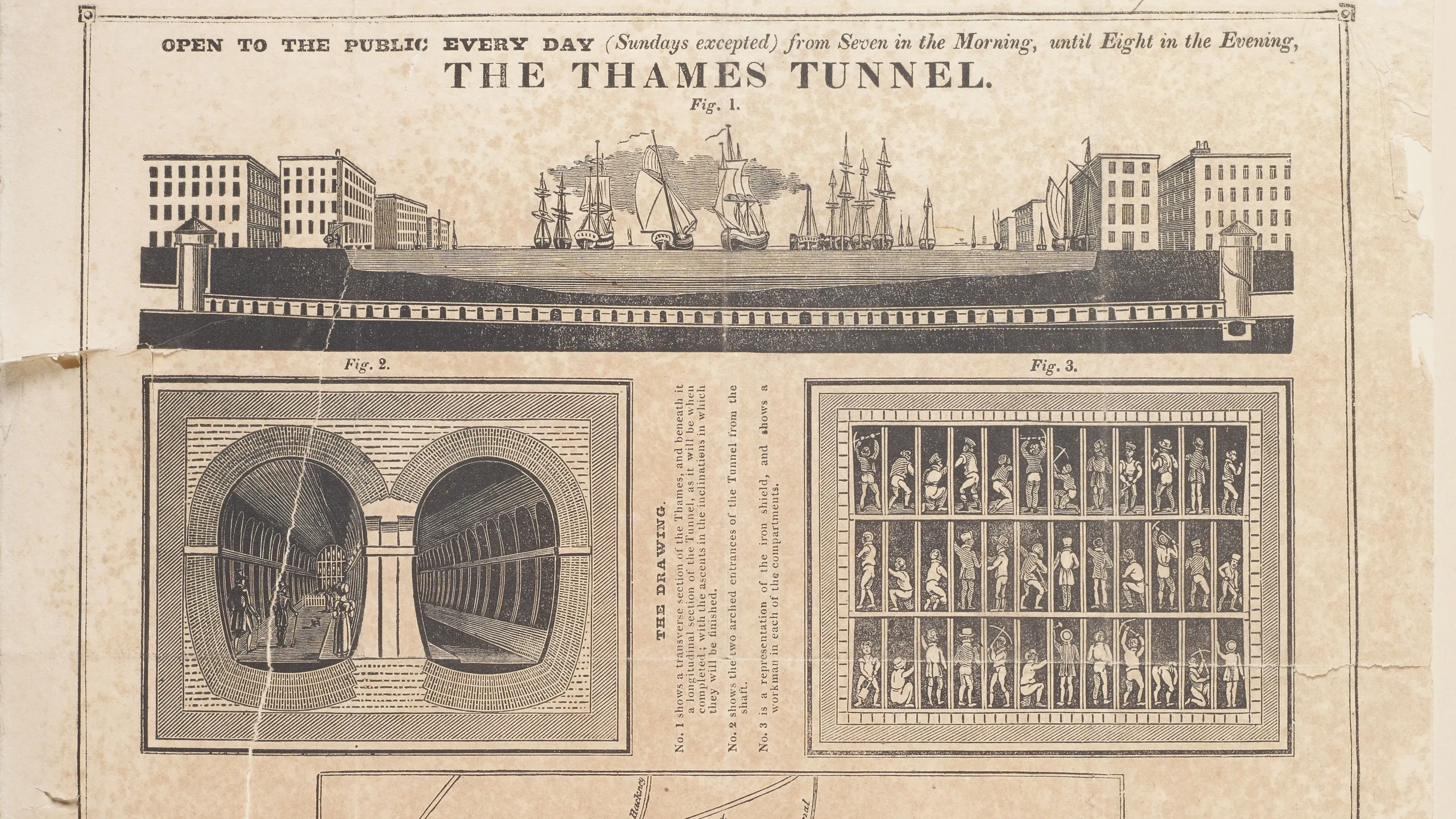
It was a long and dangerous project
The tunnel flooded on six separate occasions. In 1828, it flooded so badly that six people drowned and the young Isambard Brunel was seriously hurt. The project ran into financial difficulties and took 18 years to complete. The 366-metre-long Thames Tunnel finally opened on 25 March 1843.
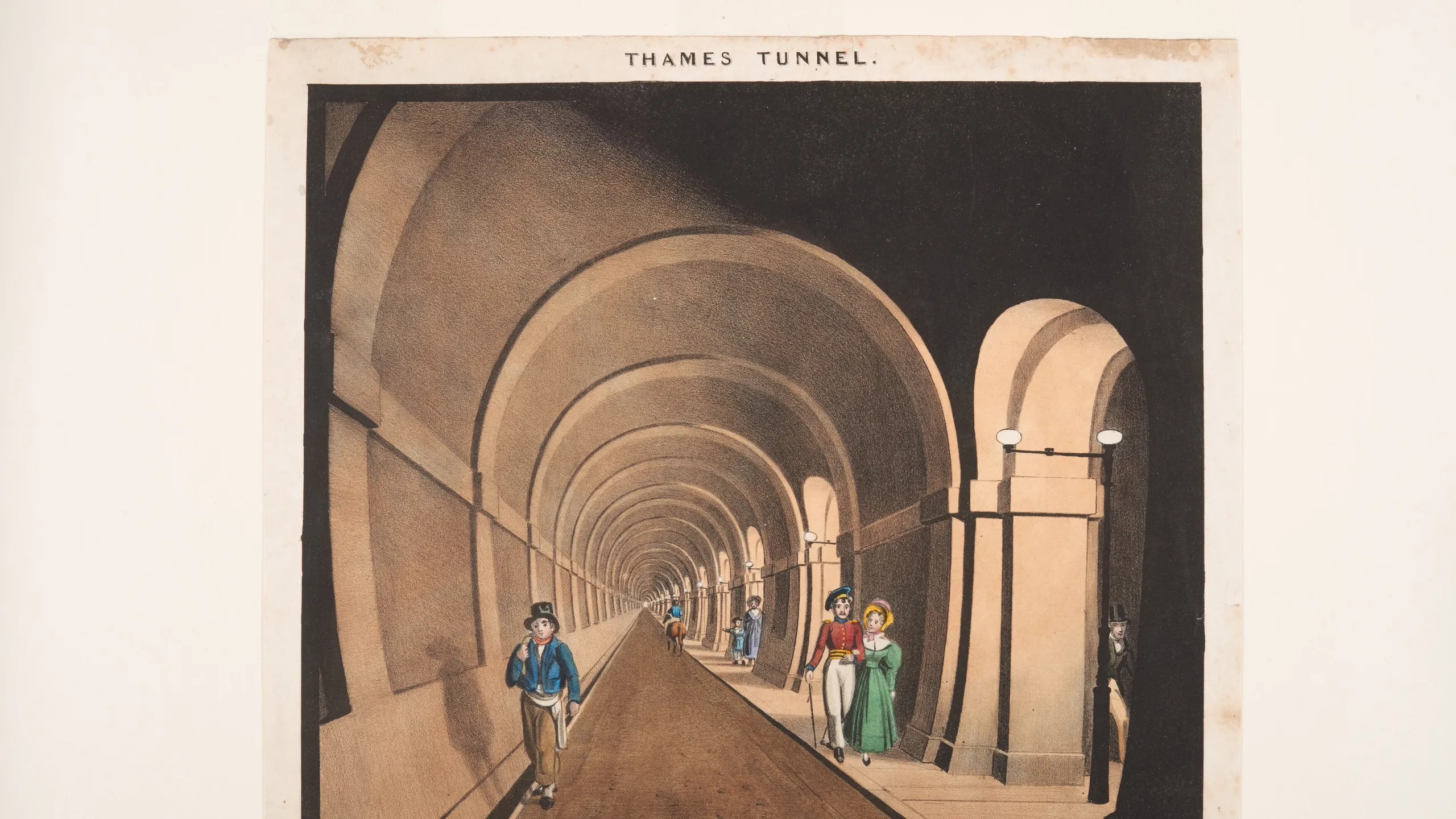
The tunnel was originally destined for horses and carts
The Thames Tunnel was designed for vehicles to carry cargo under the Thames. But there wasn’t enough money to build the ramps that would let horse-drawn coaches go through. Instead, the tunnel became a pedestrian walkway that was open to the public Monday to Saturday, from 7am to 8pm.
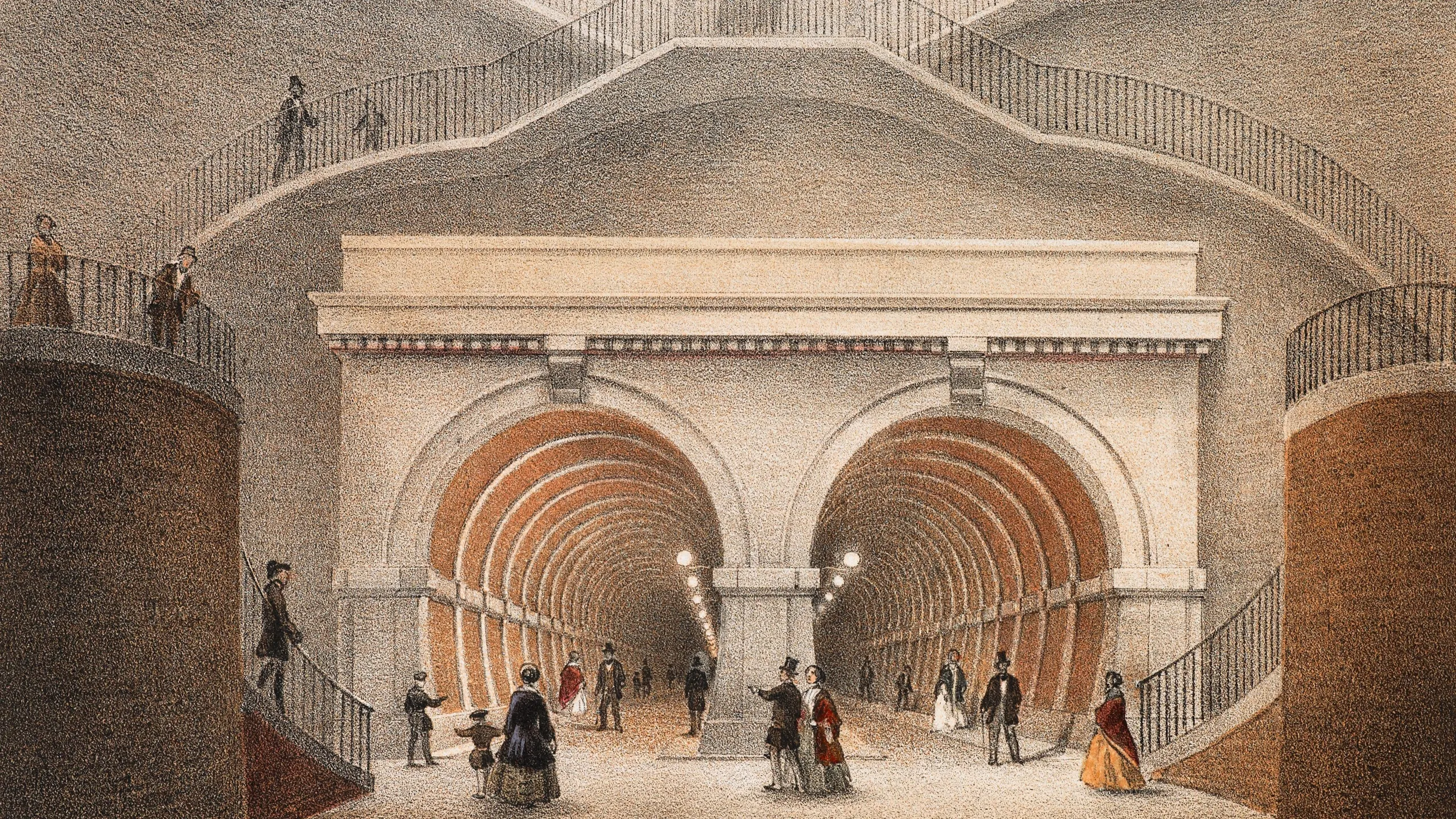
It was a big hit with Londoners
An engineering marvel, the tunnel was a hugely popular tourist attraction. One million people visited in the first ten weeks – that’s around half of London’s then population. Fairs and banquets were even hosted inside. At the time, it was called the ‘eighth wonder of the world’.
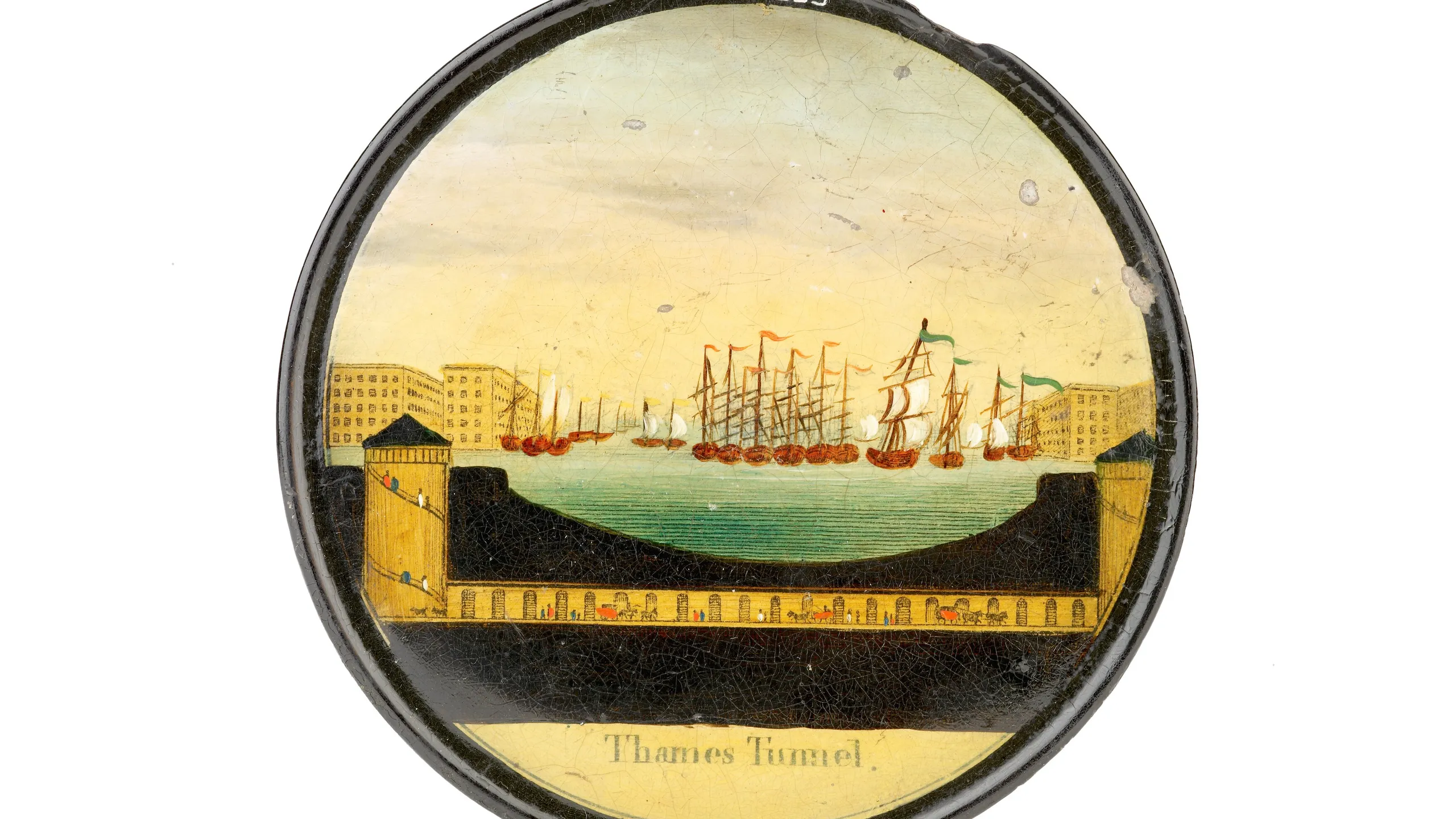
Retailers cashed in with Thames Tunnel souvenirs
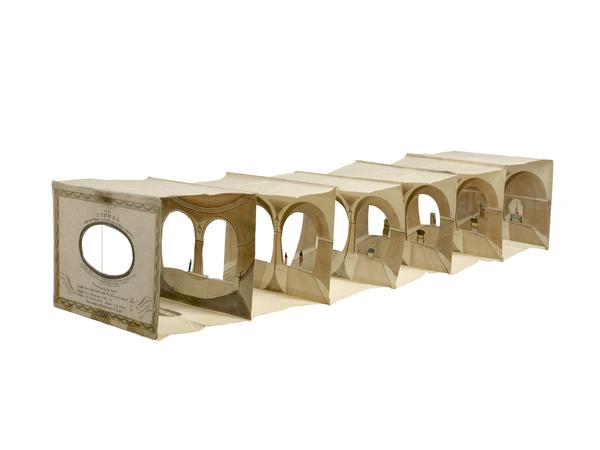
Retailers and manufacturers produced a range of souvenirs commemorating its opening to the public. Most of these were mass-produced, everyday items like needle cases and snuff boxes, as seen here.
But it soon fell out of fashion
By the mid-1850s, the Thames Tunnel had fallen into disrepair and became associated with crime and poverty. The dark, underground environment provided a space for sex workers and their clients. Many homeless people sought shelter in the tunnel. It earned itself the nickname the ‘Hades Hotel’, in reference to the mythological Greek ruler of the underworld.
Can you still walk through the tunnel today?
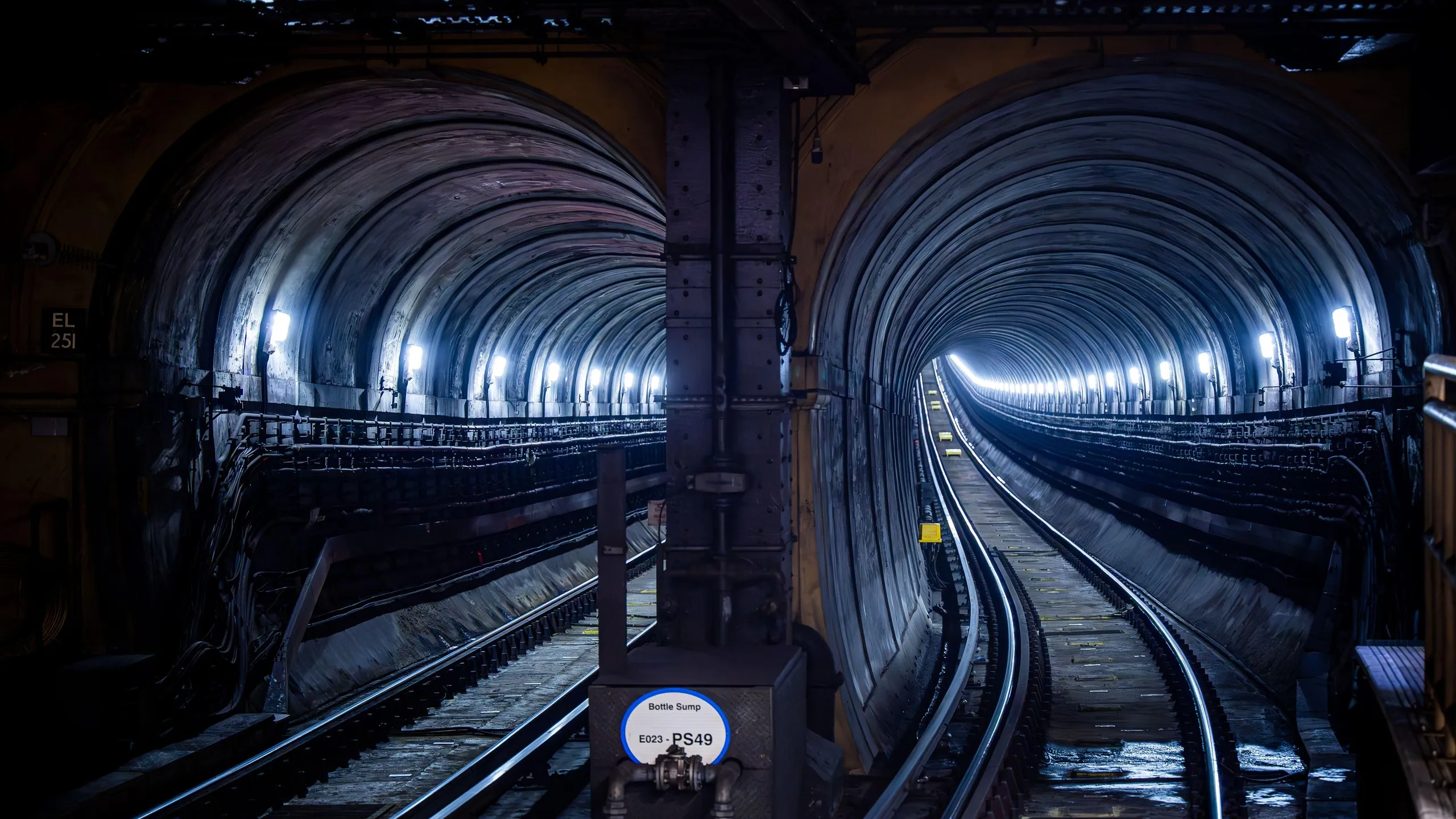
Idly strolling through the Thames Tunnel is a thing of the past. In 1865, the tunnel was sold to the East London Railway and was converted into a railway tunnel. Today, it’s part of the London Overground’s Windrush Line that runs between east and south-east London. One of the original halls for Victorian visitors is now open to the public as part of the Brunel Museum.
Tags
-
Fashion

-
-
Printed Ephemera
-
-
-
Paintings, Prints & Drawings
 Paintings, Prints & Drawings
The Thames Tunnel (coloured lithograph)
Shepherd, Thomas Hosmer
1854-08-01