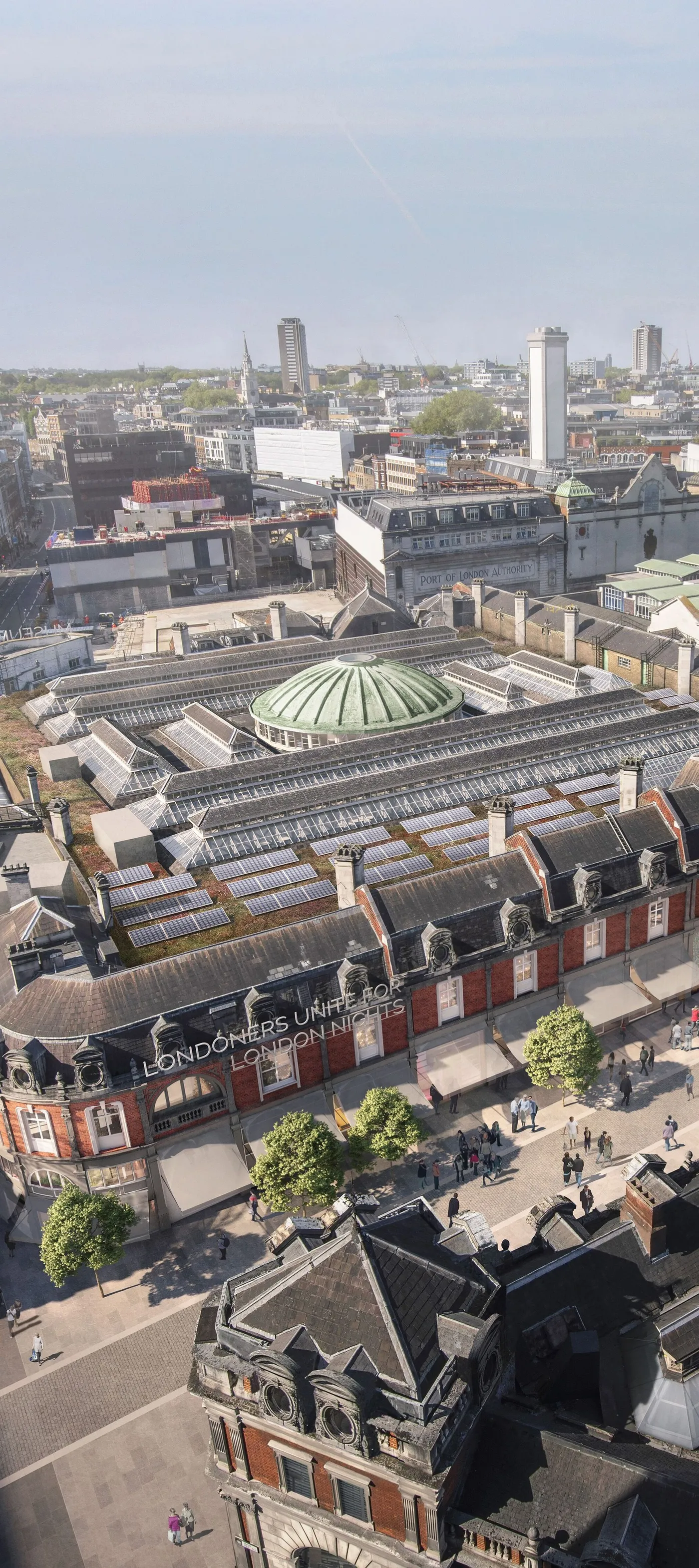
How gas lamps illuminated London
We may think of gas street lighting as a feature of London’s past, eerily depicted by authors like Charles Dickens. But some of these beacons of light have survived the era of electricity.
From 1807
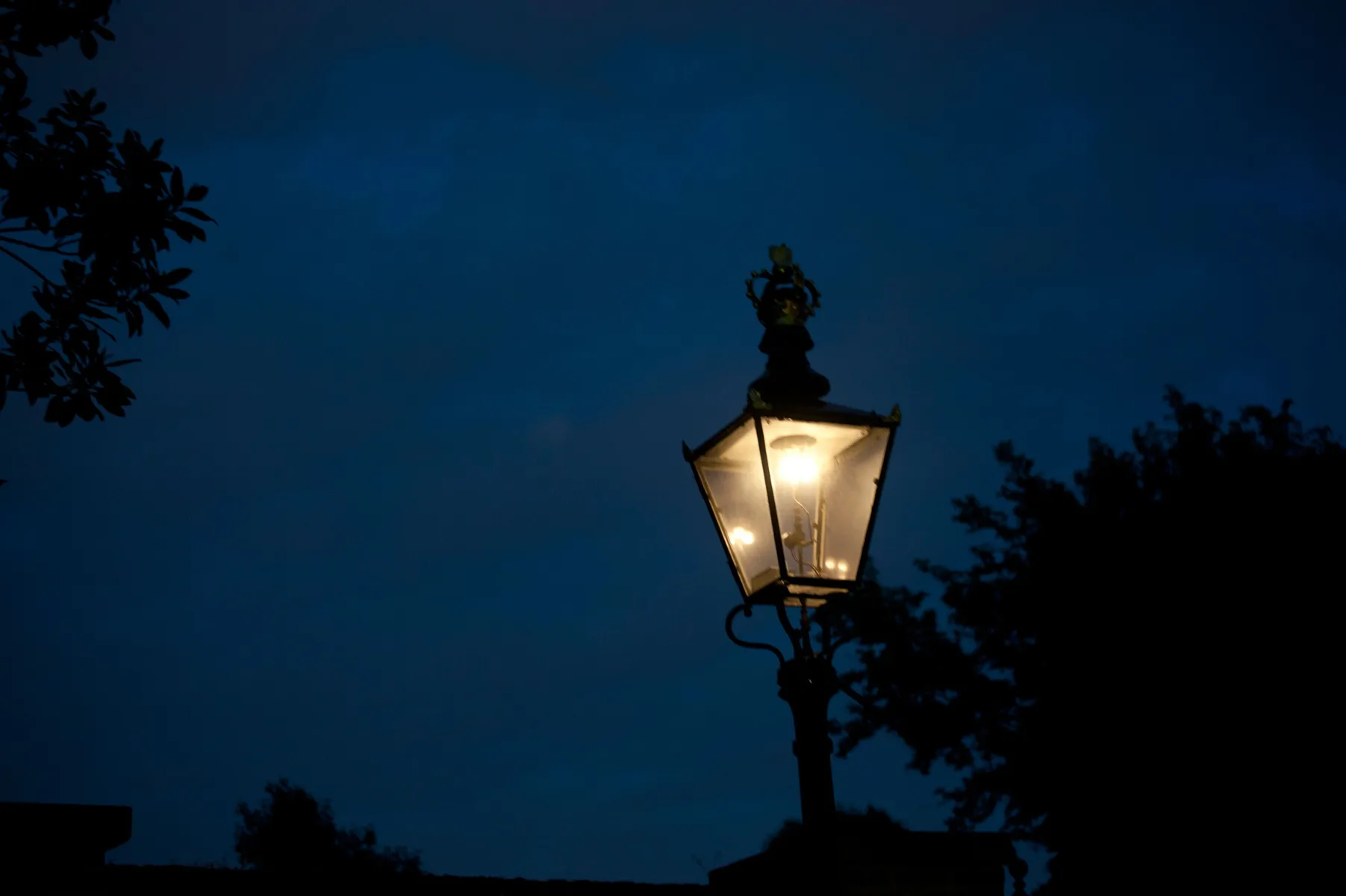
A gas lamp in Kensington Gardens.
Let there be light
With light available to us at the flick of a switch or the tap of a screen, it’s hard to imagine just how dark and shadowy London used to be. Up to the end of the 18th century, street light at night was very limited. The main light sources were the moon, animal-fat candles on fixed poles, and torches dipped in a flammable substance called pitch for use on the move. Some of the city’s larger houses had oil lamps outside that used whale oil and cotton wicks.
The arrival of gas lighting in London in 1807 made the city more accessible at night. Burning gas was cheaper than burning oil, and the lamps shone brighter – though gas lamps did come with explosion risks. By 1842, most of London’s main streets were illuminated.
Gas companies, like the Gas Light and Coke Company, established large gasworks in the city. These gasworks drove the machine that made London an industrial power. Thousands of gas workers and lamplighters worked to keep the city lit.
Electricity now provides our light, but London’s gas lamps haven’t been totally extinguished.
Where were the first gas lamps in London?
Engineer Frederick Winsor, who you can see in the print below, conducted the first public display of gas lighting in 1807. Using the barrels of old musket guns as gas pipes, these lamps illuminated street lights on Pall Mall to celebrate the birthday of King George III.
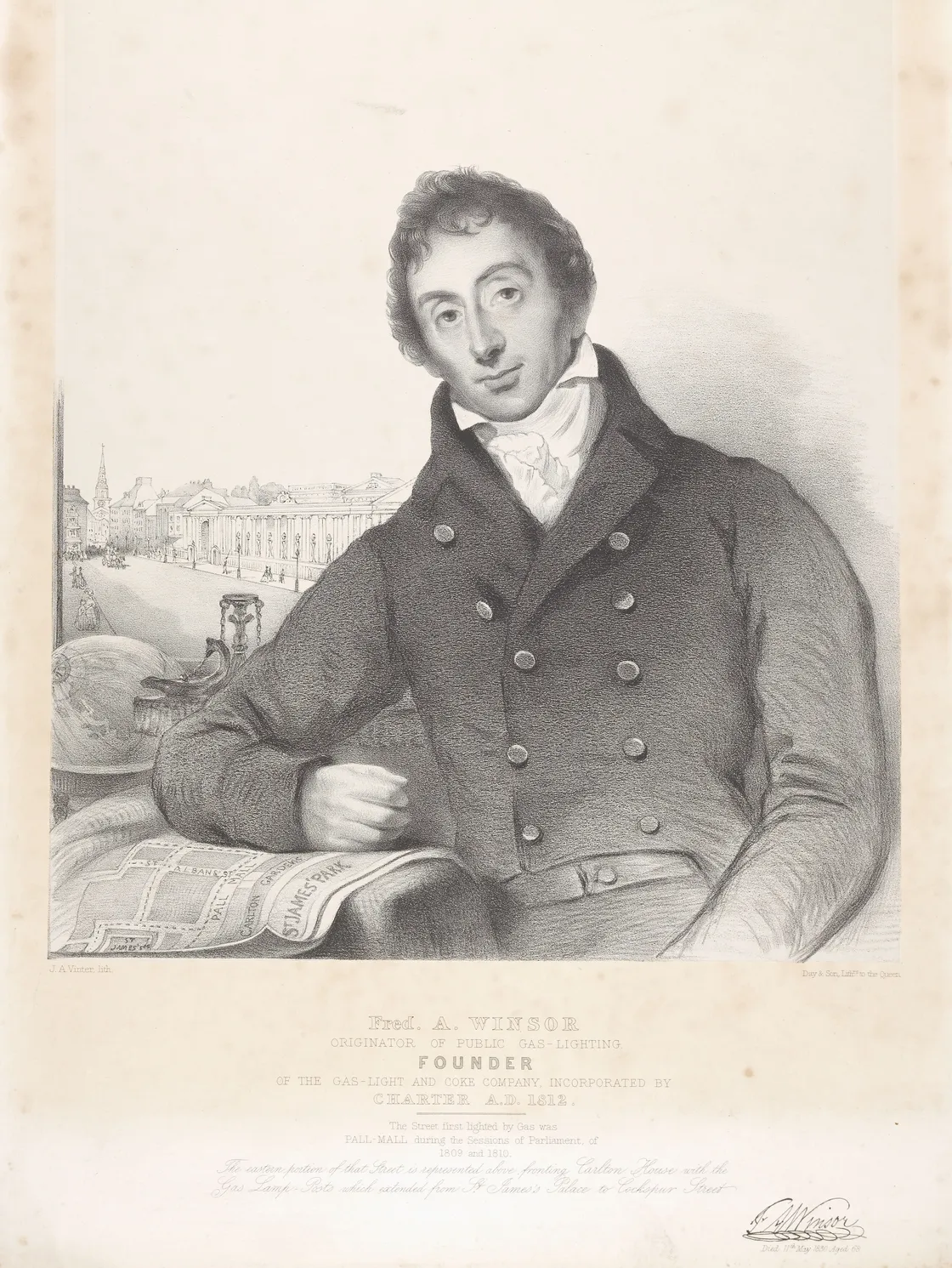
A portrait of Frederick Winsor, produced between 1830 and 1840.
In 1813, Haymarket Theatre replaced its candles and oil lamps with gas lamps. At the end of that same year, Westminster Bridge was lit by gas street lamps. By the 1820s, there were around 50,000 gas lamps in London, connected by 300 miles of pipes.
The Gas Light and Coke Company
The Gas Light and Coke Company was founded in London in 1812. It was the first gas company in the world, and helped establish the city as a leading industrial powerhouse.
It supplied London with gas lighting by burning coal and distributing its gas into lamps via a network of pipes. Several other gas companies were established here over the next four decades, demonstrating the industrial capital’s reliance on gas power. The Gas Light and Coke Co. remained one of the biggest.
In 1867, the company bought a site in East Ham, which was much larger than its first home in Westminster. It was also closer to the docks where coal from the north of England was being unloaded.
The new gasworks was named Beckton after Simon Adams Beck, the then governor of Gas Light and Coke Co. This column capital below once topped a pillar at Beckton Gasworks.
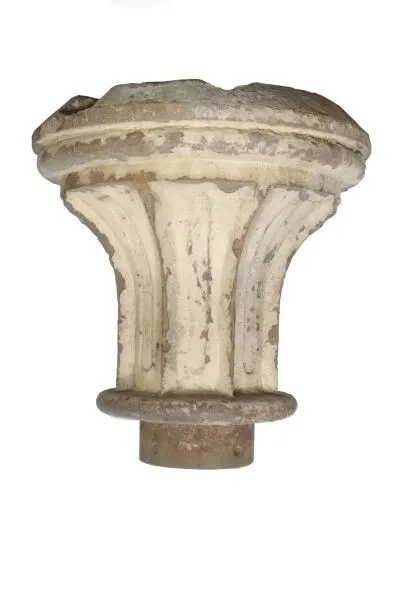
A capital taken from the top of a pillar in one of the retort houses, where coal was heated, at Beckton gasworks.
Living by the gasworks
As well as Beckton, there were gasworks in places like King’s Cross, Bromely-by-Bow, Kennington and Fulham. The gasholders, and the smell of the gas, became distinctive features of the areas in which they were built. They also impacted the people who lived nearby. Social reformer Charles Booth documented how the areas around the gasworks deteriorated as nobody wanted to live there.
However proximity to the gasworks did have an upside – it was believed that the fumes helped to cure whooping cough.
“the conscious gas began to grow pale with the knowledge that daylight was coming”
Charles Dickens, The Uncommercial Traveller, 1860
-
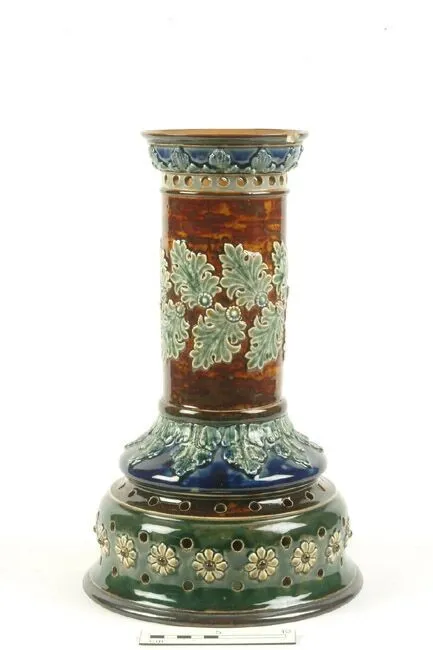
An ornate gas light surround made by Doulton and Watts.
-
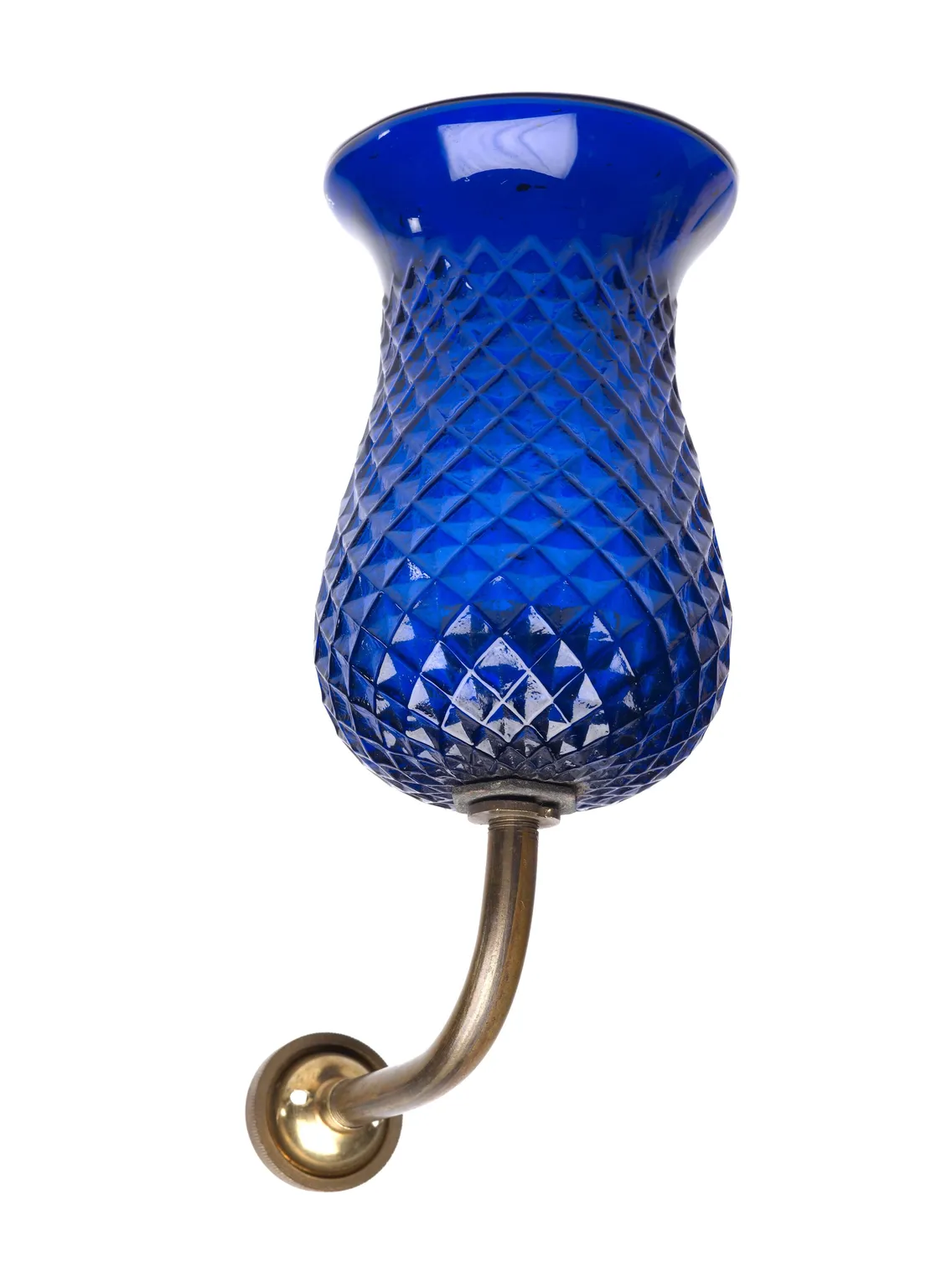
A coloured gas lamp shade used to decorate the streets for Queen Victoria’s Golden Jubilee.
-
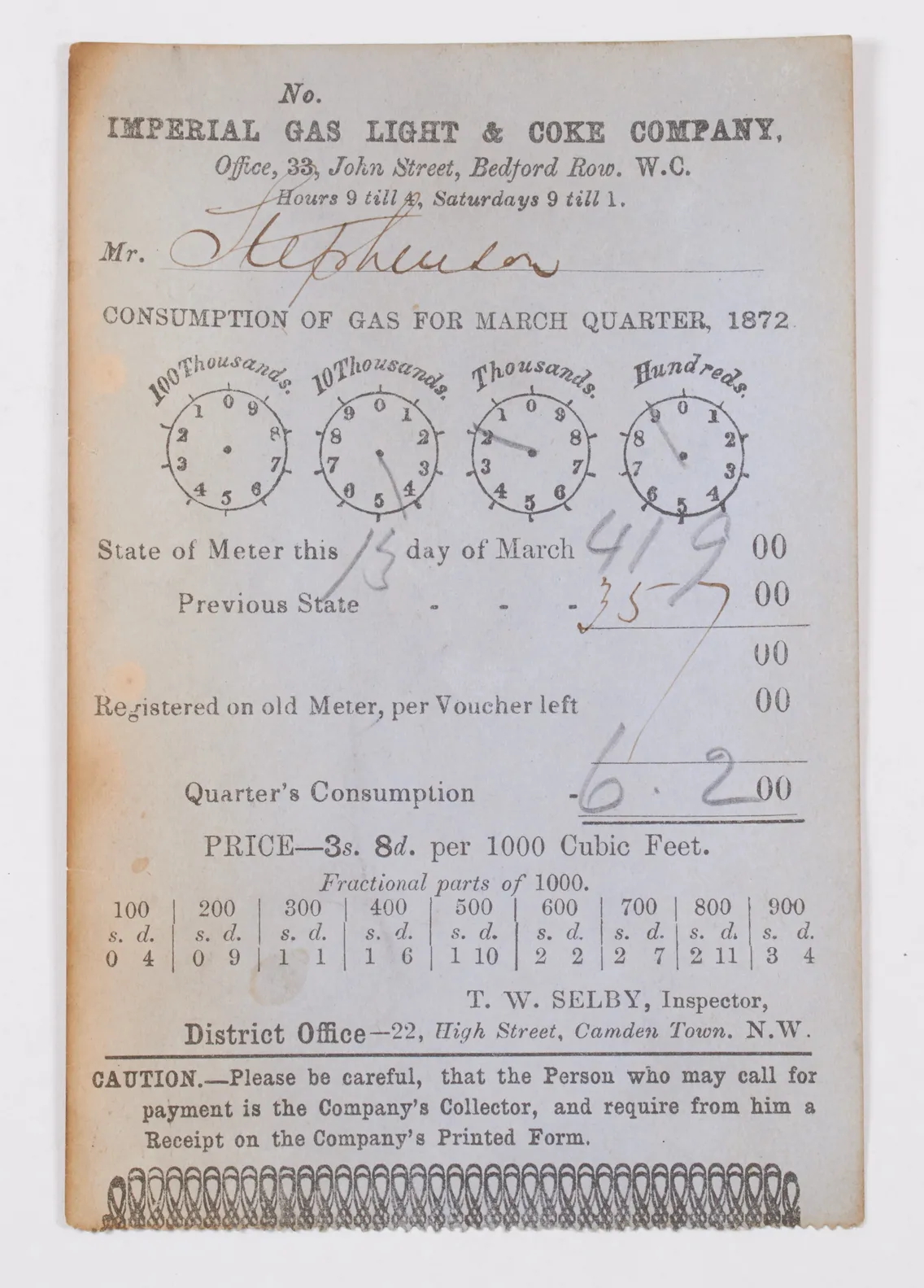
A bill issued by Imperial Gas Light and Coke Co. in 1872.
The impact of gas lamps
Gas lamps took Londoners out of the darkness. It became easier to walk the streets at night and to enjoy various leisure activities. The change from wall-mounted oil lamps to gas street lights made late-night shopping safer and more pleasant.
Charles Dickens described the impact of gas lamps on London in a number of his works. In The Uncommercial Traveller he recounts a nighttime walk across the city, made possible by gas lighting. He writes: “the conscious gas began to grow pale with the knowledge that daylight was coming”.
The gasworks also created thousands of jobs. In the Victorian era, more than 25,000 lamplighters would work across the city, using poles with wicks on the end to turn the gas lamps on and off each day. Compared to oil lamps, lighting gas lamps was an unskilled job. As Dickens wrote in The Lamplighter’s Story: “There's no more going the rounds to trim by daylight… Any low fellow can light a gas-lamp.”
This print in our collection describes the life and responsibility of a lamplighter who “runs to keep his limbs from pain, and creates an artificial day”.

A print featuring a lamplighter’s poem, which was delivered to houses in the area in the hope of receiving a Christmas tip.
The dangers of gas lamps
Gas lighting wasn’t without its problems. Extracting the coal to be burned for gas was arduous and dangerous work. Gasworks also posed several safety hazards, including near-constant smoke, soil and water contamination – and the risk of explosion.
Ten or eleven workers were killed in an explosion at Nine Elms gasworks, one of the largest in London, in November 1865. Badly fitted pipes and low safety standards also caused explosions on streets and in homes.
Sewer lamps and ‘Farting Lane’
Gas wasn’t the only thing being carried through pipes in Victorian London. Joseph Bazalgette’s sewer system also moved waste underneath the city streets.
When sewage breaks down, it produces the explosive gas methane. To prevent a large, potentially dangerous build-up of methane in the pipes, the inventor Joseph Webb created the sewer lamp.
These lamps were connected to the sewer pipes but were powered from the regular gas supply. The lit flame would draw the sewer gases up the pole and burn them off.
Only one sewage lamp is left in London. You can find it on Carting Lane – or Farting Lane as it’s been nicknamed – just off the Strand in central London.
Are there still gas lamps in London?
Gas lamps fell out of use as electric lighting became more common from the 1920s onward. Around 1,300 of London’s gas lamps still exist, and many of them are now listed.
Five lamplighters, working for British Gas, maintain London’s remaining gas lamps. Rather than being turned on and off by hand, mechanical clock timers now operate the lights.
The oldest gas lamp left in the city, from 1813, can be found in Dean’s Yard behind Westminster Abbey. The only known lamp that has stained glass surrounding the mantle is also at the Abbey. On the Abbey’s West Gate, you’ll find two gas lamps that featured in the royal wedding of Prince William and Kate Middleton and the coronation of King Charles III.
There are also gas lamps that burn 24 hours a day surrounding the memorial to the Queen Mother on the Mall. However these are modern lamps, produced in 2009 but made to look traditional.
Tags
-
-
Photography
 Photography
Colliers: The Gas Light & Coke Company's collier 'Sir David' discharging at Fulham gas works wharf in April, 1931 (cellulose acetate)
Linney, Albert Gravely
1931
-
Photography
 Photography
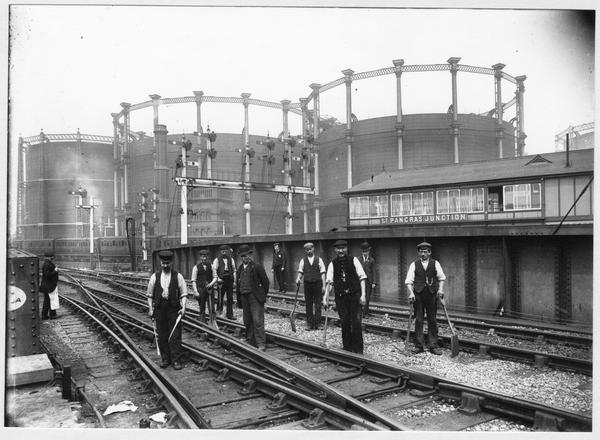
Railway track maintenance workers at St Pancras Junction (mounted silver gelatine print)
Galt, John
1900-1907
-
London Museum Docklands Archive
 London Museum Docklands Archive
217. South Metropolitan Gas Works. (gelatin silver print)
Port of London Authority
C.1915-1925

-
-
 Science & Technology
When did London get electricity?
Between 1901 and 1910, London began to find its spark