A timeline of Roman London: Londinium from start to end
Where the City of London is today, there was once a Roman settlement. What they called Londinium laid the foundations for our city. But after 350 years of growth, conflict and change, it was left abandoned.
City of London
Around 47–410 CE
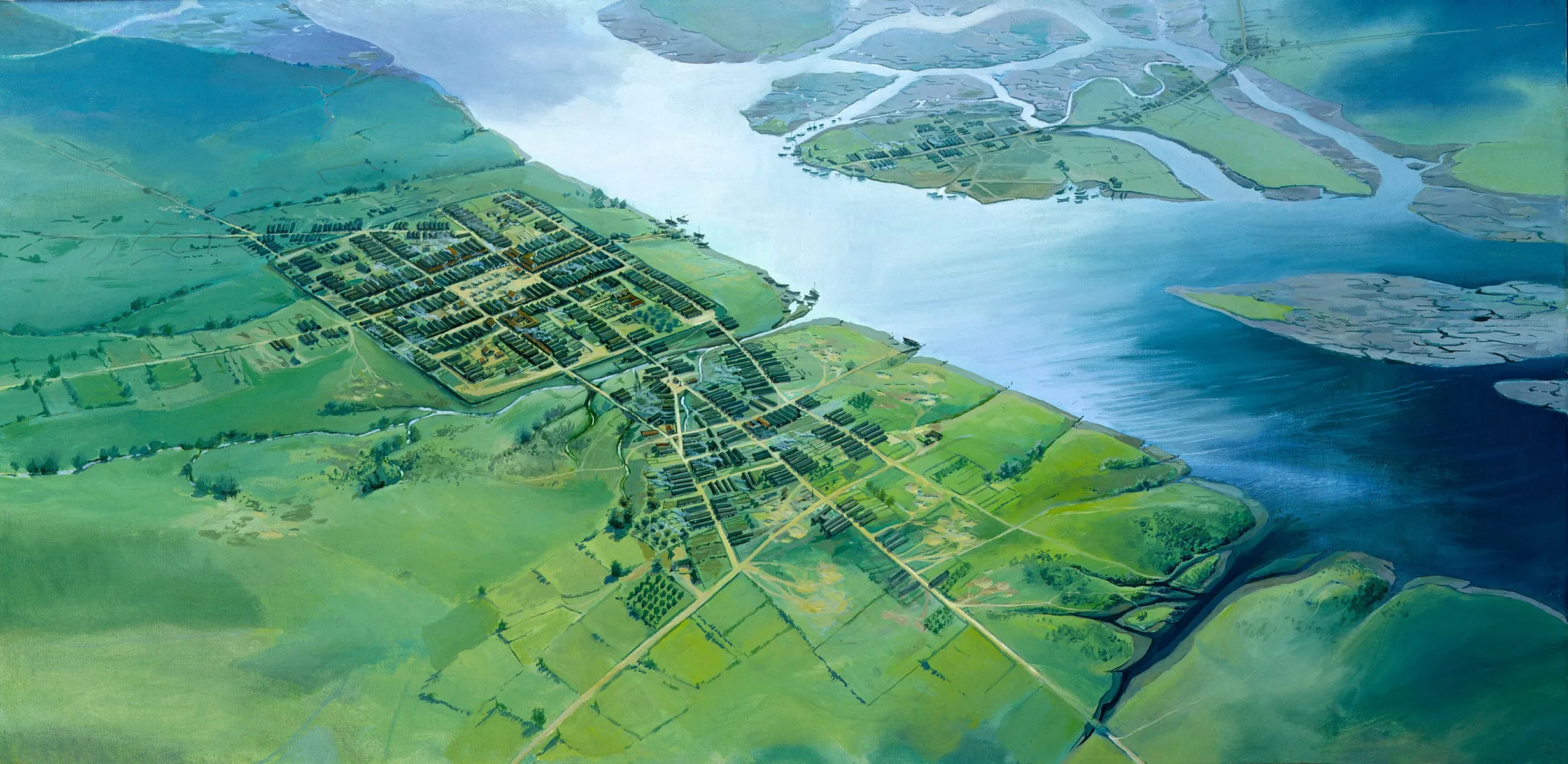
Roman London in 60 CE.
London’s first chapter is Roman
The Romans are responsible for founding London – or as they called it, Londinium.
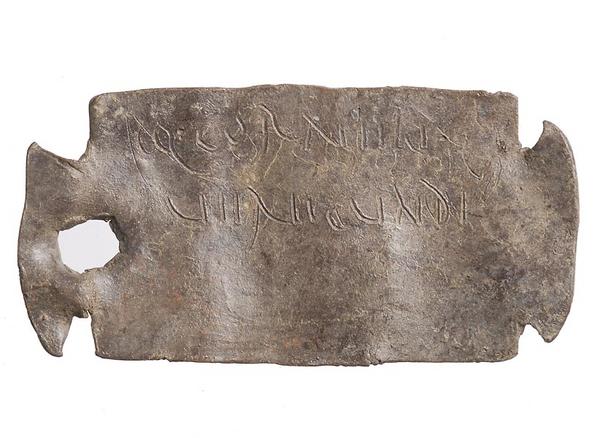
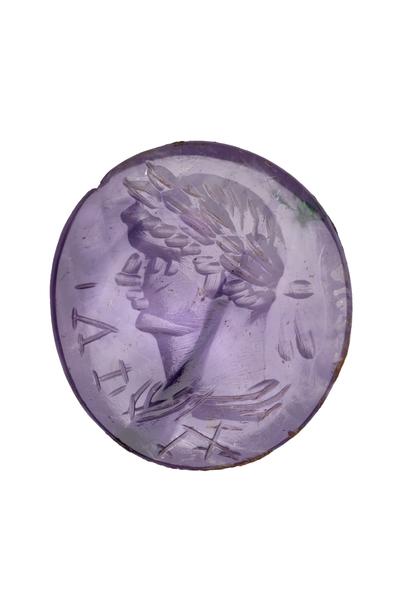
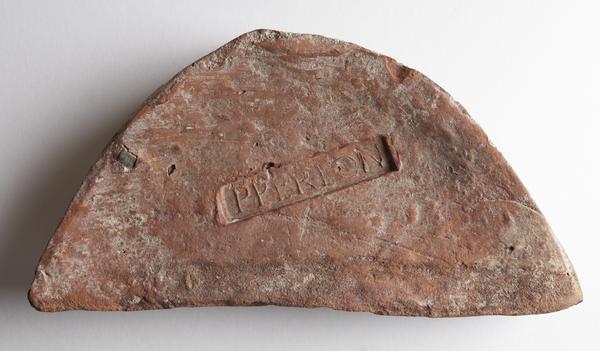
Their settlement, which roughly covered the City of London and a bit of Southwark, lasted around 350 years. At its peak, it was an important port and the centre for governing Roman Britain. There were temples, an amphitheatre and multiple public baths. Our collection is filled with their everyday things.
So how did Roman London end up abandoned? The story is spread across a turbulent timeline of change – in people, wealth, culture, politics, religion and infrastructure.
43 CE: The Roman invasion of Britain
They came in the summer. An army of 40,000 soldiers landed in the south-east and fought their way inland, conquering most of south-east England before the end of the autumn.
The Romans built a fort in the area that would later become London and continued northwards. Soon after, the Roman emperor Claudius arrived in Britain to claim victory. His empire now stretched from here all the way to Syria and Egypt.
There’d been trade with the empire before the invasion. Some communities already had political alliances with the Romans. And, 100 years earlier, the Roman general Julius Caesar had led two military campaigns to the island.
47–50 CE: Londinium is founded
Before the Romans, there was no major settlement in the area that’s now London. At first, they built roads through here, connecting their first capital, Colchester, with ports on the south-east coast.
But the Romans spied a site to build something more. On the north bank of the River Thames, small hills provided elevated land for a settlement protected from flooding.
Ships could sail directly to this section of the Thames from the North Sea. And a crucial bridge could be built over the river to islands on the south side – the area that became Southwark.
Londinium would be connected by sea and by land. It became a gateway for the empire’s trading goods, military supplies and people.
-
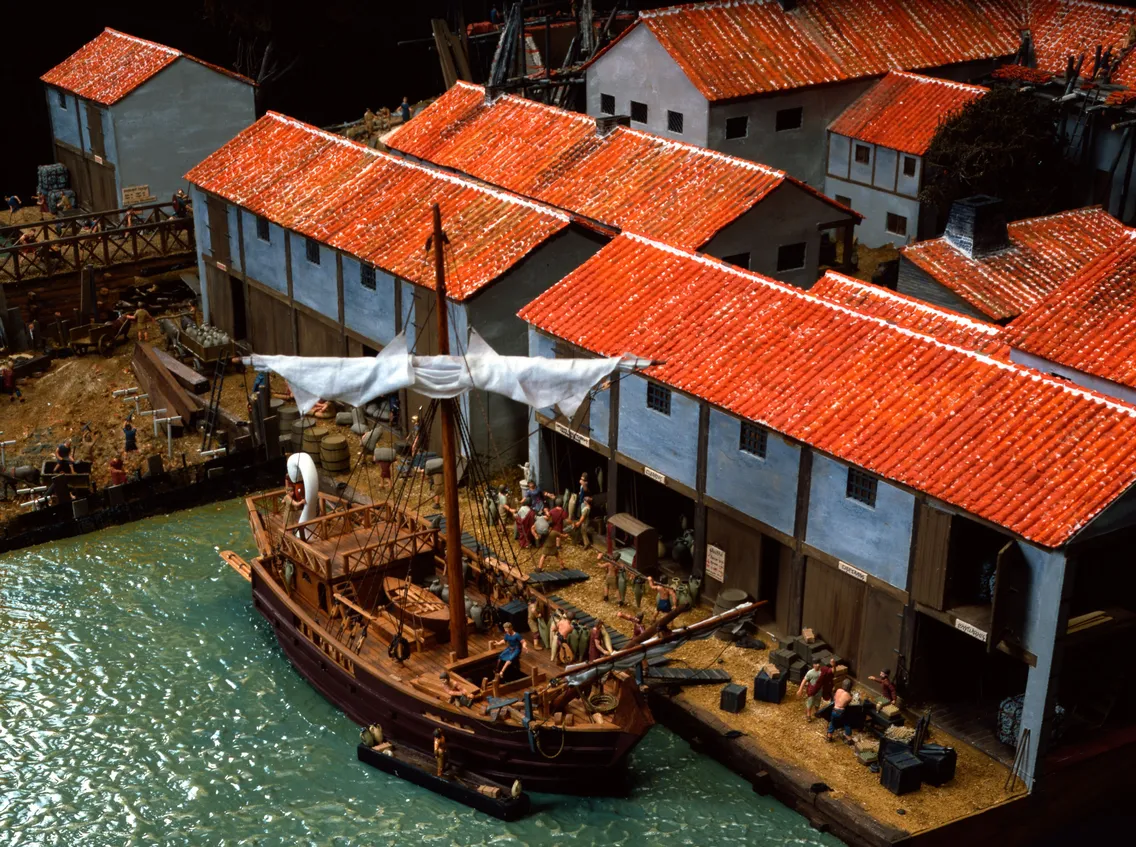
A model of Roman London’s port.
50–60 CE: The early years
Londinium was created by the Roman military and the merchants who supplied them with food and equipment.
A grid of streets spread out north of the river, forming Londinium’s bustling centre.
By 60 CE, around 10,000 people lived here. Many were migrants from across the empire – soldiers, merchants, government officials and the people from their households, including enslaved people.
There were also people from Britain’s existing communities who adopted parts of Roman culture. On the edge of town, a group of glassworkers lived in traditional British roundhouses. They may have been enslaved British people forced to live and work in Londinium.
A timber bridge across the River Thames was built early on. It may have had a drawbridge to allow ships through.
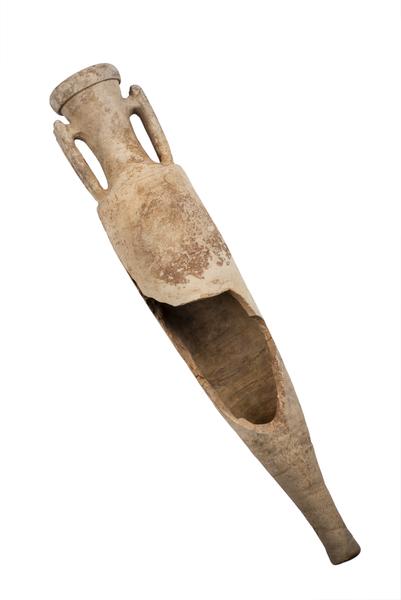
London’s port was key to its success. The northern bank of the river was strengthened with timber, creating a quay for ships to dock. Wine, olive oil, fish sauce, pottery and glassware arrived from other parts of the empire, and metals were exported.
The Romans also transported enslaved people from Britain to other parts of the empire, and vice versa.
60–61 CE: Boudica’s rebellion
Before the Romans arrived, Britain was divided into many territories, each with their own ruler. Between 60 and 61 CE, Boudica, queen of the Iceni community, rebelled against the Romans.
Her followers burned Londinium, destroying the settlement. But many Londoners probably had enough time to escape. The Roman army eventually crushed Boudica’s rebellion and regained control.
62–100 CE: Londinium bounces back
After Boudica’s attack, the Romans strengthened London’s defences, building a fort at Fenchurch Street. Rebuilding then focused on the port and roads.
In this period, Londinium became the capital of Roman Britain. The regional government was based here, and the governor lived in Londinium when not on military campaigns.
Encouraged by the emperor Vespasian, the Romans added some important public buildings, like public baths, a temple and a wooden amphitheatre for entertainment. They also laid out the forum, an open square surrounded by shops, offices and a grand two-storey building called a basilica.
100–120 CE: Londinium at its peak
Half a century after Boudica’s rebellion, the Romans decided to rebuild again on a grander scale, constructing more impressive public buildings.
They built a new, bigger forum at Cornhill which contained a law court and town hall.
In the north-west, where the Barbican is today, they began to build a stone-walled fort with room for 1,000 soldiers.
The amphitheatre was rebuilt, this time using stone, to an even bigger design. Work also began on the large public baths at Huggin Hill, near present-day Southwark Bridge.
-
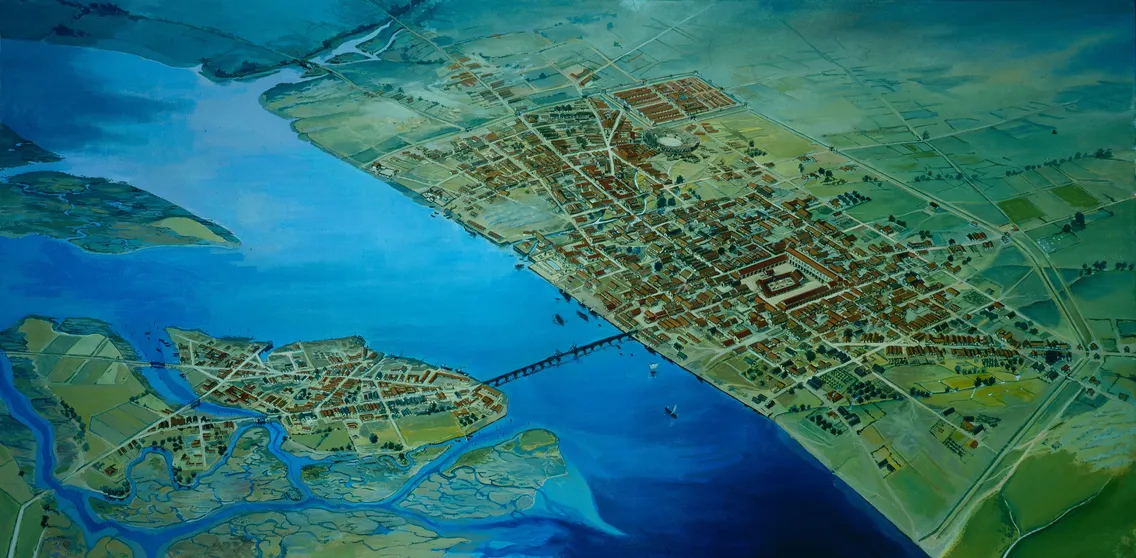
Roman London in 120 CE.
122 CE: Emperor Hadrian visits
The emperor Hadrian – who’s best known for the defensive wall he built in the north of England – visited London alongside his wife, the empress Sabina. It was rare for an emperor to make the trip, but Hadrian was an exception. He spent years touring different parts of the empire.
120–130 CE: The Hadrianic fire wrecks Londinium
The details are sketchy. Was it one fire or more? Was it deliberate or accidental? What we do know is that Roman London was largely destroyed by fire in the 120s CE.
Most of the houses were built with timber and earth. And the risk of fire was high. Fire was the main source of light and heat. It was also used for metalworking, pottery, glassmaking – industries that happened inside and close to the city.
150 CE: Londinium bounces back, one last time
About 30,000 people lived in Londinium by 150 CE. The stone public buildings continued to be used, but from here on, the number of houses gradually reduced. Business began to decline, and the port became less busy.
Early 200s CE: Britannia splits
Around 200 CE, the Romans divided their British province in two. Londinium became the capital of Britannia Superior, a smaller southern region, reducing its status. In the north, York was the capital of Britannia Inferior.
200–220 CE: The Romans build their wall
Although there were no immediate military threats to Londinium, the Romans decided to surround their settlement with an enormous 3km-long defensive stone wall. It was an impressive display of power.
The wall ran from Blackfriars in the west, to where the Tower of London is today, in the east of the City. There were entrances at Ludgate, Newgate, Aldersgate, Bishopsgate and Aldgate. Their monumental construction set the template for London’s medieval wall, and you can still find sections of it in the city today.
240 CE: The Temple of Mithras is built
This temple, discovered in Walbrook, is the only one found in London which we can link to a specific god.
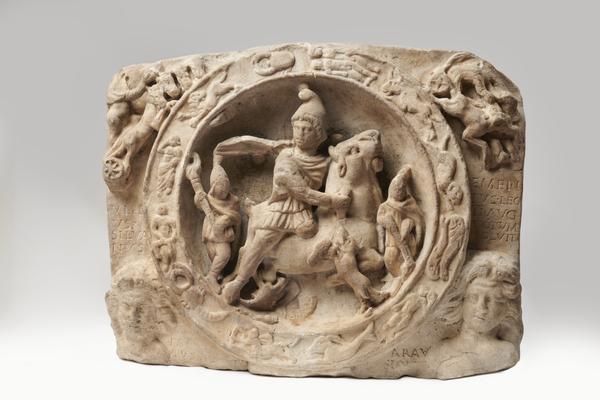
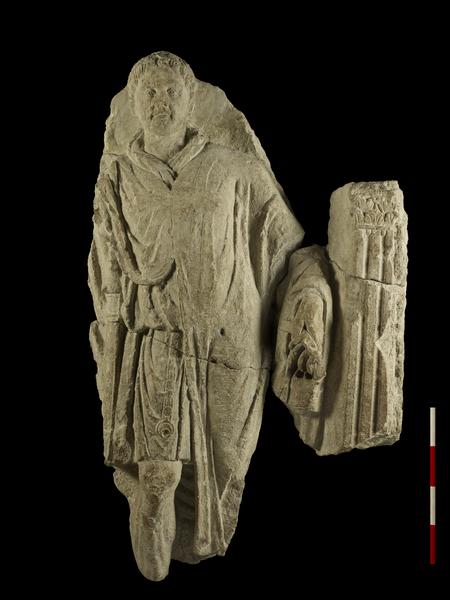
Mithras-worshippers were mainly men, often soldiers, merchants or civil servants. Their temple was a windowless, cave-like space lit by lamps and torches. Our collection includes many of the gorgeous statues discovered inside.
-
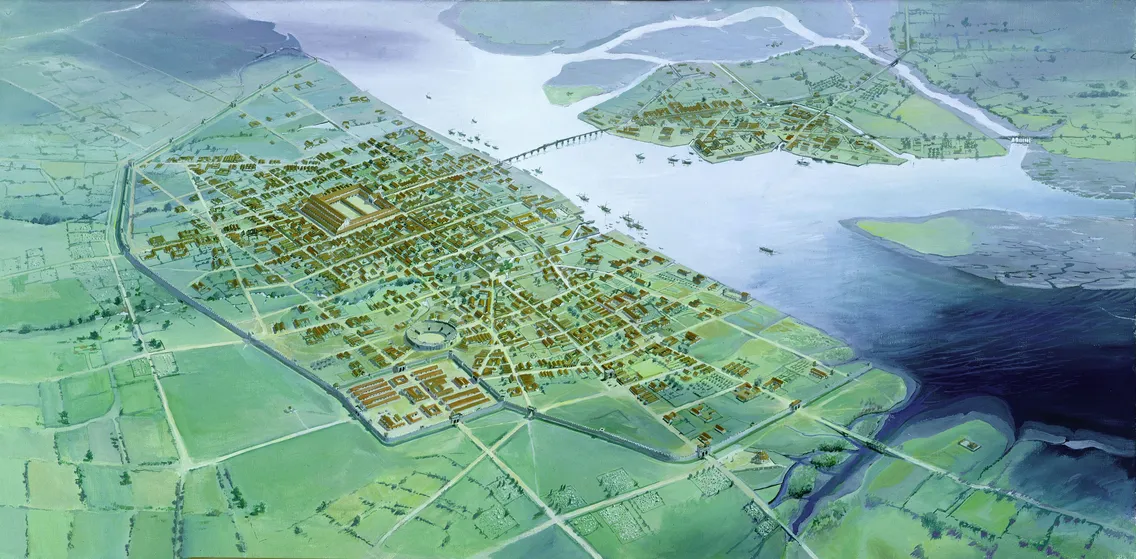
Roman London in 250 CE.
275 CE: A riverside wall is built
Around 250 CE, Londinium’s port was closed. Trade had decreased, and military supply routes had shifted north.
About 25 years later, the main settlement was separated from the river by a new wall built on the Thames’ north bank. Londinium was now entirely enclosed.
Turbulent times called for greater defences. Saxons from northern Europe were raiding Britain. The Roman empire was weakened by conflict at its borders and power struggles among its rulers.
286 CE: Londinium is seized by Carausius
Carausius was a Roman naval commander. In 286 CE, he rebelled, declaring himself the ruler of Britain and parts of France. He set up a mint here, producing coins to project authority.
He and his successor, Allectus, held Londinium until 296 CE, when it was taken back to rejoin the empire.
Early 300s CE: Signs of decline
Around the start of the 4th century, Roman Britain was split into four parts. Londinium became the capital of Maxima Caesariensis, a smaller province which roughly covered south-east England.
All the signs pointed to long-term decline. Londinium’s forum and basilica were demolished. There were fewer houses, though the city was still home to some very rich Romans.
313 CE: Christianity is accepted
Christianity spread to London in the Roman period, but Christians were often punished for their beliefs.
In 313 CE, the Roman emperors decided that people could follow any religion they chose. A year later, there’s a record of a bishop from London. A few decades later, a cathedral may have stood near to where the Tower of London is today.
350 CE: Towers are added to the Roman wall
With Saxons from northern Europe raiding along the River Thames, the Romans decided to strengthen the city’s fortifications. Towers were added to the eastern wall and parts of the northern wall, partly using stone taken from cemeteries and other buildings.
-
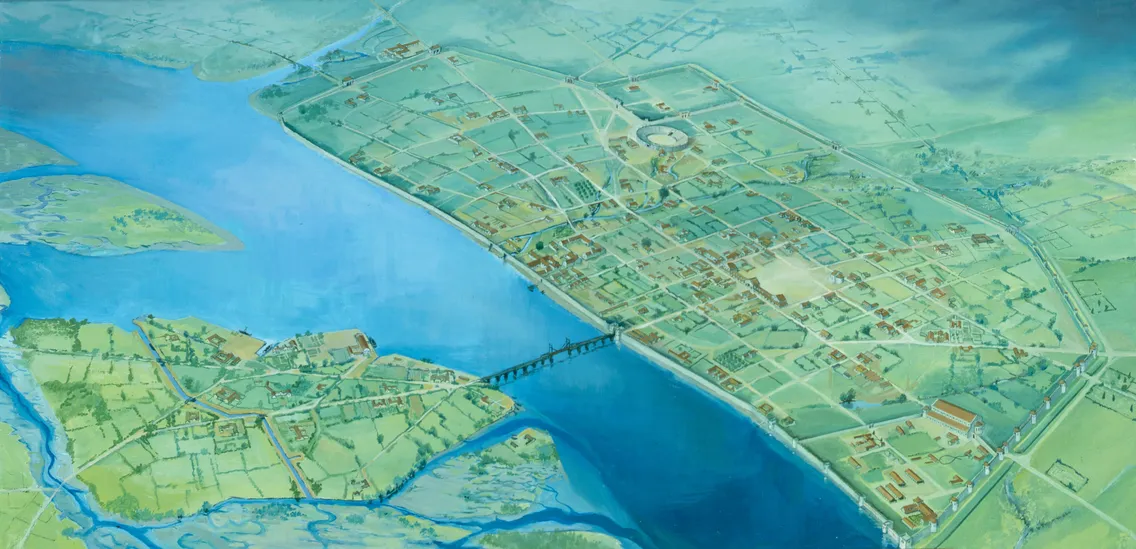
Roman London in 375 CE.
367 CE: London is renamed Augusta
The new name for the city meant ‘Imperial’. Yet Roman London was falling further into decline.
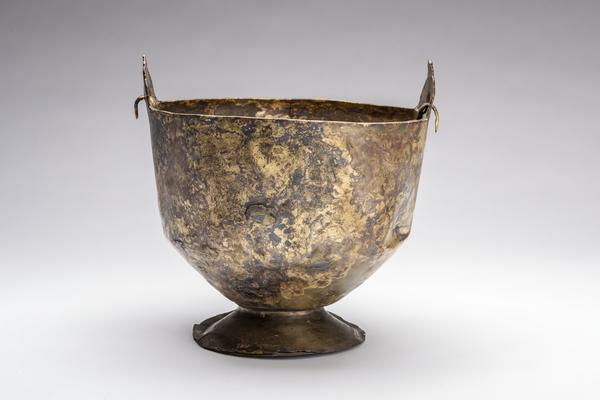
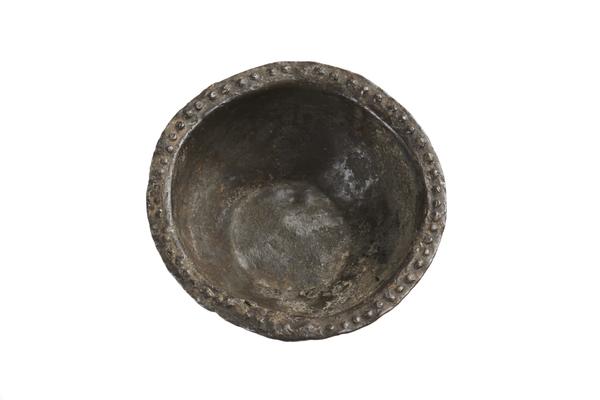
Sometime between 375 and the early 400s CE, a set of valuable tableware was placed in a well. It’s possible these were thrown in by a family leaving London who hoped their offering would bring good luck.
400–410 CE: The end of Roman London
The Roman empire was under threat from many directions, and the Romans were struggling to maintain control.
The Roman army and Roman officials withdrew to Europe. Britain was no longer a Roman province and the emperor Honorius refused to defend it.
With nobody to run things and supplies drying up, it became hard to live in London. Buildings were abandoned and began to crumble. London was largely empty by 450 CE.
Life continued outside the walls in small settlements and farms. After 450 CE, Saxons from northern Europe settled in the area, but mostly avoided what remained of Roman London.
Tags
-
 London Places
Where to see Roman ruins in London
After 2,000 years, you can still visit the remains of Roman baths, villas and the city wall
-

-
 Architecture & Home
The Roman mosaic that thrilled London
The 2,000-year-old Bucklersbury Pavement drew thousands to see it after being discovered in 1869
-
 London Places
Lundenwic: The other medieval London
When Roman London was abandoned, a new settlement sprang up beyond the walls
-
 Transport
Tracking down London’s Roman roads
The Romans brought a road revolution to Britain that’s still tangible in the capital today
-
 War & Weapons
Boudica: Rebel queen of the Iceni
London burned when this warrior queen challenged the Romans