An Irish Traveller community in 1980s Bermondsey
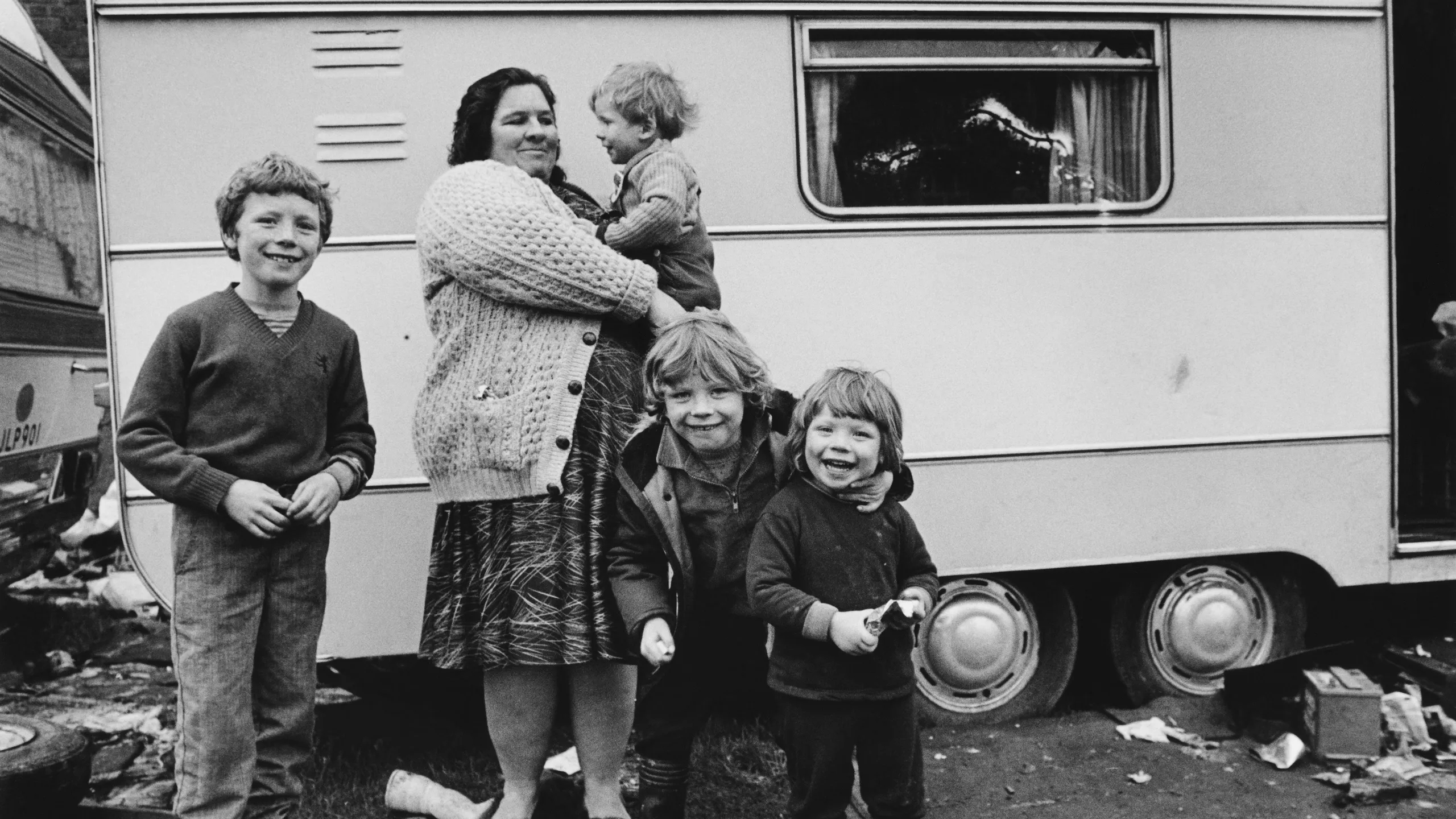
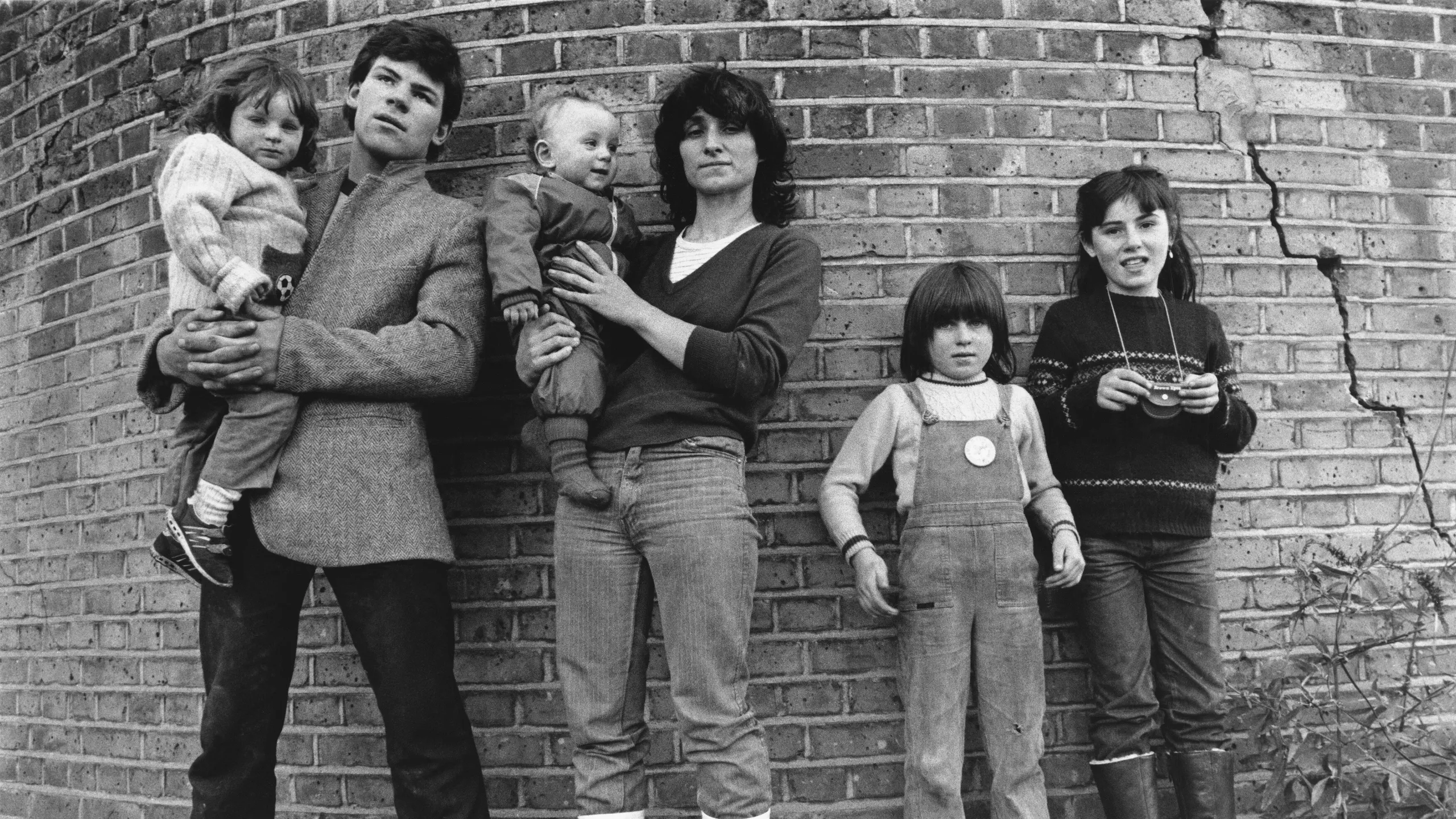
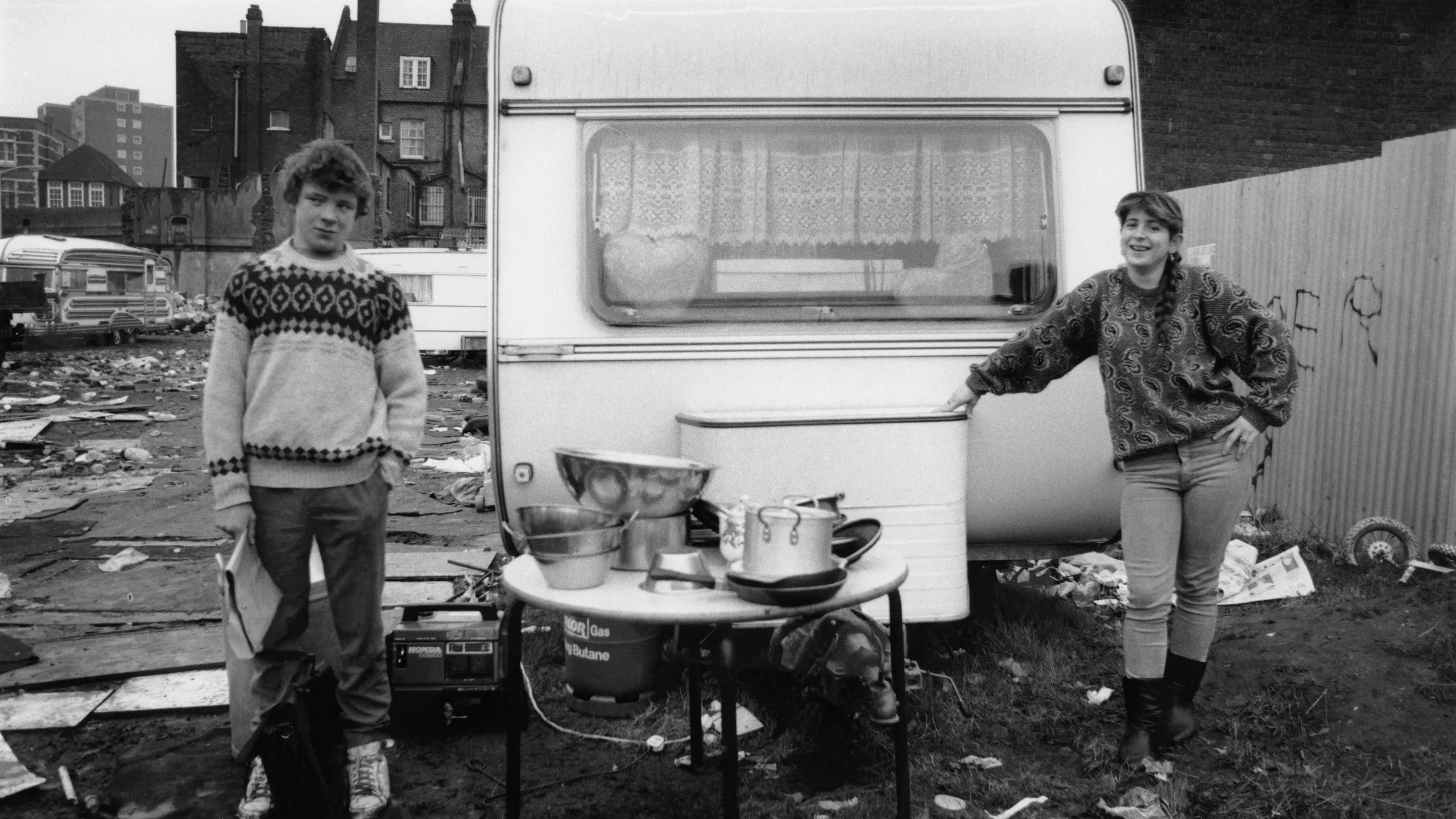
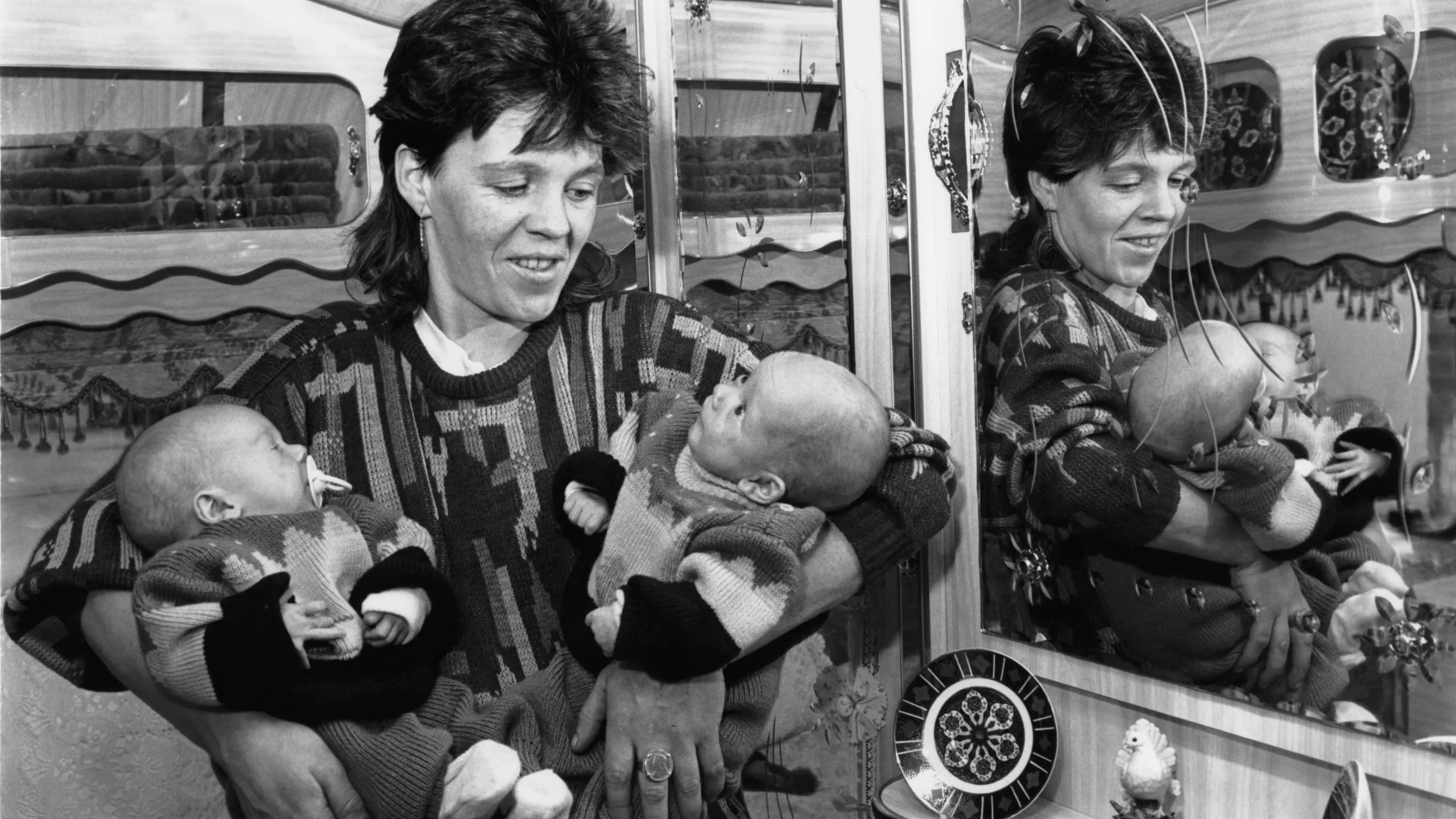
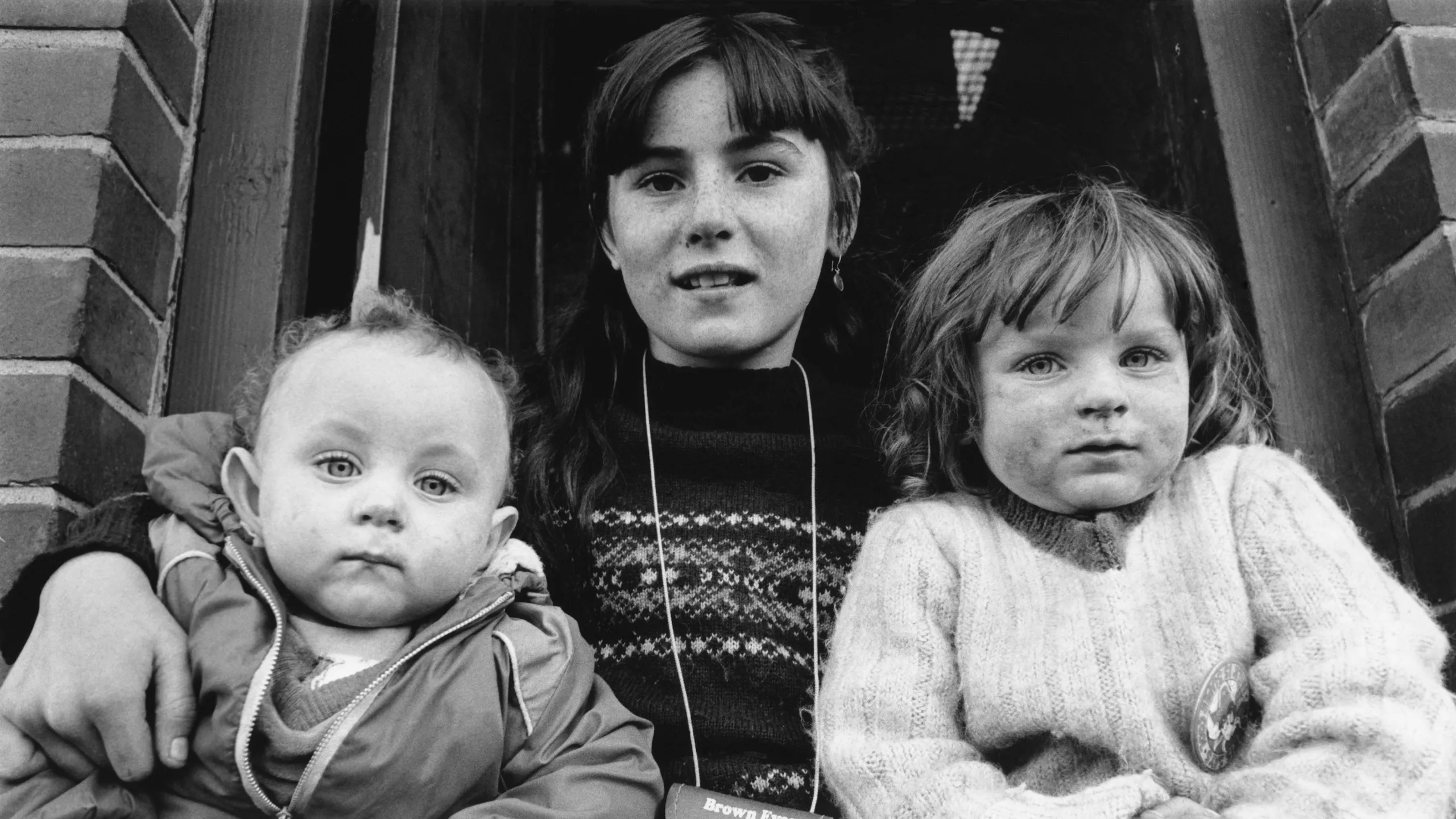
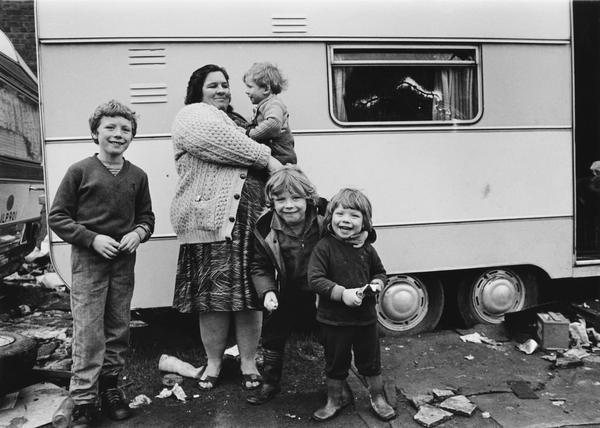
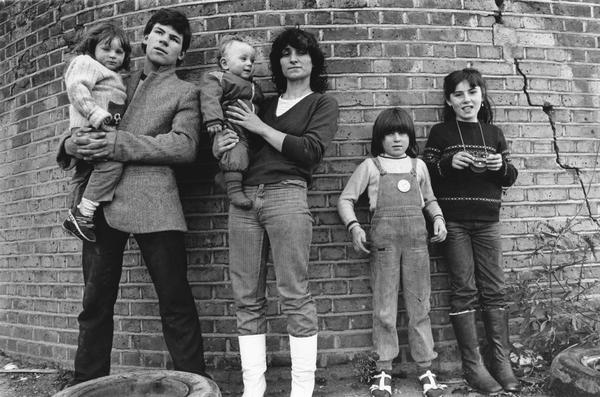
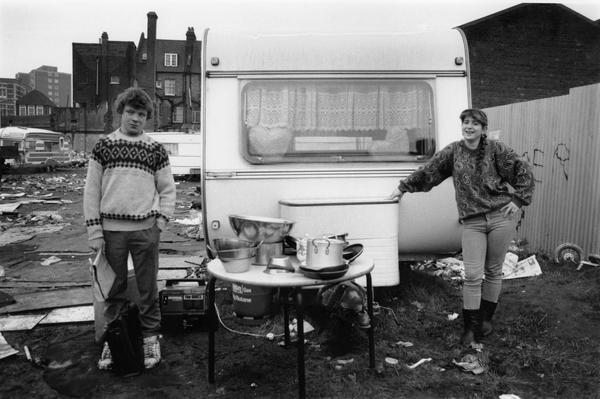
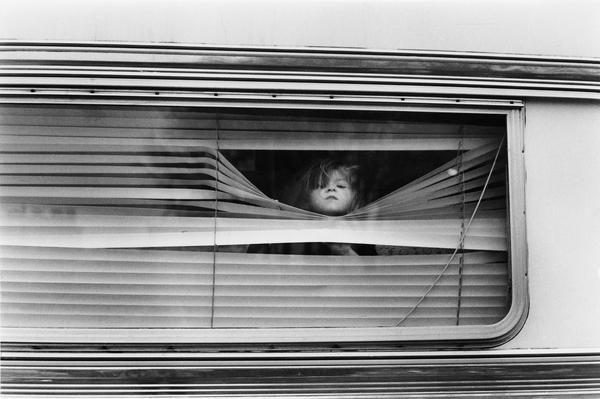
In the 1980s, photographer Lesley Howling visited an Irish Traveller site in Bermondsey, south London. In her photos, the families she met smile and stare back at us, cradling babies and posing around their caravans.
Bermondsey
1980s
Irish Travellers
Irish Travellers are an ethnic group whose identity is linked to their nomadic traditions. They’ve been legally recognised in Britain since 2000 and are now protected from discrimination by the Equality Act.
The history of Irish Travellers
We don’t know the exact origins of Irish Travellers, but their history goes back many centuries. Historically, they were often associated with trades that fit their nomadic lives, like metalworking. Industrialisation caused more Travellers to move from Ireland to Britain in the 20th century. At around the same time, they swapped the horse-drawn, barrel-top wagons they lived and travelled in for caravans.
Do Travellers still move around?
Nowadays, many Travellers live a settled lifestyle for at least part of the year. Until 1994, councils had a duty to provide accommodation for Travellers and Romani Gypsies, another traditionally nomadic group. Today, urban development and resistance from local residents and authorities means there are far fewer legal sites than are needed. This sometimes forces Travellers onto unsuitable sites.
How many Travellers live in London?
Census data is imperfect. The 2021 population survey of England and Wales used “Gypsy or Irish Traveller" as an umbrella category, despite Romani Gypsies and Irish, Scottish and New Travellers all being distinct groups. There were 7,470 people who identified this way in 2021, but the true number is likely to be much higher. A 2008 study by the Fordham Institute thinktank estimated there were 17,776 Gypsies and Travellers in London. Other estimates go as high as 30,000.
Culture and discrimination
Irish Travellers, also called Pavee, have their own language, known as Cant or Gammon. Their culture places importance on family, community and their nomadic traditions. They also share the experience of widespread discrimination – including limited access to housing, bullying during education and prejudice from hospitality businesses.
Lesley Howling
These photos were taken by Lesley Howling. Howling was born in Camberwell, south London, in 1951. She studied art at Leeds Polytechnic and later became a photographer, working freelance and for the BBC.
Southwark’s Traveller communities
Bermondsey, where these photos were taken, is part of the borough of Southwark. As of 2025, there were four official Traveller sites in Southwark. In the 2021 census, 157 residents of the borough identified themselves as “Gypsy or Irish Traveller” – about 0.2% of the population. This is likely to be an underestimate.
Tags
-
Photography
 Photography
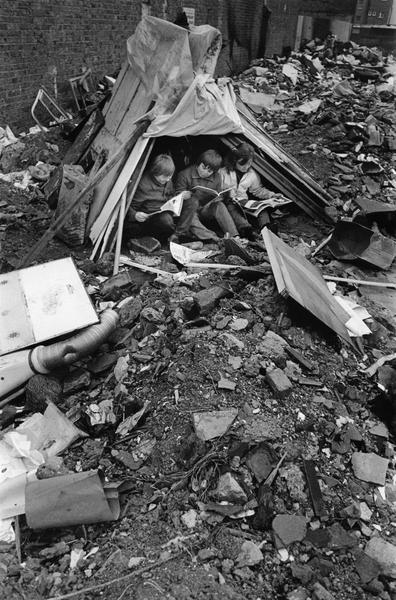
Irish traveller children in Bermondsey sitting under a makeshift tent (silver gelatin print)
Howling, Lesley, Howling, Lesley
1986
-
Photography
 Photography
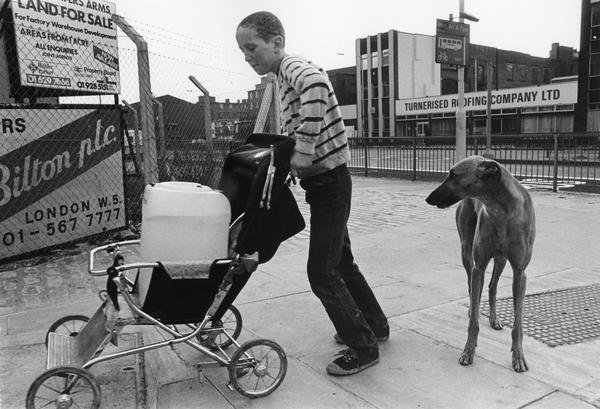
Traveller child carries a vessel of water in a pram, with a dog alongside (silver gelatin print)
Howling, Lesley, Howling, Lesley
1986
-
Photography
 Photography
Irish traveller mother and her children outside a caravan in Bermondsey (silver gelatin print)
Howling, Lesley, Howling, Lesley
1986
-
Photography
 Photography
Irish traveller family standing against a brick wall in Bermondsey (silver gelatin print)
Howling, Lesley, Howling, Lesley
1986
-
Photography
 Photography
Teenage travellers stand outside their caravan in Bermondsey (silver gelatin print)
Howling, Lesley, Howling, Lesley
1986
-
Photography
 Photography
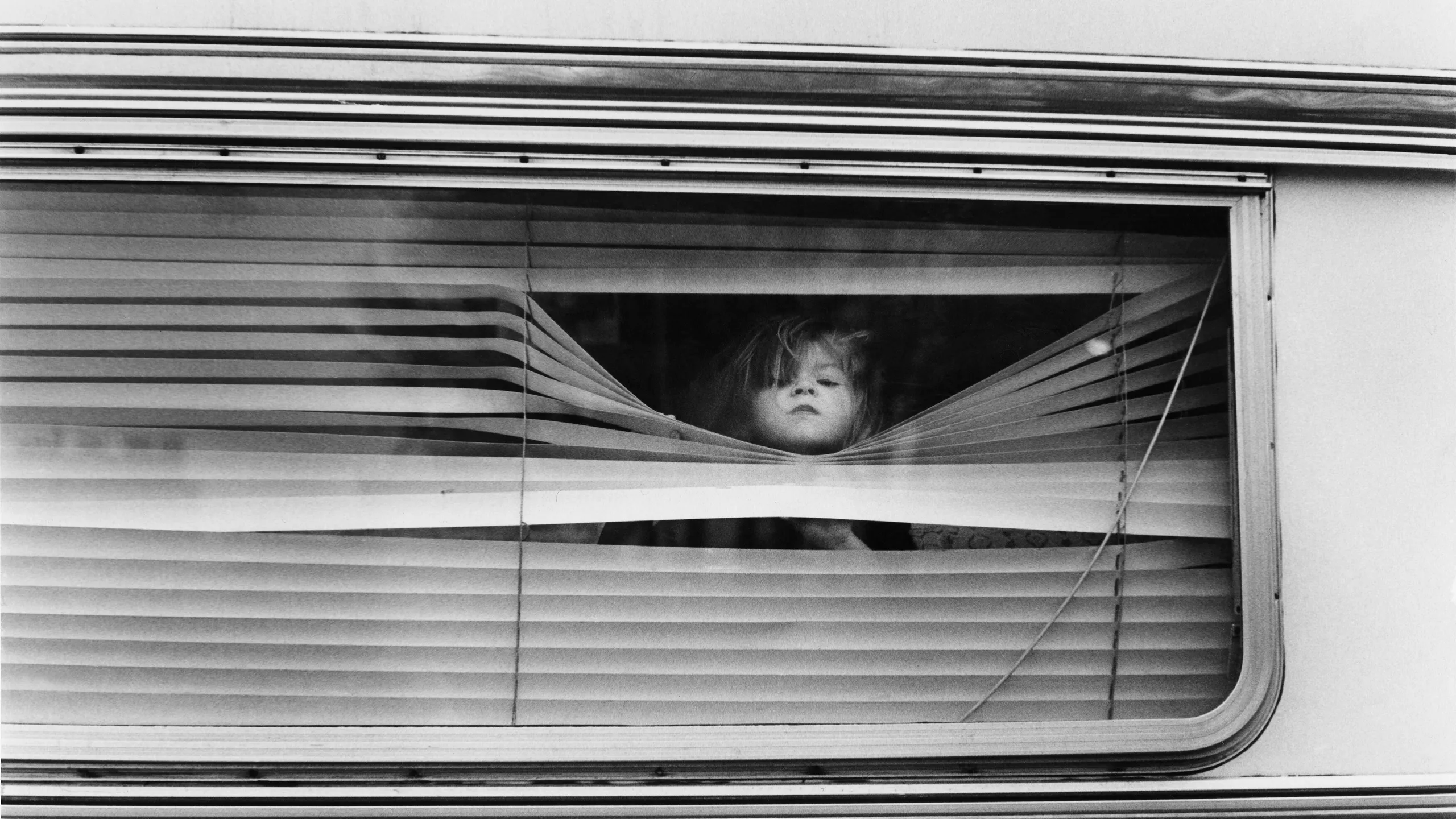
Traveller child peers out through the blinds of a caravan in Bermondsey (silver gelatin print)
Howling, Lesley, Howling, Lesley
1986
-
Photography
 Photography
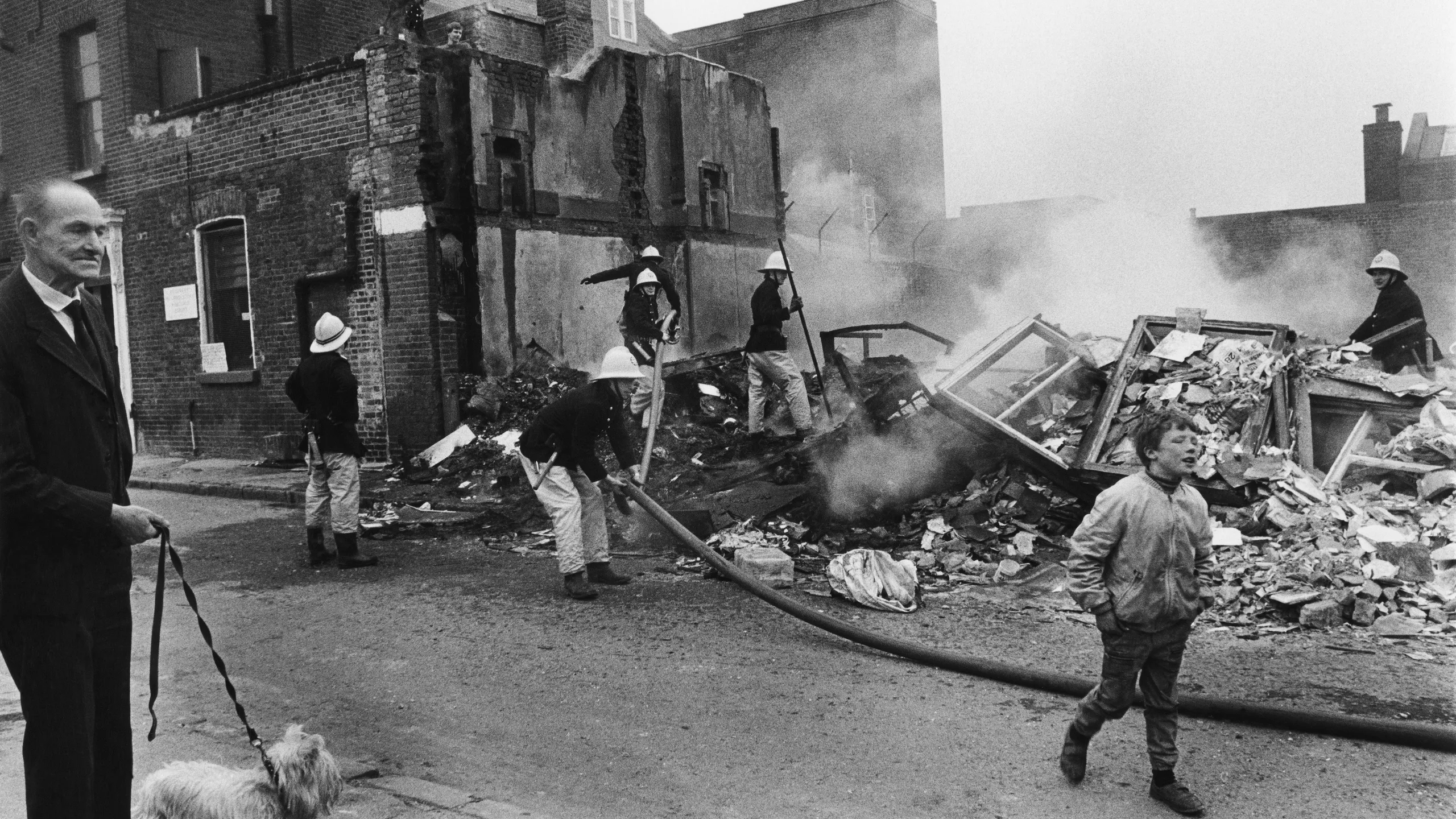
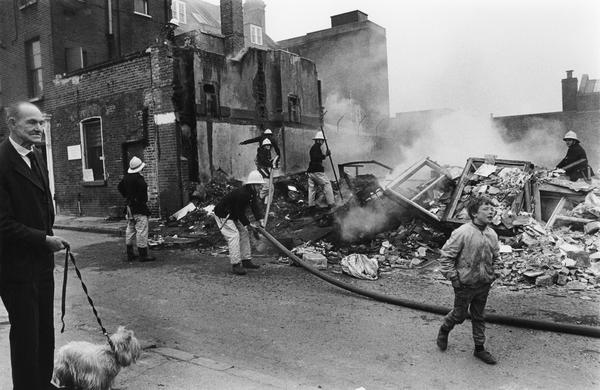
Scene of a fire at a temporary Traveller site in Bermondsey (silver gelatin print)
Howling, Lesley, Howling, Lesley
1986
-
Photography
 Photography
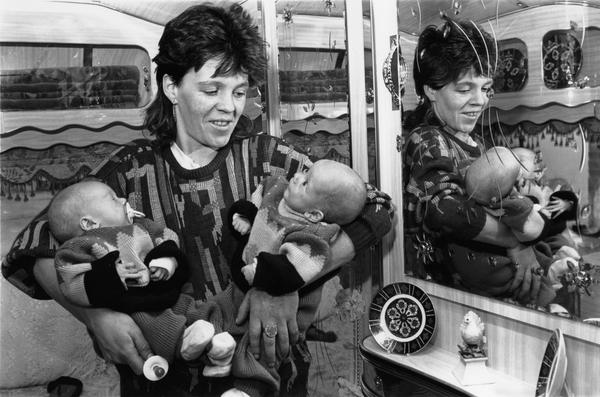
Travelling community mother and her twin babies (silver gelatin print)
Howling, Lesley, Howling, Lesley
1986
-
Photography
 Photography
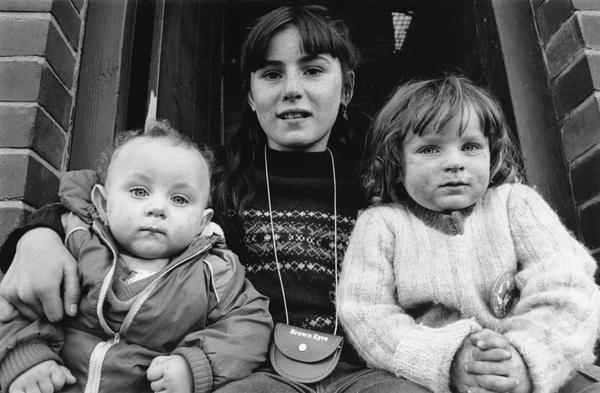
Three Irish Traveller children (silver gelatin print)
Howling, Lesley, Howling, Lesley
1986
-
Photography
 Photography
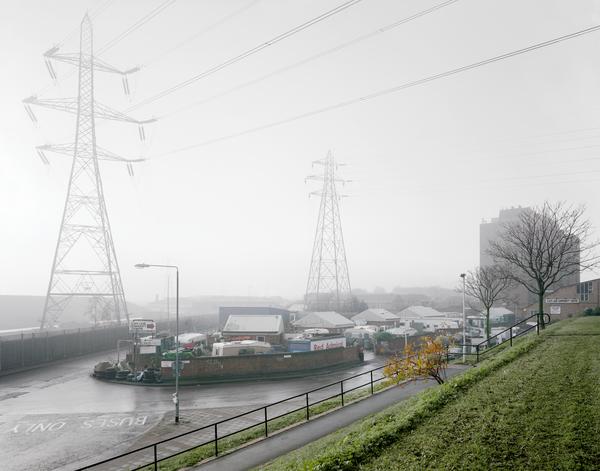
Travellers' site, Clays Lane, Temple Mills (pigment print)
Seaborne, Michael John
2005-12