What’s a London plane tree?
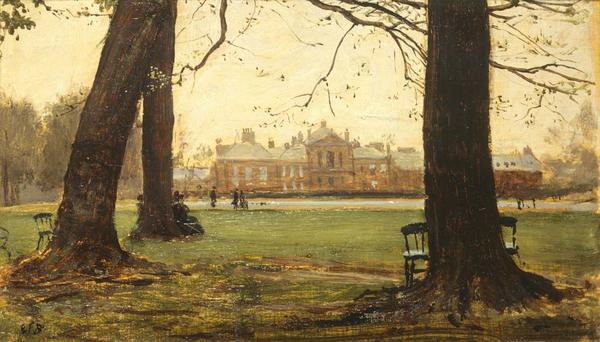
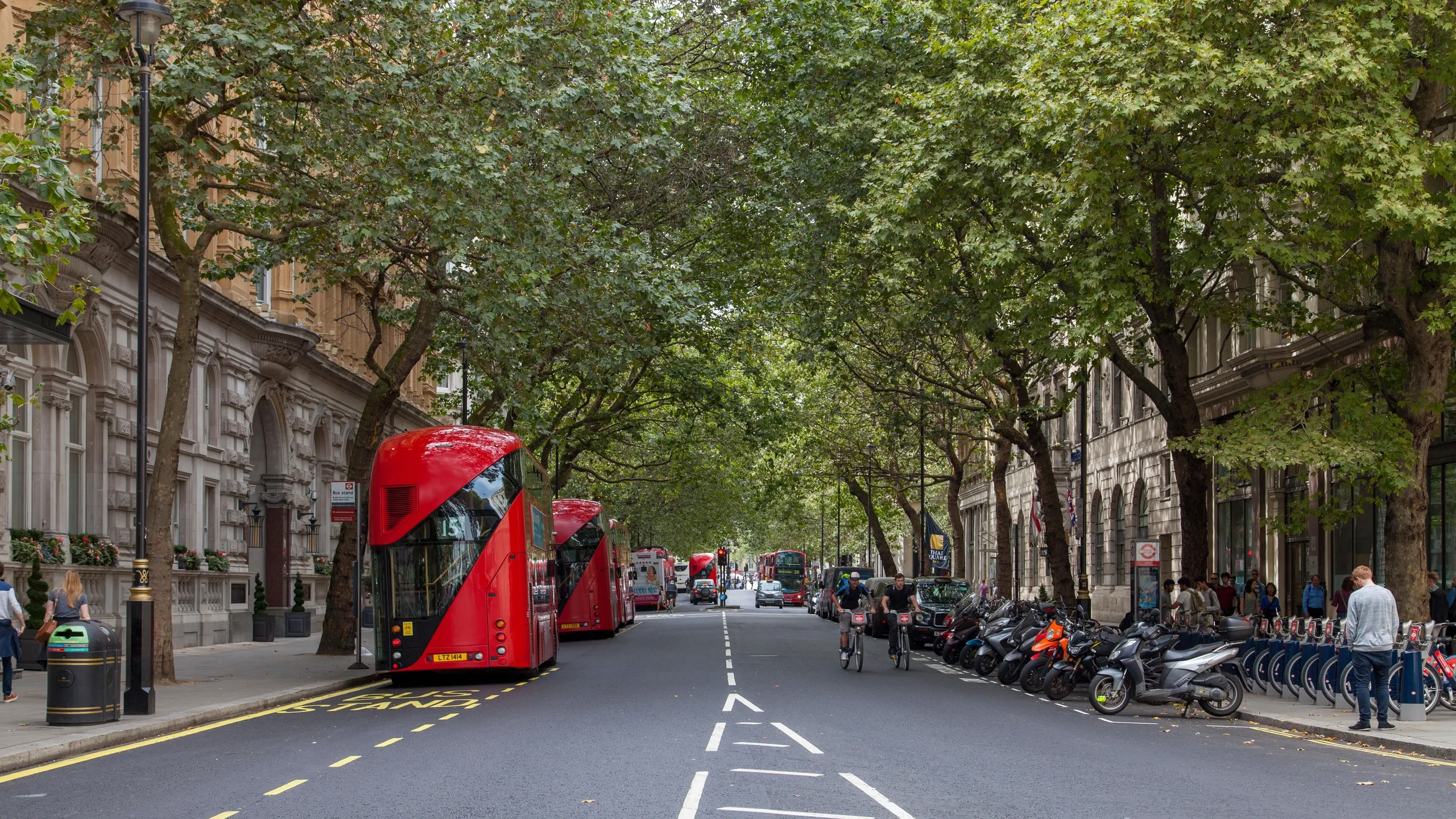
London plane trees are as common in the capital as black cabs and red buses – and they should be seen as equally iconic. Because these tall, tough trees thrive in polluted urban environments, they were widely planted across the industrialising city during the late 1700s and 1800s. The popularity of these planes in London earned them their name.
Across London
Since the 1700s
Where did the London plane tree come from?
We don’t know much about the London plane’s origin story. The tree is probably a cross between the Oriental plane and the American sycamore. No one quite knows where the first hybrid sapling was created. Some say the cross-pollination happened in a garden in Lambeth, others think it could have been in Spain or France. Many of the city’s plane trees were planted in the 1700s and 1800s.
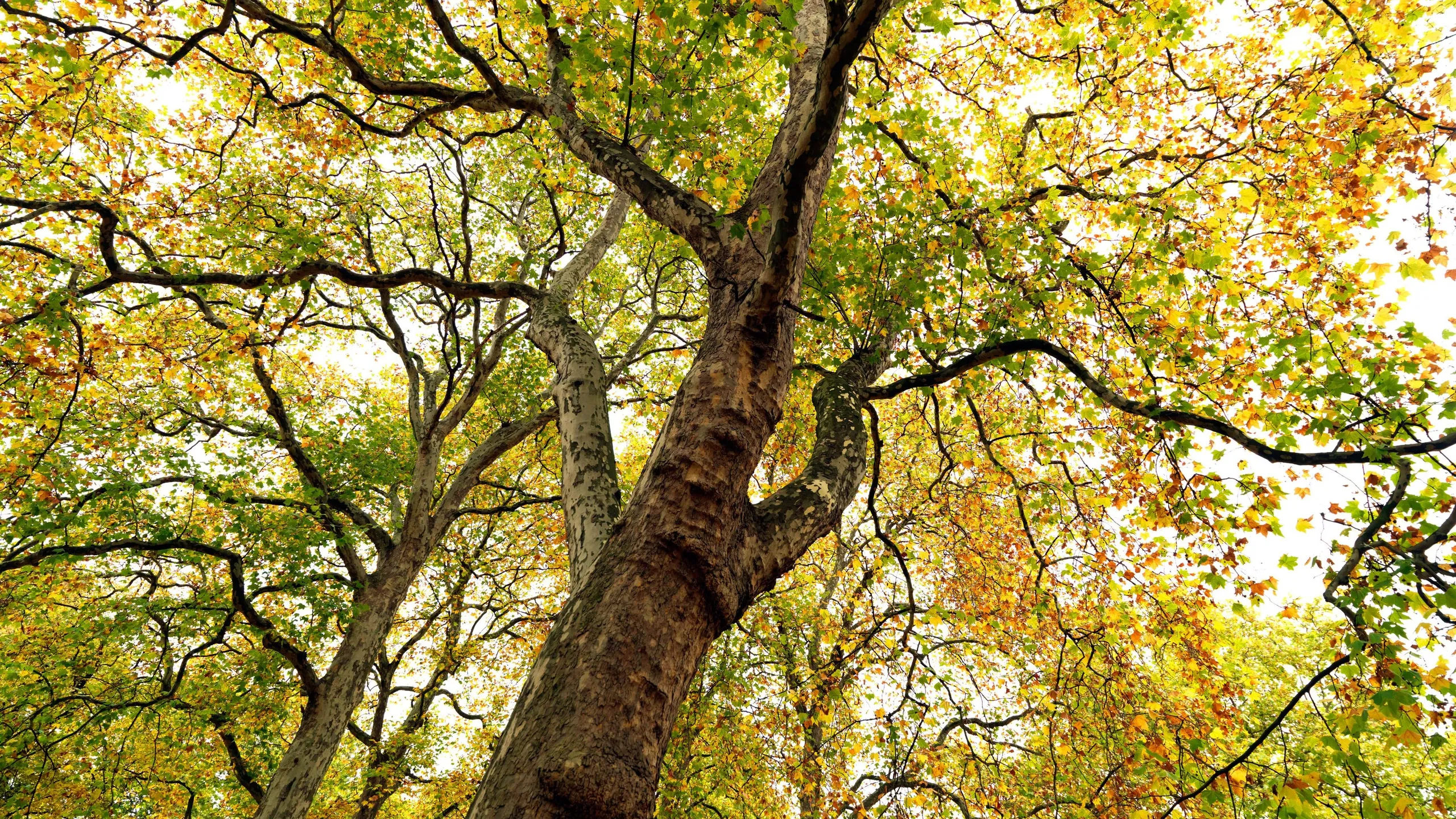
How to spot a London plane tree
Start at the trunk. Does it look a bit like camouflage print? London plane bark flakes off in large patches, revealing lighter-coloured, yellow-green bark underneath. Its leaves are thick and have five lobes – similar to a maple leaf, but a bit fatter. These trees look like American sycamores. But the key differences are that the sycamores have whitish underbark, and the lobes on their leaves are sometimes less defined.
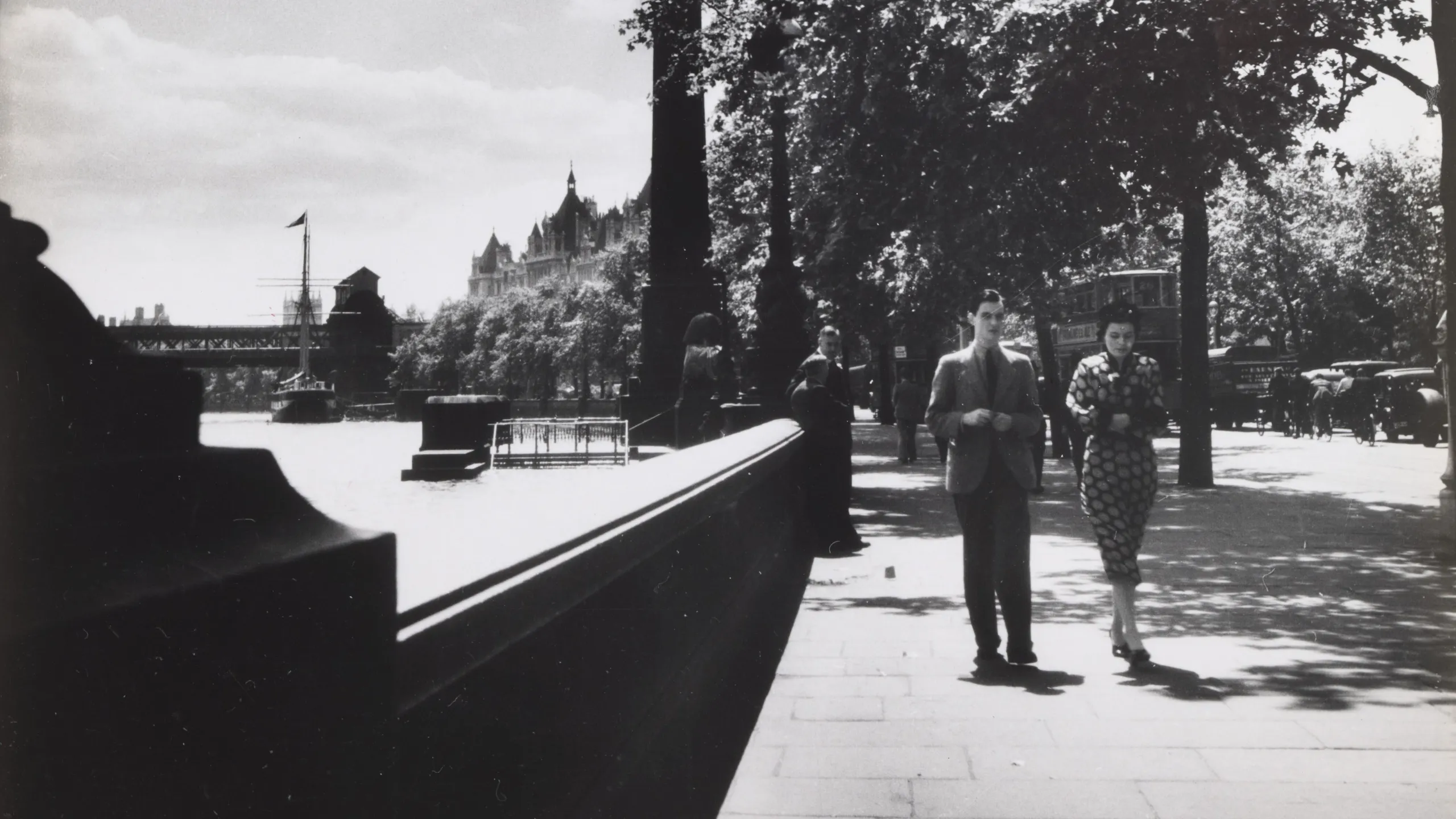
They’re found all over the city’s streets and parks
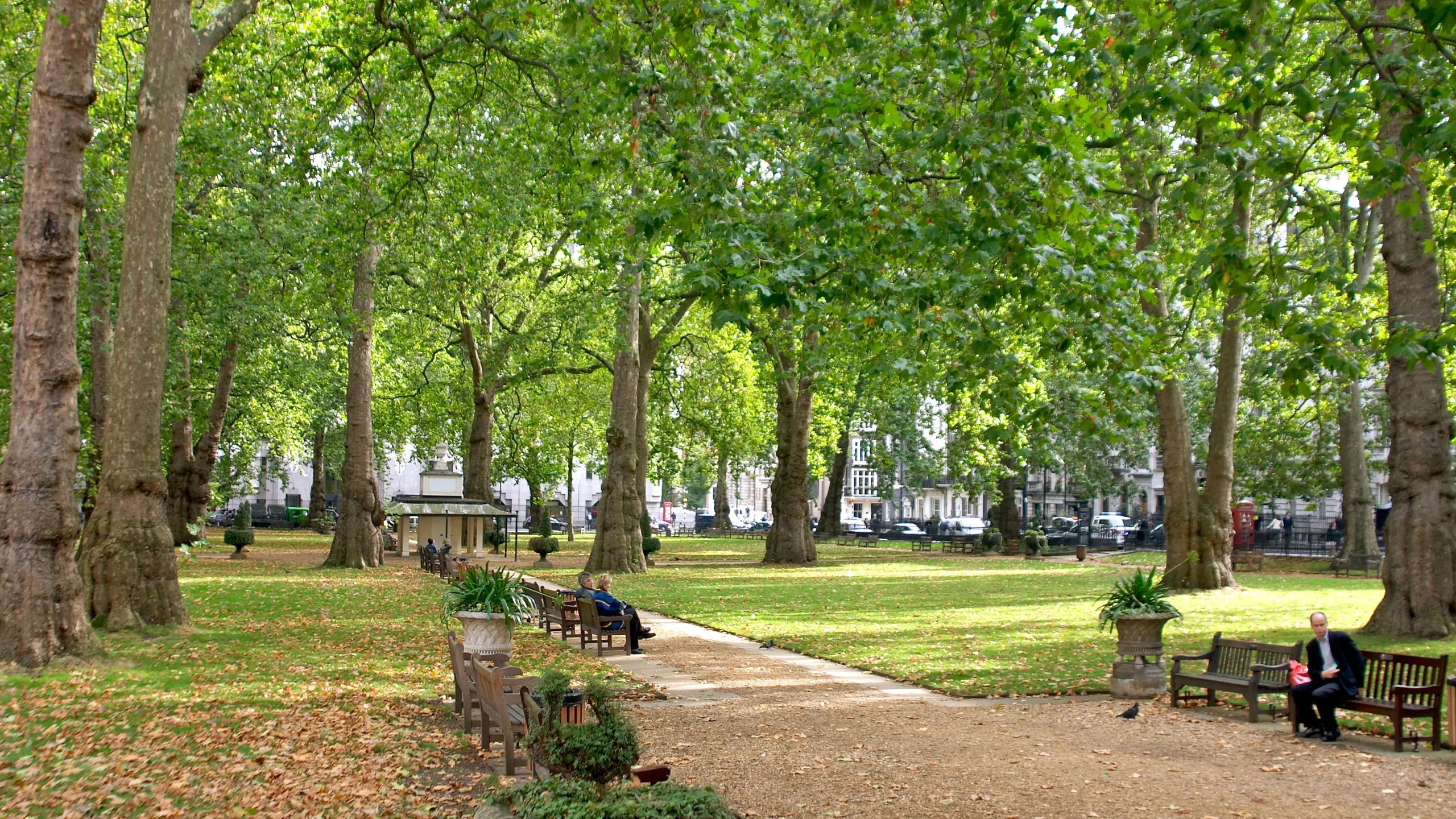
Inner London is home to most of the capital’s plane trees. Planes were planted along the new Victoria Embankment around 1870, setting a trend for building more tree-lined thoroughfares across the capital. There are huge, centuries-old planes across the city, such as in Berkeley Square, Mayfair. But the biggest and potentially oldest London plane is an over 300-year-old tree nicknamed ‘Barney’ (or ‘Barnie’) in Barn Elms, Richmond.
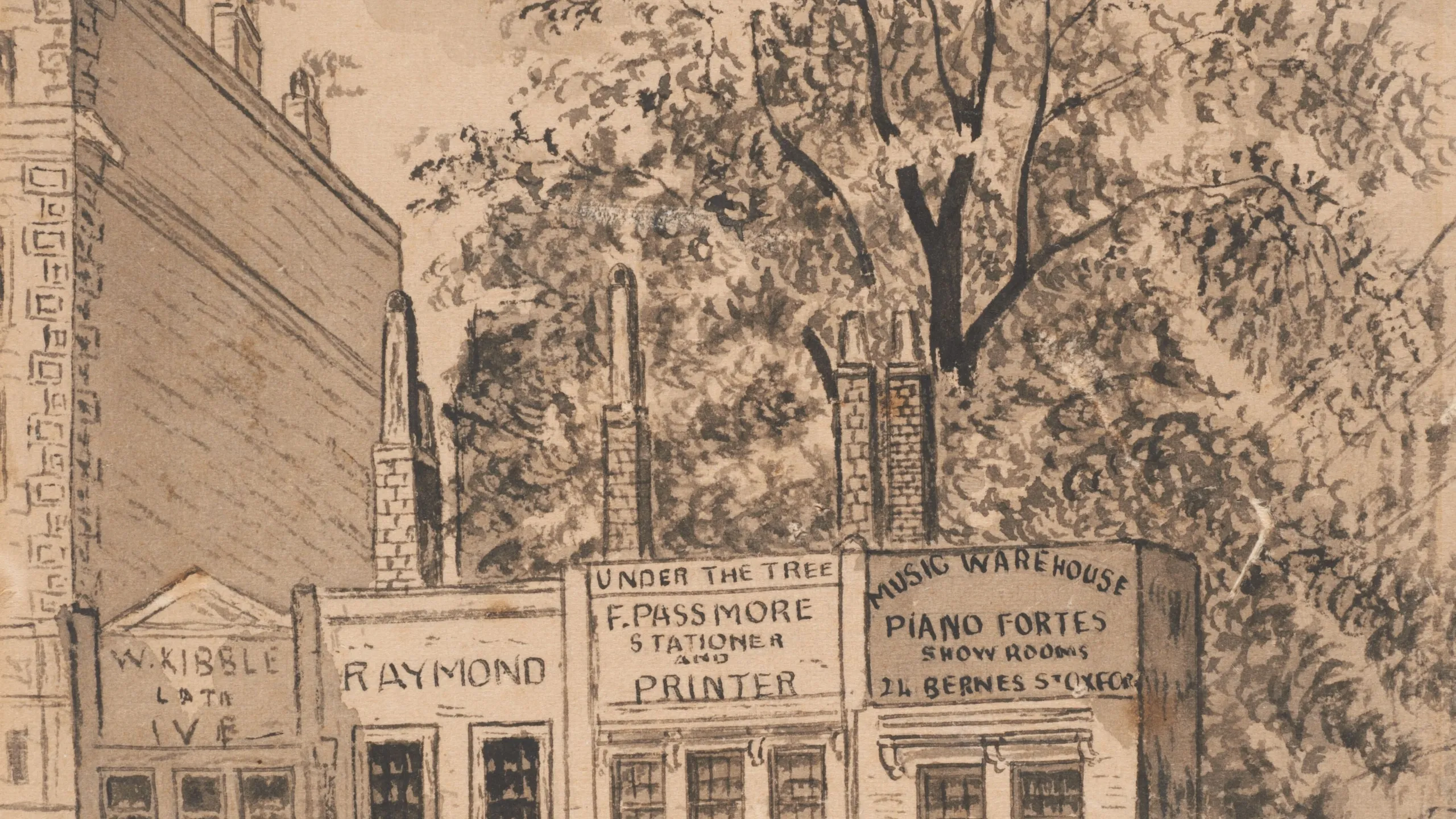
The Cheapside tree
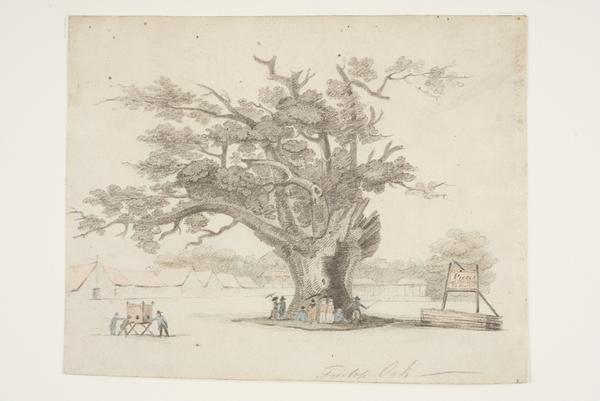
This drawing in our collection shows a London plane on the corner of Cheapside and Wood Street, in the City of London. If you don’t look up, you might miss it, being tucked away between shops and offices on the site of a former medieval church. No one knows exactly how long it’s been there – possibly since the 1700s. But it’s long been a well-loved landmark. Local businesses used to put their proximity to the tree in their addresses.
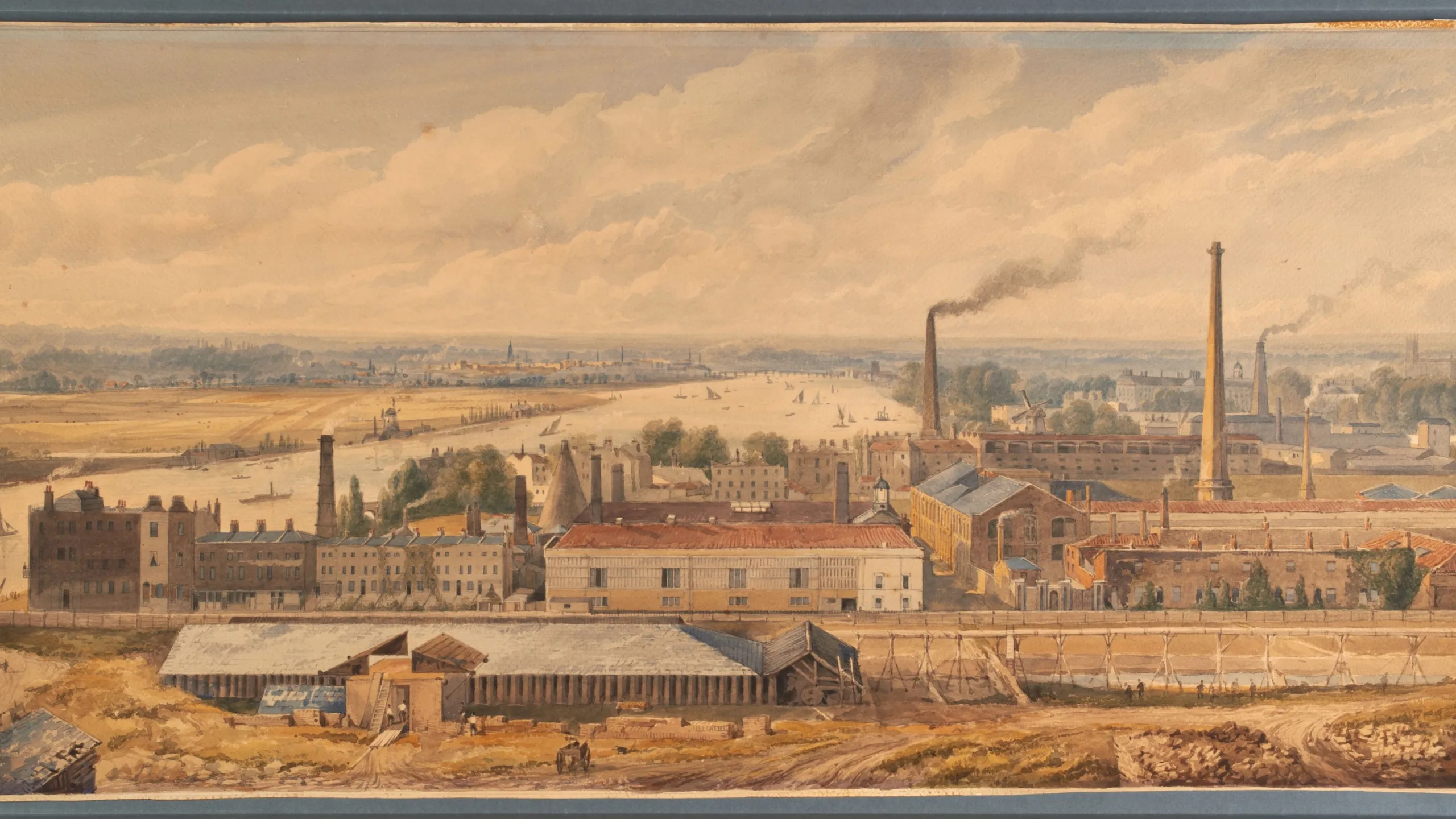
How did the London plane become so popular?
The London plane is made of tough stuff. These adaptable trees can grow in polluted environments and in various kinds of compact soil. They were a top pick for planters during the industrial revolution in the late 1700s and 1800s because, by shedding their outer bark, they could shake off the city’s soot and smog. But even these tolerant trees are being increasingly threatened by the 21st-century environment, including climate crisis-induced droughts, building developments and disease.
Plane trees absorb pollution, store carbon – and cause hay fever
These majestic trees play an important role in improving the city’s air quality. One 2015 study found London planes store 6% of London’s carbon, despite making up just 1.4% of the tree population. Their leafy canopies also provide Inner London in particular with plenty of shade. But beware if you find yourself a sneezy, itchy mess come spring – plane pollen is a top culprit for hay fever.
Tags
-
Paintings, Prints & Drawings

-
-
-
Paintings, Prints & Drawings