Talking Cockney: London’s original dialect
The Cockney language and culture is associated with London’s working class. Although the Cockney dialect is heard less frequently nowadays, many of its phrases survive in London’s wider culture.
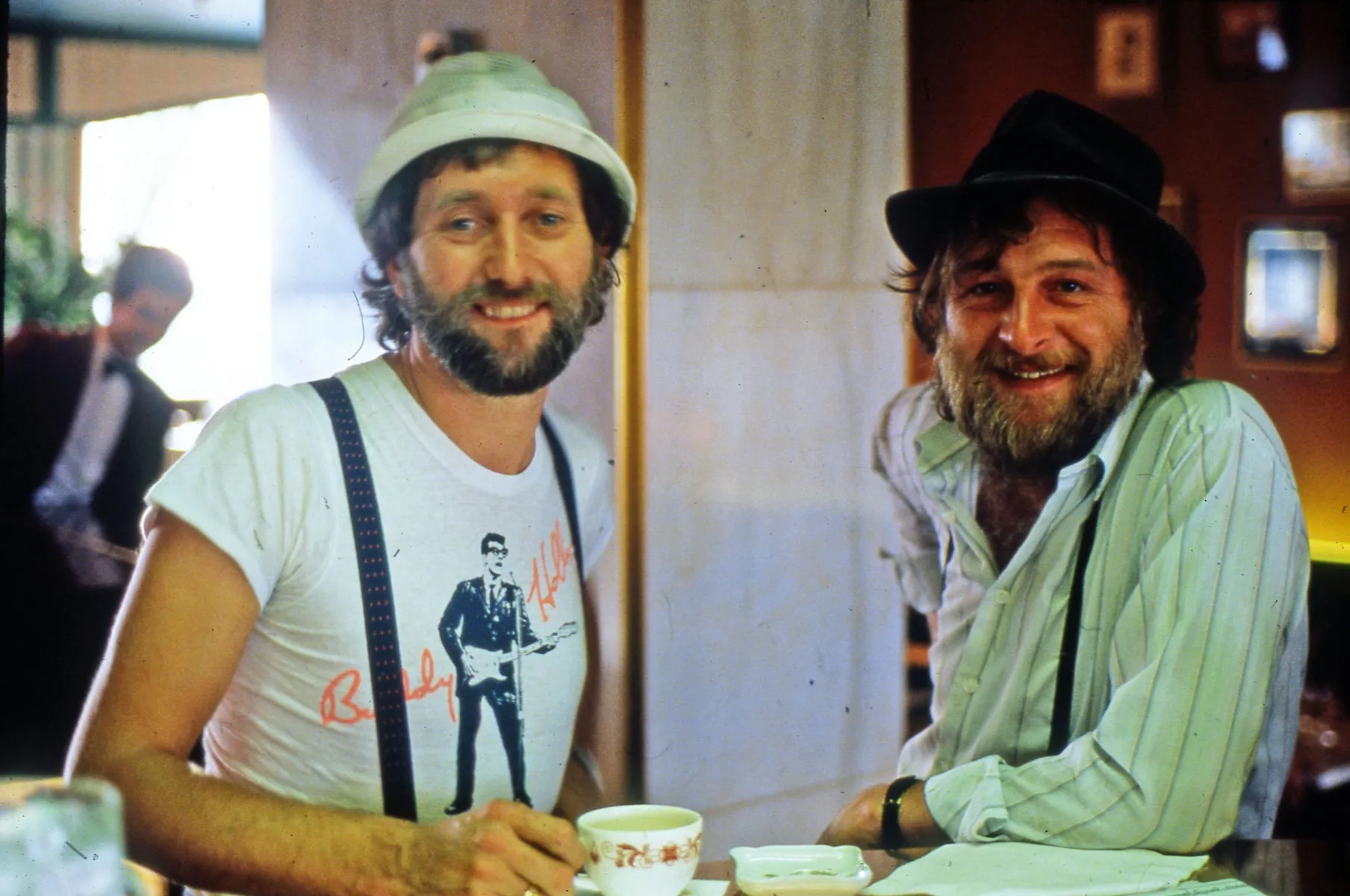
Cockney musicians Chas and Dave in the 1980s.
Rabbit, rabbit, rabbit
Cockneys are best defined as working-class Londoners, primarily from the East End. They’re possibly best known for their way of speaking, their own version of English – something that’s usually described as a ‘dialect’.
Cockney rhyming slang is the most famous part of the Cockney dialect. But there’s far more to it than that.
Cockney speech has shifted over the centuries, as have the people using it. It evolved from working-class Londoners who’d settled in the capital from all areas of the country. Later, the language was influenced by Londoners from overseas. This includes Yiddish phrases from Jewish refugees who settled in east London from the late 19th century, and more recently, patois dialect spoken by the Caribbean Windrush Generation.
Some consider the Cockney dialect to be dying out. But you could also say it lives on, flourishing as the offshoots it’s created, both in Estuary English and Multicultural London English.
What is Cockney rhyming slang?
Rhyming slang is one part of Cockney speech, and a relatively recent one. It works like a code that substitutes rhyming phrases for certain words.
Some are said as a whole, like ‘Adam and Eve’ for ‘believe’, giving ‘Would you Adam and Eve that?”
Others use only parts. To ‘have a butcher’s’ at something means to ‘have a look’. The rhyming phrase here is ‘butcher’s hook’, but ‘hook’ is left unsaid.
Rhyming slang emerged in the early 19th century. It may have been a way for traders or criminals to speak secretively. Or it may just be a particularly creative use of language. Rhyming slang isn’t unique to London – Glasgow has some too.
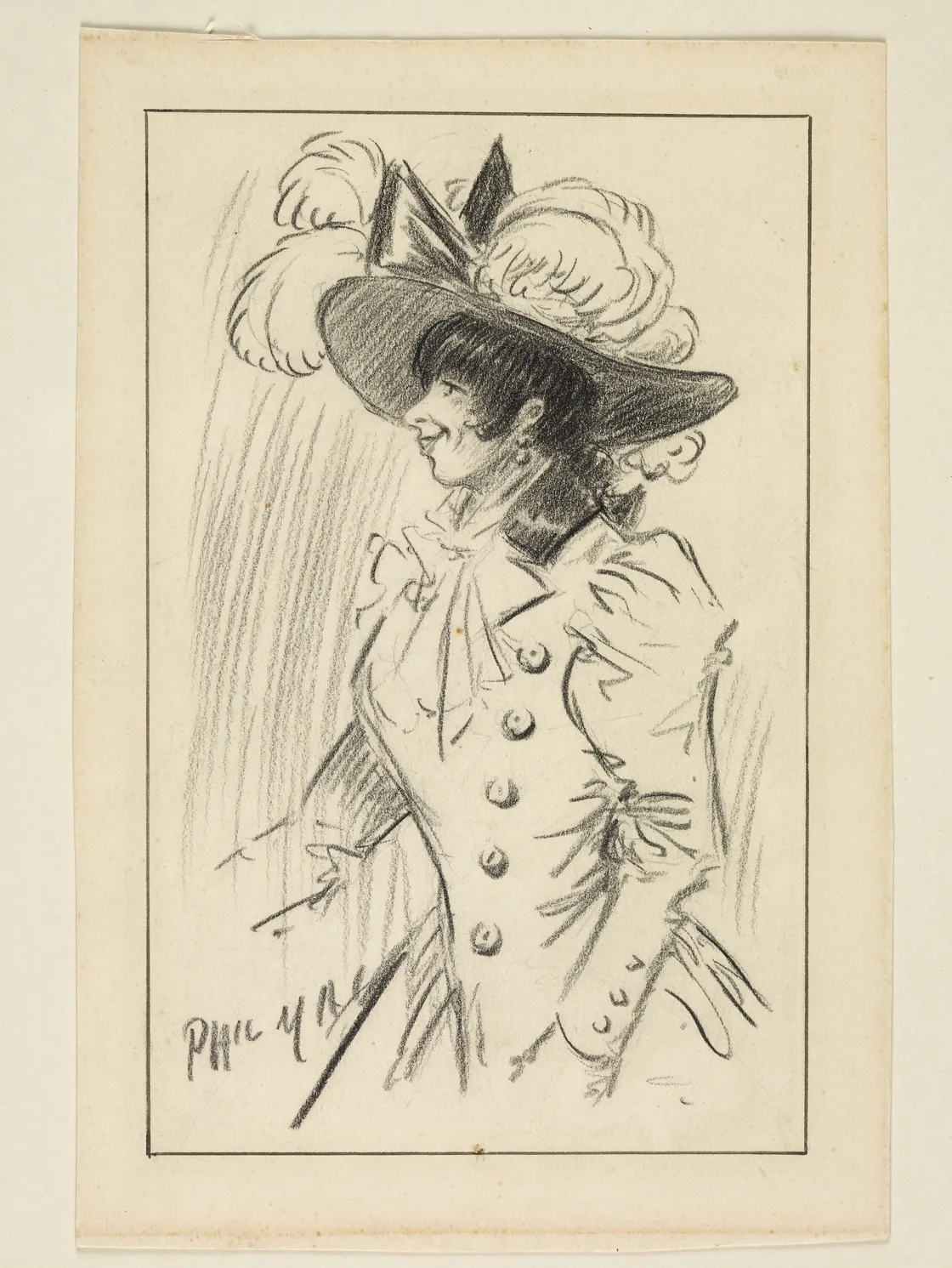
The cartoonist Phil May captioned this drawing ‘a cockney girl’ in the late 19th or early 20th century.
Examples of rhyming slang
Some terms have become so common that they’re used unknowingly. Perhaps you’ve heard of someone telling ‘porkies’ – ‘pork pies’ are ‘lies’. Been told to use your loaf? ‘Loaf of bread’ is ‘head’. Or maybe you’ve been ‘rabbiting on’ – ‘rabbit and pork’ means ‘talk’.
Phrases often use the names of celebrities. ‘Ruby Murray’, a 1950s singer, is slang for ‘curry’. ‘Hank Marvin’, a musician popular in the 1960s and 1970s, is ‘starving’.
Rhyming slang has never been stuck in the past. ‘It’s all gone Pete Tong’ emerged in the 1990s, using the DJ’s name for ‘wrong’. Rave culture also produced ‘Gary’ for a tablet, or pill, using the first name of Gary Ablett, a footballer who played for Liverpool and Everton. The singer Cheryl Cole’s name was also used as slang for ‘dole’, meaning government benefit payments.
The Cockney dialect is more than rhyming slang
Cockney contains normal slang too – ‘monkey’ is £500 and ‘pony’ is £25. Neither have a rhyme, although ‘Lady Godiva’ is used for £5, a fiver.
There’s back slang too, where a word is reversed. ‘Yob’, meaning a rude young person, came from ‘boy’.
More broadly, speaking Cockney involves pronouncing words and piecing together sentences in certain ways. In the 19th century, writers including Henry Mayhew and Charles Dickens tried to record this accurately. One example, now gone, was that Cockneys swapped ‘w’ for ‘v’, saying ‘wery’ instead of ‘very’.
Cockneys today still swap ‘th’ with ‘v’, as in ‘muvver’ for ‘mother’. An ‘f’ sound is often used instead of the ‘th’ sound in words like ‘three’, sounding more like ‘free’. An ‘h’ is often dropped, as in ‘ouse’ for ‘house’.
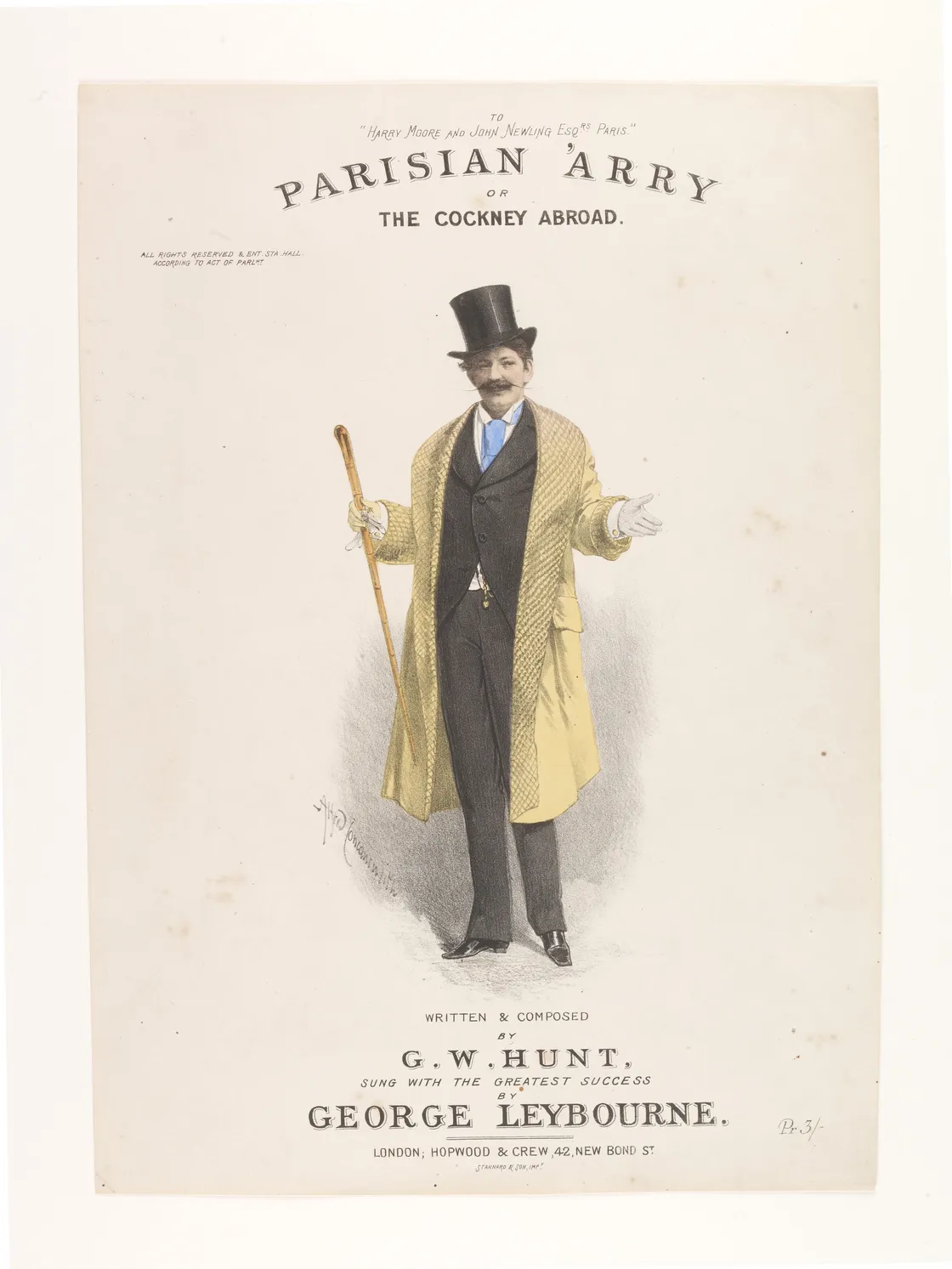
Sheet music for the popular music hall song Parisian 'Arry or The Cockney Abroad.
These pronunciations are not unique to Cockney. You can hear them in other English-speaking accents.
But the accent is sometimes essential for rhyming slang. ‘Old Joanna’, rhyming slang for ‘piano’, only works if you say ‘piana’.
‘Blimey’ is Cockney. So is ‘I ain’t seen nuffink’. Or, ‘so I goes’ instead of ‘so I said’. And ‘like’ can be used for emphasis – something hot could be described as ‘warm, like’.
In 2001, Mike Coles translated sections of the Bible into Cockney. His book, The Cockney Bible: Well bits of it anyway, was blessed by the Archbishop of Canterbury, who hoped it would generate interest in the Bible’s teachings from those who wouldn’t usually read it.
Cockney dialect became more visible
From the 1960s, working-class London accents became more accepted in mainstream culture. Often all Londoners appearing in TV, film and radio were thought of as Cockney, no matter which area they were from.
Actors like Michael Caine, from south London, and Terrence Stamp, from east London, became major international stars while proudly retaining their London accents, rather than concealing their working-class roots.
In the 1980s, flamboyantly Cockney pop musicians Chas & Dave had several hit songs. And from 1985, the television soap EastEnders broadcast its version of Cockney life on BBC One. Some people from upper- or middle-class backgrounds even began to adopt parts of Cockney speech – what’s known as ‘mockney’.
The movement of working-class east Londoners into Essex and Kent spread the Cockney dialect further than ever before. The dialect it produced in that region is known as Estuary English.
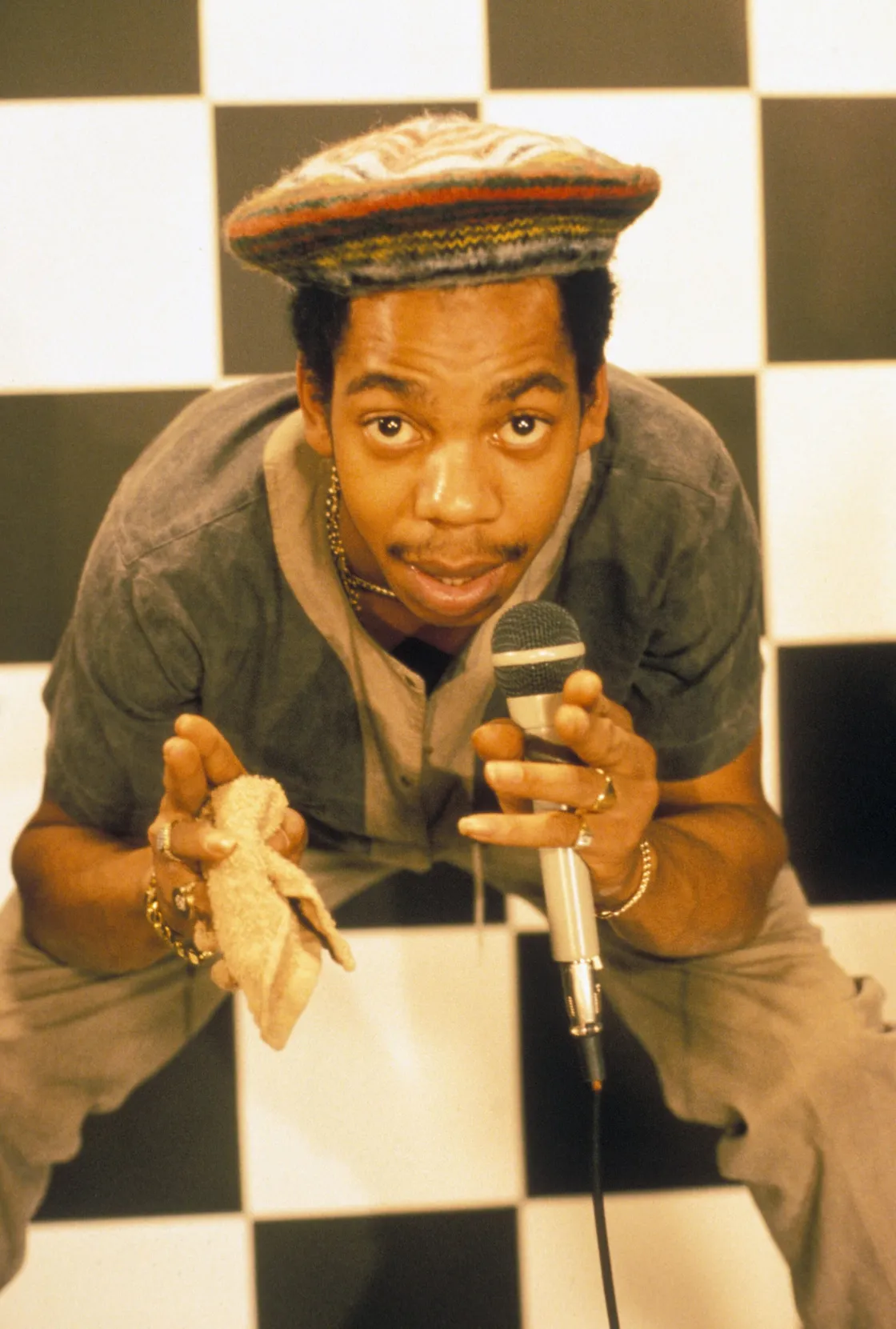
The artist Smiley Culture, famous for his hit song Cockney Translation.
The birth of Multicultural London English
Culture and language move fast in London. A survey we conducted in 2012 found that very few people recognised Cockney rhyming slang. Only 10% had used the phrase ‘apples and pears’ and 20% knew what ‘rabbit and pork’ was.
In 1984, the song Cockney Translation by Smiley Culture signalled how Cockney was mingling with new influences. Smiley Culture was a reggae singer from south London. In the song, he lists the slang for certain words in both Cockney and Caribbean patois. “Scarper” vs “Scatter”. “Tea-leaf” (thief) vs “sticks man”. “Rabbit” vs “chatter”. “Old Bill” (police) vs “Babylon”.
Today, what linguists call Multicultural London English (MLE) is the most common dialect among younger, working-class Londoners. It was born in areas of the city with large populations of migrants, and fuses Cockney dialect, Caribbean patois and terms from rap and dancehall music. MLE can now be heard in many parts of Britain.
More Cockney rhyming slang
Apples and pears – stairs
Barnet Fair – hair
Battle cruiser – boozer (pub)
Bird lime – time (as in prison time)
Brass tacks – facts
Bricks and mortar – daughter
Brown bread – dead
Cain and Abel – table
Chalfont St Giles – piles
China plate – mate
Cream crackered – knackered
Hampstead Heath – teeth
Jack Jones – alone
Mince pies – eyes
Oxo cube – Tube (underground)
Peckham Rye – tie
Plates of meat – feet
Rosie Lee – tea
Tea leaf – thief
Tilbury Docks – socks
Trouble and strife – wife