Nicholas Culpeper: A pioneer of holistic medicine
Nicholas Culpeper was a 17th-century herbalist, astrologer and physician. His books made medicine accessible to all and some are still in print today.
Spitalfields, Tower Hamlets
1616–1654
-
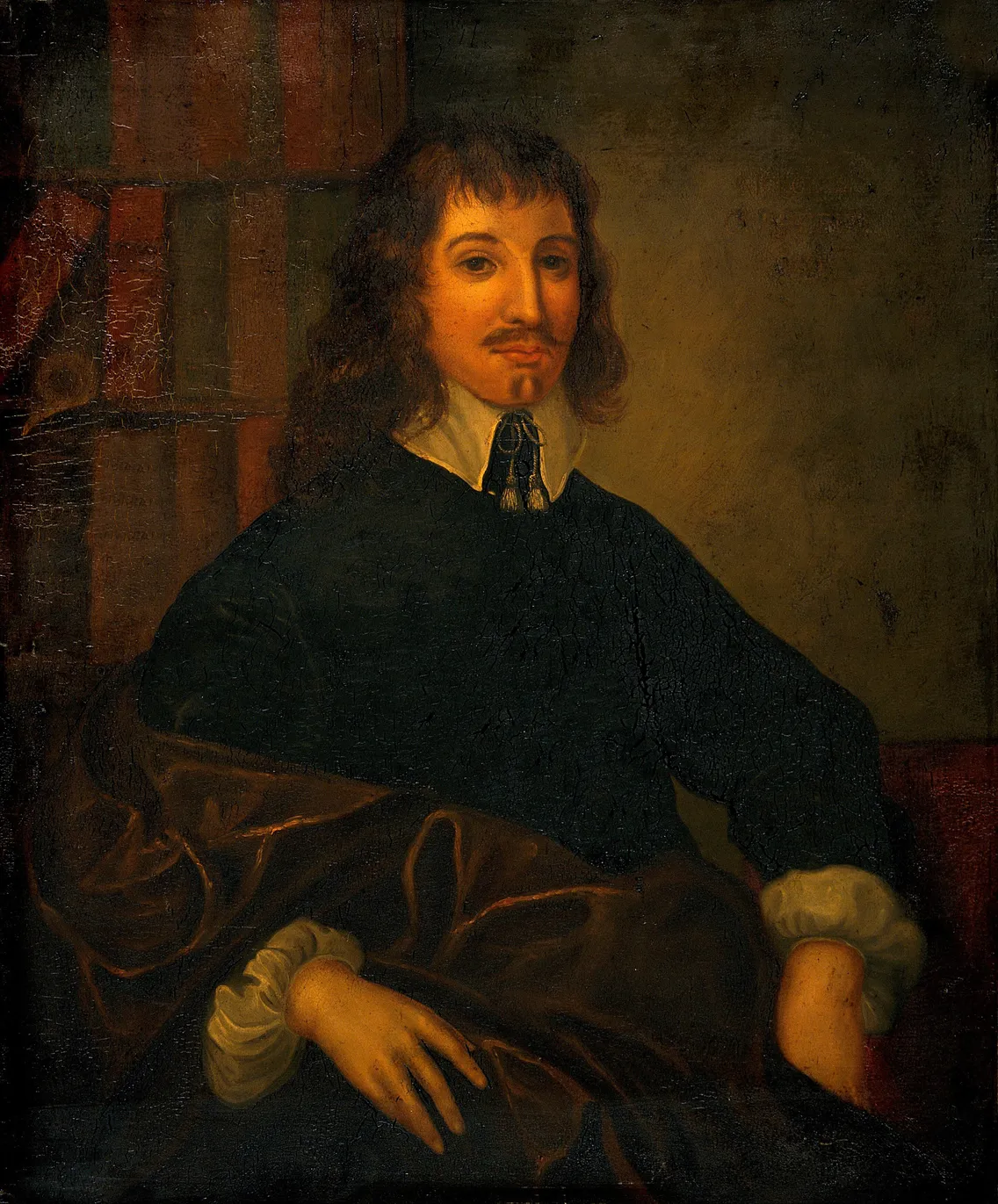
Nicholas Culpeper, a herbalist, astrologer and physician.
Herbalist, astrologer, physician, maverick
Was Nicholas Culpeper a quack? Or the father of modern alternative medicine? He believed that stars and planets were linked to illnesses in the body, and that they could be treated with plants. His work, which combined herbalism and astrology, fell out of favour in the centuries following his death. He’s still considered a maverick, but now his contributions to modern medicine are widely recognised.
Culpeper worked as an apothecary – an early type of pharmacist – though he never formally finished his training. He set up his own practice in Spitalfields, where he would treat poor patients, often for free.
He was deeply committed to making medicine accessible to all. He produced a number of significant medical works, including an English-language translation of the Pharmacopoeia Londinensis. This book, which listed ingredients for remedies, was written in Latin and only understandable to a select few medical practitioners. We have Culpeper’s work in our library.
Another of his books, The English Physitian, also known as Culpeper’s Complete Herbal, is still in print today.
Who was Nicholas Culpeper?
Nicholas Culpeper was born on 18 October 1614 in Surrey, but he spent his early life in Sussex. His family had ties to royalty – the courtier Thomas Culpeper was reportedly a lover of Catherine Howard, King Henry VIII’s fifth wife.
Nicholas was interested in astrology and the occult from a young age. Though he was meant to be studying theology at Cambridge, he often attended lectures on anatomy instead. He also embraced student life, spending a lot of time smoking and drinking in taverns.
Allegedly, a girl he was in love with was killed after her carriage was struck by lightning when they were preparing to elope. Though there’s no record of the event, this is believed to be the reason why Culpeper left Cambridge for London.
Here he worked as an apprentice apothecary, chiefly to Francis Drake on Threadneedle Street in the City of London. In 1644 he set up his own practice on Red Lion Street in Spitalfields. Culpeper would use his knowledge of medicine, astrology and herbs to treat the sick – as many as 40 people per morning, often for free.
His use of herbal remedies, his anti-monarchist political leanings, and his serving of the poor and uneducated made him a radical. He was even accused of witchcraft due to his beliefs in astrology and the impact the planets had on the wellbeing of the body.
-
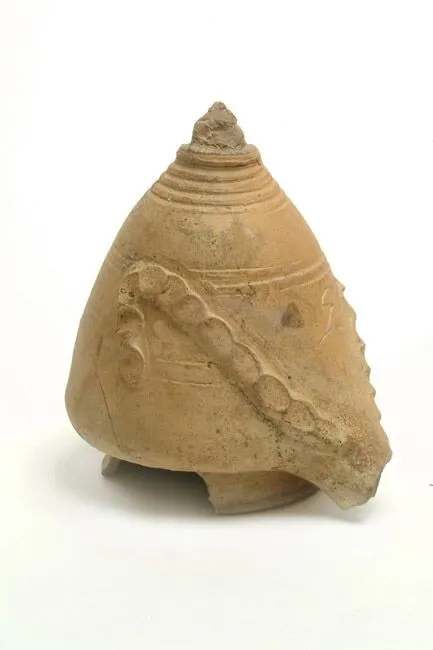
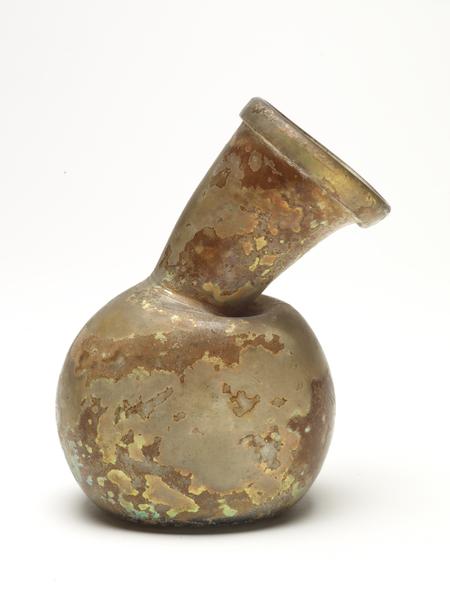
Apothecaries would use an alembic like this to distil liquids.
-
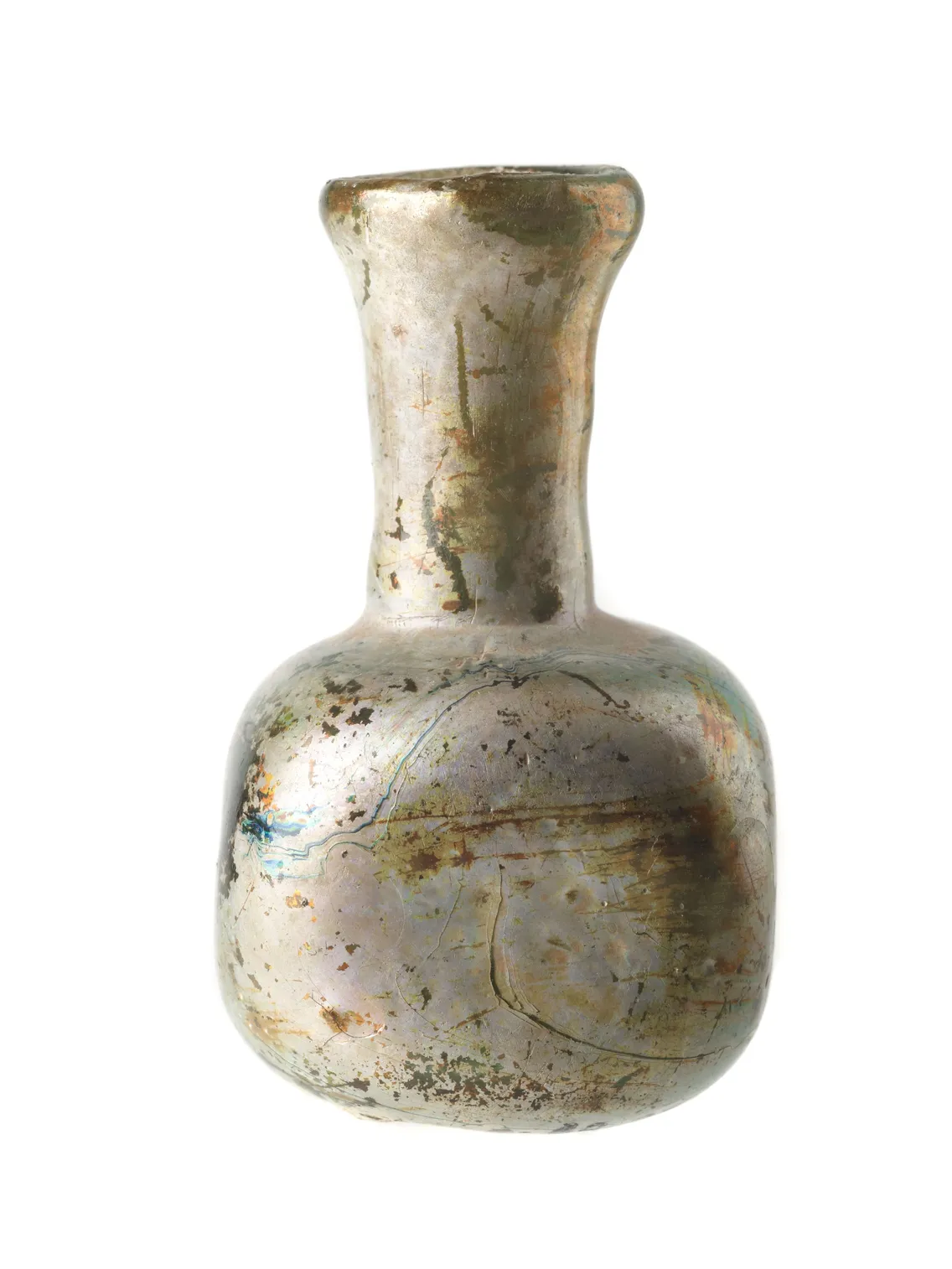
Apothecaries and physicians stored medicines in phials.
-
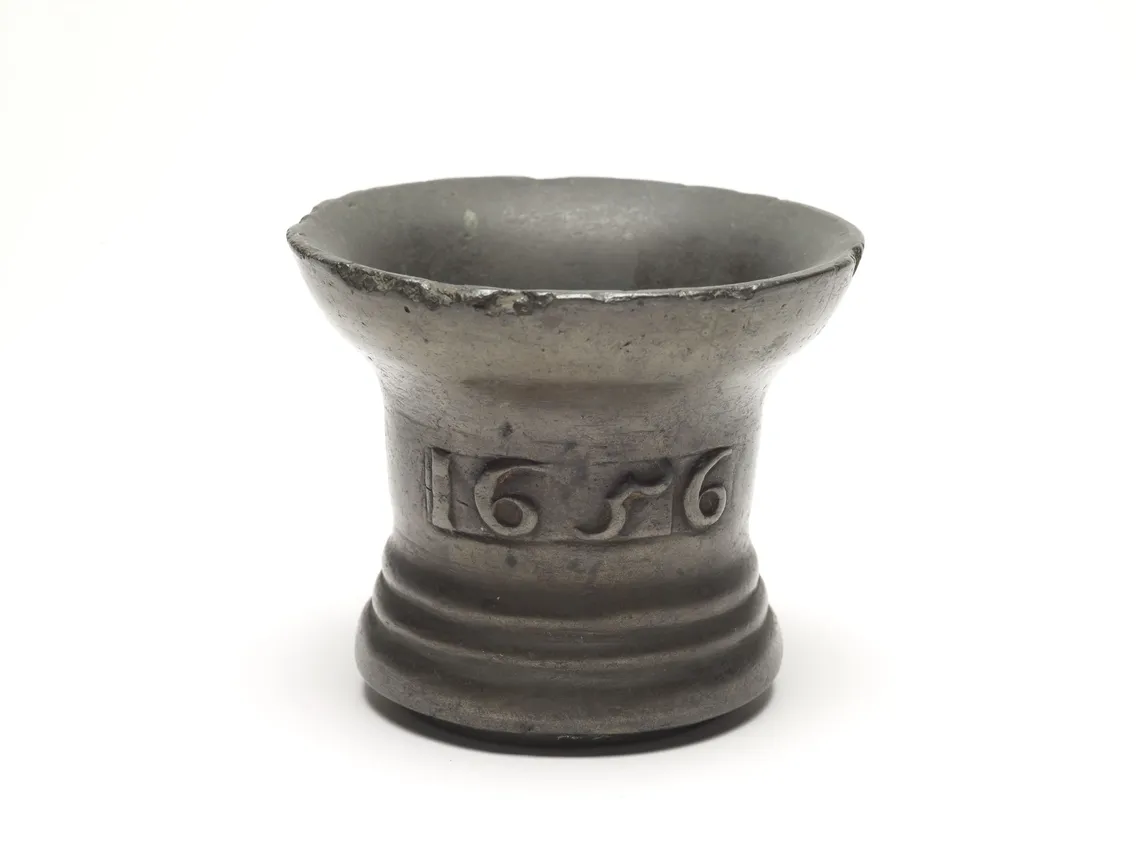
Bell mortars like this were used for mixing medicines.
Medicine in the 17th century
Medicine was an unregulated profession until Henry VIII established the Royal College of Physicians in 1518. The College regulated the trade and issued licences to those qualified to practice. Apothecaries working within seven miles of London also needed licences to provide medical treatment.
From 1618, King James I proclaimed that all physicians were also required to use the Pharmacopoeia Londinensis or ‘London Dispensatory’. This book, written by the Royal College of Physicians and first published in 1618, listed ingredients and recipes for treatments. It was illegal to make or sell any medicine that didn’t appear in the Pharmacopoeia. The book was also written in Latin, meaning very few people were able to read and use the text.
“How will you answer for the Lives of those poor people that have been lost, by your abandoning Physick from them”
Nicholas Culpeper, A Physicall Directory, 1651
-
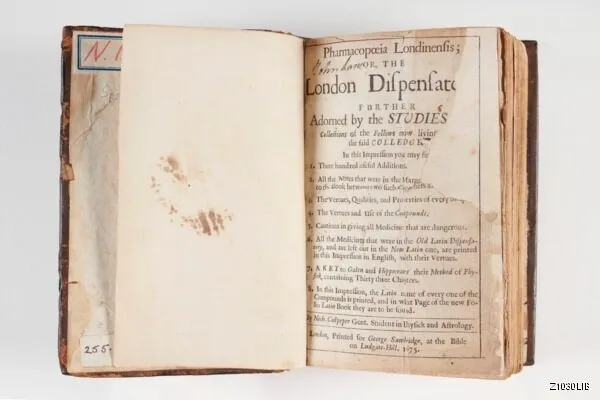
An English translation of Pharmacopoeia Londinensis by Nicholas Culpeper.
Nicholas Culpeper vs the Royal College of Physicians
Culpeper was often at odds with the College. He was a staunch anti-monarchist parliamentarian while the College were pro-monarchy royalists, meaning they were on opposing sides during the English Civil Wars (1642–1651). He believed medical knowledge should be accessible to all and that treatment should be cheap. This conflict often led to him being called a quack, a pretender who takes advantage of people by selling dubious cures.
In 1649 Culpeper translated the Pharmacopoeia Londinensis from Latin into English. His A Physicall Directory, or, A Translation of the London Dispensatory included extra definitions and instructions, making it usable for the public. He also added plenty of digs toward the College and continued to criticise them in later editions. In the 1651 edition, he writes: “How will you answer for the Lives of those poor people that have been lost, by your abandoning Physick from them in their Mother Tongue?”
“All other Authors…give not a bit of reason why such an Herb was appropriated to such a part of the body”
Nicholas Culpeper, The Complete Herbal, 1653
-
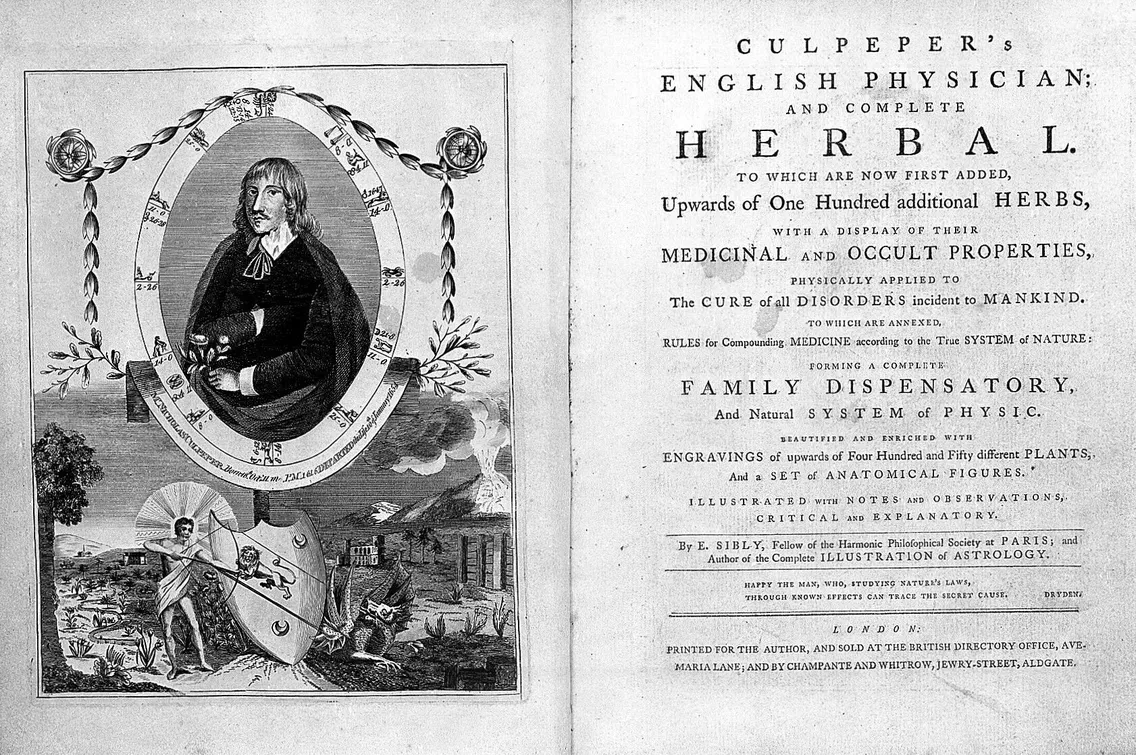
Nicholas Culpeper’s The English Physitian.
The English Physitian or Culpeper’s Complete Herbal
Perhaps Culpeper’s most significant book, The English Physitian, was written in 1652. It featured a comprehensive list of medicinal herbs and the illnesses you could treat with them.
The book was cheap, costing the equivalent of around £2 today to buy, and designed to be user-friendly. The text was accessible and it was easy to look up cures for different ailments. As Culpeper wrote: “All other Authors that have written of the nature of Herbs, give not a bit of reason why such an Herb was appropriated to such a part of the body, nor why it cured such a disease.”
Also known as Culpeper’s Complete Herbal, it was the first medical book to be published in America. And it’s still in print today, making it one of the longest English-language book runs ever.
Culpeper and midwifery
Culpeper wrote a number of other medical texts in his lifetime, including A Directory for Midwives, published in 1651.
His interest in the field likely came from sad personal circumstances – he and his wife Alice had seven children, but only one outlived him.
The book was innovative for its discussions of sexually transmitted diseases, paediatric care and female anatomy, something that Culpeper learned from attending dissections. Culpeper also wrote about females producing eggs and the role they had in reproduction, which was not the accepted theory at the time.
How did Nicholas Culpeper die?
Culpeper died aged 38 in 1654 from tuberculosis. He fought in the English Civil Wars in 1643, where he suffered a chest wound. It’s likely that this injury, and his heavy smoking habit, aggravated the condition that led to his death.
Though he died young, he left an enduring legacy. Thanks to his combination of astrology, herbalism and medicine, Culpeper can be seen as a pioneer of holistic medicine.
Tags
-
Post-Medieval

-
-

-
 Health & Disease
Elizabeth Garrett Anderson: A pioneering doctor
The first woman in Britain to qualify as a doctor
-
 Health & Disease
Witches, medicine & magic through London’s history
In the face of widespread death and disease, early Londoners turned to the supernatural
-
 Collections
From fox lungs to fuming pots: 17th-century flu remedies
Explore London Museum artefacts that reveal a strange yet fascinating history of healing
-
 Collections
Disability, as seen in 18th-century art
We look at four artworks to see how disabled people were portrayed in the 18th century