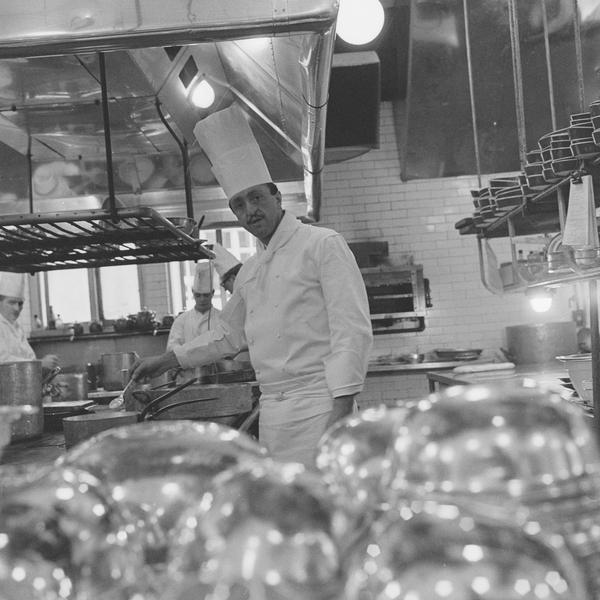
Madame Prunier’s luxury fish restaurant
If you had cash to splash on French cuisine and fancy wine, you’d probably have headed to Prunier on St James’s Street. And you’d also know the force behind it: ‘Madame’ Simone Prunier, its astute and energetic restaurateur.
St James’s Street, Westminster
1935–1976
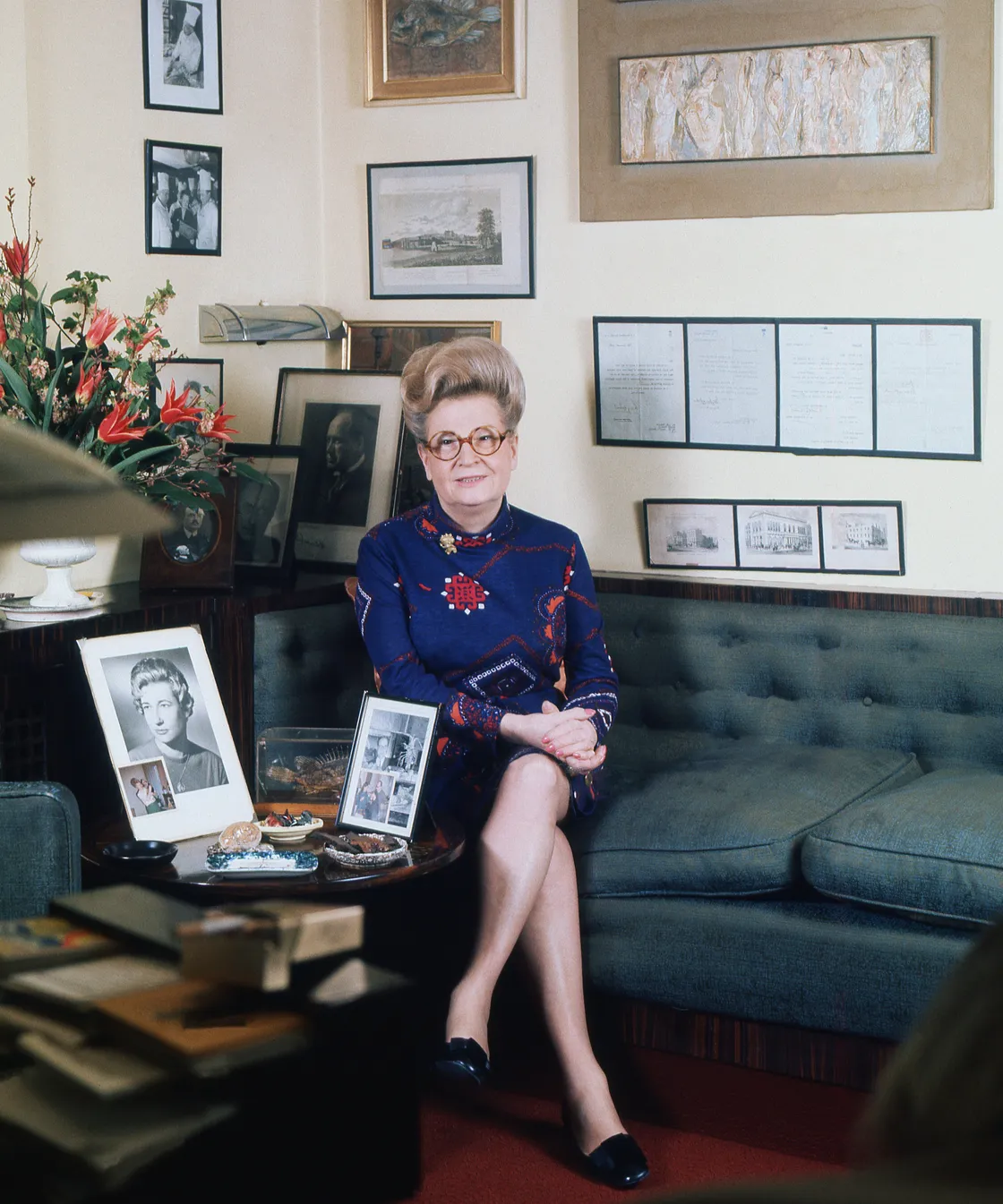
In 1935, Simone Prunier brought a slice of Paris into the heart of Westminster. Her restaurant was the English outpost of the Prunier family’s famous Parisian seafood restaurants, founded in the 19th century by her grandfather, Alfred.
Londoners looking for the velvety seafood medley of terrine dieppoise, or the aromatic punch of bouillabaisse stew, could find it at Prunier. For a price. The restaurant was the hangout of London’s high society, its guest book reading like a who’s who of West End royalty.
Madame Prunier, as she was known, was a force to be reckoned with. She worked 12-hour days, six or seven days a week. And she kept the doors open through the Second World War (1939–1945), navigating the challenges of the Blitz, rationing and restaurant price-fixing.
In 1976, after being at the helm for 41 years, the 72-year-old ‘First Lady of Fish’ decided to retire and Prunier closed for good.
The Pruniers were famous for their fish
The Prunier name carried the weight of decades-long restaurateur excellence. Prunier’s grandfather, Alfred, founded the first Prunier seafood restaurant in Paris in 1872. Alfred’s son, her father Emile, opened the second. When Emile died in 1925, Simone took over as the business’s secretary.
In her early 30s, she moved to London and opened Prunier on the west side of St James’s Street, a small walk up from Pall Mall. This was no humble fish and chips. She continued the family tradition of classic French fish cookery from all corners of the country, featuring recipes passed down through the Prunier generations.
Though her married name was Barnagaud-Prunier, she was encouraged to make herself known here as a Prunier, a name famous even across the English Channel.
The London restaurant was an instant hit
In her 1957 book, Prunier recalled the success of the London restaurant's opening night in January 1935. She posted herself by the entrance and “went on with scarcely a pause greeting a stream of guests whose names meant news in every paper in England”. The next day, she said 600 hungry guests turned up – the restaurant was built to take 300.
-
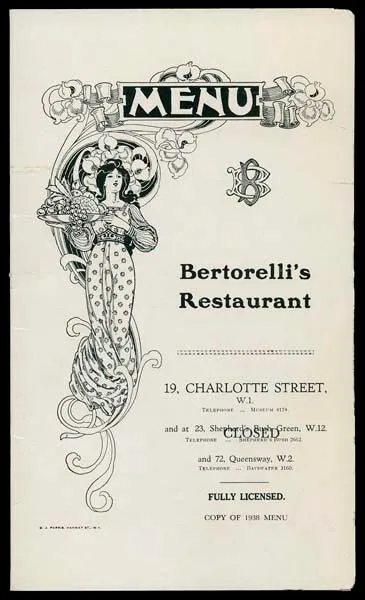
A 1938 menu from Bertorelli’s, one of the first expensive Italian restaurants in London.
-
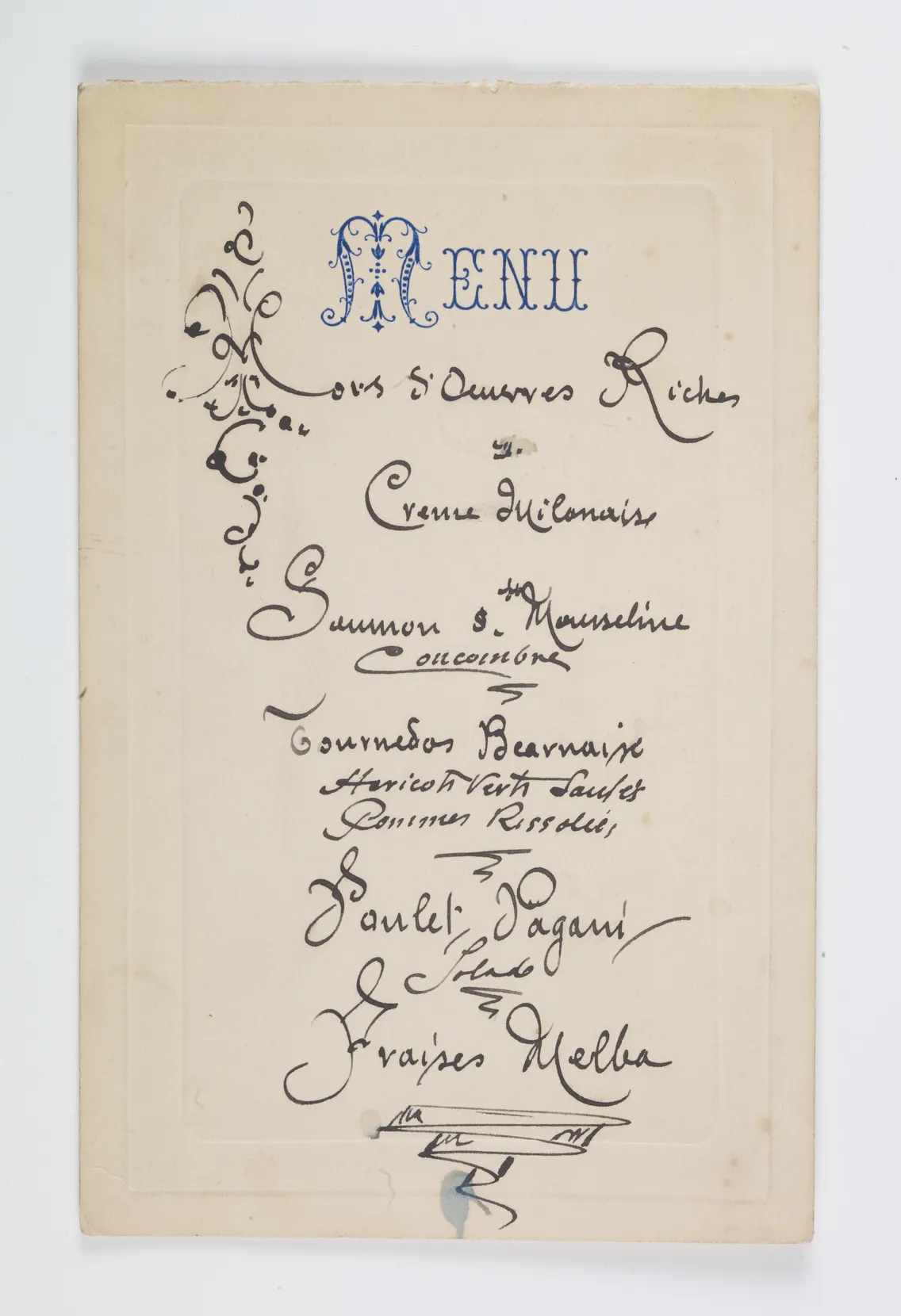
Pagani’s on Great Portland Street attracted much of London’s fashionable society.
At that time, London’s restaurant scene was growing. French cuisine and dining culture were very fashionable. While most fine dining was found in fancy hotels, the West End had an increasing number of high-end restaurants. Covent Garden’s Boulestin and St James’s Quaglino’s attracted high-flying customers.
Prunier was the hot new addition. It dazzled customers with its expansive menu, wine pairings, oysters and waiters who tempted British palates into gastronomical adventure.
For many French people in London, it was a home away from home. One Tatler magazine reviewer wrote of a Parisian friend curing his homesickness by having a meal at Prunier – “for its food and atmosphere take him back to his home town”.
These first weeks were round-the-clock work. One waiter collapsed, and Prunier found Gaston Brauckler, a long-standing employee, “stretched out on the floor in the office, finished” by the end of the month.
Prunier stayed open during the Second World War
The Second World War broke out in 1939, a mere four years after the restaurant launched. Prunier was determined that the business would stay open through the challenges war threw their way.
Northern France was under German occupation from June 1940. So the restaurant was temporarily controlled by Britain’s Custodian of Enemy Property, and threatened with closure if it didn’t turn a profit.
The Blitz began three months later. When German bombs hit London, the restaurant’s windows were blown out, it had no gas for weeks on end, and chefs grilled food on makeshift charcoal cooking grates. Prunier organised private taxis to ferry diners to and from St James’s Street.
-
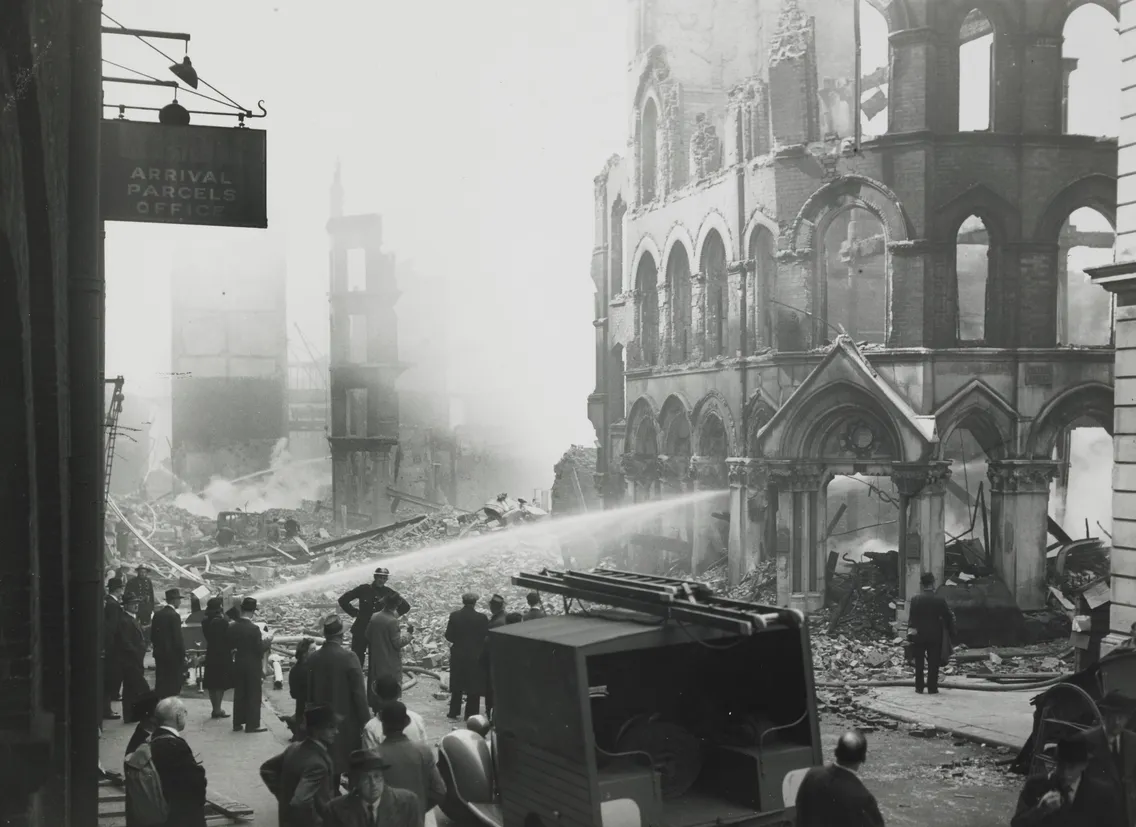
Bombs fell on almost every part of the city during the Blitz.
From 1942 to 1950, the government fixed restaurant prices to five shillings a meal. Luxury restaurants could add up to seven shillings extra. But this still brought finer establishments like Prunier within the reach of the average Londoner.
They were also limited to serving a maximum of three dishes per meal – the norm now, but you’d typically have five or six back then.
“Even after the big blitzes, people had to eat: indeed they seemed to have more appetite than ever”
Simone Prunier, 1957
Food rationing and shortages added even more complexity to running the business. Prunier remembered how their pigeon pâté was actually made of rooks. According to her chef, the chickens “tasted as if they had been fattened on barbed wire”. She never looked to the black market to fill the gaps – although she was regularly approached by its agents.
Through it all, the restaurant was buzzing. Lunch and dinner services were visited by members of the European Resistance and the armed forces. “Even after the big blitzes,” she wrote, “people had to eat: indeed they seemed to have more appetite than ever.”
Prunier was always adapting
The restaurant thrived for decades thanks to its manager’s business creativity. For example, Prunier imported her own wine by forming a group of companies to buy, ship and distribute it.
During and after the war, the restaurant sold takeaways of its best-loved dishes, like the lobster special homard à l'américaine.
To try and reverse the decline of East Anglia’s herring industry, she set up the Prunier Trophy in 1936. This was awarded to the skipper who landed the largest catch of the season.
Then, when the world came to London for the 1951 Festival of Britain, she created a so-called ‘Prunair Pack’ of wine and spirits. This was aimed at American visitors who could take back five bottles as part of their duty-free allowance. It was delivered to them before they left, or even straight to their aeroplane.
-
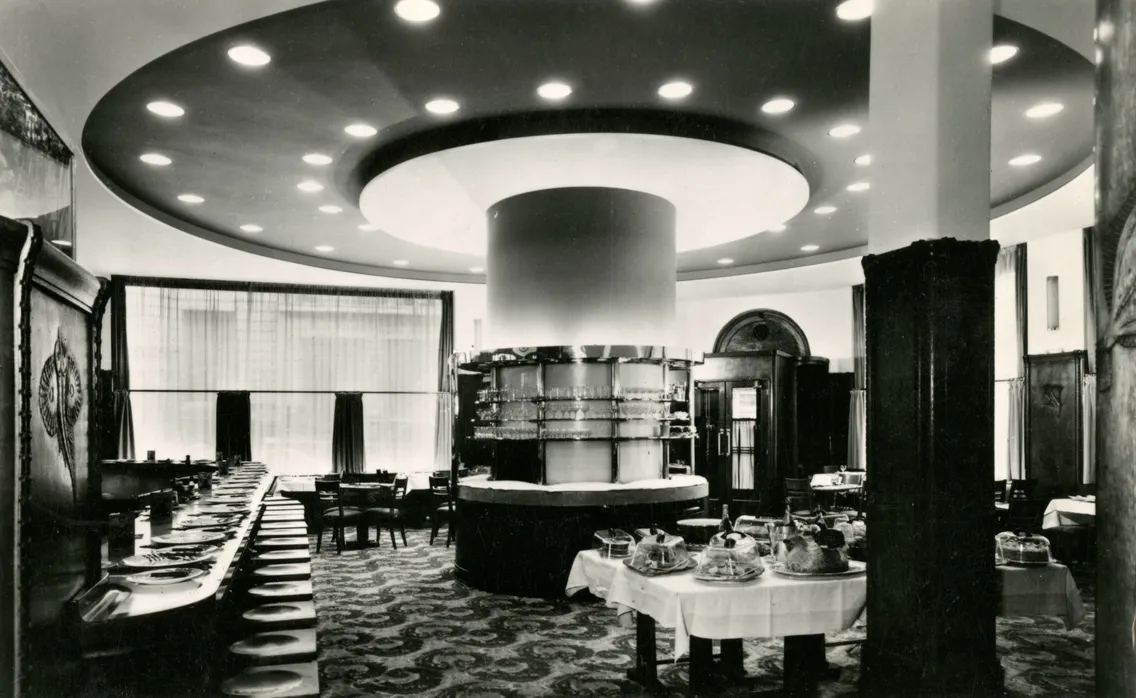
Inside Prunier in the 1930s.
Why did Prunier close?
Prunier headed the family business into her 70s, still working punishing 12-to-14 hour days, despite some health problems.
By the 1970s, it was clear that the restaurant’s good old days had passed. “If one wishes to eat Prunier’s fish as it was and should be,” wrote The Times, “it is wise to buy a ticket to Paris.”
Prunier’s might also have seemed old-fashioned next to simpler and cheaper offerings nearby. In 1953, the designer Terence Conran opened The Soup Kitchen just off the Strand, which served affordable, simple but stylish food.
It was no longer included in the country’s go-to guide for dining out, The Good Food Guide. In 1973, inspectors found Prunier’s poached eggs were overcooked, its grilled fish had “lumpish presentation and excessive singeing”, and there was an “unpleasant smell in the front room”.
Eventually, on 18 March 1976, after 41 years on the exclusive West End restaurant scene, Prunier closed for good.
Tags
-
Photography
-
-
-