
London’s catastrophic fires
While no inferno matches the fame of the Great Fire of 1666, many blazes have stunned the capital. Caused by violence or neglect, they’ve left behind destruction, anger and grief, but often provided a flickering chance for progress.
Across London
Since 60 CE
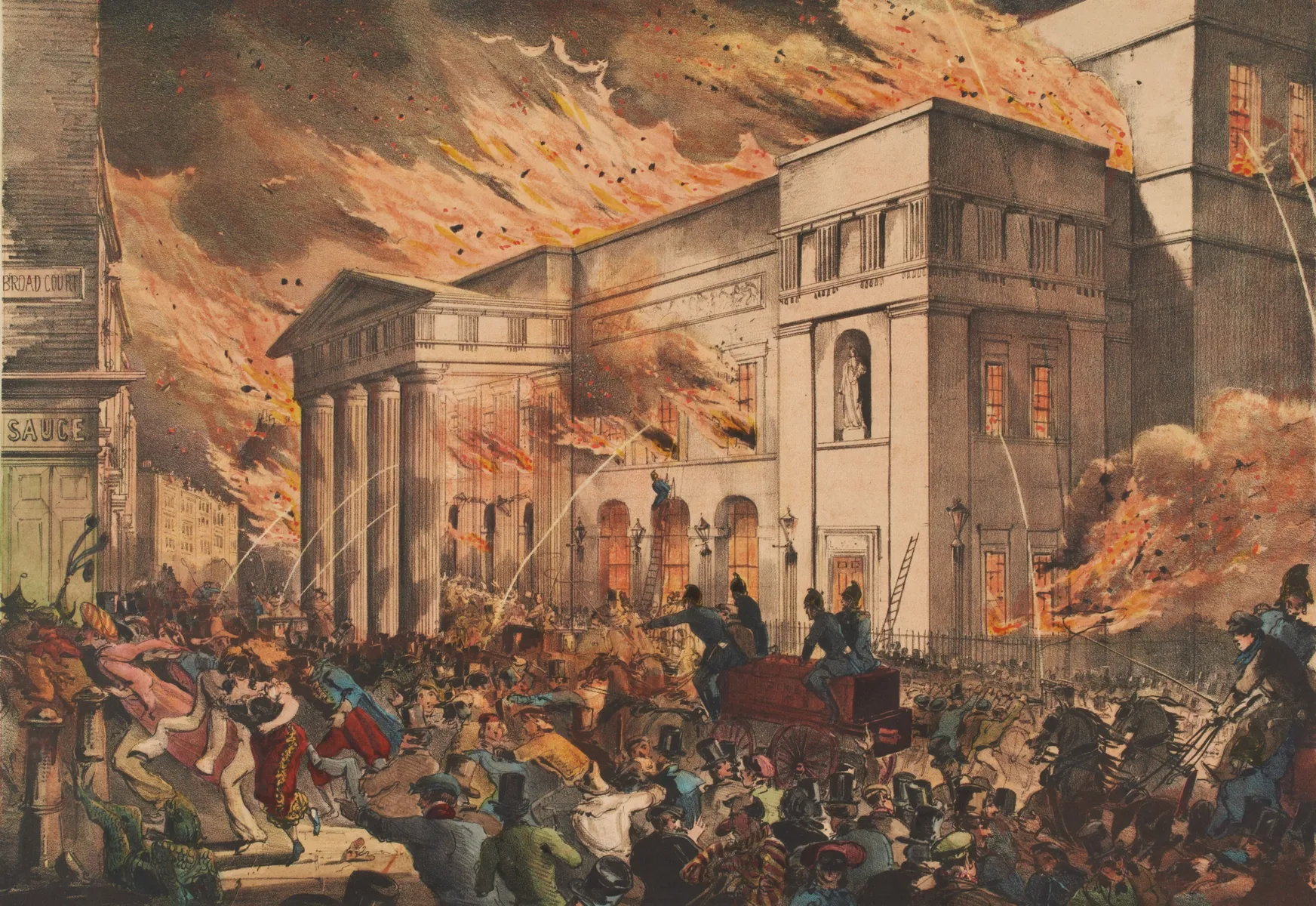
A fire at Covent Garden Theatre in 1856, one of countless terrifying, destructive fires not to make this list.
Boudica’s rebellion, 60–61 CE
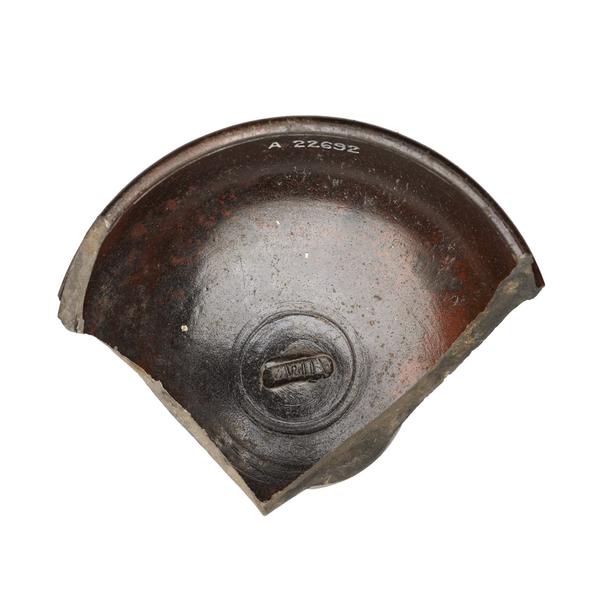
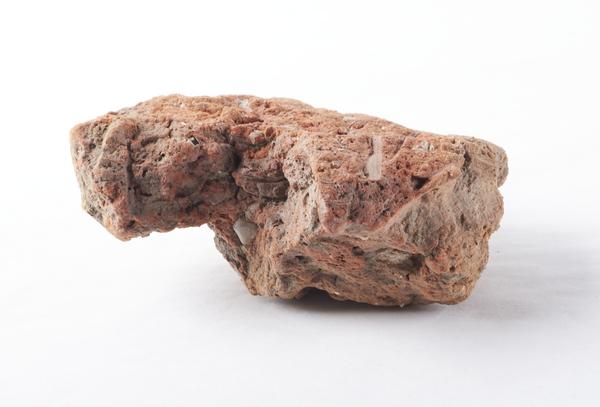
Just over a decade after the Romans founded London, the city they called ‘Londinium’ was burned to the ground by the followers of Boudica, a British queen.
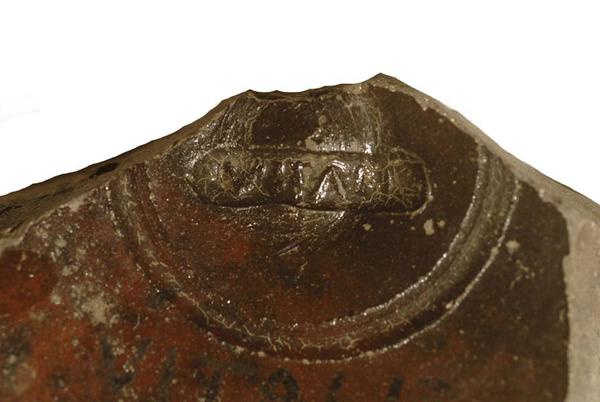
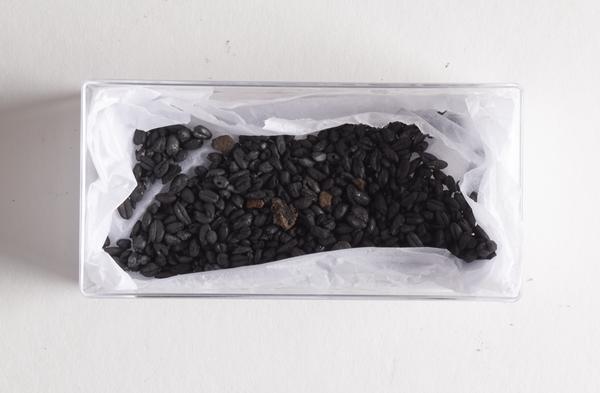
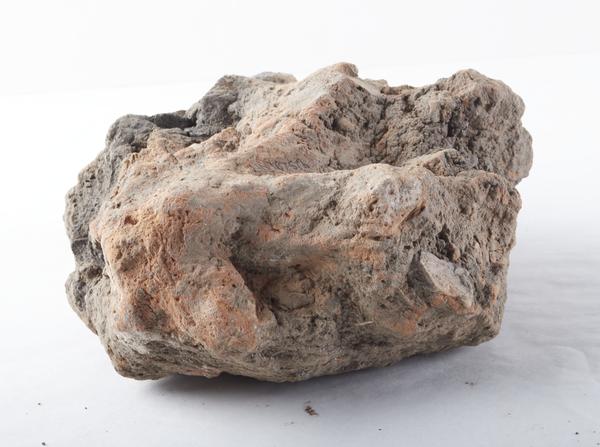
The layer of burnt debris left behind is still used as a dating tool by archaeologists digging in the City of London.
The Hadrianic fire, 120–130 CE
Sixty years after Boudica’s rebellion, when Hadrian was Roman emperor, London had a new forum, large baths and an upgraded amphitheatre.
But archaeologists have found burnt debris that suggests Roman London was severely damaged by another major fire around this time. It remains a mystery whether the cause was deliberate or accidental, and whether it was one large fire or several.
St Paul’s, 1087
London’s St Paul’s Cathedral has a turbulent history of destruction. The first, built in 604 CE, was destroyed by fire. The next was destroyed by Vikings.
The Anglo-Saxon Chronicle, an early historical record written by monks, tells us about another major fire in 1087. It tore through “the greatest part, and the richest of the whole city”.
That affected area included St Paul’s, which was “completely burned”. King William II ordered that the cathedral should be reconstructed. The new building was what we now call Old St Paul’s Cathedral.
Great Fire of 1212
This fire is said to have damaged London Bridge, wrecked much of Borough High Street and destroyed the St Mary Overie church.
We don’t know what caused it. According to John Stow, a historian writing over 200 years after the fire, 3,000 people died. That’s likely to be an exaggeration.
In Stow’s account, people were trapped on London Bridge by fires at both ends. The boats that rushed to help became overloaded with people and sank, drowning those onboard.
After the fire, rules banning thatched roofs were reinforced. New houses had to use tiles, shingles or boards, and existing thatched roofs had to be plastered.
The Great Fire of London, 2 September 1666
This is the ‘Great Fire’ everybody remembers, the one every other London fire is measured against.
Only a handful of people were recorded to have died. But the flames lasted for four days, torched 80% of the City of London and made around 100,000 people homeless. The fire decimated the city’s skyline, bringing down Old St Paul’s Cathedral, the Royal Exchange and Baynard’s Castle.
Londoners reeled in shock. Many saw the fire as a punishment from God. News of the Great Fire spread across Europe.
Radical plans for rebuilding the city were proposed, but never materialised. The City regrew on its old foundations. Still, the current St Paul’s Cathedral, designed by architect Christopher Wren, rose from the ashes. As did the Monument to the Great Fire of London, a towering reminder of the disaster.
-
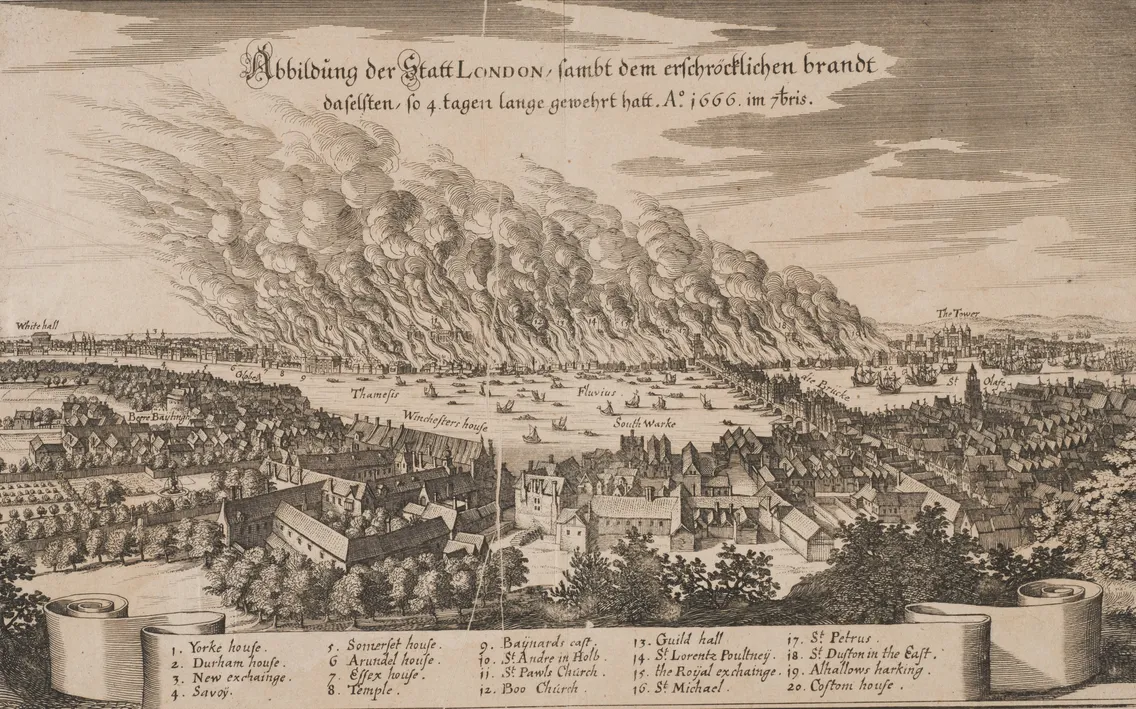
This is a view of the 1666 Great Fire from Southwark, which suffered several of its own destructive fires before 1700.
Southwark, 26 May 1676
Unscathed by the Great Fire of 1666, Southwark suffered four large fires before the end of the century.
The largest of the four, on 26 May 1676, began in the cellar of an oil shop on Borough High Street. It destroyed up to 600 houses.
The Whitehall Palace fire, 4 January 1698
The riverside Whitehall Palace was built by Cardinal Thomas Wolsey, then extended by Henry VIII after he seized it in the 1530s.
The fire that destroyed it was started by sheets drying over a fire. Looters took what they could as the timber palace burned.
The methods used to fight the fire were the same as in 1666. Londoners used buckets of water and pumps to extinguish the blaze, and pulled down or blew up buildings to slow its spread.
The Ratcliffe fire, 23 July 1794
London’s riverside districts, with their industrial buildings and warehouses full of flammable goods, were the scene of many fires. Ratcliffe, in Tower Hamlets, saw one of the worst.
At 3pm on 23 July, an unattended kettle of pitch – a material used for waterproofing – boiled over at Cloves’ Barge Yard, setting on fire.
Flames spread to a barge loaded with saltpetre, a material used to make gunpowder. The barge exploded, spreading fires north and east that consumed timber yards, rope yards and sugar warehouses.
The fire destroyed over 600 houses, leaving 1,400 people homeless.
-
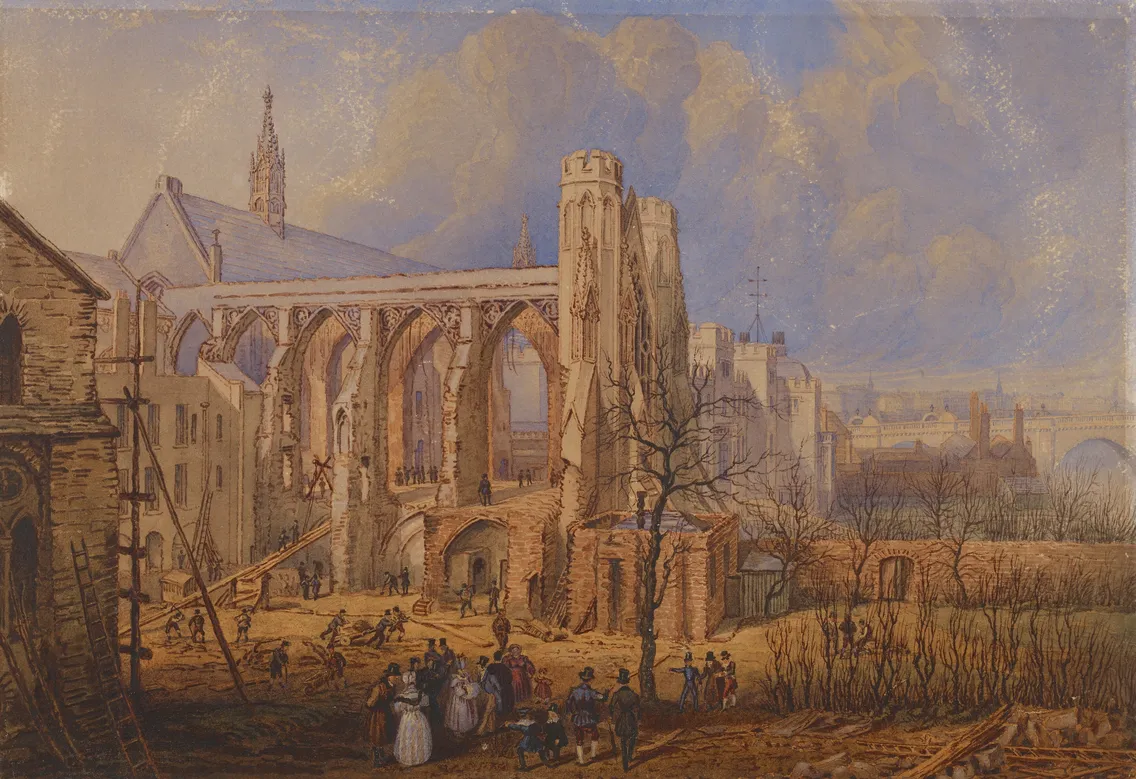
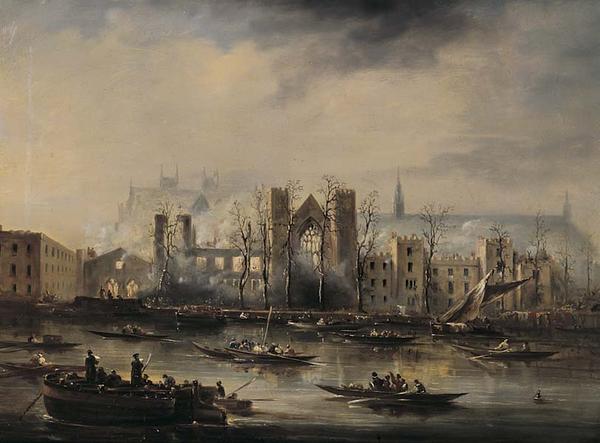
The ruins of the Houses of Parliament after it was destroyed by fire.
-
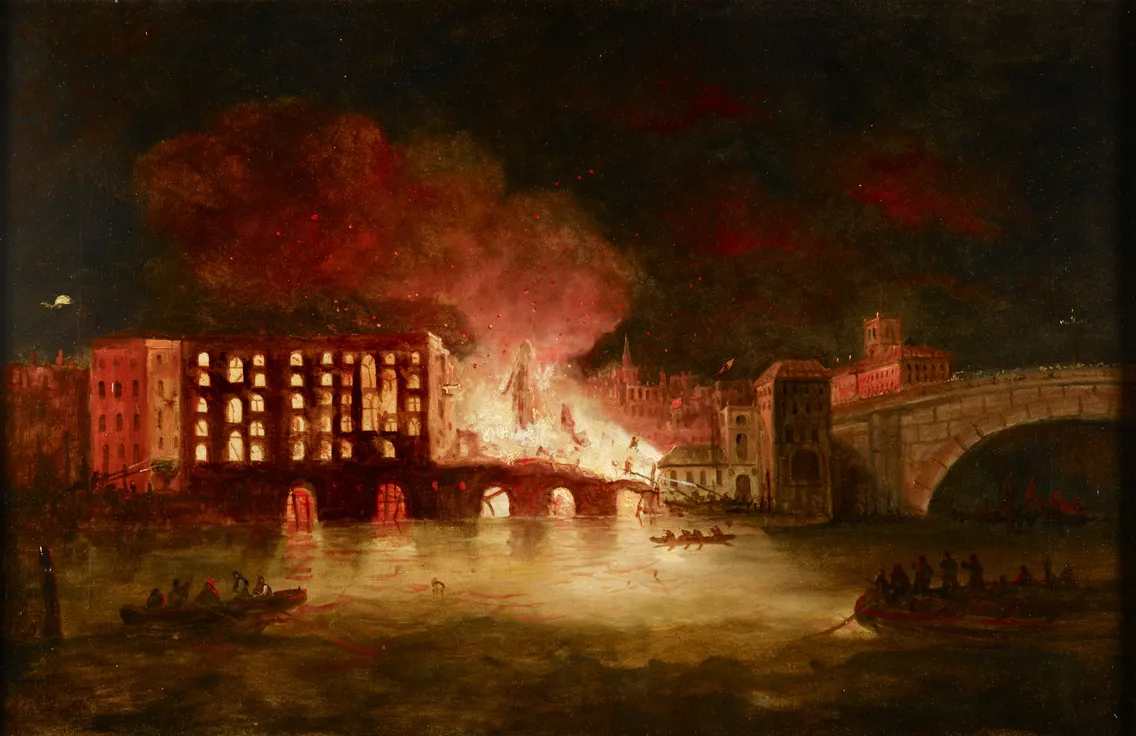
A painting of the Tooley Street fire in 1861.
Westminster, 16 October 1834
In one night, most of the buildings of the Palace of Westminster, including both Houses of Parliament, were destroyed by a catastrophic fire. Thankfully, the medieval Westminster Hall survived.
The fire spread from two furnaces which had been left unsupervised. Prime Minister William Lamb called it “one of the greatest instances of stupidity upon record”.
Like most of these enormous fires, the Westminster blaze attracted a large crowd of spectators. The author Charles Dickens and the artist JMW Turner were among them.
The Great Fire of Tooley Street, 22 June 1861
It took two weeks to put out the monstrous Tooley Street fire in Southwark. Starting in a warehouse at Hay’s Wharf, it was fuelled by cargoes of cotton, spice and oils and grew to become the largest fire in London since 1666.
The scale of the disaster astounded Londoners and led to the founding of London’s first public fire service, the Metropolitan Fire Brigade.
The Silvertown explosion, 19 January 1917
After a TNT refinery exploded in Silvertown, east London, fires were visible from Guildford and burned for more than a week. It was London’s largest ever explosion, a deadly accident that killed 73 people while the First World War (1914–1918) raged.
The Blitz, 7 September 1940 – 11 May 1941
London has never burned so frequently as it did during the Blitz, the German air force’s eight-month bombing campaign against Britain in the Second World War (1939–1945).
Starting on 7 September 1940, a mixture of high-explosive and fire-starting incendiary bombs were dropped from the sky. Attacks continued for 54 nights afterwards, and then came time and again until May 1941.
The fires from the final air raid of the Blitz on 10–11 May covered an area larger than the 1666 Great Fire.
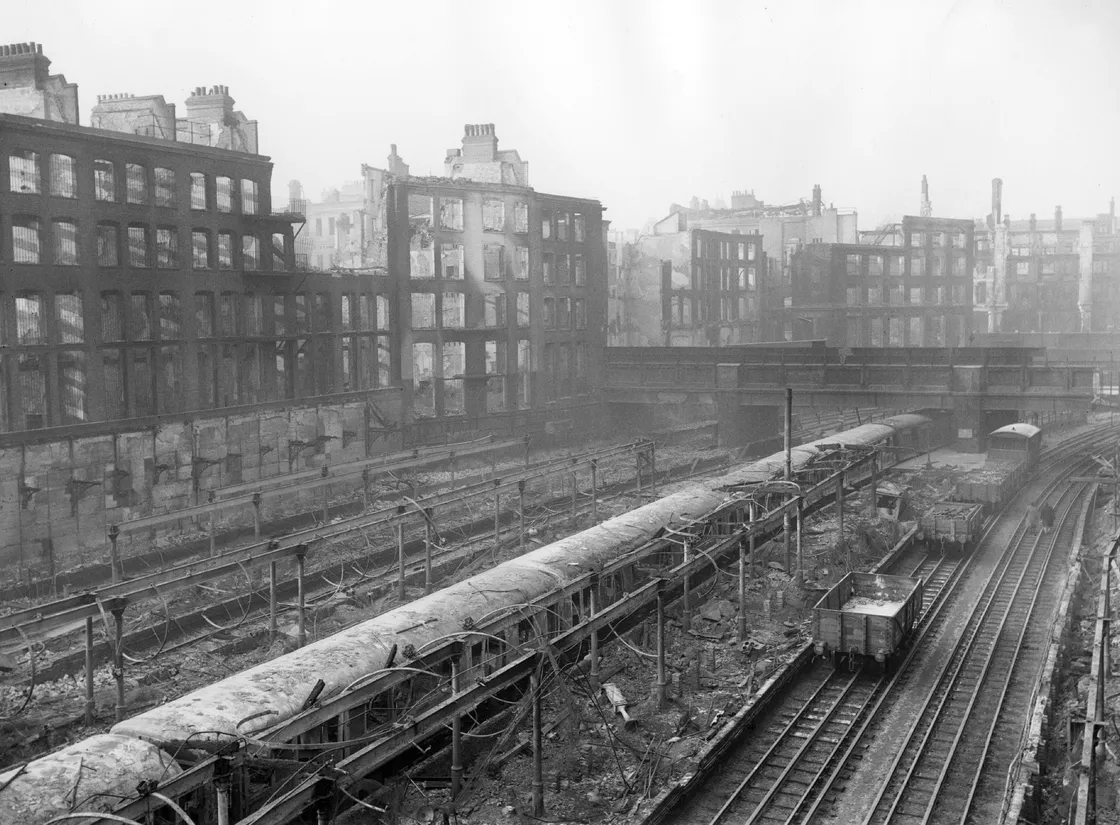
During the Second World War (1939–1945), German bombing started fires across London.
New Cross, 18 January 1981
This fire at a south-east London house party killed 14 young Black people. At a time when racist attacks were common, many believed the New Cross fire was another.
Activists and relatives criticised the police’s scrutiny of the partygoers. They were distressed by the unsympathetic response of the press and politicians, and felt let down by the coroner’s inquest, which failed to find anyone responsible.
On 2 March 1981, 20,000 people marched peacefully for justice in central London at the National Black People’s Day of Action. Residual anger at the police also stoked the violence of that April’s Brixton uprising.
-
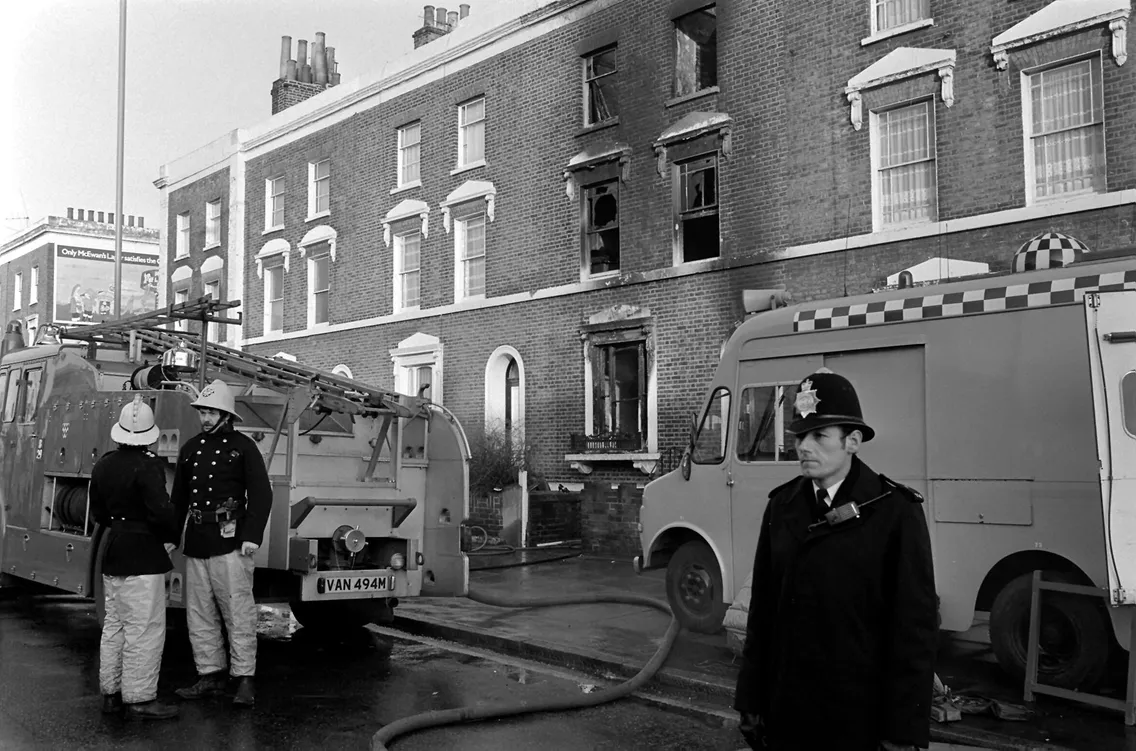
The house in New Cross where a fire killed 14 people in 1981.
-
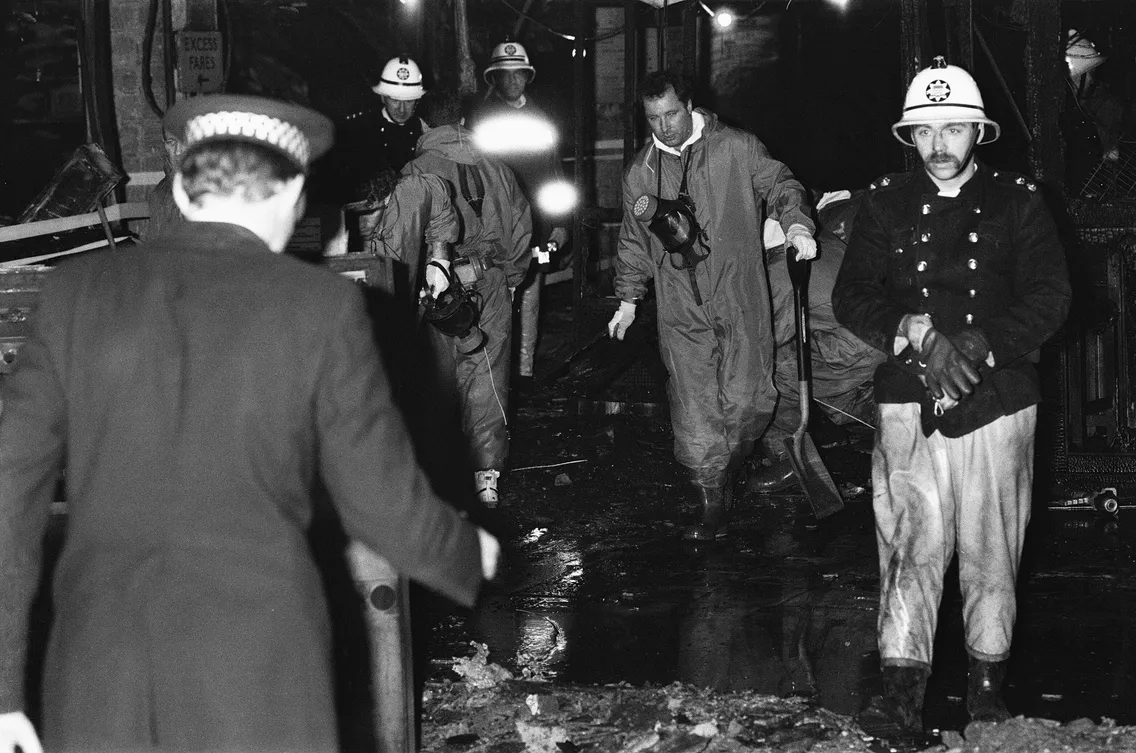
The aftermath of the 1987 King’s Cross fire.
King’s Cross, 18 November 1987
A dropped match is thought to have caused the fire that killed 31 people at King’s Cross St Pancras London Underground station.
The match fell through a gap in a wooden escalator, igniting litter, fluff and grease that had gathered underneath. A deadly jet of flames rushed up the escalator, turning into a fireball as it reached the ticket hall.
The disaster led to the removal of wooden escalators and an extension of the smoking ban to all areas of the Underground.
Grenfell Tower, 14 June 2017
This blaze began with an electrical fault in a flat inside Grenfell Tower, a 24-storey residential tower block in North Kensington. Fire consumed the building, killing 72 people.
Many residents were social housing tenants, and the majority of victims were from global majority backgrounds. In the ashes of the disaster, our city’s inequalities were clearly visible.
The Grenfell Tower Inquiry found that the “principal” reason for the blaze’s spread was the highly flammable cladding attached to the outside of the building.
The inquiry discovered “systematic dishonesty” from those who made and sold the cladding. It highlighted “indifference” to fire safety by the council’s housing body. And it said that central government had failed to learn from similar fires.
Tags
-
-
-
-
Paintings, Prints & Drawings
 Paintings, Prints & Drawings
The Palace of Westminster from the River after the Fire of 1834 (oil painting)
British School, 19th century, British School
1834