The execution of Lady Jane Grey, 1554
Lady Jane Grey was queen between 10 and 19 July 1553. Ousted and later executed by Queen Mary I, Jane has been mythologised as an innocent victim of power-hungry people around her. Her story has been retold as a tragedy for hundreds of years, inspiring books, poems and paintings.
Tower of London, Tower Hamlets
12 February 1554
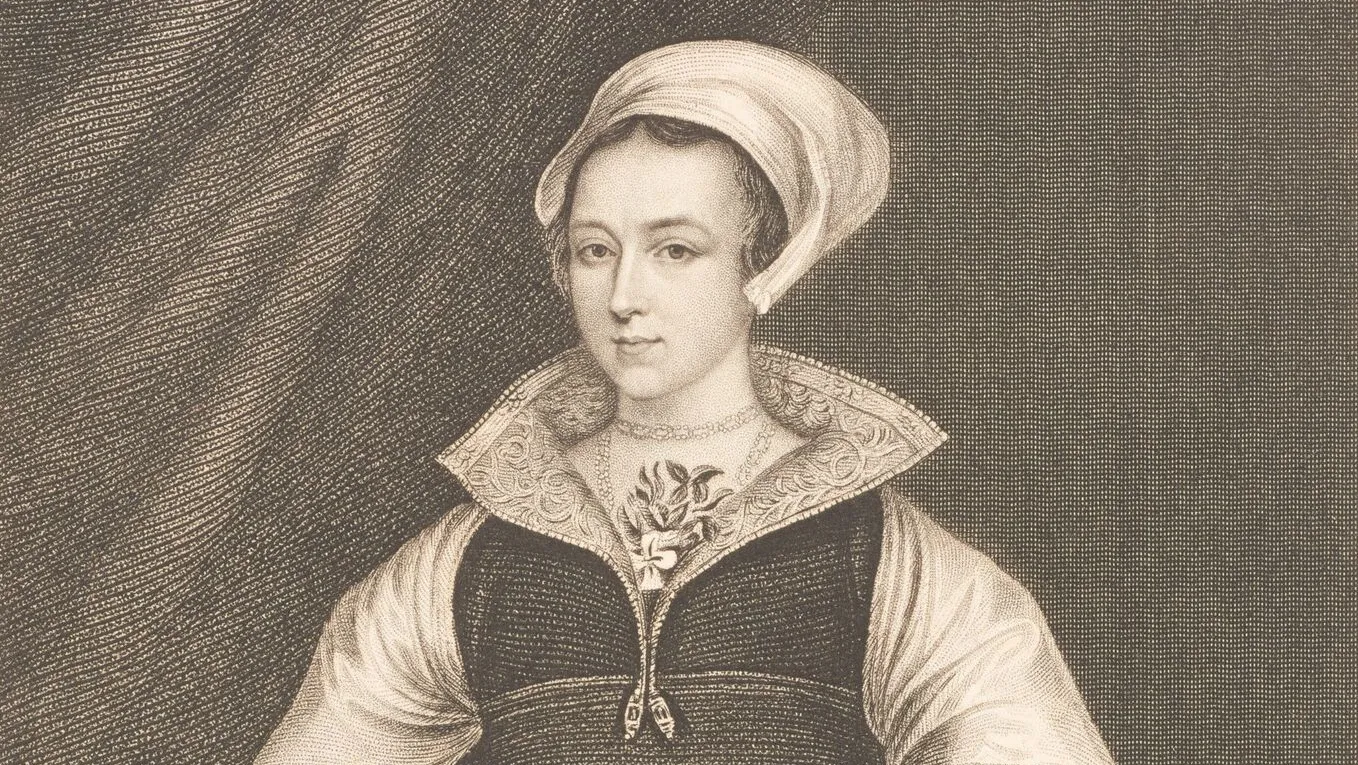
Who was Lady Jane Grey?
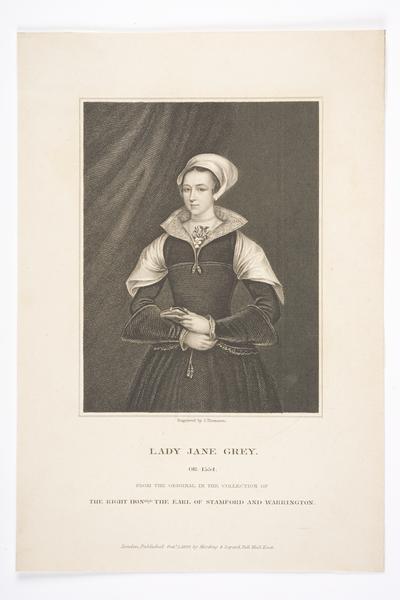
Jane Grey was the shortest-reigning monarch in British history, lasting for only nine days. She inherited the crown from the teenage King Edward VI, King Henry VIII’s son. Edward was Grey’s first cousin once removed. Grey was Henry’s great-niece: her grandmother was Henry’s youngest sister. When Jane was young, she was part of the household of Henry's final wife, Katherine Parr, where she gained a good education and was exposed to Protestant ideas.
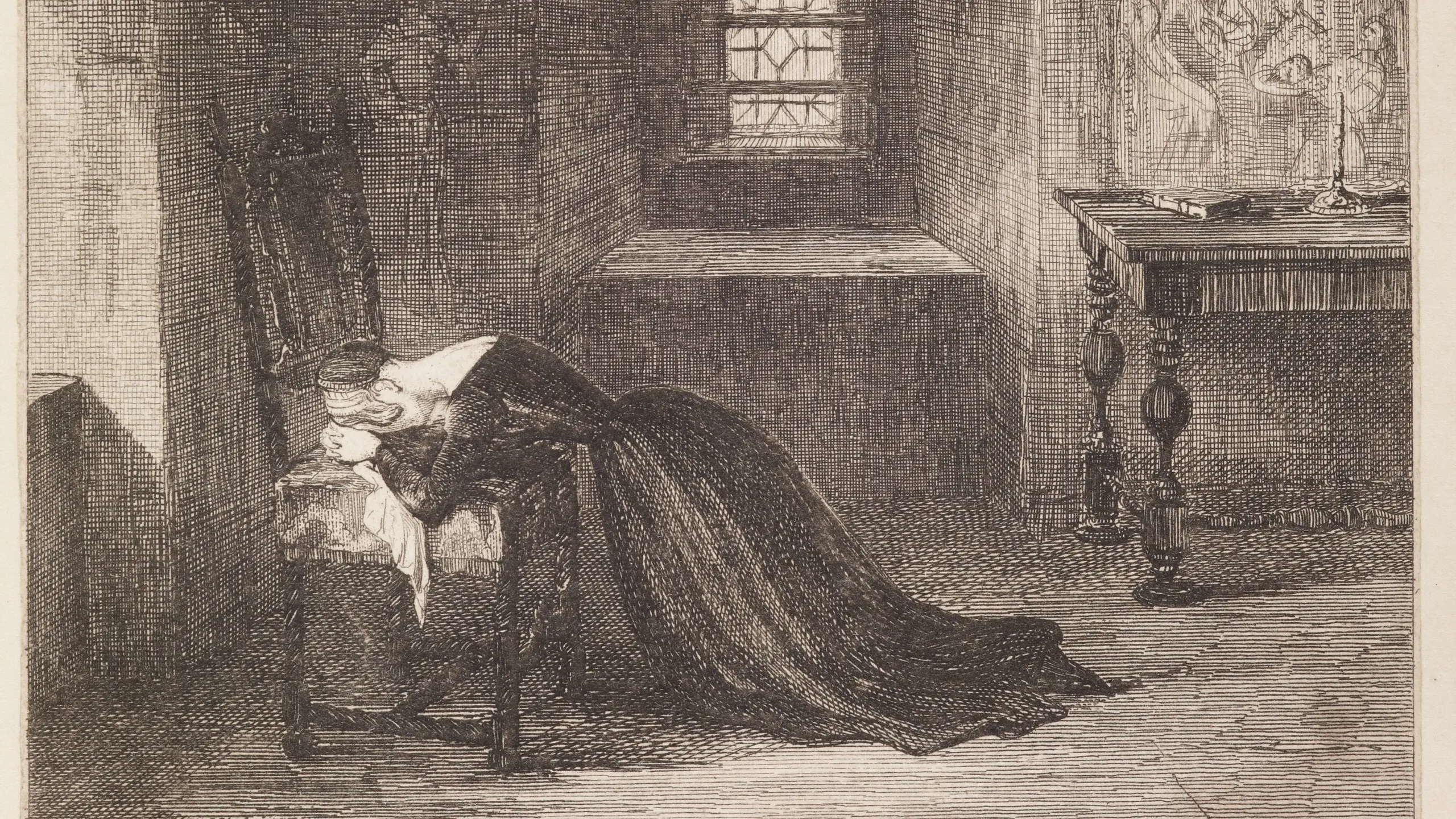
Her story inspired novels
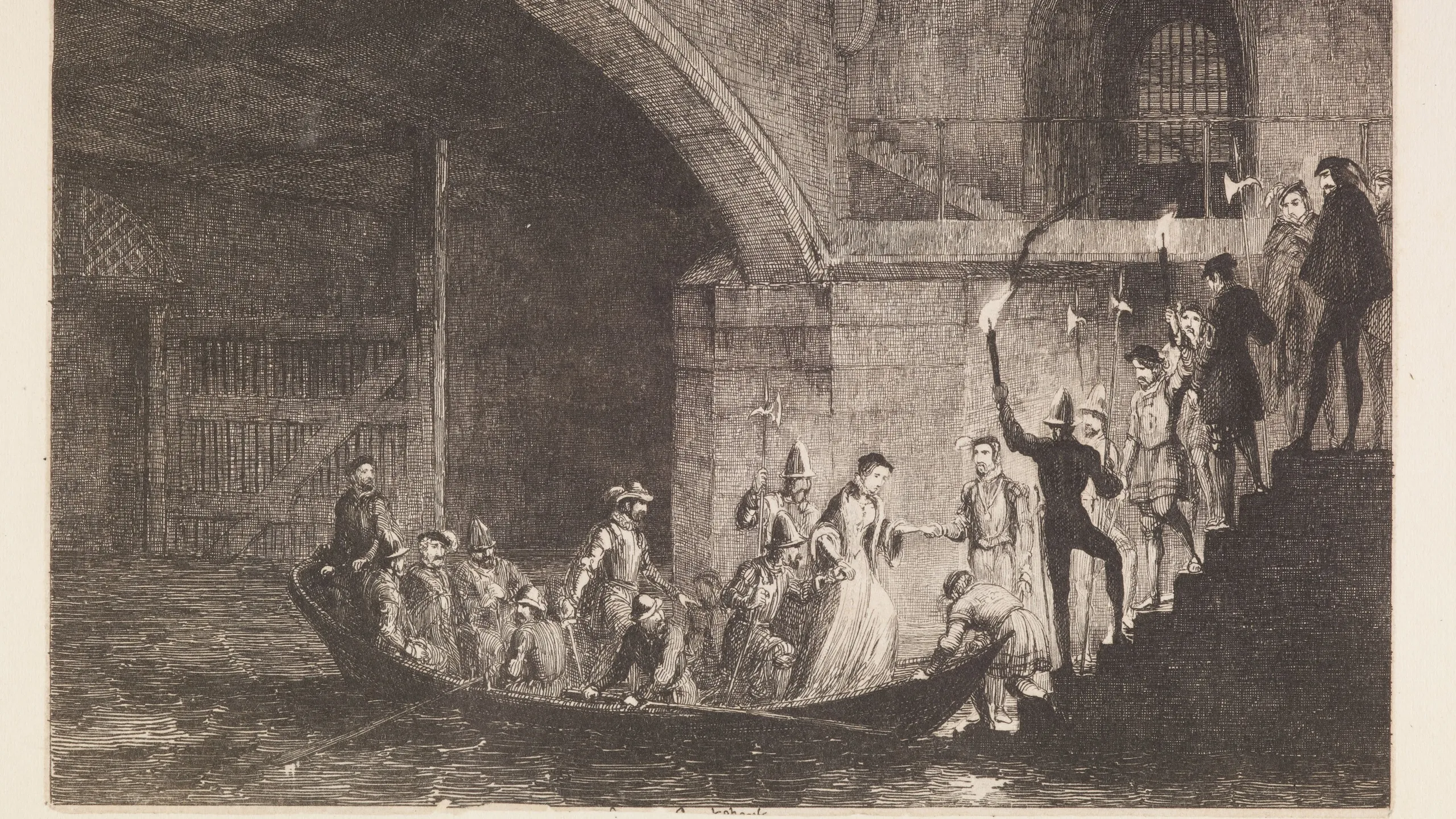
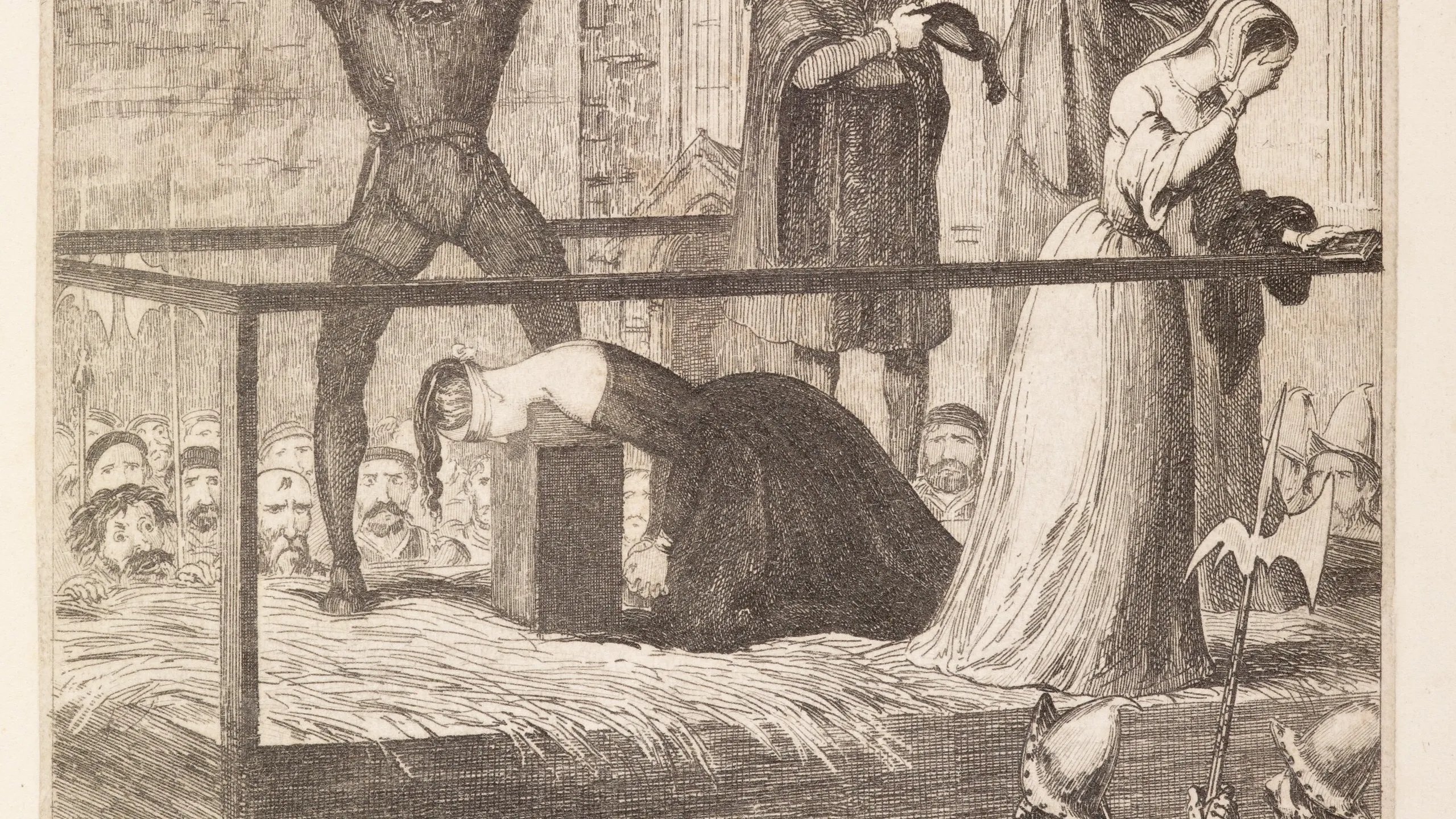
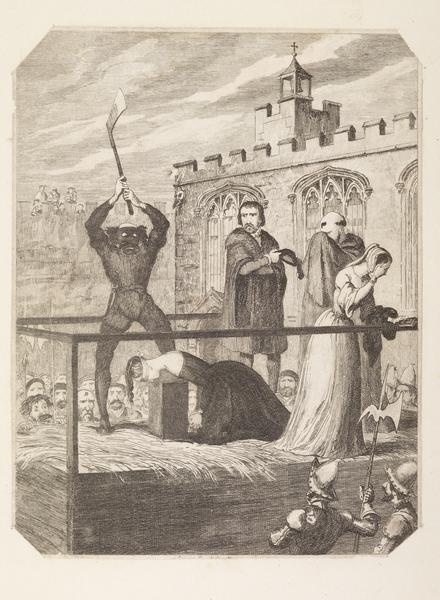
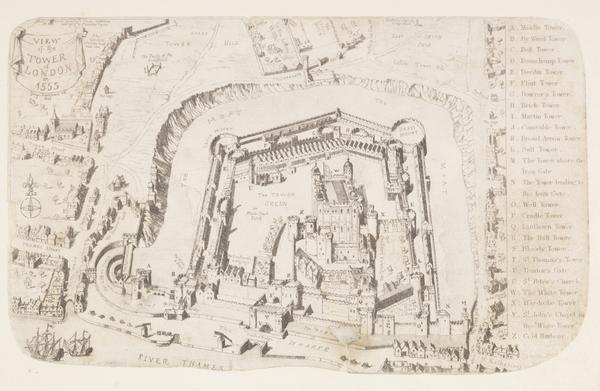
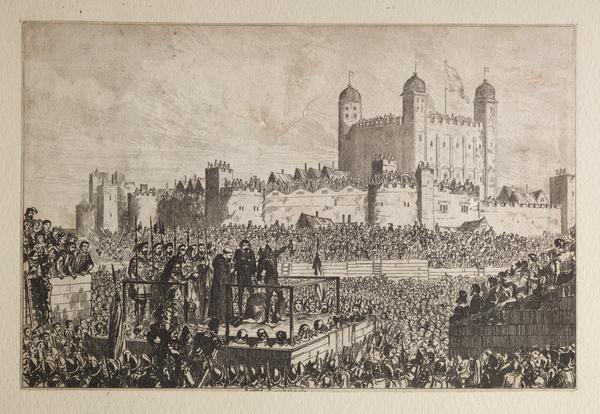
The author William Harrison Ainsworth wrote a novel about the doomed queen called The Tower of London, published in 1840. He brought in the famous illustrator George Cruikshank to create a dark, doomy image of the Tower as a place of torture and imprisonment. Many of Cruikshank’s prints are in our collection. They add to the drama of Grey’s short reign and life.
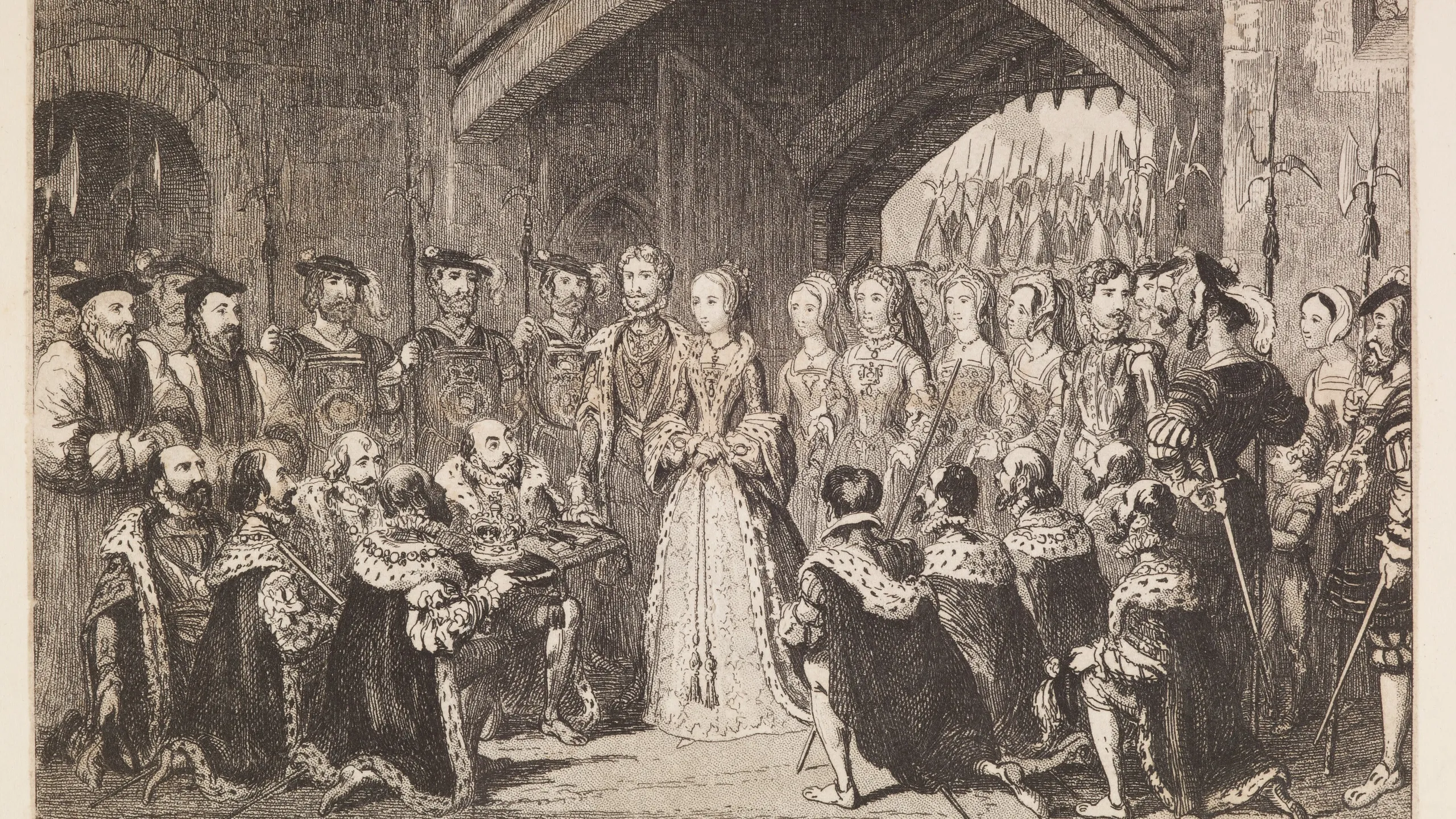
Why did Lady Jane Grey become queen?
When Edward fell ill aged just 15, he wanted the next monarch to be a Protestant king, like him. He ruled out his half-sisters, Mary – a Catholic – and Elizabeth. But there were no male heirs next in line. The Duke of Northumberland, a top adviser in Edward’s Privy Council, persuaded the king to name Grey as his heir. This was self-serving – the duke then orchestrated a marriage between Jane and his own son.
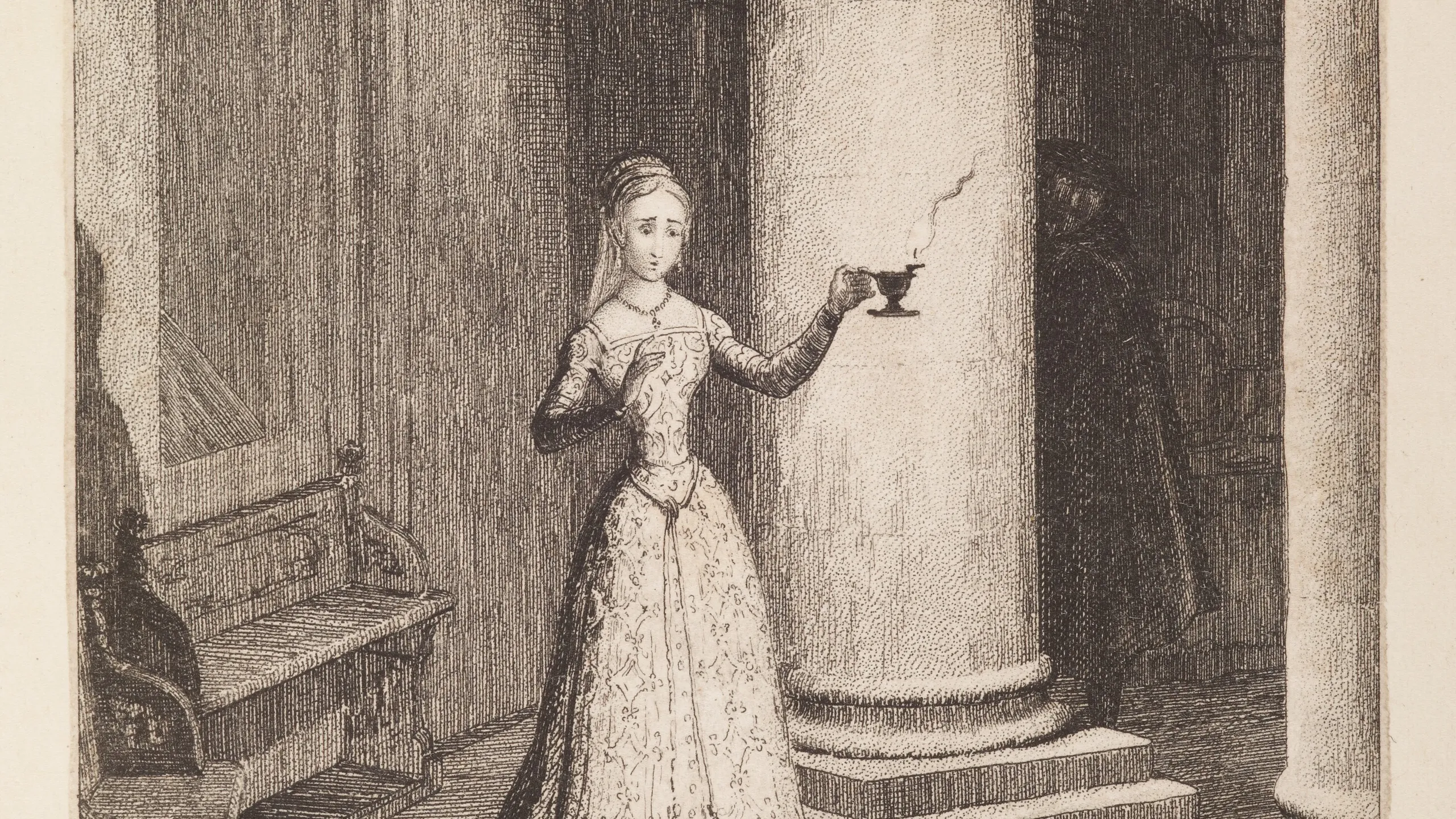
Grey was reluctant to take the throne
Edward died on 6 July 1553. Grey was taken to Syon House, Hounslow, and told she would be queen. She was reportedly very distressed when she found out. But she eventually agreed and she was taken to the Tower of London to prepare for her coronation. Her reign officially began on 10 July, when she was just 16 years old.
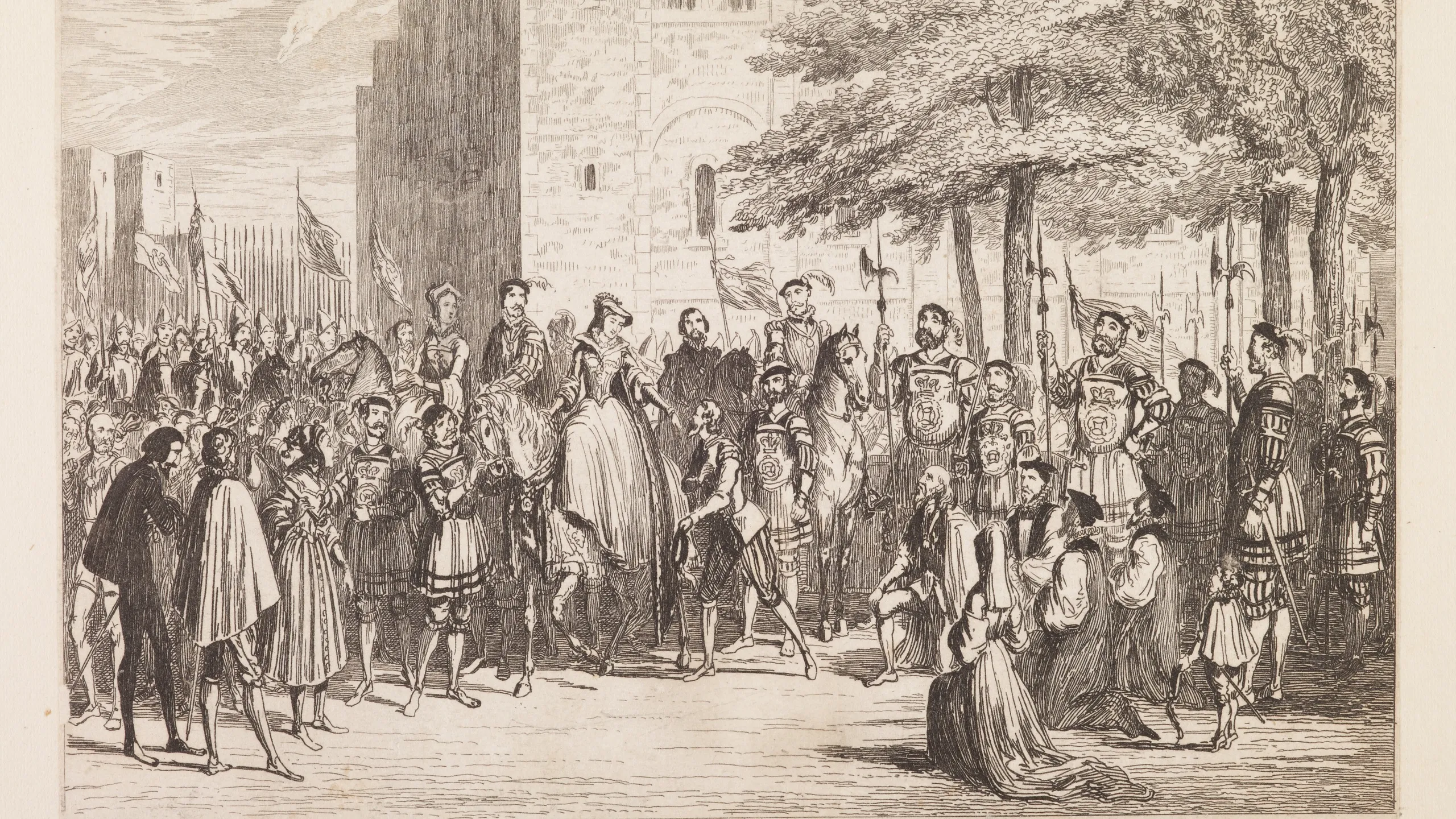
How did Mary I become queen?
Mary was Henry’s eldest child and was widely considered to be the rightful heir, despite Edward preferring Grey. The Privy Council quickly gave in to external pressure and turned in favour of Mary. She was proclaimed queen on 19 July. Grey and her husband were taken to the Tower, convicted of treason and held as prisoners. Her dad, Henry Grey, Duke of Sussex, accepted Mary as queen to try and save his own skin.
Why did Mary order Lady Jane Grey to be executed?
Mary’s plans to bring Catholicism back to England soon made her deeply unpopular. While Mary was lenient towards Grey at first, her Protestantism made her a threat. Again, Henry Grey didn’t help things. He took part in the Wyatt rebellion, a failed Protestant rebellion against Mary in the early months of 1554. Mary feared Jane would become a figurehead of the rebellion.
Lady Jane Grey was executed at the Tower of London
Mary made Jane Grey an offer: convert to Catholicism and you can live. She refused. On 12 February 1554, she was executed on Tower Green, within the grounds of the Tower. Her husband was publicly executed on Tower Hill an hour before. Jane Grey’s final words were: “Lord, into thy hands I commend my spirit."
The execution inspired many works of art
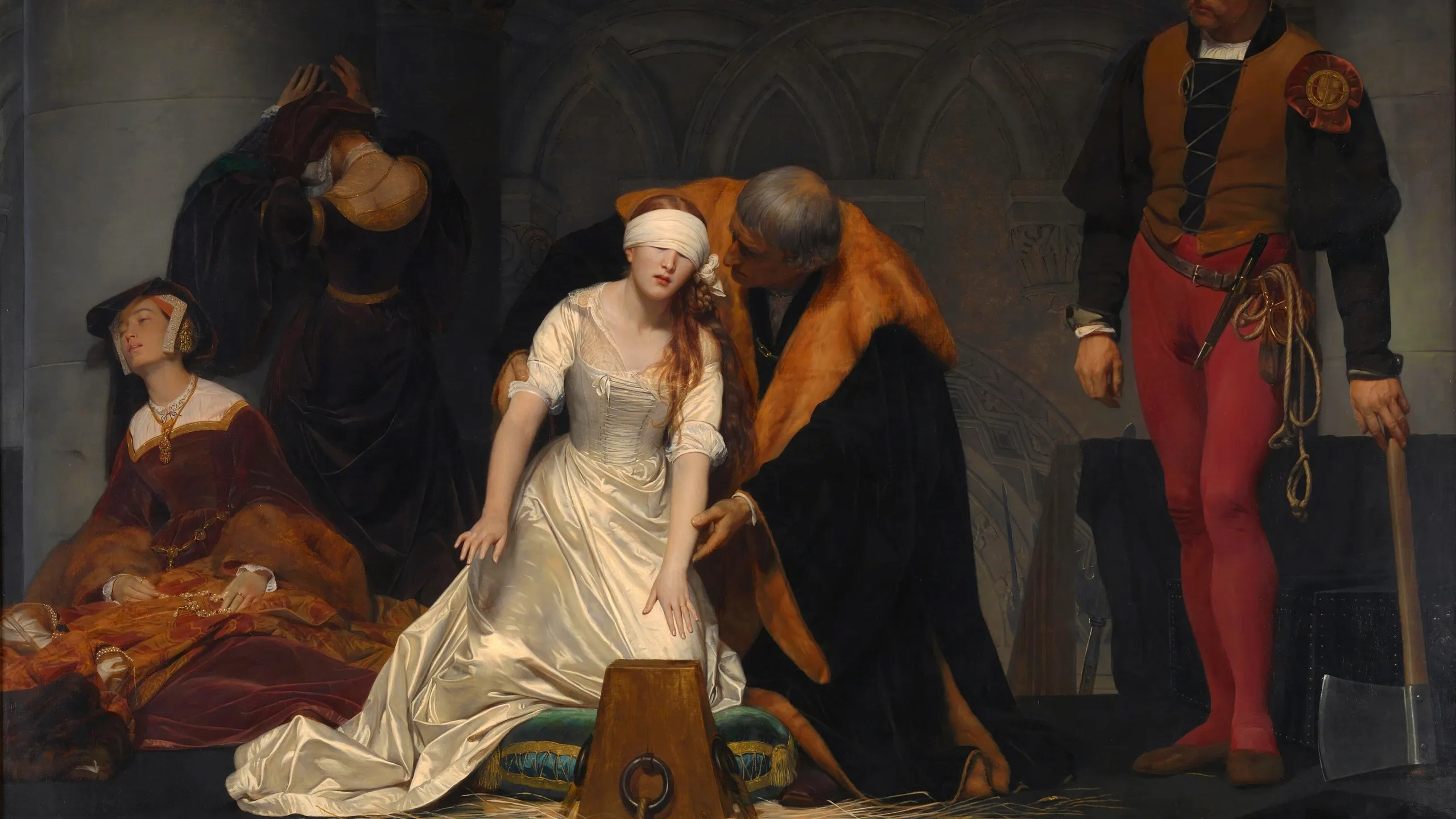
As well as novels like Ainsworth’s The Tower of London, the story of Lady Jane Grey has inspired poems, films and artworks. Paul Delaroche’s 1833 painting, currently hanging in the National Gallery in London, is one of the most famous. Delaroche paints her as an innocent martyr. He depicts Grey’s final, blindfolded moments as she supposedly pleaded, “What shall I do? Where is the block?”.
Tags
-
Paintings, Prints & Drawings
 Paintings, Prints & Drawings
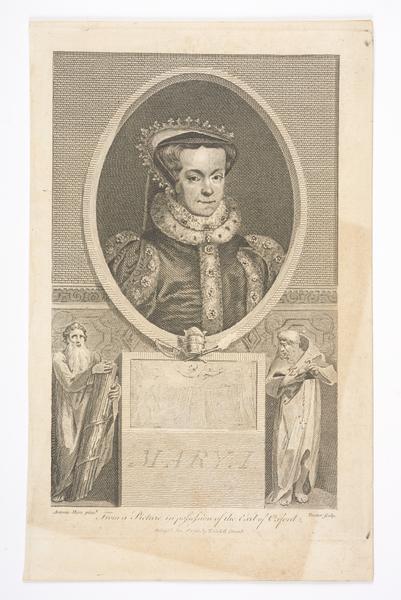
Mary I from a picture in possession of the Earl of Oxford (line engraving)
More, Antonio, Trotter, Cadell, Thomas
1788-01-01
-
Paintings, Prints & Drawings
 Paintings, Prints & Drawings
The Tower of London: 1/41, The Execution of Lady Jane Grey (etching)
Cruikshank, George
1840
-
Paintings, Prints & Drawings
 Paintings, Prints & Drawings
The Tower of London: 14/41, View of the Tower of London in 1553 (etching)
Cruikshank, George
1840
-
Paintings, Prints & Drawings
 Paintings, Prints & Drawings
Lady Jane Grey (engraving)
Thomson, James, Harding & Lepard, Holbein, Hans
1829-10-01
-
Paintings, Prints & Drawings
 Paintings, Prints & Drawings
The Tower of London: 17/41, Execution of the Duke of Northumberland on Tower Hill (etching)
Cruikshank, George
1840