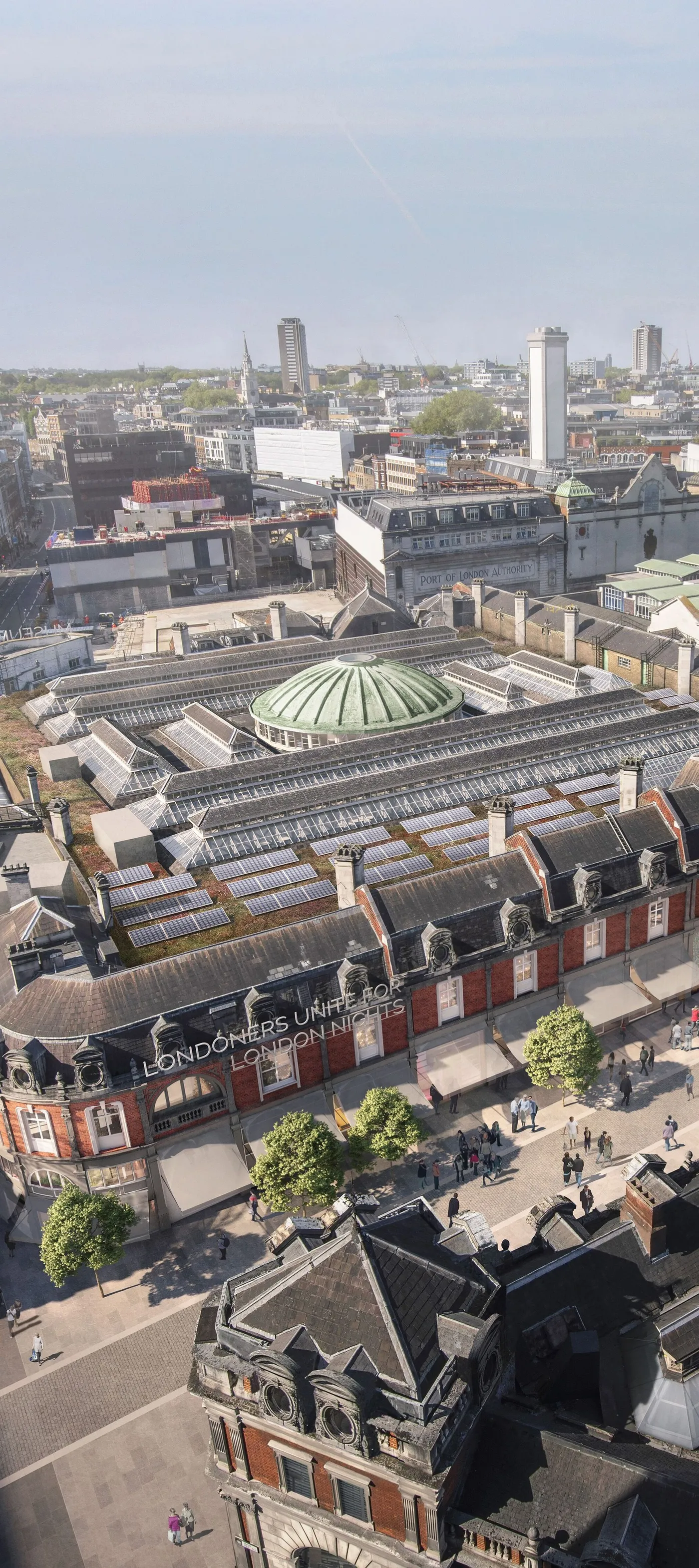
Lambeth
Lambeth, the inner-south London borough, bears the imprint of diverse influences from the ancient Lambeth Palace to Brixton’s African and Caribbean community.
With industrialisation, Lambeth’s Thameside location made it ideal for manufacturers. From the 1700s onwards, industries including glass and pottery works were established in the area.
Following heavy bombing in the Second World War, industry gave way to culture, with the construction of the Southbank Centre, the National Theatre and BFI Southbank.
Lambeth is also known as the “home of the Windrush generation”, with many of the British Caribbean citizens who arrived between 1948 and 1971 making their homes in Brixton. Nearby at the Oval Cricket Ground in 1976, the West Indies team famously completed its 3-0 defeat of series favourites England.

Top-Results
Top-Results
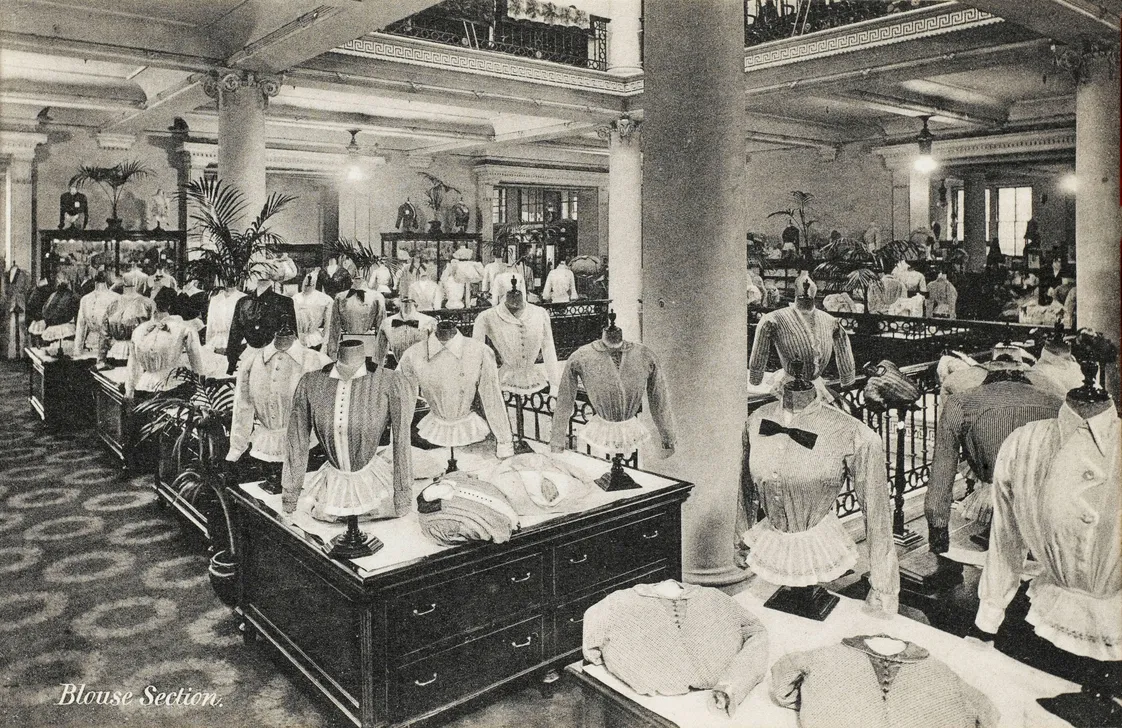
The Forty Elephants: South London’s supreme shoplifters
How an all-women clan of career criminals hounded West End department stores
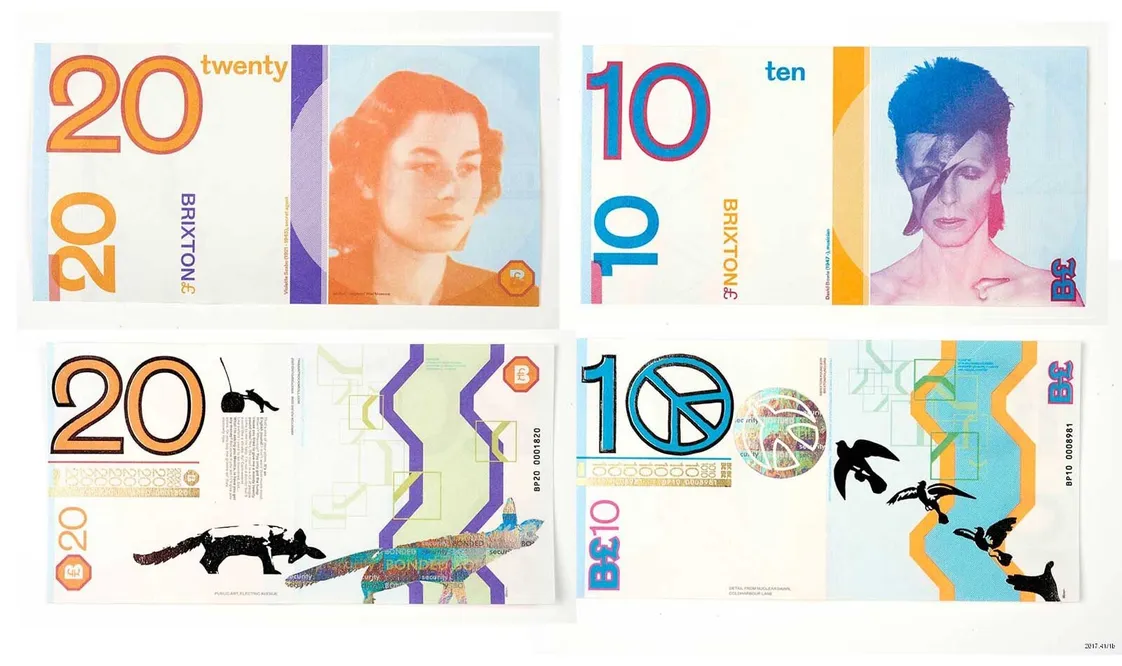
How London’s alternative currencies made change
In the past and present, Londoners have experimented with different forms of money
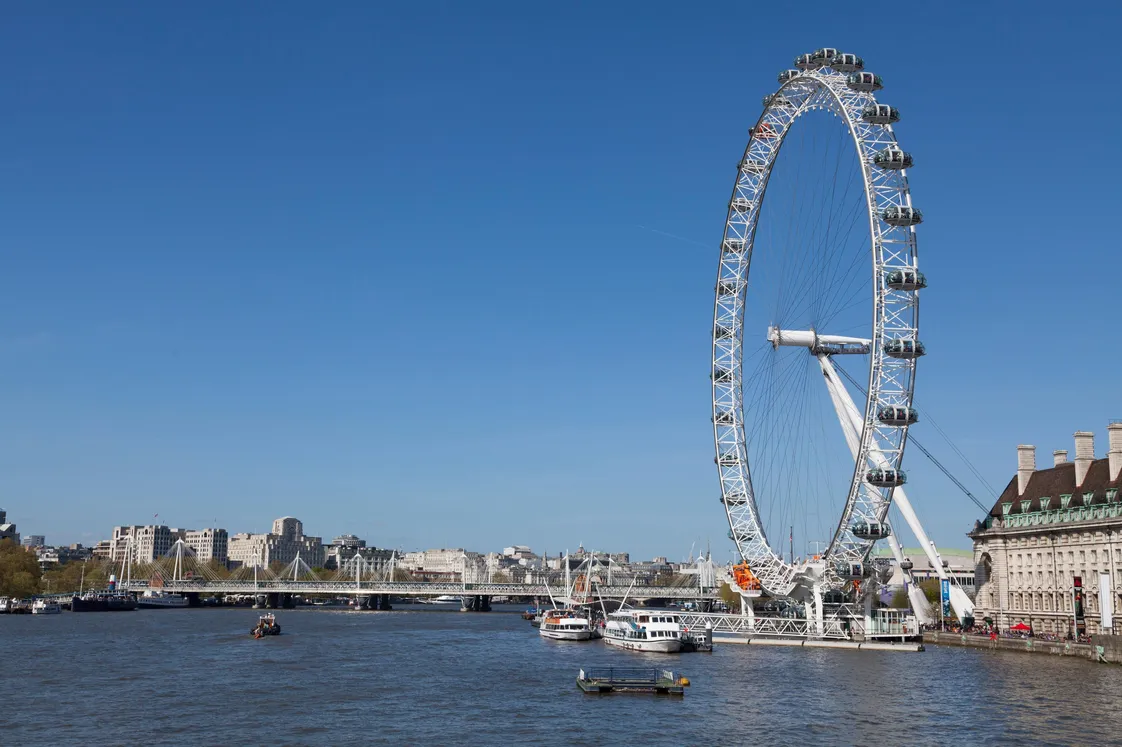
The London Eye was one big skyline revolution
One of the most eye-catching changes to London’s cityscape came at the turn of the millennium
Top-Results
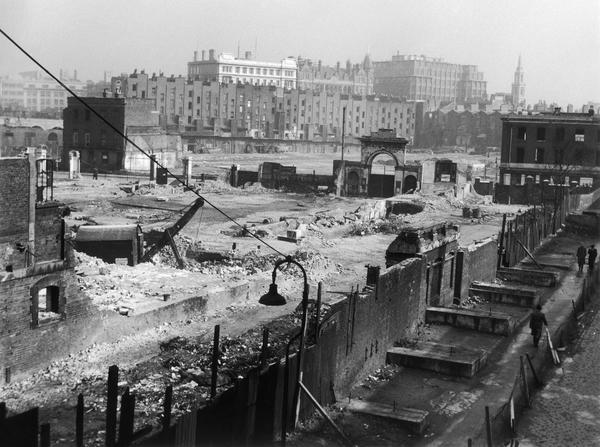
View towards Waterloo Bridge, following the Blitz (silver gelatin print)
Wettern, John H.
1949-03-18