18 June 2026 — By Ruby Tandoh, Jonathan Nunn
London Tastes: A celebration of the city’s food
Our first guest editors Ruby Tandoh and Jonathan Nunn introduce London Tastes, an exploration of the capital’s rich and diverse food culture. Everywhere they looked, they found a different answer to what London really is.
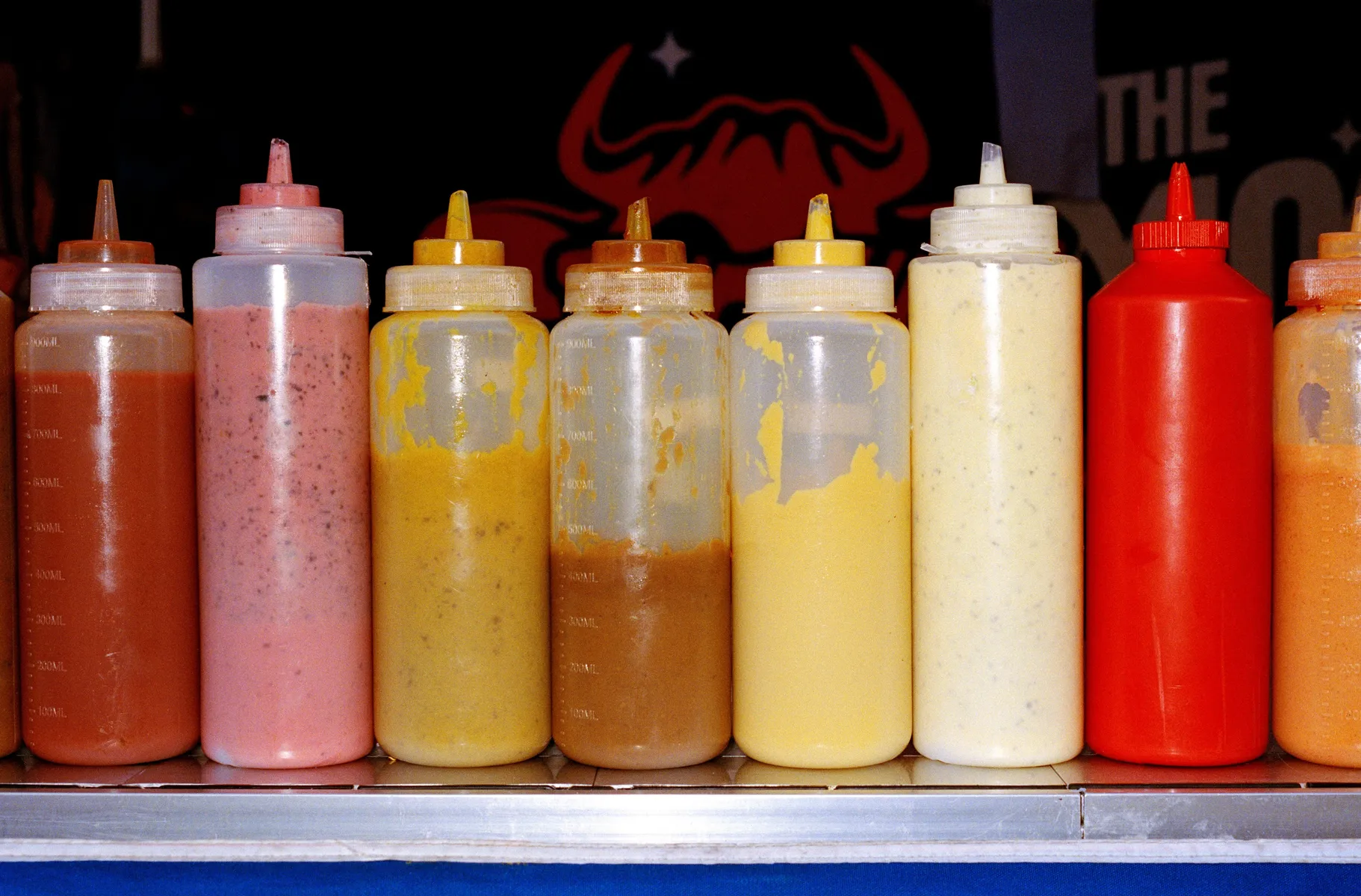
How do you define the food of a city? Ask a person what the food of Naples is and they might point to its pizzas. In Singapore, you could argue that its true cuisine is whatever comes from the hawker markets – not one specific dish, but a small ecosystem of taste. Montreal has its poutine, Bilbao its pintxos, and New York its delis and bodegas. None of these is a complete answer, but all come to mind. They're a shorthand – as simplistically evocative as a motto or a flag.
“We've travelled around the world without ever venturing beyond the M25”
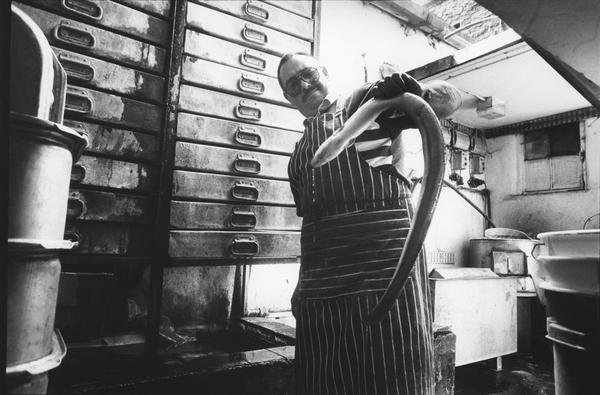
But in London, the question becomes tricky. London has very few indigenous dishes. Of course, there’s pie and mash, with its eel juice liquor, the eels caught direct from the Thames. But the eels have disappeared and the city’s pie and mash shops have dwindled – its new terroir is out east, stretching into Essex and Kent. So, in response, we've spent the last couple of years trying to answer the question: ‘So, what is London food, really?’
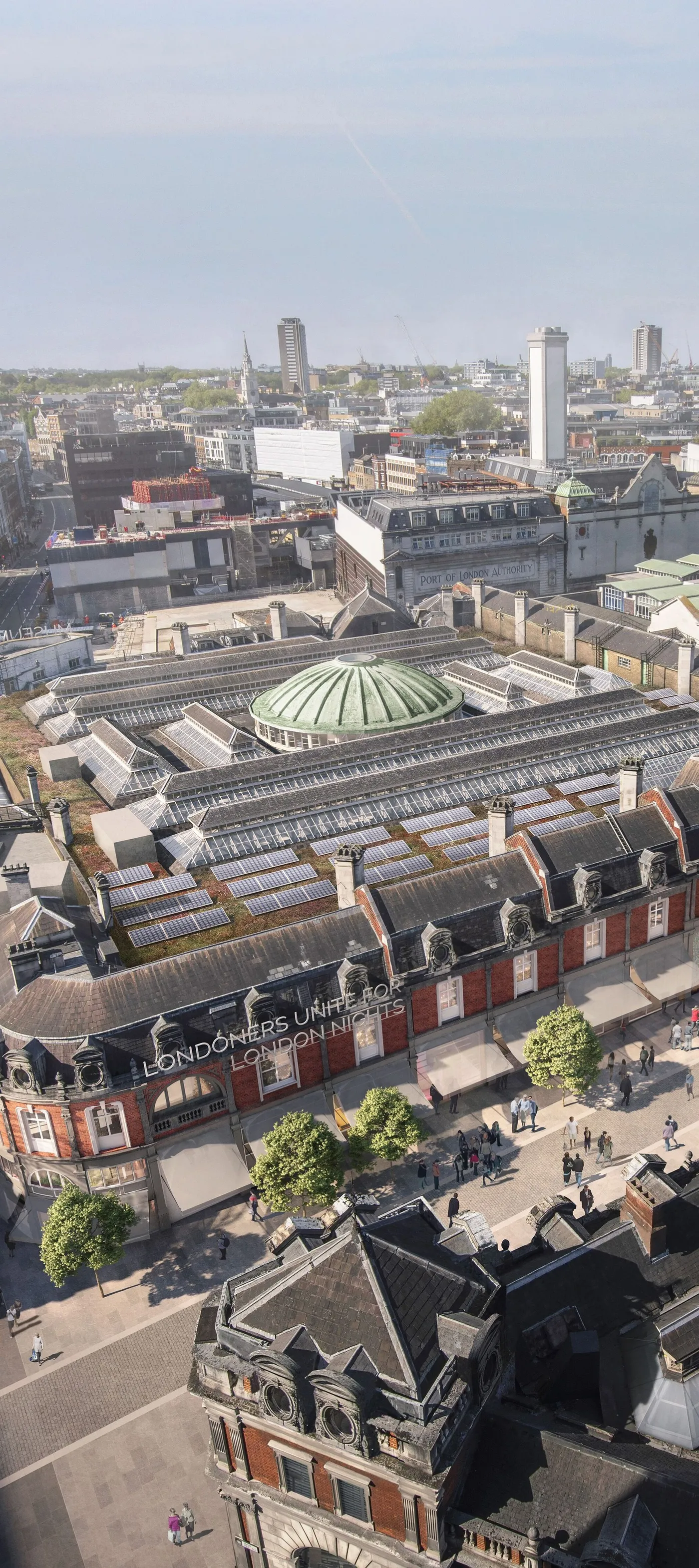
The result is London Tastes, a programme of events, experiences and a spotlight exhibition. It will run through Our Time in the new London Museum in Smithfield, which opens on 28 November. Across two pavilions, you’ll find a handful of the many, many faces of London food.
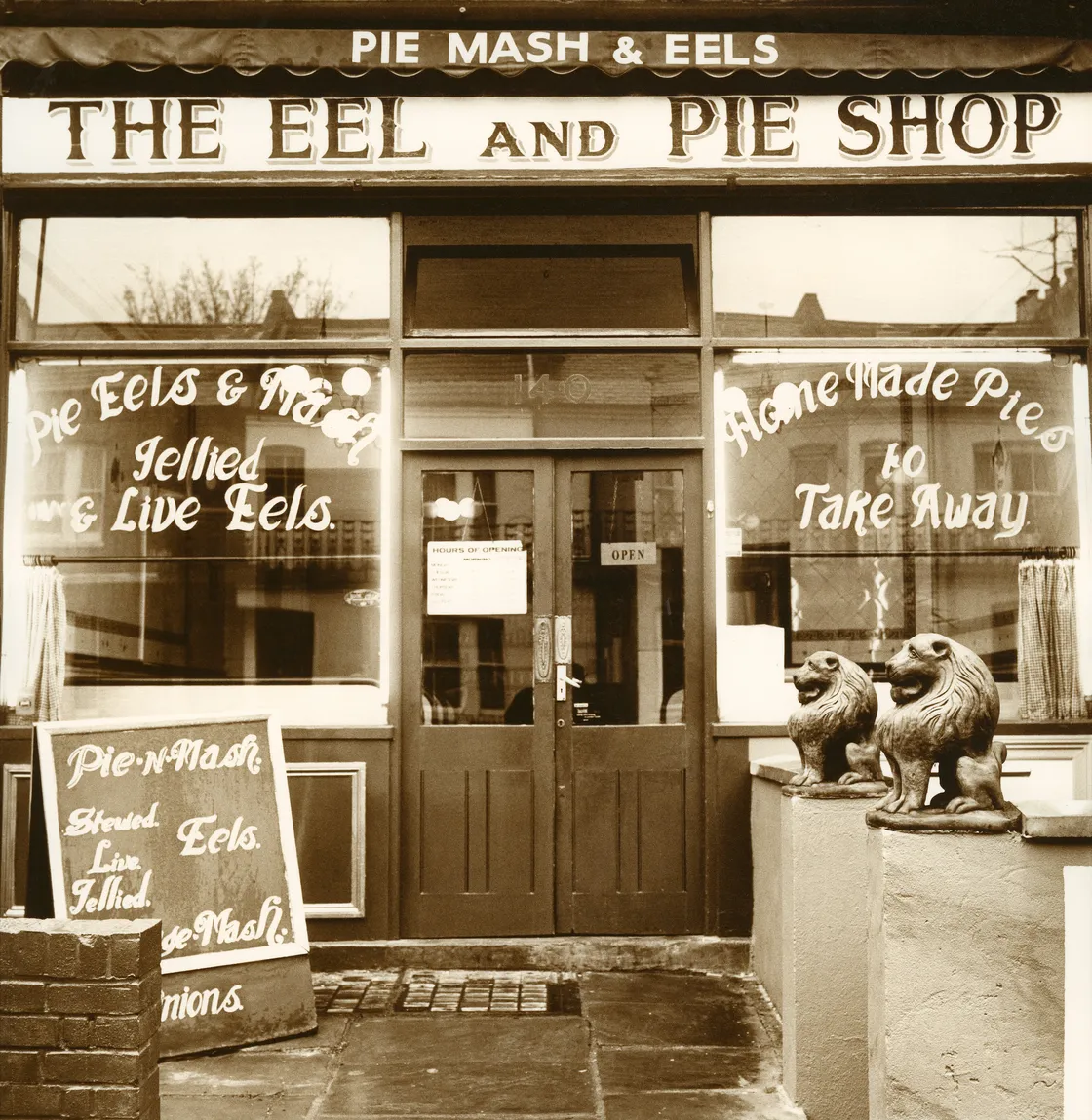
Is pie and mash the epitome of London food?
Putting together London Tastes
Over the last couple of years, we have explored the city’s markets, from the old Covent Garden to the sprawling Sunday market at Nine Elms, as well as its factories and supermarkets. We have travelled around the world without ever venturing beyond the M25, eating at some of the city’s thousands of restaurants.
We've talked to the chefs and artisans making different cuisines, using different skills, in different neighbourhoods, all of whom produce something that feels ineffably London: from baklava to pepperpot, booza, noodles, bagels, tantuni and more.
Everywhere we looked, we found different answers to the question of what London really is. London Tastes is our way of sharing what we’ve learned about our home city and celebrating a few of the London foods we love the most.
Brick Lane: London food in microcosm
In one of the pavilions, we concentrate on how our appetites, as Londoners, have evolved through time. We see how the city’s restaurants, shops and cooks respond to meet those appetites. We focus on Brick Lane, well-known for its curry houses and as the old heart of Whitechapel’s Bangladeshi community.
In the street and in London Museum’s own collections, we found a complex story of London food in microcosm.
-
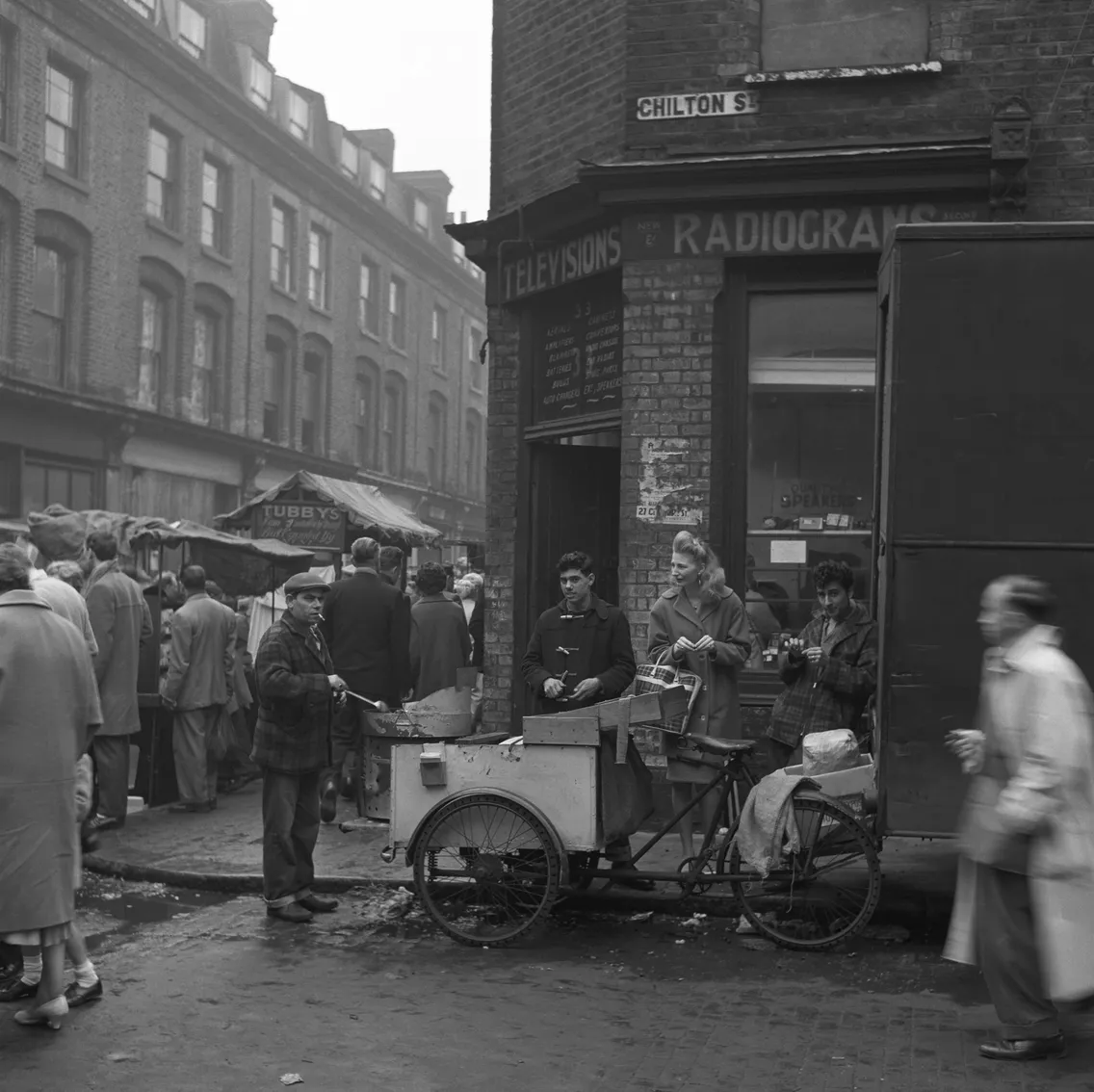
A busy street market near Brick Lane, 1955–1965.
-
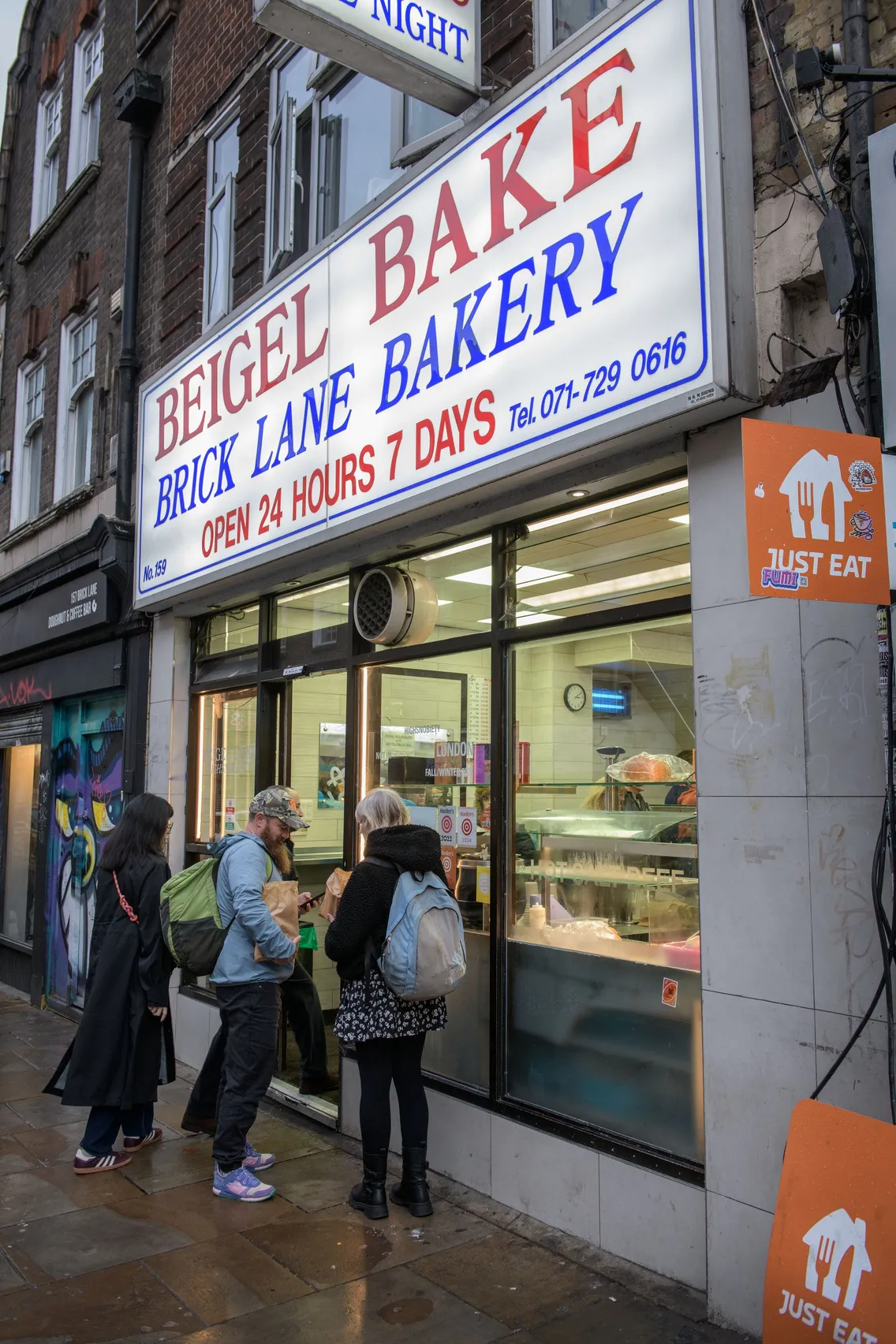
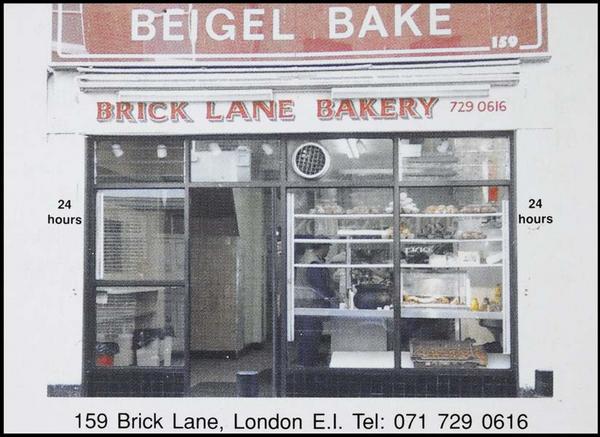
Beigel Bake is an institution on Brick Lane.
The street reveals its roots as a Jewish shopping street. It reflects the changing cooking of generations of Bangladeshi business owners and, more recently, of a new and growing Chinese community and Chinatown. From bakeries to bubble tea shops and Hong Kong-style diners, we see how these layers of history overlap and how different communities interact with each other, creating entirely new styles of London food.
How London’s tastes are forged
In the second pavilion, we look not back through time but laterally, all the way across London. We travel from Zone 1 right through to the fringes of the city, from Enfield to Park Royal, Southall to Walworth. We were curious about the people and places where London’s tastes are forged.
We interviewed some of the city’s best cooks and producers. You’ll see their stories and their cooking across three short films. We also looked at the hidden systems that shape what and how we eat. They range from the unromantic, mass-production manufacturing that created the modern Indian ready meal, to the distribution networks and wholesale markets that sustain us. (And the food that sustains the people that run them, too.)
-
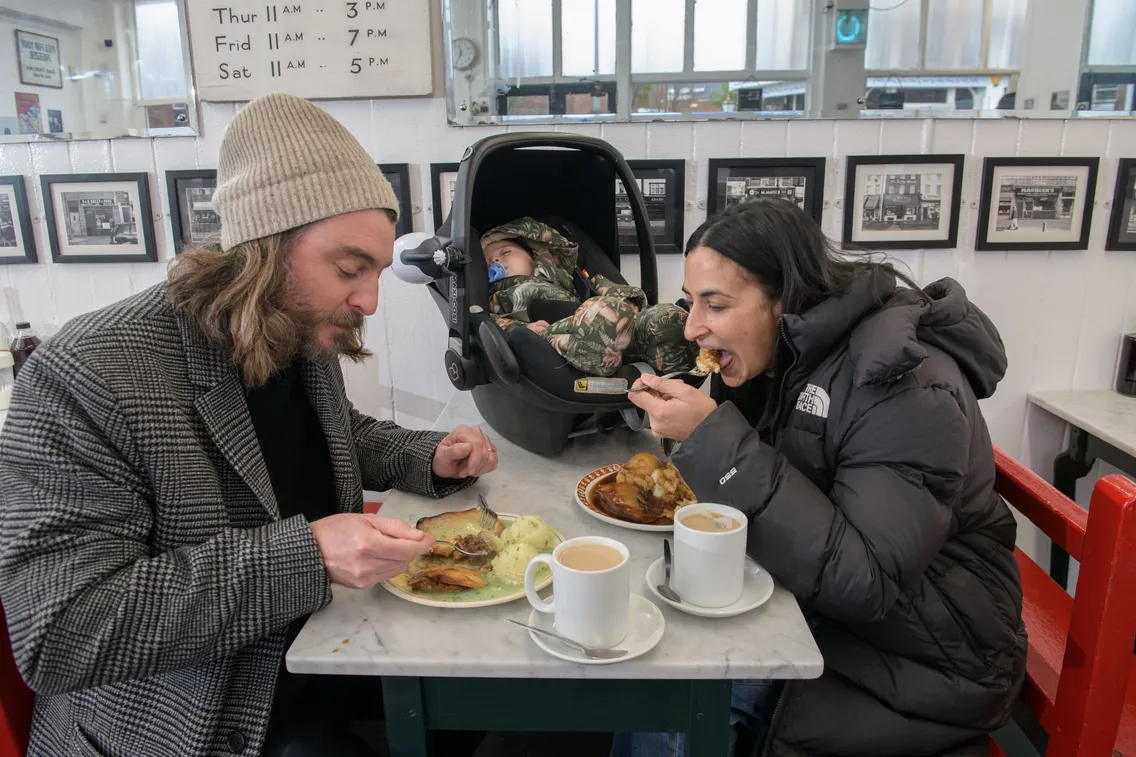
Is the pie and mash shop really as endangered as it seems?
-
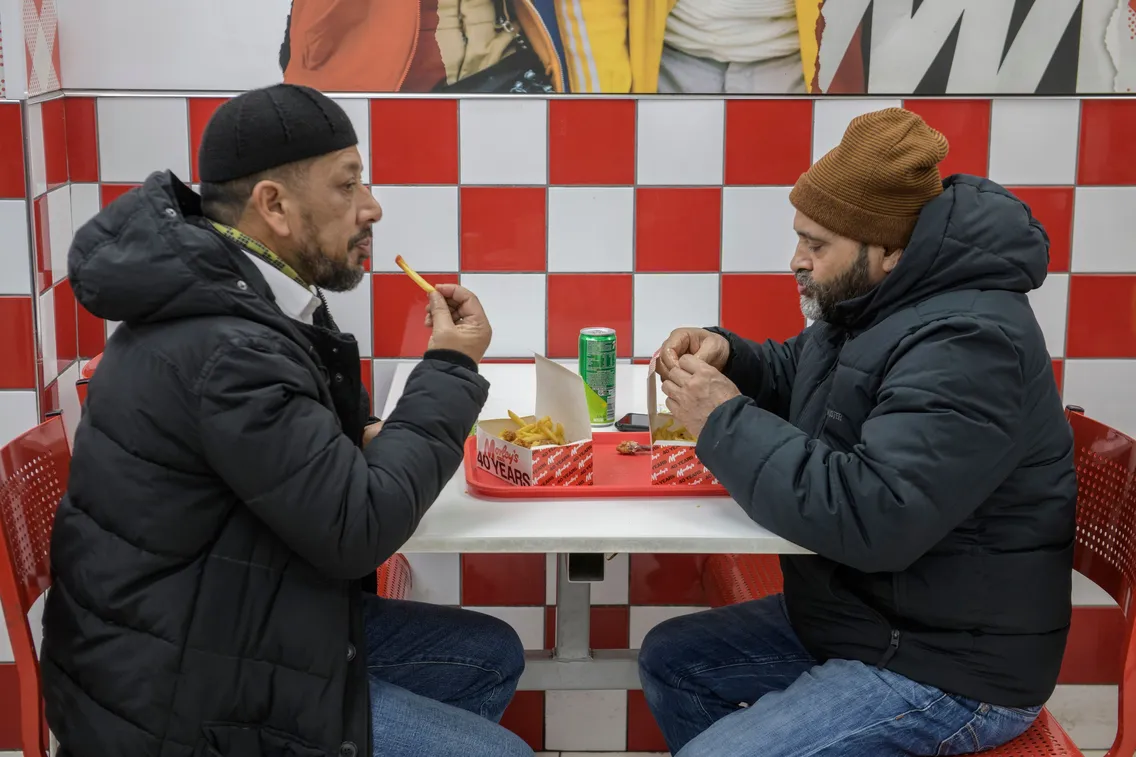
Chicken shops, as the new democratic London food spaces.
Beyond the pie and mash shop
Finally, we turned our focus to that faltering, time-old London food, pie and mash, and asked ourselves what's really happening. Is the pie and mash shop really as endangered as it seems? Or does it live on in unexpected ways?
We found moments of symmetry between pie and mash shops and chicken shops, the new democratic London food spaces. You’ll hear the testimony of people who visit and love these places and, hopefully, come to see both in a new light.
It’s easy to lament the losses in London’s food scene. Because of development, movement, demolition and growth, many restaurants and food spaces are lost every day, including the market this exhibition stands on. Our tastes, as a city, change. But we've seen in our research that as much as traditions change, a certain London appetite always lives on.
London Tastes is a celebration of all our tastes, past and present, and an invitation to leave the museum, get on a bus and taste the city for yourself.
Ruby Tandoh is a food writer and the author of All Consuming. Jonathan Nunn is a writer and the founder of Vittles. London Tastes is sponsored by Sainsbury's, whose London roots date back to its first Drury Lane store over 150 years ago. Visit from November 2026 to August 2027.
Tags
-
Photography
 Photography
Bobby Cooke selecting an eel at F. Cooke's eel and pie shop, London Fields (silver gelatin print)
Clunn, Chris
1992
-
-
Photography
 Photography
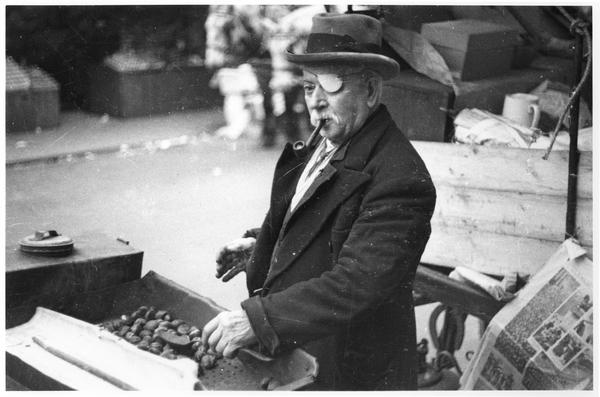
A tradesman selling hot roast chestnuts in Warwick Avenue (photograph)
Monck, Margaret, Monck, Margaret
1931-1940
-
-
Paintings, Prints & Drawings
 Paintings, Prints & Drawings
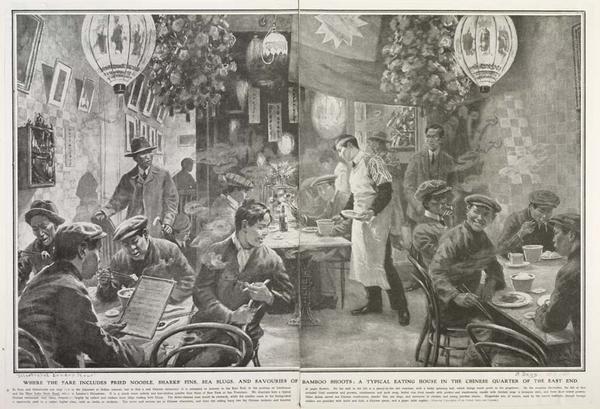
Where the fare includes fried noodle, sharks' fins, sea slugs, savouries of bamboo shoots; a typical eating house in the Chinese quarter of the East End. (cutting)
Illustrated London News
1920-11-10
-
-

-
 From our experts
In search of East End food on Roman Road
Where pie and mash meets biryani and dal puri
-
 Projects
A history of Londoners’ relationship with food & drink
Look through our collections to explore the stories they tell, and what’s their relevance to Londoners today
-
 Food & Diet
London’s pie & mash shops
In the 1990s, Chris Clunn photographed a unique yet fading London food tradition