Why were charity wristbands so popular in the noughties?
Silicone charity wristbands were everywhere in the mid-noughties. Worn by celebrities and school kids alike, these colourful bracelets blurred the boundary between fashion and fundraising.
2004–2010
Wearing your heart on your wrist
What united sports stars, musicians, school kids and the prime minister Tony Blair in the mid-noughties? One simple accessory: the charity wristband.
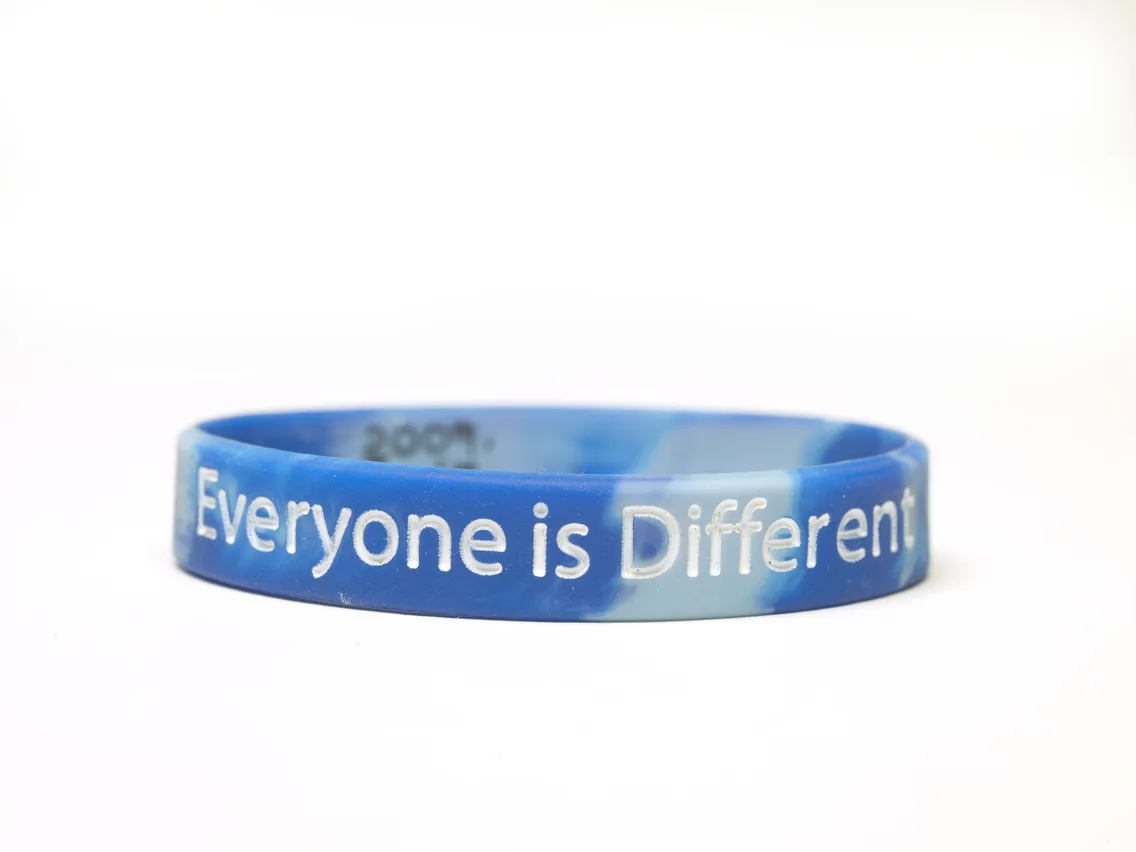
These colourful silicone bracelets were embossed with words related to the charities that made them. They were used to raise money – the bracelets sold for round £1 – and awareness of the charity’s cause.
Also called ‘awareness bracelets’, these wristbands exploded in popularity in 2004 and became the ultimate fashion accessory. While critics dismissed them as virtue-signalling, the bands were everywhere. Celebrities wore them on the red carpet. Children stacked them up their arms like collectibles. And when demand for wristbands outstripped supply, some people made fakes to sell for personal profit.
We’ve got a handful of charity wristbands from the noughties in our collection, reminding us of how Londoners chose to make a statement in a pre-social media age.
The Livestrong band started the British charity bracelet craze
In May 2004, the yellow Livestrong bracelet was launched as a collaboration between the brand Nike and the Lance Armstrong Foundation. This was a cancer charity set up in 1997 by the professional cyclist Lance Armstrong following his diagnosis of testicular cancer.
Armstrong recovered and subsequently won the prestigious Tour de France bike race every year from 1999 to 2005. A doping scandal in 2012 would strip him of all these titles, but in the noughties, he was admired far beyond the cycling world. The colour references the race leader’s jersey, and the word ‘livestrong’ symbolised hope and strength for cancer survivors.

Spot the yellow wristband on Lance Armstrong’s wrist during the 2004 Tour de France.
Armstrong wore the band during his successful Tour de France campaign in July 2004. Soon after, the yellow wristband became the summer’s hottest accessory worn by actors, sports stars, musicians and athletes during the August Olympic Games in Athens. In the first 10 months, 39 million Livestrong wristbands were sold.
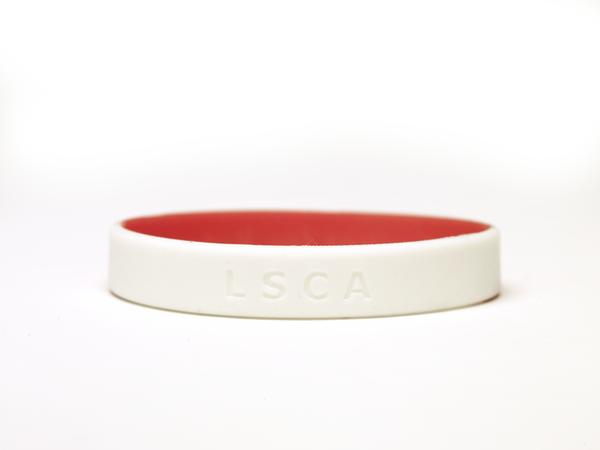
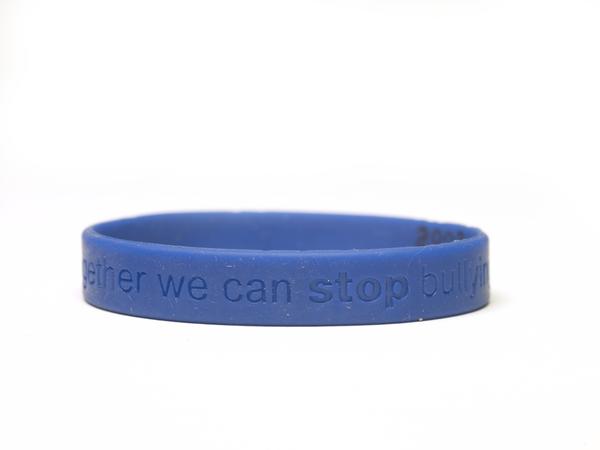
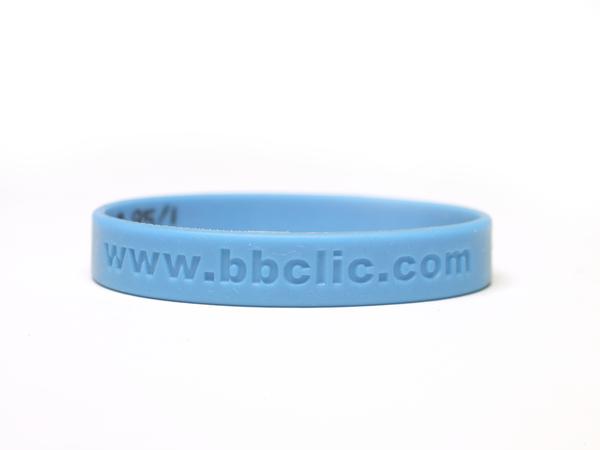
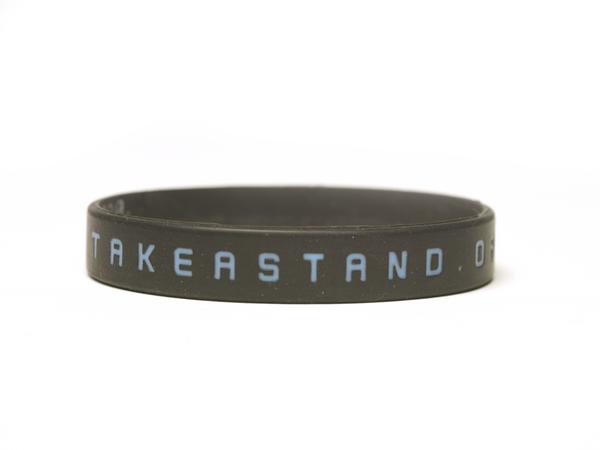
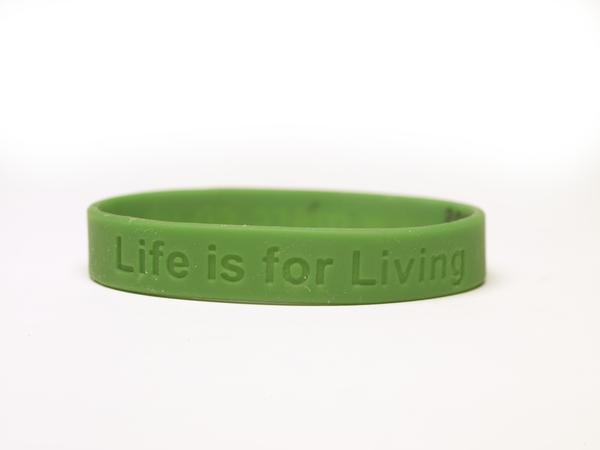
Other charities jumped on the trend. Wristbands in our collection from the mid-noughties represent different causes, each with their own block colouring. The lime green ‘Life is for Living’ bracelet below raised awareness for the autoimmune disease multiple sclerosis. The red and white one promoted playing cricket in schools across London. And there’s a few from the charity BeatBullying.
Why did charity wristbands become so popular?
These bracelets became one of the main campaign tools charities at the time used to raise money and awareness.
Charity wristbands tapped into existing cultural traditions, such as swapping woven friendship bracelets, or collecting your music festival wristbands on your arm.
As they were sold for around £1, most young people could afford them. It was one of the few items that passed through barriers of age, class and gender. For those that wore them, it was a cheap and easy way to visibly show something of your identity by what causes you supported.
Celebrities fuelled the wristband craze, making them more visible and adding to their appeal. The white Make Poverty History bracelet, launched by a coalition of charities in 2005, was almost everywhere. You’d see it worn on the red carpet, on the catwalk, in schools, at political rallies and on the high street. Even the prime minister, Tony Blair, was pictured wearing one while visiting a hospital in Edgeware, north London.
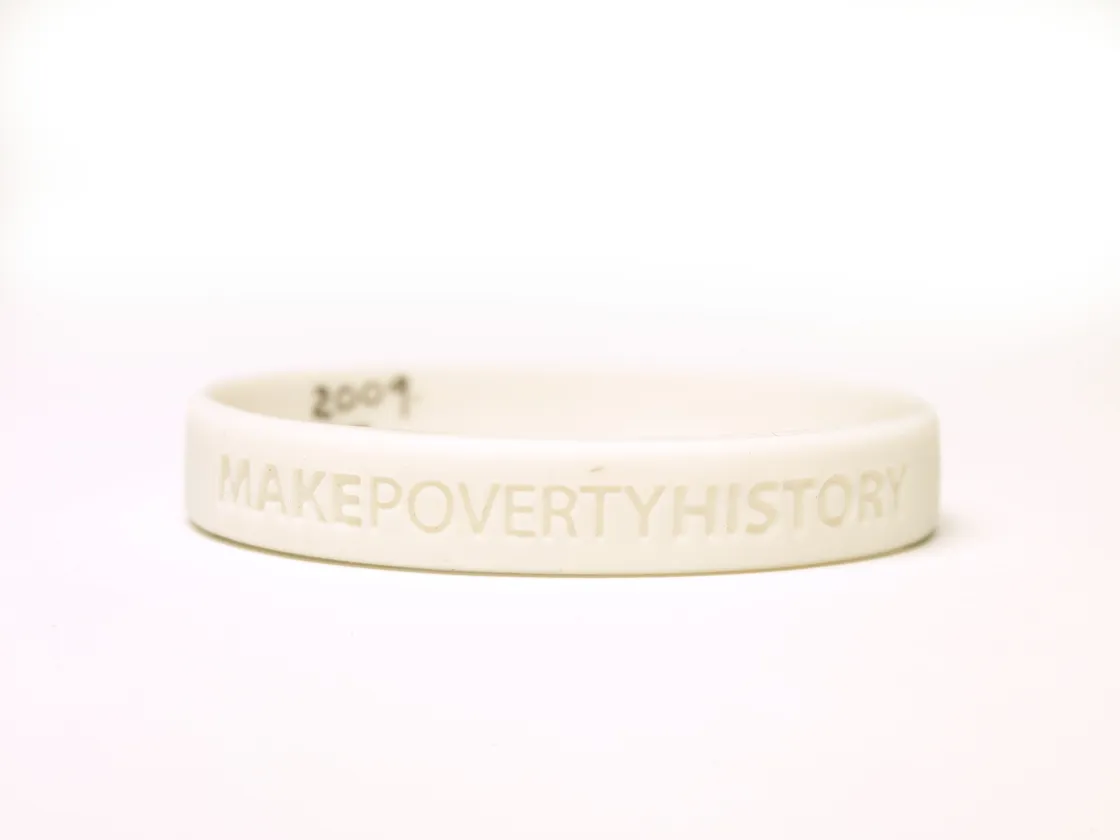
Oxfam was one of the charities behind the Make Poverty History campaign, and sent this wristband to a London couple who regularly donated.
The backlash against the bands
The demand for charity wristbands started to outstrip supply. Bracelets were resold on websites like eBay for much more than the retail price – prices some people were prepared to pay. Fake bands were also snuck onto the market by people looking to profit off the craze. Charities scrambled to undercut profiteers and rush stocks of wristbands online and into shops.
In 2005, newspaper investigations exposed how thousands of Make Poverty History bands were made in exploitative factory conditions in China.
The wild popularity of awareness bracelets fed into a debate around activism as a fashion trend. Plenty of thinkpieces questioned whether people wore them to support a cause, or just to fit in. Was it all performative? Had charity wristbands lost their meaning?
Some schools even banned these silicone statements on the grounds of health and safety, or uniform policies.

Actor Nicole Kidman shows off a pink charity wristband at a film screening in Leicester Square in 2005.
The fad didn’t last
Charity wristbands eventually fell out of fashion towards the end of the noughties. They slowly disappeared from the school playground, just like scoubidous, Tamagotchis and every other fad before them.
Social media sites like Facebook, Myspace and Twitter also began to properly take off around this time. You no longer had to have something physically on your wrist to show your support to a cause, or follow a trend. You could simply post about it online instead.
Awareness bracelets haven’t disappeared completely. Some charities still sell them alongside other merchandise, like ribbons and badges.
But will they ever make a return to popularity like we saw in around 2005? As fashion trends tend to repeat themselves, who knows if a nostalgic resurgence is just around the corner.
Charity merchandise was nothing new
We have many wearable items in our collection that Londoners have bought to raise money for charities. Some date back to the late 19th century, when badges were sold to support causes related to the Anglo-Boer Wars (1880–1902).
The Suffragettes used branded badges and rosettes during their campaigns for women’s right to vote.
Street collecting also increased dramatically during the First World War (1914–1918). On so-called ‘flag days’, charity workers sold little flags, pins and badges for cheap to support different war causes.
-
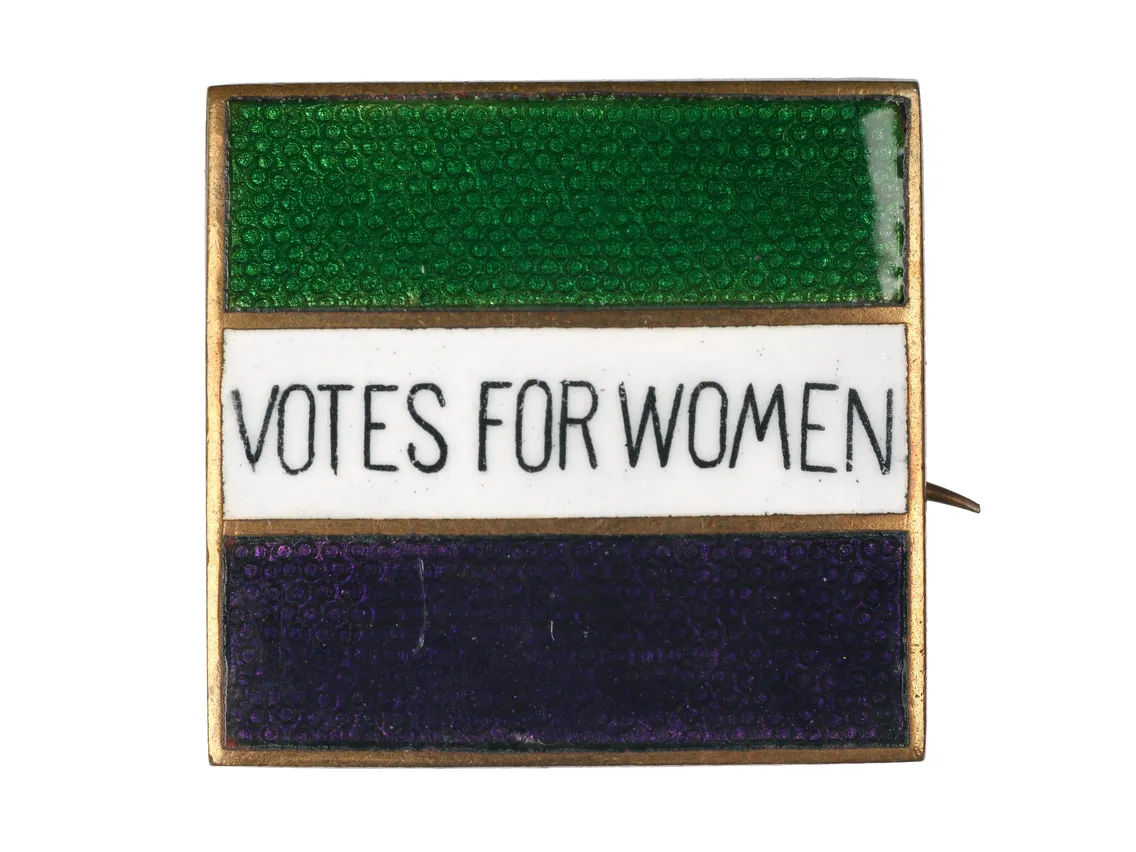
The Women’s Social and Political Union issued this badge to raise money for the Suffragette’s ‘war chest’.
-
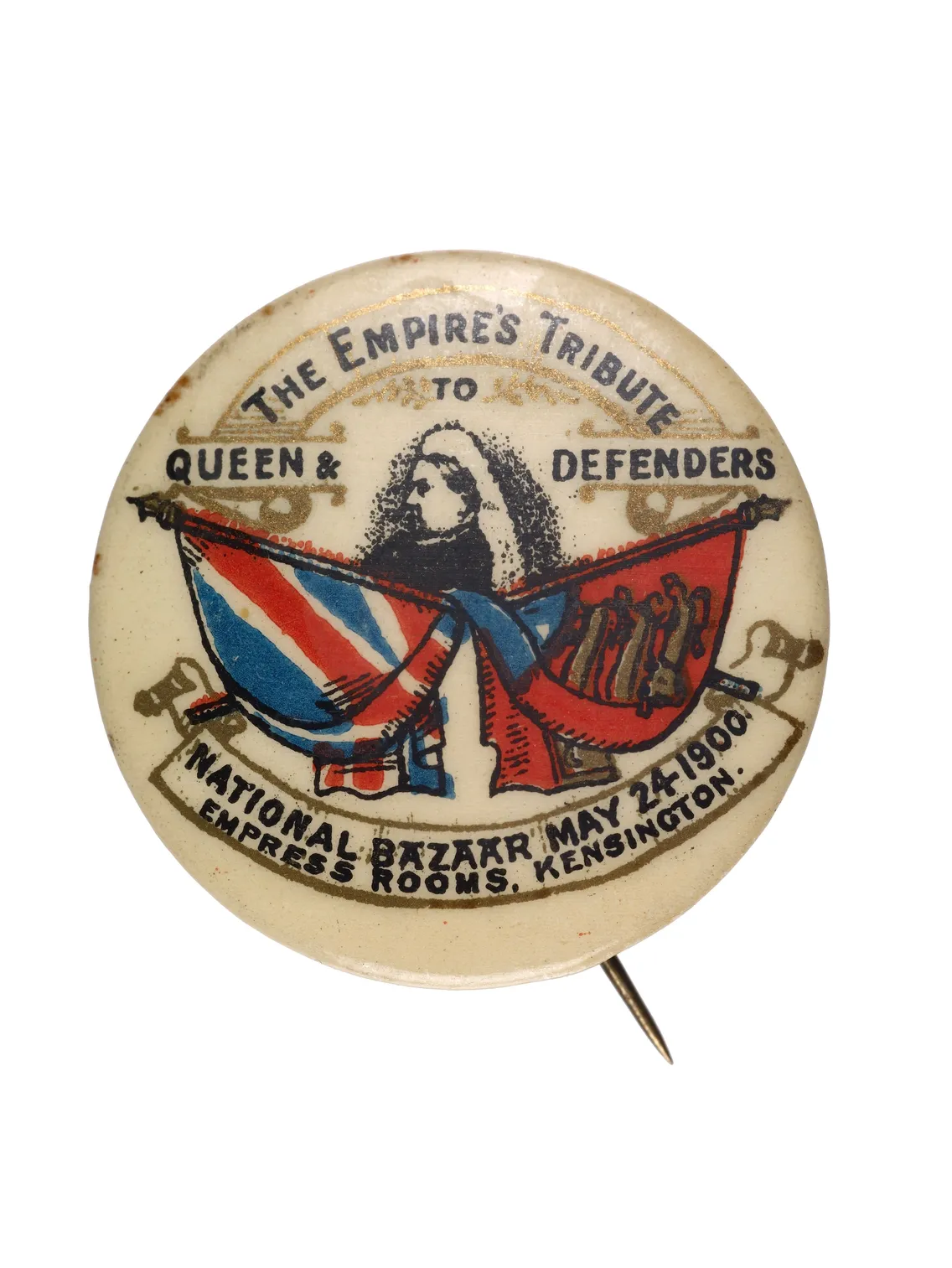
This button badge raised money for soldiers injured during the Anglo-Boer Wars.
-
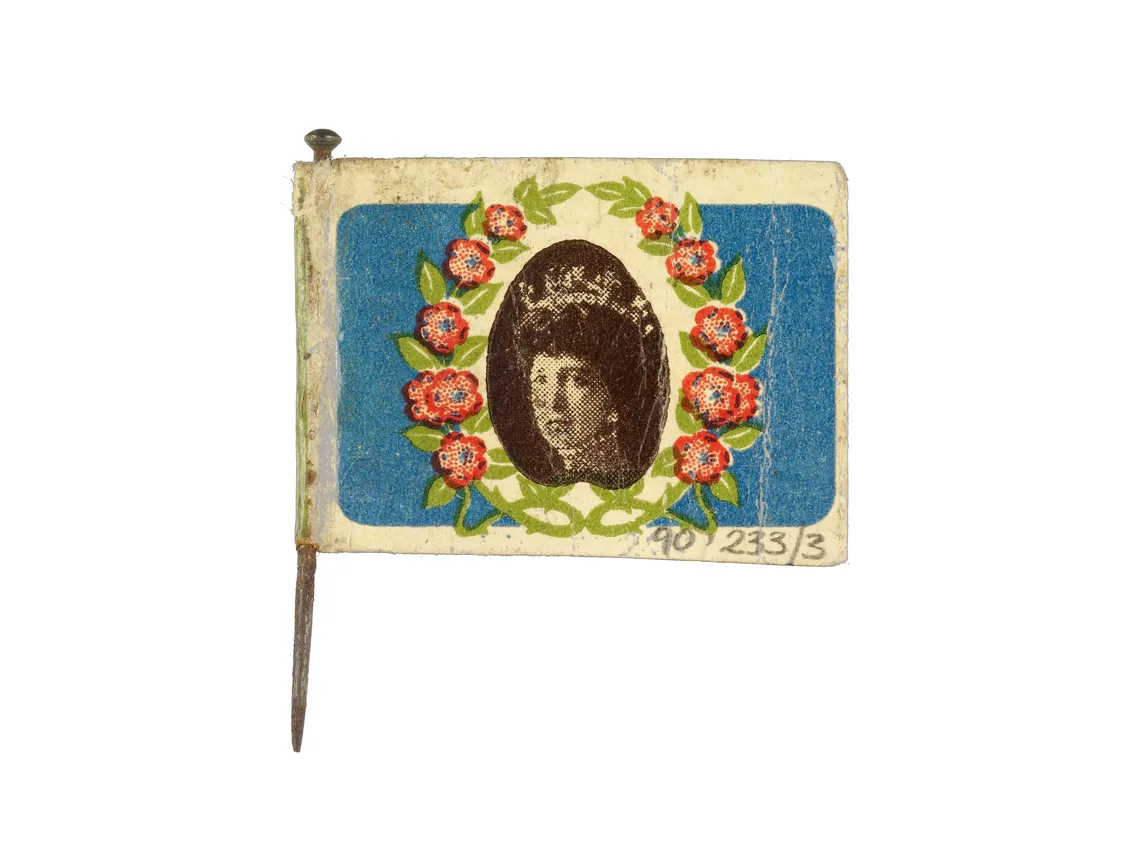
A portrait of Queen Alexandra features on this lapel flag raising money for the Queen’s Hospital for Children on Hackney Road.
These traditions continued through the 20th century. In the 1990s, ribbons became a common symbol of support for a charity. Different colours continue to represent different causes. Red ribbons raise awareness for people with HIV and AIDS, and pink ribbons are associated with breast cancer charities.
Some charity awareness products are a little unusual. Since 1988, the charity Comic Relief has encouraged the country to don squishy red balls on their noses on an annual fundraising day called Red Nose Day.