Three-dimensional portraits of Victorian Londoners
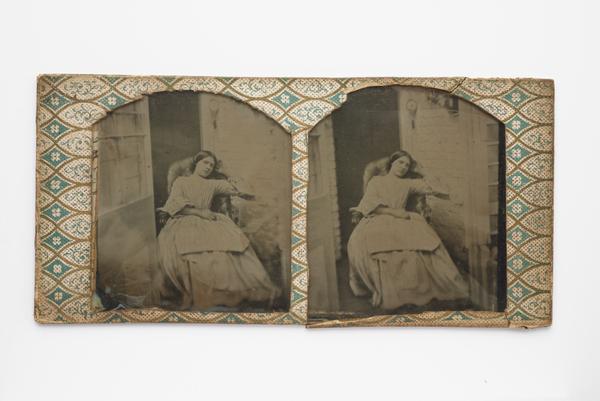
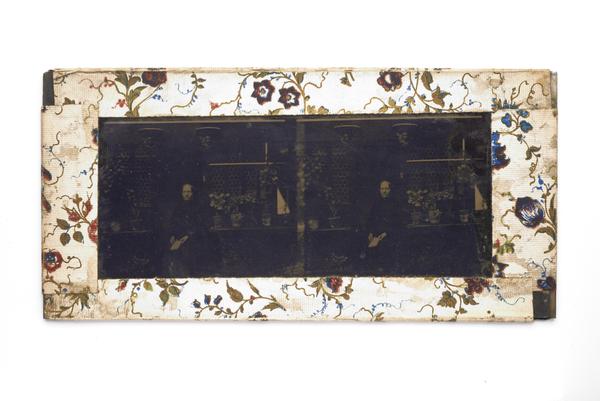
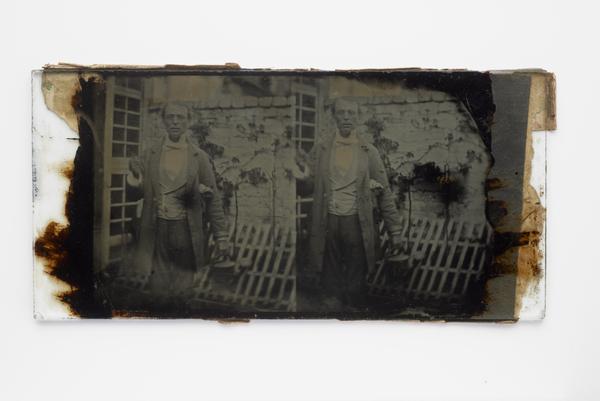
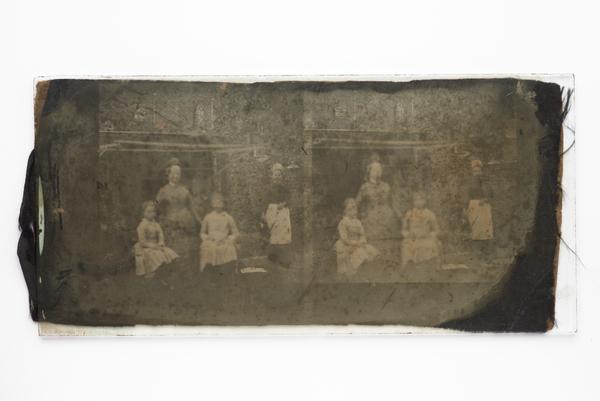
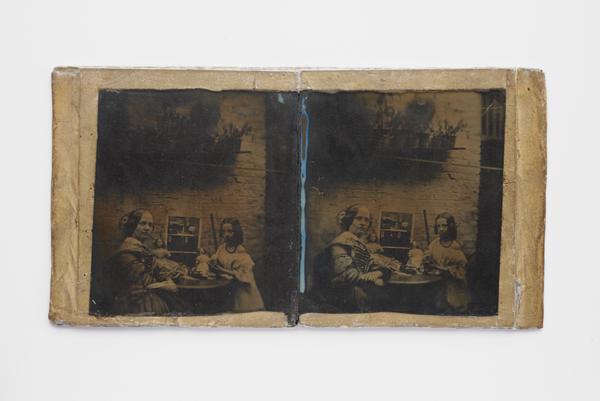
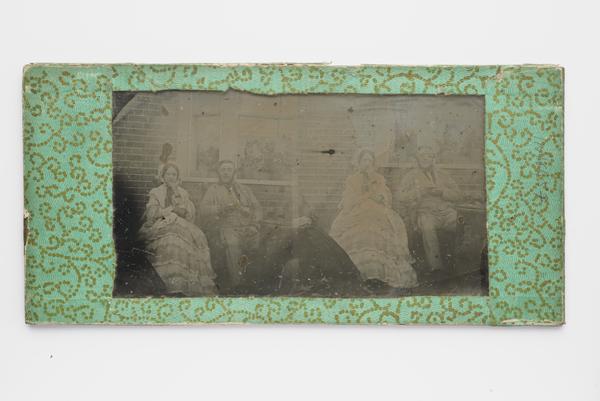
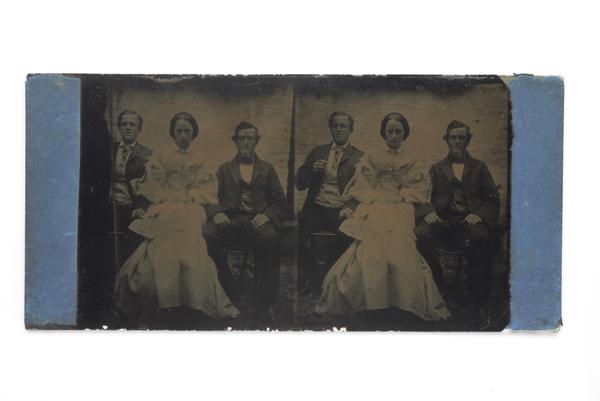
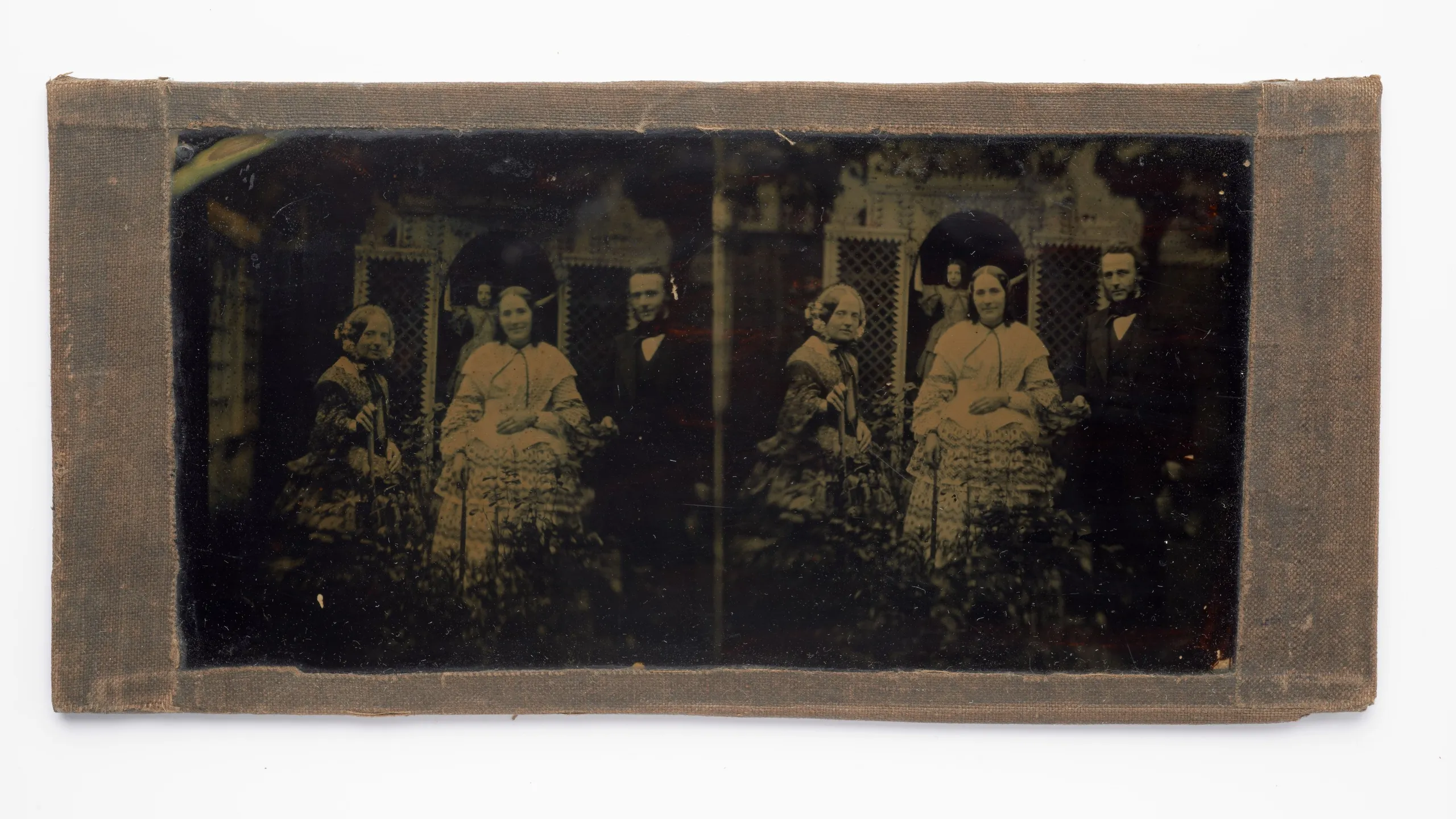
Viewed with a special device called a stereoscope, stereoscopic photographs create a thrilling 3D illusion – one that was extremely popular in the 19th century. Amateur south London photographer William Henry Stratton produced this set of mysterious images in our collection.
Kennington Road, Lambeth
1850–1869
Life in stereo
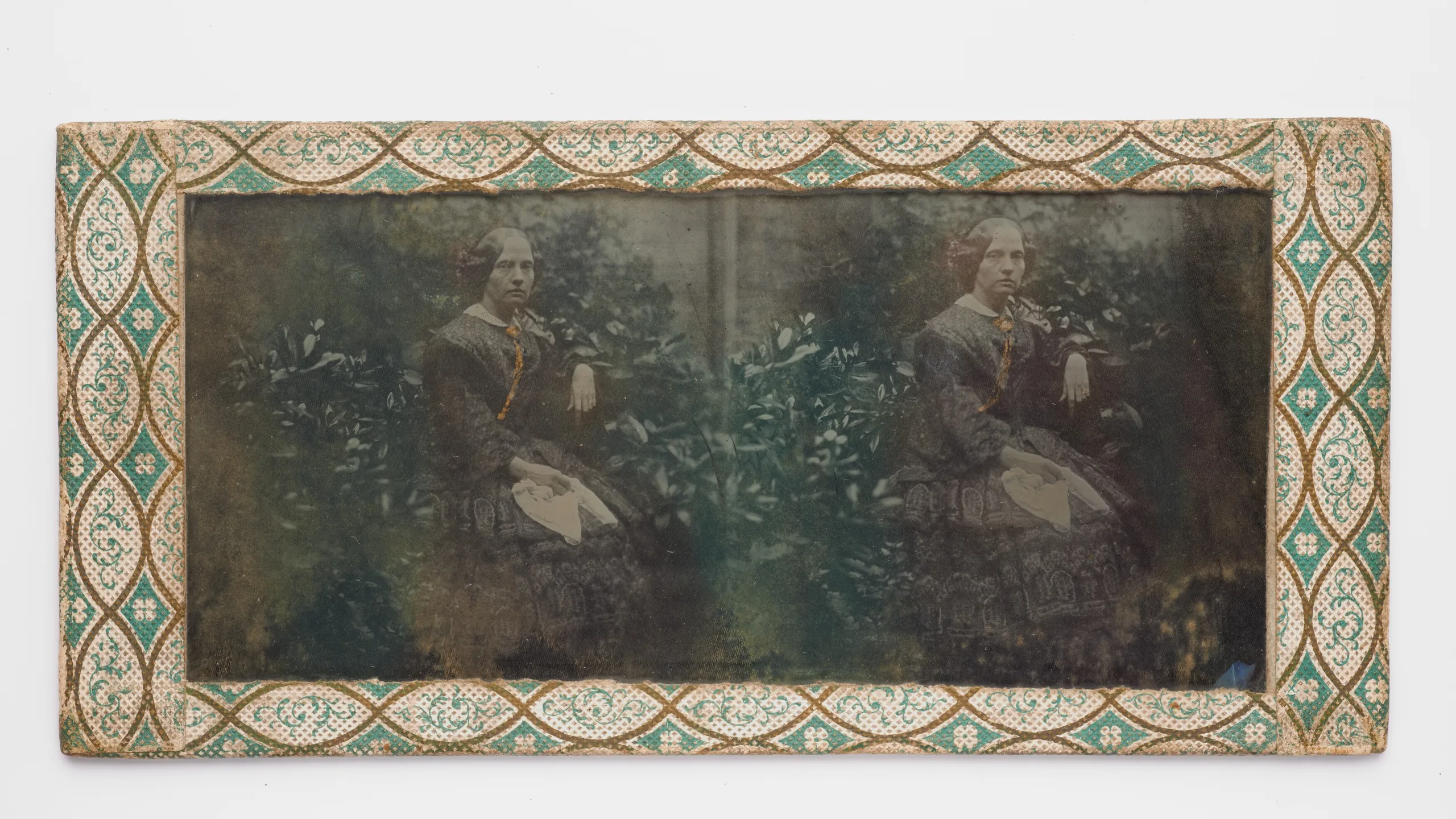
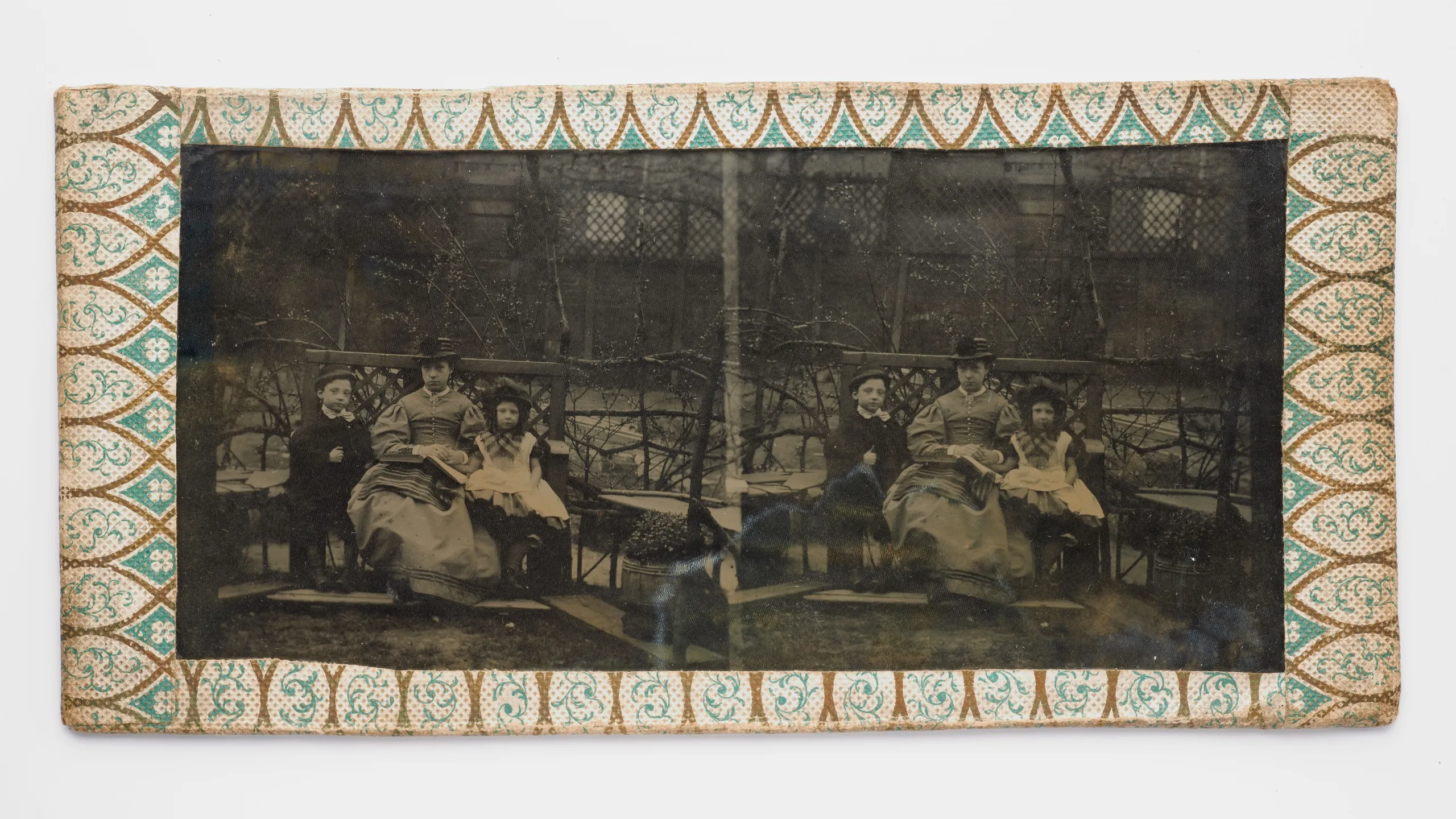
At first glance, these seem like the same photo side by side. But there are subtle differences. They’re stereoscopic images, taken using a camera with two lenses set the same distance apart as your eyes. The images are made to be viewed through a stereoscope, a device a bit like binoculars. Look into the stereoscope, and the two images magically appear as a single three-dimensional image.
Stereoscopic photos were a popular illusion
The technique grabbed international attention after being demonstrated at the Great Exhibition in London in 1851. Queen Victoria had a go herself and loved it. The viewing devices were sold widely, and a flood of stereoscopic images were produced to go with them. Landscapes and comic scenes were especially popular.
Who was William Henry Stratton?
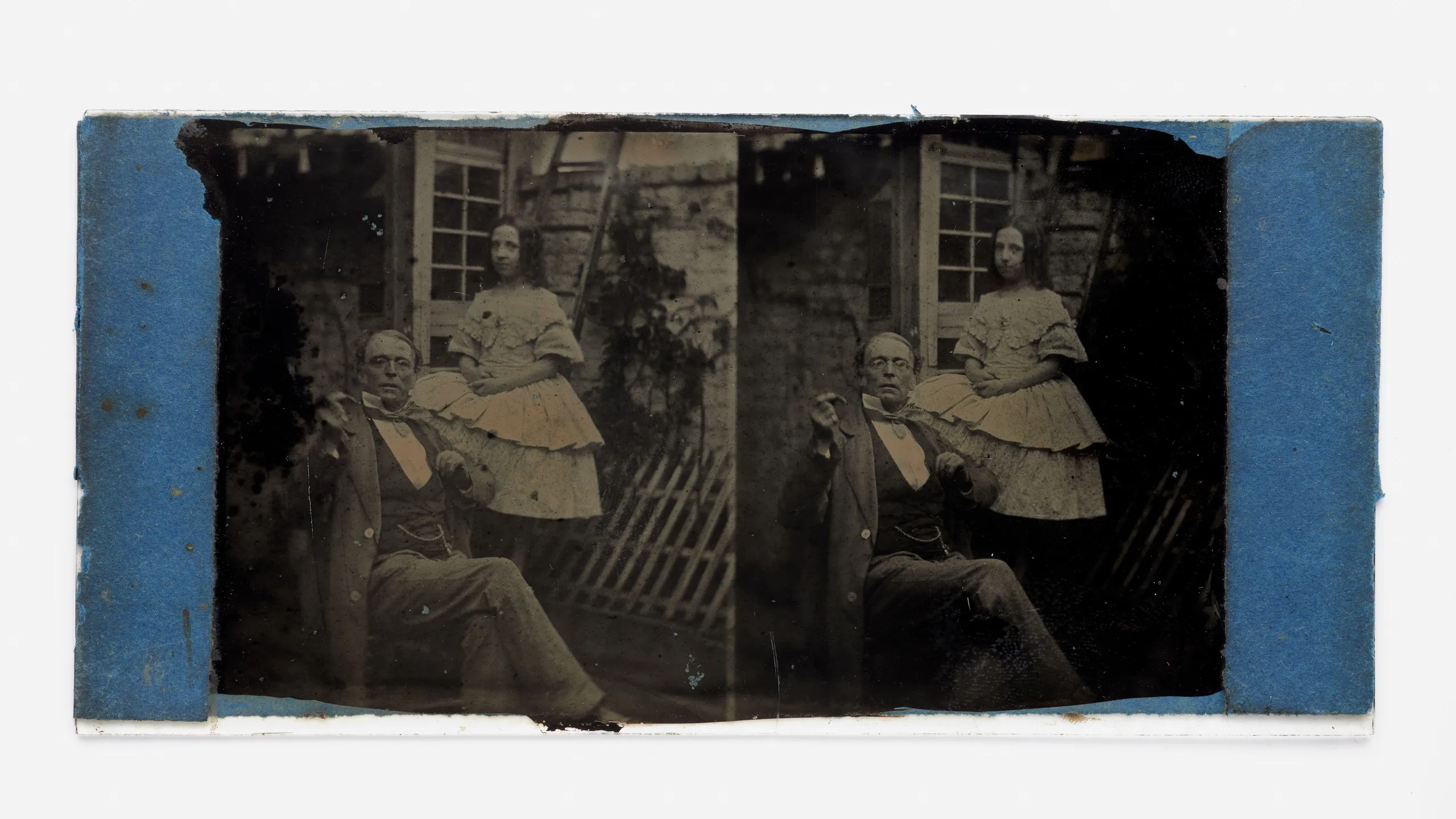
We know almost nothing about Stratton, who took these stereoscopic photos at some point between 1850 and 1869. It seems he was an amateur photographer. His address is stamped on one of the photos: 133 Kennington Road, Lambeth.
The invention of photography
The earliest surviving photograph that we know about comes from the 1820s. In the 1850s and 1860s, when Stratton took his portraits, photography was still an exciting, world-altering technology. People were piling in to experiment, innovate and profit.
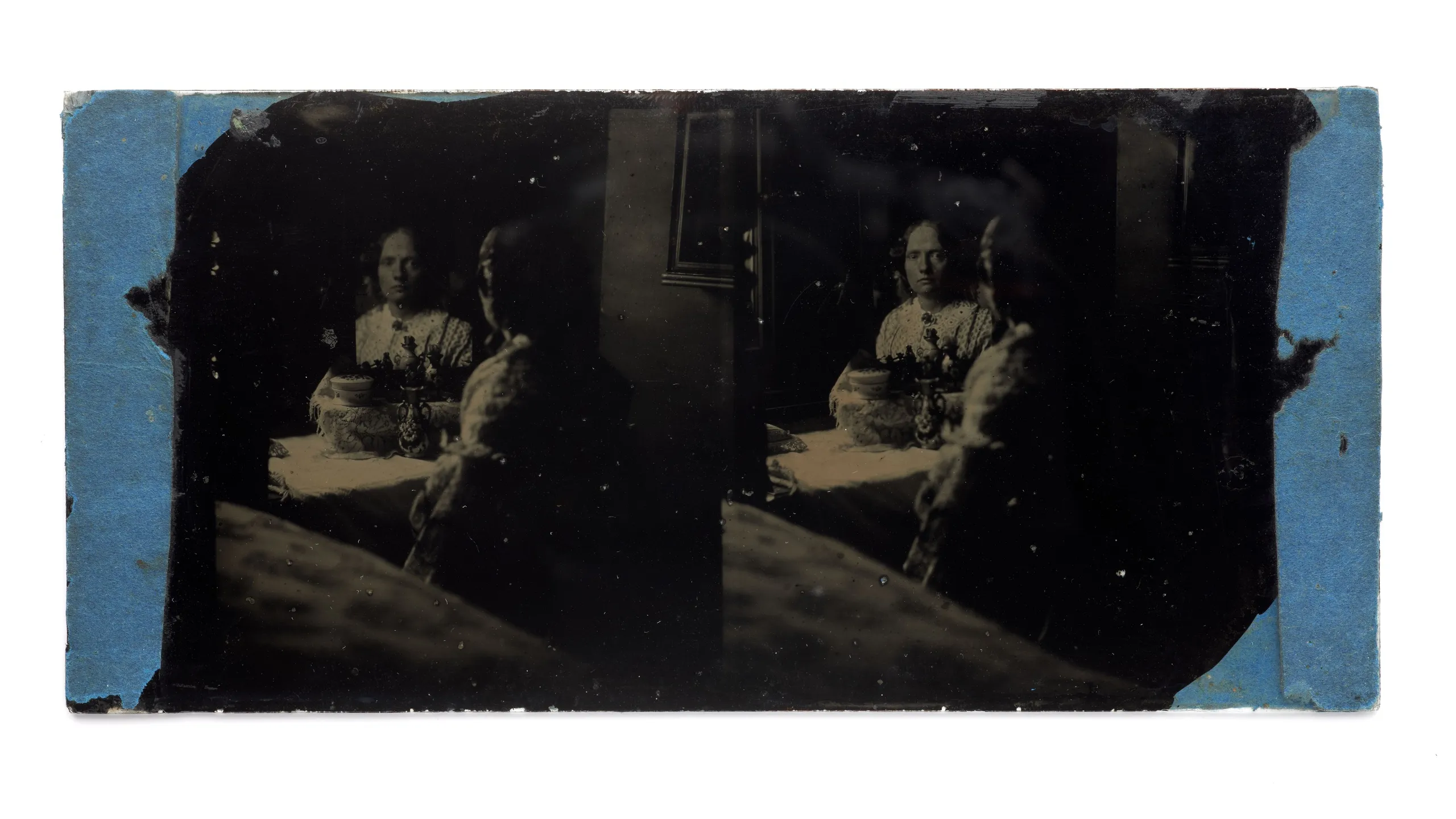
A moment of reflection
This photo uses the most interesting composition of the set. The woman has her back to the camera, but we see her face reflected in the mirror in front of her.
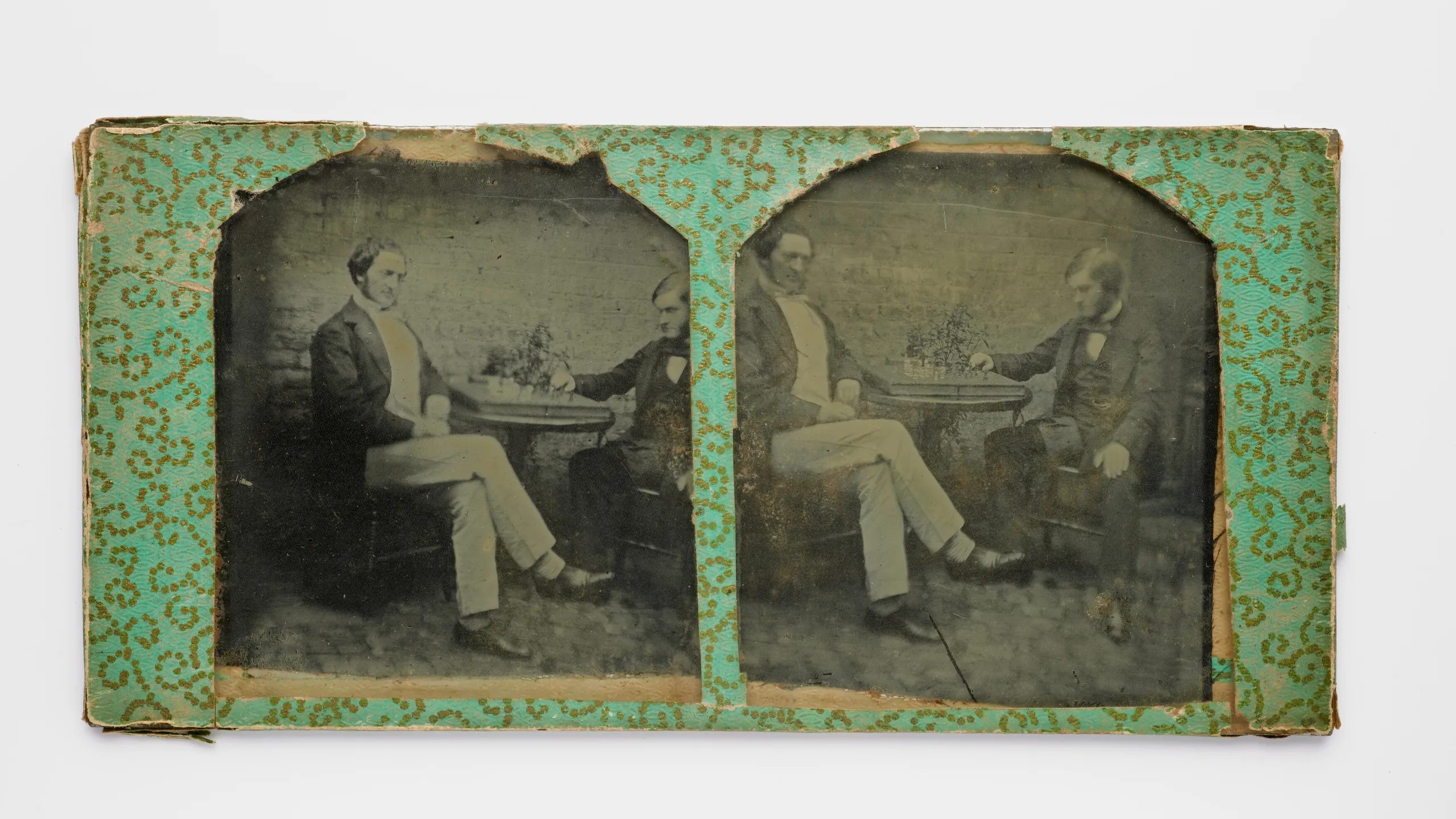
Checkmate
We don’t know who the people are in Stratton’s photographs, making them a mysterious glimpse of Victorian London. These two have been snapped posing as though playing a game of chess.
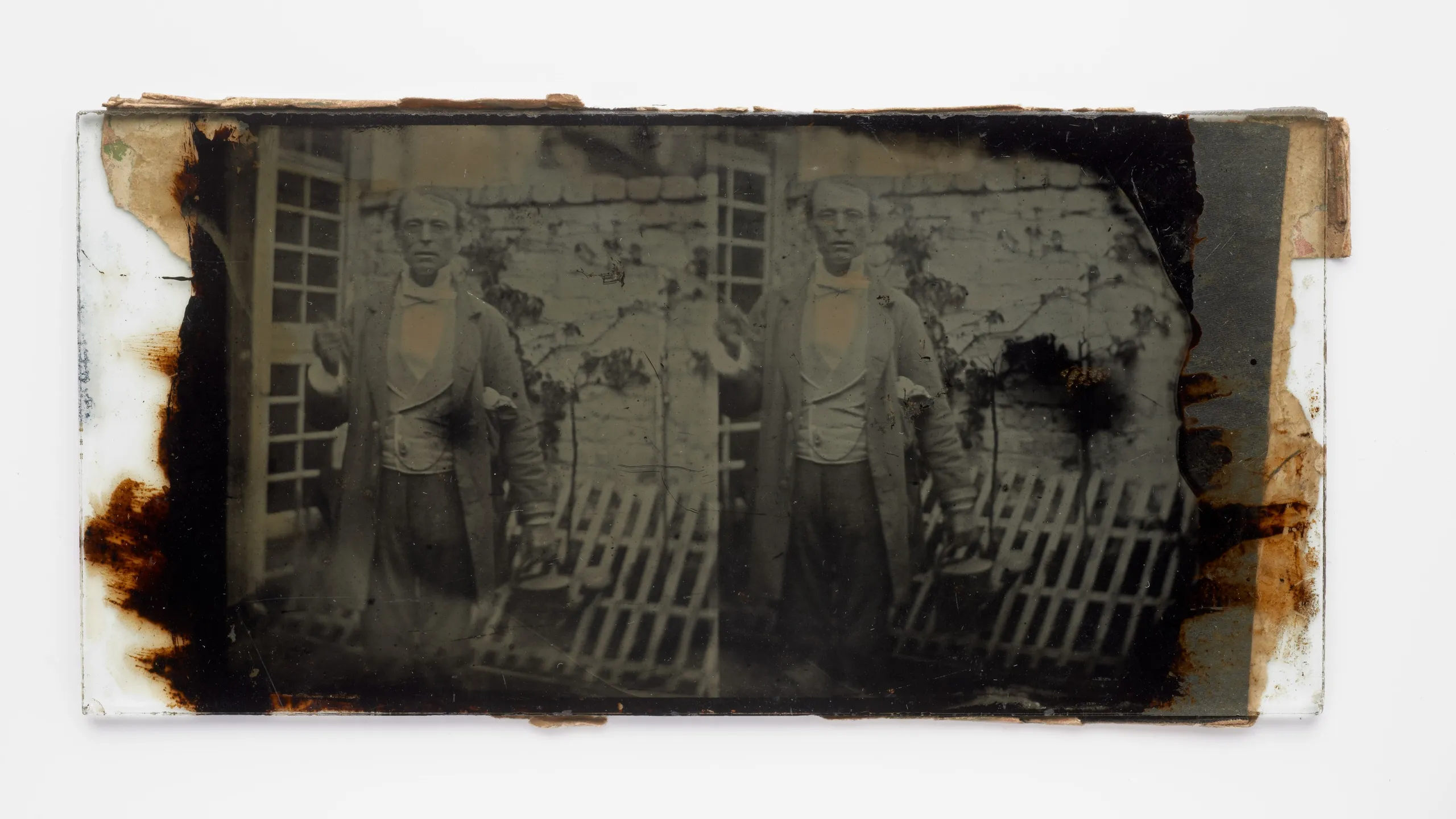
What is an ambrotype?
In the early decades of photography, several techniques evolved to capture and print images. Stratton’s photos are called ambrotypes, which are negative images that have been modified to be positives. A thin sheet of glass was coated in a material called collodion, dipped in silver nitrate and exposed to light. You’re looking at that glass plate, which has been bleached and backed with dark silk.
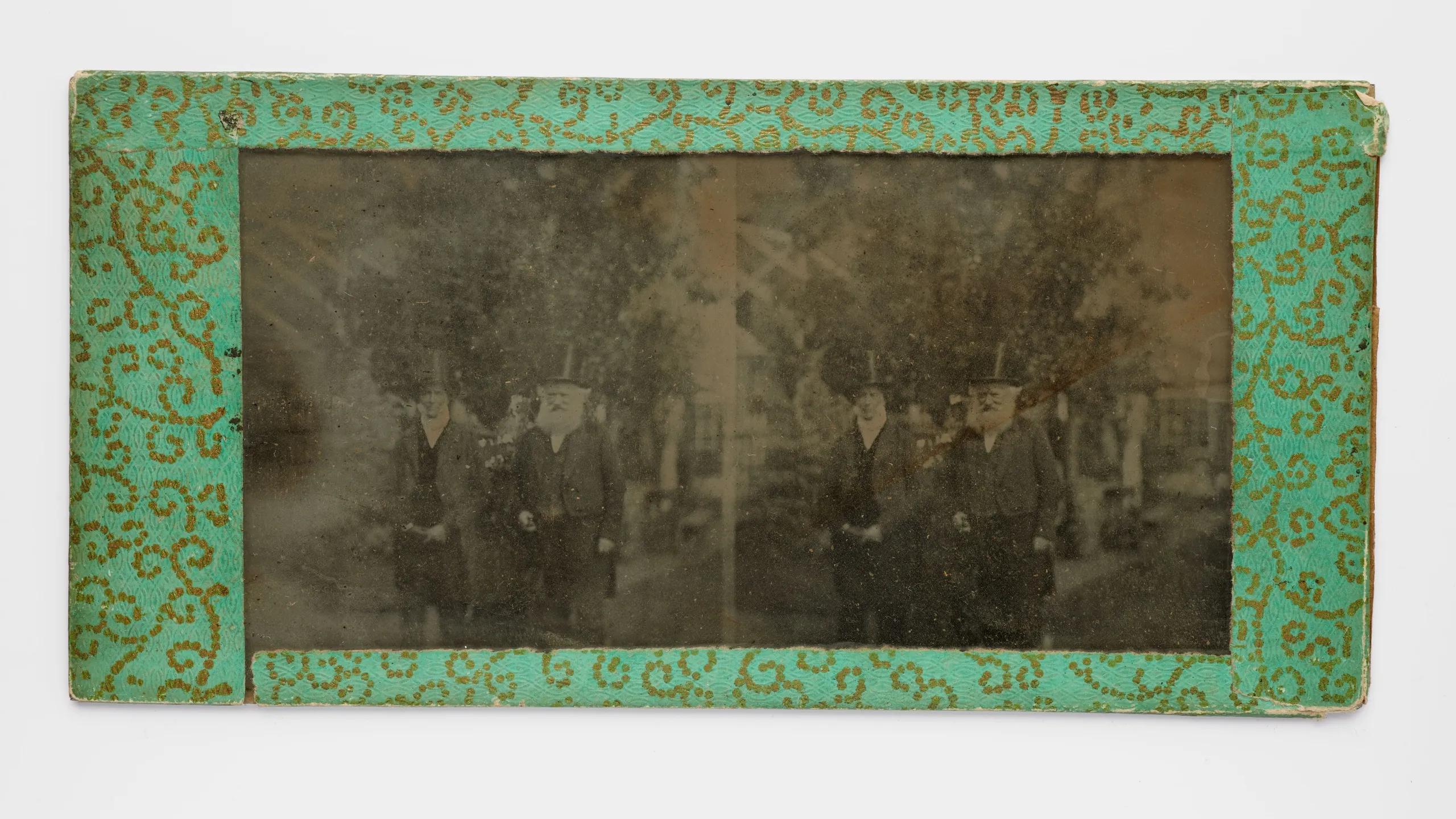
Photos in a flash
Ambrotypes were popular with commercial photographers working outdoors because the slides could be developed quickly, producing a photo for a customer in a few minutes.
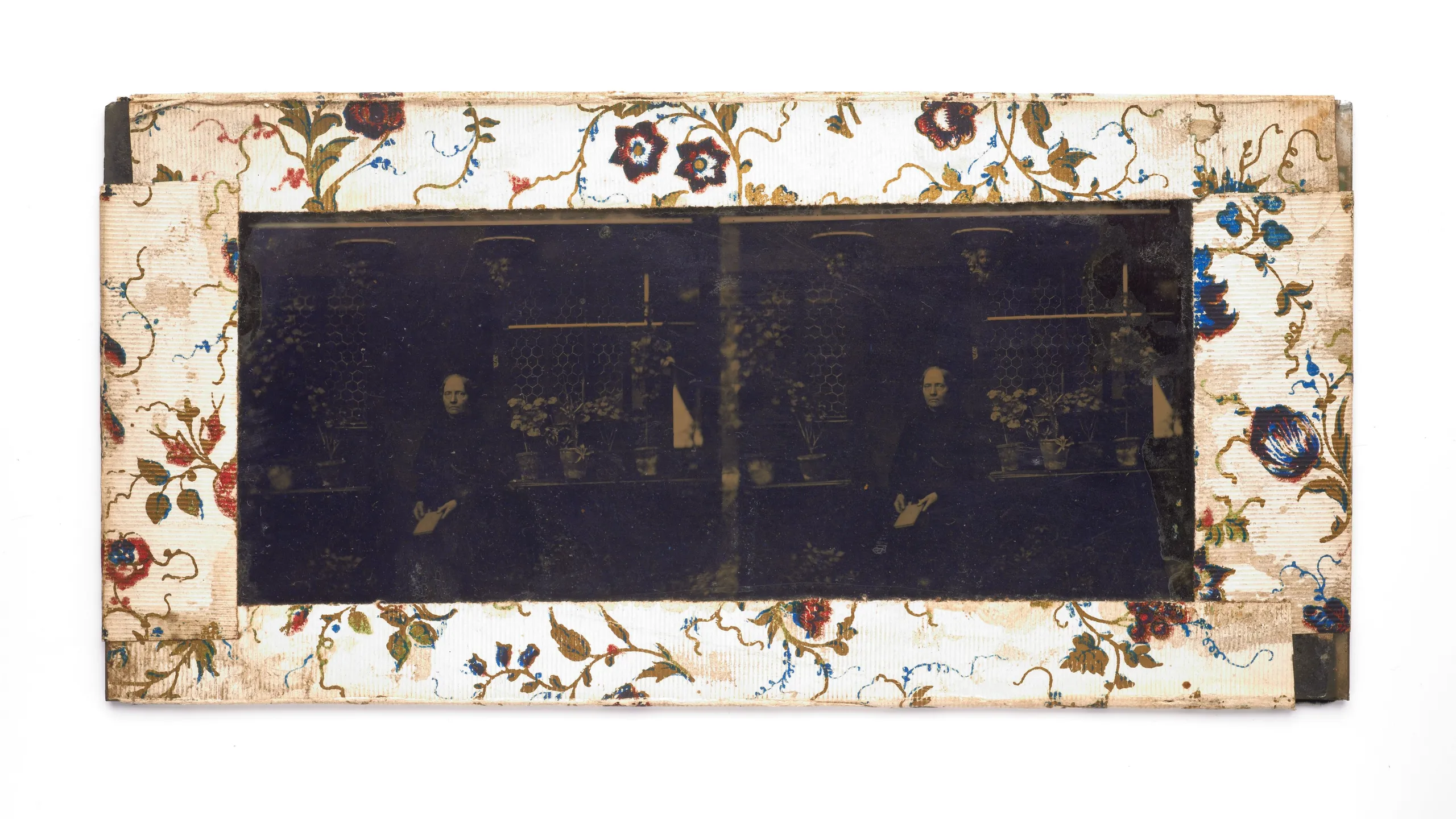
A final flourish
Most of the portraits are encased in coloured, patterned paper. This kept the slide and its backing together, but the extra decoration also makes the photos feel that little bit more special.