Who was Samuel Pepys?
Thanks to his diary, Samuel Pepys is one of London’s most famous writers. As well as being an eyewitness to major historical events, he also had a whole career outside of writing.
City of London
1633–1703
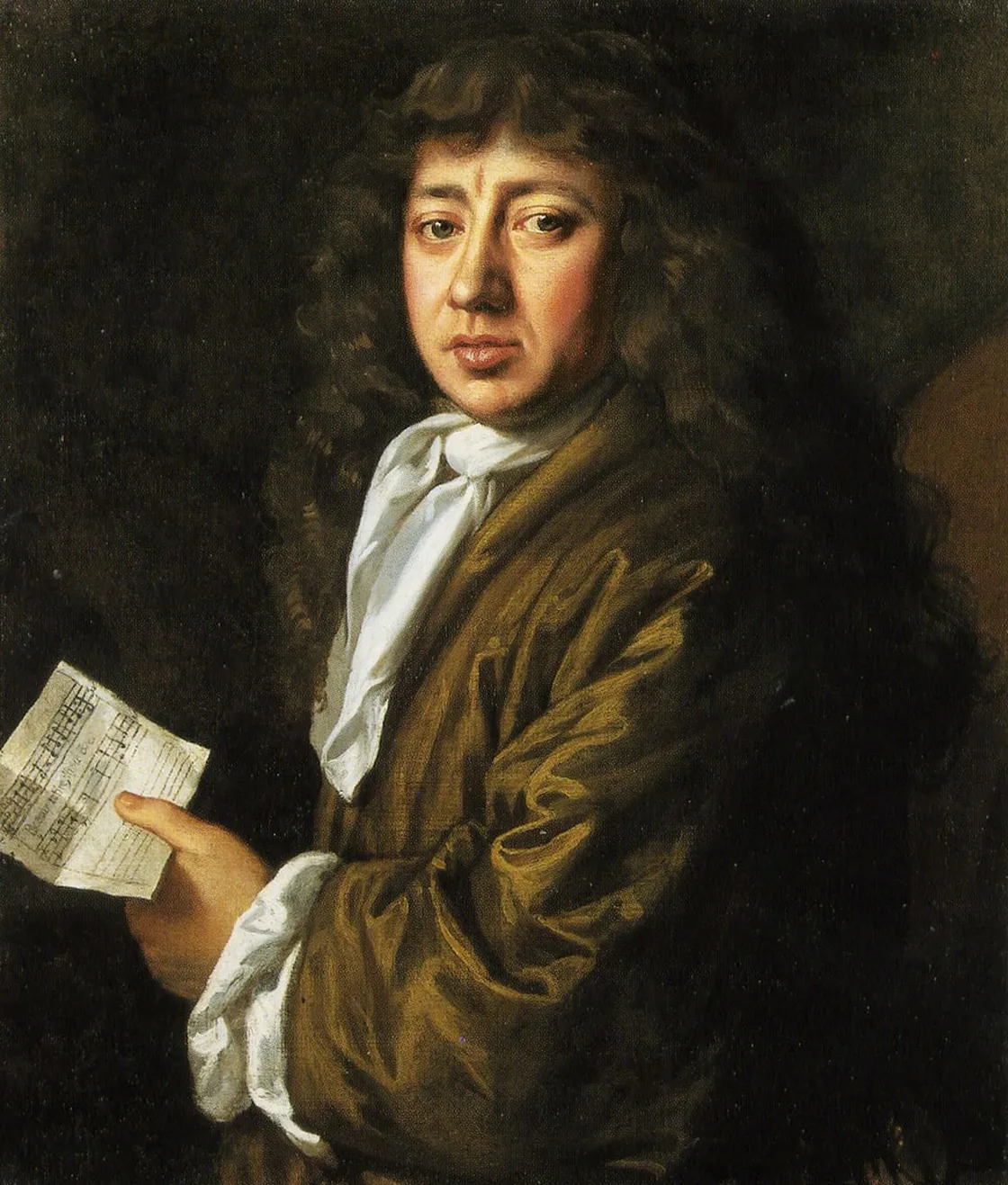
A portrait of Samuel Pepys, painted by John Hayls in 1666.
London’s most famous diarist
Samuel Pepys, who was born and lived in the City of London, was best known for his diary, written between 1660 and 1669. It’s one of the best records of life in Restoration London, the period marked by the exiled Charles II’s return as king in 1660 and the cultural boom that followed.
The diary also covers major events, including the coronation of Charles II, the Great Plague of 1665 and the Great Fire of London.
It’s also not without its controversies. The diary was heavily edited when it was first published in 1825, leaving out details of Pepys’ affairs, bribe-taking and sexual harassment against women. Pepys also profited from the British trade in enslaved Africans.
Pepys was far more than just a diarist. He also had a noteworthy naval career and helped transform the navy into a more powerful force. This work also made him very wealthy, as shown by his silver plate in our collection.
Samuel Pepys’ family and early life
Samuel Pepys was born on 23 February 1633 in Salisbury Court, just off Fleet Street, to parents John and Margaret, a tailor and a butcher’s daughter.
Pepys was well-educated and studied at Magdalene College, part of the University of Cambridge.
In 1655, Pepys married Elizabeth de St Michel, the daughter of a French Huguenot refugee. They remained married but childless until her death in 1669. Pepys underwent a risky operation to remove a kidney stone in 1658 – though successful, it may have prevented him from fathering children. He celebrated the anniversary of the operation every year with a special dinner.
“With one’s face in the wind, you were almost burned with a shower of firedrops”
Samuel Pepys, 1666
-
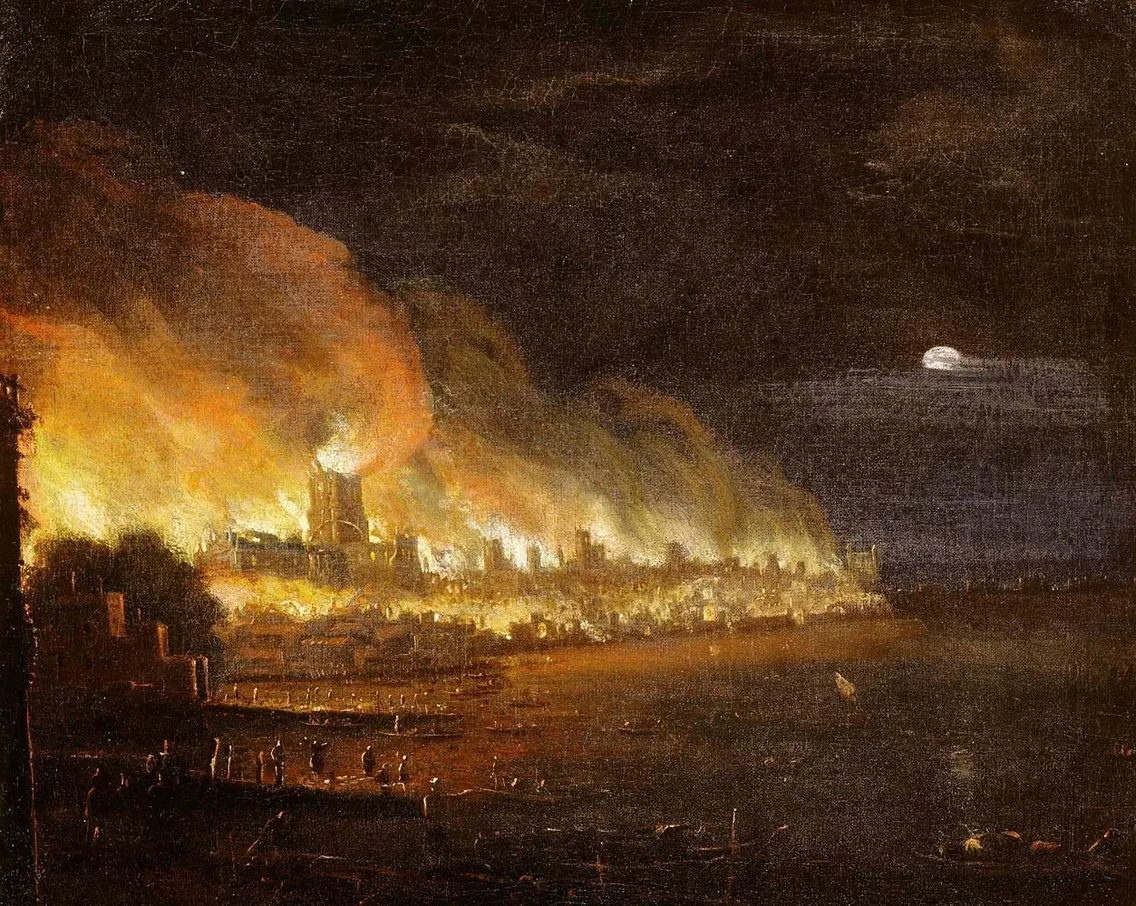
A painting depicting the Great Fire of London.
-
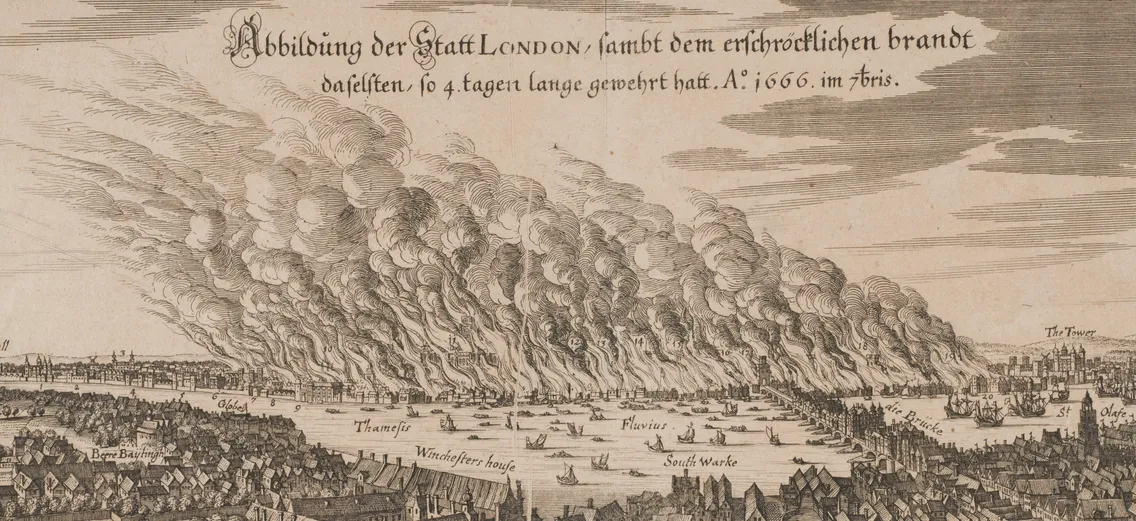
An illustration showing the City in flames during the Great Fire of London.
Samuel Pepys’ diary
Pepys’ diary was written between 1660 and 1669, from the ages of 27 to 36. He vividly recorded what everyday life was like at the beginning of the Restoration, a period of major change in Britain. The Stuart king Charles II was restored to the throne in 1660, ending 11 years of austere republican rule under Oliver Cromwell’s Commonwealth. The decade that followed was characterised by both cultural revival and catastrophe.
The diary gives readers eyewitness accounts of significant events, including the coronation of King Charles II, the Great Plague of 1665 and the Great Fire of London in 1666.
He described the fire burning on 2 September 1666, writing: “so near the fire as we could for smoke; and all over the Thames, with one’s face in the wind, you were almost burned with a shower of firedrops.”
His house in Seething Lane escaped damage from the fire, which is fortunate as Pepys buried wine and Parmesan cheese in the garden there. The cheese in particular would have been very expensive and he didn’t want to lose it in the blaze.
Writing about the plague on 16 October 1665, Pepys said: “how empty the streets are and melancholy, so many poor sick people in the streets full of sores.” Pepys was also concerned that the hair used to make wigs was taken from dead people, and therefore posed a risk of infection. Wigs were very fashionable in the 17th century thanks to Charles II setting the trend. They were often made from human hair, and curled using clay pipe wig curlers, like the one below.
-
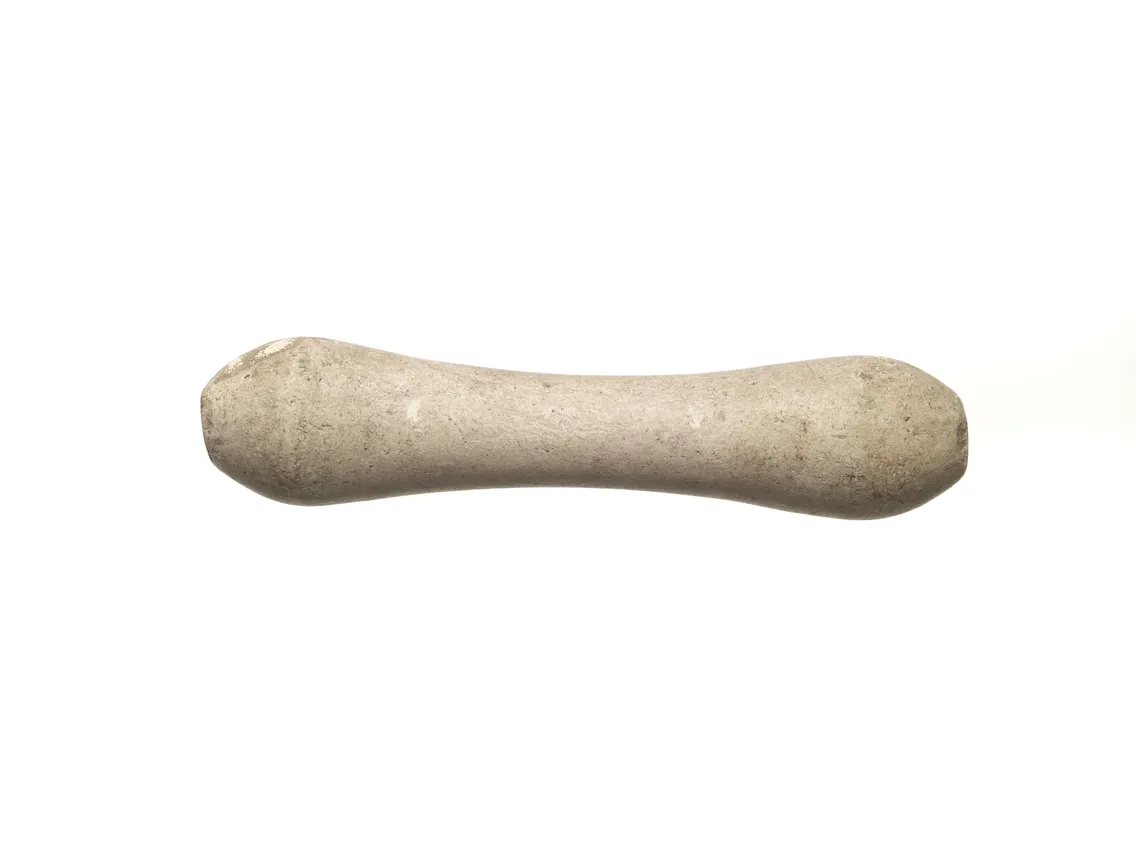
A clay pipe wig curler used to set the hair style of 17th century wigs.
Pepys writes about his love of theatre, particularly the playwright William Shakeaspeare’s Macbeth. Theatres had recently reopened following strict bans on plays from 1642.
His diary also contains the first recorded example of someone drinking a cup of tea, on 25 September 1660. Coffee was a much more popular drink at this time, so tea was a novelty, and mainly considered medicinal. Tea had only recently been introduced to Britain as trade expanded with China.
When was Pepys’ diary published?
Pepys’ diary wasn’t published until 1825, over 150 years after he stopped writing, fearing he was losing his eyesight. Though he never actually went blind.
What was published was heavily edited, leaving out many details that would have been considered scandalous in the 19th century. The uncensored diary was only published in full in the 1970s.
Sex, secrecy and censorship
Pepys wrote his diary in a mixture of English, French, Spanish and Latin. He also used tachygraphy, a shorthand system first published in the 1620s by the shorthand inventor Thomas Shelton. This helped keep its contents a secret. He gossiped about the king’s mistress, confessed to taking bribes and recounted numerous affairs.
Elizabeth Bagwell, the wife of a ship’s carpenter, is frequently mentioned as one of his mistresses. Pepys recalls his wife catching him in a liaison with Deborah Willet, one of her maids. The diary also features instances of sexual harassment and violence against women, including his maids and his wife.
His links to the British trade in enslaved Africans
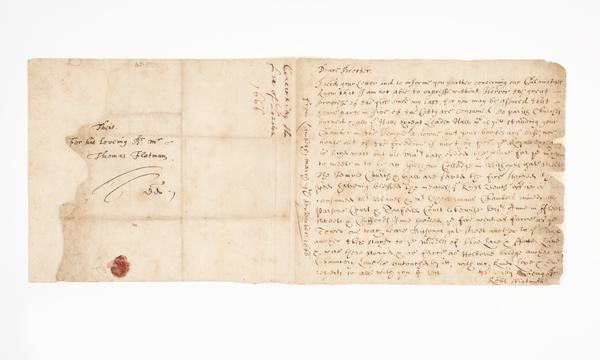
Pepys was involved in and profited from the British trade in enslaved Africans. He owned at least two enslaved people and had connections with two English slave trading companies, authorising the loan of ships to support their operations. Pepys used correspondence, like rejecting a bribe of an enslaved boy, as a way of controlling the narrative around this and protecting his reputation.
Samuel Pepys and the navy
After starting his career as a secretary to his cousin Edward Montagu, Pepys progressed into naval administration. In 1660 he was appointed clerk of the acts of the navy and given a generous salary of £350 a year and a house in Seething Lane.
From 1673 to 1679, Pepys was the secretary for the affairs of the navy. He was forced out of the post after being accused of, and briefly imprisoned in the Tower of London for, selling naval secrets to the French.
In 1686, under Charles II’s successor James II, Pepys was appointed Secretary of the Admiralty, a pivotal role in navy administration. James II was his patron.
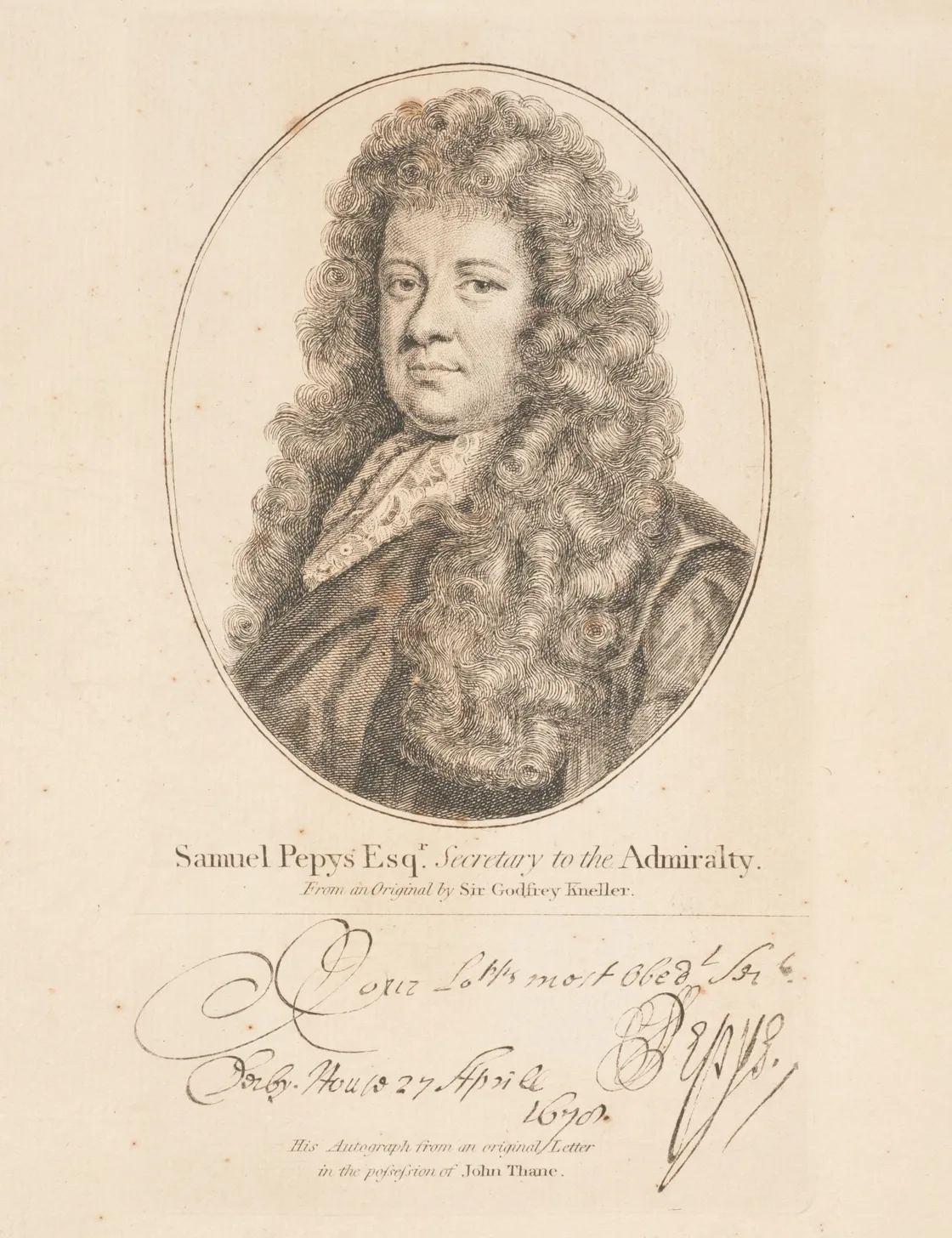
A portrait of Pepys with his signature.
Pepys’ service during the Third Anglo-Dutch War (1672–1674), a series of wars between England and the Dutch Republic over trade, helped raise naval standards. Pepys introduced better food for sailors, tested the competency of naval commanders and promoted a scientific approach to navigation.
These efforts, along with advancements in shipbuilding, transformed the navy into a more efficient and powerful force. This is why Pepys is sometimes described as ‘the father of the modern Royal Navy’.
“to see with what envy they looked upon all my fine plate was pleasant, for I made the best show I could”
Samuel Pepys, 1667
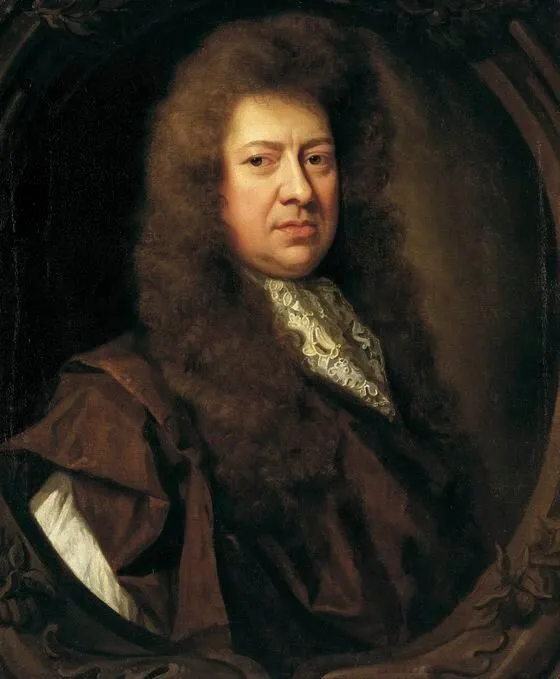
A portrait of Pepys painted by Godfrey Kneller in 1689.
Samuel Pepys’ silver plate
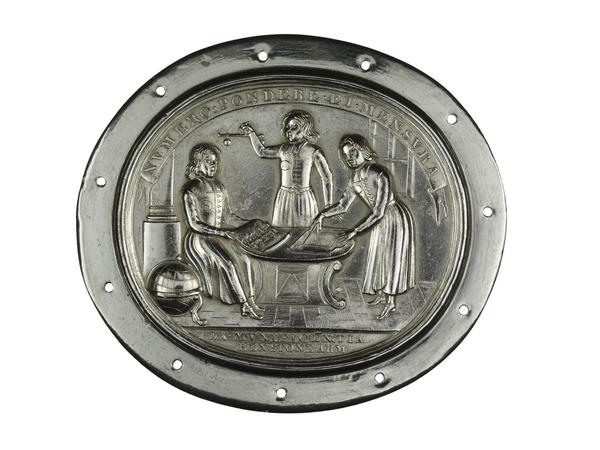
Silver was an indicator of wealth in the 17th century, and Pepys’ silver plate in our collection shows how well-off he had become.
Though he came from a relatively modest background, he became very successful. When he began writing his diary he had £25, around £4,470 in today’s money, to his name. When it ended he had £10,000, equivalent to almost £2 million today, with a little help from gifts and bribes.
Pepys liked to display his riches too, as he wrote in 8 April 1667: “we had, with my wife and I, twelve at table… and a most neat and excellent, but dear dinner; but Lord, to see with what envy they looked upon all my fine plate was pleasant, for I made the best show I could, to let them understand me and my condition.”
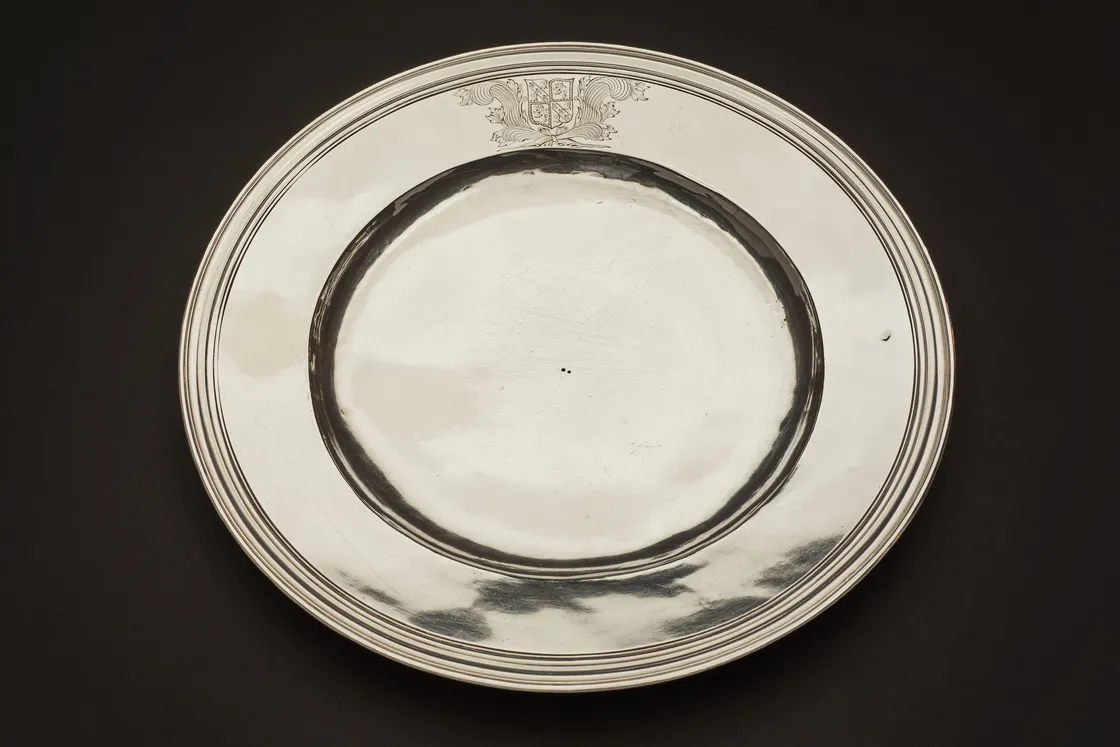
An extremely rare silver plate owned by Samuel Pepys.
In the 1688 Glorious Revolution, the Catholic king James II was deposed by a coalition of politicians and nobles. They replaced him with his Protestant daughter Mary and her husband, William of Orange. The new monarchs didn’t favour Pepys, so he resigned from his navy post in 1689 and was briefly imprisoned on treason charges.
Pepys spent his later years at his former clerk William Hewer’s house in Clapham, moving there permanently in 1701. He died there on 26 May 1703, and was buried at St Olave on Hart Street on 4 June. Both the archbishop of Canterbury and bishop of London were in attendance.
Over his lifetime, Pepys had amassed a library collection of 3,000 volumes. He left his collection, which included his diary, to Magdalene College. His library remains intact and still in the original glazed bookcases he had made.
Tags
-
-
-
-
Post-Medieval

-
Paintings, Prints & Drawings
 Paintings, Prints & Drawings
James I / Charles I / Oliver Cromwell / Charles II / James II (engraving)
1720-1800