What is the Salvation Army?
Providing spiritual and practical support has been part of the Salvation Army’s mission since its foundation in 1865, in the heart of London’s most deprived area.
Since 1865
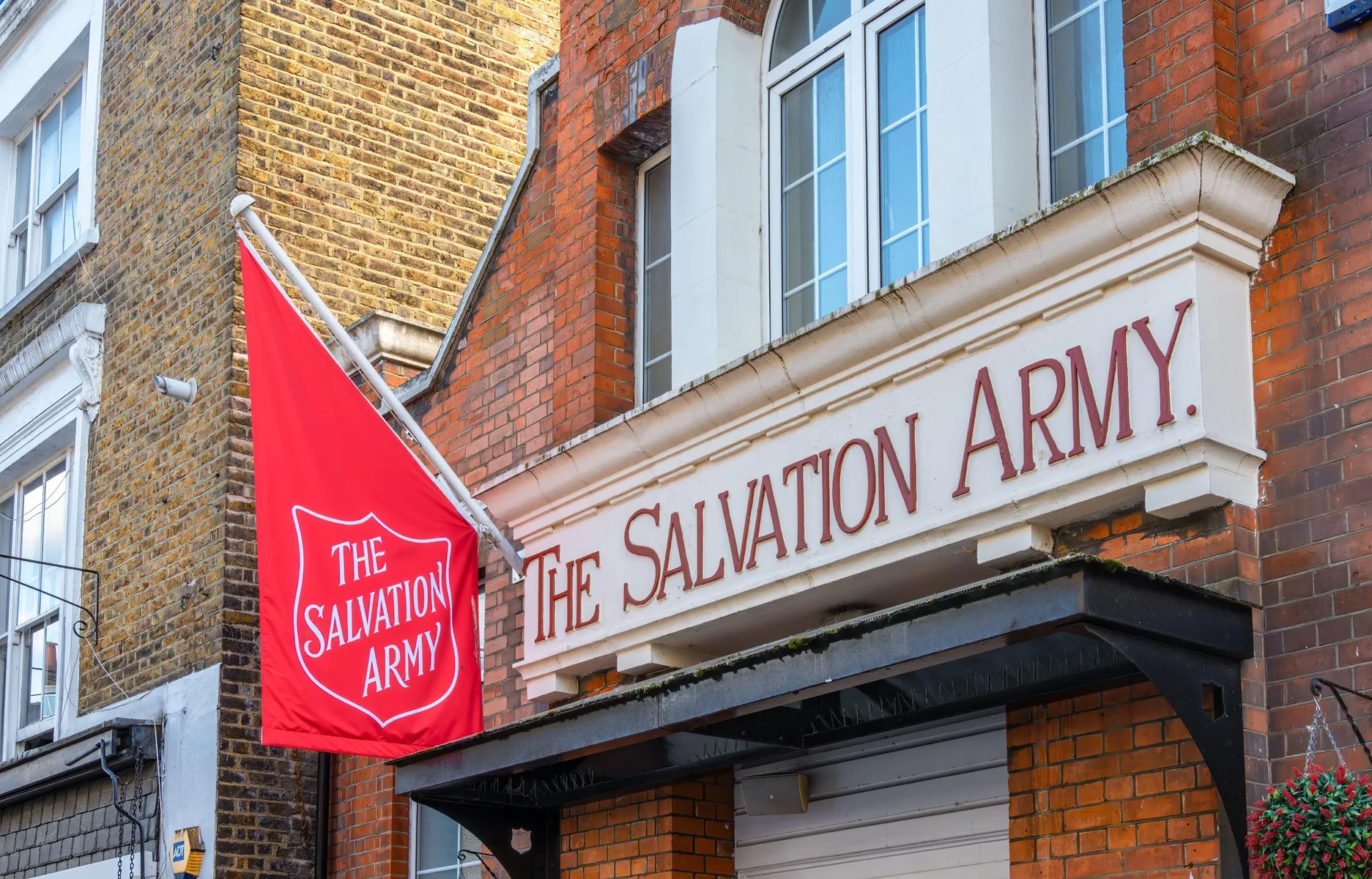
The exterior of a Salvation Army building.
A promise of spiritual and social transformation
Husband and wife William and Catherine Booth believed in practical Christianity rather than traditional church worship. They preached directly to poor Londoners on the streets, offering salvation as a remedy to their problems.
What began as a local Christian mission in east London in 1865 quickly grew into a nationwide, and then international, organisation. William Booth renamed it the Salvation Army and adopted a military-style structure.
As well as offering spiritual support, the Salvation Army worked to tackle issues affecting Victorian society, like poverty, homelessness and unemployment. This social work remains a defining feature of the Salvation Army today.

Salvation Army founder William Booth.
Soup, soap and salvation
Many Christian social reformers, including William and Catherine Booth, believed a lack of religion amongst the poor contributed to poverty, crime and drunkenness. Conversion and the salvation of souls were the answer to these problems.
In Victorian times, cleanliness of the body was linked to cleanliness of the soul. Working-class Londoners were often referred to as the ‘great unwashed’ by the middle and upper classes. William Booth was meticulously clean and revolted by dirt, which informed his doctrine of soup, soap and salvation.
How the Salvation Army was founded
Church attendance was low amongst the poor, so the Booths believed in preaching directly to people on the streets rather than from the pulpit. In 1865, William Booth began holding open-air sermons in Whitechapel, close to what is now the Blind Beggar pub.
This was the beginning of the East London Christian Mission, a local organisation aimed at bringing Christian teachings to the area’s poor.
The movement quickly expanded outside of London, so it became known as the Christian Mission. By 1878, it had another name – the Salvation Army. After seeing the organisation described as a ‘volunteer army’ in a proof of its annual report, Booth replaced the word ‘volunteer’ with ‘salvation’.
The army-style structure
The military-inspired structure of the Salvation Army quickly took hold after its rebrand. Booth became the general, full-time evangelists were officers and members were soldiers.
Uniforms were adopted. Prayer meetings were called knee drills. Places of worship were ‘corps’. Horse-drawn ‘cavalry forts’ took cadets – ‘officers in training’ – to rural towns and villages across the country.
The Salvation Army marched into slums and pubs with banners and brass bands, preaching to those who didn’t attend church.
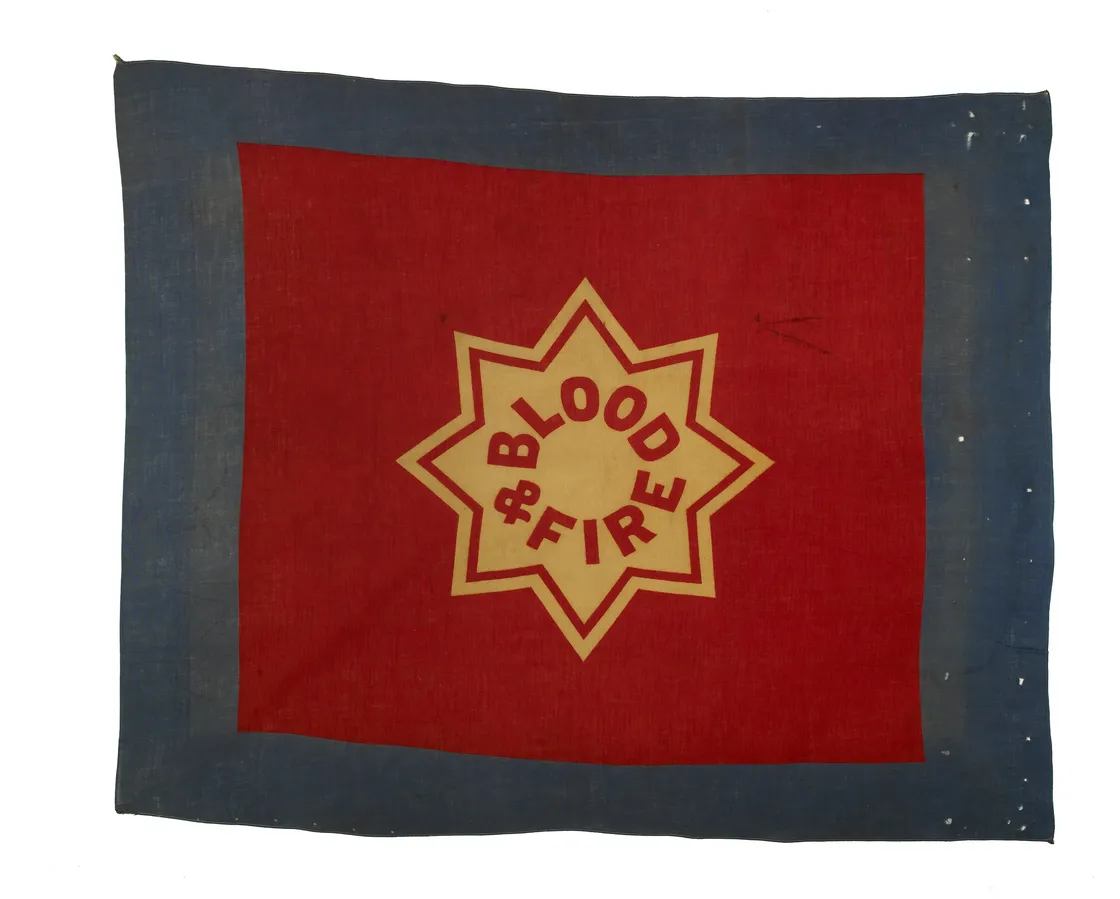
The Salvation Army flag emblazoned with the slogan ‘Blood & Fire’.
Saving souls and social relief
The Booths’ early preaching was about saving souls and winning converts to the cause. By the mid-1880s, army officers realised that those living in poverty needed social, as well as spiritual, transformation.
Social relief work became part of the mission. Shelters for the homeless were set up. People went to the slums to nurse the sick and help with child care. Rescue centres for destitute women were established.
The first women’s night refuge was opened on Hanbury Street in Whitechapel in 1884, before relocating to Dalston in 1885. A second, larger refuge was set up on the same street in 1889, with 250 beds. The refuge played a key role in protecting homeless women whose vulnerability was exposed by the Jack the Ripper murders in 1888.
“Wipe away the sad stigma from the British banner that our horses are better treated than our labourers”
William Booth, In Darkest England and the Way Out, 1890
In Darkest England
The Salvation Army’s social work ramped up in the 1890s due to greater awareness of high levels of poverty in England. Booth published In Darkest England and the Way Out in 1890, in which he proposed solutions to social problems of the time. “Let us arise in the name of God and humanity, and wipe away the sad stigma from the British banner that our horses are better treated than our labourers,” he wrote.
He argued that providing access to food, shelter, work and even emigration to colonies like Canada would improve poverty, unemployment and addiction. His radical ideas differed from the traditional Anglican church approaches to these social issues.
The Darkest England scheme included a number of initiatives designed to tackle issues like homelessness, unemployment, slum housing and sex work.
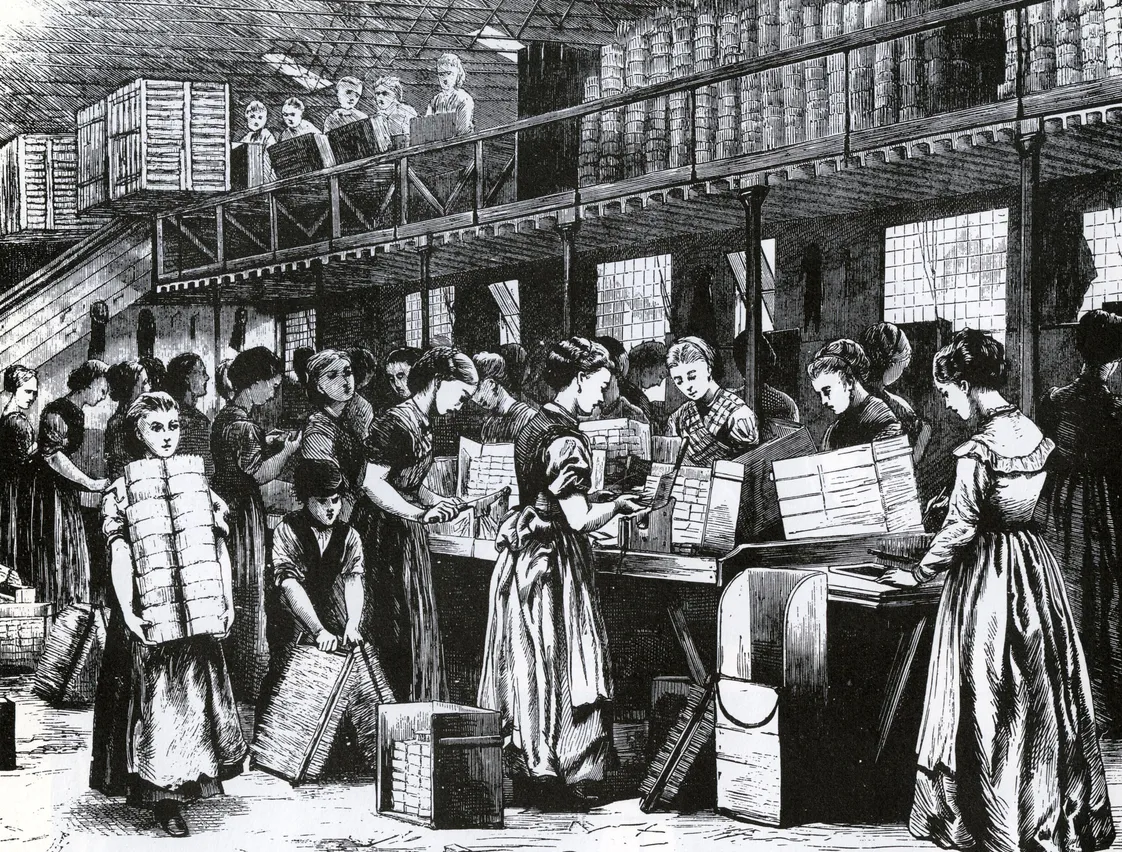
The Salvation Army opened a match factory in east London in 1891, which produced ‘Lights in Darkest England’ matches. The wages and working conditions were better than rival factories, like Bryant & May, where match girls had gone on strike in 1888. The Salvation Army factory didn’t use toxic white phosphorus in its matches, saving its workers from ‘phossy jaw’ – the rotting of teeth and bones.
-
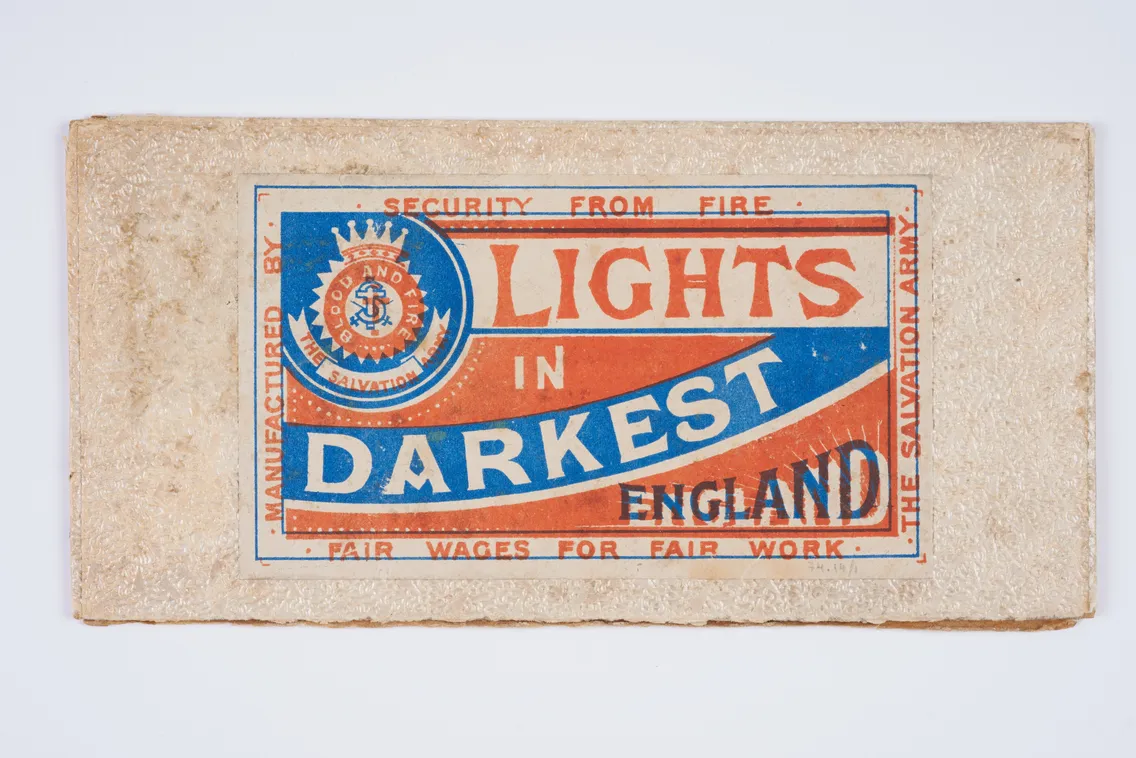
Cardboard lid from a box of Lights in Darkest England matches.
The Salvation Army tried to tackle the high levels of suicide among the poor by setting up an anti-suicide bureau in 1907. It helped over a thousand people in despair in its first three years.
Salvage stores sold cheap goods and donated clothes, giving people in need access to essentials. Salvation Army charity shops and clothing banks still exist across the country, helping fund some of the charity’s activities.
Skeleton armies and hallelujah bonnets
The Salvation Army believed that ‘low morals’, including drunkenness, were contributing to poverty and crime.
The organisation campaigned against alcohol and it was a significant force in the temperance movement. These views made it unpopular with some of the working-class communities it targeted. Many of these men and women saw alcohol as a means of escape from their desperate lives.
‘Skeleton Armies’, groups of individuals opposed to the Salvation Army’s principles, would disrupt marches and assault its members.
Catherine Booth designed ‘Hallelujah bonnets’ made of straw and silk to protect women members against the cold and “brick-bats and other missiles.”
Women played a key role in the Salvation Army. Wearing a distinctive uniform and being trained in charitable work gave them confidence to move freely amongst the slum communities.
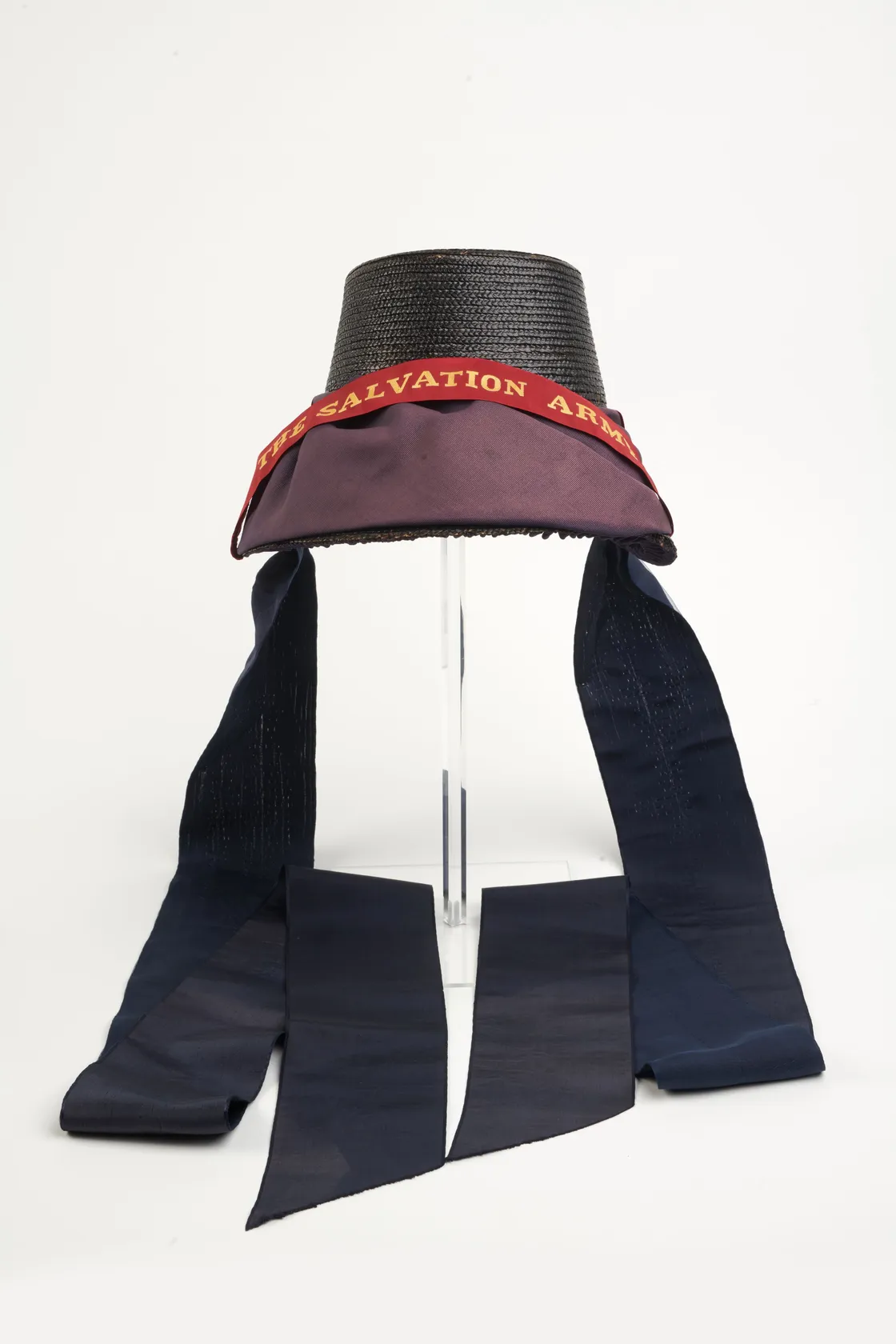
A Hallelujah bonnet trimmed with silk ribbon.
Music in the Salvation Army
Music was used to attract people and spread the message of salvation. Traditional hymns were common, but the Salvation Army also used popular music hall melodies to relate to the working-class communities they hoped to save.
As well as brass bands at larger parades, tambourines started featuring in smaller gatherings from 1881. They became popular for being cheap, portable and easy to play – 1,600 tambourines were sold to members in just six weeks in 1882.
-
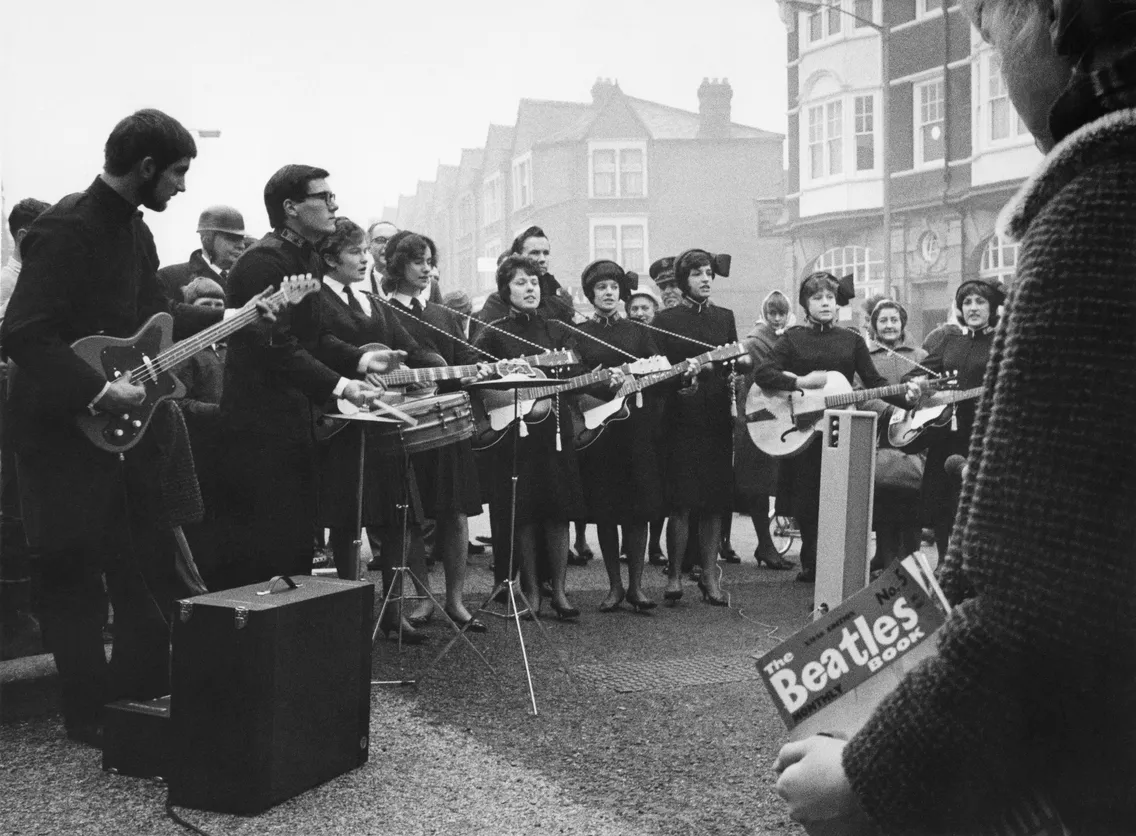
A Salvation Army band playing in Tower Hamlets.
-
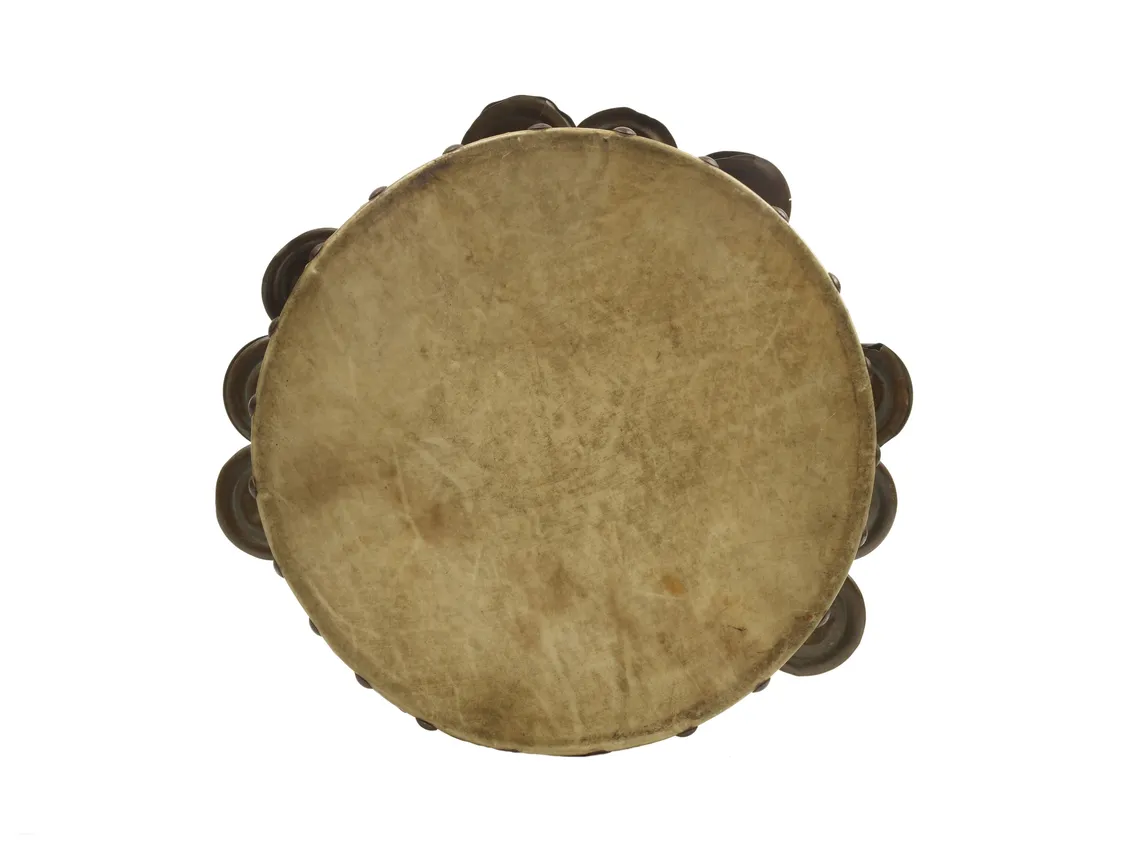
A tambourine that would have been popular with Salvation Army members.
The Salvation Army today
The Salvation Army was one of hundreds of charities working in the deprived area of east London in the 19th century. While many, such as the children’s charity Barnardo’s, continue today, few have had the same global impact.
The Salvation Army continues to offer services helping with homelessness, poverty, addiction and the elderly. It has 650 churches and community centres across the UK and Ireland, and it operates in 130 countries around the world.
The headquarters remain in the capital, on Queen Victoria Street in the City of London, just a short distance from where it was founded.
Tags
-
 Lifestyle & Leisure
What was the temperance movement?
How this anti-alcohol campaign shaped Victorian London and its drinking habits
-
 Trades & Workers
The match girls’ strike of 1888
The actions of women in an east London match factory ignited a labour movement
-
-
-
-
-
Paintings, Prints & Drawings
 Paintings, Prints & Drawings
The Salvation Army (chromolithograph)
Day and Son, Vanity Fair
1882-11-25