Peggy Jones: Mudlarking for survival
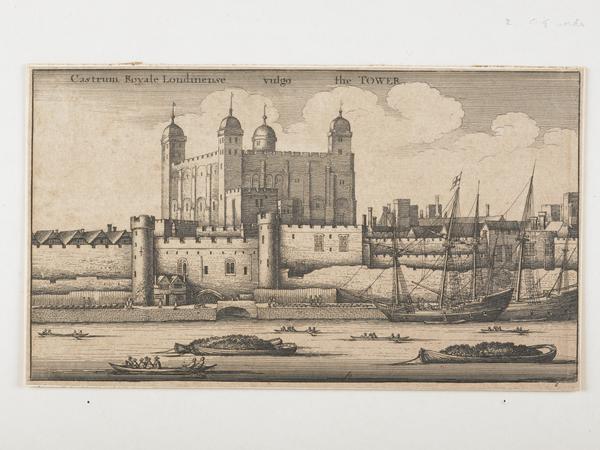
Peggy Jones was a mudlark, one of the many people who scavenged the banks of the River Thames in the 1700s and 1800s. She became a recognisable London character, and a magazine from the period preserved her story.
River Thames
1700s – 1800s
The life of a mudlark
Today, the people known as mudlarks are licensed history hunters. They carefully search the Thames foreshore during low tide for traces of London’s past.
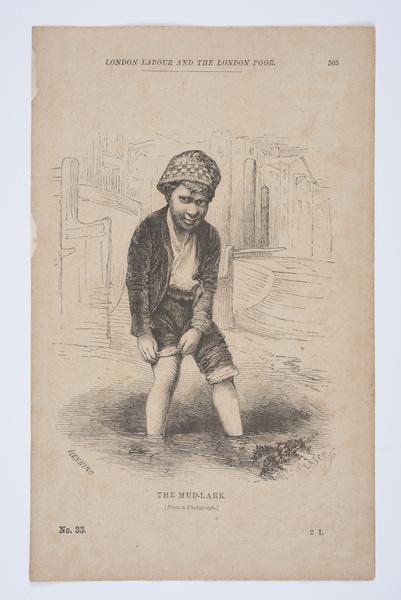
Peggy Jones’ life as a mudlark in the early 1800s was wildly different. Back then, a mudlark was someone who, driven by poverty, scavenged at the riverside to get by.
Mudlarks like Jones endured filthy, often freezing conditions in search of anything lost or discarded that they could sell for a small profit.
It was exhausting and dangerous. But without better work on offer or more support available, men, women and children all squelched along the polluted shore, hunting for coal, scrap metal, rope or bones.
How do we know about Peggy Jones?
Peggy Jones is described in a magazine from 1820. Long titles were popular then, and this publication is called the Wonderful and Scientific Museum; Or Magazine of Remarkable Characters. It was published by Ralph Smith Kirby, a bookseller.
The magazine featured all sorts to intrigue readers. There was a “remarkable turnip” resembling “a female squatting down”. A description of the Great Wall of China. And “A stone of extraordinary size extracted from the intestines of a horse”.
But mostly, there were descriptions of people, many of whom appeared with illustrations. Some of the descriptions would be inappropriate or insensitive today.
The magazine told its readers about a woman in Cork who’d supposedly grown a nine-inch horn. A Mademoiselle Lefort was included because “so equally blended are the sexes, that it is almost impossible to say which has the predominance”. It also spotlighted Patrick O’Brien, “the celebrated Irish giant” who’d appeared at Bartholomew Fair in Smithfield.
-
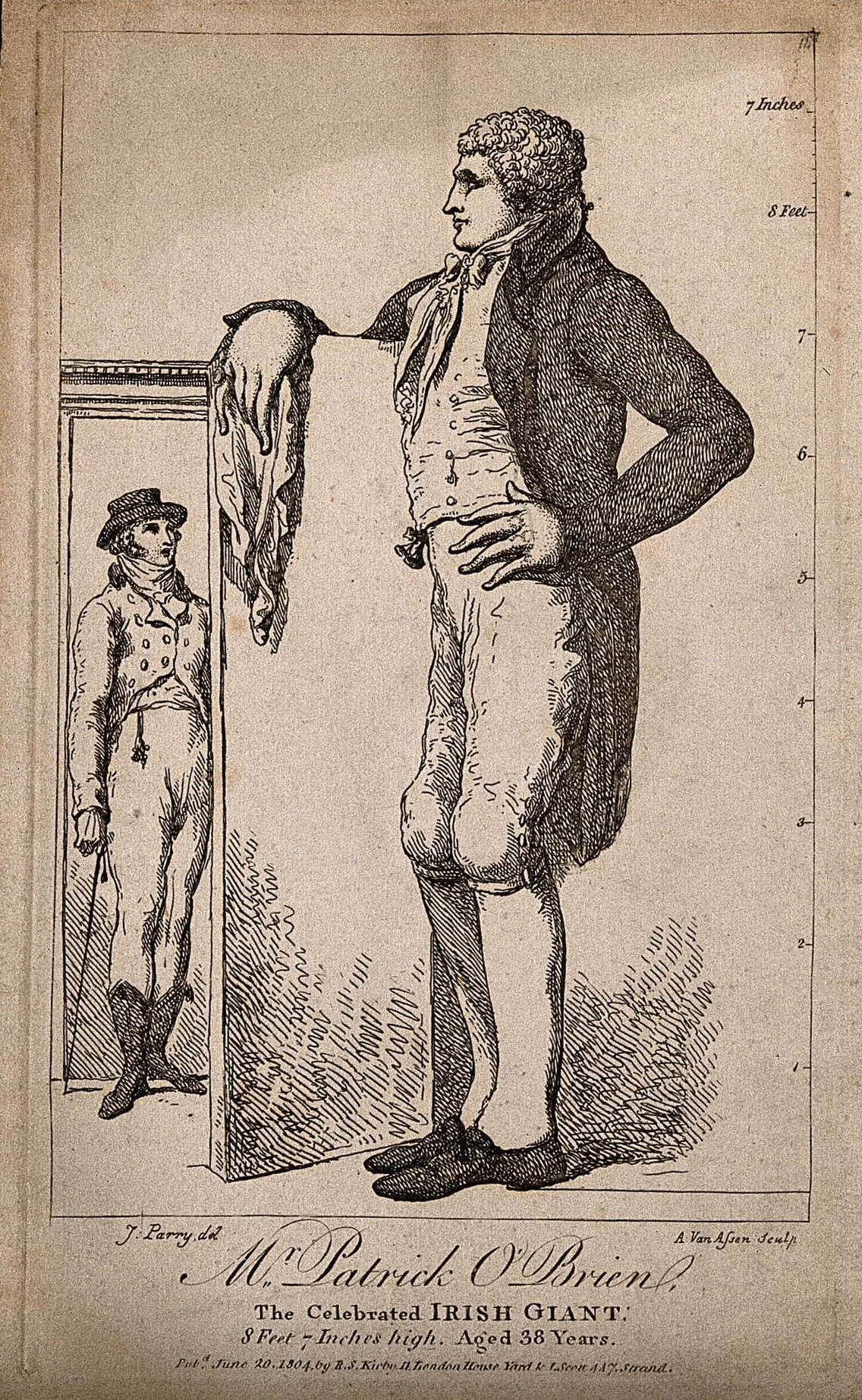
Patrick O’Brien was featured in Kirby’s Wonderful and Scientific Museum.
-
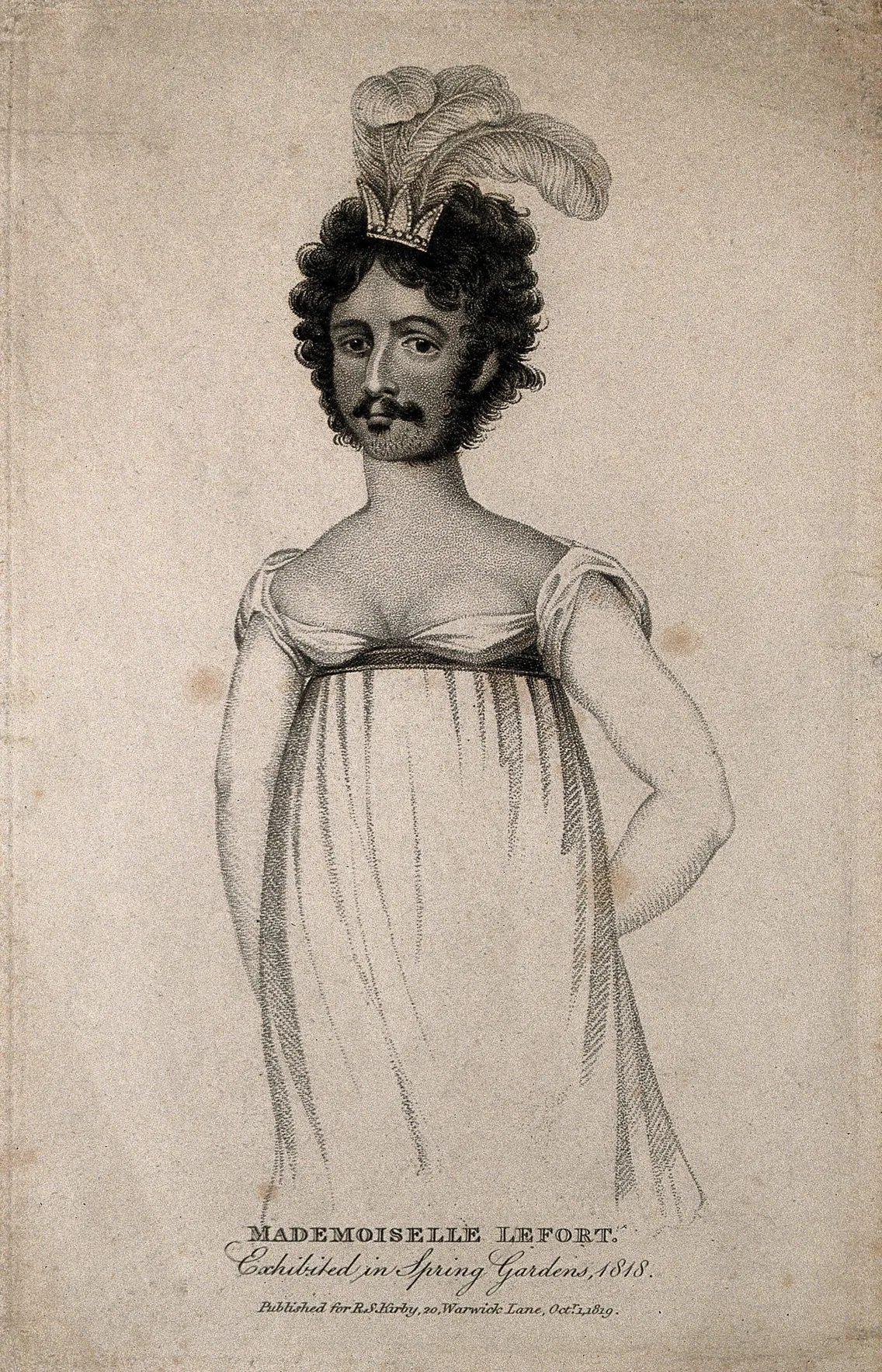
Mademoiselle Lefort also appeared in the magazine.
Peggy Jones was one of the less sensational characters. She was included because she was a recognisable Londoner, one of many who’d found a distinctive way to survive poverty in the dog-eat-dog capital.
The magazine argued that “in the midst of a crowded city”, people were less likely to help each other. Many Londoners could only rely on “the individual exertions of his strength, his talents, or his ingenuity”.
Who was Peggy Jones?
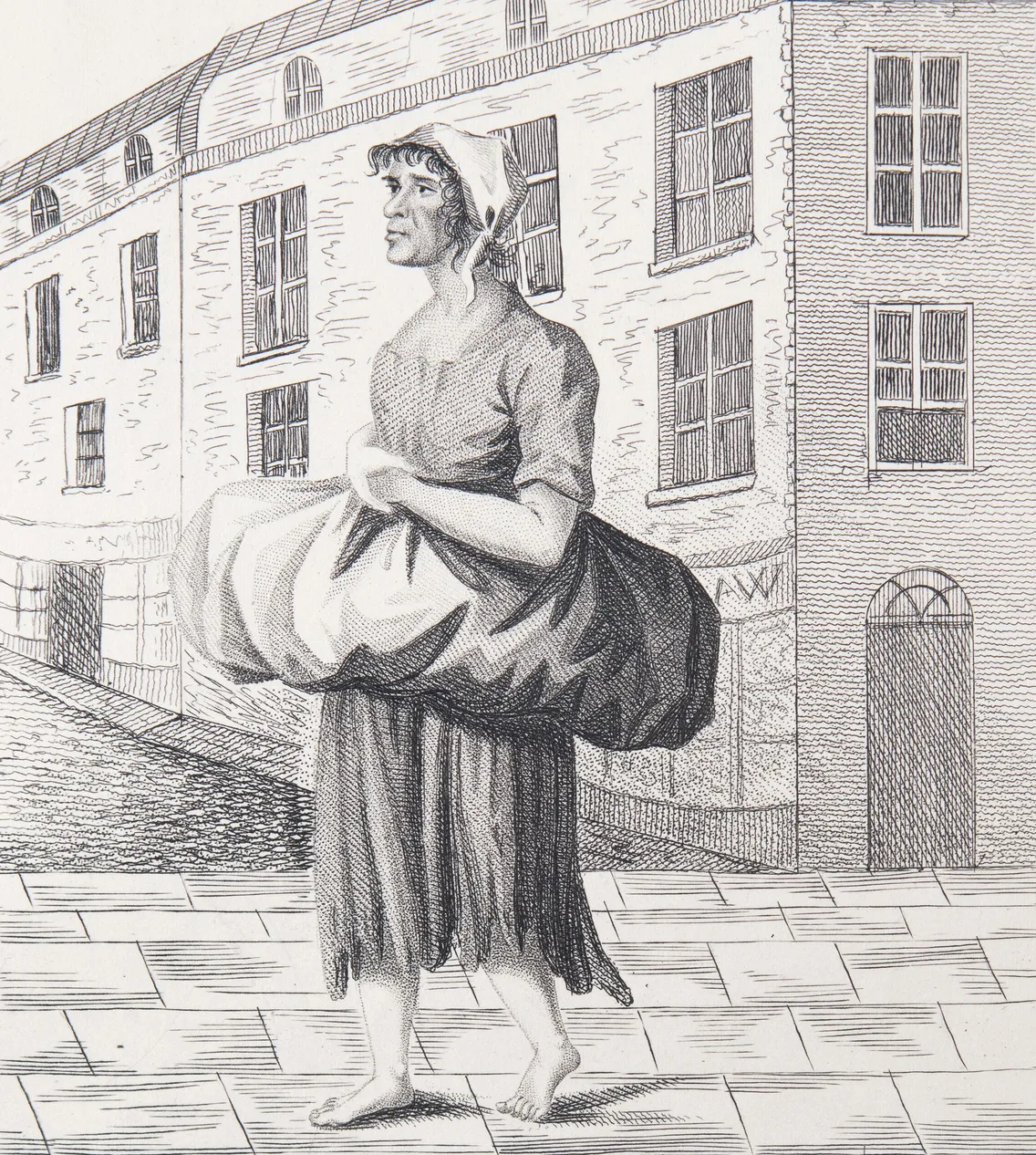
Jones was around 40 years old at the time the magazine was written. She had red hair and “appeared dressed in very short ragged petticoats, without shoes or stockings.”
She’s said to have lived in “a wretched lodging” on Chick Lane. This is likely to have been a street at west Smithfield that no longer exists.
The magazine also says that she drank heavily, after which “she would tumble about the streets”. Working-class people, and those in poverty, are often stereotyped as being alcoholics. The magazine repeats this stereotype about people from the “lower orders”.
But heavy drinking was common among all classes at this time. Strong spirits, like gin, had become widespread. Alcohol was used as medicine, even for children, leading many people into addiction.
Jones’ life was hard. Her work was tough and badly paid. It’s not unlikely that she drank for some relief.
-
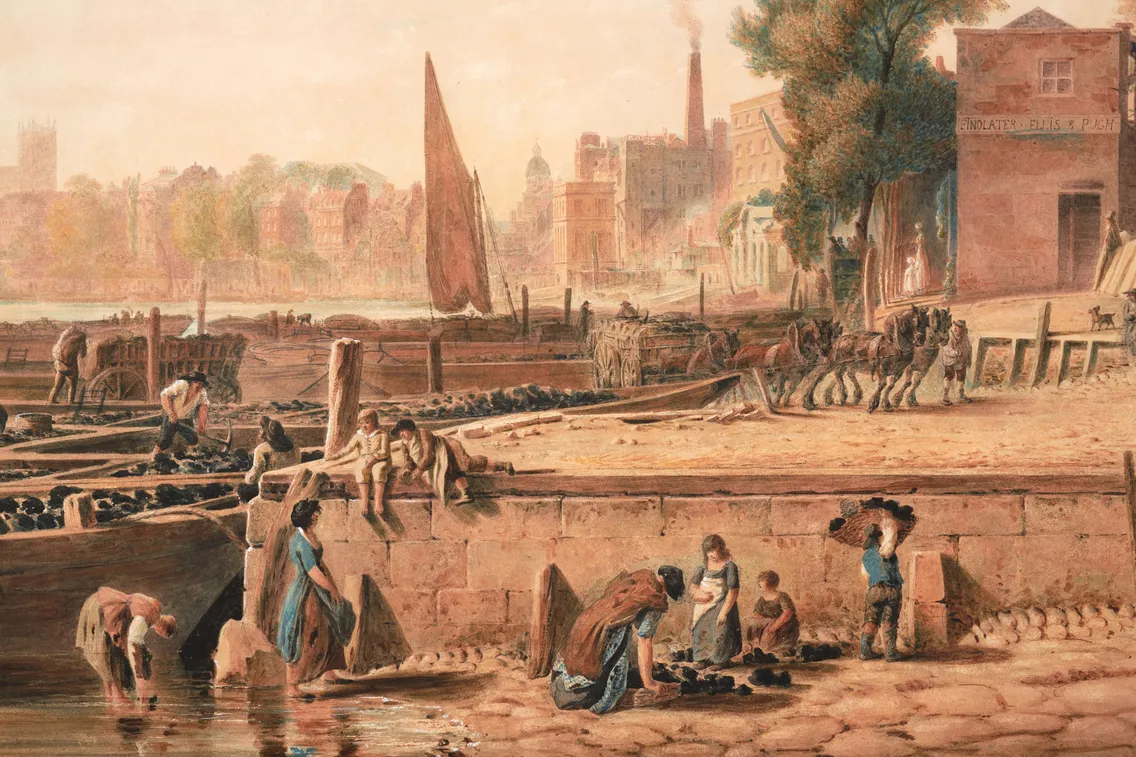
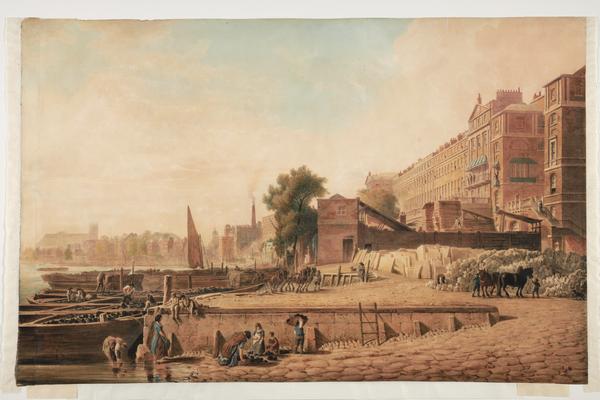
This painting from 1805 to 1815 shows coal barges being unloaded in central London, and mudlarks picking up dropped coals.
What was Peggy Jones searching for?
Jones was looking for coal that had been dropped from boats. She focused her search on the shore at Blackfriars, on the north side of the Thames.
She was regularly seen from Blackfriars Bridge, “even before the tide was down, wading into the water, nearly up to the middle, and scraping together from the bottom, the coals which she felt with her feet”.
Londoners burned coal to heat their homes and cook. It was delivered in huge quantities by ships from Newcastle, and smaller boats ferried it along the Thames.
Jones was apparently helped by the people working on the coal barges, who would “kick overboard a large coal” when they saw her. Mudlarks were often accused of stealing from the barges on the river.
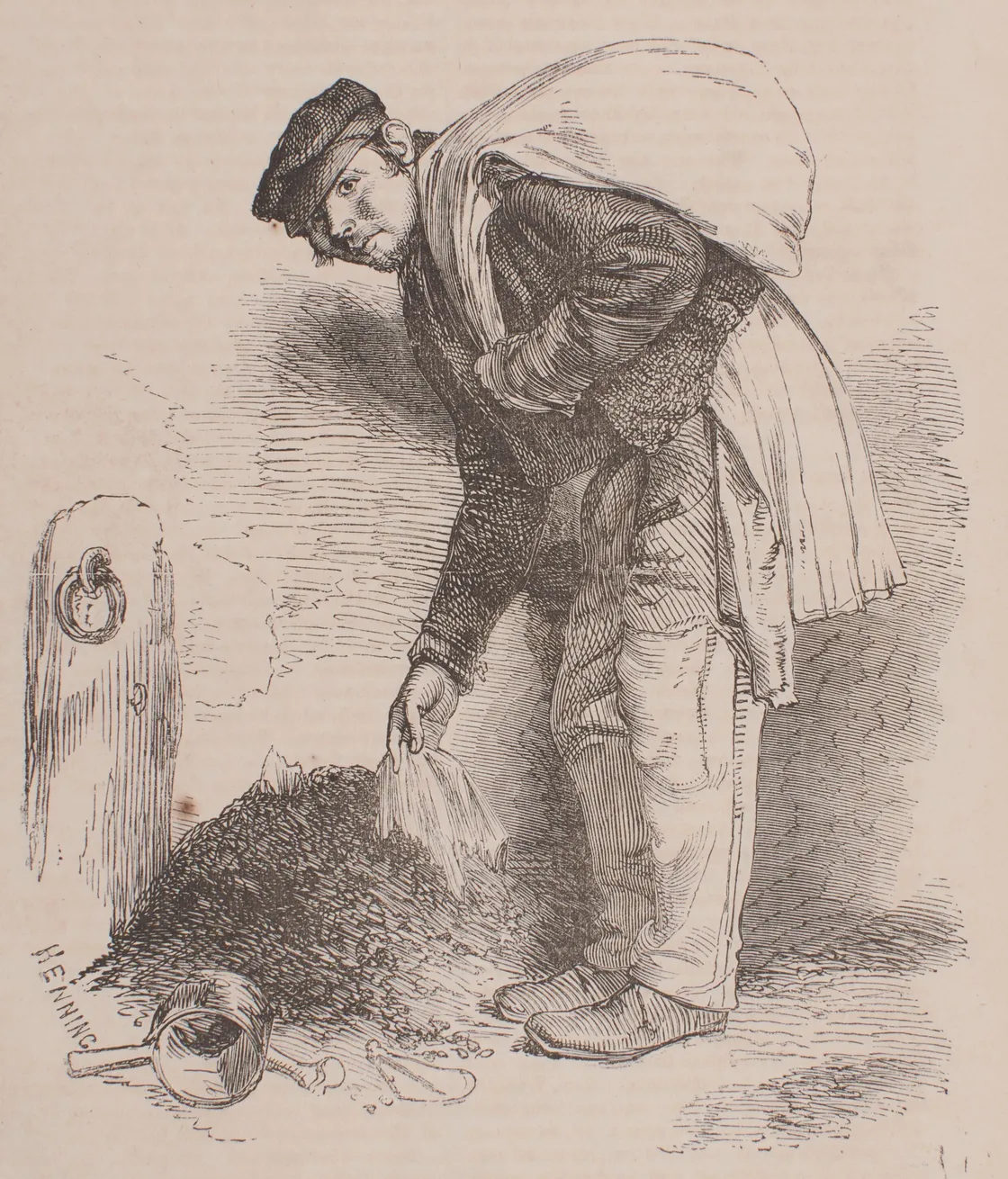
A ‘bone-grubber’ who scavenged London’s streets, from Henry Mayhew’s London Labour and the London Poor.
Jones sold the coal she found
She placed the lumps of coal in her apron, which folded up like a bag.
Then, “her legs encrusted with mud, she traversed the streets of the metropolis. Sometimes she was industrious enough to pick up three… even four loads a day.”
Coal was always needed: “Jones was never at a loss for customers, whom she charged at eight pence a load.” Today, that would be worth roughly £5. So, even if Jones collected four loads in one day, she’d only be earning the equivalent of £20 today.
Mudlarks weren’t the only ones making a living from scavenging. The journalist Henry Mayhew, writing in the 1850s, described several different types of “street-finders” in the city.
What happened to Jones?
Kirby’s magazine reports that Jones disappeared some time around February 1805. We don’t know why. A “coal heaver” is said to have worked her patch after she’d gone.
Tags
-
-
Paintings, Prints & Drawings
 Paintings, Prints & Drawings
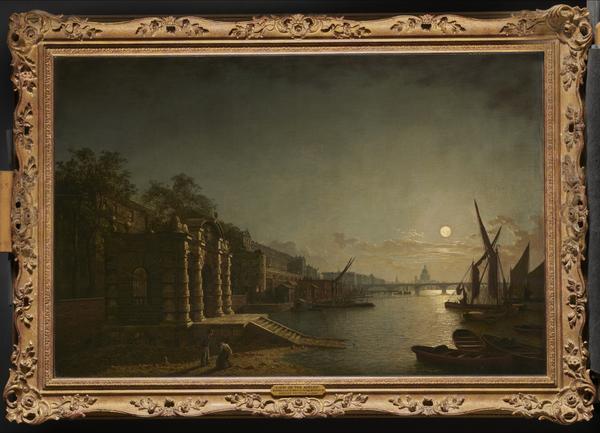
York Water Gate and the Adelphi from the River, by Moonlight (oil painting)
Pether, Henry
C. 1850
-
Paintings, Prints & Drawings
-
Paintings, Prints & Drawings