London’s famous squares
London is full of squares – there’s well over 400 and maybe more than 600 of them, depending on who you ask. These communal and often leafy green spaces have coloured the feel of the city since the first were built in the 1600s.
Across London
Since the 1630s
Covent Garden
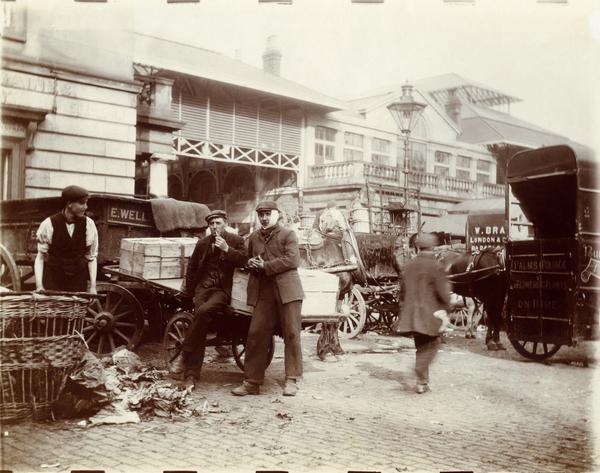
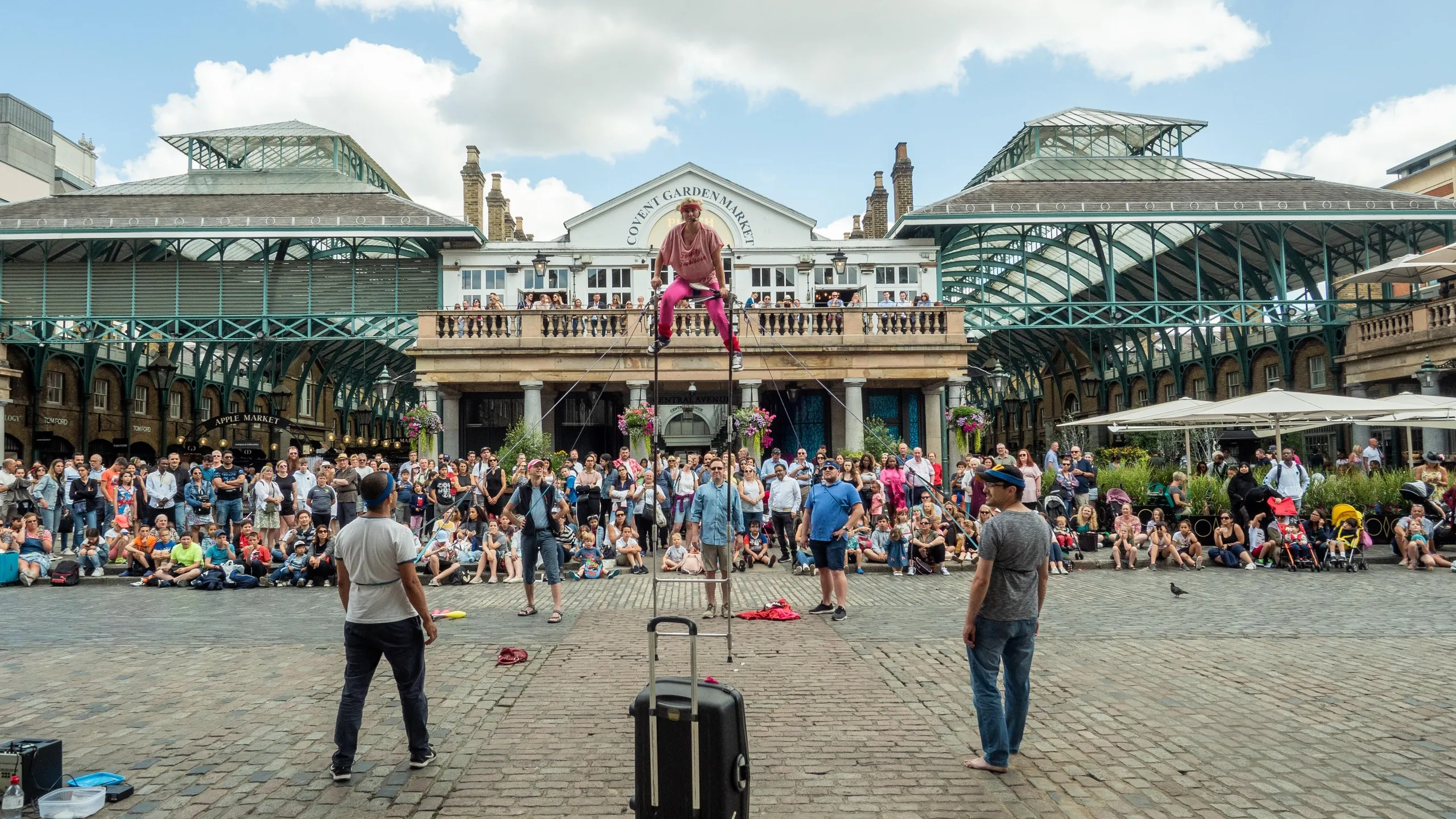
This was London’s first square, laid out in the 1630s to designs by the architect Inigo Jones. Jones had been influenced by Italian public squares, or ‘piazzas’, and surrounded his own proto-square with fashionable housing, a church and a mansion for the landowner, Francis Russell. The market evolved in the square’s centre from temporary stalls into a purpose-built building over the following 200 years.
Trafalgar Square
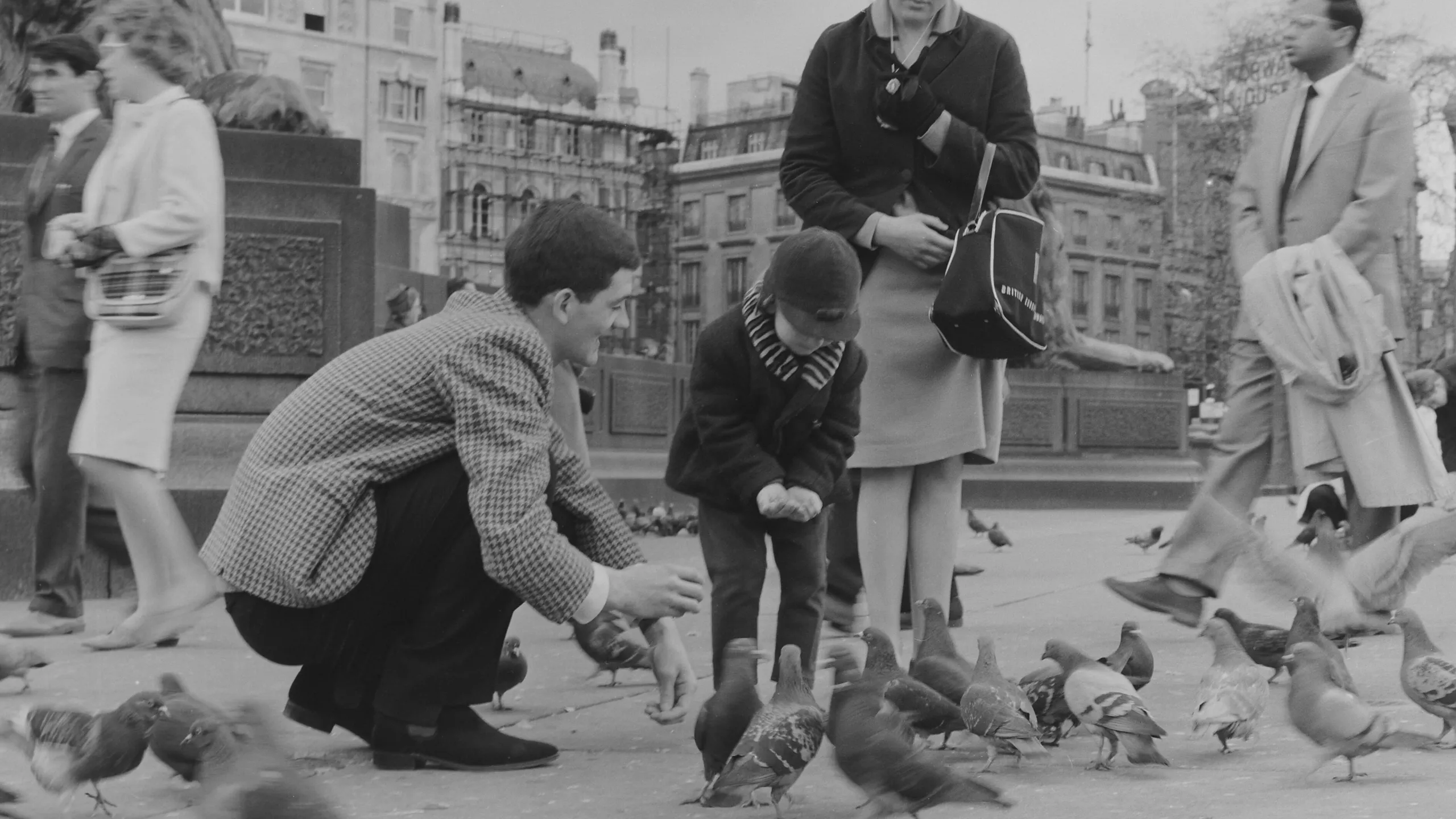
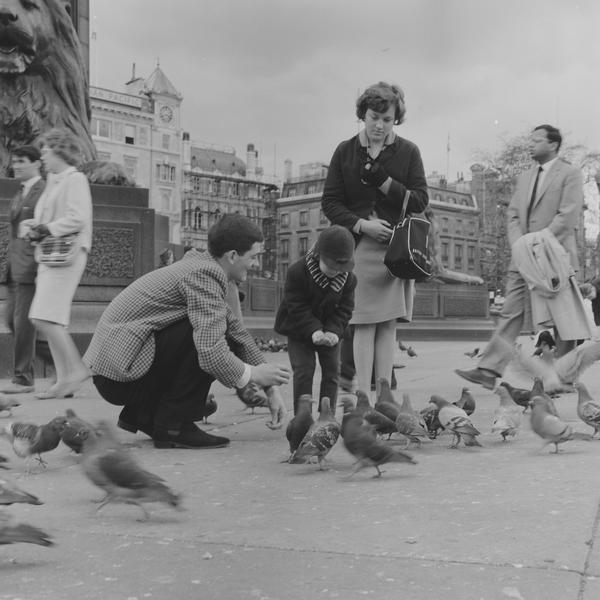
Officially opened in 1844, Trafalgar is one of London’s few squares built to be a public space from the start. It’s always been an important site of protest and commemoration, including anti-war and nuclear weapons demonstrations, Suffragette rallies and World Cup celebrations. Feeding pigeons here had been a popular pastime from the 1800s, but it was banned in 2003 after the birds – and their droppings – all got a bit too much to manage.
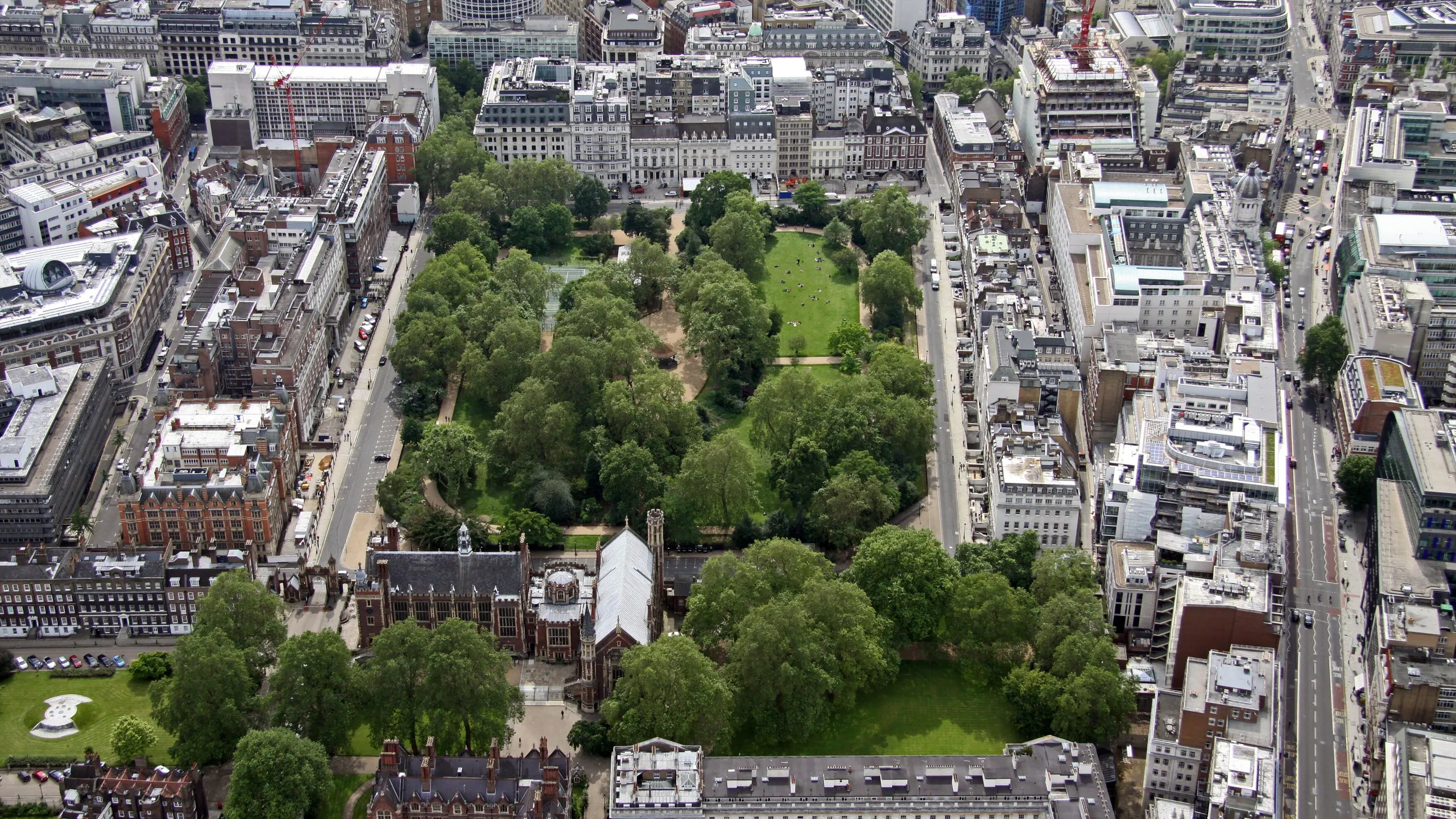
Lincoln’s Inn Fields
London’s largest public square, Lincoln’s Inn Fields was developed in the 1600s as residences for the wealthy and elite. The architect John Soane lived there, and his house is now a museum. It was an execution site in the 1500s and 1600s and, in the 1700s, had a reputation for crime. From the 1980s, the Fields was one of London’s largest homeless sleeping sites until it was enclosed and the people staying there were displaced in the early 1990s.
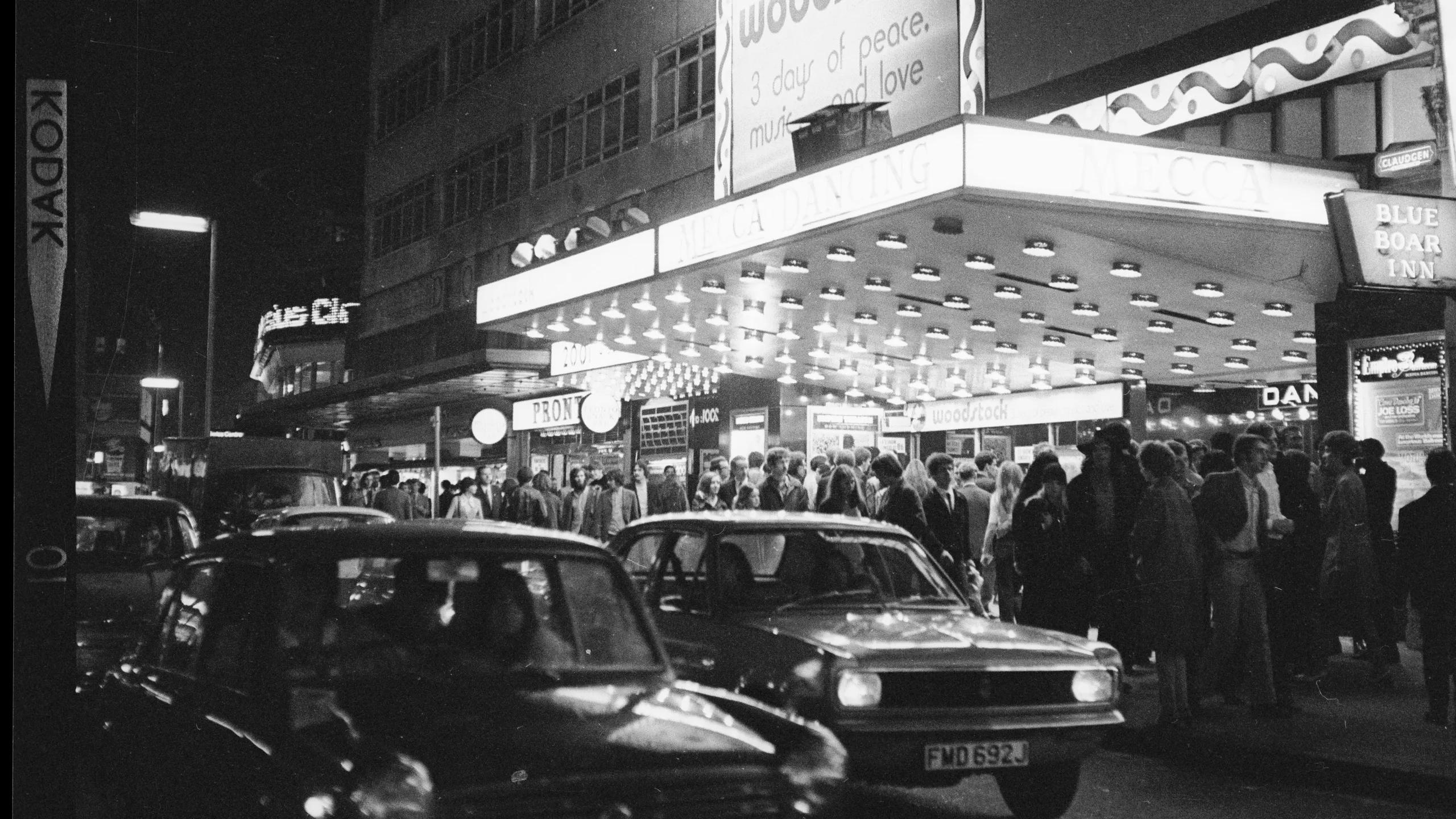
Leicester Square
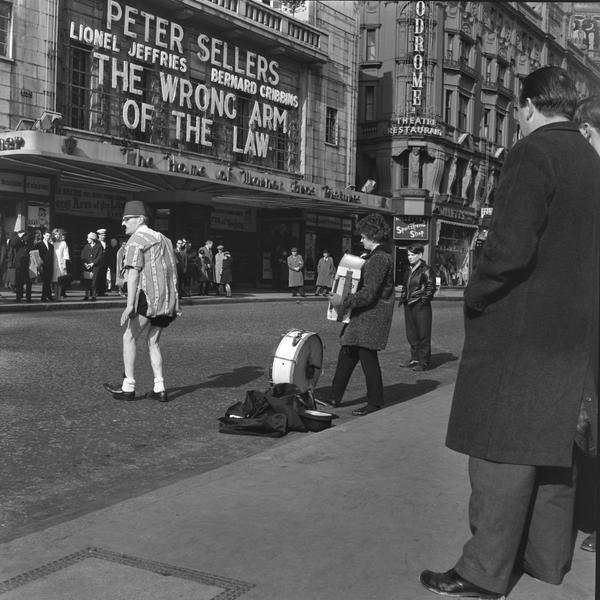
This West End square may look a little tired nowadays, enclosed by chain restaurants, hotels and casinos. But you don’t need to look too far back to find its glamour. In the 1700s, the square’s handsome terraces were home to aristocrats and artists, like Joshua Reynolds and William Hogarth. New theatres in the 1800s gave it a reputation for entertainment, followed in the 1900s by cinemas. The red carpet still rolls out here for blockbuster premieres today.
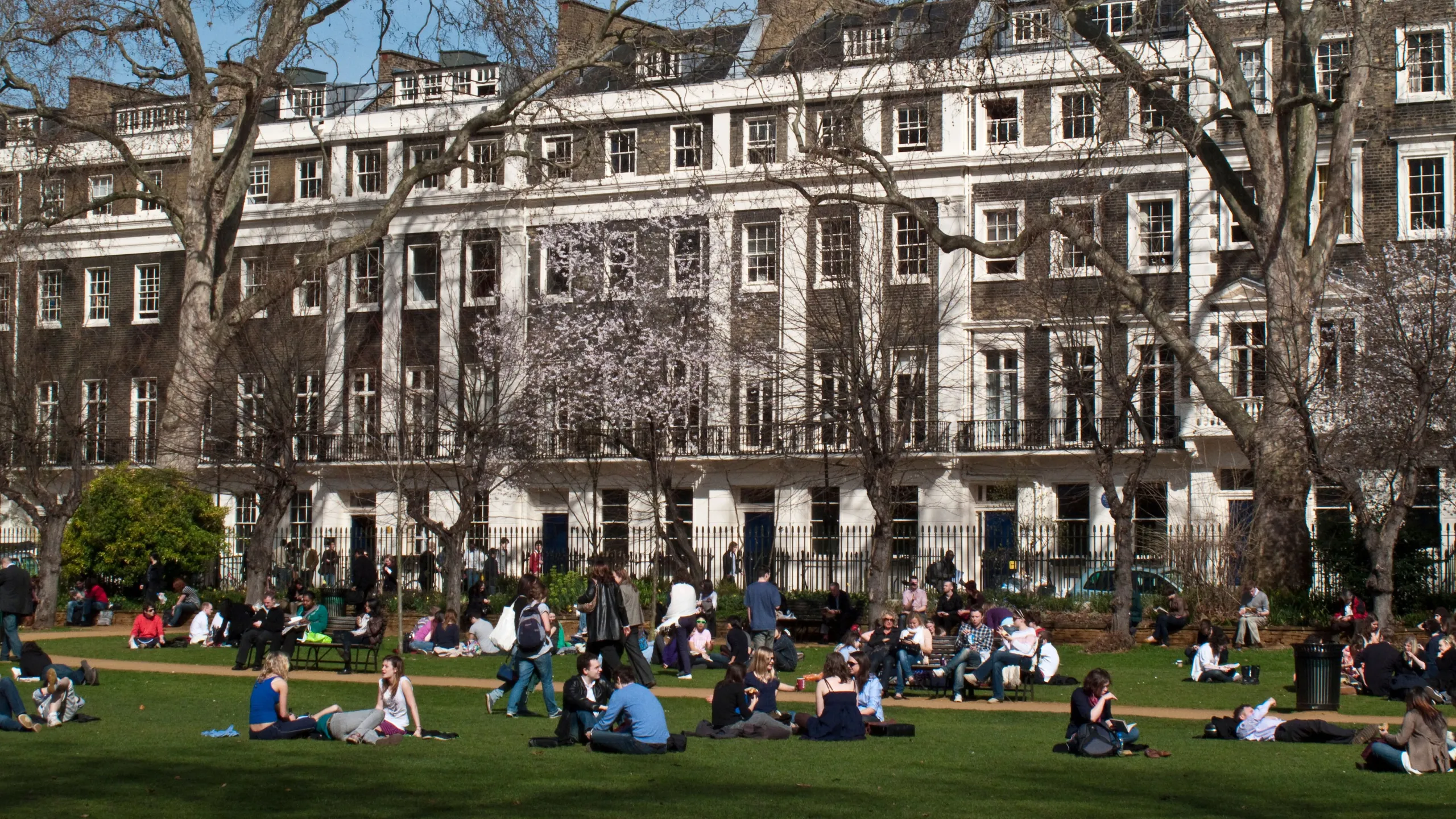
Gordon Square
Bloomsbury’s Gordon Square was created in the early 1800s, a boom time for building squares in the capital. Its twin, Tavistock Square, sits just 200m east. Both were developed by the master builder and square enthusiast Thomas Cubitt. Several members of the Bloomsbury Group lived around the square in the early 1900s. This group of artists and intellectuals began their evening meet-ups in 1905 at number 46, where Virginia Stephen (later Woolf) and her brothers lived.
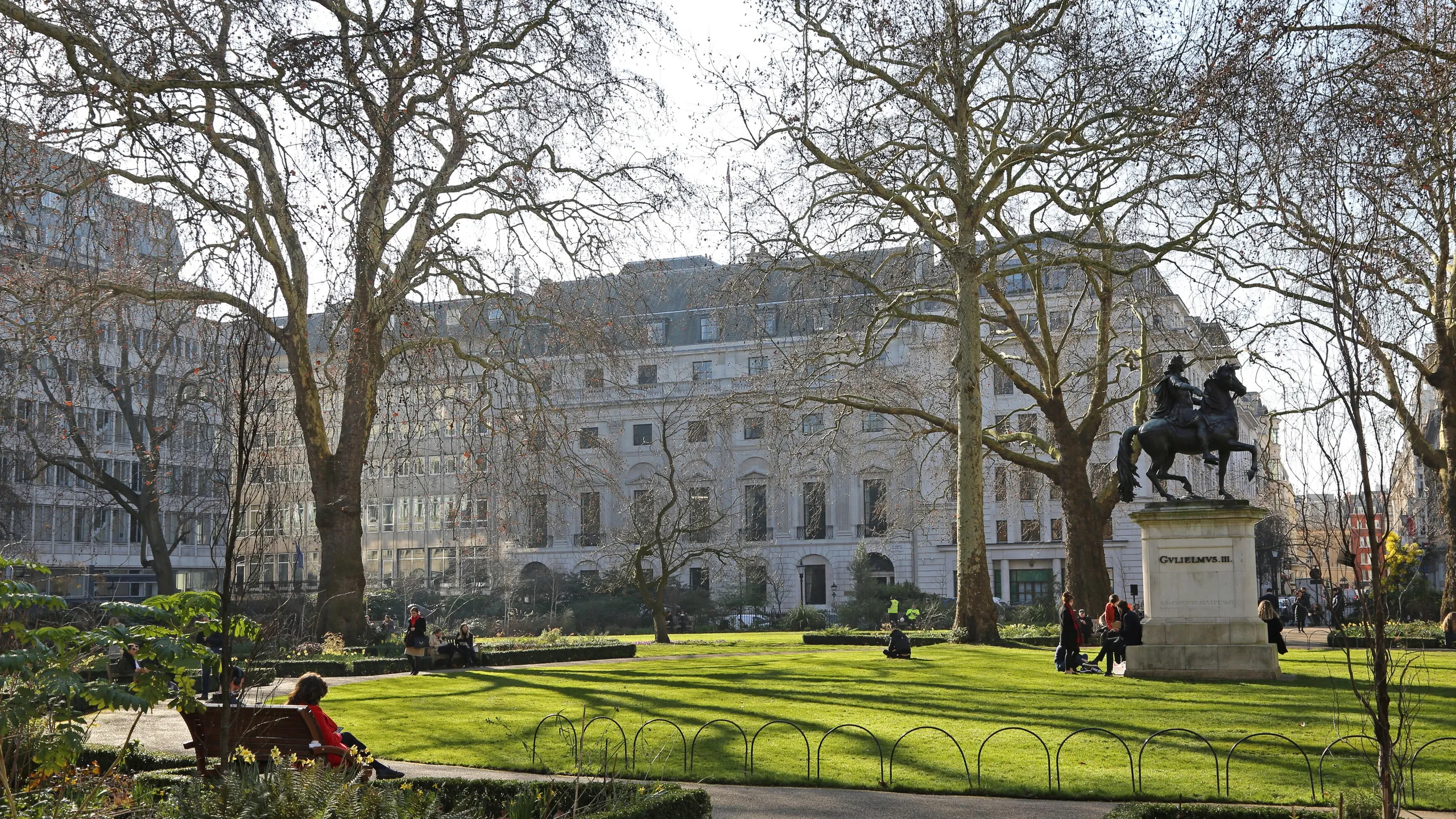
St James’s Square
Power, prestige and ambition still hang in the air of St James’s Square. The development began in the 1660s, and being right near St James’s Palace, it became one of the city’s most desirable postcodes in the 1700s. Nowadays, the aristocratic residents have moved further west, replaced with exclusive clubs and office headquarters for companies like Rolex and BP.
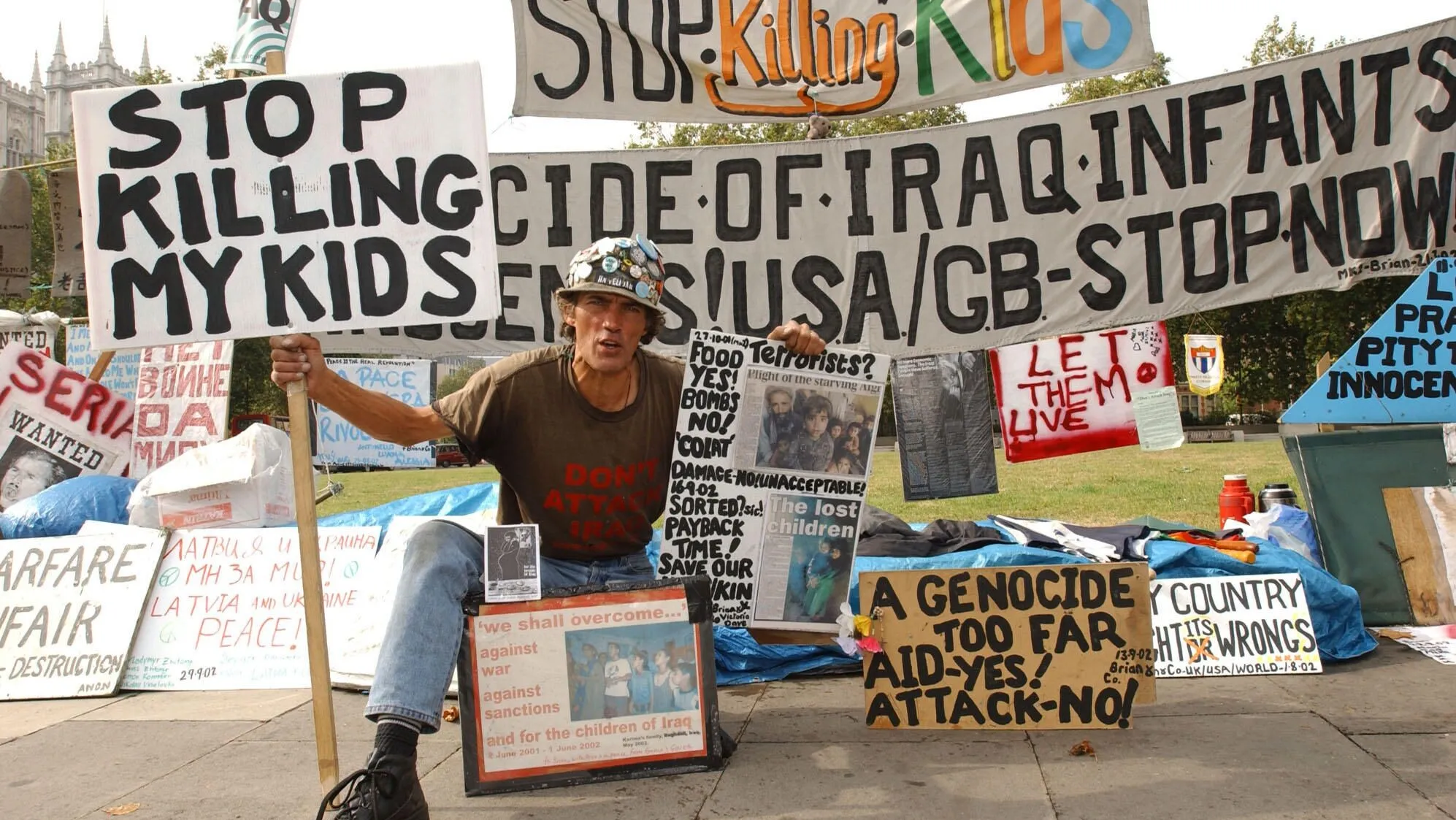
Parliament Square
Parliament Square was laid out in the shadows of the Houses of Parliament and Westminster Abbey in 1868, placing it right at the heart of government. Unsurprisingly, it’s been the site of many protests. A peace campaigner named Brian Haw camped on the pavement there for almost 10 years to protest war and the UK and US’ foreign policy.
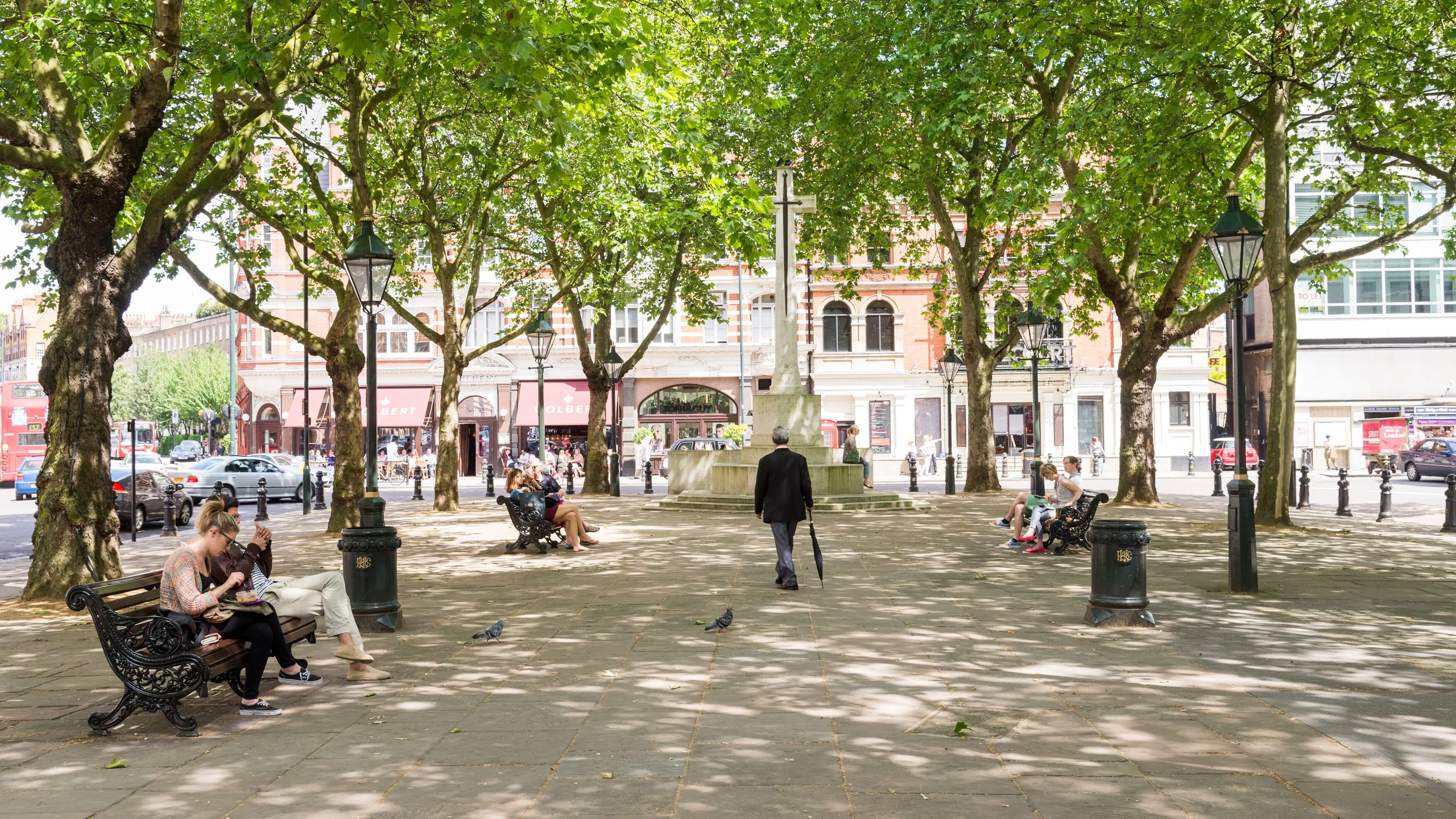
Sloane Square
Sloane Square isn’t much of a looker, being all paved over. The square was enclosed in 1771 and named after Hans Sloane, the physician and collector whose objects founded the British Museum. It also lends its name to ‘sloane rangers’, a 20th-century term for upper-class Londoners (mostly women) who had more traditional and luxurious tastes and lived in the surrounding area. Princess Diana was considered the typical ‘sloane’ in the 1980s.
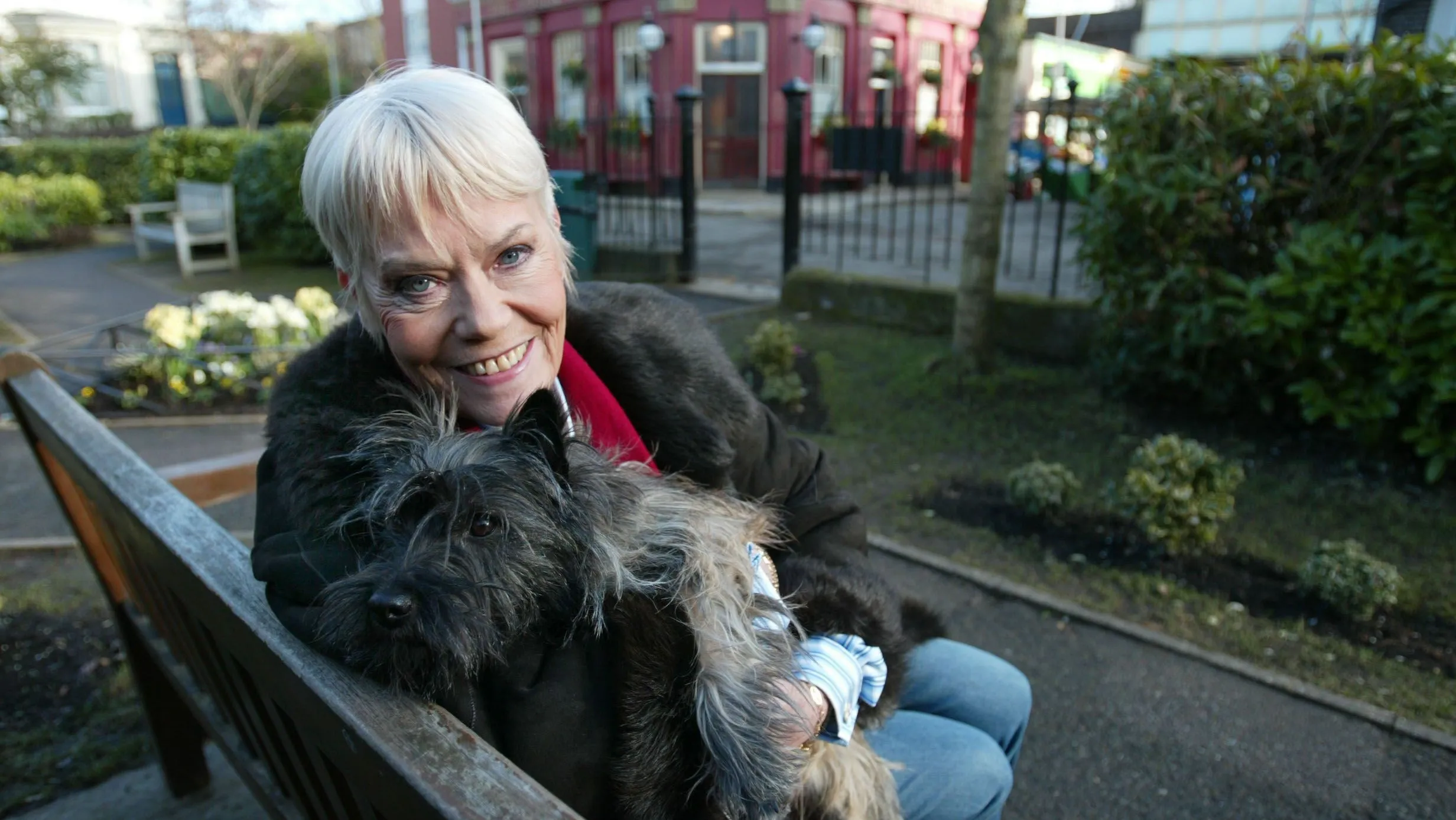
Albert Square
Ok, you can actually find a real Albert Square in south London, just off Clapham Road. But the famous one is the setting of the hugely popular BBC soap opera EastEnders, broadcast almost every week since 1985. Much of the action takes place around this little garden square – which has its own pub, the Queen Vic – in the made-up east London borough of Walford. The show is filmed in Hertfordshire, but Albert Square was itself influenced by a real square in Hackney called Fassett Square.
Tags
-
Photography
-
Photography
-
-
Photography
 Photography
Street performer outside the Warner Theatre, Leicester Square (cellulose acetate negative)
Grant, Henry
C. 1963