The history of the Aldgate Pump
Marking the point where the East End begins, the Aldgate Pump has a deadly history. It was once nicknamed ‘the pump of death’ due to its contaminated water supply. Now, it’s a listed monument.
Aldgate, City of London
Since the 1860s
Where is the Aldgate Pump?
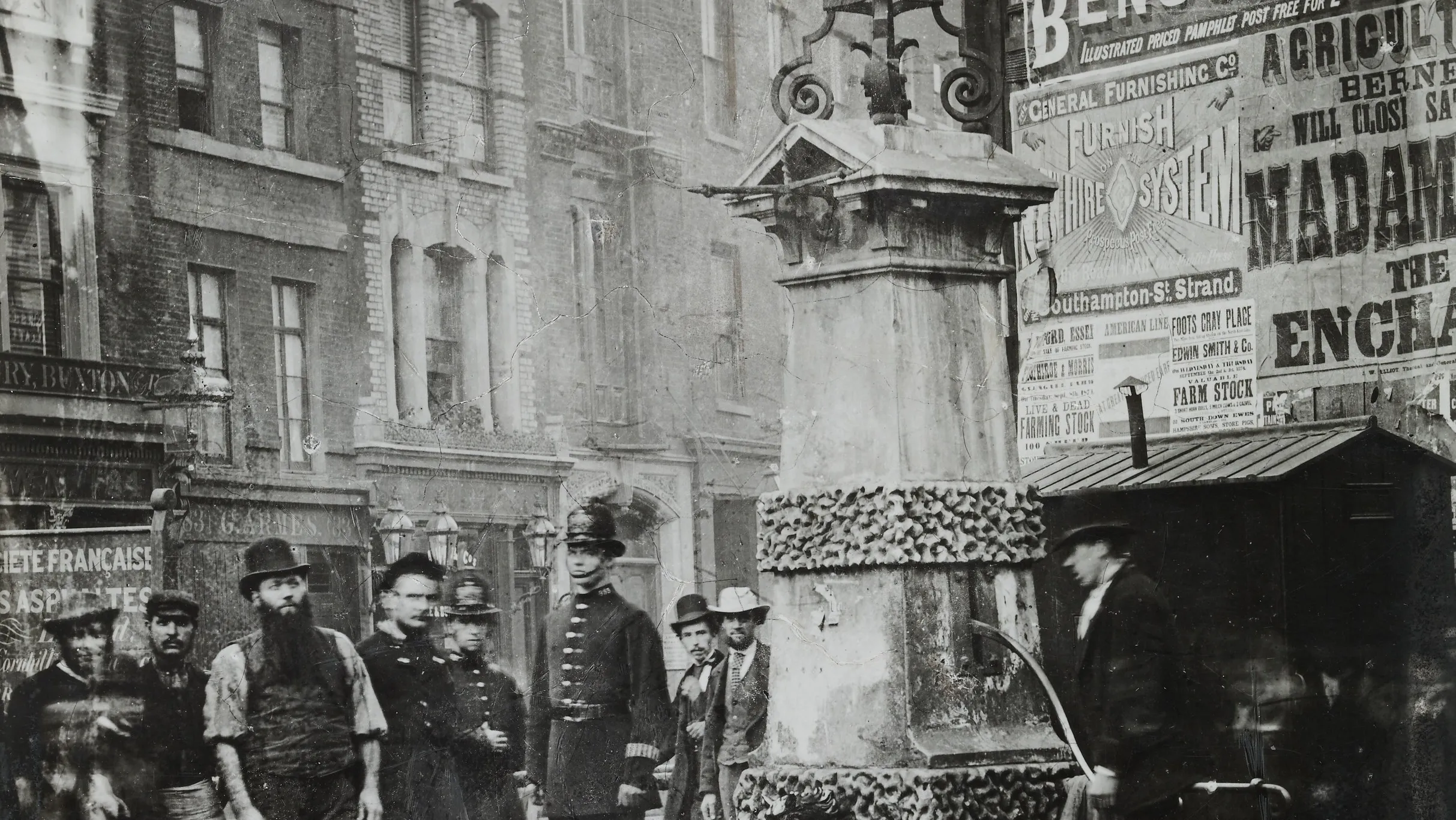
The Aldgate Pump can be found at the junction of Leadenhall Street and Fenchurch Street, in the City of London. But this is several metres west of its original location. The pump was moved here during the 1860s as the streets were being widened. This image in our collection shows it in use around 1880.
The history of the Aldgate Pump
There’s mention of a well on the original site of the pump at Aldgate as far back as the time of King John, around the early 13th century. A structure at the same location is shown on a map of London published in 1574. A pump is referenced in John Stow’s 1598 Survey of London, a comprehensive street-by-street account of the 16th-century city.
Start of the East End
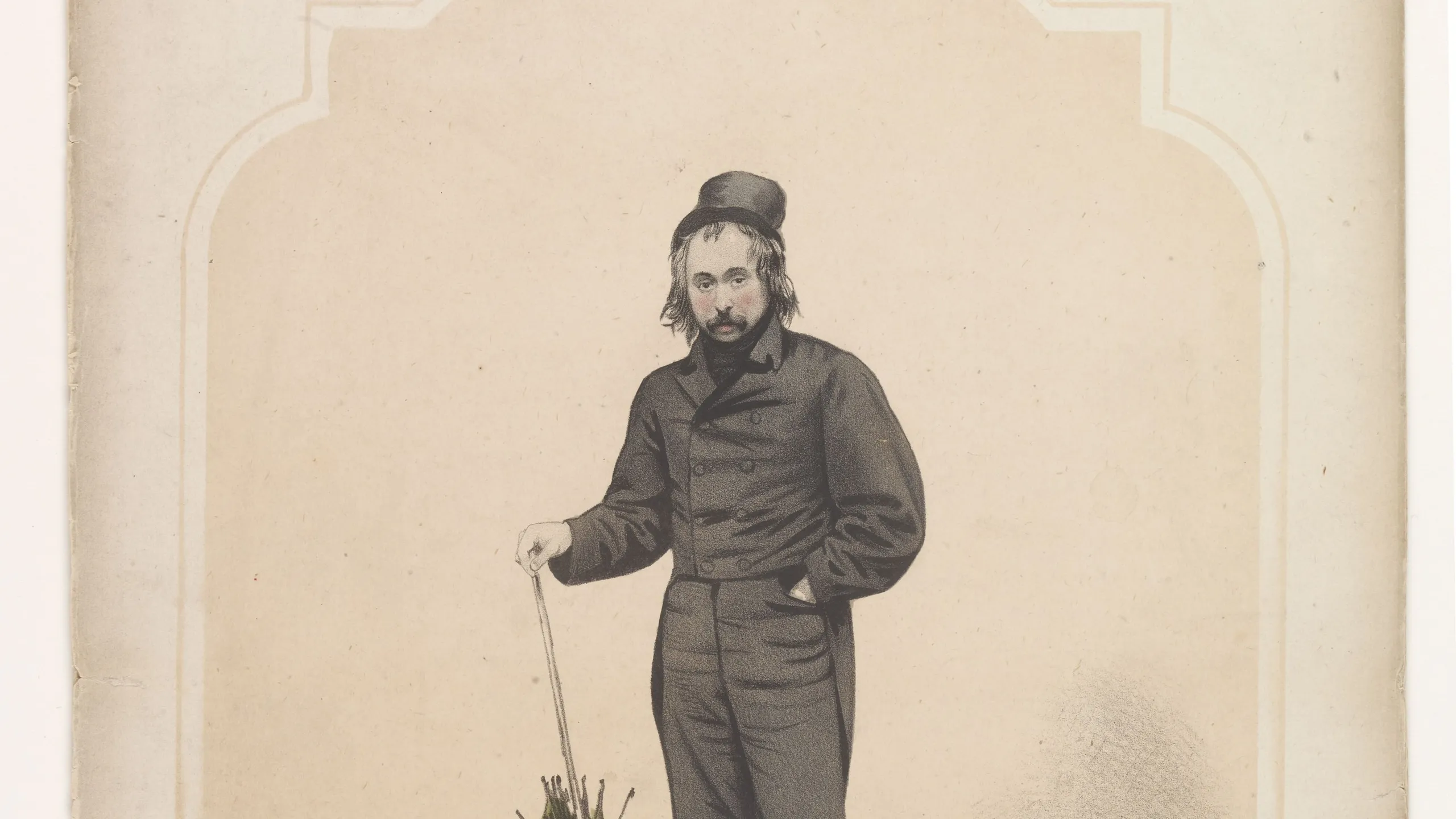
As well as being a marker for distances measured into Essex and Middlesex, the pump was the symbolic start of the East End. The Aldgate Pump was mentioned as a location by both the author Charles Dickens and music hall singer Arthur Lloyd, depicted on this sheet music cover in our collection.
![2Y734F2 [no caption, date or location]
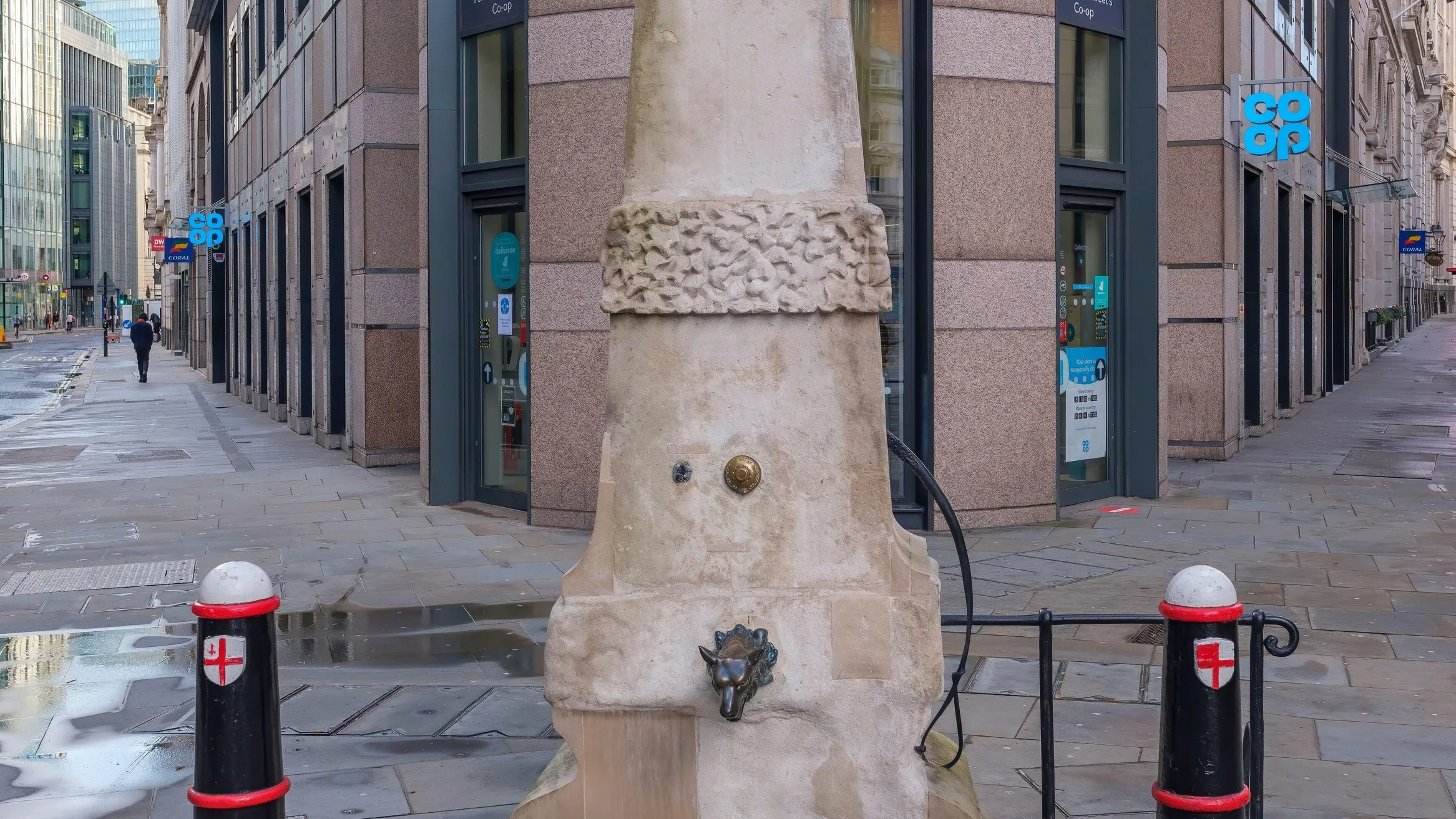
Aldgate Pump marks the boundary between the East End and the City of London. The faucet in the shape of a wolf commemorates the last of these beasts to be shot outside the walls of the City.](https://media.londonmuseum.org.uk/images/Aldgate-Pump-in-use.65aa612f.fill-2560x1440.format-webp.webp)
Water from the Aldgate Pump
Water pumps were introduced in London in 1581 to replace the gravity conduit system that had supplied the city. With no running water available in homes, pumps provided clean water to the local population. An 1879 edition of the British Medical Journal said the water coming from the Aldgate Pump had “cool nitrates and sparkling character”, and it was popular with locals. But it turns out that this coolness was actually deadly.
Cholera in London
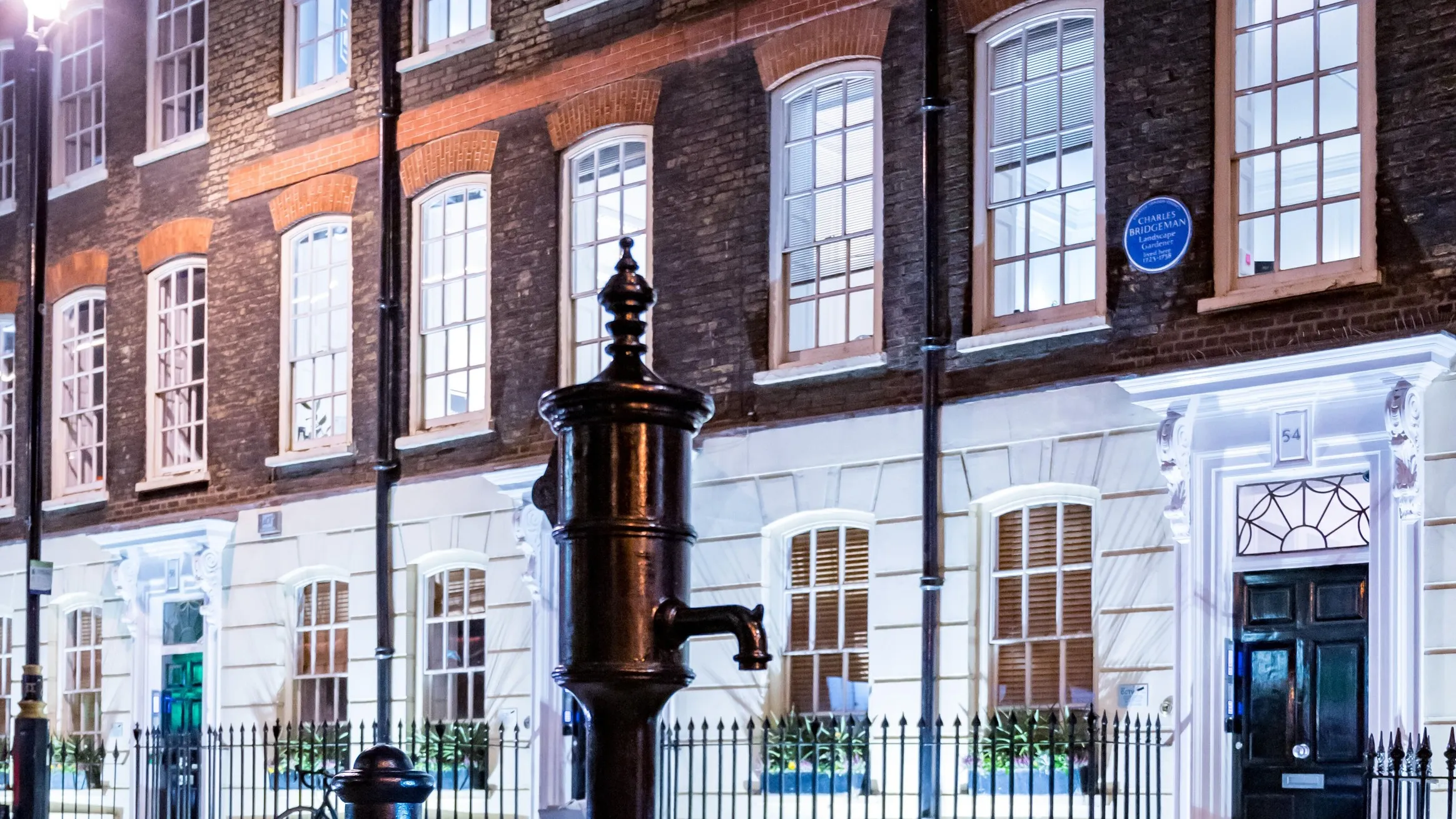
London’s population was exploding in the 19th century, and providing clean water to a growing number of people was a huge challenge. The lack of a unified water and sanitation system resulted in periodic deadly outbreaks of cholera. In 1854, physician John Snow identified a water pump in Soho as a source of the disease. Just over two decades later, the Aldgate Pump was at the centre of another deadly outbreak.
The ‘pump of death’
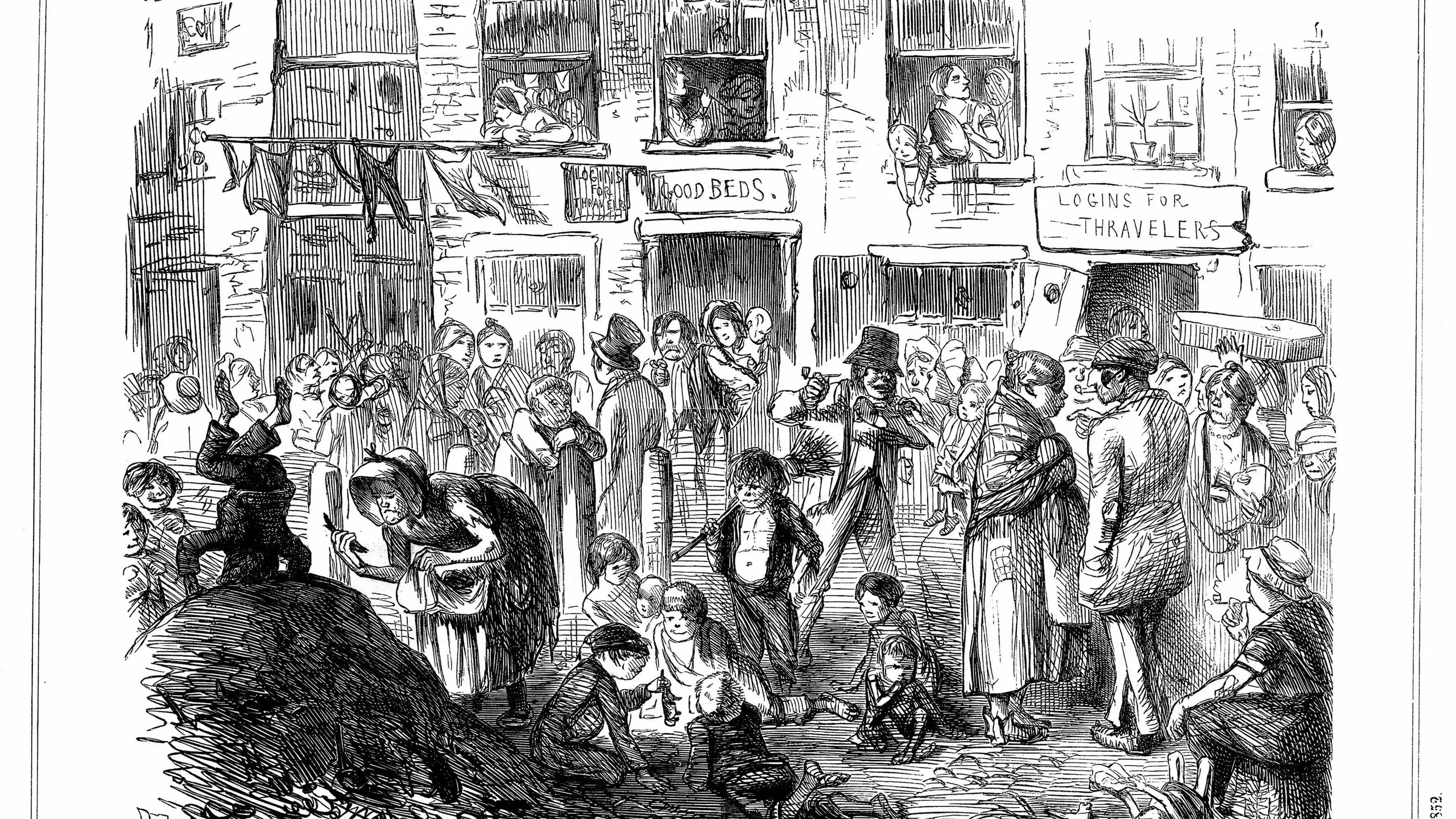
Water from the Aldgate Pump passed through new graveyards on its way down from Hampstead, and bacteria from decaying matter contaminated the supply. Hundreds of people died during the Aldgate Pump epidemic of 1875 and 1876, leading the pump to be nicknamed ‘the pump of death’. The deadly consequences of the lack of a clean water supply were satirised in newspapers and magazines like Punch.
Is the Aldgate Pump still in use?
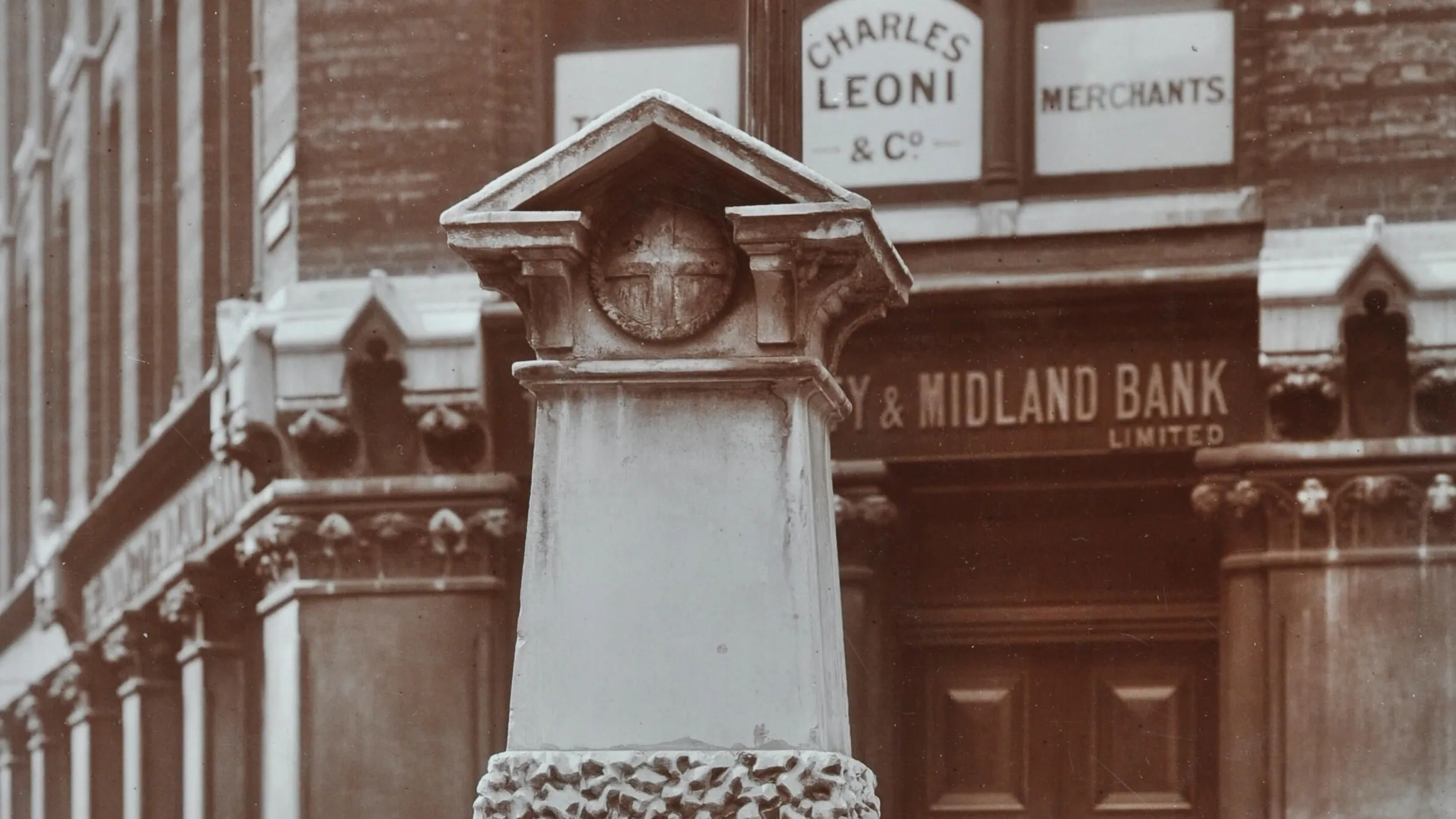
The New River Company took over the water supply for the Aldgate Pump in 1876. It remained in use in its new location near Leadenhall Market into the 20th century. As late as the 1920s, Fleet Street-based tea merchants Whittard advertised that they filled their kettles at the Aldgate Pump.
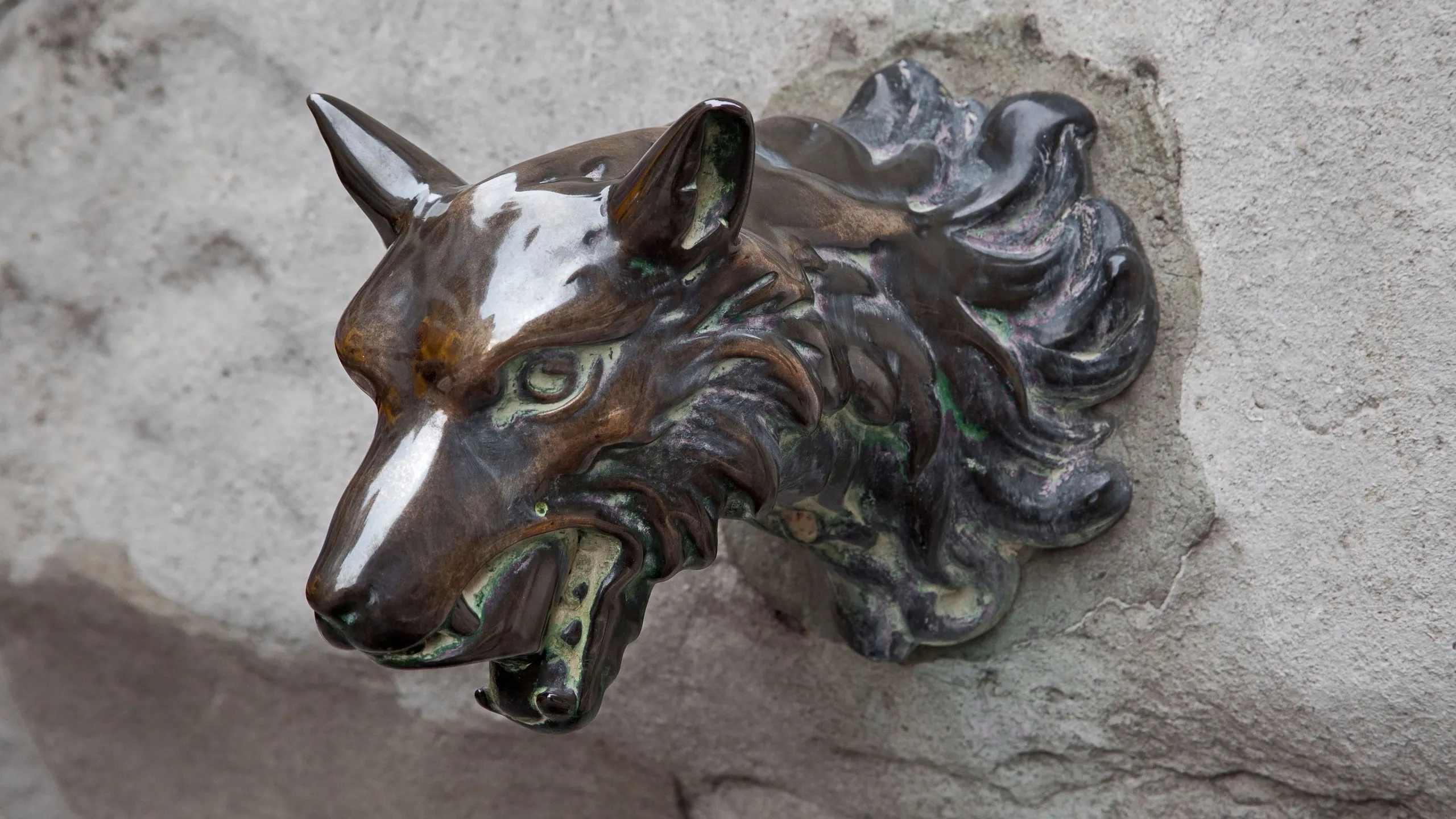
The Aldgate Pump monument
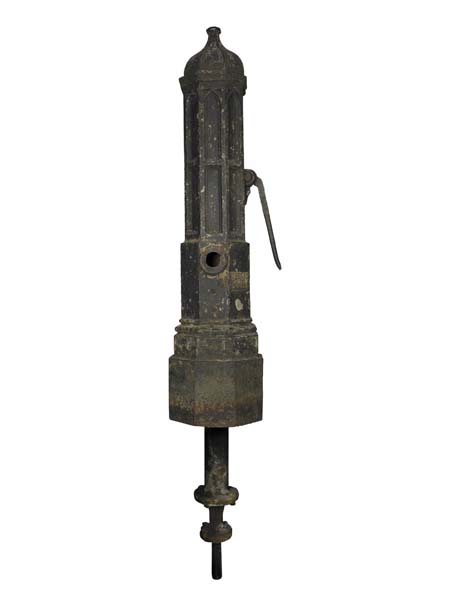
Illustrations from 1798 depict the pump with a lantern on top and a long pump handle. The wolf’s head spout and push button were added in 1871. Legend has it that the pump marks the location where the last wolf in the City of London was killed. The pump is now a listed structure and was restored in 2019.
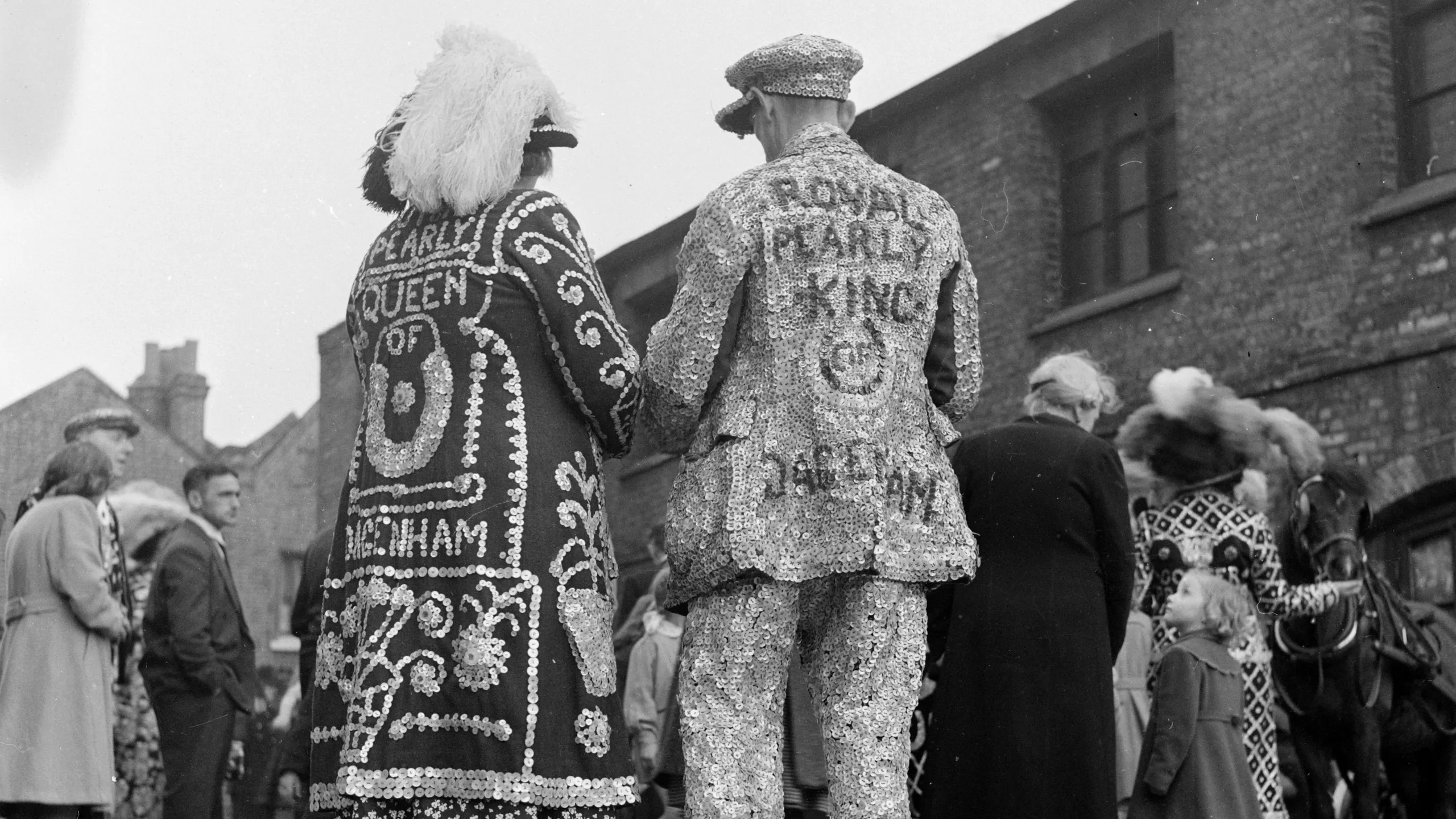
Aldgate Pump enters the chat
The legendary pump influenced Cockney rhyming slang, with ‘Aldgate Pump’ meaning to get the hump, or be annoyed. It was also adopted as slang by the Victorians – a ‘draught on Aldgate Pump’ refers to worthless money, like a bouncing cheque.
Tags
-
Paintings, Prints & Drawings
 Paintings, Prints & Drawings
North view in the inside of an ancient building, under a house adjoining the pump at Aldgate. (etching)
Carter, J.
1784; 1789-01-01
-
-