
The dissolution of London’s monasteries
In the mid-16th century, King Henry VIII shut down all of the Catholic religious houses in the country, including the hospitals and schools they ran. It transformed life in the capital for more than monks and nuns and permanently altered the city’s landscape.
Across London
1536–1540
A king-sized upheaval of religion and property
The Catholic Christian religion was central to most medieval Londoners' lives. By the mid-16th century, London had 50 religious houses where monks and nuns lived, worked and prayed. The Church owned nearly two-thirds of the land in central London.
Clues to this are all around us. Blackfriars Bridge and Station take their name from a monastery. Spitalfields is named for St Mary Spital, an Augustinian priory and hospital. So where did these institutions go?
In the 1500s, people across Europe demanded changes to Catholicism in a movement known as the Reformation.
In England, the Tudor King Henry VIII and his aides, including Thomas Cromwell, also challenged the Catholic Church and the power of the pope in Rome.
Between 1536 and 1540, they forcibly closed around 800 religious houses across the country, seizing their land and possessions. This is known as the dissolution of the monasteries.
It was at once a violent, devastating and liberating time for different Londoners. Some had their way of life ripped away from them. Others got rich quickly. And those in need of healthcare and shelter suddenly found themselves in a desperate situation.
Life in London’s medieval monasteries
Monasteries, convents and friaries dominated medieval London’s landscape. There were over 20 monastic houses and hospitals squeezed into the central urban area, plus many more in the countryside around it.
The city was home to many different communities, or ‘orders’. They all led simple, secluded and regimented lives dedicated to work and prayer. Benedictine monks, like those at Westminster Abbey, lived and worked communally. Whereas the Carthusians at London’s Charterhouse were solitary hermits, focusing on spiritual development in silence.
-
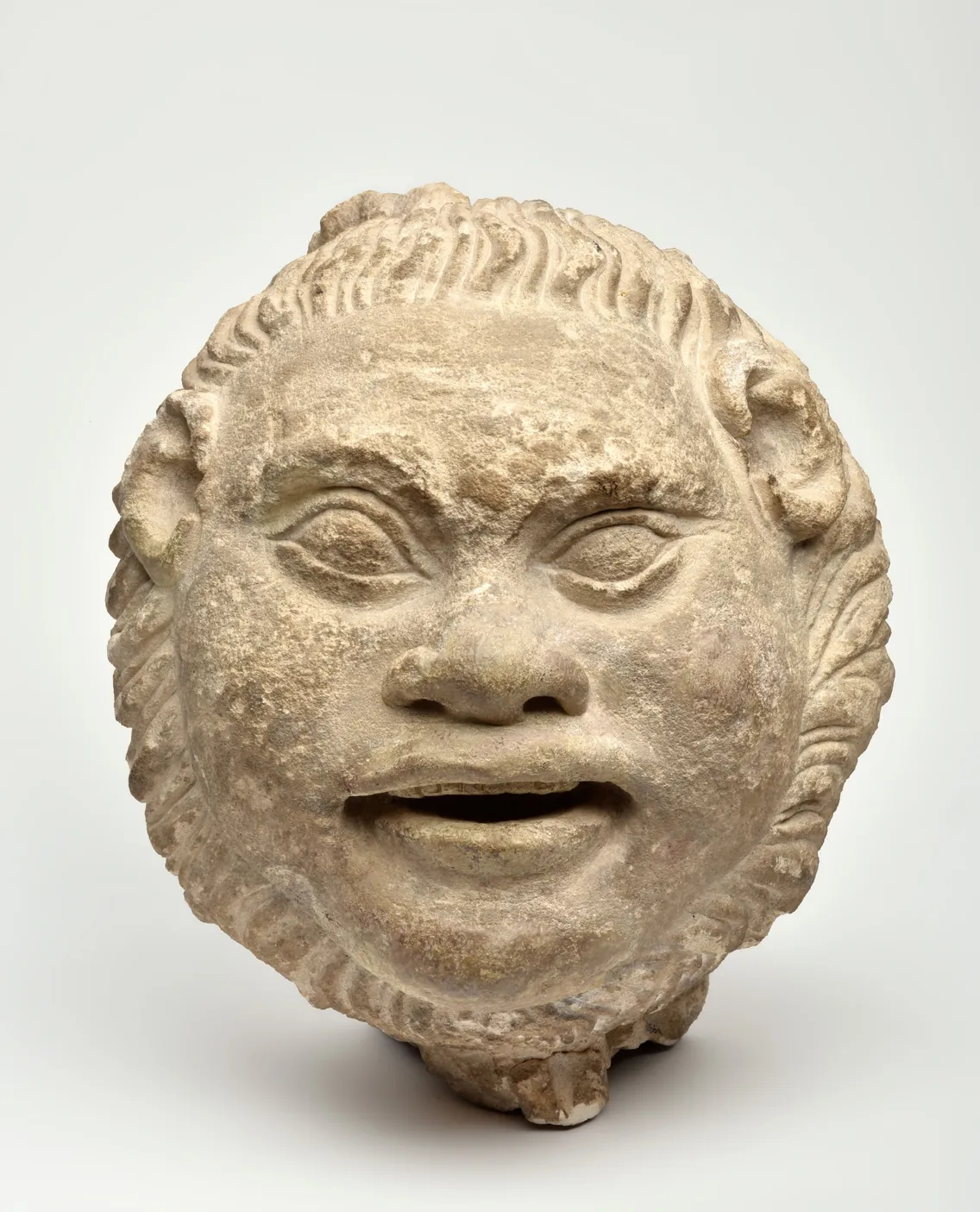
This ceiling decoration was found on the site of Blackfriars, one of the largest buildings in medieval London.
-
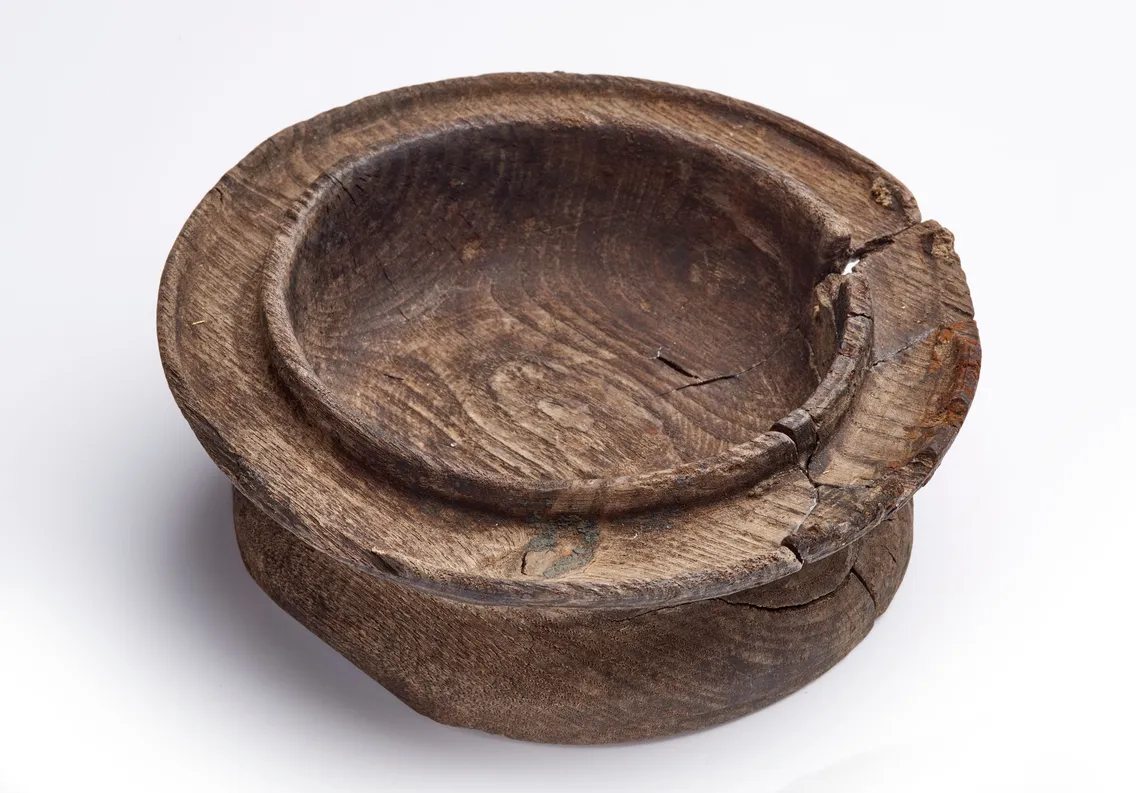
A wooden bowl, probably belonging to a patient at the Priory of St Mary Spital.
Some monasteries also ran hospitals, or ‘spitals’, for sick, elderly and disabled Londoners. There was no National Health Service like we have today, but these institutions offered healing for both the body and soul.
Some specialised in specific health conditions, such as Elsing Spital, which was a refuge for blind people near Moorgate.
Where did monasteries get their money?
Monks and nuns were poor and didn’t have many possessions, but religious houses themselves could be extremely wealthy.
Rich people donated money to them, in some cases ‘sponsoring’ the work monks did. Monasteries also owned around one third of all the land in England, and could make money through agriculture, industry and by renting out their property.
Henry VIII and the English Reformation
While Henry was born and raised a Catholic, as Protestant ideas rose in England during his reign, he increasingly believed the Church needed to be reformed. Thomas Cromwell, Henry’s top advisor from 1532, was instrumental in organising the country's shift to Protestantism.
-
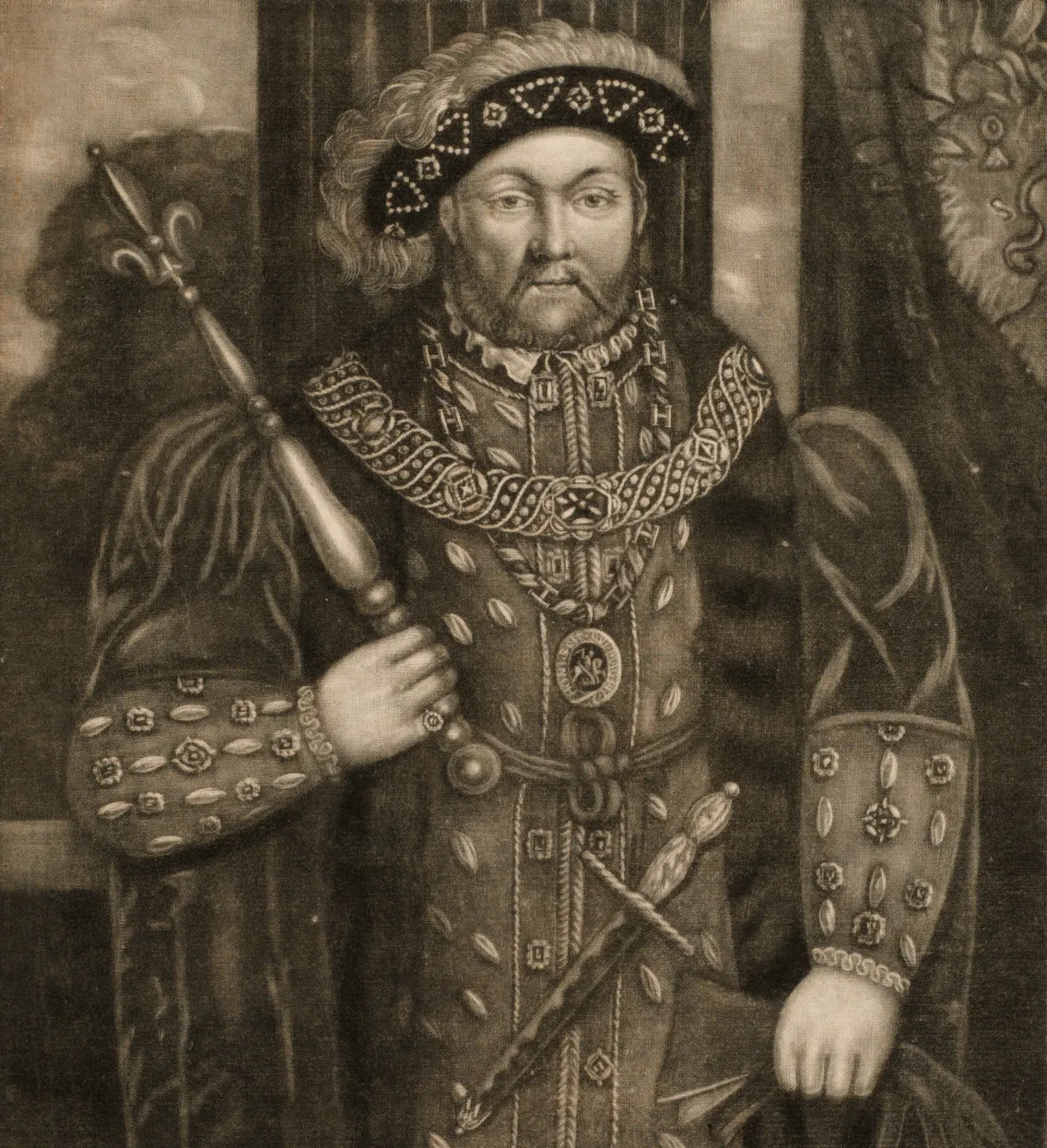
Printed portrait of King Henry VIII.
-
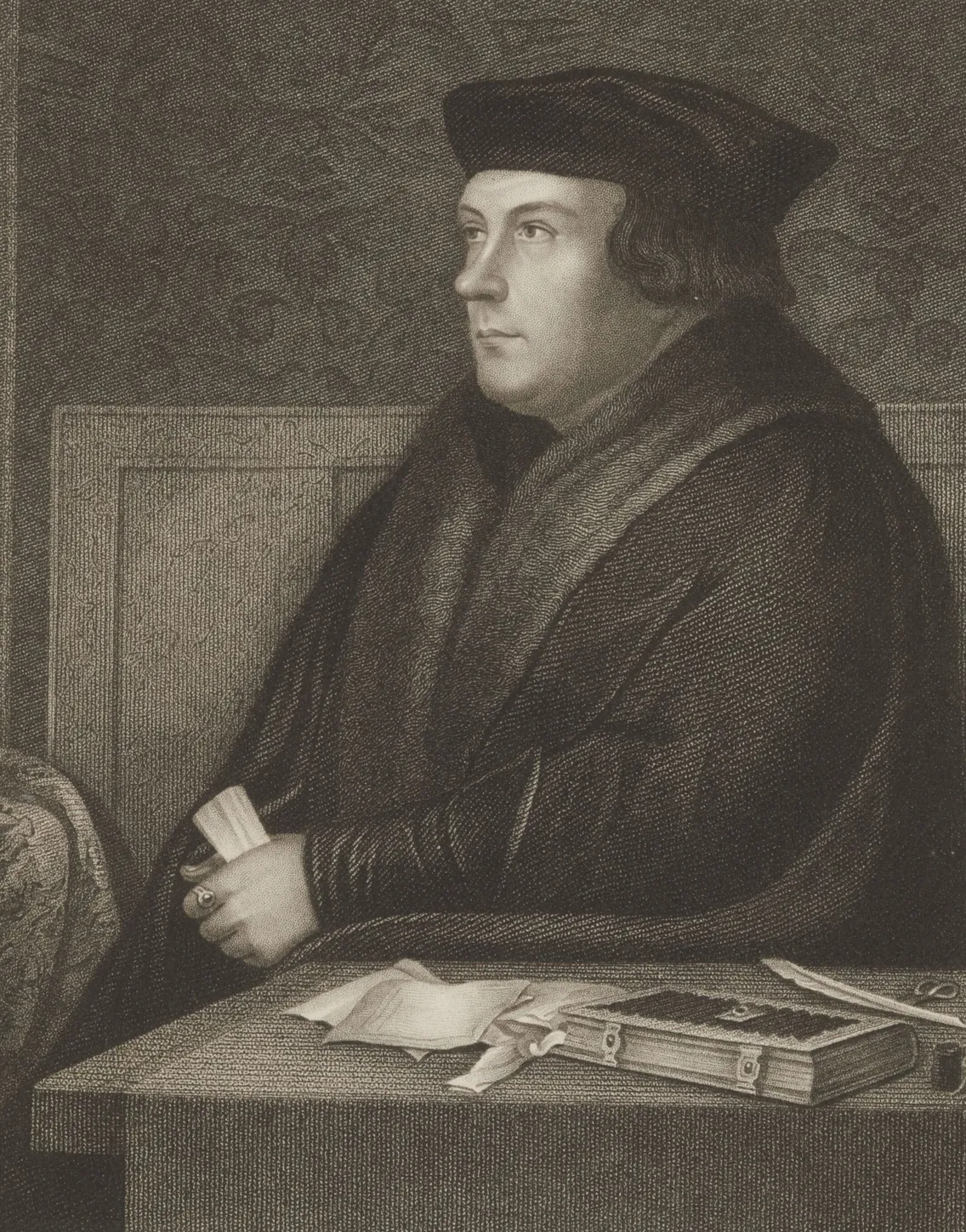
Printed portrait of Thomas Cromwell.
One of the sparks of the English Reformation was Henry’s desperation to divorce his first wife, Catherine of Aragon, and the pope’s refusal to let him.
In 1534, the king broke with Rome, rejecting the pope’s authority and appointing himself the head of the new Church of England. This was enshrined in a law called the Act of Supremacy.
That year, the country’s religious leaders were forced to recognise Henry as the head of the Church. Most accepted – you’d be considered a traitor if not – but some refused.
In 1535, some of the monks from Charterhouse were executed at the Tyburn gallows, near present-day Hyde Park, for rejecting the oath.
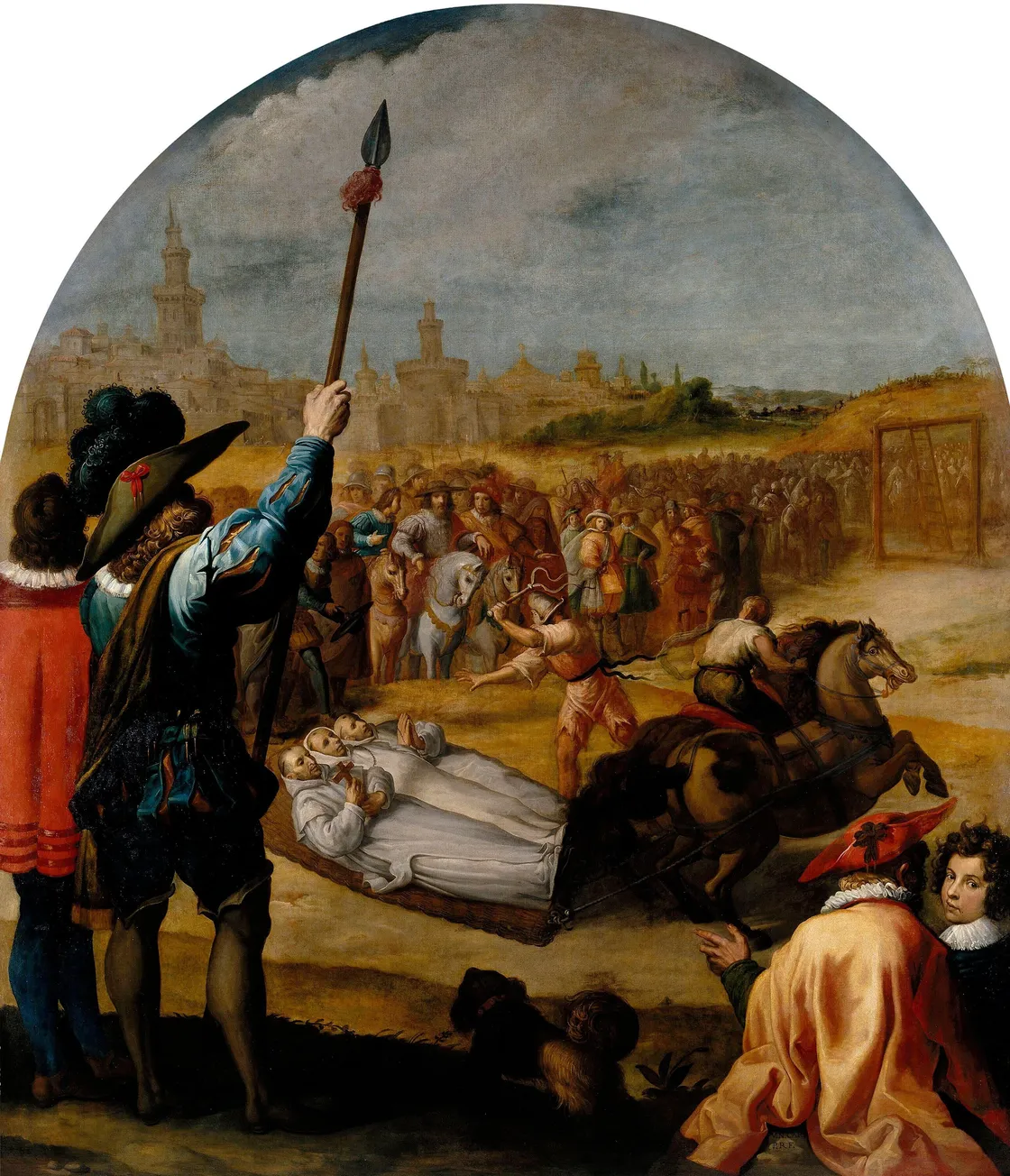
This 17th-century painting by Vincente Carducho shows the martyrdom of three London Charterhouse Carthusians.
All of London’s religious houses were shut down
The dissolution of the monasteries followed this religious split. Religious houses were targeted in part because they were a reminder of Catholic power. But their riches were also tempting.
From 1536, having assessed the wealth of religious houses up and down the country, the king and Cromwell sent men to shut down the monasteries and remove their treasures.
Cromwell also set up the Court of Augmentations, a wing of government that organised the selling of religious houses and their land to the rich and powerful. Henry pocketed the profits.
“the dissolution didn’t just take away their work, home, community and sense of safety. It shattered their worldview”
This process wasn’t anything new, certainly not for Cromwell. In the 1520s, he helped Henry’s former lord chancellor, Cardinal Thomas Wolsey, dismantle small religious houses to finance two colleges in Oxford and Ipswich. The 12th-century Lesnes Abbey in Bexley, south-east London, was one of the 29 victims of this ‘little dissolution’, as it was later called.
-
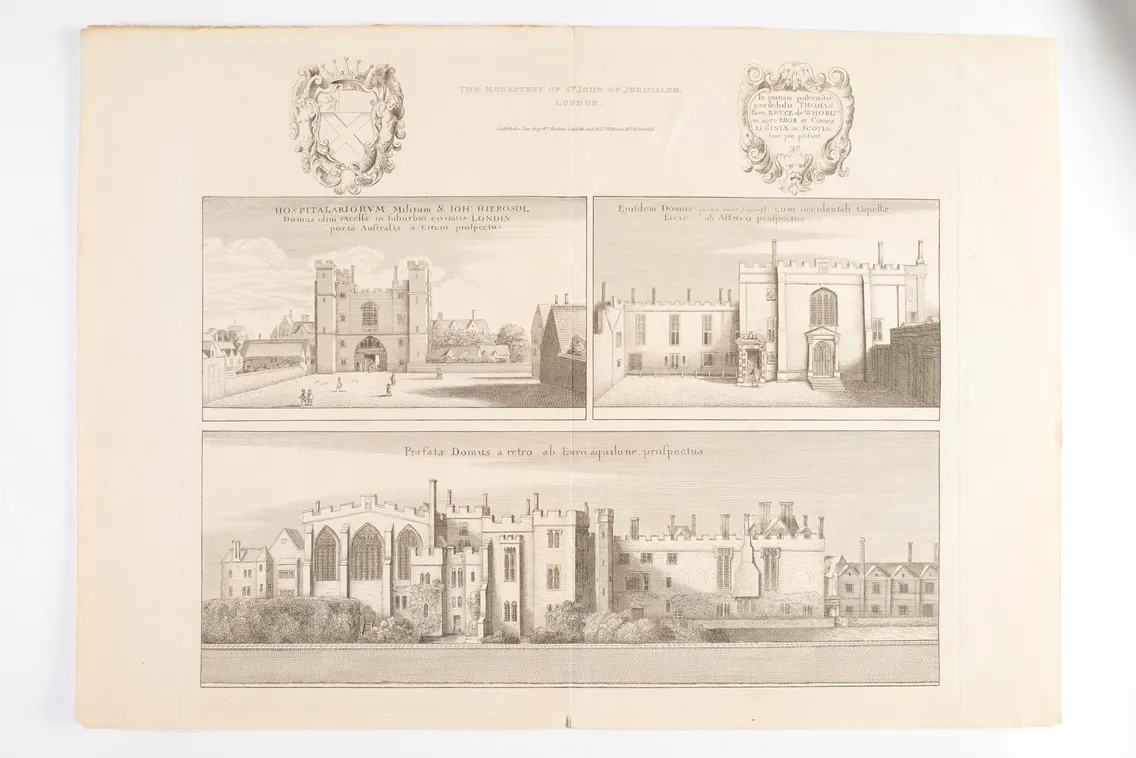
Three views of the Priory of St John of Jerusalem in Clerkenwell, founded in the 12th century.
However, the 1530s dissolution was on an unprecedented scale. For the thousands based in the religious houses, the dissolution didn’t just take away their work, home, community and sense of safety. It shattered their worldview.
Some of the monks, nuns and other monastics were given money or pensions, but this often wasn’t enough to live on. Nuns were particularly worse off. They couldn’t marry or get a job, and many were left penniless.
What happened to dissolved monastery buildings?
Most passed into private hands, becoming mansions for friends and allies of the king.
Some monastic buildings continued to have a religious role. Henry turned Westminster Abbey into a cathedral in 1540, with the prior and some monks becoming clergy of the new church.
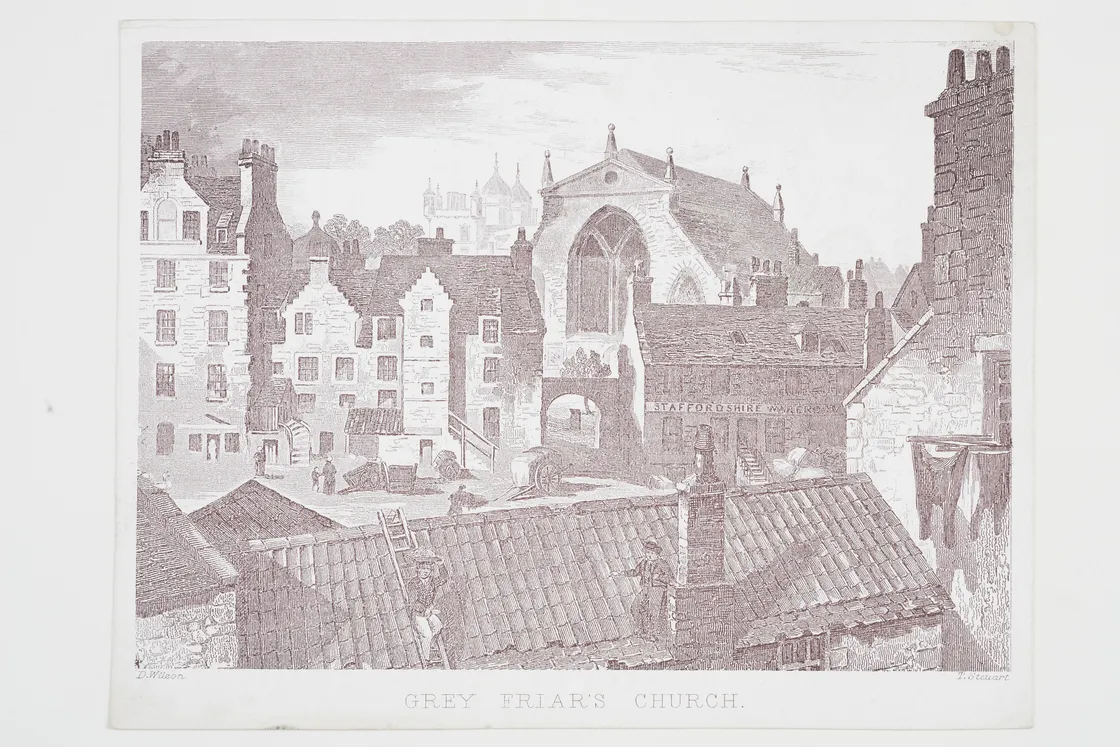
A print of Grey Friars church, around 1820.
A few were turned into parish churches, like St Helen’s Bishopsgate and Grey Friars in Newgate. Part of the former Austin Friars church in Aldgate was given to Dutch and Flemish Protestant refugees for worship in 1550.
Other former religious houses had a range of interesting non-religious uses. Blackfriars became the site of two Tudor theatres, which hosted performances of Wiliam Shakespeare’s plays. St Mary Graces, near the Tower of London, stored navy provisions. And Crutched Friars, in Aldgate, was turned into a glassworkers’ workshop.
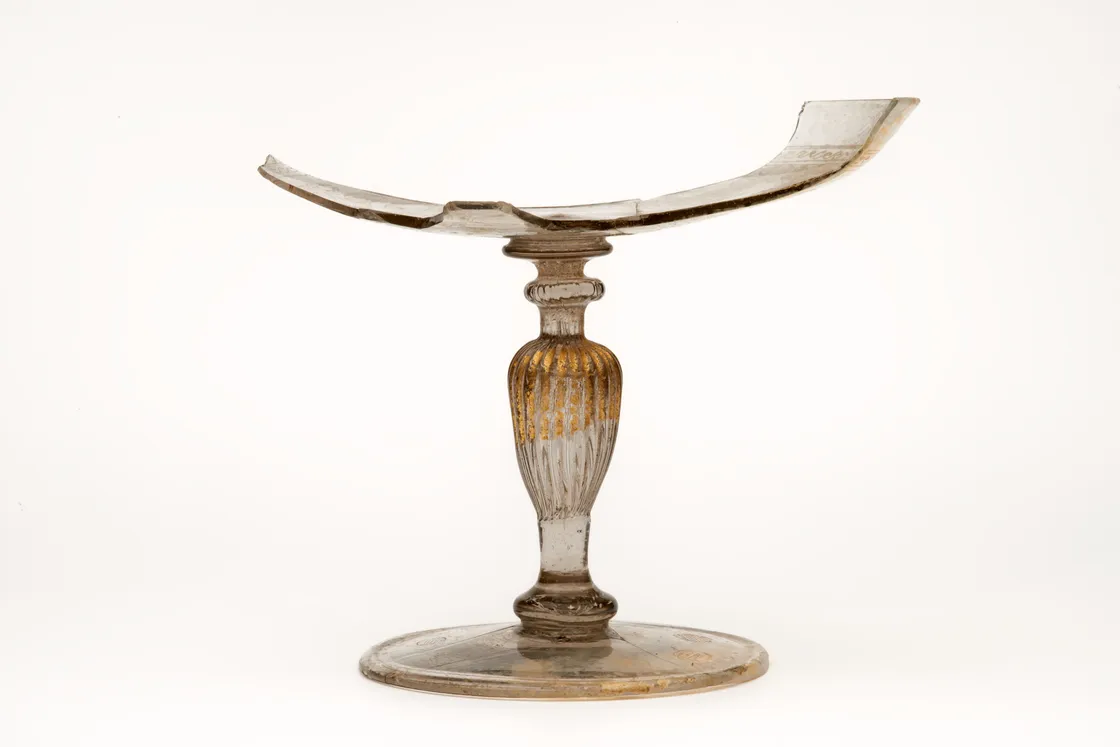
This broken Venetian-style bowl was made in the Crutched Friars workshop in the late 1500s.
A small number were eventually reformed as hospitals. Two still care for patients today: St Bartholomew’s in Smithfield and St Thomas’ in Southwark.
The former priory of St Mary Bethlehem, near Bishopsgate, continued its medieval role as a hospital for the mentally ill. It became known as Bedlam, and was infamous for its inhumane treatment of patients.
Otherwise, many historic institutions stayed empty and gradually fell into ruins. The rest, including the influential and wealthy nunnery Barking Abbey, were demolished.
This crumpled tangle of a window from our collection was excavated from the site of Merton Priory, demolished in 1538. It must have been missed by the Tudor demolition gang who took most of the priory’s window lead for recycling.
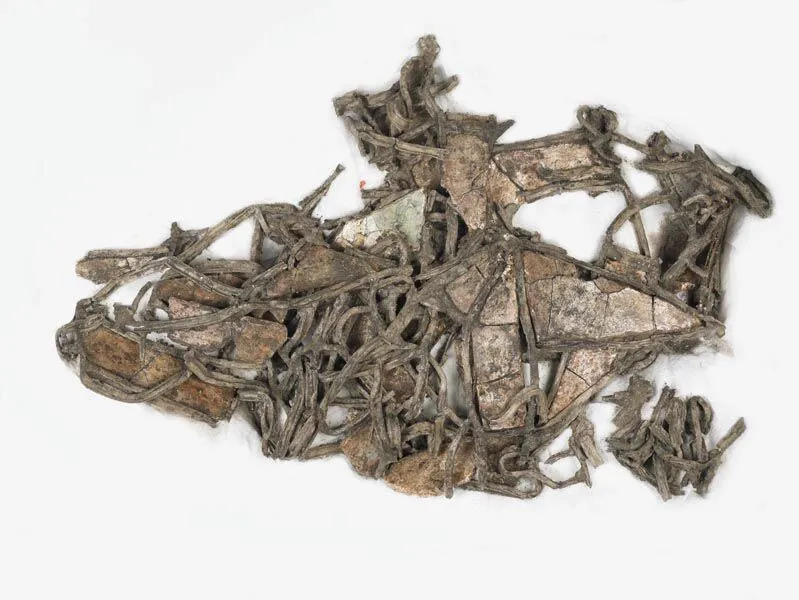
The remains of this window probably came from Merton Priory’s infirmary.
Social and cultural impacts of the dissolution of London’s monasteries
The dissolution of London’s monarchies transformed the wealth of the capital’s ruling classes – particularly Henry VIII. Vast amounts of money and land were transferred from religious authorities into the hands of rich families. This created a prosperous, more socially powerful class of landowners.
Institutions that provided healthcare and shelter for vulnerable and sick Londoners were shut down. This made life more insecure. Begging increased. The hospital care that survived became the responsibility of the state, rather than religious organisations, for the first time.
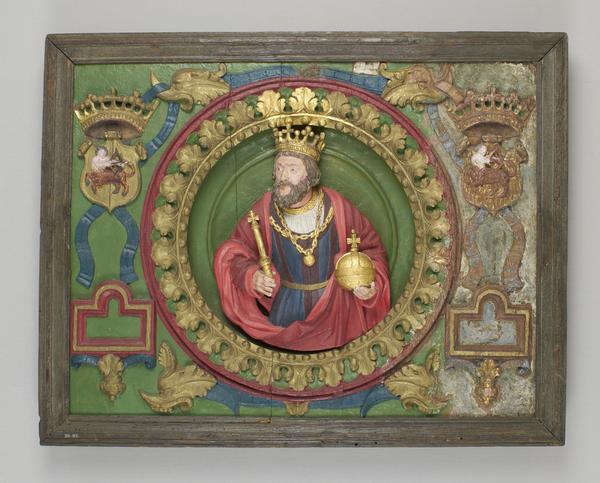
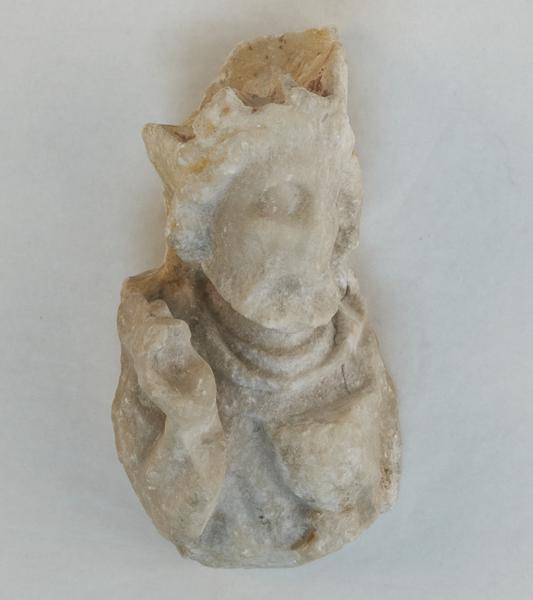
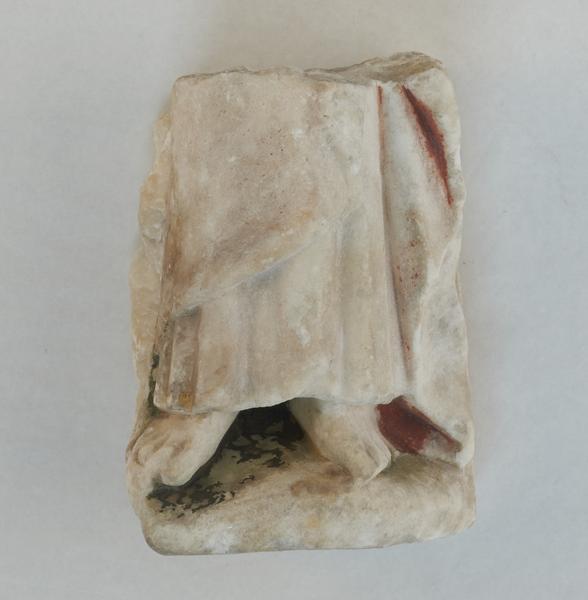
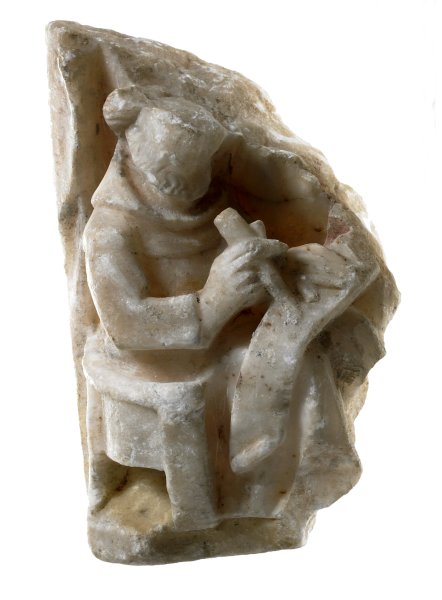
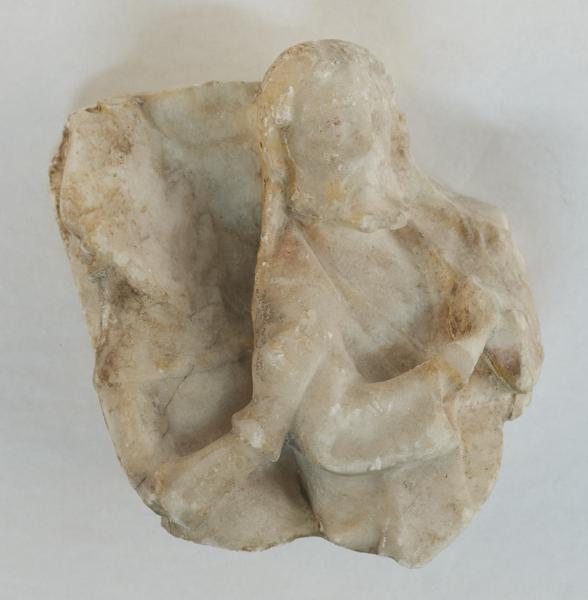
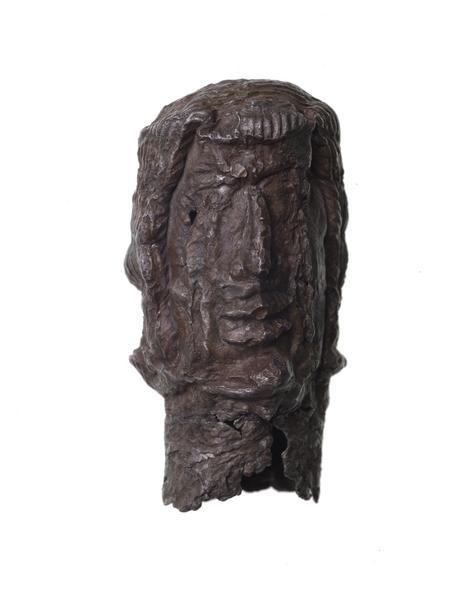
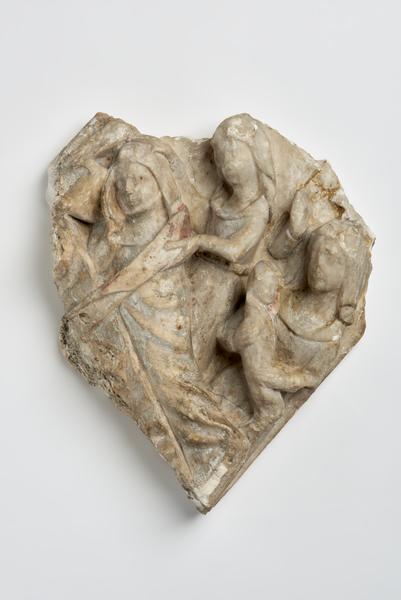
The dissolution also had a widespread cultural impact. Countless books, artworks, Catholic relics and the historic buildings that held them were destroyed. Thousands of carvings, like the altarpiece fragments in our collection above, were destroyed, used for building rubble or exported.
Tags
-
Saxon & Medieval
-
-
-
-
-
-
Post-Medieval