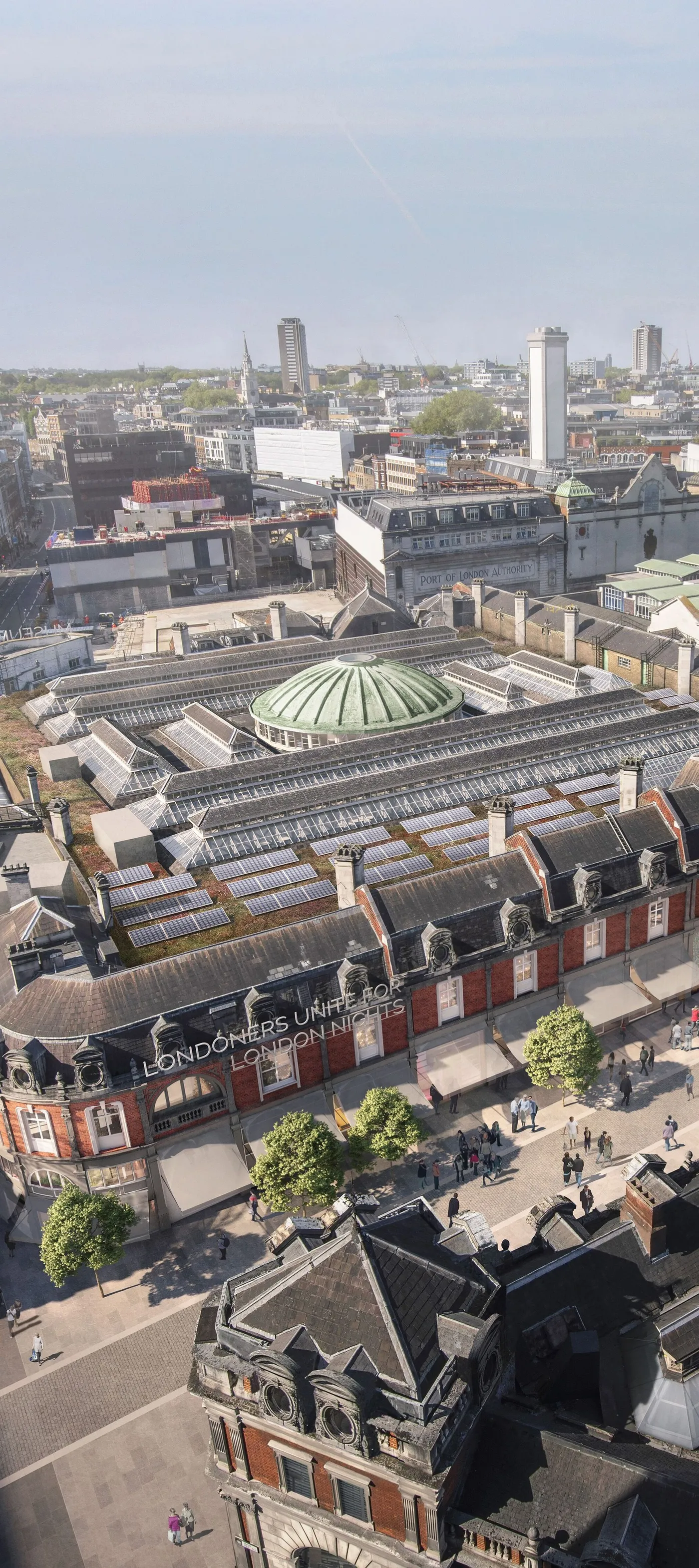
London, Sugar & Slavery gallery visit
Are you visiting our London, Sugar & Slavery gallery at London Museum Docklands with your school class? Use these essential resources to prepare you and your students to engage sensitively with the topics covered in the gallery.
Venue:
Key stages:
Key Stage 2 (7-11)
Key Stage 3 (11-14)
Themes:
British trade in enslaved Africans
Black history
Visiting the London, Sugar & Slavery gallery can enrich your teaching of British trade in enslaved Africans and its connections to London. Due to the sensitive nature of the topic, we strongly recommend doing a planning visit before bringing your school group. You will find essential pre-visit resources on this page to help you prepare yourself and your students for your visit, as well as guides that your students can use while at the museum.
To help you prepare we recommend the following steps.
Step 1: Watch the gallery introduction video
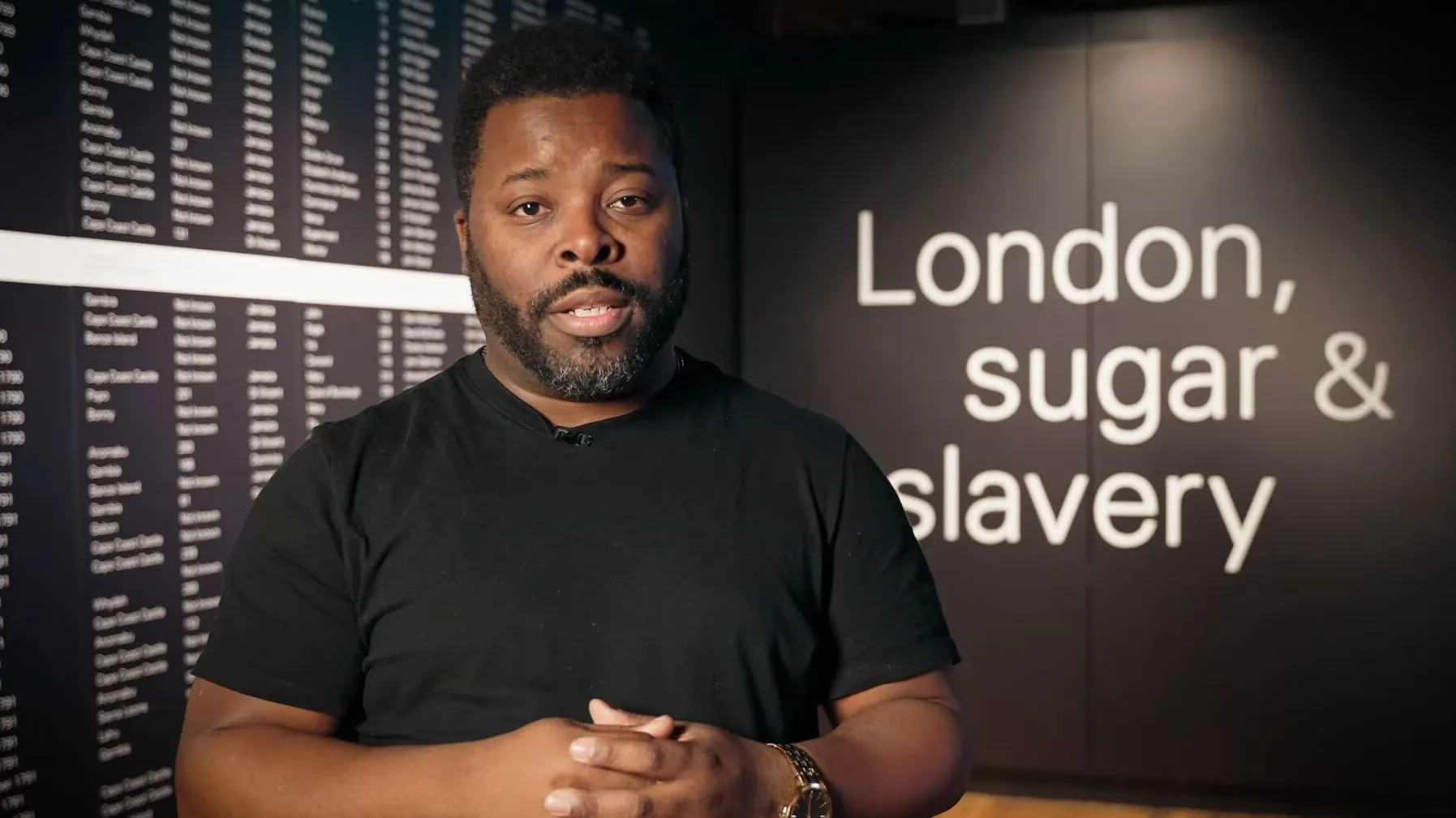
This short film introduces the themes, content and approach of the gallery.
This step is essential and should be completed before your visit.
Step 2: Read the wellbeing guidance
This document will help you to consider the impact the gallery might have on your students, emotionally and psychologically, and suggests actions you can take before, during and after your visit to support your students and accompanying adults.
Download
PDF: 310.8 KB
We recommend carefully reading through this before your visit and creating your own action plan tailored to your group.
Step 3: Plan your visit
Plan a preparation visit to the museum to familiarise yourself with the space and content.
Brief all supporting adults about the content of the gallery and their role in supporting students.
Prepare students by explaining:
- the purpose of the visit and links to your teaching
- the gallery includes difficult content and may be upsetting
- behaviour expectations for a shared public space
Discuss the museum building and address misconceptions .
Make time in your itinerary for quiet reflection during or after the visit. The Holding Emotions space allows time and space for this. You can find out more about it here.
Download
PDF: 6.0 MB
Use this script at the museum to give your pupils an introduction to the museum and the London, Sugar & Slavery gallery – designed for key stage 2 and 3 groups.
PDF: 23.2 KB
A handy one pager to quickly help teachers identify and address misconceptions students may have about the gallery.
Step 4: Download or print any resources you plan to use with students
Download
PDF: 1.0 MB
Download and print this trail which encourages key stage 2 students to develop their oracy skills as they explore the gallery. Each stop will present an object or display connected to Mary Prince's experiences or the broader themes of enslavement and abolition.
The content of this trail is the same as the Olaudah Equiano trail.
PDF: 1.2 MB
Download and print this trail which encourages key stage 2 students to develop their oracy skills as they explore the gallery. Each stop will present an object or display connected to Olaudah Equiano's experiences or the broader themes of enslavement and abolition.
The content of this trail is the same as the Mary Prince trail.
PDF: 539.3 KB
Download and print the enquiry-based gallery trail – designed for key stage 3 groups.
We recommend organising pupils into small groups and assigning an accompanying adult to each group.
Questions are designed to encourage discussion in the gallery and improve oracy skills.
PDF: 561.4 KB
Explore the legacies of the British trade in enslaved Africans with this map of the local area around Docklands.
Step 5: Confirm you are ready for your visit
Before arriving, please ensure you confidently understand and can explain to your students and supporting adults that:
- the gallery contains upsetting and sensitive material, including themes of brutality, enslavement and racism.
- students may respond emotionally or unpredictably to the gallery’s content and displays.
- some objects and quotes in the gallery include offensive or outdated language. See the wellbeing document for more details.
- the museum building is historically important and was once part of Britain’s trade network.
- public visitors will also be in the space and the gallery is designed for quiet reflection. The atmosphere of the gallery is intentionally sombre, with low lighting and muted colours.
- the aim of the visit is to support respectful enquiry and age-appropriate reflection on Britain’s colonial history and the British trade in enslaved Africans.
Book your visit
If you would like to book a visit to the London, Sugar & Slavery gallery please use our school group booking form.