Why were some Suffragettes under surveillance?
As the Suffragettes became more militant in their campaign to win women the vote, surveillance images of some of its most ‘dangerous’ members were taken at Holloway Prison.
1913–1914
-
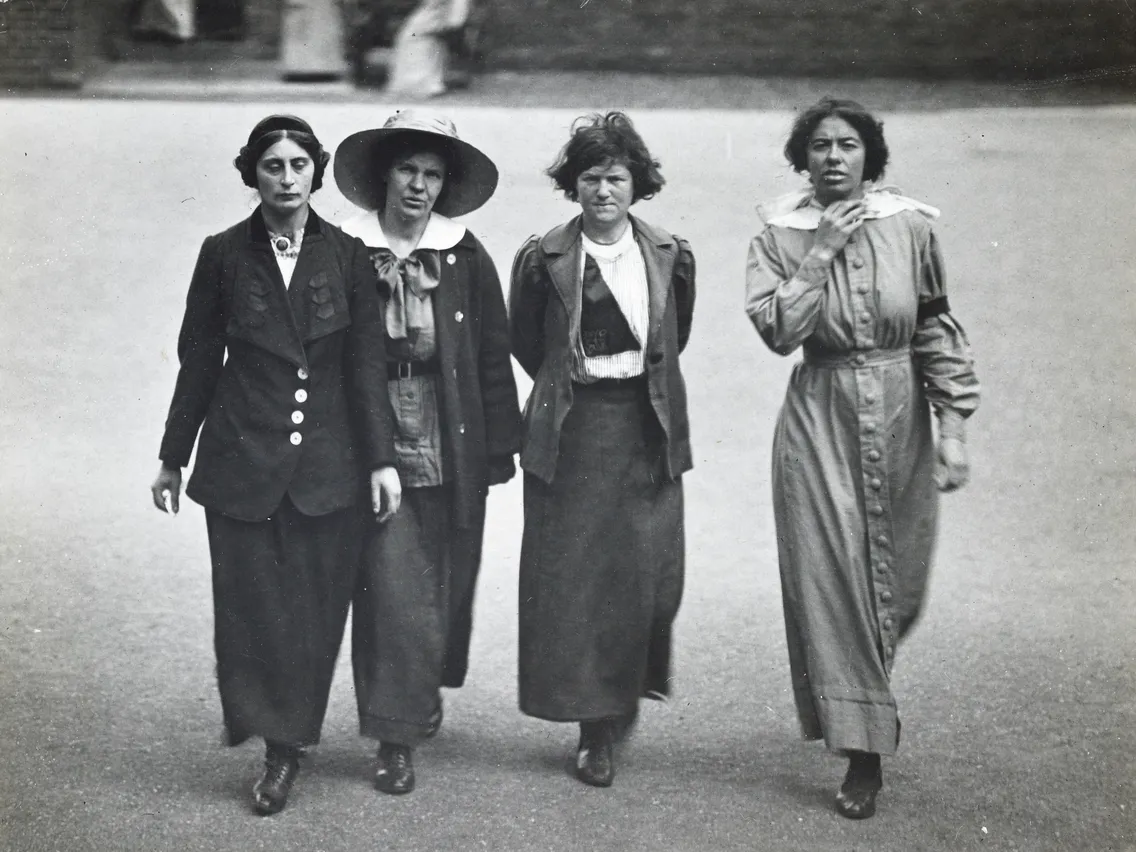
A group of Suffragettes in the yard of Holloway Prison.
Women under watch
“Deeds not words” was the motto of the Women’s Social and Political Union (WSPU). As the campaign for women’s right to vote went on, those deeds became more radical. Marches and demonstrations were replaced by window smashing, attacks on artworks, arson and bombing.
As the Suffragettes became more militant, ‘dangerous’ members of the organisation were monitored by the police. From 1913, many of the women sent to Holloway Prison for committing acts of criminal damage were the subject of surveillance photography.
The images were used to identify key Suffragettes so they could be apprehended before committing further violence. They were also circulated to museums and galleries to help prevent Suffragettes from gaining entry and potentially damaging exhibits.
Rather shockingly, many of the images also show the debilitating effects of the hunger strike action that many Suffragette prisoners undertook. This was done in protest against the government’s refusal to recognise them as political prisoners.
Scotland Yard starts surveillance
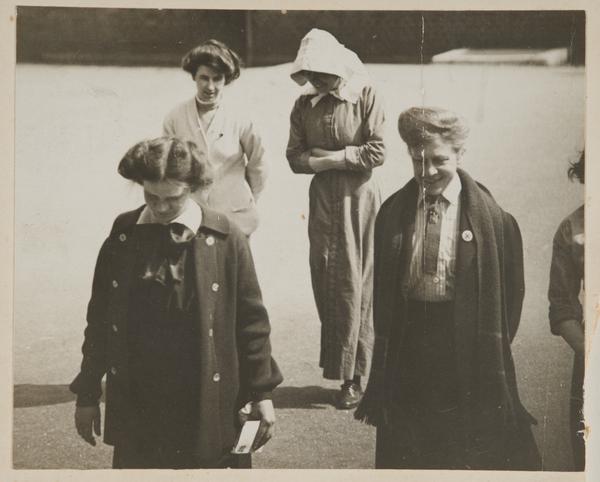
As the Suffragettes increased direct action, leading militant members of the WSPU came under surveillance. Undercover police attended Suffragette meetings, recording any speeches that could potentially ‘incite violence’. WSPU headquarters were raided and documents were taken.
In 1913, Scotland Yard, the Metropolitan Police headquarters, acquired a telephoto camera with a long lens that allowed subjects to be photographed from far away. Within a matter of weeks, it was being used to capture secret images of the Suffragettes.
-
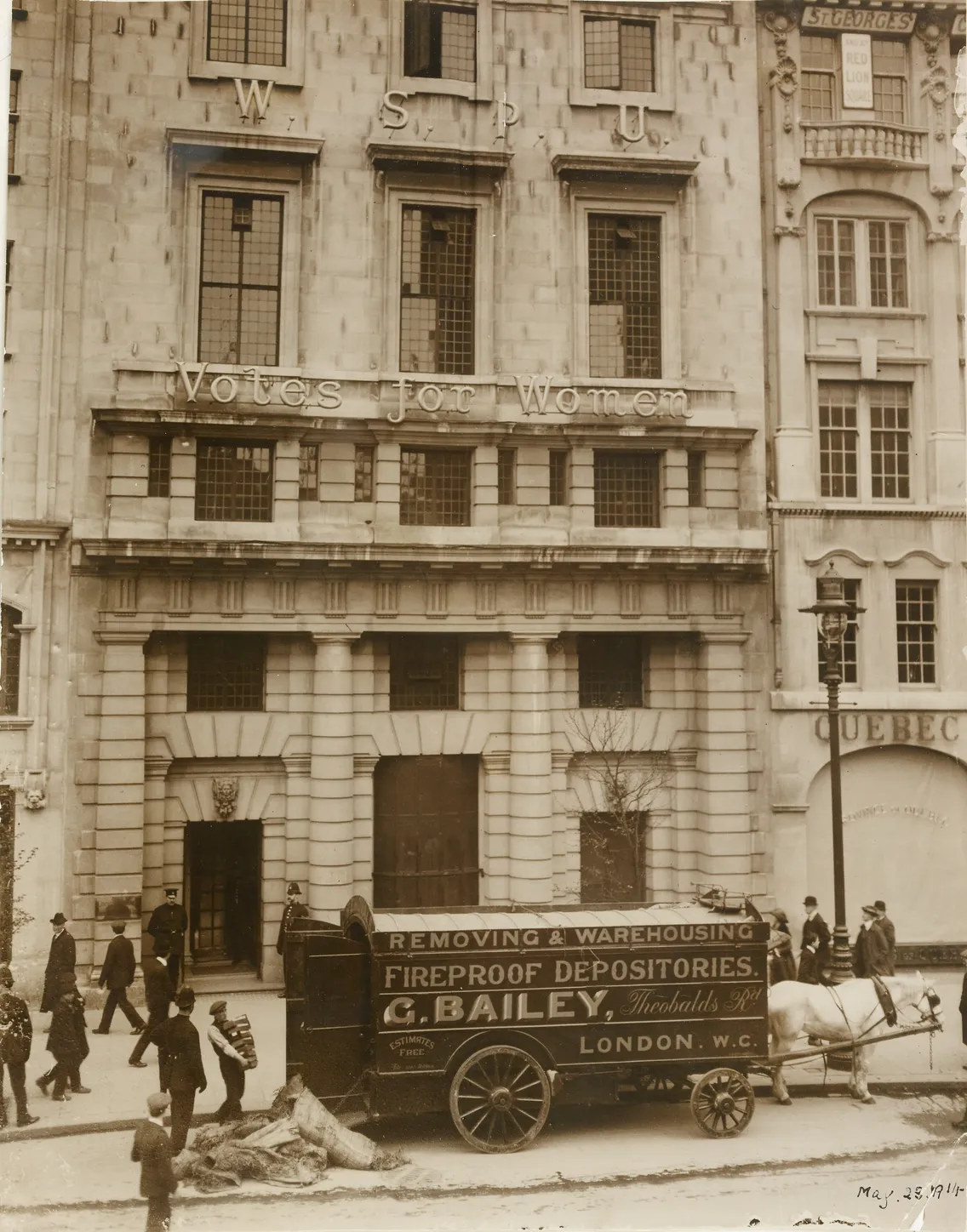
Police raiding the WSPU headquarters in Lincoln’s Inn House.
-
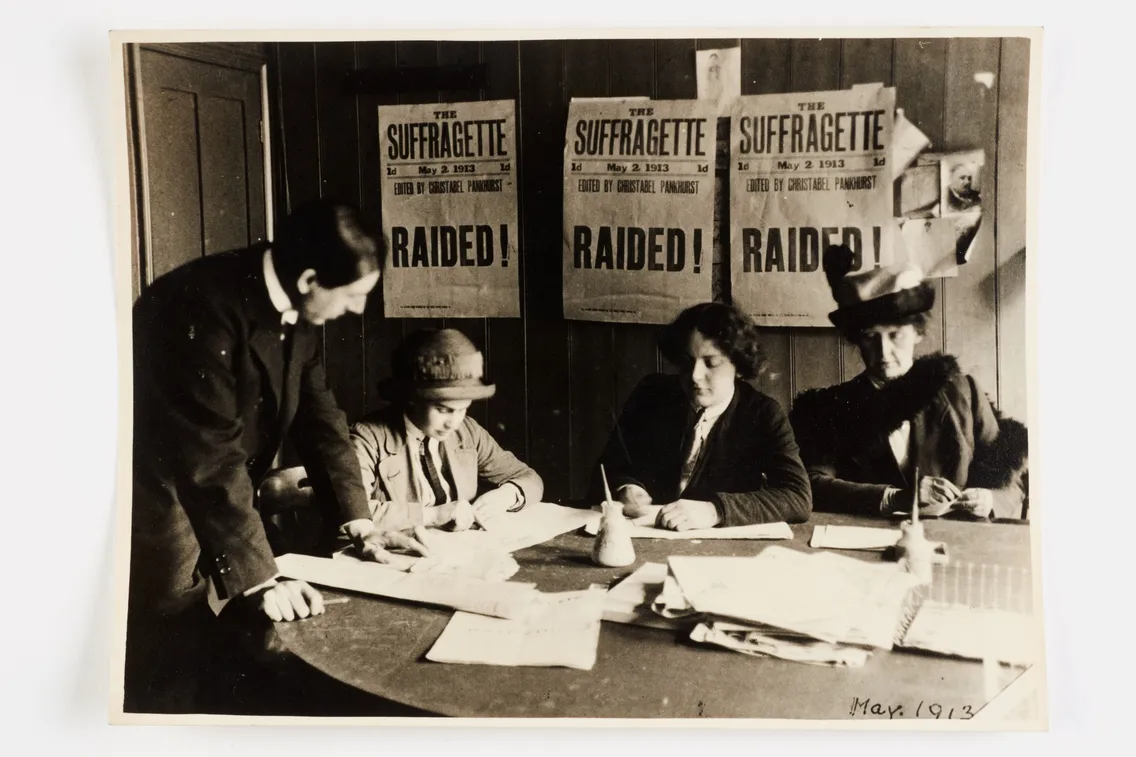
Women continuing their work at Lincoln’s Inn House despite being raided.
A photographer started photographing imprisoned Suffragettes from a van parked in the yard of Holloway Prison. These were the more militant women of the organisation, having been arrested for acts like criminal damage, bombing and arson.
Why were these women being photographed?
The police used the photographs to identify key Suffragettes so they could keep them under surveillance when released from prison. This identification was complicated by the fact that many of the women used aliases.
These images were also given to public organisations, like museums and art galleries, that were potential targets of attack. They were used as a security measure to check the women entering such venues.
It’s possible that these images were also circulated to the original London Museum in Kensington, which had opened in 1912. Now we hold them in our collection.
-
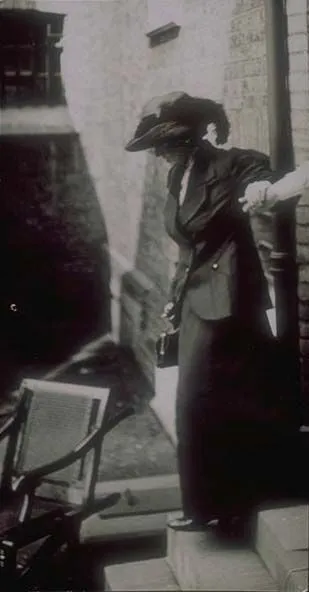
Kitty Marion, who was arrested for arson, being helped into the yard at Holloway Prison.
-
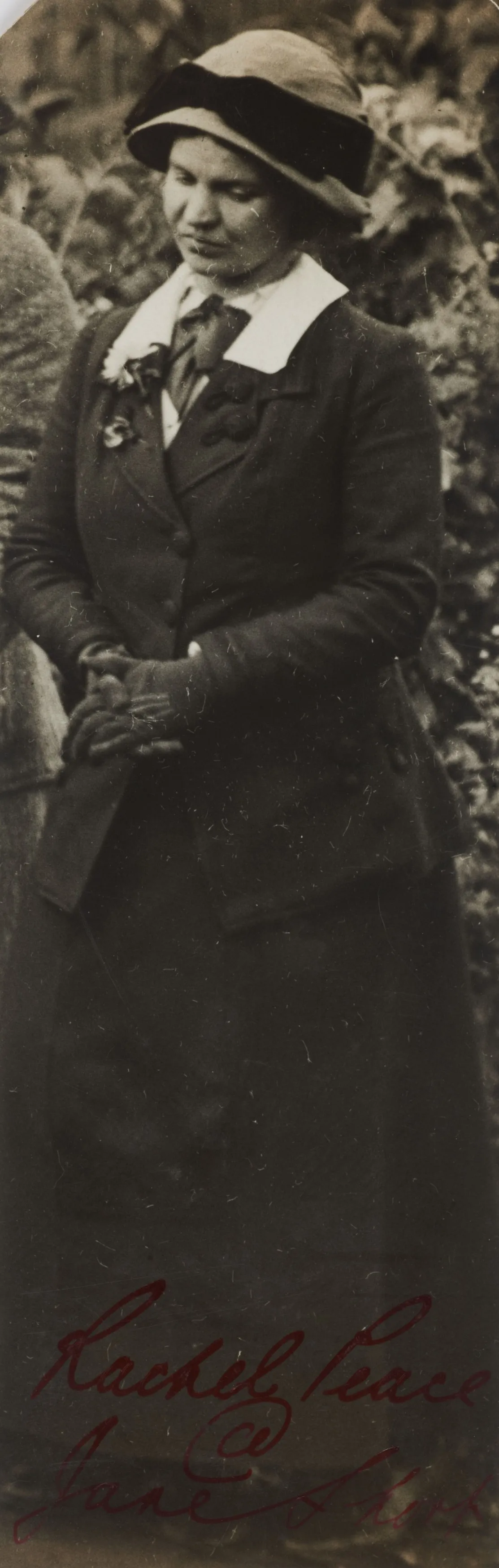
Florence Jane Short, also known as Rachel Peace, who was imprisoned for arson.
-
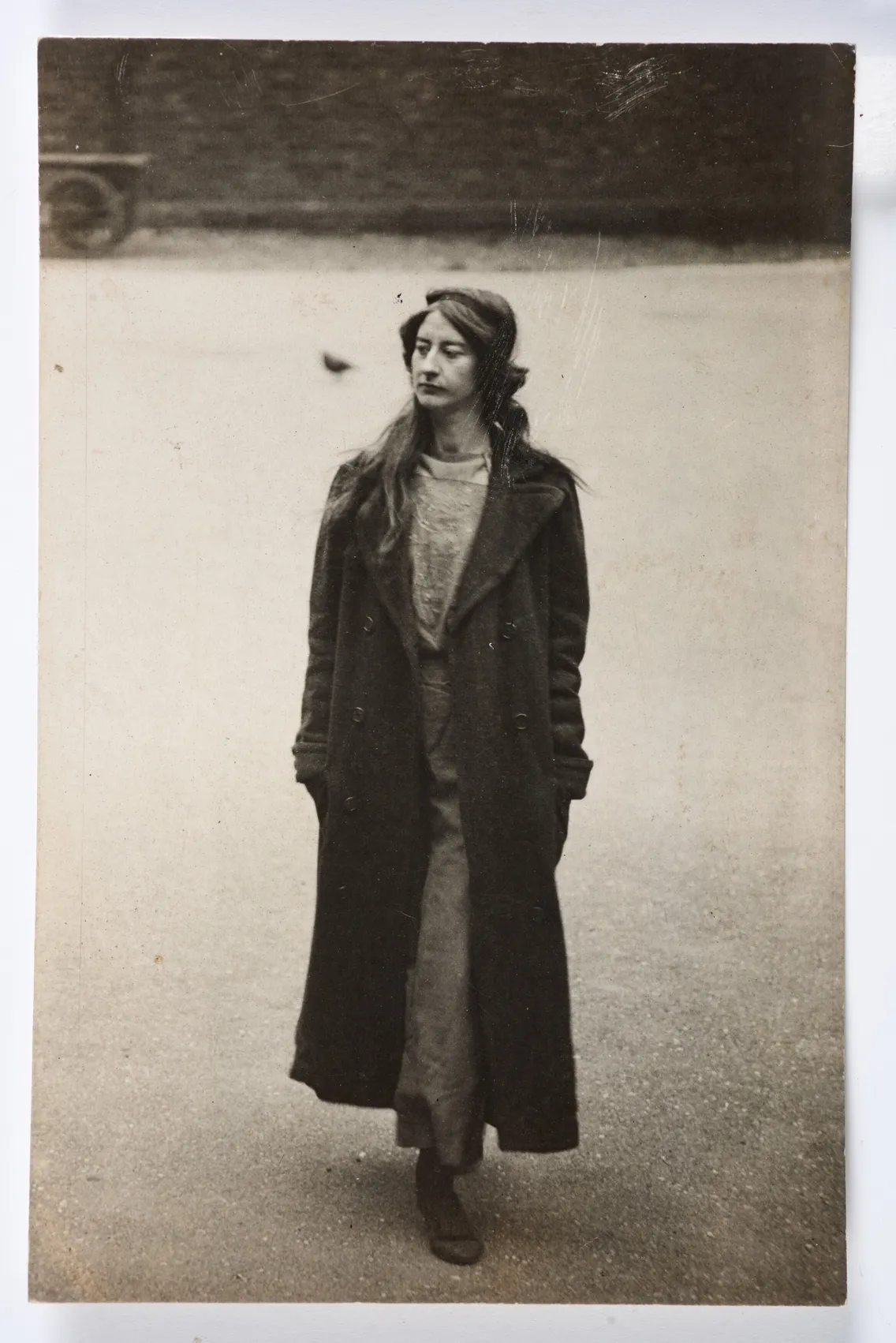
Grace Marcon, who also went by the alias Frieda Graham, was imprisoned for damaging paintings at the National Gallery.
Who was being photographed?
Hundreds of Suffragettes were sent to Holloway Prison, which at the time was the largest women’s prison in Europe. The first Suffragette was imprisoned there in 1906, with initial sentences being given for low-level acts like failing to pay fines or street protests. As actions escalated to what the law regarded as criminal damage, sentences became more severe.
The women in the surveillance photographs would have been found guilty of criminal damage and considered to be dangerous. Many of them were sent to prison multiple times, including Kitty Marion, Grace Marcon, Florence Jane Short and Mary Richardson.
Some of the imprisoned Suffragettes also went on hunger strike to protest being classed as criminal, rather than political, prisoners. You can see the devastating impact this had on their physical wellbeing in the surveillance images below. Alice Hall, Gertrude Mary Ansell and Annie Wheeler all look visibly weak and need support walking.
-
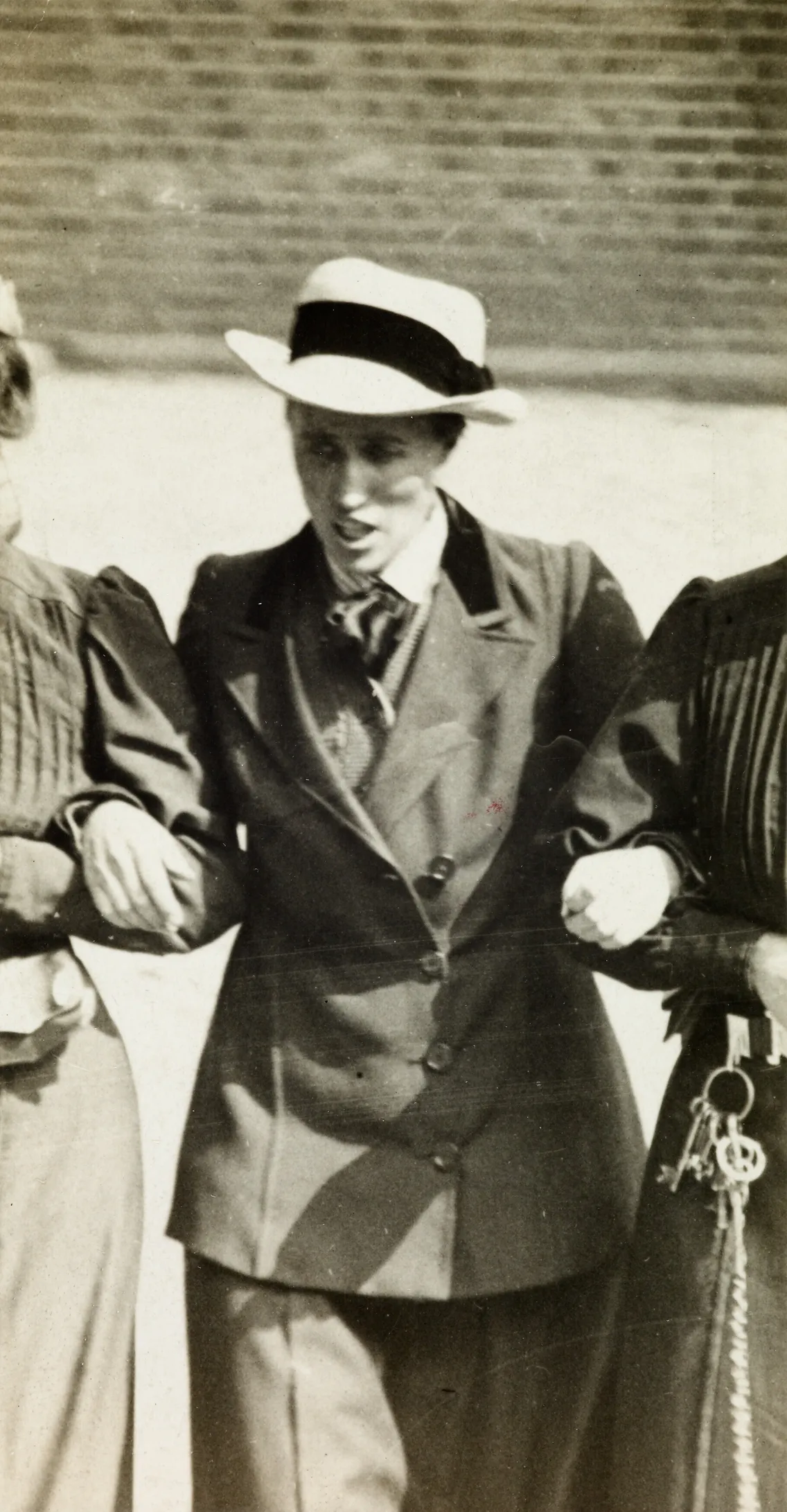
Alice Hall being supported after a hunger strike.
-
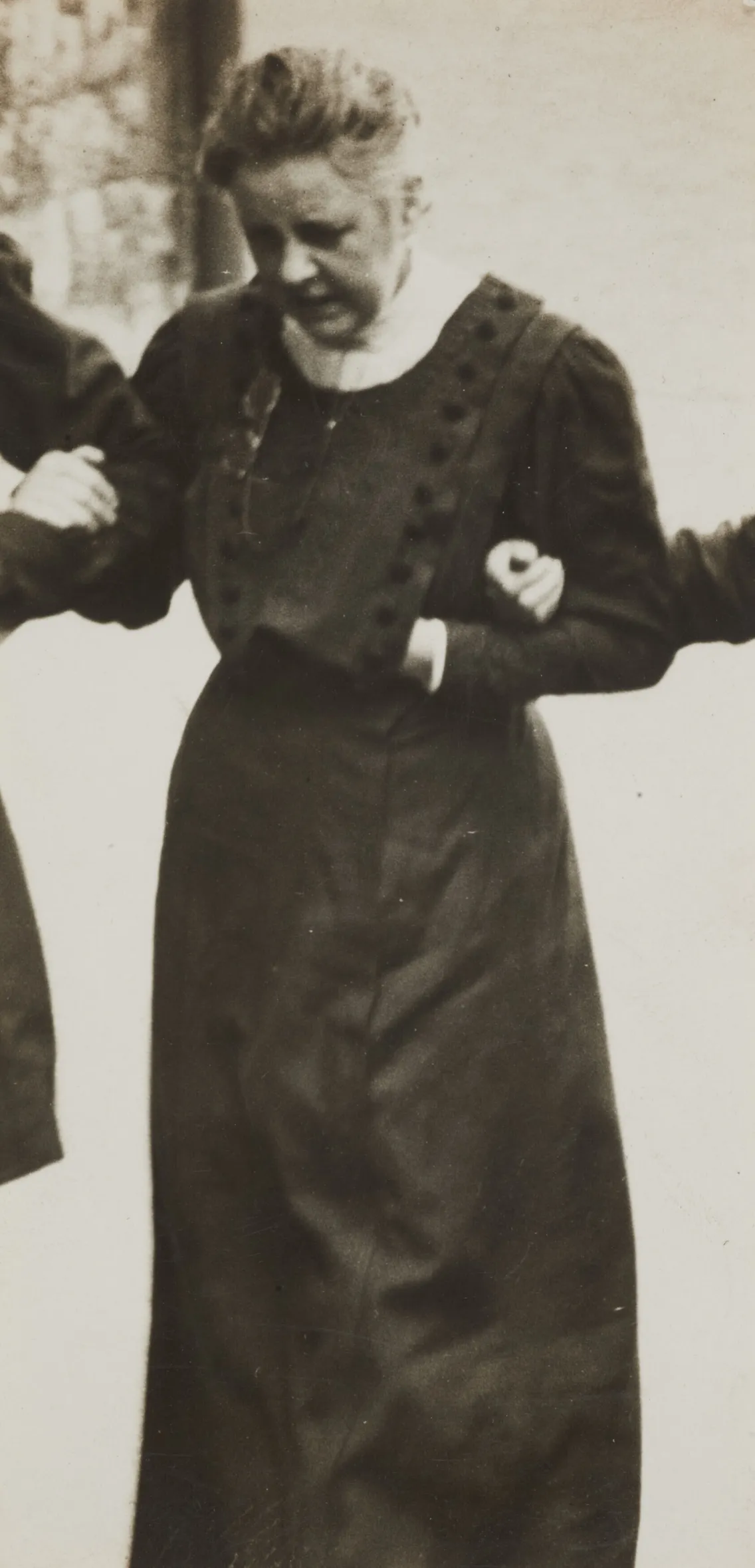
Gertrude Mary Ansell, likely weakened by a hunger strike.
-
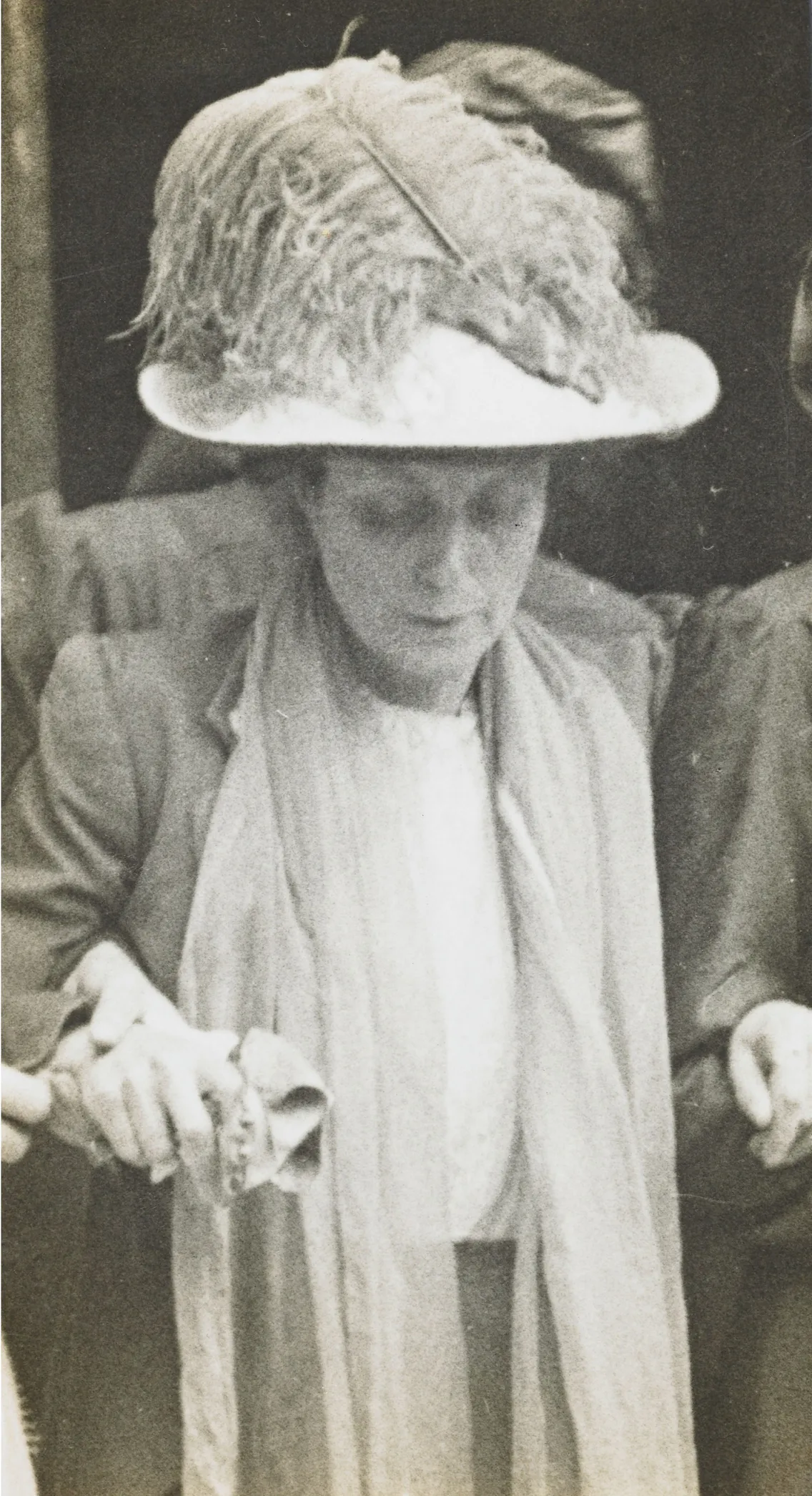
Annie Wheeler looking weak and needing support following a hunger strike.
Direct action of ‘dangerous’ Suffragettes
On Black Friday in November 1910, police responded violently to 300 Suffragettes as they attempted to storm Parliament. This aggressive response highlighted the vulnerability of women undertaking mass protests. This prompted the WSPU leadership to change their tactics and adopt more militant action.
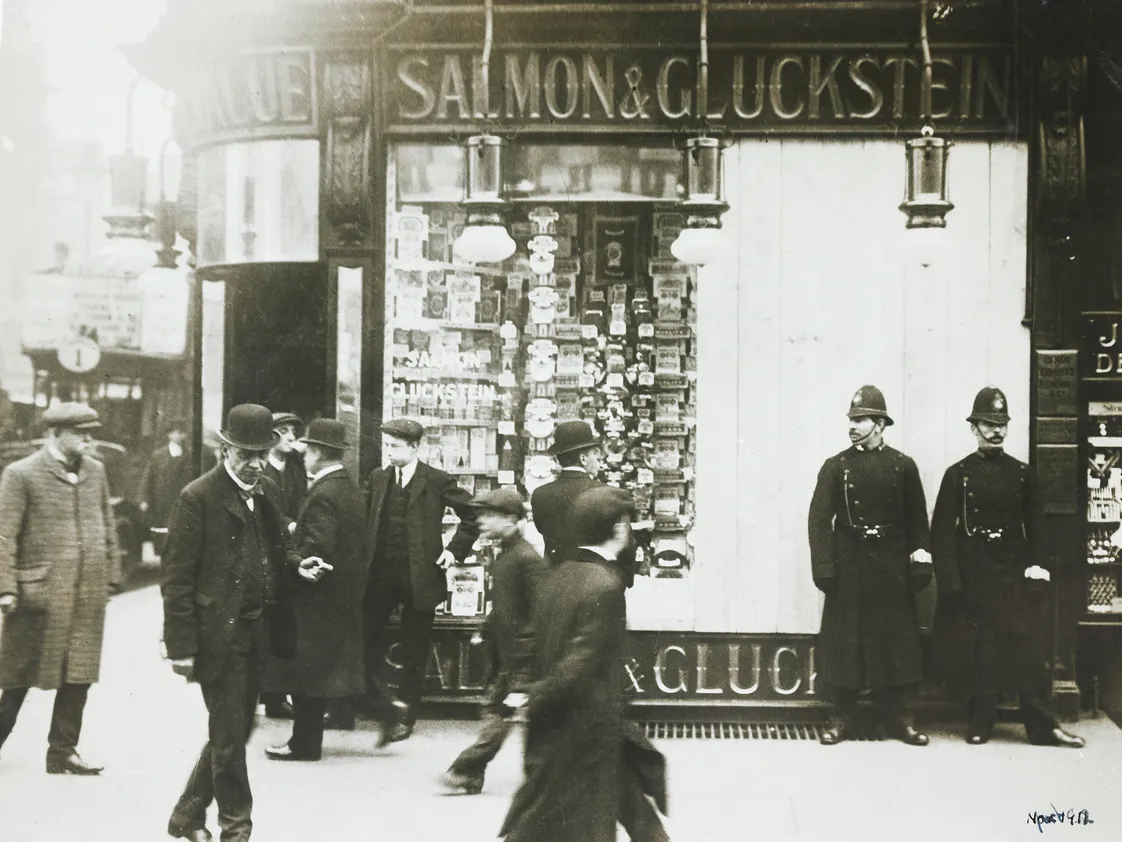
Window-smashing was embraced from November 1911, and in March 1912, an orchestrated window-smashing campaign took place in the West End. Over 200 Suffragettes took part, smashing windows at 270 premises and causing around £6,600 worth of damage – that’s over £670,000 in today’s money.
The Suffragettes also began attacking public artworks. There were 14 separate incidents between March and June 1914, and twelve Suffragettes were arrested.
“I have tried to destroy the picture of the most beautiful woman in mythological history as a protest”
Mary Richardson
Annie Wheeler and Clara Lambert attacked object displays at the British Museum. Grace Marcon, whose alias was Frieda Graham, damaged five paintings at the National Gallery, including Giovanni Bellini's The Agony in The Garden and Gentile Bellini's Portrait of a Mathematician.
Mary Richardson slashed Diego Velasquez’s The Rokeby Venus at the same gallery. Defending her actions, she said: “I have tried to destroy the picture of the most beautiful woman in mythological history as a protest against the Government for destroying Mrs Pankhurst who is the most beautiful character in modern history.”
-
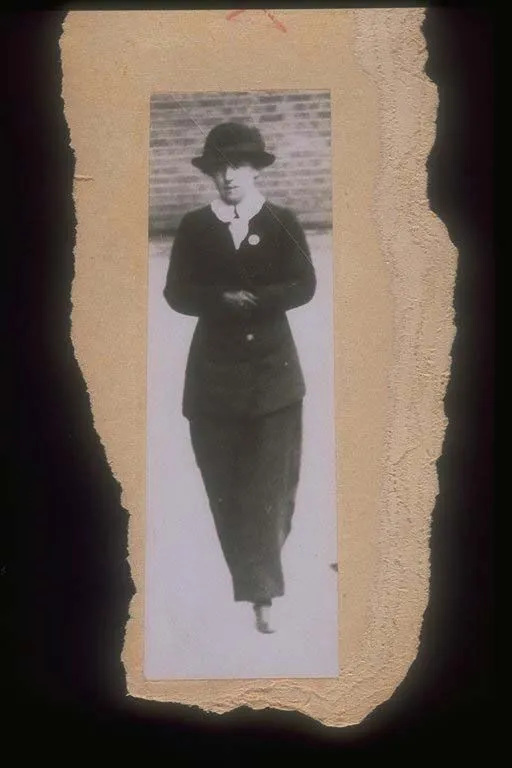
Mary Richardson, who slashed The Rokeby Venus, in Holloway Prison.
-
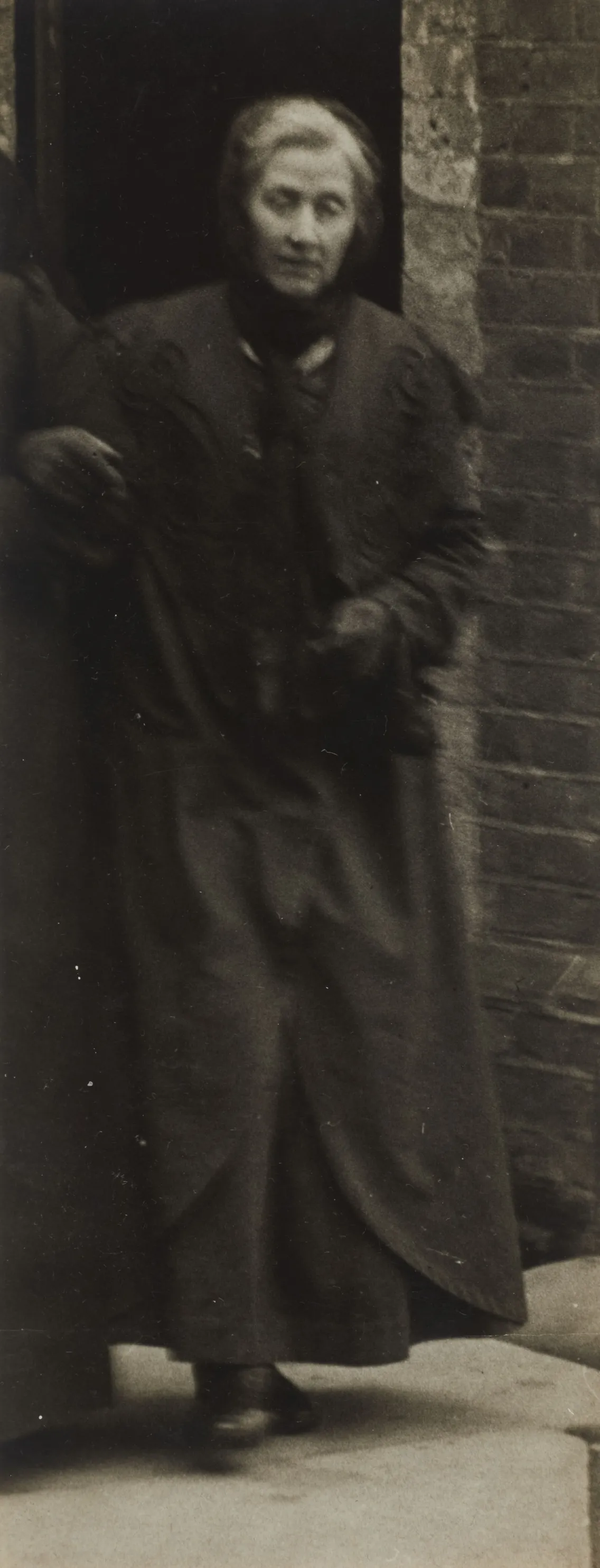
Mary Aldham, who damaged a John Singer Sargent painting at the Royal Academy.
-
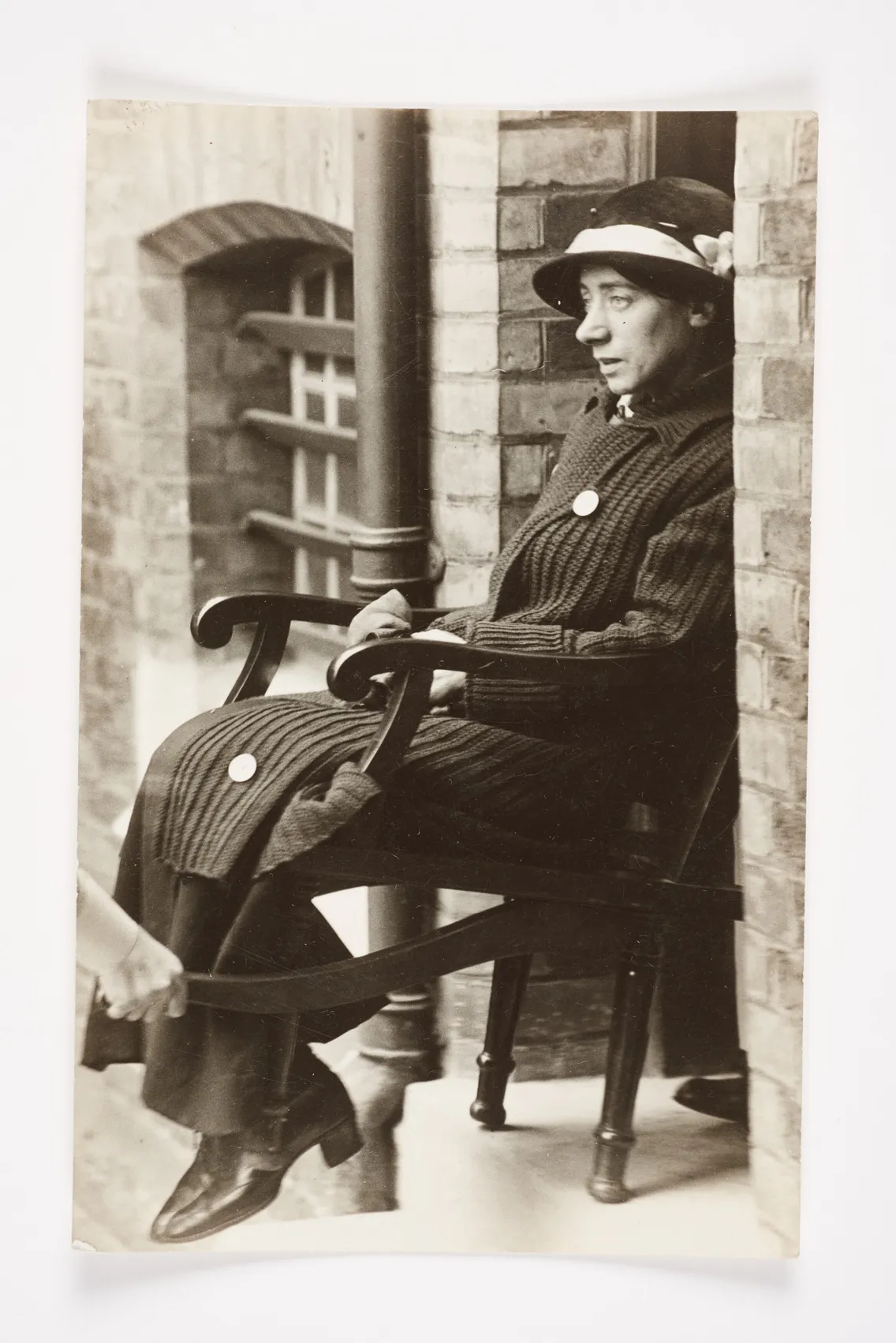
Clara Lambert, who smashed a display case containing Chinese porcelain at the British Museum.
Arson and bombing
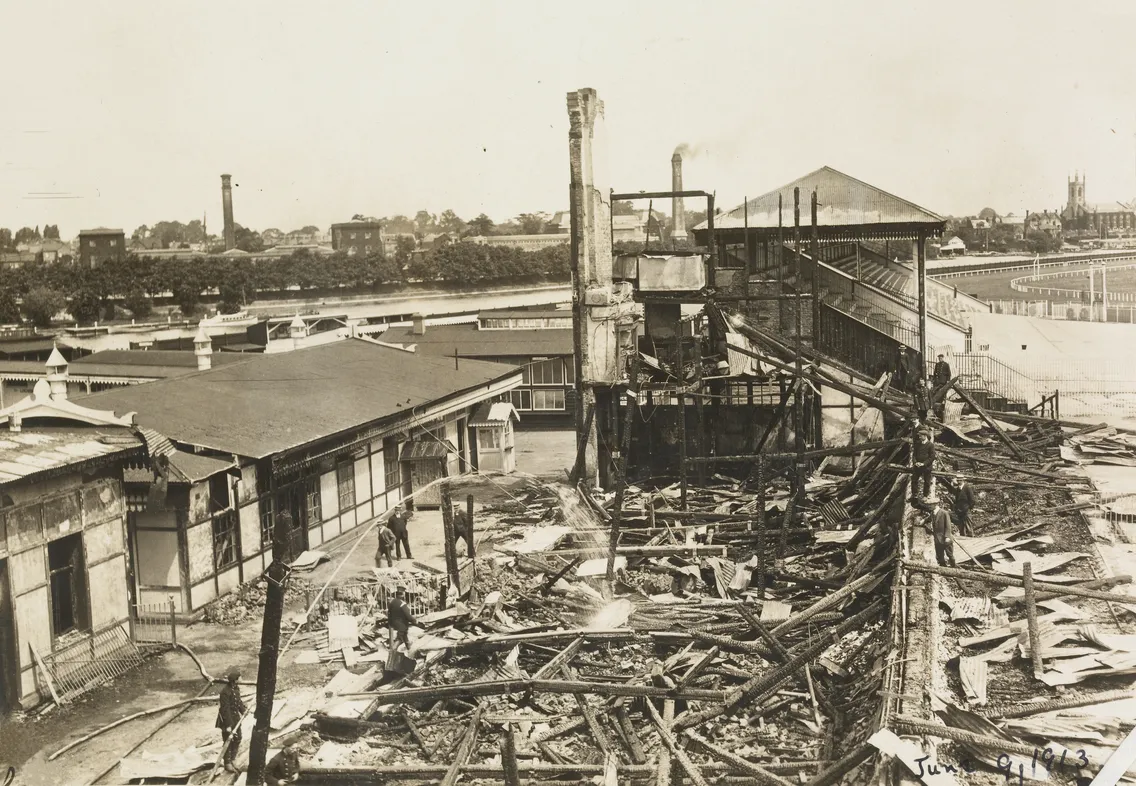
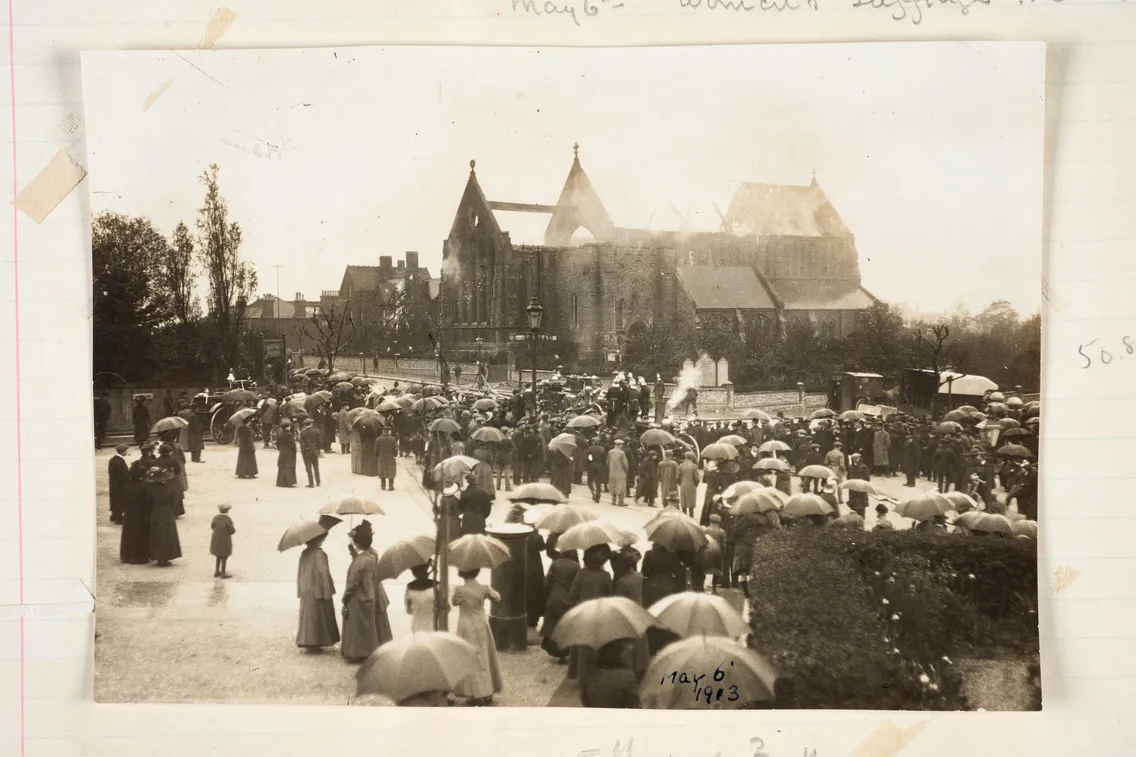
The most hardcore, militant Suffragettes took part in the arson and bombing campaign, orchestrated between 1912 and 1914. Churches, recreation grounds and houses of politicians were targeted. Bombs were planted at places like St Paul’s Cathedral and the Bank of England, but they failed to explode.
Kitty Marion was arrested for burning down Hurst Park racecourse in Surrey in June 1913. She was sentenced to three years and 21 days of hard labour in Holloway. The prison was the target of a bombing attack in December that year, but the building only sustained minor damage.
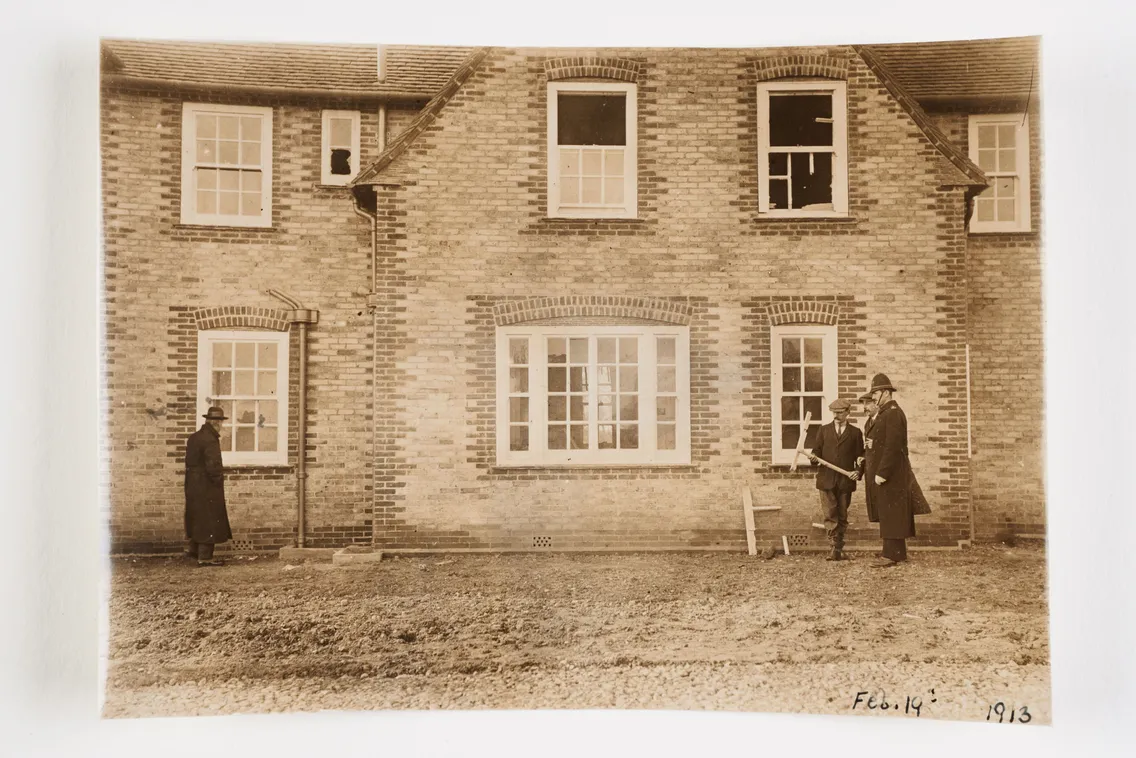
Government ministers also became a target for Suffragette militant action, including Chancellor David Lloyd George. He professed to be in favour of women’s suffrage, but as Christabel Pankhurst said: “he is always betraying us.”
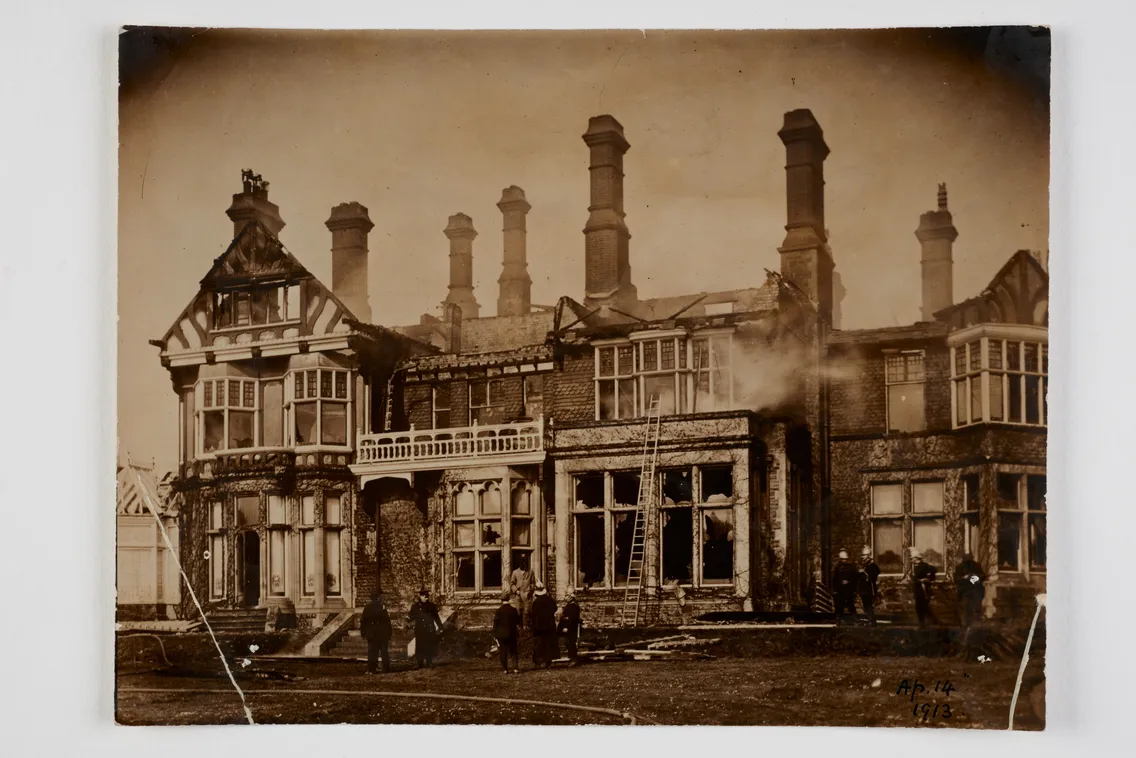
Lloyd George and Prime Minister Herbet Asquith were sent letter bombs in January 1913, though they ignited in transit. The Surrey home of Lloyd George, was bombed the following month. Only one of the two devices ignited, causing £500 worth of damage – that's equivalent to around £51,000 today.
Although no Suffragette was arrested for the attack, it enabled the authorities to take action against WSPU leader Emmeline Pankhurst. She was arrested and charged with inciting a crime and received a three-year prison sentence.
Tags
-
-
-
Printed Ephemera
-
Printed Ephemera
 Printed Ephemera
Surveillance Image of the Suffragette Prisoner Marguerite Sidle (surveillance image)
Scotland Yard
1914
-
-


-
 Politics & Society
Why did Suffragettes go on hunger strike?
Imprisoned for militant action, some Suffragettes went to extreme lengths to continue their protest
-
 Rights & Activism
The Suffragettes’ window-smashing campaign of 1912
The start of mass organised direct action in the fight for women’s right to vote
-
 From our experts
The forgotten Suffragettes & tales of militancy
These four forgotten champions who fought bravely for female suffrage
-
 From our experts
From prison to parliament: Suffragettes & Holloway
Delve into the history of Holloway prison, and the stories of the Suffragettes imprisoned there
-
 From our experts
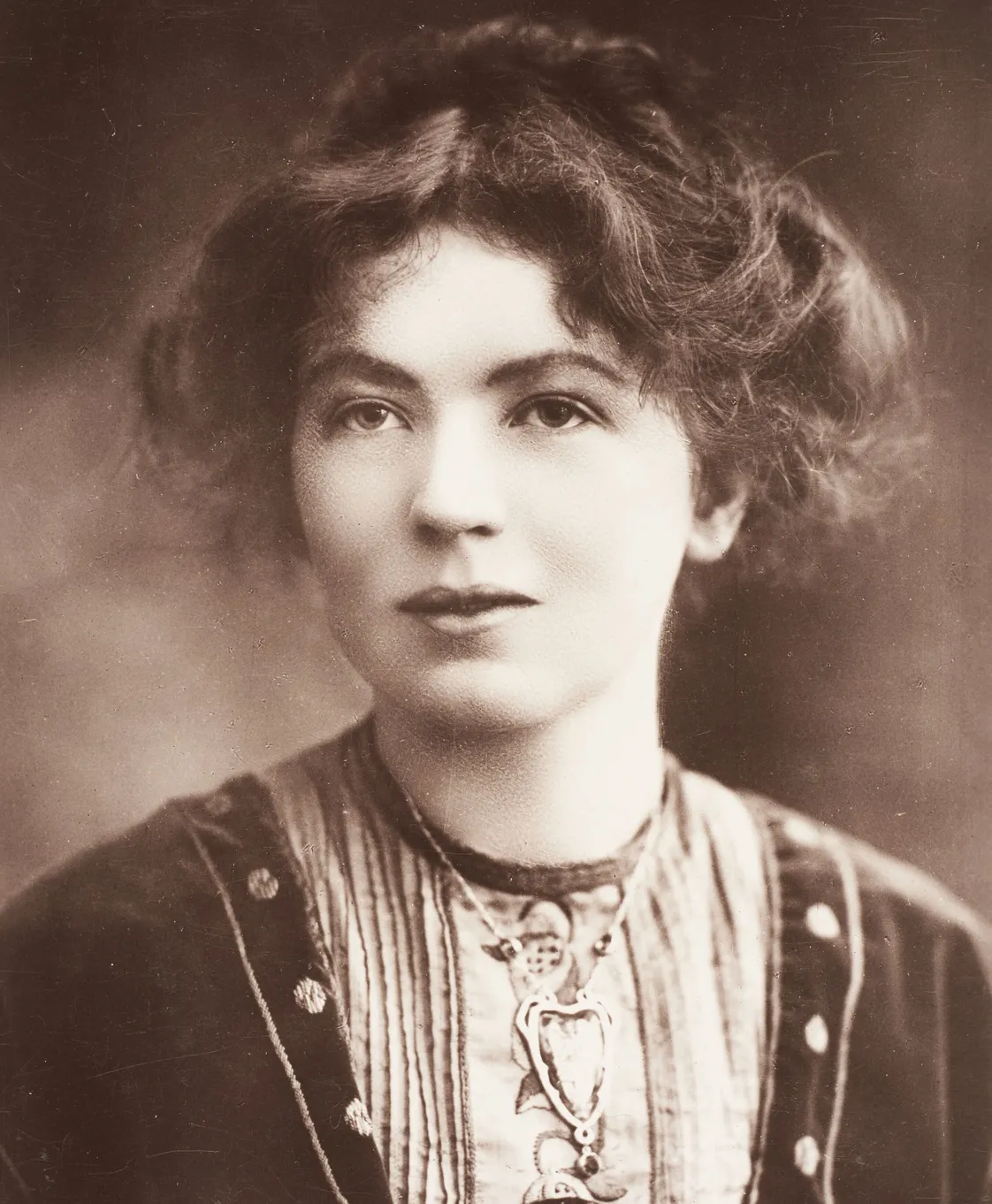
Suffragette Christabel Pankhurst & her ‘militant’ strategy
Interview: Often maligned by historians, feminist and Suffragette Christabel Pankhurst’s story needs much exploration