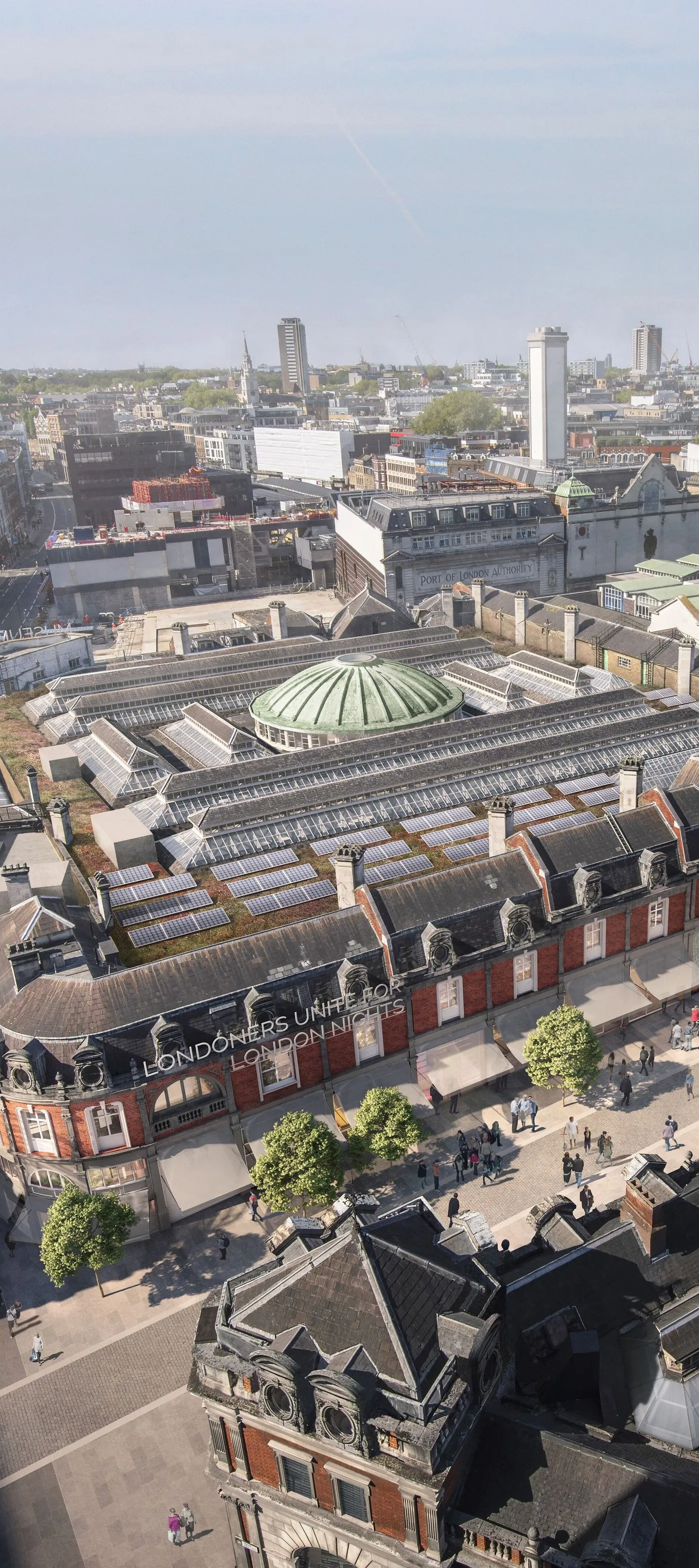
What was life like in post-war London?
London changed profoundly in the post-war years, from the end of the Second World War in 1945 to the election of Prime Minister Margaret Thatcher in 1979. These decades brought reconstruction of the bomb-damaged landscape, economic and industrial upheaval, widespread protest movements and social and cultural revolutions.
1945–1979
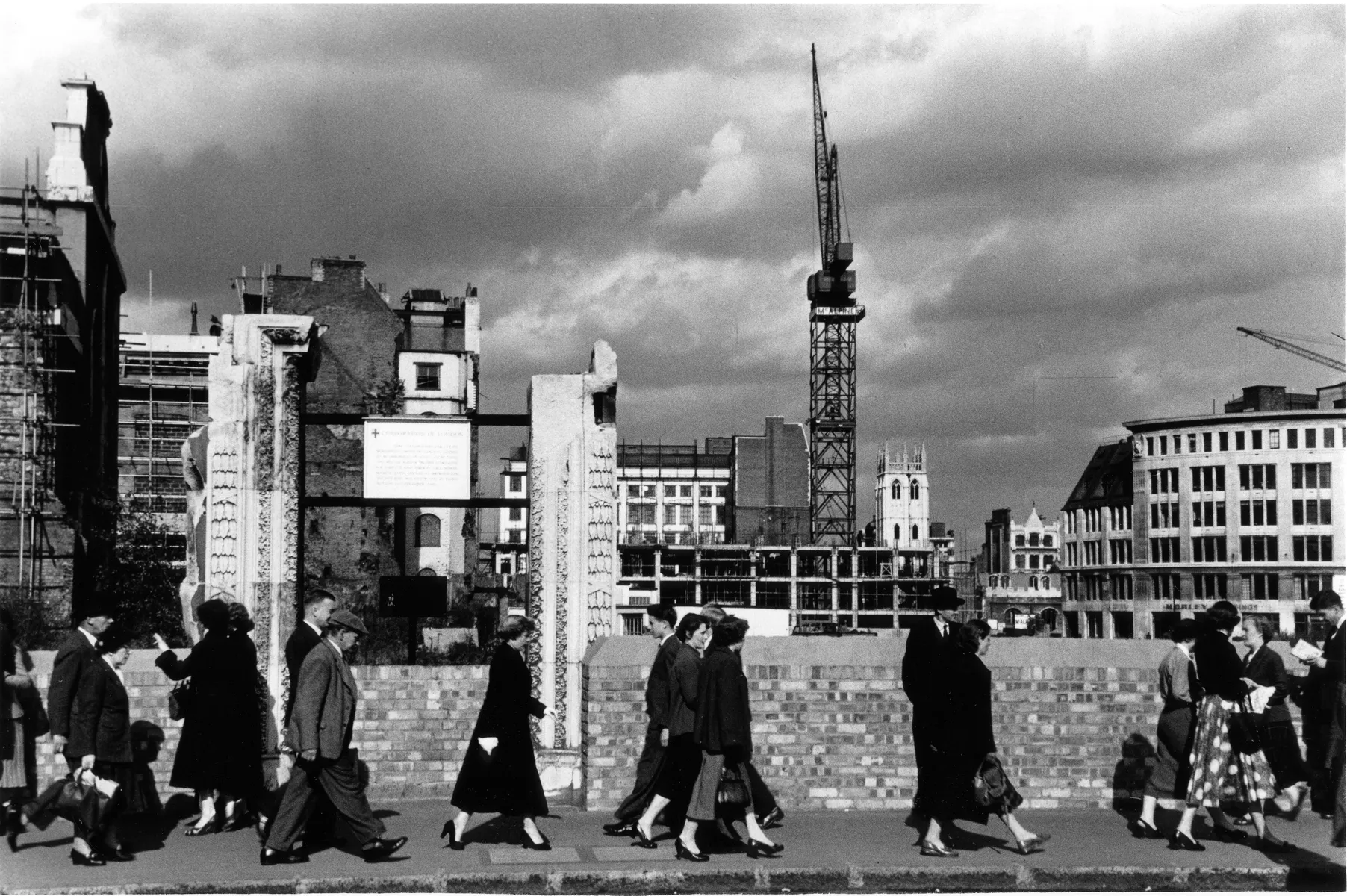
Reconstruction in London after the Second World War
Aerial bombing had caused widespread damage across London, devastating residential neighbourhoods and industrial areas alike. Rationing and housing shortages characterised the immediate post-war years. Reconstruction programmes led to new housing schemes, public infrastructure, open spaces and even modernist architecture, with many Londoners living in estates and high-rises.
Rebuilding and recovery
-
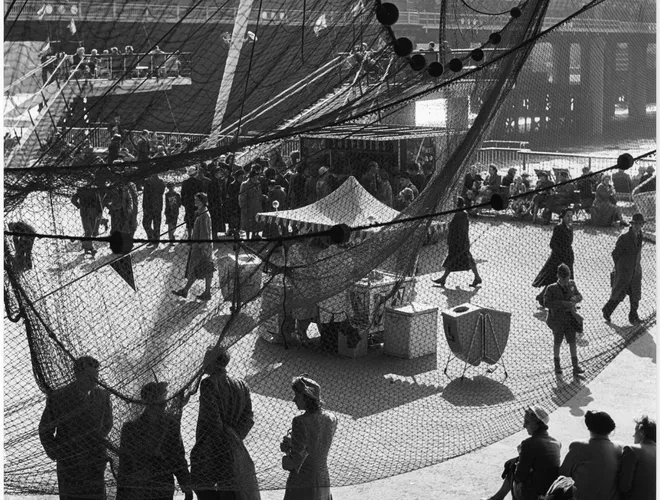
The Festival of Britain 1951
A nation-wide event with London at its heart, the Festival aimed to boost Britain’s post-war blues
-
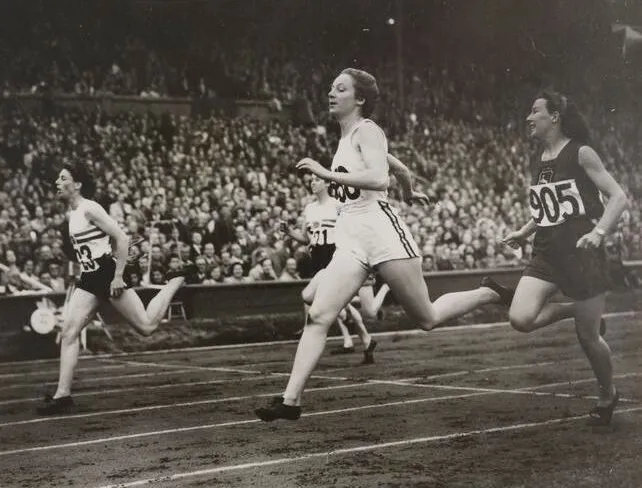
London 1948 Olympics: The ‘Austerity Games’
Held in the struggling post-war years, these frugal Games were celebrated as a harmonious success
-
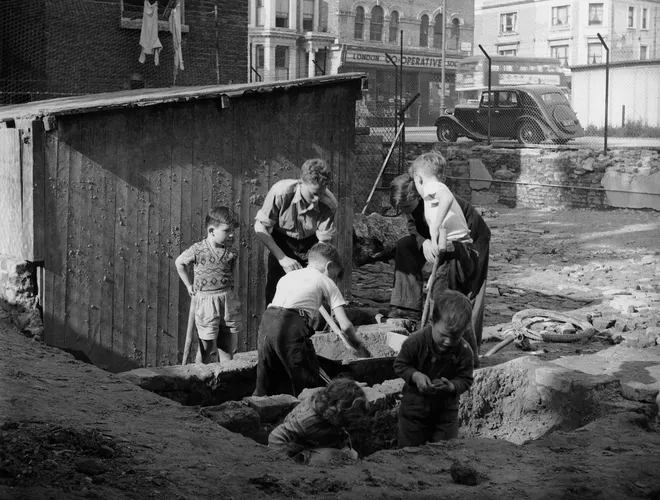
How wartime bombsites became adventure playgrounds
Reclaiming the wreckage for play and imagination
-
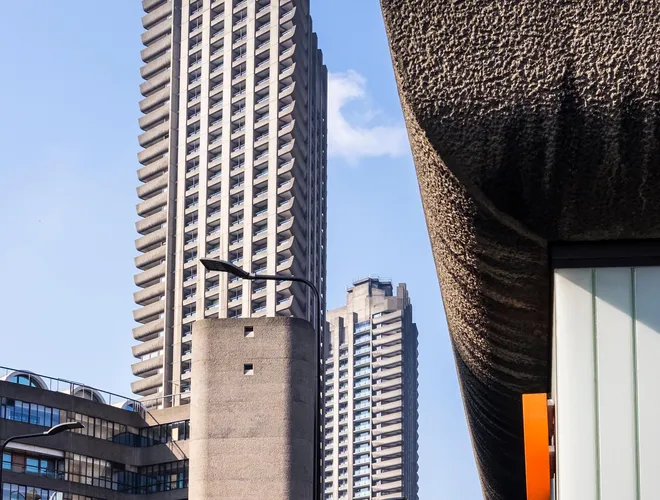
London’s Brutalist buildings
Love or loathe it, London is home to many concrete icons built in this striking architectural style
-
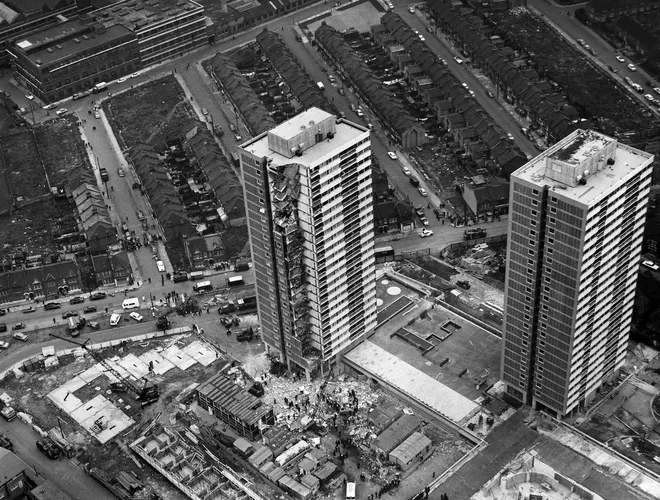
The Ronan Point disaster: Tower blocks’ demise
This 1968 accident rattled confidence in the buildings of the future
Post-war migration
In 1948, a law was passed inviting people from across the Commonwealth to receive British passports and work in the UK, helping to rebuild the country. Families from the West Indies and South Asia made new lives in London. They often worked in fields with labour shortages like transport and the new National Health Service. These new communities transformed the city’s culture and landscape. They also faced frequent racial discrimination and violence.
The Windrush Generation
-
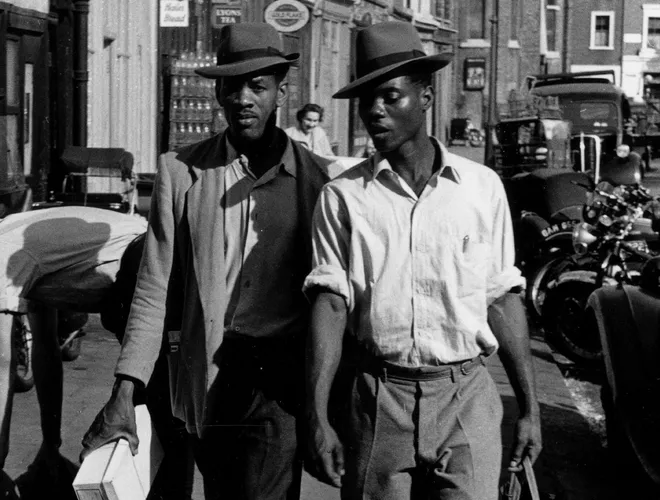
Windrush style: Psychology, identity & resilience
The psychological impact and cultural significance of Black Caribbean fashion among the Windrush Generation
-
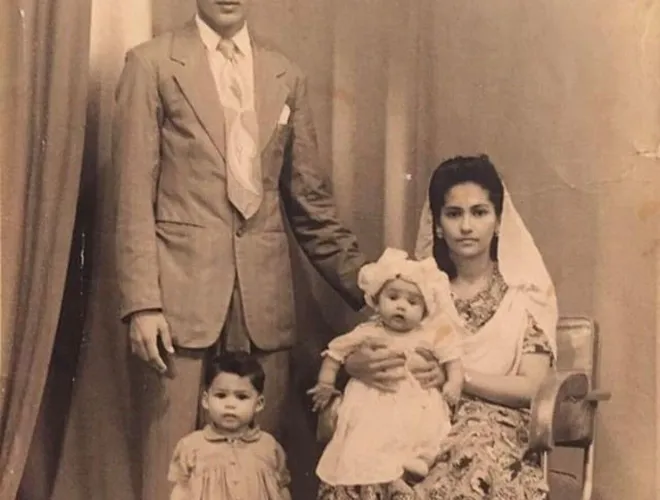
Windrush stories of the Indo-Caribbean community
Three Londoners of Indo-Caribbean descent share family stories of being part of the Windrush generation
-
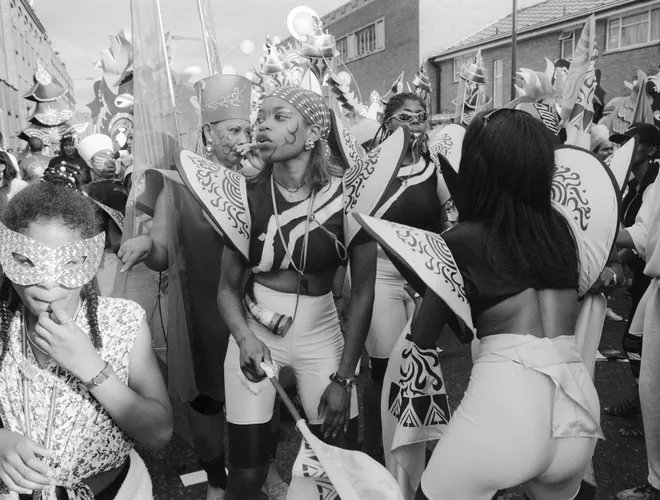
The origins of Notting Hill Carnival
London’s biggest street festival is a celebration of Caribbean culture and Black identity
-
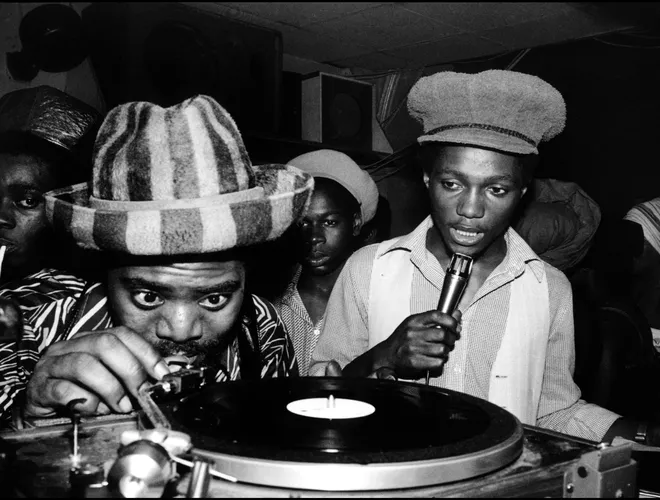
Dub in London: Shops, sound systems & legends
In the 1970s and 1980s, London became the centre of Jamaica’s bassier, spacier sound
London's economy and industrial landscape
The city’s war-damaged ports and docks were restored in the 1950s. But over the next 30 years, all the city’s docks were shut down. During this time, deindustrialisation in London began to ramp up as the city moved towards the service sector. Many old industries and factories met the same fate as the docks. The business district Canary Wharf, built on former docklands in the 1980s, was one eventual outcome of this shift.
Deindustrialisation in London
-
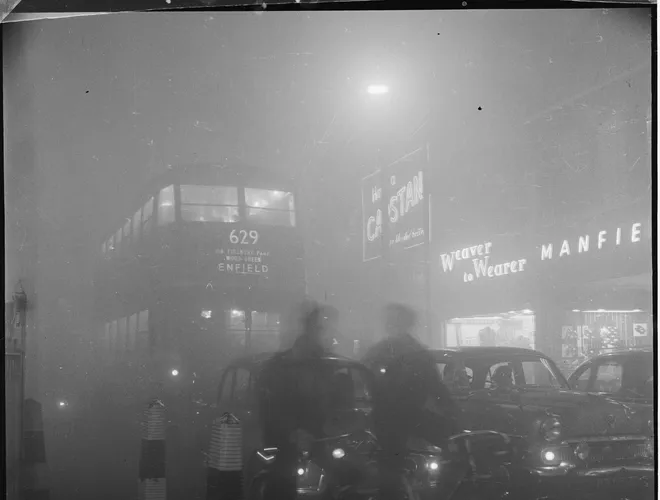
The Great Smog of 1952
12,000 people died when a toxic polluted fog descended on London
-
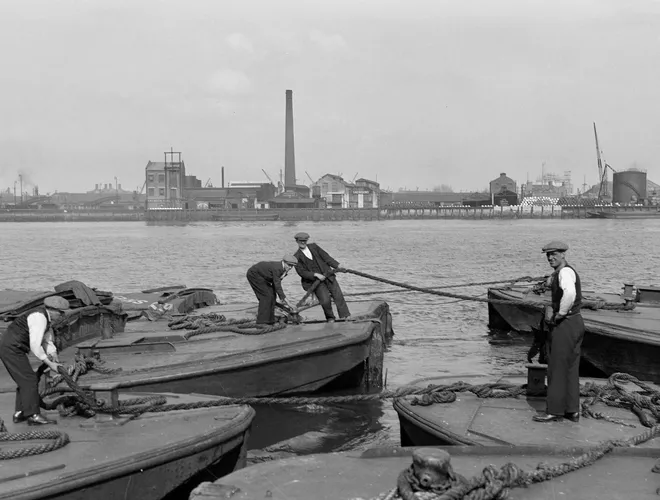
The jobs that made London’s docks run
London’s port relied on dock workers doing an array of back-breaking and highly skilled jobs
-
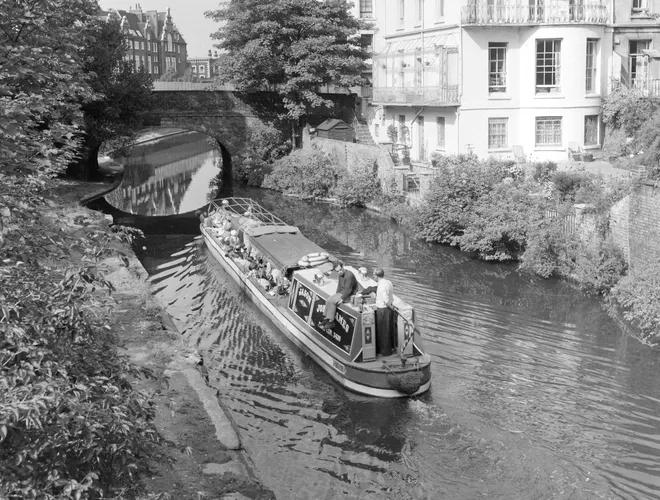
Post-war leisure on London’s canals
Pleasure boating and bug hunting
-

Who were the River Thames lightermen?
Keeping the cogs of London’s trade turning
A cultural revolution took root in London
A booming economy brought with it a new generation of young people with money to spend and identities to forge. The birth of the ‘teenager’ drove the proliferation of subcultures that emerged in the capital. Fashion designers, artists, musicians and venues coloured London’s ever-changing cultural landscape.
Post-war culture and subcutlure
-
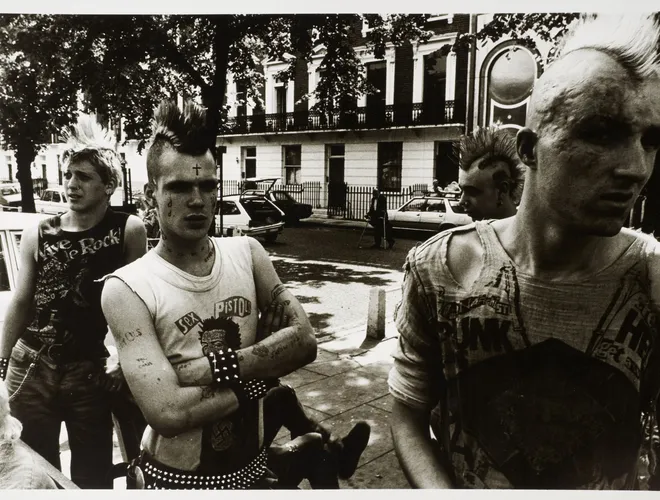
London’s subcultures
The capital of counterculture
-
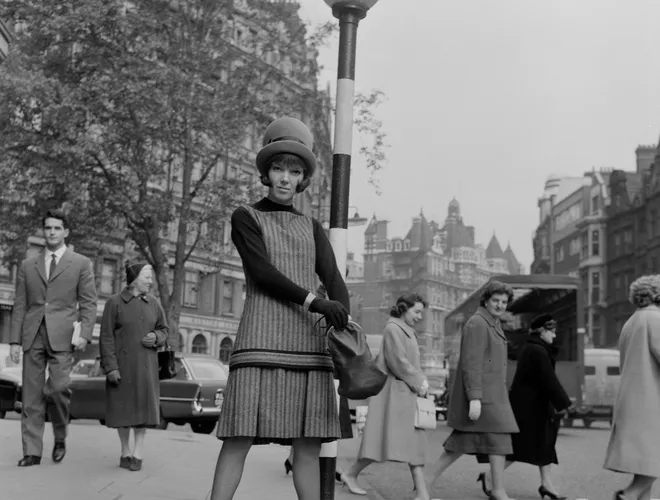
How Mary Quant revolutionised 1960s fashion
This champion of super short hemlines influenced how a generation dressed
-
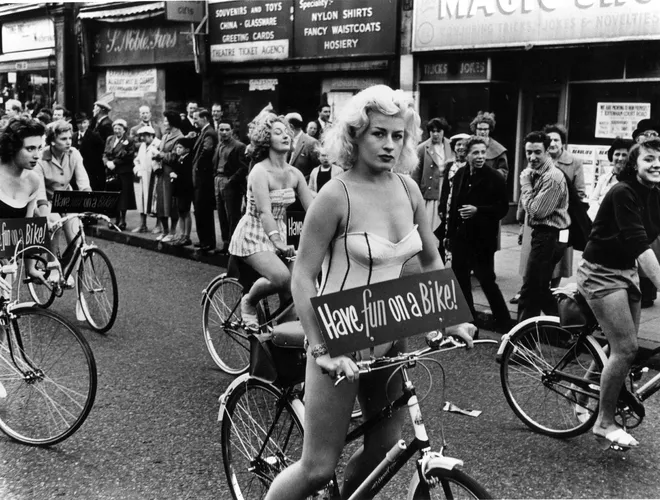
Soho in the 1950s: The wild West End
A place where outsiders felt at home
-
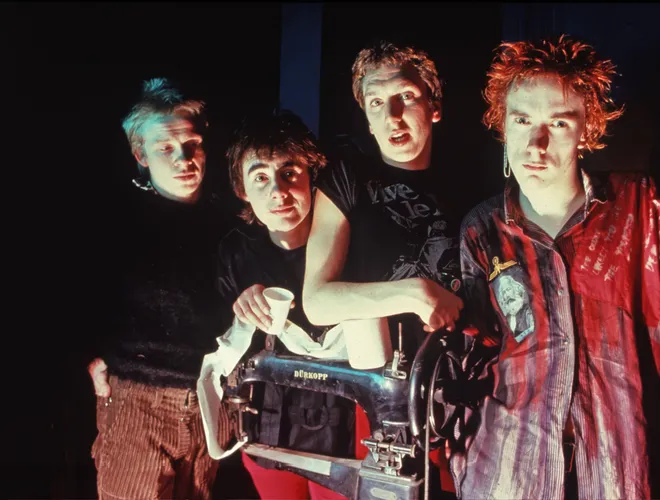
Sex Pistols: London’s resident punk rebels
The punk pioneers who defined a generation
-
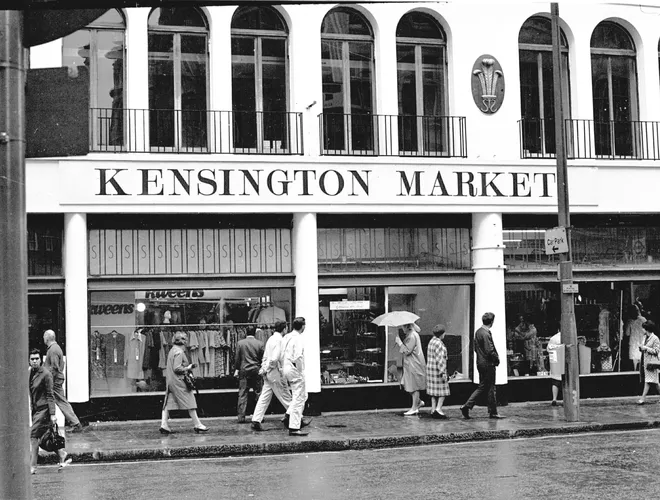
Kensington Market led British alt fashion for 33 years
Where Freddie Mercury sold boots and punk thrived
-
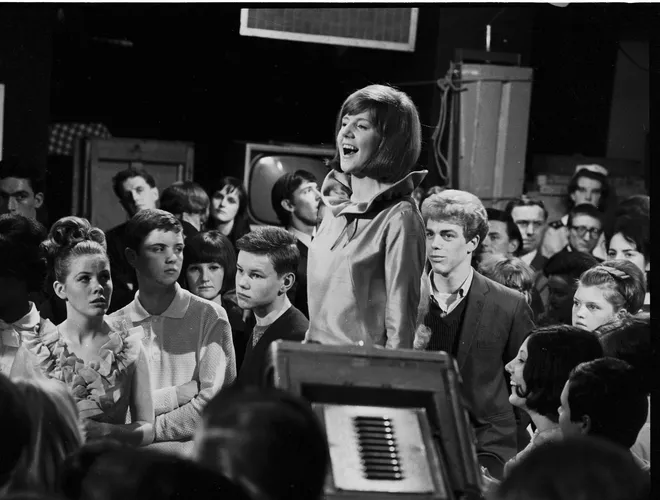
Ready Steady Go!: The Swinging Sixties music show
On set at the short-lived show that captured 1960s mod mania
-

Twickenham’s Eel Pie Island
This little island had a thriving rhythm and blues scene – where the Rolling Stones were residents
-
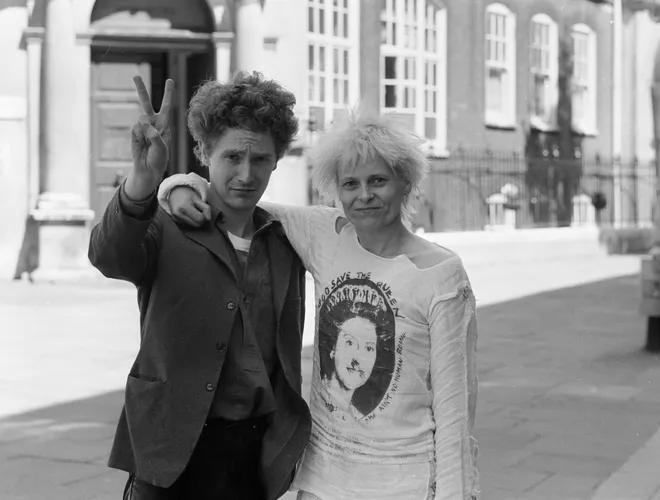
Vivienne Westwood & Malcolm McLaren: King’s Road royalty
Their boutique at 430 King’s Road brought creativity – and controversy – to 1970s fashion
Post-war politics and protest
The post-war years were marked by widespread protest movements. Some centred around group identities, such as the campaigns for LGBTQ+ rights and racial equality. Others focused on issues like nuclear weapons, war and industrial disputes.
Activism across London
-
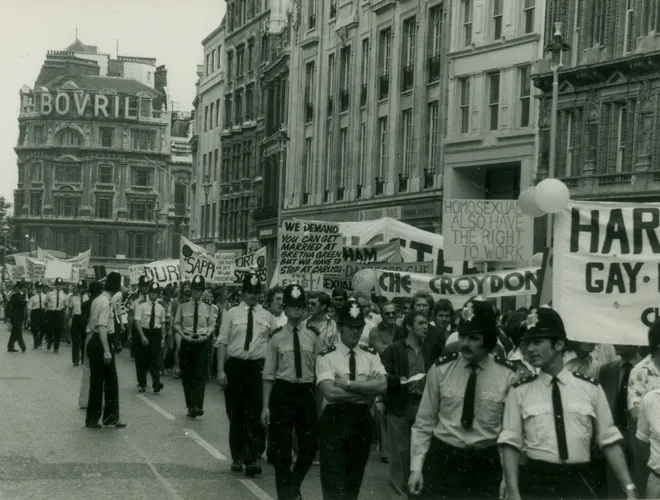
How London Pride began
And the campaign for LGBTQ+ rights gained momentum in the 1970s
-
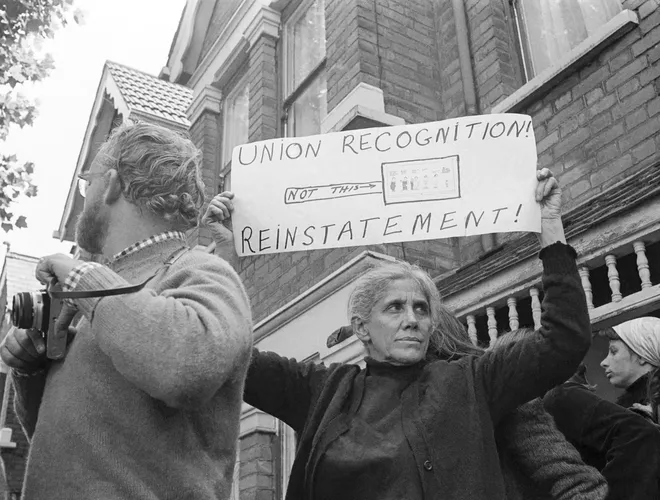
The Grunwick strike, 1976–1978
One of the defining industrial disputes of the 1970s happened in a north-west London suburb
-
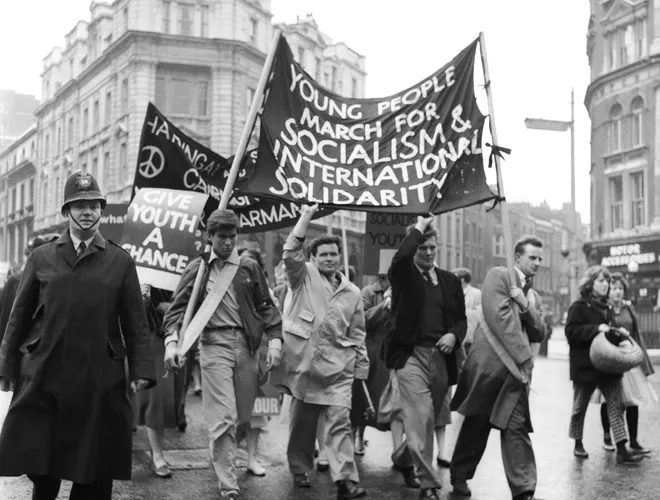
May Day protests in post-war London
Marching for world peace and workers’ rights on a historic day of activism
-
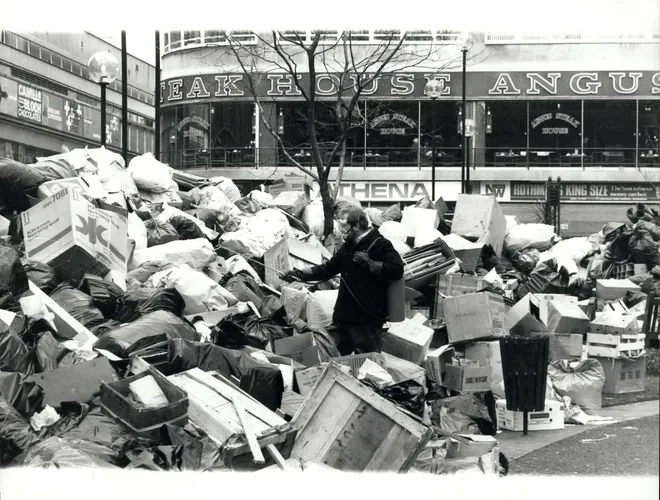
What was the Winter of Discontent, 1978–1979?
A widespread strike movement during one of the coldest winters of the century
-
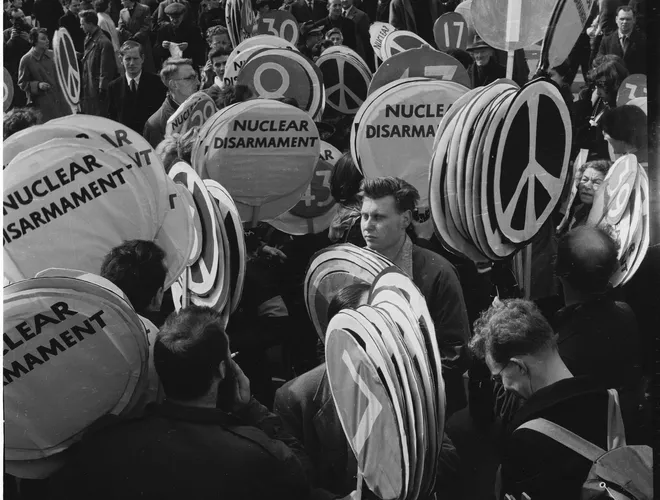
Anti-nuclear protests in dangerous times
Huge crowds gathered in London from the 1950s onwards to call for a ban on nuclear weapons
Life in London caught the eye of photographers
The capital proved to be an endless source of inspiration. Professional photographers documented London life in detail, turning their lenses onto the mundane rhythms of the day-to-day as well as defining events of the post-war period. Other Londoners were also motivated to pick up their cameras and capture life in their own communities, as they saw it.
Post-war photographers
-
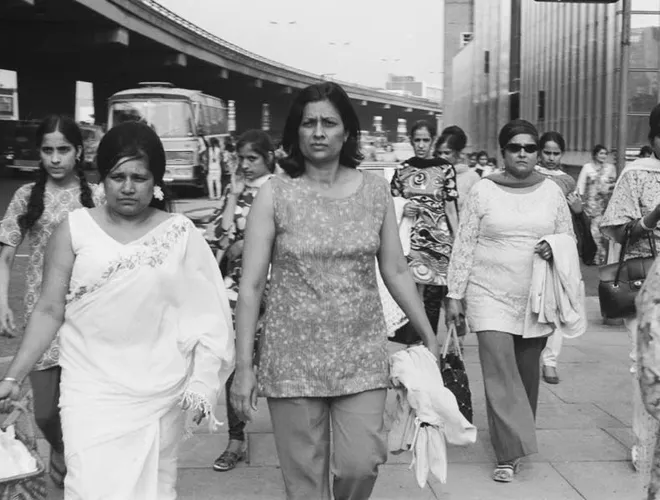
Henry Grant photographed London from every angle
Countless London stories in black and white
-
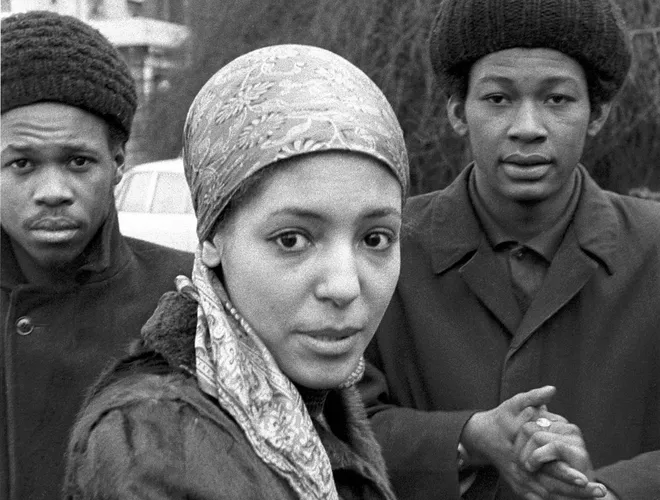
Neil Kenlock’s photos of 1970s Black London
Beauty queens and Black Panthers
-
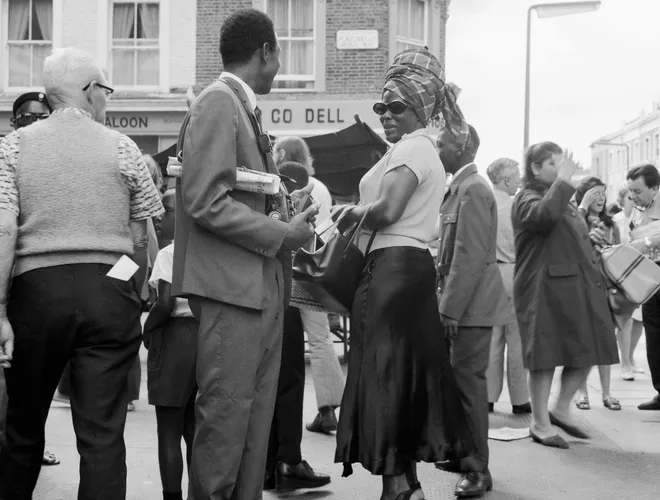
Through the lens of Charlie Phillips
One of the most talented, but long overlooked, photographers of 20th-century Britain
-
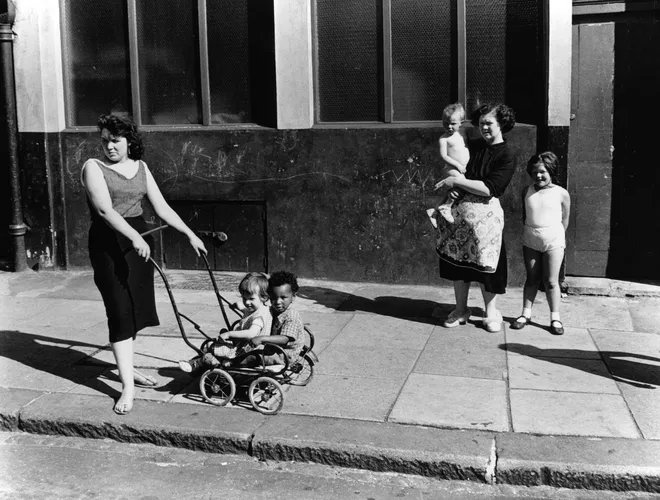
Roger Mayne’s photographs of post-war London
A window into life in the capital from the 1950s
-
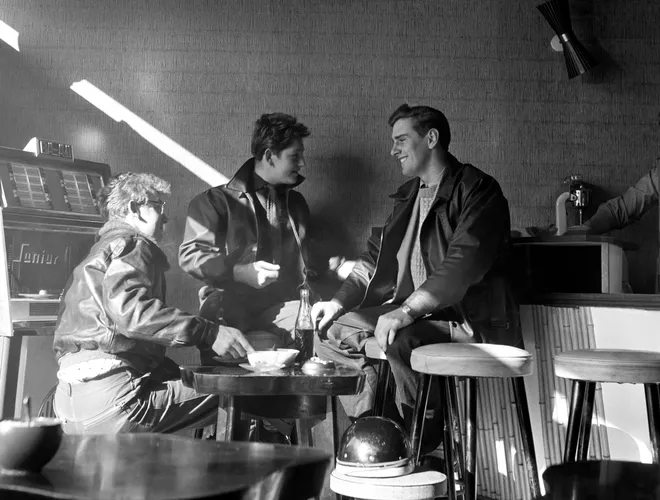
Forgotten faces from post-war London
Fred Wilfred’s photos of London from 1957 to 1962 have remained largely unseen
-
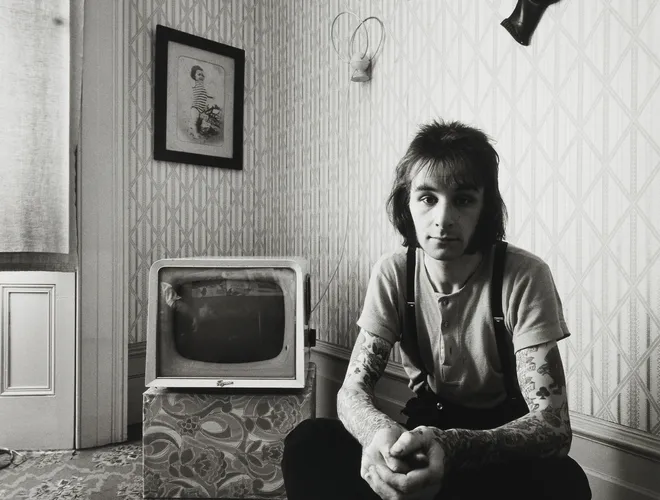
Portraits of Londoners at home in the 1970s
An intimate look at life behind closed doors
-
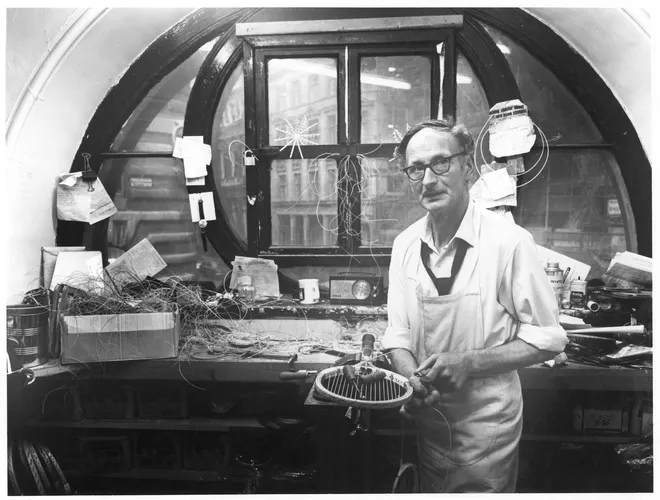
Portraits of City of London workers, 1974
John Eastcott looked beyond the bankers to document the many trades of the Square Mile