How did the Romans care for their dead?
Ideas about death and the afterlife shaped the identity and landscape of Roman London. Londoners marked the passing of a loved one in different ways, including cremations, burials and supplying them with valuable goods.
City of London
Around 47–410 CE
-
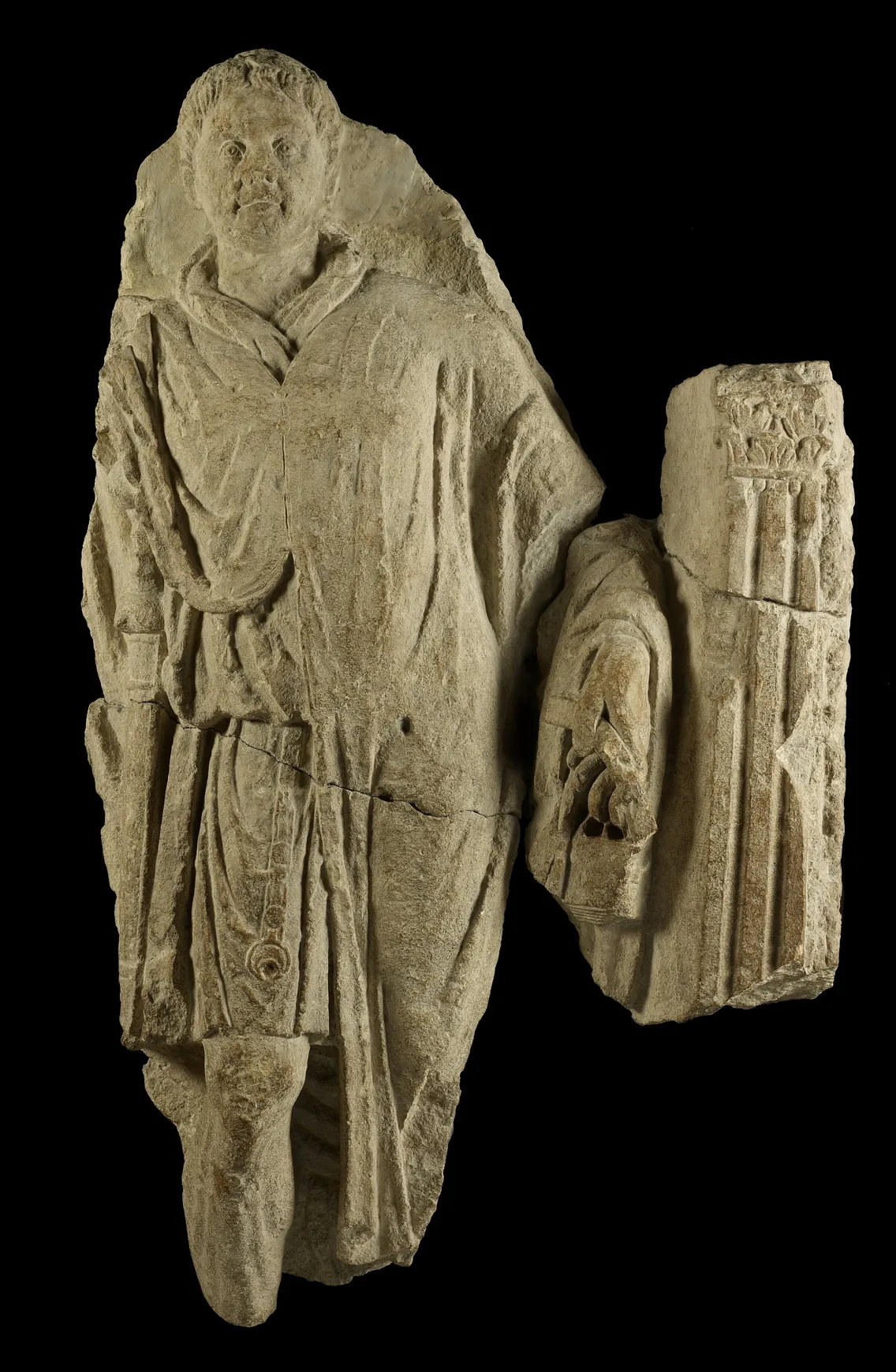
This tombstone of a Roman soldier, from around 40 to 140 CE, is the earliest known depiction of a Londoner.
Marking the journey into the next realm
The Romans believed that after you died, you’d travel into the afterlife. For your loved ones left behind in the land of the living, rituals and ceremonies played a hugely important role in this journey.
Roman Londoners said goodbye in many different ways, and funerary rites changed over time. Cremation, where a body is burned on a pyre, was most popular for the first 200 years of Roman London, the city they called Londinium. Then, burying a body, known as inhumation, took over.
Some Londoners were buried in wooden or lead coffins among expensive grave goods, like glassware and jewellery. Others have been found in ditches and wells, interred without the typical care given to the dead.
To keep the dead away from the living, cemeteries were built outside the legal boundary of the city, in places like Smithfield and Spitalfields. However, as the settlement grew, many early burial grounds ended up inside the boundary. Even in death, you’d have felt the presence of the rich and powerful in tombs and monuments across London’s landscape.
Did the Romans cremate or bury their dead?
For the first 200 years after Londinium was founded around 47 CE, the Romans tended to cremate the remains of the dead.
Early Roman funerals centred around the pyre, an open-air pile of wood on which a body was burned. The fire was thought to cleanse the ‘polluting’ effects of death and free the soul from the corpse. The person’s bones would then be collected and placed in containers, like everyday pots or specially purchased urns. These containers would then be buried.
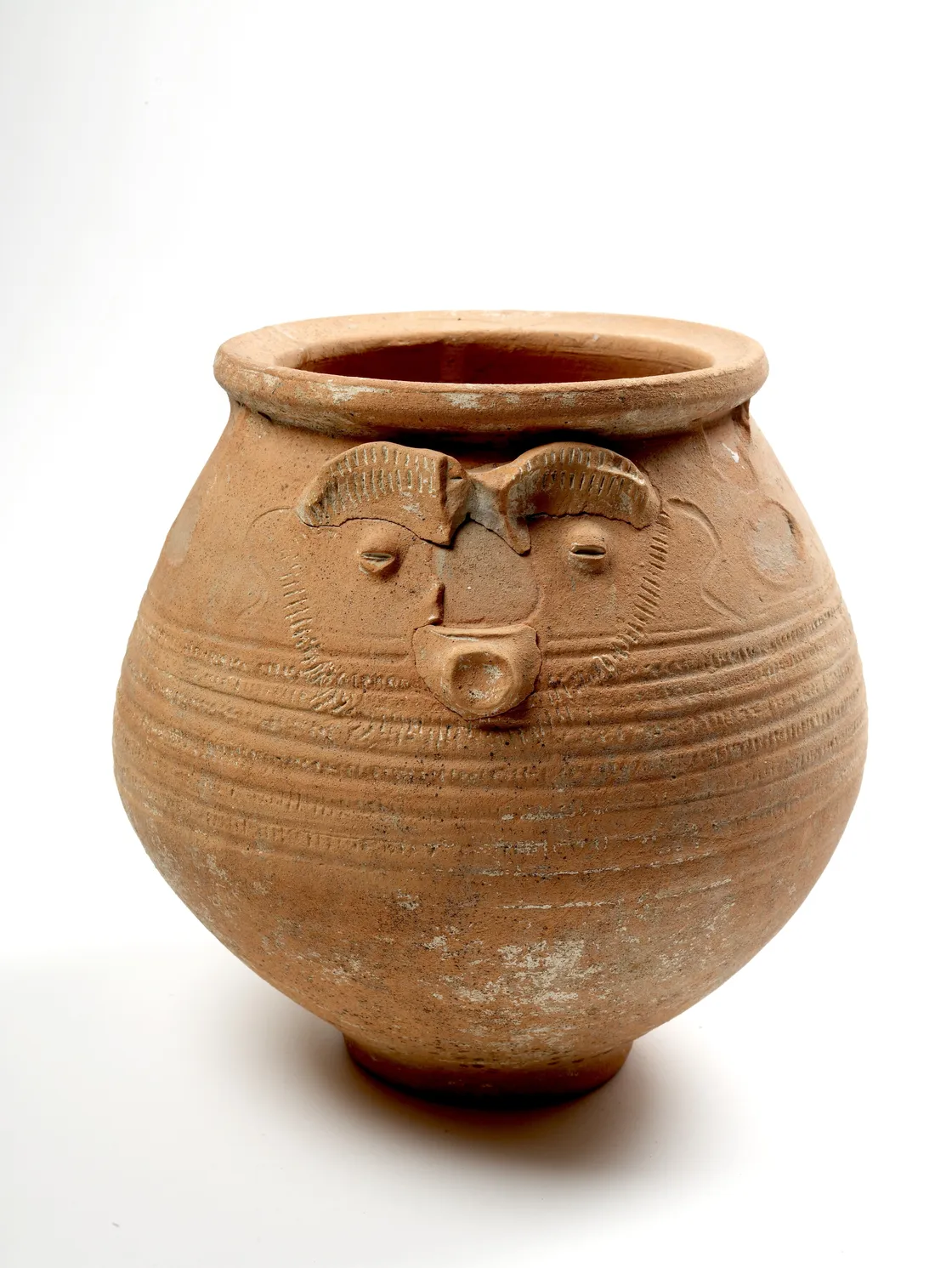
This jar contained the cremated bones of an adult man and was found at the site of a Roman cemetery.
Later in the Roman period, the gradually increasing popularity of inhumation reflected changes in ideas about death.
The Romans typically treated burials with care. How you were buried depended on your wealth and status. Some people were buried directly in the ground, others in wooden or lead coffins. Wealthy people’s coffins were sometimes contained in a stone sarcophagus. And for some, their bodies were treated with extremely expensive oils and resins imported from the eastern Mediterranean.
-
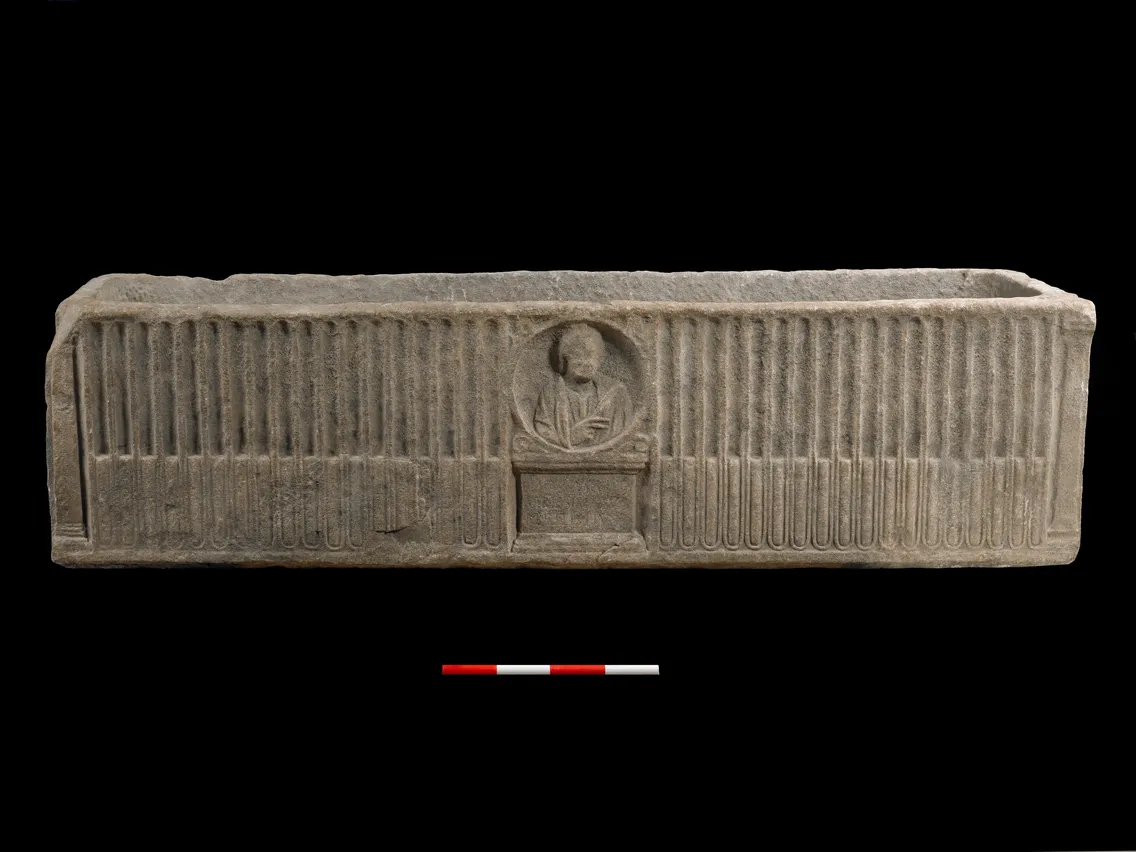
This sarcophagus, imported from the Continent, was found in Hackney, hinting at a wealthy small settlement or farmstead near the River Lea.
Funerals were always a gathering place. Londoners often shared a feast to mark the passing of a loved one. Pig teeth were found in a burial at Bishopsgate – perhaps included as an offering to the gods.
What grave goods were Romans buried with?
As the Romans believed in the afterlife, they buried their loved ones with various objects to help them journey into the next world. These items help paint a picture of what Roman Londoners valued, and what they hoped for their loved one after their death.
Food and drink would sometimes be put in the grave to feed the person on their journey into the afterlife. Or it would allow them to ‘join in’ the funeral feast mourners would have had at the graveside. Romans also left coins to pay the ferryman Charon, who took the dead across the river of the underworld. Objects made of jet, a deep black gemstone, or featuring Medusas were thought to protect the dead from evil spirits.
-
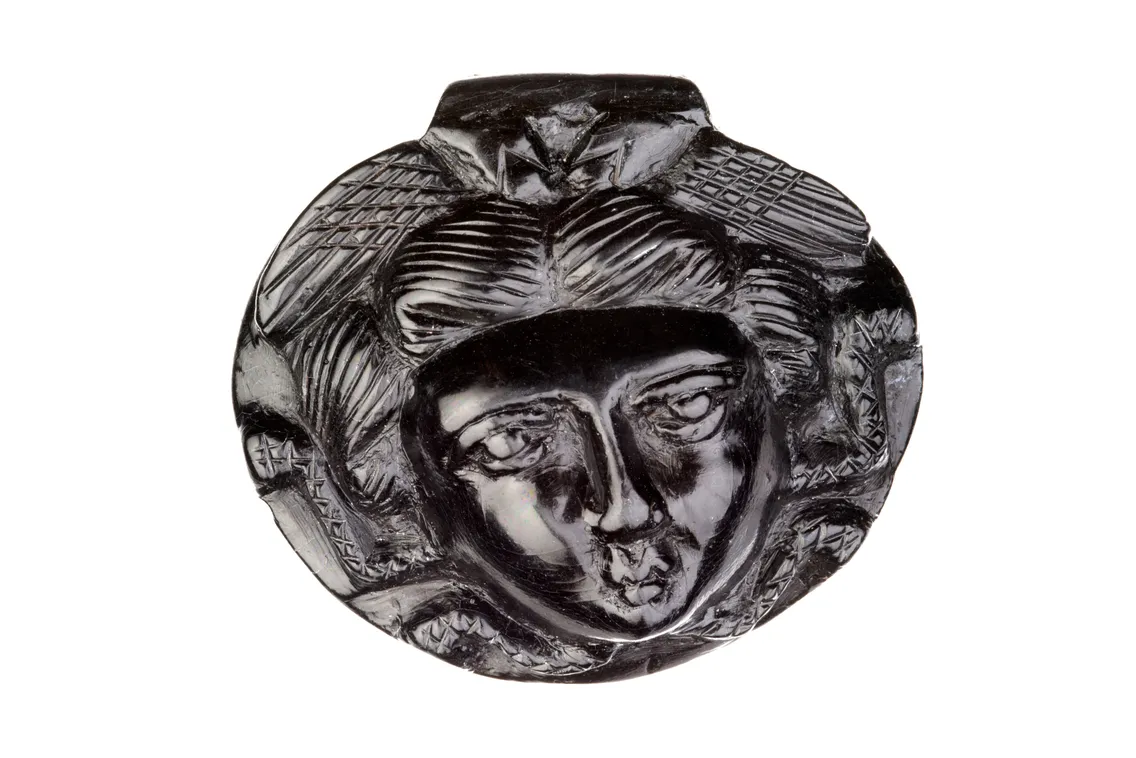
Jet pendant depicting the mythological monster Medusa, with her snake hair.
-
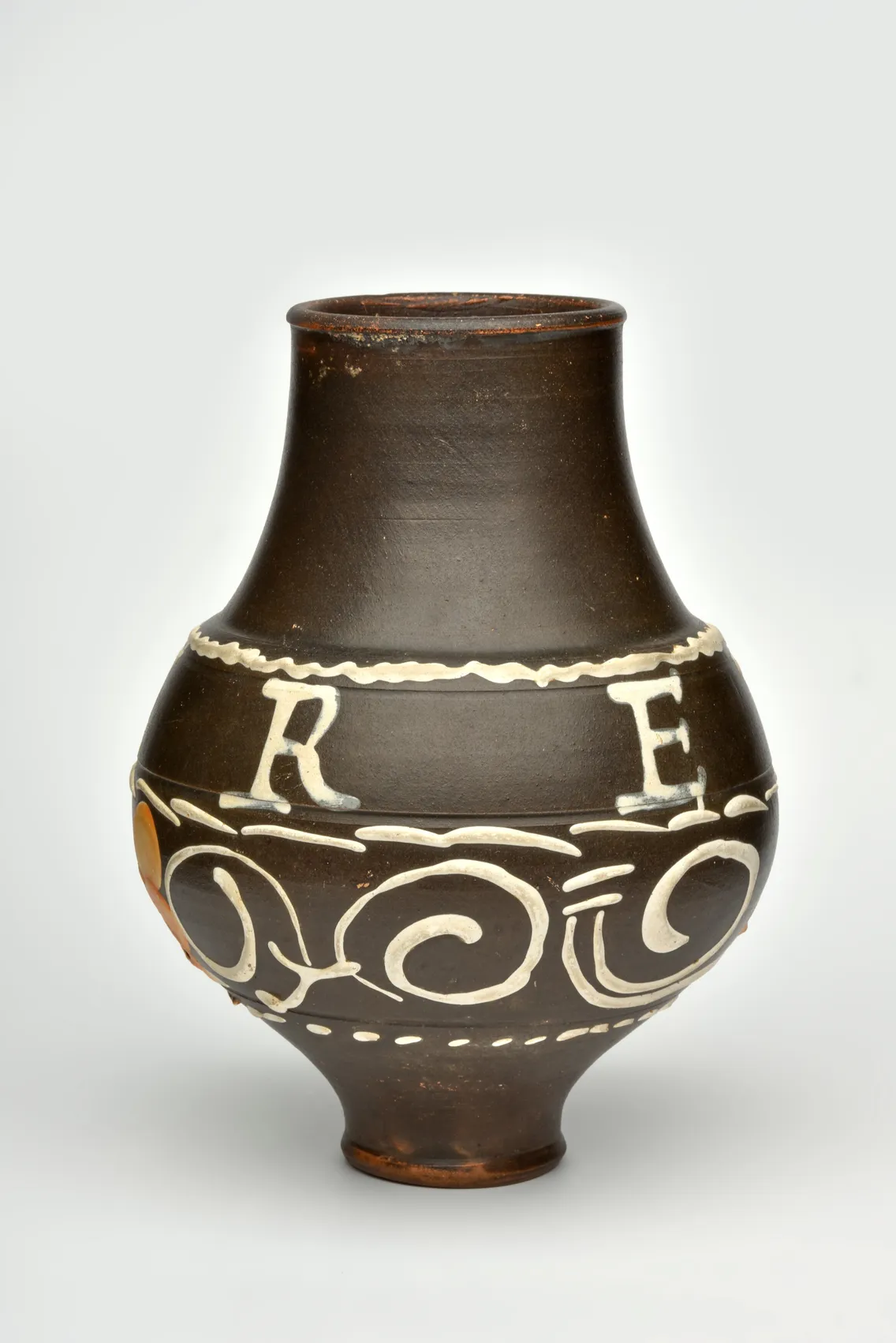
This beaker was made in Germany and had been looked after for at least 75 years before it was placed in a person’s grave.
Often, the burial of children would be accompanied by dogs, which were thought to act as protectors and guides in the afterlife.
Grave goods can also give us clues about the identity and status of the person buried. But the evidence is patchy. These are only the objects that have survived for 2,000 years, and organic deposits would have decayed and disappeared over time. Some of these objects show us the spectacular wealth of Roman Londoners. Many items were made across the empire, revealing London’s international connections.
One of London’s highest-status burials was of a young Italian woman in a sarcophagus in Spitalfields. She wore a silk tunic with costly purple and gold decoration, and her body had been rubbed with scented resins. Two glass phials for perfumes and lotion were found alongside luxury items like a jet hairpin and a jet and stone box.
-
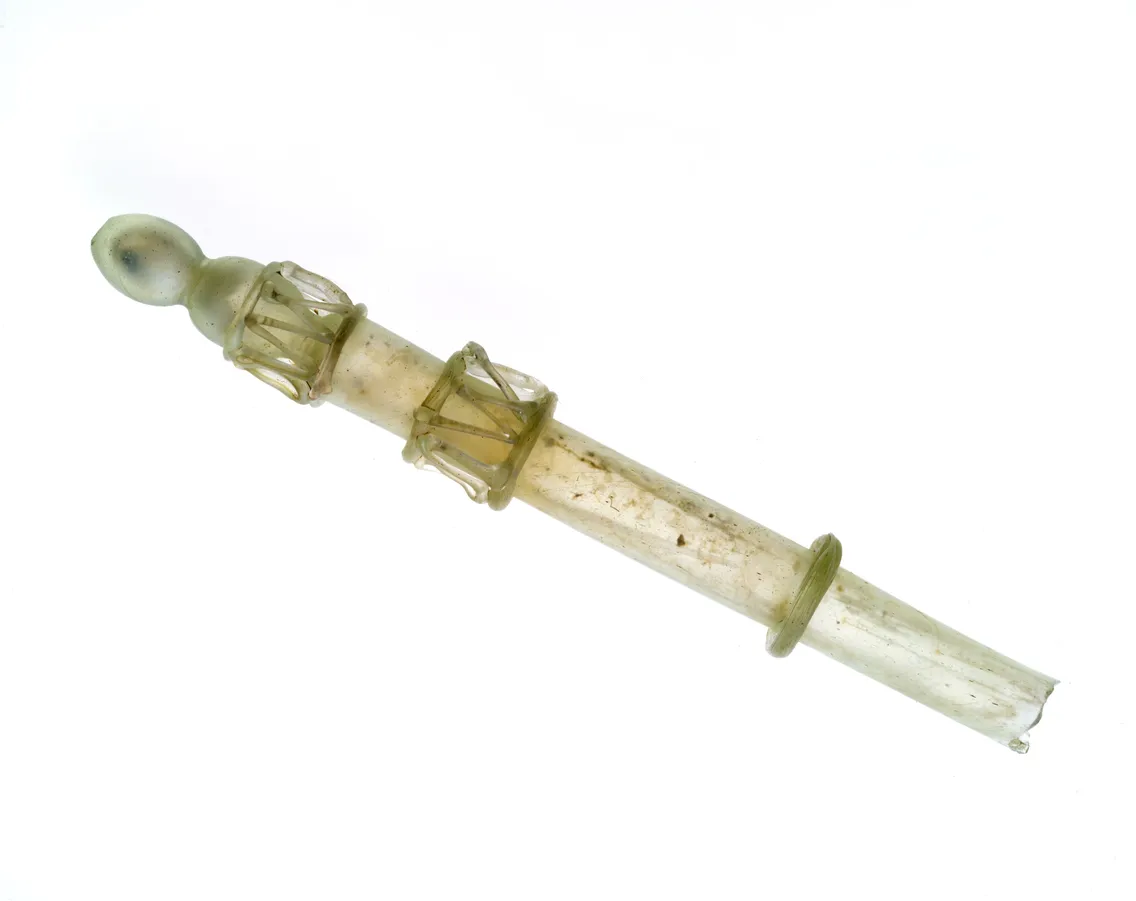
Long glass phial found as part of the high-status burial in Spitalfields.
-
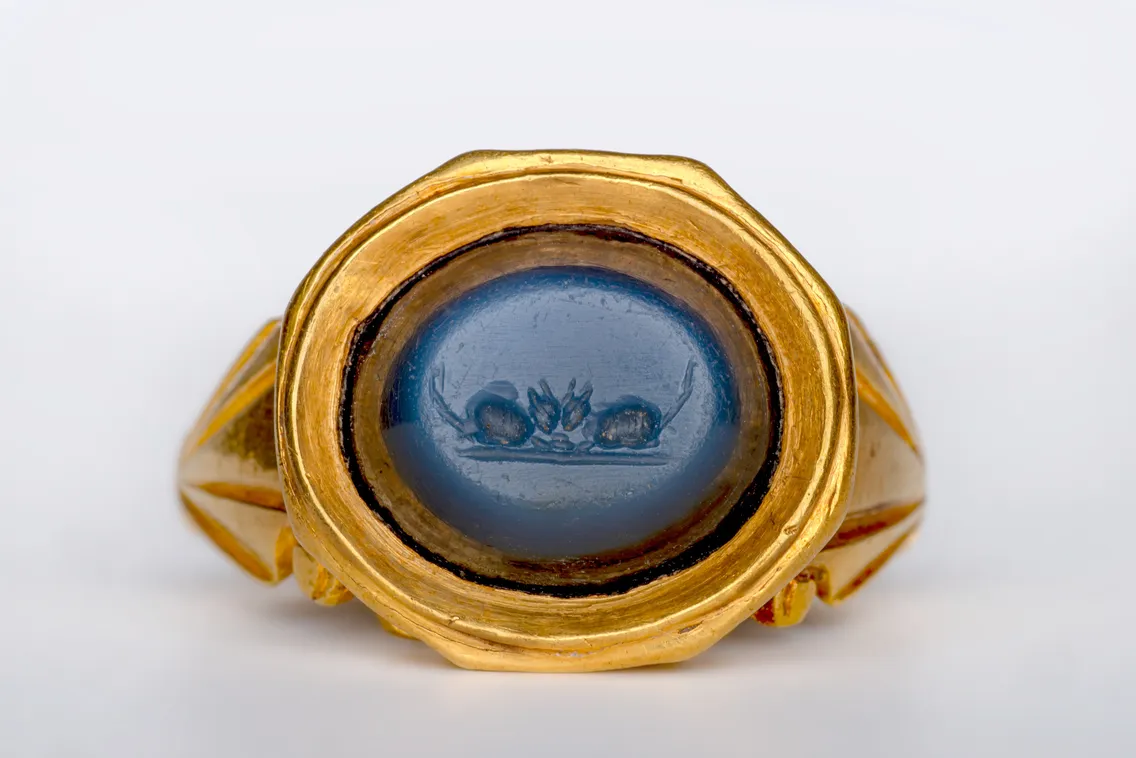
This ring, found on the hand of a young woman interred by the River Lea, is one of the finest pieces of jewellery to come from a Roman burial.
-
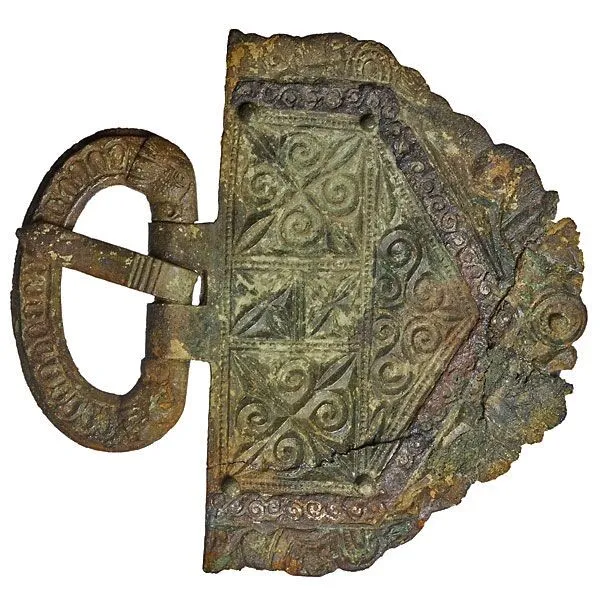
This buckle from a military belt-set shows the high status of the man it was buried with, perhaps a senior soldier or official in the Roman government.
Where were Roman London’s cemeteries?
Roman authorities didn’t allow burials within the city boundary. The dead – who the Romans considered to be ‘polluting’ and unclean – were generally kept away from the living. Instead, you’d have found cemeteries near the many Roman roads leading out of Londinium to other parts of the province. These were in areas like Spitalfields, Bishopsgate and Aldgate.
Monuments and tombs of rich and important Romans created a landscape of power around the city. Their inscriptions, painted red, would have drawn the gaze of the passer-by and were designed to be read aloud. A monumental tomb to the civil official Julius Alpinus Classicianus stood over Londinium on Tower Hill. In the cemeteries, like those along Watling Street in Southwark, you’d have seen mausolea marking high-status families, those in the imperial administration or wealthy people.
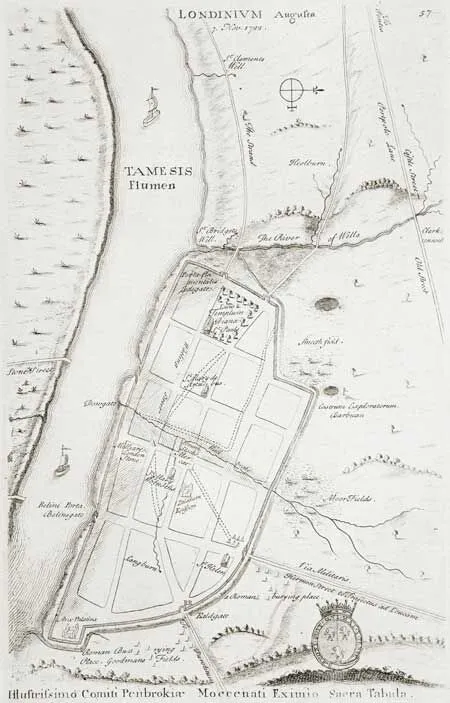
William Stukeley's plan of Roman London, drawn in 1722, showing two known Roman burial grounds south of the city.
Not everyone was buried with dignity in death. Archaeologists have found Londoners in atypical burials, like pits and ditches rather than graves. Some individuals and body parts have been found in wells, buried in ditches or put into open pits. Were these the remains of people executed or punished by Roman rulers? Why didn’t they receive the normal care and attention given to burials?
In one burial ground west of the River Walbrook, bodies were buried without coffins or containers at a time when cremation was more common. At this cemetery, two males were buried wearing iron restraints. One had an iron ring soldered around each ankle, and another had a single iron ring around their left ankle. Were they criminals or enslaved people? These graves might have been dug quickly, as a cheaper option than cremation.