Richmond Park: London's biggest park
Richmond Park has been a wild royal haven for over 700 years, home to historic deer, ancient oak trees and the UK’s biggest beetle.
Richmond, Wandsworth and Kingston
Since 1625
Deer-spotting in the city
London boasts roughly 50% of green cover. And of that, Richmond Park makes a significant contribution as the city’s largest royal park. You can fit around 1,500 football pitches in there, and walk for hours without retracing your steps.
In 1625, King Charles I enclosed the parkland south-west of the city and stocked it with deer, making it his personal hunting ground. It’s now one of the city’s biggest Sites of Special Scientific Interest, so-designated because of its wildlife, geology and natural features.
The view from King Henry’s Mound is also protected by law.
Ancient trees and varied woodlands
The park’s ancient English oaks are survivors of medieval forests that once surrounded London. Some trees are over 700 years old, providing vital habitats for countless species of invertebrates and fungi.
These veteran trees, numbering around 1,000, contribute to the park’s designation as a European Special Area of Conservation.
“Around 650 red and fallow deer call the park home”
The ancient woodlands create diverse microclimates throughout the park. Oak groves surround Pen Ponds, while other areas feature mixed woodland plantations. The bark and branches of these old trees support rare lichens and provide nesting sites for numerous bird species.
Why are there deer in Richmond Park?
Richmond Park was created as the deer-hunting playground of King Charles I. In 1625, Charles moved to Richmond Palace seeking refuge from plague. He made the surrounding parkland his court’s hunting ground by stocking it with deer.
Charles enclosed the park in 1637 by building an eight-mile brick wall, keeping deer in and locals out. But he later installed a ladder to give people access to cross the park. Parts of the wall still stand as a Grade II listed building.
Now, around 650 red and fallow deer call the park home. These herds are crucial in maintaining the park’s ecology.
-
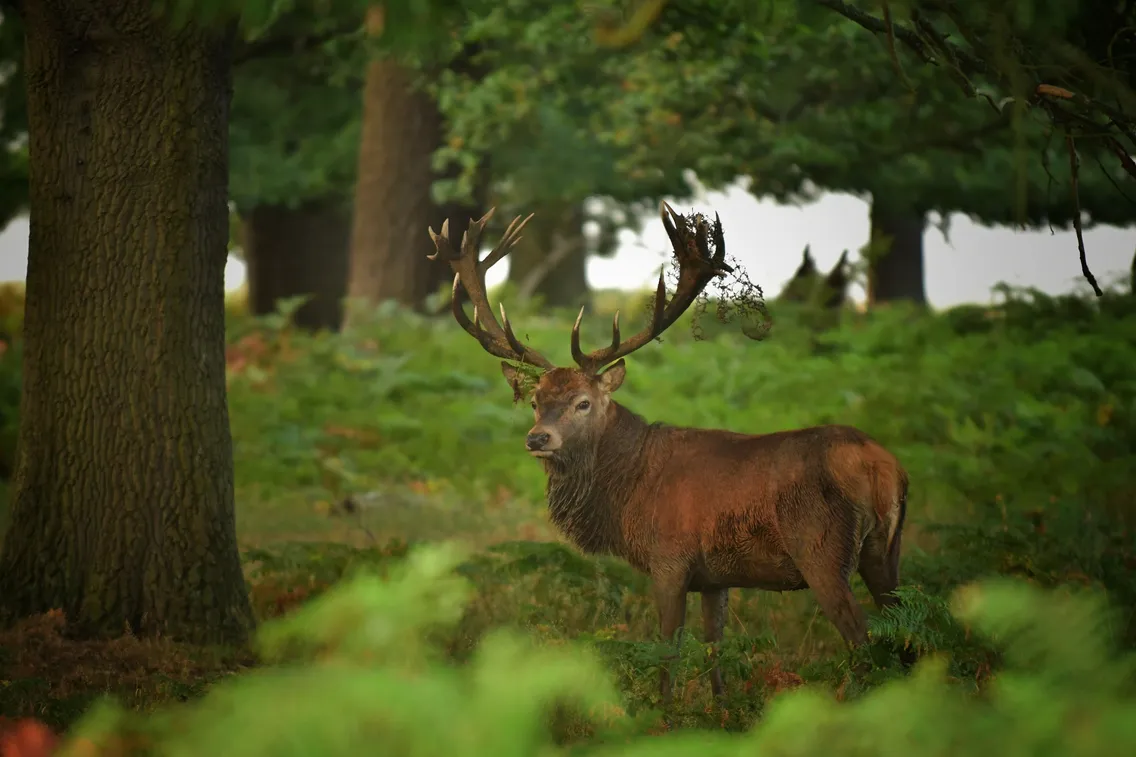
Richmond Park’s famous deer roam freely across the grasslands and between ancient oak trees.
Richmond Park’s royal history
Charles I might have been the first to enclose Richmond Park. But the land and its surrounding areas were initially part of the Manor of Shene, or Sheen, which had been associated with royalty since the 12th century.
King Edward III built a palace there in the mid-1300s. And King Henry VII renamed the palace and surrounding area Richmond around 1501, reflecting his previous title of the earl of Richmond. The Sheen Gate still marks the original name.
The park briefly belonged to the City of London after Charles I was executed in 1649, before returning to royal control under King Charles II in 1660.
In 1751, Princess Amelia (daughter of King George II) became ranger of the park and caused public uproar by closing it to the public. A local brewer named John Lewis was refused entry, and he protested by taking the park’s gatekeeper to court. In 1758, he won the case and the public could access the park on foot once again.
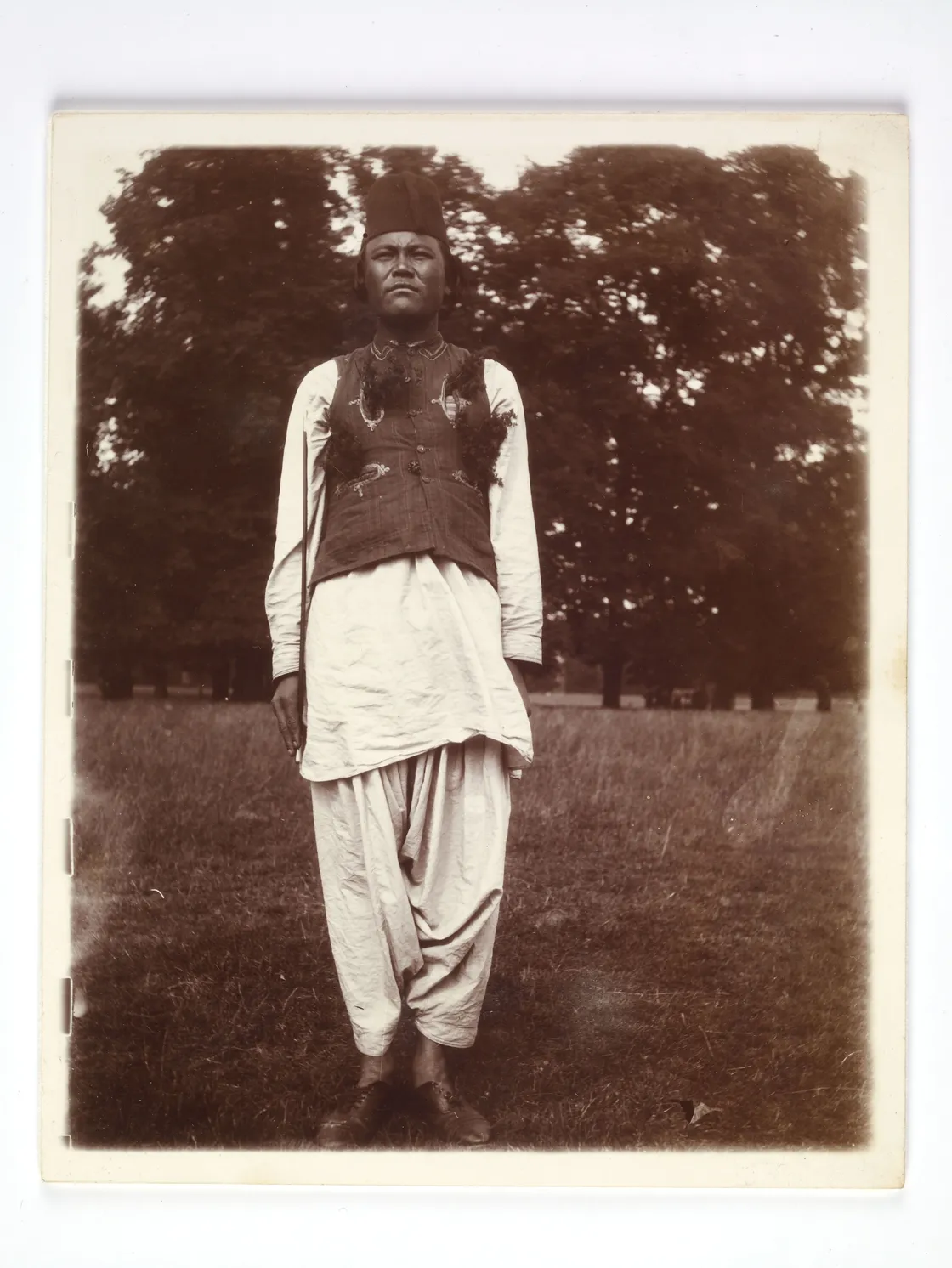
During Edward VII's Coronation Procession in 1902, about 1,000 soldiers of the Indian Army camped nearby at Richmond and Hampton Court. This photo shows one of them at Richmond Park. The Indian campsites were described by a contemporary commentator as “a microcosm of India on the banks of the Thames”.
Isabella Plantation, a woodland garden
Isabella Plantation offers a completely different experience within the park’s wilder landscape. The name first appears as Isabella Slade, a reference to open space, in 18th-century maps.
This huge enclosed woodland garden offers year-round colour through carefully planned planting. The plantation sits within a Victorian woodland setting, designed to showcase seasonal beauty.
-
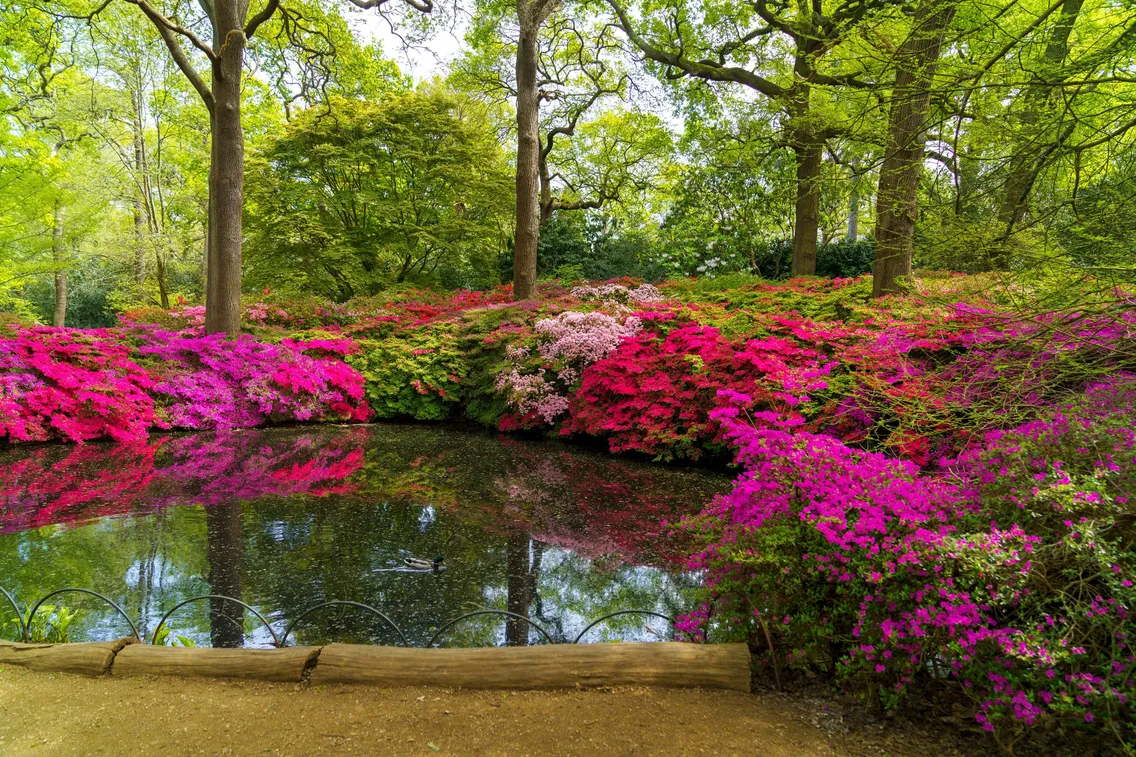
The Isabella Plantation is designed to showcase seasonal beauty.
Spring visitors witness vibrant azalea displays, while autumn brings in spectacular acers. The garden features meandering streamside pathways under oak tree canopies. The National Plant Collection has abundant camellias, magnolias and rhododendrons, as well as a famous collection of evergreen Kurume azaleas from Japan.
Pembroke Lodge
Pembroke Lodge is a Grade II-listed Georgian mansion built in the park in 1754. It began life as a humble four-room cottage for the park's mole catcher. Queen Victoria later gifted it to John Russell, who was elected the UK prime minister twice during the 19th century. Russell transacted much of his official duties from here as he disliked London life. This included holding Cabinet meetings, prepping for important Bills and receiving ambassadors and heads of state.
His grandson, the celebrated philosopher Bertrand Russell, spent his childhood at Pembroke Lodge. He was apparently quite upset in 2005 to find the lodge had been converted into a rentable venue.
The Ian Dury memorial bench in Pembroke Lodge Gardens honours the rockstar and actor who regularly visited with his children.
-
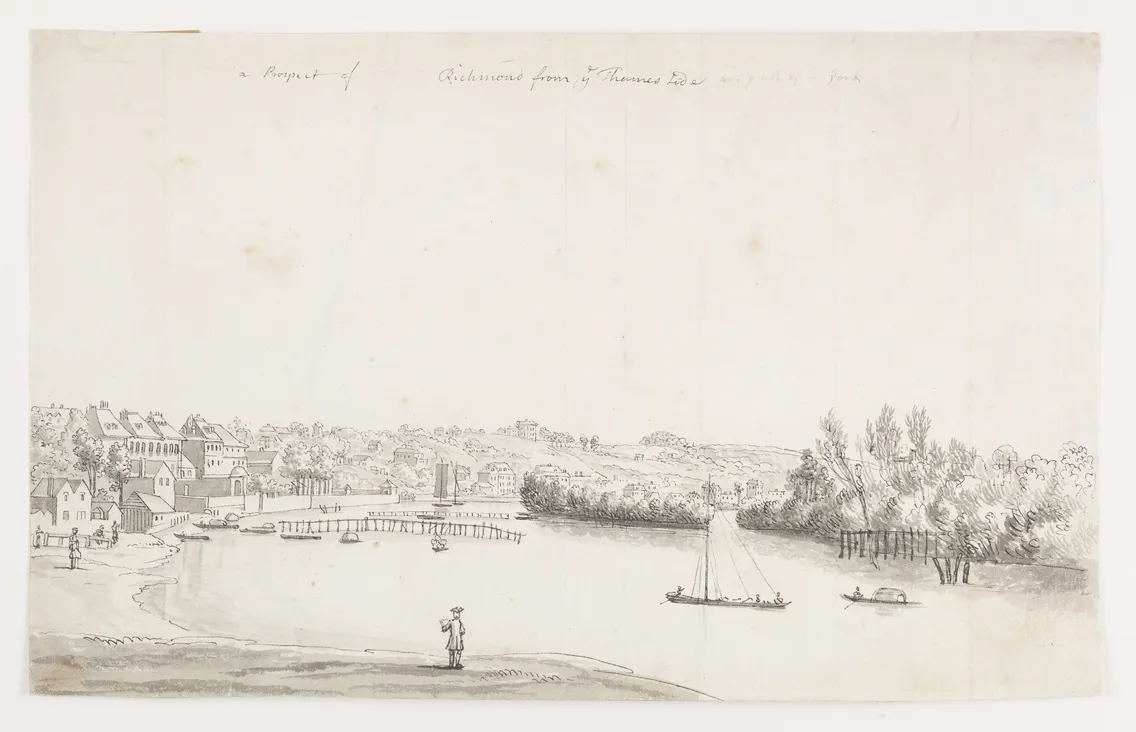
A view of Richmond Park from the Thames riverside.
-
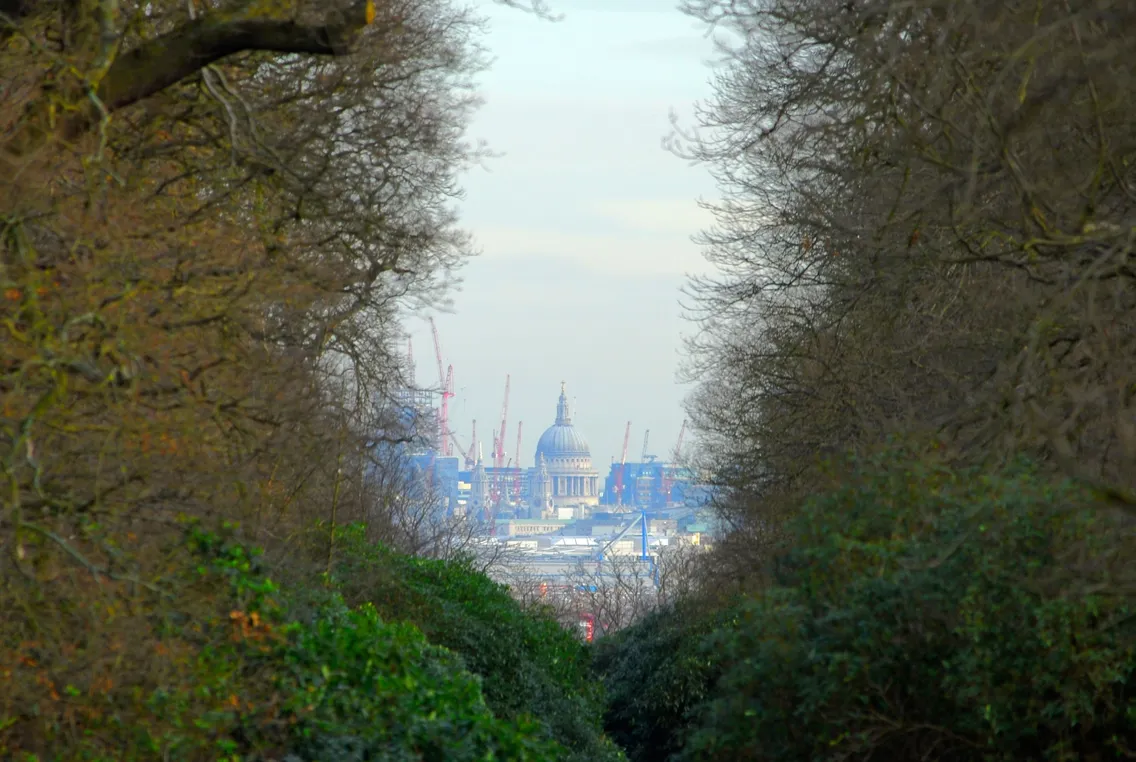
The protected view to St Paul’s Cathedral from King Henry's Mound.
The views from King Henry’s Mound
King Henry's Mound is probably a Bronze Age barrow and a legally protected historic site in Pembroke Lodge Gardens – the highest point in the park. The views to St Paul's Cathedral 12 miles away are also protected by law. On the other side are panoramic views of the Thames Valley.
The mound is said to have been Henry VIII’s favourite spot for hunting and falconry. Another urban legend goes that in 1536, Henry stood here, waiting for a rocket to be fired indicating the beheading of Anne Boleyn at the Tower of London.
Wildlife and conservation
Richmond Park is home to 144 bird species, 29 butterfly species and 11 bat species. The park’s diverse habitats range from wetlands to rare acid grasslands, creating perfect conditions for a varied wildlife. Stag beetles, globally endangered elsewhere and the UK’s biggest beetle, thrive here in such numbers that the park gained Special Area of Conservation status.
Yellow meadow ants have created around 400,000 anthills, some over 200 years old. These tussocky mounds support various other wildlife species while maintaining the health of acid grassland habitats. Pen Ponds attract kingfishers, grey herons, sand martins and reed warblers.