
Richmond Palace: A long-lost Tudor showpiece
This spectacular palace in south-west London was a hub of Tudor and Elizabethan court life. Richmond witnessed royal births, deaths, marriage celebrations and divorces. But little survives of the building today.
Richmond
1300s–1600s
The Tudor palace that time forgot
Think of magnificent Tudor palaces, and your mind probably wanders to Hampton Court, the playground of King Henry VIII. But just a few miles north, the long-lost and, frankly, forgotten-about Richmond Palace was also a jewel in the Tudor dynasty’s crown.
This spectacular royal residence, sandwiched between Richmond Green and the River Thames, was a favourite of monarchs like King Henry VII and Queen Elizabeth I. It was a hub of Tudor activity, and a place both of royal celebration and mourning. It’s also the reason why the surrounding area and borough of Richmond have their name.
While Hampton Court has endured throughout the past 500 years, the same can’t be said for Richmond. When Parliament overthrew the monarchy in the mid-1600s, the building was sold off and half-destroyed. A single wall is all that’s left today.
The medieval Shene Palace
Richmond Palace was once called Shene (or Sheen) Palace. It was built in the mid-1300s by King Edward III on the old Shene manor. When Edward died at Shene Palace in 1377, the throne – and the building – passed to his young grandson, Richard II.
Shene was the top royal residence for Richard and his queen, Anne of Bohemia. They renovated it with medieval fineries and even built a summer retreat on an island on the river nearby.
But in 1394, plague reached Richmond. Richard’s beloved Anne fell ill and died. Heart-stricken, he ordered the palace to be torn down.
Successive monarchs gradually repaired, enlarged and conducted court business at Shene. We know several jousting tournaments were held on what’s now Richmond Green. But it was Henry VII, crowned as the first Tudor king in 1485, who made the biggest transformation.
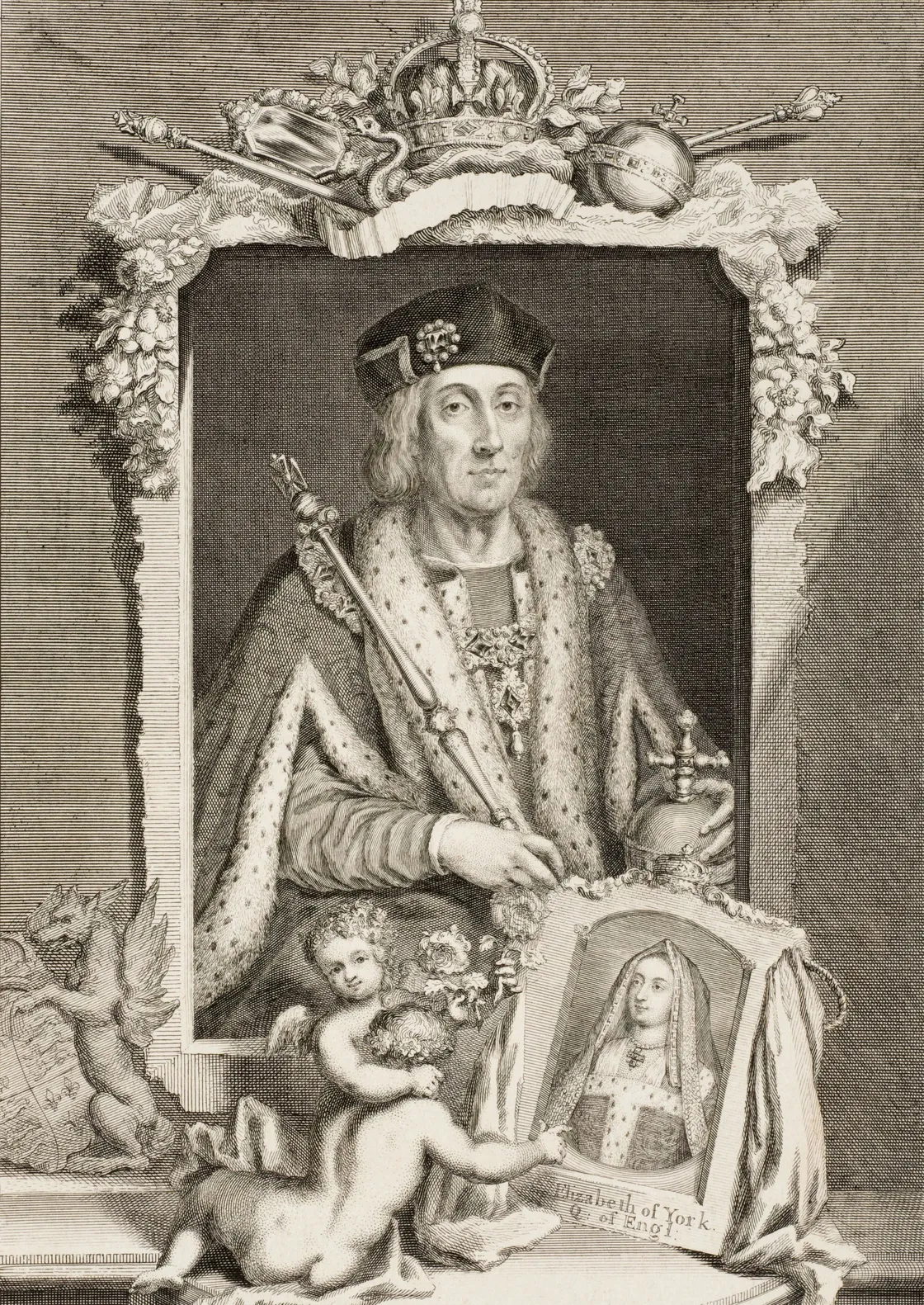
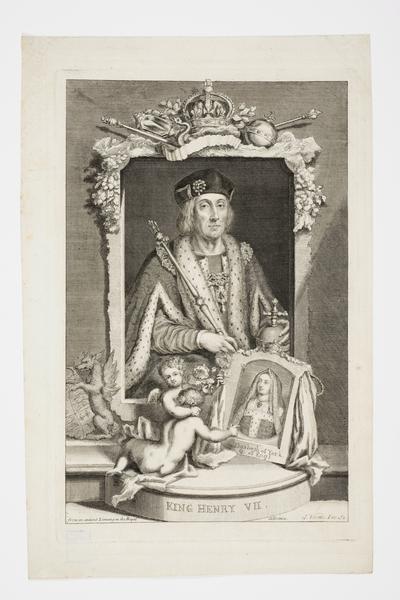
King Henry VII.
Henry VII’s favourite Tudor palace
Henry VII took a liking to Shene Palace. After a fire destroyed much of the palace in 1497, the king rebuilt it bigger and better than before.
He renamed it Richmond Palace after the ‘Earl of Richmond’, the title he and his father were known by. The village that emerged around it took the same name.
Henry VII made a habit of building in the London area. He also upgraded Baynard’s Castle and Greenwich Palace.
“the beauteous examplar of all proper lodgings”
Report on Prince Arthur and Catharine of Aragon's wedding day, 1501
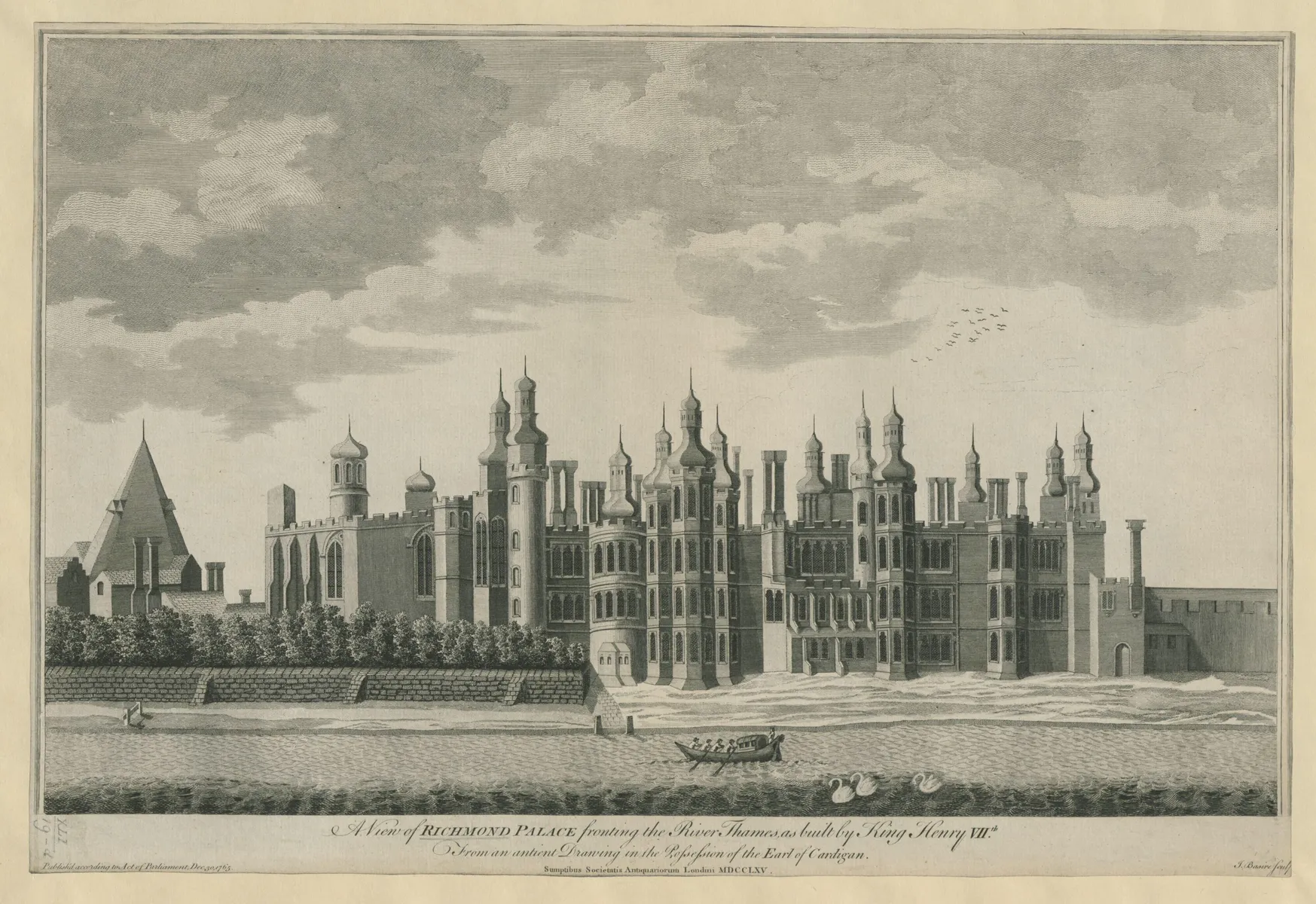
The tall towers of the new Richmond Palace dominated the riverscape. Henry built a lavishly decorated chapel, a great hall, new kitchens and palace gardens where games like tennis and bowling could be played.
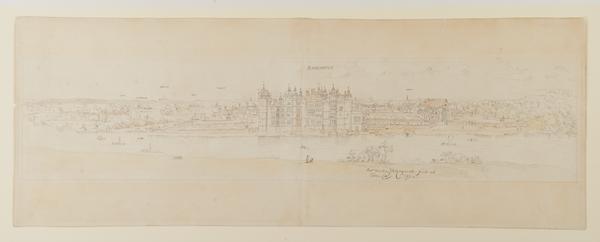
This drawing in our collection by Anthonis van den Wyngaerde is the earliest known view of Richmond. Wyngaerde was a Flemish artist who made a series of drawings of London’s palaces in the mid-1500s.
-
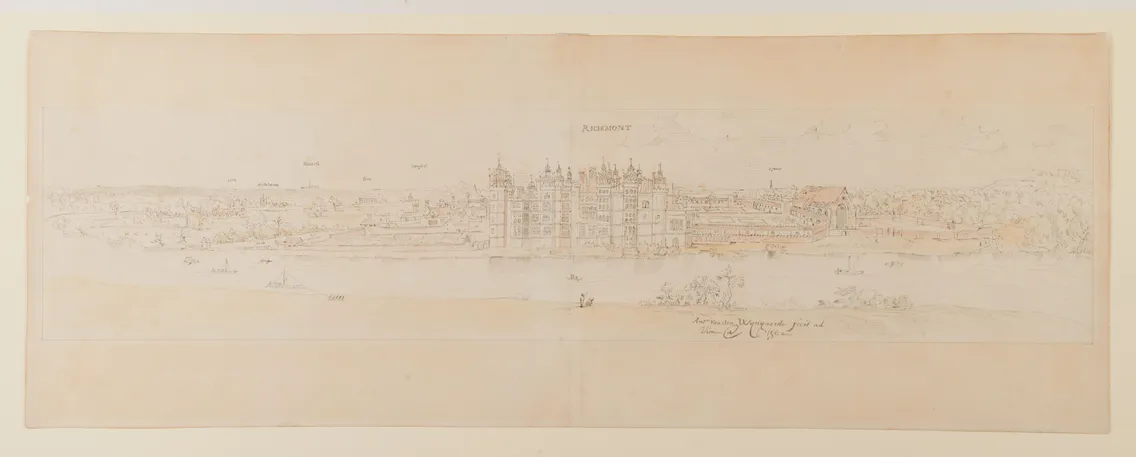
View of Richmond Palace from the river by Anthonis van den Wyngaerde, 1562.
These important historical documents reveal details of the long-lost building. We can see that the gardens, for example, were encircled by two-storey galleries, which were a new development in English palace garden design.
Richmond wasn’t just Henry VII’s treasured home – it was his showpiece. In 1501, after the marriage of his son Arthur to Catherine of Aragon at St Paul’s Cathedral, he brought the two families and their guests upriver to the palace.
One report of the day remarked that it was “the beauteous examplar of all proper lodgings… where the most wholesome airs and zephyrs obtain their course and access”.
Richmond in Henry VIII’s time
Henry VII died at Richmond in 1509. Arthur had died in 1502, so it was his younger brother, Henry, who became king.
Henry VIII married his brother’s wife, Catherine, and they celebrated the birth of their son at Richmond in 1511. But the baby tragically died at the palace just seven weeks later.
Henry VIII didn’t share the same love of Richmond as his father. Yes, he’d spend time there while avoiding outbreaks of plague in London. But he’d had his eye on the newly built Hampton Court Palace, and after he finally acquired it in 1529, it became one of his favourite residences.
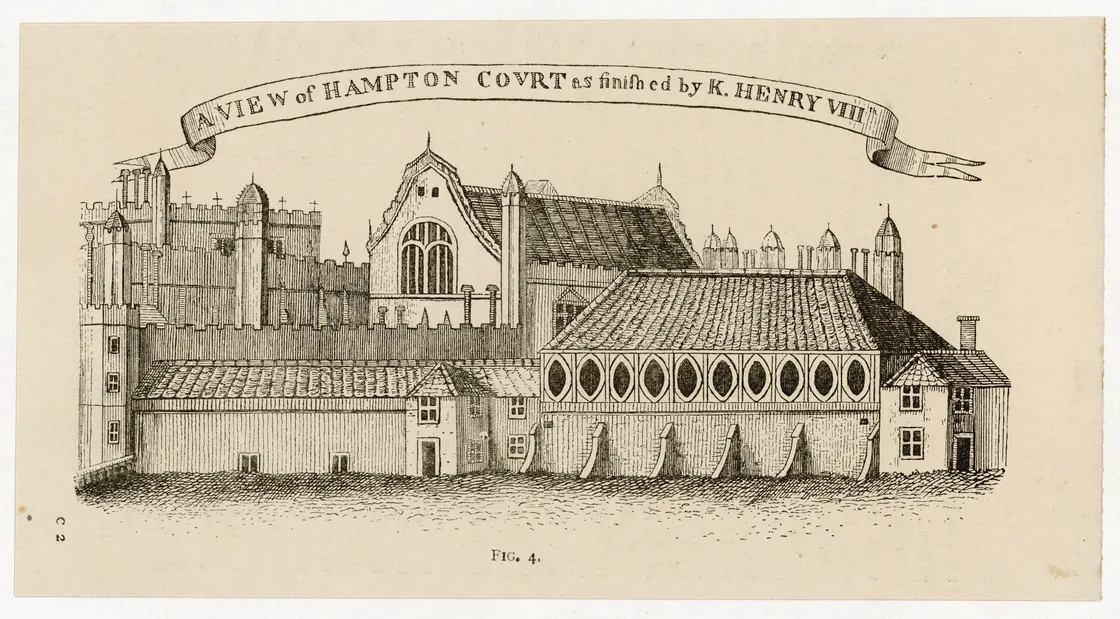
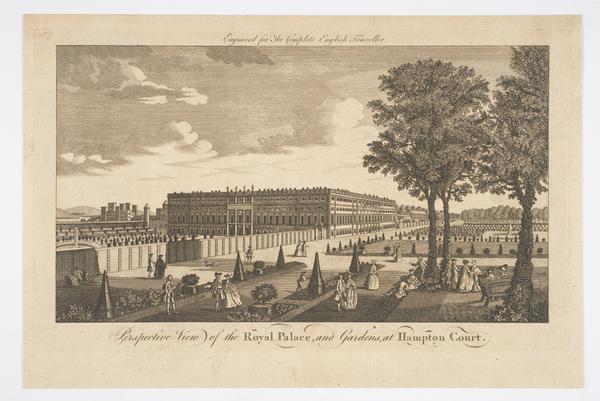
Hampton Court Palace around 1530.
Instead, Richmond became the home of Henry’s two ex-wives. After Henry divorced Catherine in 1533, she lived at Richmond with their daughter, Mary.Then Richmond was passed to Anne of Cleves, Henry’s fourth wife, after their marriage was annulled in 1540.
Elizabeth I’s favoured palace
Elizabeth was the daughter of Henry and his second wife, Anne Boleyn. She became queen in 1558 and spent increasingly long periods at Richmond over her 45-year-long reign. It was considered a good place to spend winter, with rooms that were compact, cosy and warm.
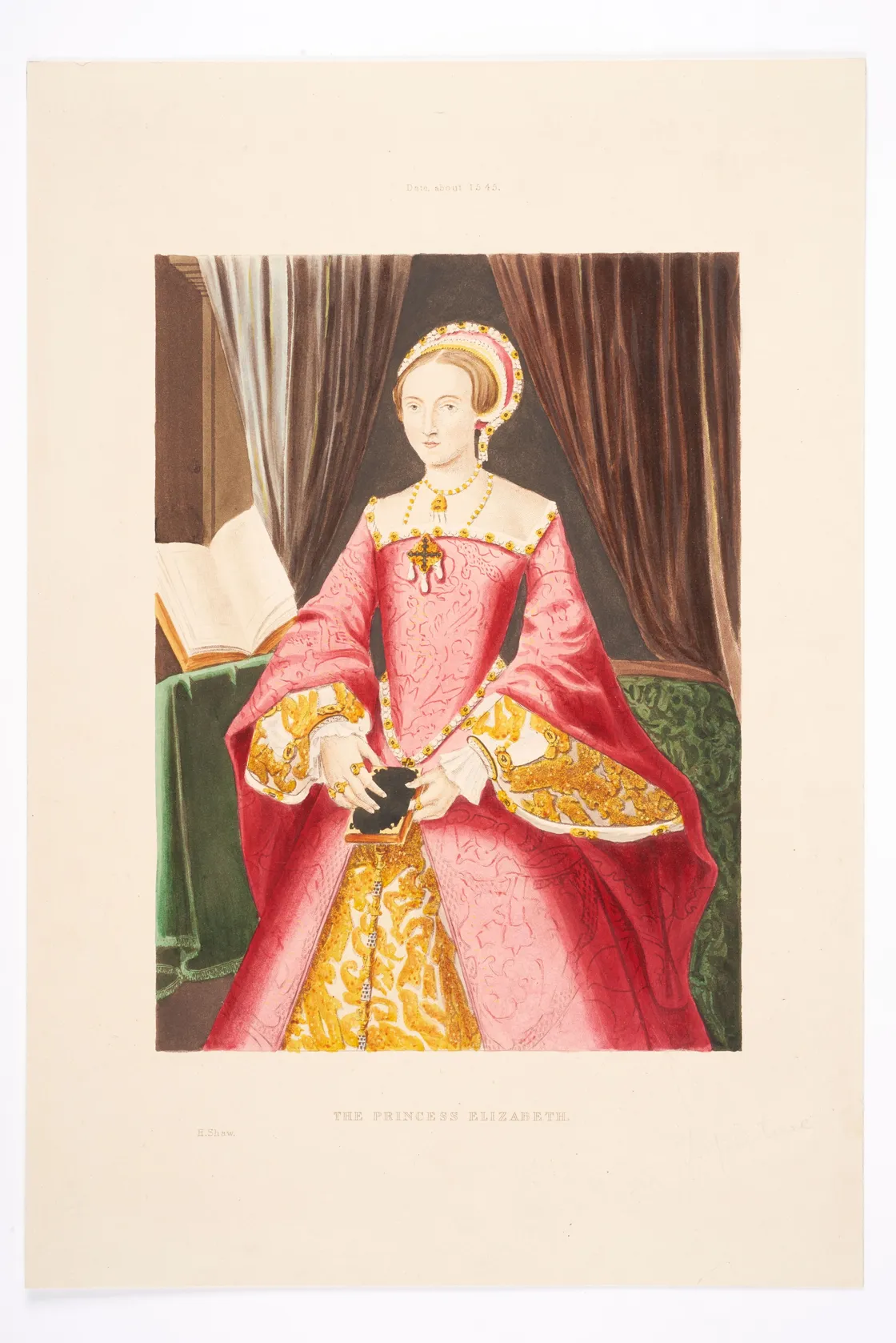
Queen Elizabeth I as Princess Elizabeth, dated around 1545.
London’s theatre companies regularly performed plays at the palace – including the Lord Chamberlain’s Company, of which William Shakespeare was a member. Elizabeth also liked hunting deer nearby, in what’s now Old Deer Park.
The queen even had one of the earliest flushing toilets installed there.
The decline of the palace
Elizabeth I died at the palace in 1603. Richmond passed into the hands of Stuart kings – first James I and, later, Charles I. Under their ownership, this formerly important royal home became increasingly unused and neglected.
Charles I was executed for high treason in 1649, after a civil war pitting his supporters against Parliament. Parliament destroyed many royal buildings, seeing them as symbols of a hated monarchy and a threat to their security. Richmond was sold for profit, its buildings divided up and partially torn down.
The palace never really recovered. After the 1700s, the decaying building was gradually rebuilt as housing.
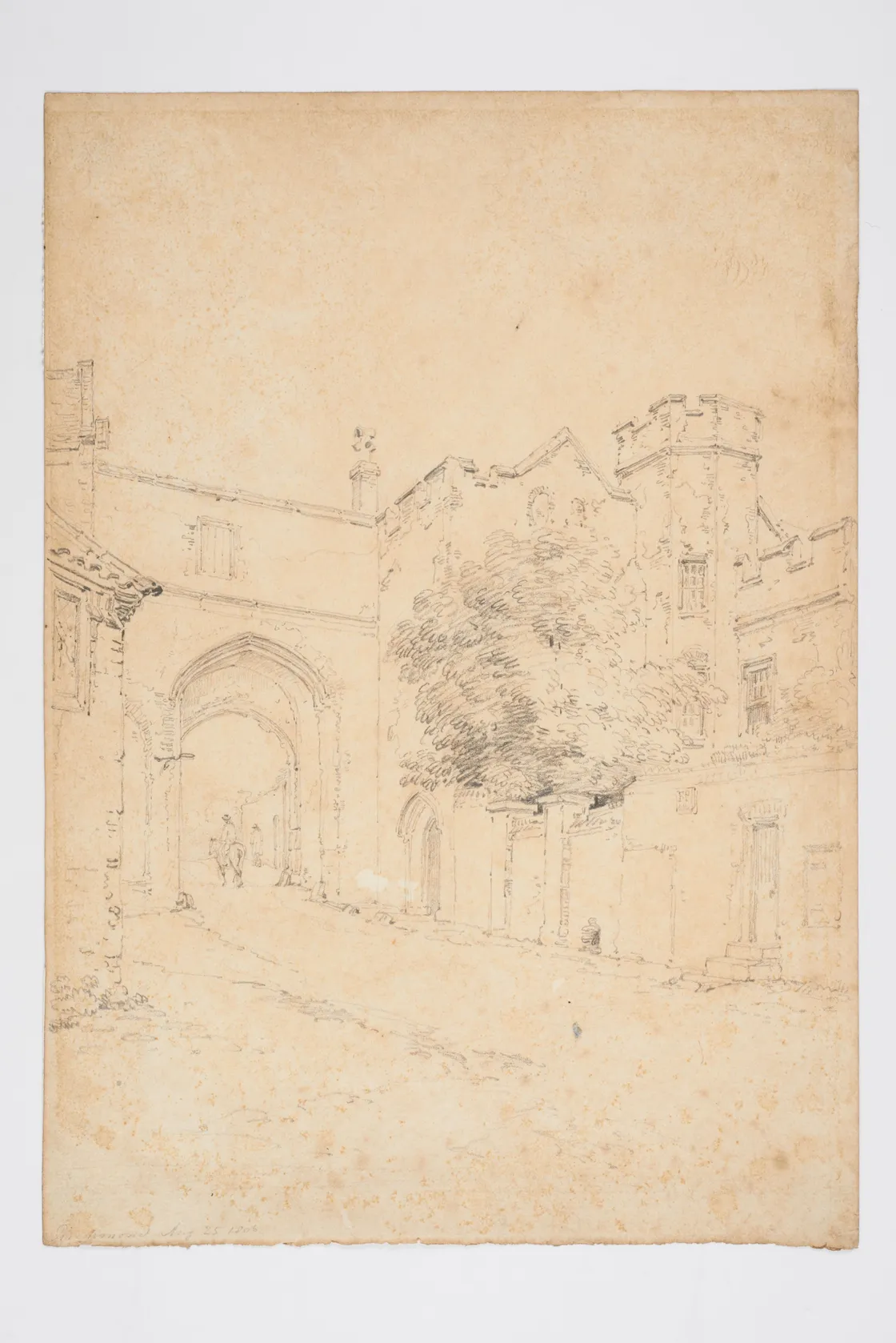
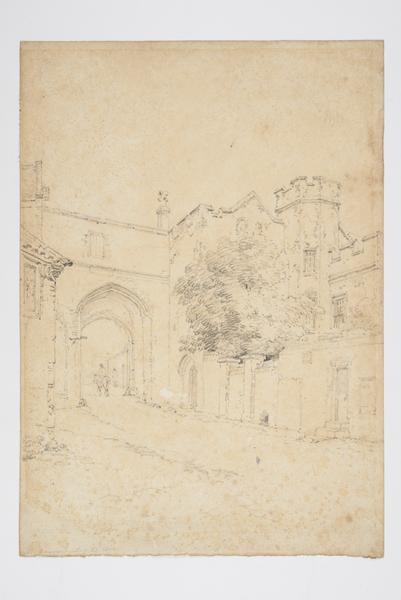
View of the gateway of the old Richmond Palace by Henry Edridge, 1806.
Today, the only part of Henry VII’s Tudor masterpiece to have survived is the gateway, captured in the drawing above by artist Henry Edridge. It leads into the outer courtyard of the palace, now called Old Palace Yard.
Tags
-
Paintings, Prints & Drawings
 Paintings, Prints & Drawings
Richmond Palace (ink and wash drawing)
Wyngaerde, Anthonis Van Den
1562
-
-
Paintings, Prints & Drawings
-
Paintings, Prints & Drawings
 Paintings, Prints & Drawings
Perspective view of the Royal Palace and Gardens at Hampton Court (engraving)
The Complete English Traveller
1751-1800