A pint-sized guide to London’s historic breweries
London was once home to some of the largest breweries in the world, rolling out hundreds of thousands of barrels of beer a year. Almost all are now closed.
Across London
Since 1600s
Griffin Brewery, Chiswick
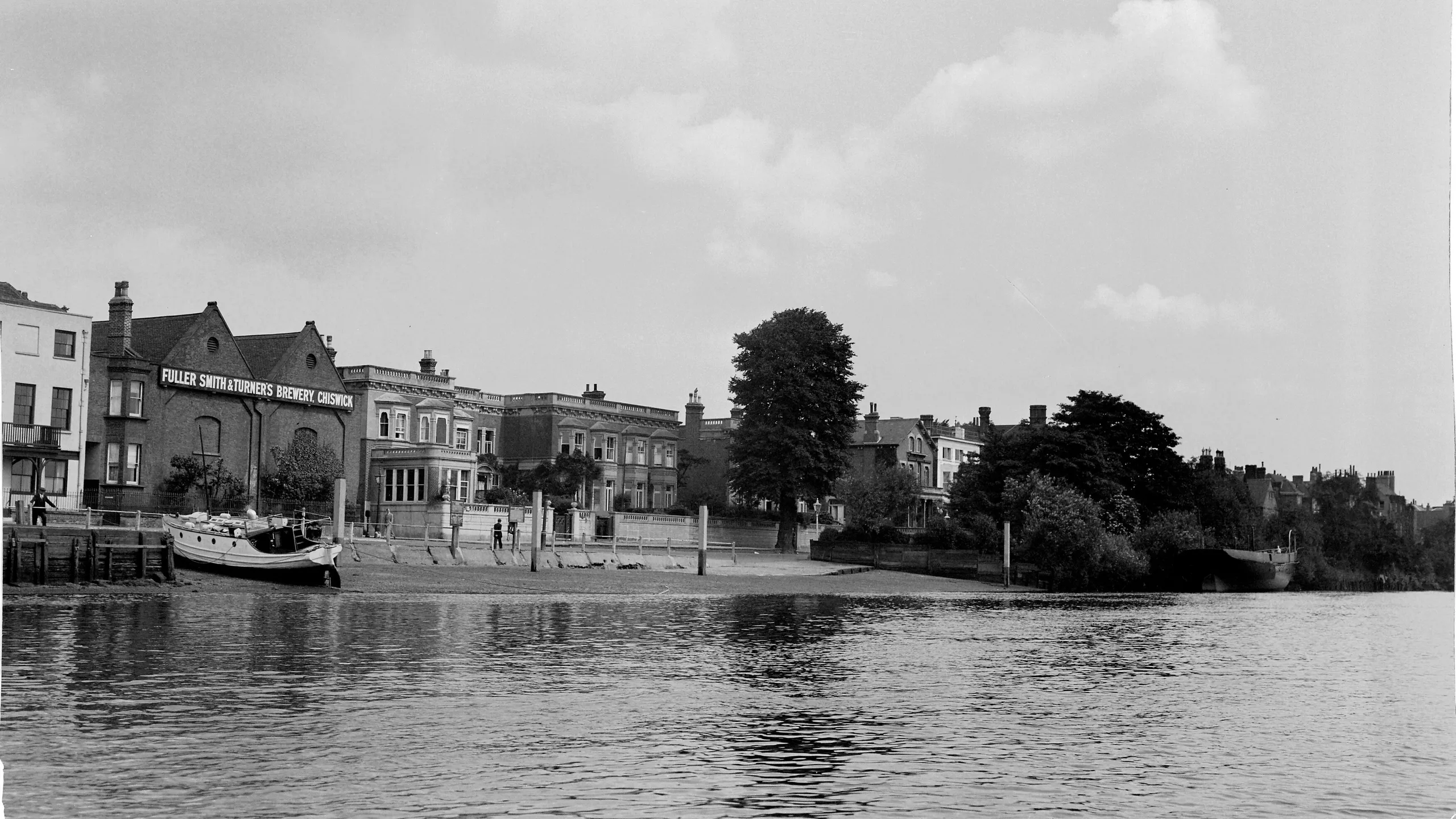
A brewery has existed near this section of the River Thames since the 17th century. In the 19th century, it was named the Griffin brewery and passed into the control of Fuller, Smith and Turner. Fuller’s is best known for London Pride, a beer first brewed in the 1950s. It’s still being produced in Chiswick today, making Griffin the only active brewery on this list.
Ram Brewery, Wandsworth
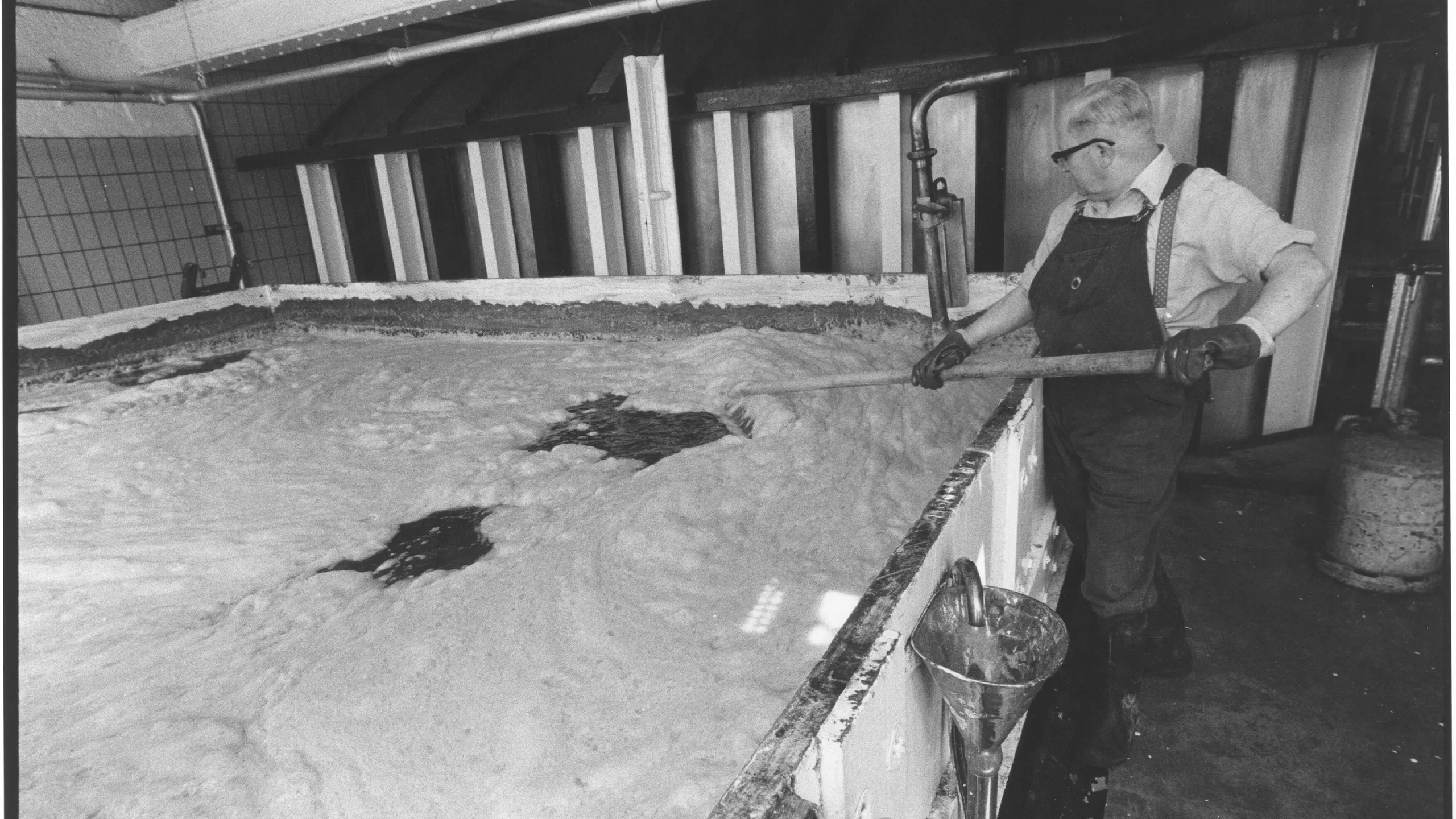
There was a brewery on this site in the 17th century. From the 19th century, it was a Young’s brewery, with the family first buying a stake in 1831. One of its brewing vats is pictured here in the 1970s. The site closed in 2006.
Horseshoe Brewery, Tottenham Court Road
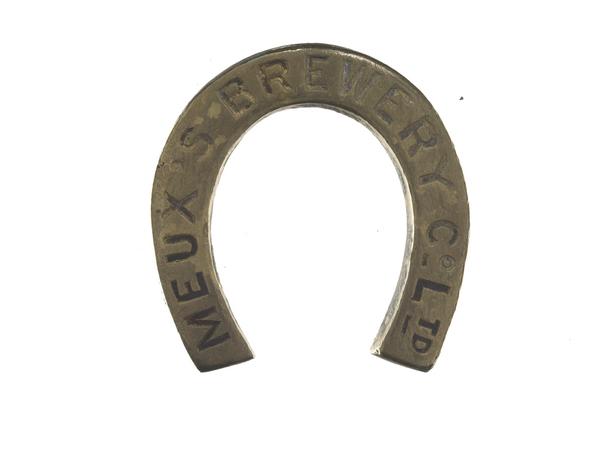
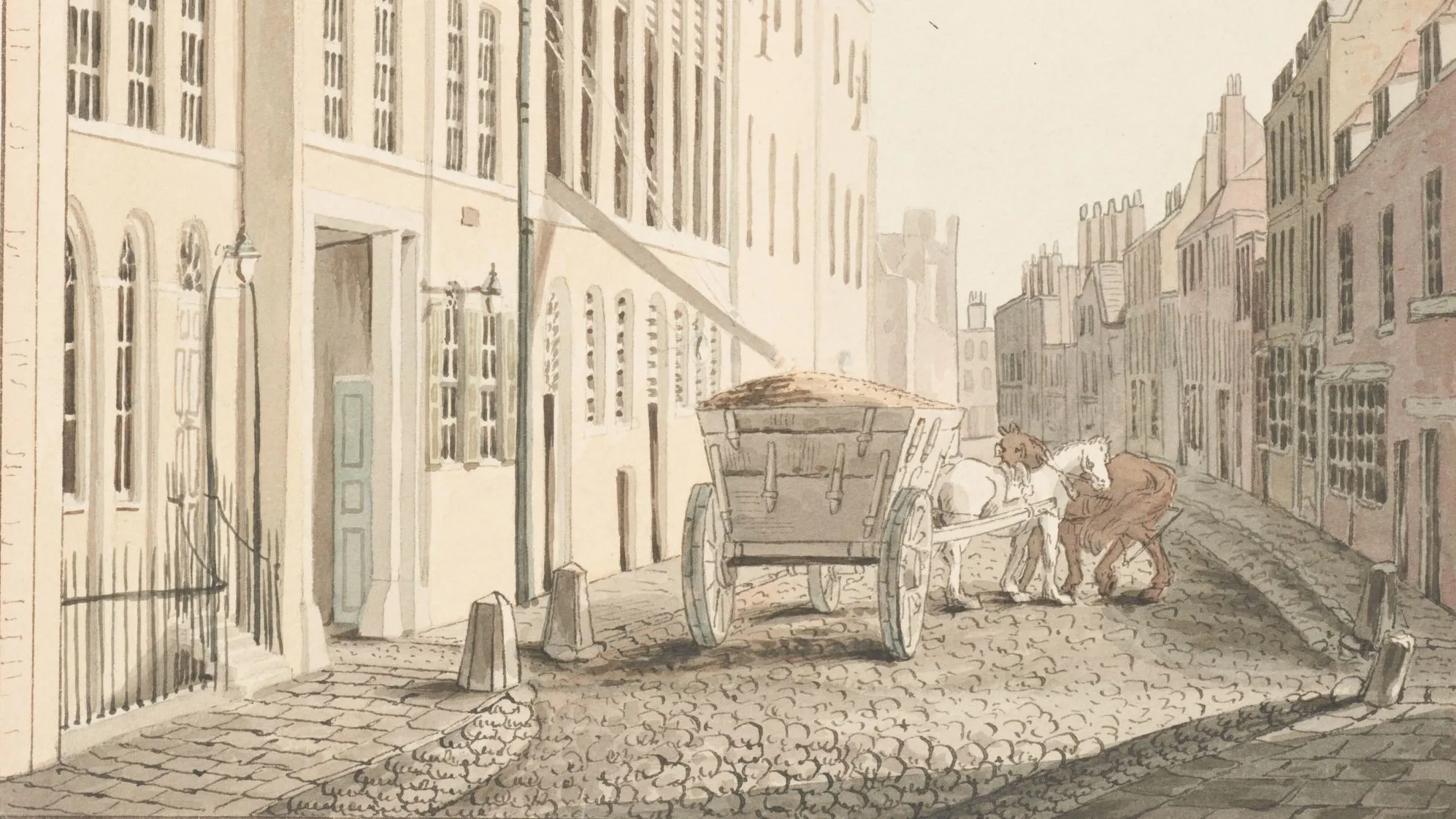
Henry Meux’s Horseshoe Brewery was established in Bloomsbury in 1764. In 1814, it was the scene of the Great Beer Flood, when an enormous vat burst. It unleashed a torrent of beer that collapsed surrounding buildings and killed eight people. The brewery continued after this disaster, but was demolished in 1922 and moved to Nine Elms, in Wandsworth.
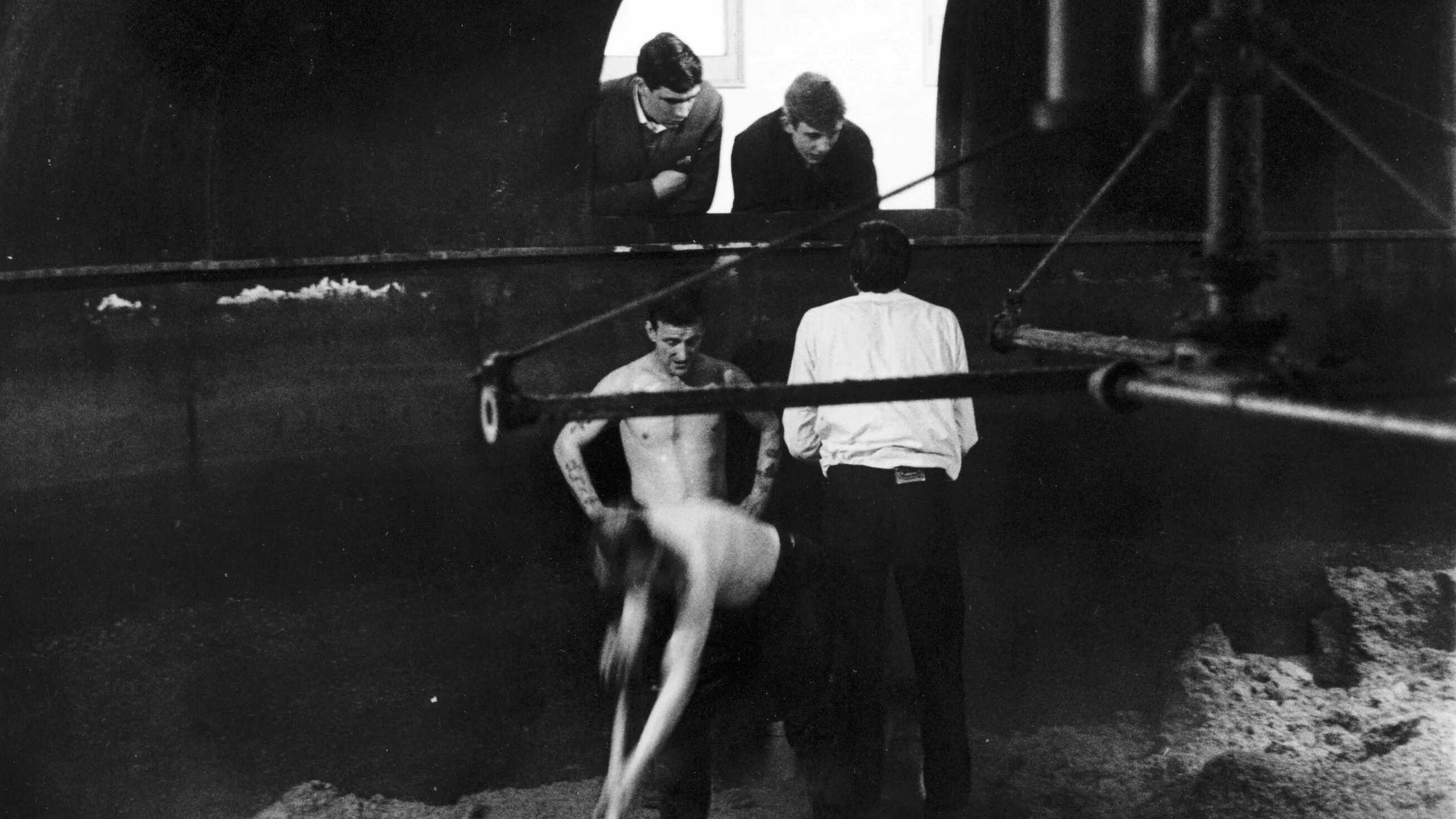
Anchor Brewery, Mile End Road
This brewery dates back to the 1750s. For most of its history, it pumped out beer for the Charrington brewing company. The brewery closed in 1975, and although a few buildings are still standing, most of the site has been replaced by the Anchor Retail Park. This photo is from 1965.
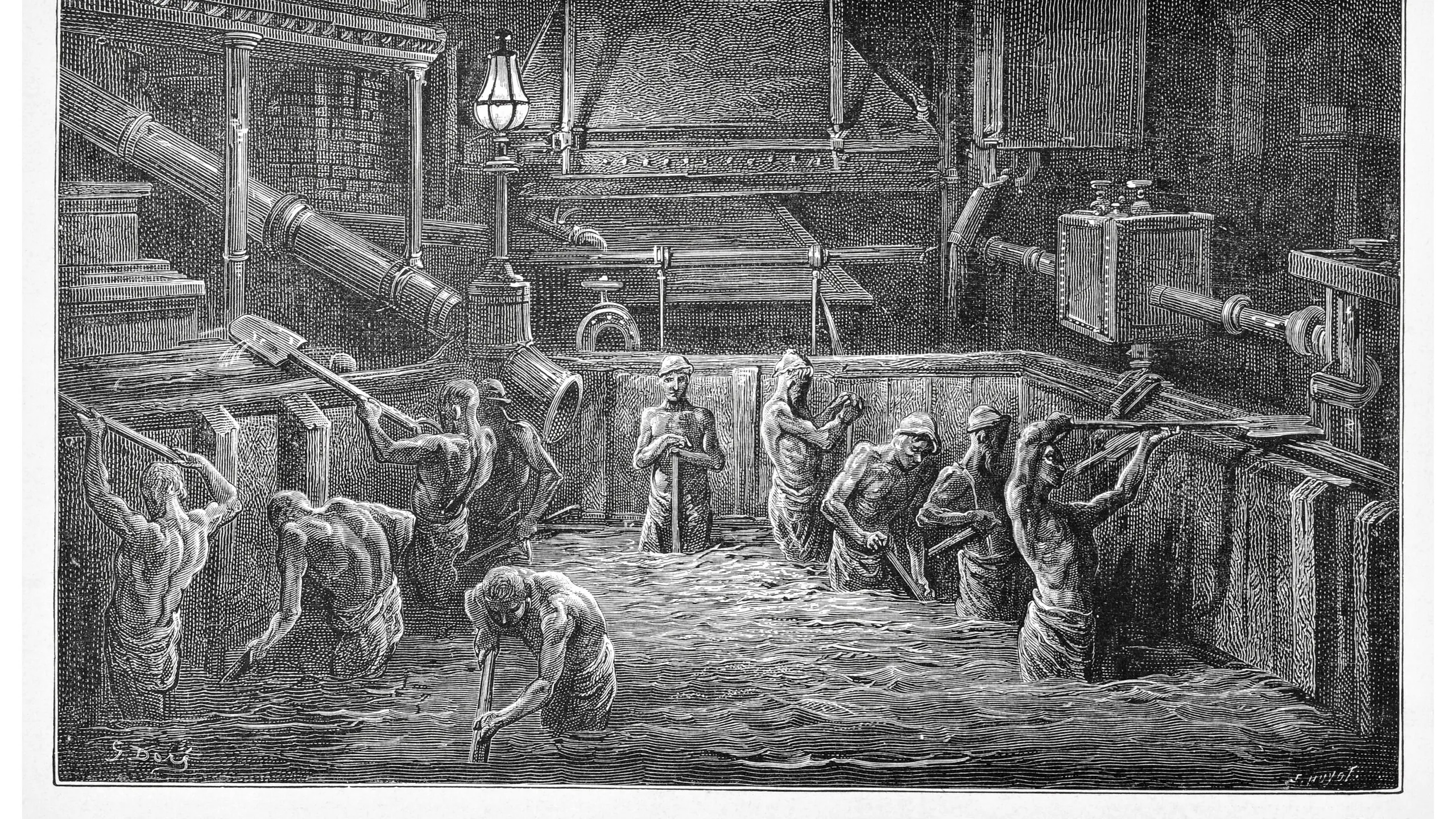
Anchor Brewery (Barclay Perkins), Southwark
A brewery had operated on this site on the south bank of the Thames since 1616. Rebuilt on a grand scale after a fire in 1832, it became the largest brewery in the world, and visitors came to marvel at it. The brewery is illustrated here in the 1872 book London: A Pilgrimage, one of the most dramatic depictions of the Victorian city. It was demolished in the 1980s, revealing the remains of the 17th-century Globe theatre underneath.
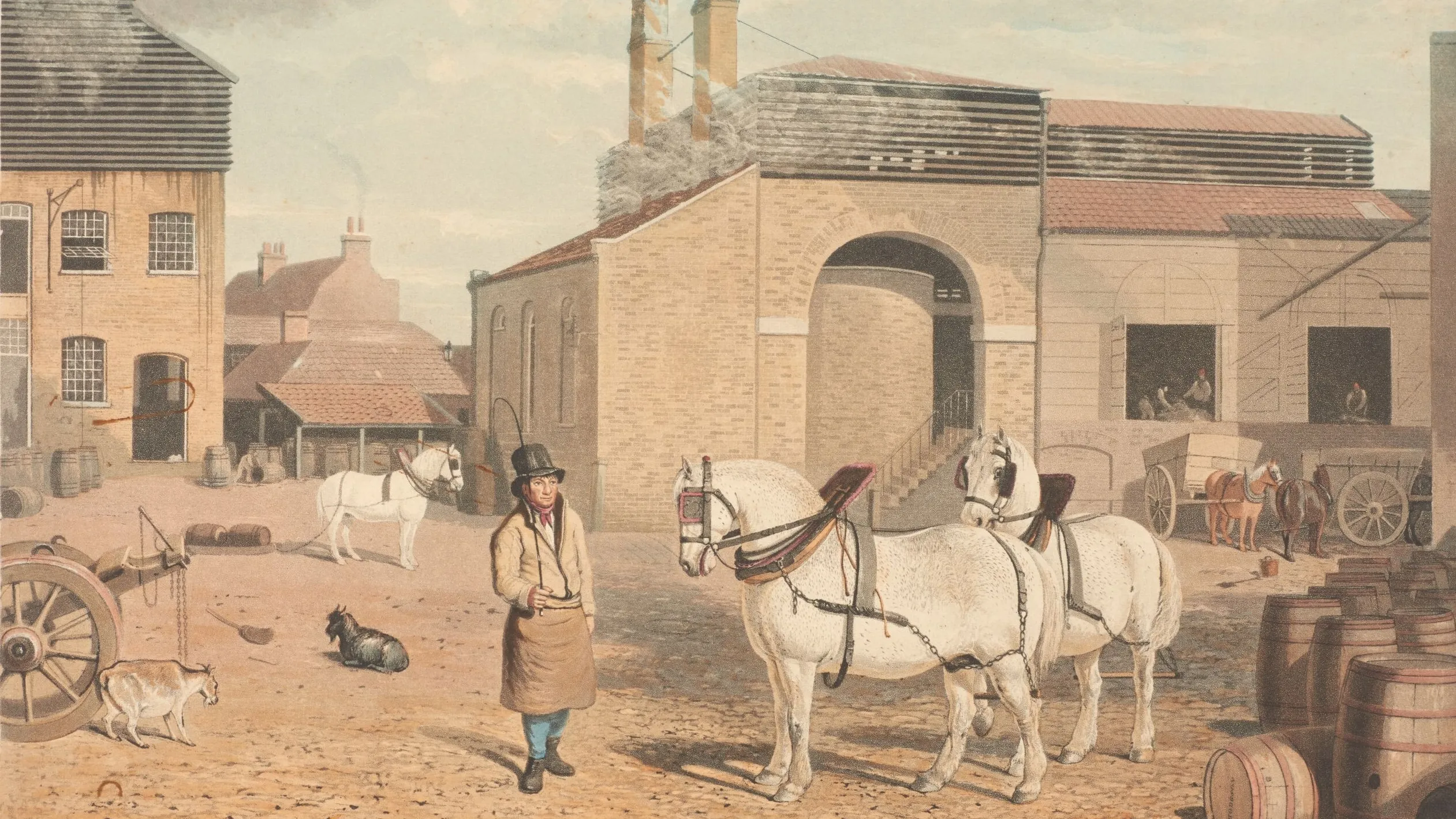
Bow Brewery, Tower Hamlets
The invention of India pale ale (IPA) is often credited to George Hodgson, who worked at Bow Brewery in the 1780s. His IPA contained more hops and alcohol than the regular pale ale brewed there. This tweak preserved its flavour over the long journey to India, which was then part of the British empire. The new beer was a hit with the British people living and working there.
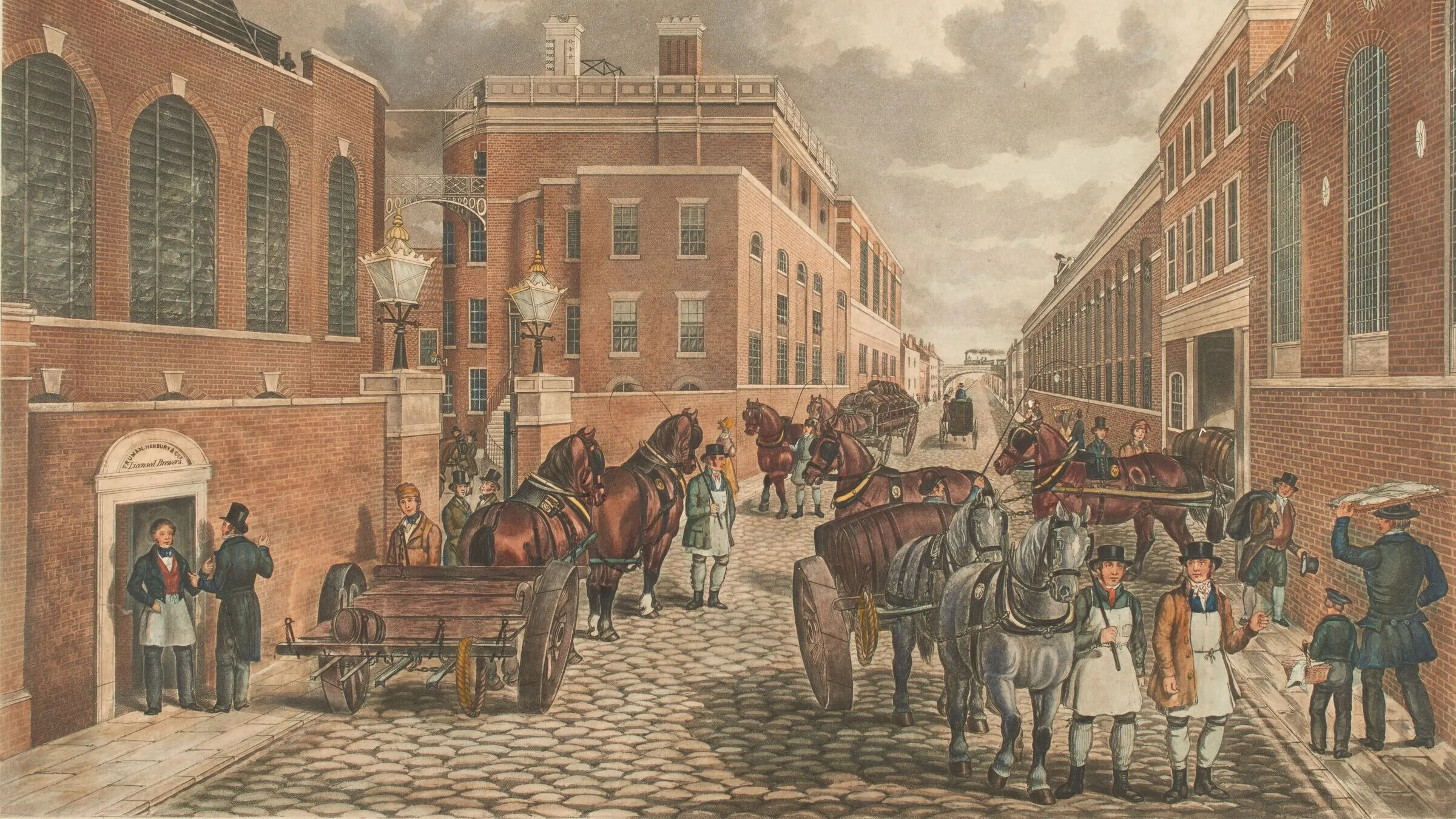
Black Eagle brewery, Brick Lane
The Truman brewery, as it’s best known, evolved from one founded on this site in the 1660s. It had grown into an enormous operation by 1835, harnessing steam power to produce 200,000 barrels of porter per year. The complex was compared to a small town and attracted curious sightseers. Brewing stopped here in 1989, but the building is still a Brick Lane landmark, now home to a mix of businesses.
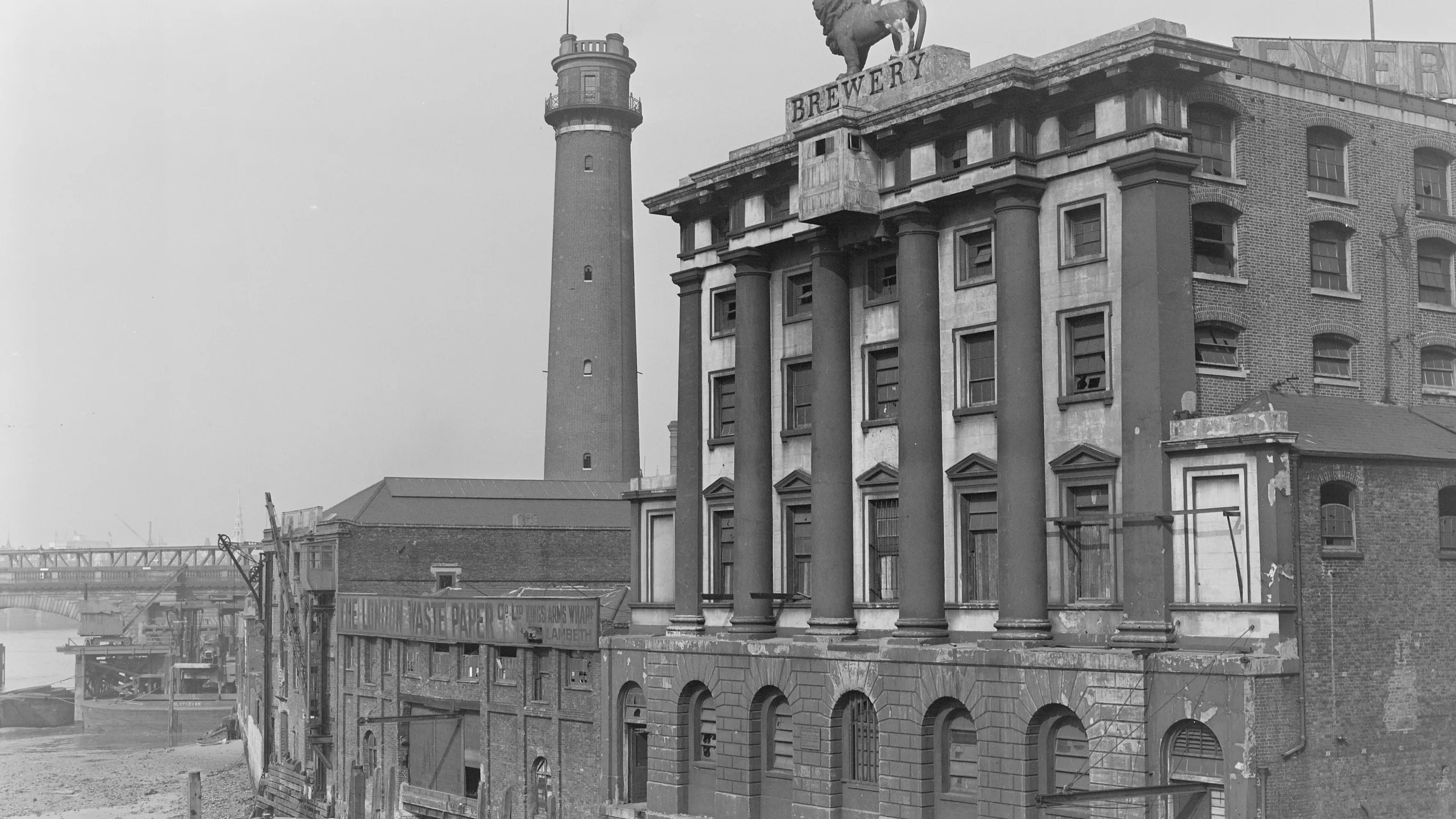
Lion Brewery, Lambeth
The red lion statue that stood above the Goding’s brewery was once a familiar landmark of the South Bank. The building dated to 1836 and was in use until 1924. By 1951, it had been cleared as part of the transformation of the South Bank for the Festival of Britain. The lion was given a new home at the eastern end of Westminster Bridge.
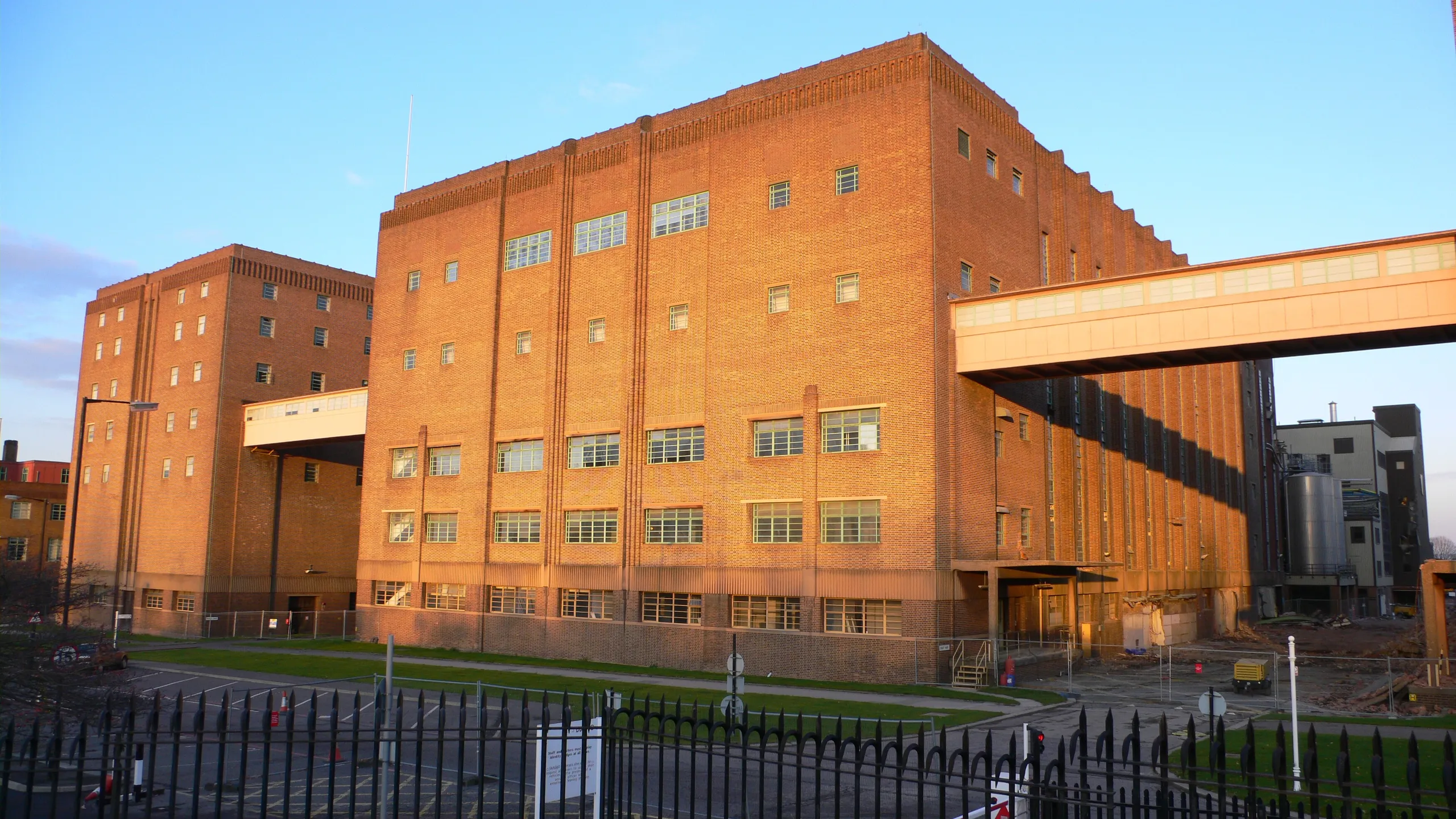
Guinness brewery, Park Royal
Between 1936 and 2005, ‘the black stuff’ flowed out of this west London brewery on an epic scale. And Guinness built an epic brewery to do it, with railway tracks, an ambulance and fire service, plus housing for its workers. At its core were three huge, interconnected brick buildings, praised as a fine example of art deco industrial architecture. Despite protests by its admirers, the brewery was demolished in 2006.
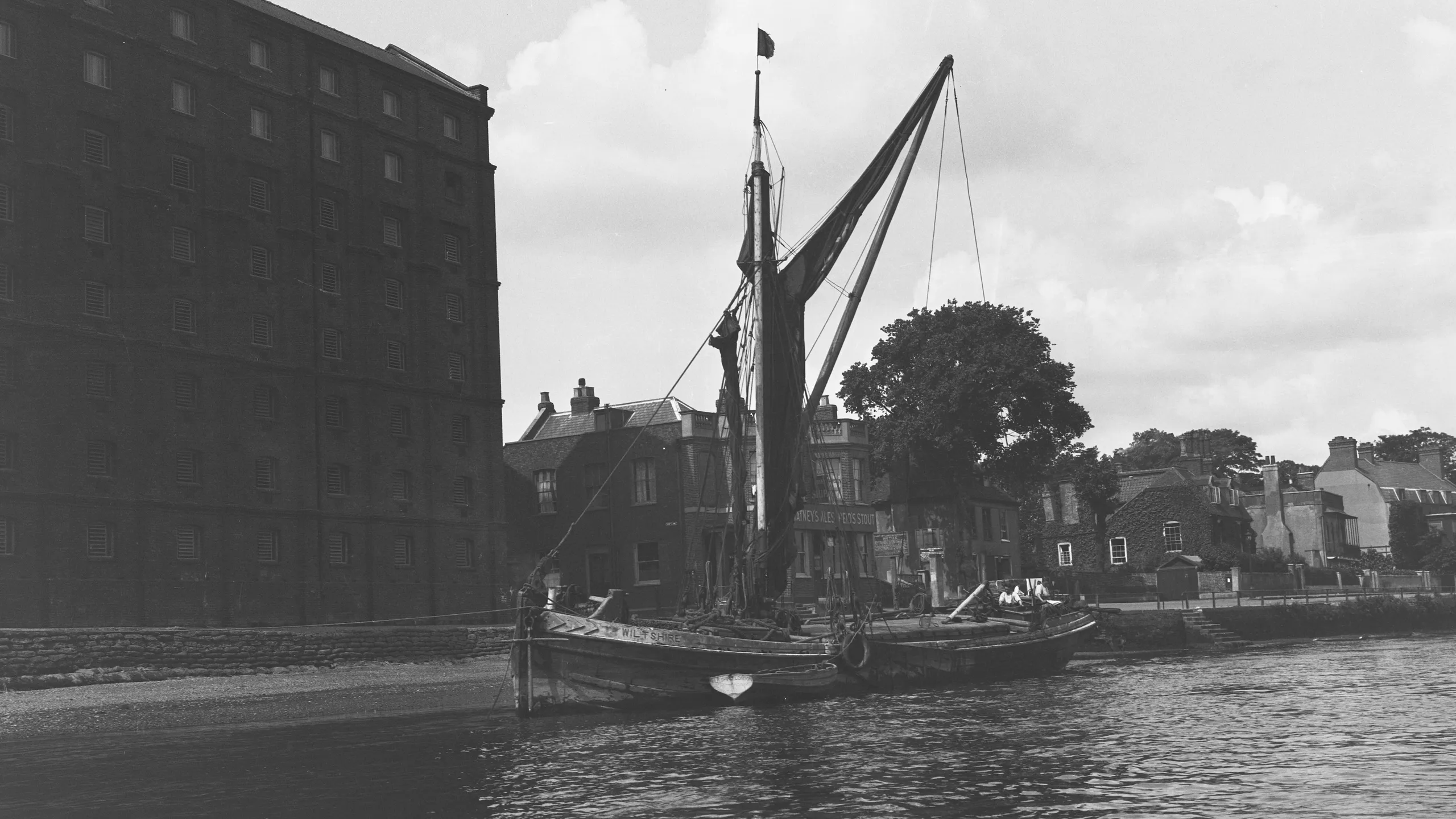
Stag Brewery, Mortlake
The hulking eight-storey malthouse, seen on the left here, was built in 1903. It’s part of what was originally called the Mortlake Brewery, which had been producing beer since the 18th century. It was renamed as the Stag Brewery in the 20th century and closed in 2015, after more than 500 years of brewing on the site. In 2025, a redevelopment of the area was approved, promising a new neighbourhood built around the malthouse building.
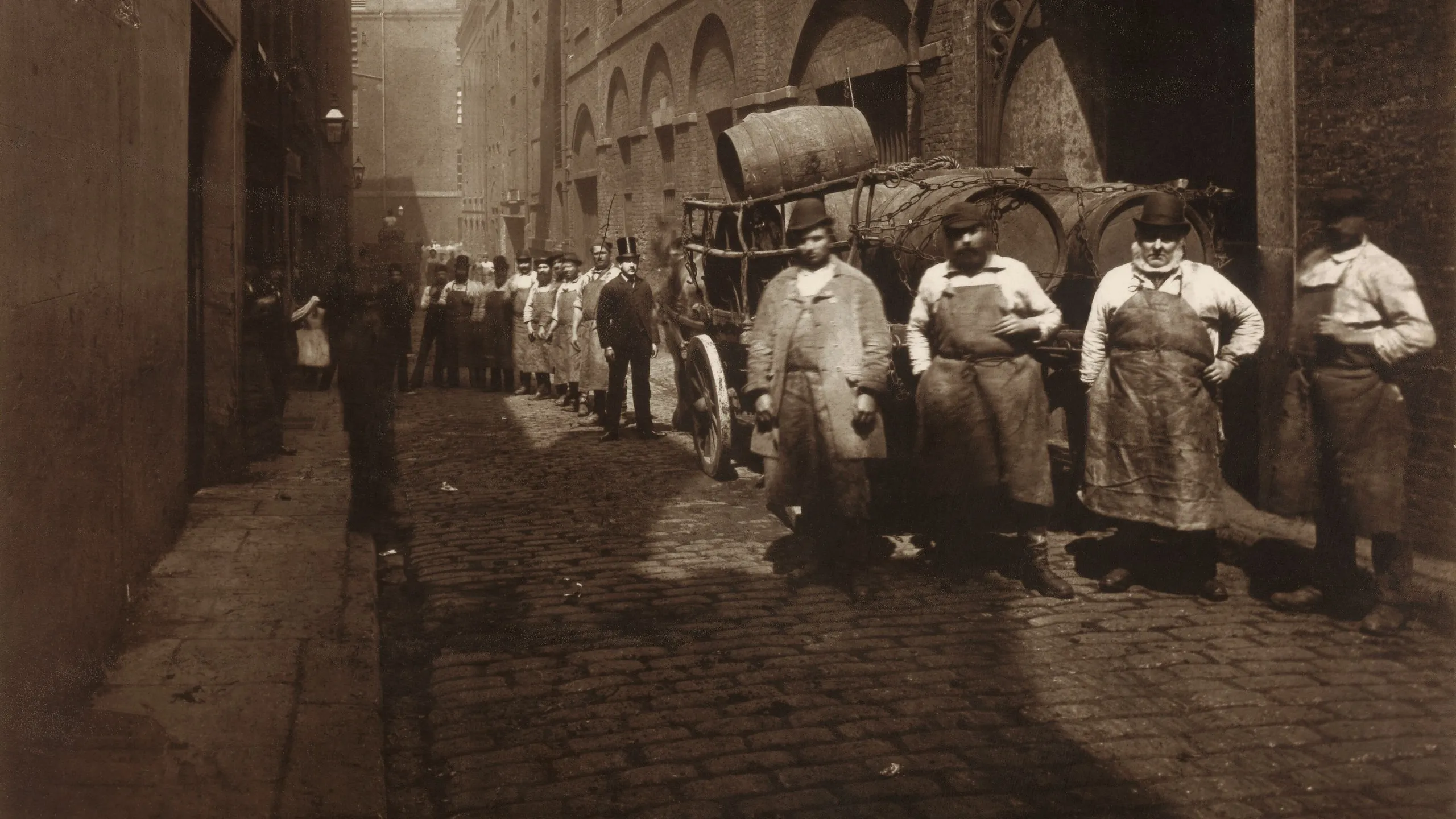
Woodyard Brewery, St Giles
Originating from a brewing business near today’s Trafalgar Square, the Woodyard Brewery moved to a new site just off Tottenham Court Road in 1759. It then became known as Combe’s brewery and lasted over a century, closing in 1905.
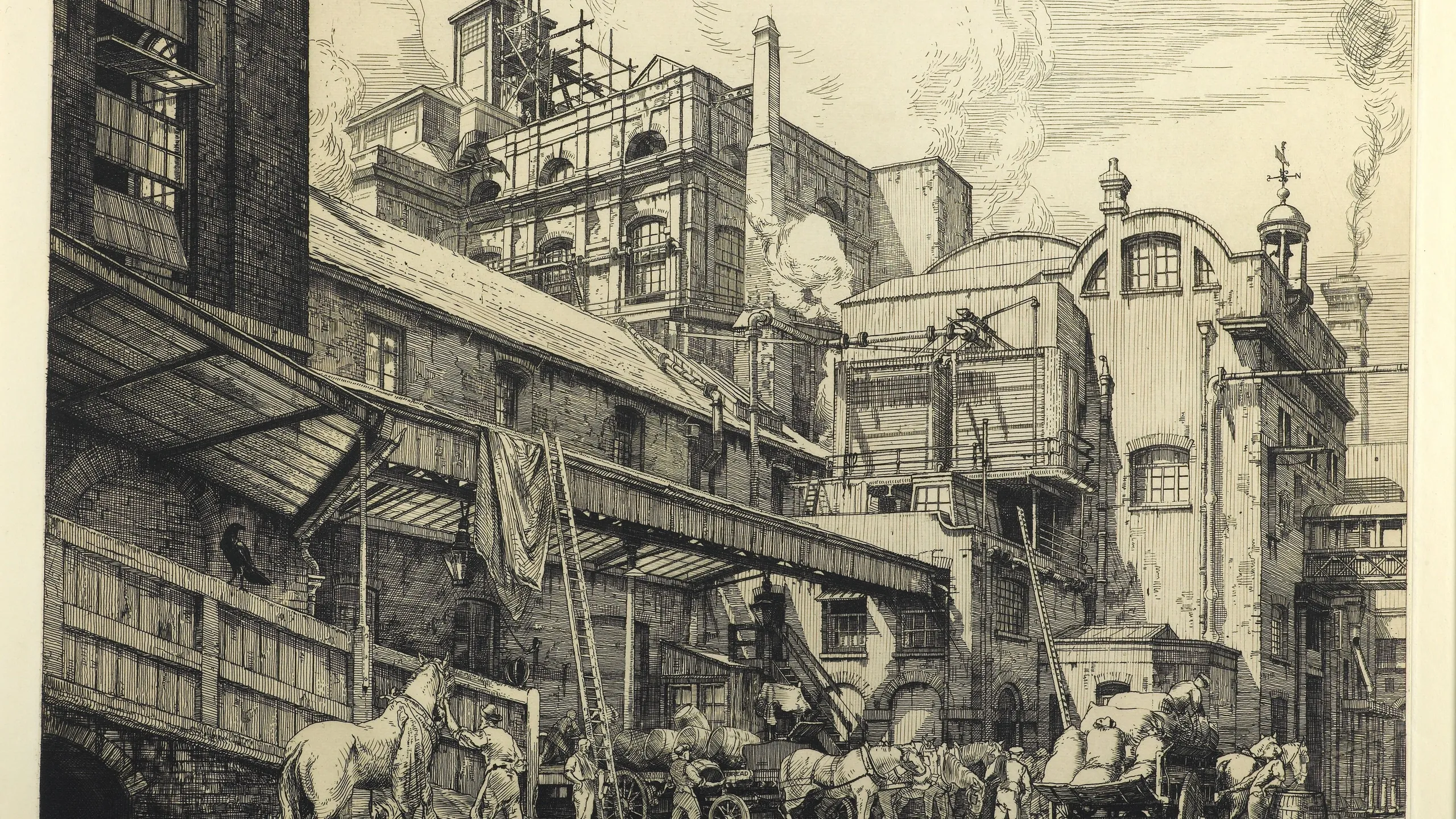
Whitbread brewery, Finsbury
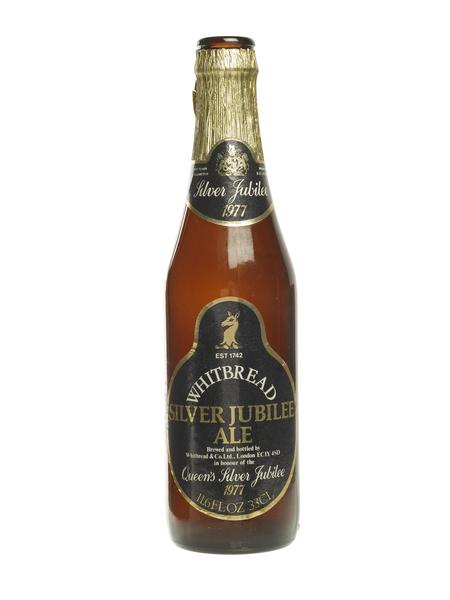
The brewer Samuel Whitbread bought the brewery on Chiswell Street in 1750. He was an early adopter of steam power, installing a pioneering steam engine in the brewery in 1785. Before the end of the century, his brewery was the largest in London, producing over 200,000 barrels a year. The last batch of beer was brewed there in 1976.
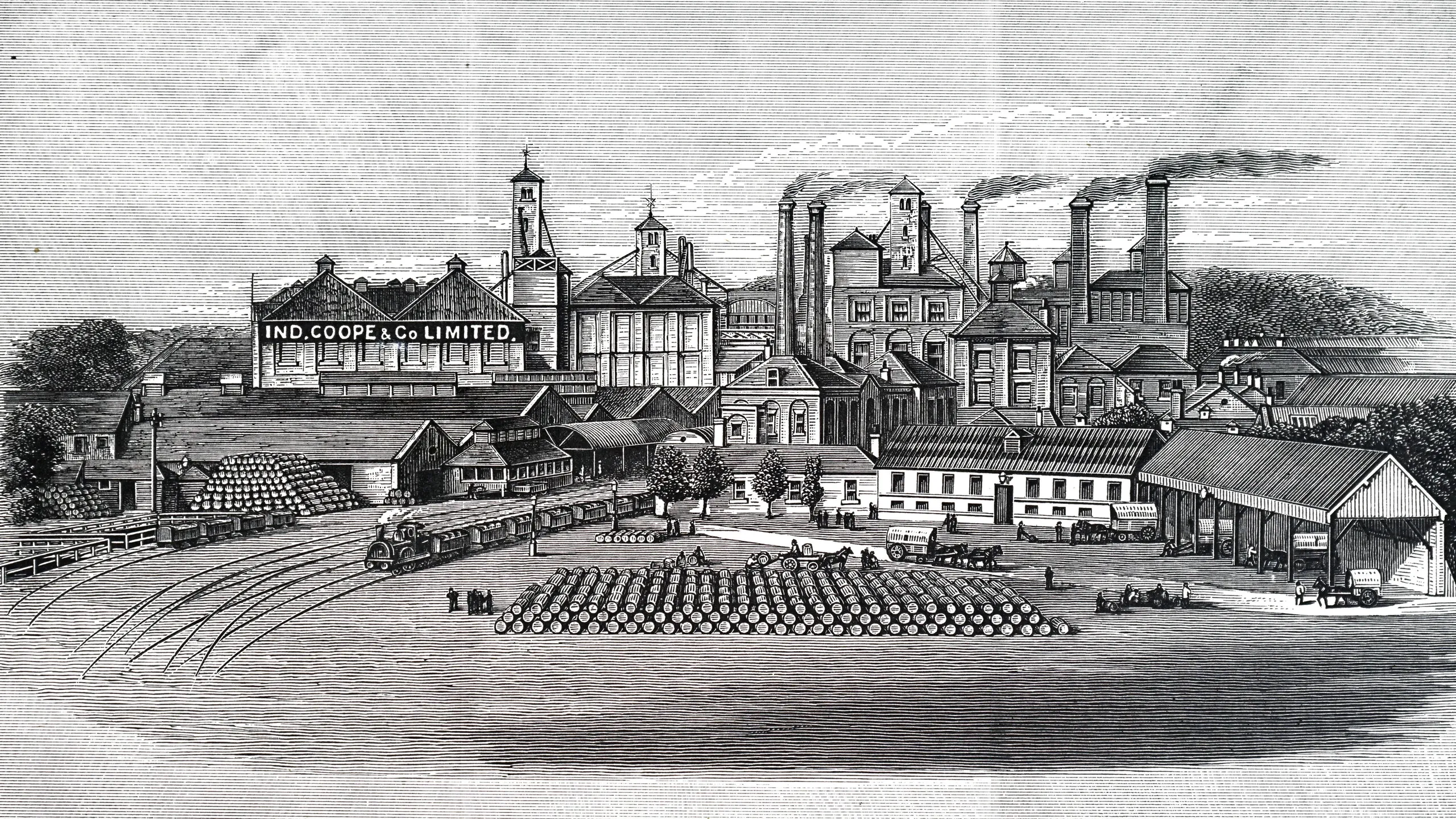
Star Brewery, Romford
The Brewery shopping centre in Romford takes its name from what was once a major local industry. Ind Coope produced beer at their Romford brewery from 1799, naming it after the Star Inn it was built alongside. In 1970, nearly two centuries later, it employed 1,000 people. The brewery closed in the 1990s and was then demolished.
Tags
-
Paintings, Prints & Drawings
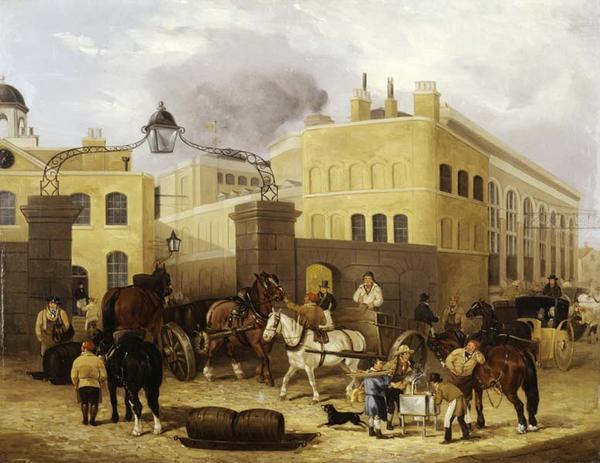 Paintings, Prints & Drawings
Barclay and Perkins's Brewery, Park Street in Southwark (oil painting)
British School, 19th century, British School
1835-1840
-
-
-
Paintings, Prints & Drawings
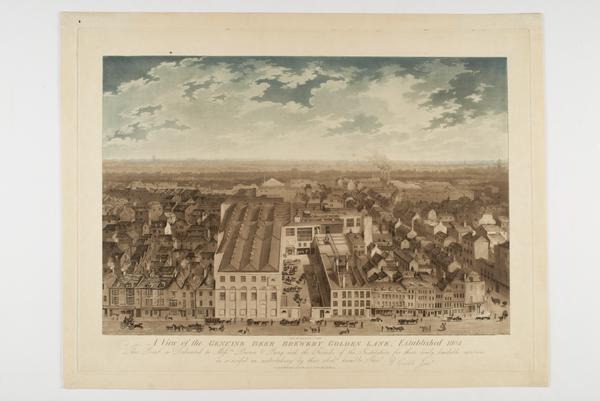 Paintings, Prints & Drawings
A View of the Genuine Beer Brewery, Golden Lane, Established 1804 (engraving and aquatint)
Barth, J.S., Cribb, R.
1807-02-17
-
Paintings, Prints & Drawings
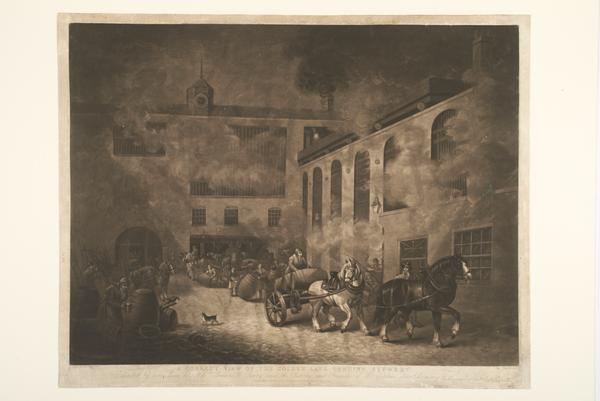 Paintings, Prints & Drawings
A Correct View of the Golden Lane Genuine Brewery (mezzotint)
Wolstenholme, Dean, Barnard, W.
1807-09
-
Paintings, Prints & Drawings
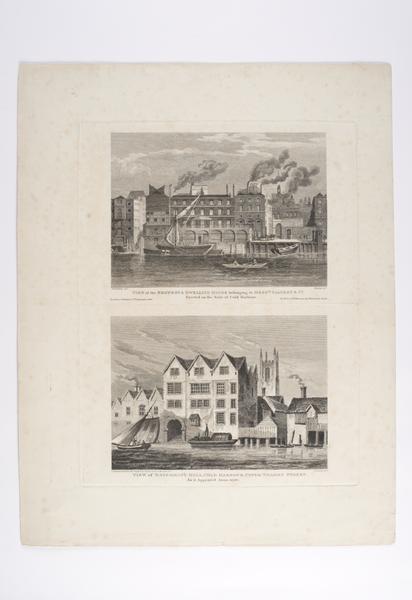 Paintings, Prints & Drawings
View of the Brewery & Dwelling House belonging to Messrs Calvert & Co. erected on the site of Cold Harbour / View of Waterman's Hall, Cold Harbour, Upper Thames Street, as it appeared Anno 1650 (engraving)
Hollar, Wenceslaus, Shepherd, George, Schnebbelie, Robert Blemmell, Wilkinson, Robert
1820-09-27