How Asian ayahs and amahs arrived in London
Women from South, East and South East Asia were once employed by British families to care for their children on the long journey between Asia and Britain. The Ayahs’ Home in London supported these travelling nannies.
Aldgate & Hackney
1700–1940s
-
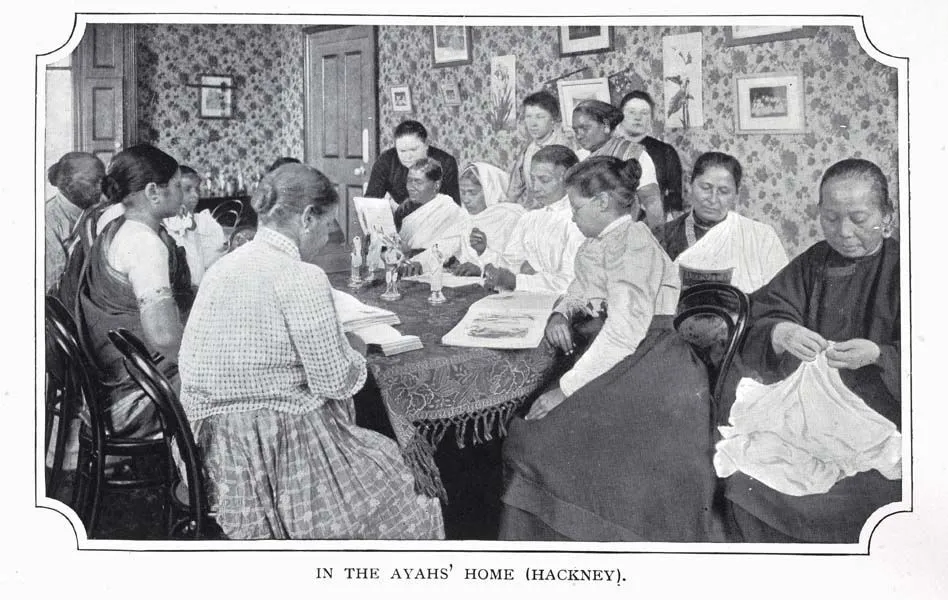
The Ayahs’ Home in Hackney, from a book published in around 1902.
Working women far from home
British people living in the empire’s Asian colonies often hired local servants. Women from South, East and South East Asia who were hired as nannies to care for British children were known as ayahs or amahs.
Many were hired specifically to help families on the hard journey by ship between Asia and Britain. This brought hundreds of ayahs and amahs to London between the 18th and mid-20th centuries.
Most employers did as they promised, helping the women to arrange their return journey and finding them accommodation while they waited in London. But some weren’t so caring. Ayahs and amahs were sometimes left to fend for themselves, with no job, in an unfamiliar city.
The Ayahs’ Home, based first in Aldgate and later in Hackney, provided refuge to these abandoned women. Its story sheds light on one group among the millions of people who moved across the world because of the British empire.
Where did ayahs and amahs come from?
‘Ayah’ was the term used for nannies from India. ‘Amah’ was used for nannies of Chinese origin, usually from Hong Kong and Singapore.
The terms could also apply to women from Malaysia, Myanmar, Indonesia and elsewhere in Asia. The British empire included colonies in all of these places.
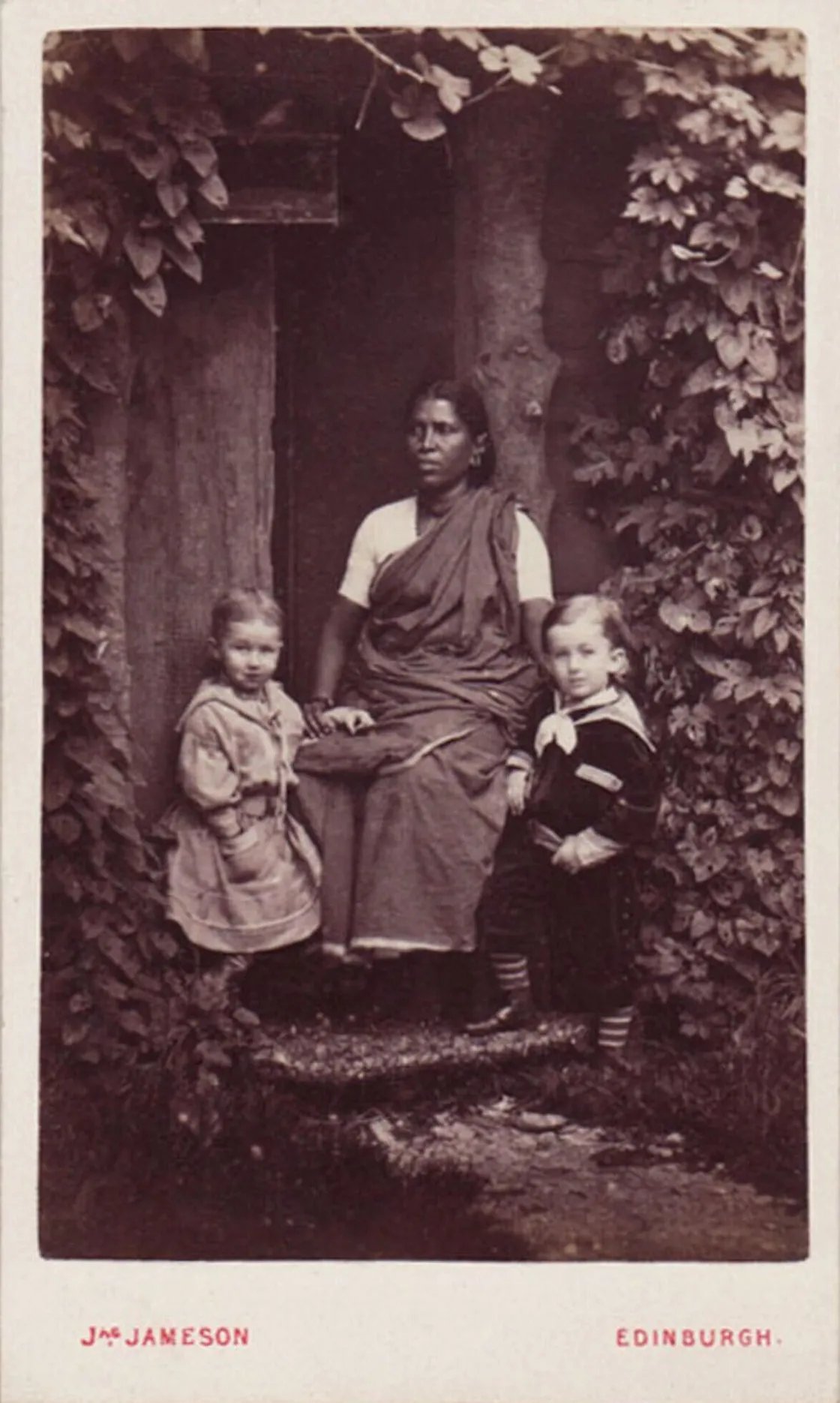
An ayah in Edinburgh, Scotland, with two children.
What did ayahs and amahs do?
Ayahs and amahs cared for the children of their British employers. They might also work as ladies’ maids. They helped feed, dress and wash the children, and were also expected to entertain and educate them.
Ayahs and amahs who worked for British families in South, East and South East Asia were sometimes brought back to Britain to continue helping the family.
More often, women were hired specifically to help families with their children on sea journeys. They were sometimes known as ‘sailor-nurses’, and were hired both for trips to Asia and heading back to Britain. Some travelled repeatedly – one, Antony Pereira, sailed between India and Britain 54 times.
A woman named Mrs Hanson, who managed the Ayahs’ Home in London, was interviewed in The Sketch magazine in 1895. She explained the preference for hiring Asian women for the journey east: “These Indian women are good sailors, and can attend on their mistresses. They speak the language and will see that the ladies are not cheated on their arrival. They are accustomed to the climate, and are indifferent to the heat. An English servant would be worse than useless, she would simply be a serious incumbrance. Ladies know this by sad experience.”
The return journey
Ayahs and amahs only stayed temporarily in London. They either returned home with the same family at a later date, or found another family to work for who were headed east. It was often part of the deal that the employers would arrange the nannies’ return trip.
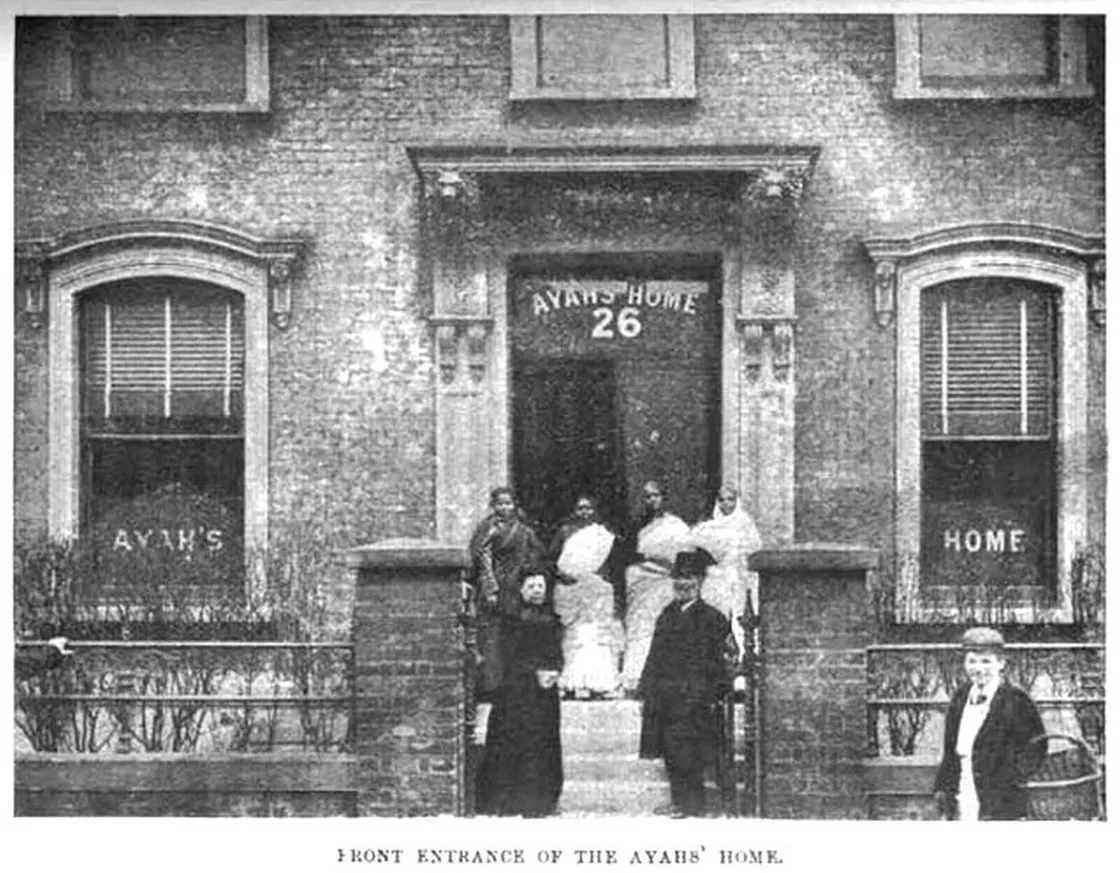
The Ayahs’ Home in 1900.
The Ayah’s Home
Around 1825, a woman named Elizabeth Rogers opened a home for ayahs and amahs in Aldgate. The article in The Sketch from 1895 called it a “comfortable shelter for a hard-working, deserving class of women”.
In 1900, the City Mission, a Christian charity, took over the Ayah’s Home and moved it to 26 King Edward’s Road, in Hackney. In 1921, it moved down the road to a bigger building at number four.
Many employers paid for their ayah or amah to stay there. But the home also took in those who’d been abandoned.
“I am sorry to say,” said the manager of the home in 1895, “that there have been cases in which English ladies, on arriving in London, have contrived to lose their Ayah, and she has been left alone, in an unknown country, with little or no money, and no knowledge of the language. The police have often taken such unfortunate women to the workhouse, and then communicated with me. I have always received them.”
The Ayah’s Home acted as a kind of employment agency. Families seeking help for their trip to Asia could come here to find a nanny.
The home survived until 1943. Today, you can find a blue plaque honouring the home at 26 King Edward’s Road.
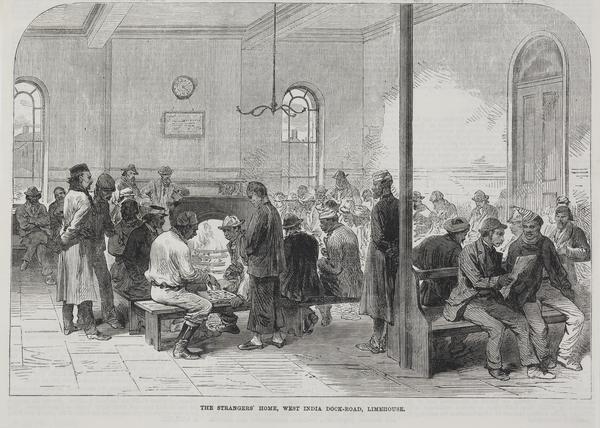
It wasn’t the only organisation supporting newcomers to London at the time of the British empire. The Strangers' Home for Asiatics, Africans, and South Sea Islanders, which opened in Limehouse in 1857, catered mainly to seamen.
What was life like at the Ayahs’ Home?
Around 100 women could stay there at a time. There were roughly 30 rooms assigned to people from different regions, and given names such as ‘Chinese’, ‘Indians’ or ‘Javanese’.
An illustration from a book in our collection, published around 1902, shows women from a mix of backgrounds reading and sewing together. The women’s employers sometimes paid for them to have a day out to explore the city.
“Indian servants were commanded to do things, not asked”
The Secret Garden, 1911
How were ayahs and amahs treated by employers?
Like all servants, there was always a difference in status between them and the family who employed them. For ayahs and amahs though, the way they were treated was also based on their ethnicity.
The Secret Garden, a book by Frances Hodgson Burnett published in 1911, describes the difference. The main character, a British girl named Mary Lennox, grows up in India. She’s upset when her ayah falls ill and dies. But, after leaving India, her reflections are telling.
“The native servants she had been used to in India were… obsequious and servile and did not presume to talk to their masters as if they were their equals… Indian servants were commanded to do things, not asked. It was not the custom to say "please" and "thank you" and Mary had always slapped her Ayah in the face when she was angry.”
Tags
-
Printed Ephemera
-
Paintings, Prints & Drawings
 Paintings, Prints & Drawings
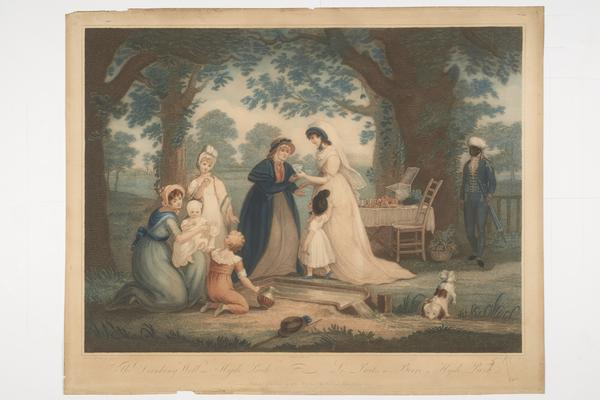
The Drinking Well in Hyde Park (stipple engraving)
Murphy, John
1802-07-03
-
-
-
-