The BT Tower: A formerly futuristic landmark
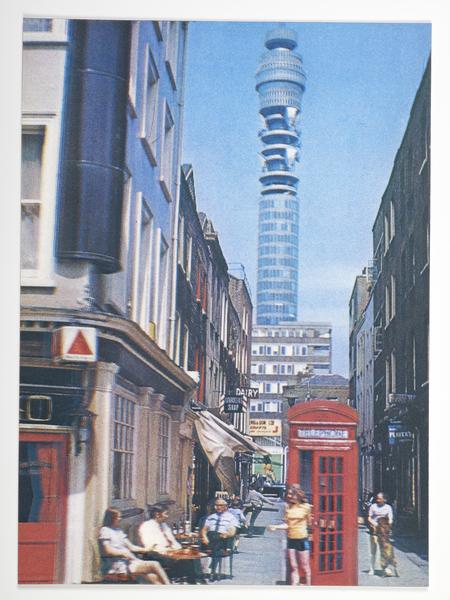
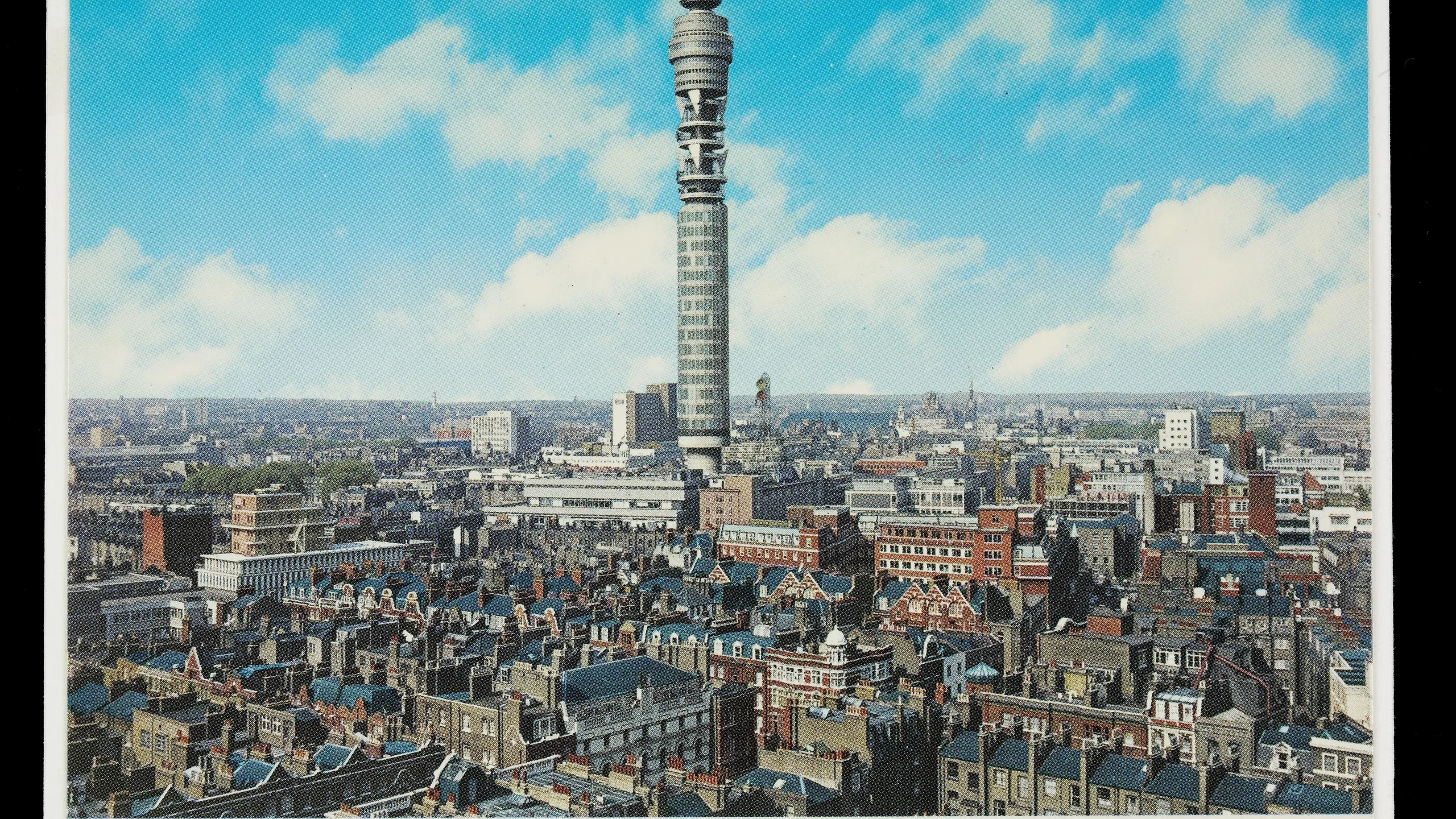
Ever wondered why there’s a tall cylindrical tower sticking out of the Fitzrovia skyline? That’s the BT Tower, formerly known as the Post Office Tower, and it once transmitted and received radio, television and telephone signals in and out of the city. When it opened in 1965 it was seen as an iconic London landmark and symbol of the Swinging Sixties.
Fitzrovia, Camden
Built: 1965
What has the BT Tower been called?
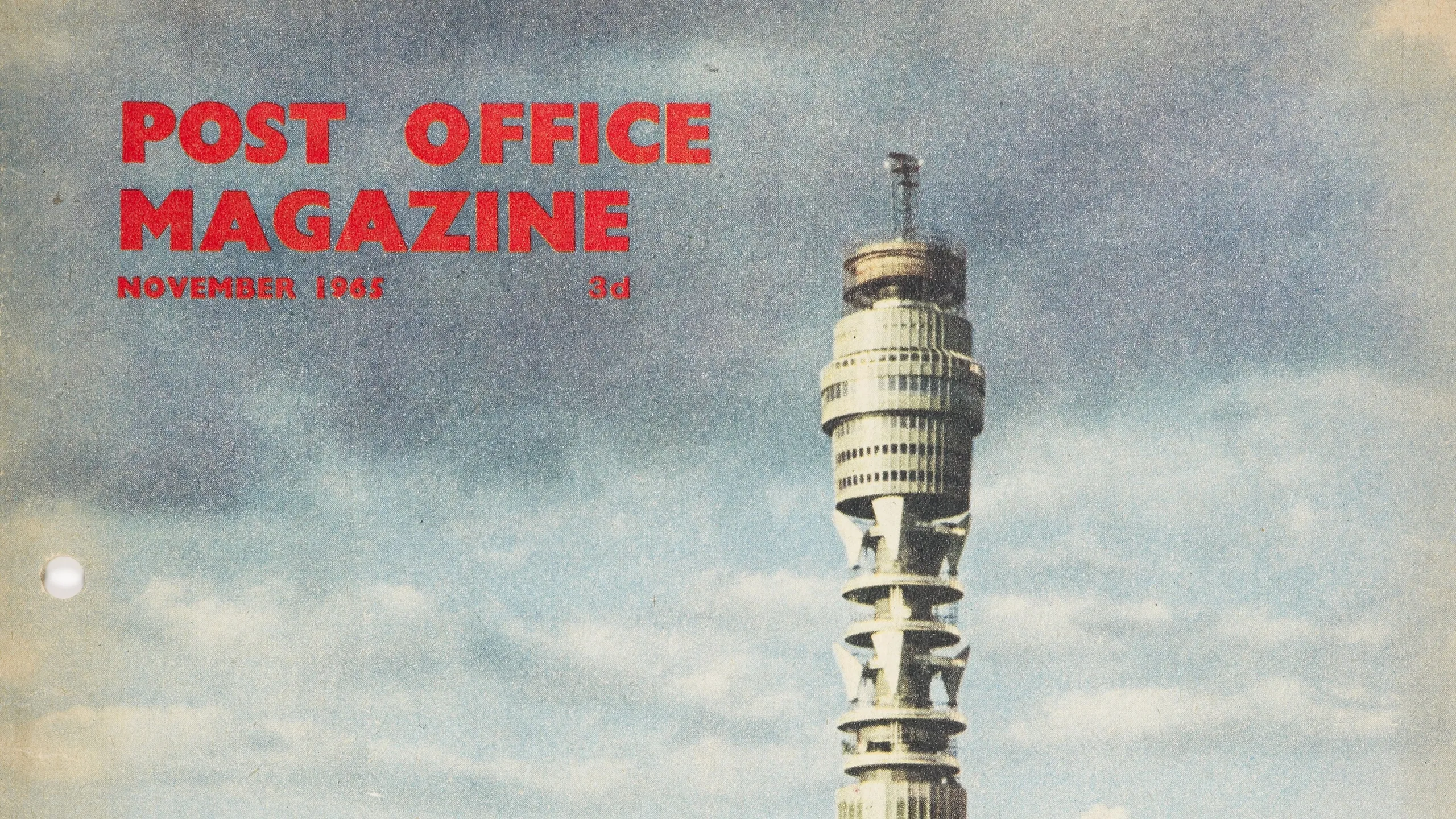
The tower was built for the General Post Office (GPO), which ran the country’s telephone service back then. It was called the GPO Tower or the Post Office Tower first. It was renamed the British Telecom Tower in 1984 when the GPO’s telecommunications arm was privatised. In 1992, British Telecom rebranded to BT, and the tower’s name followed suit.
Why was the BT Tower built?
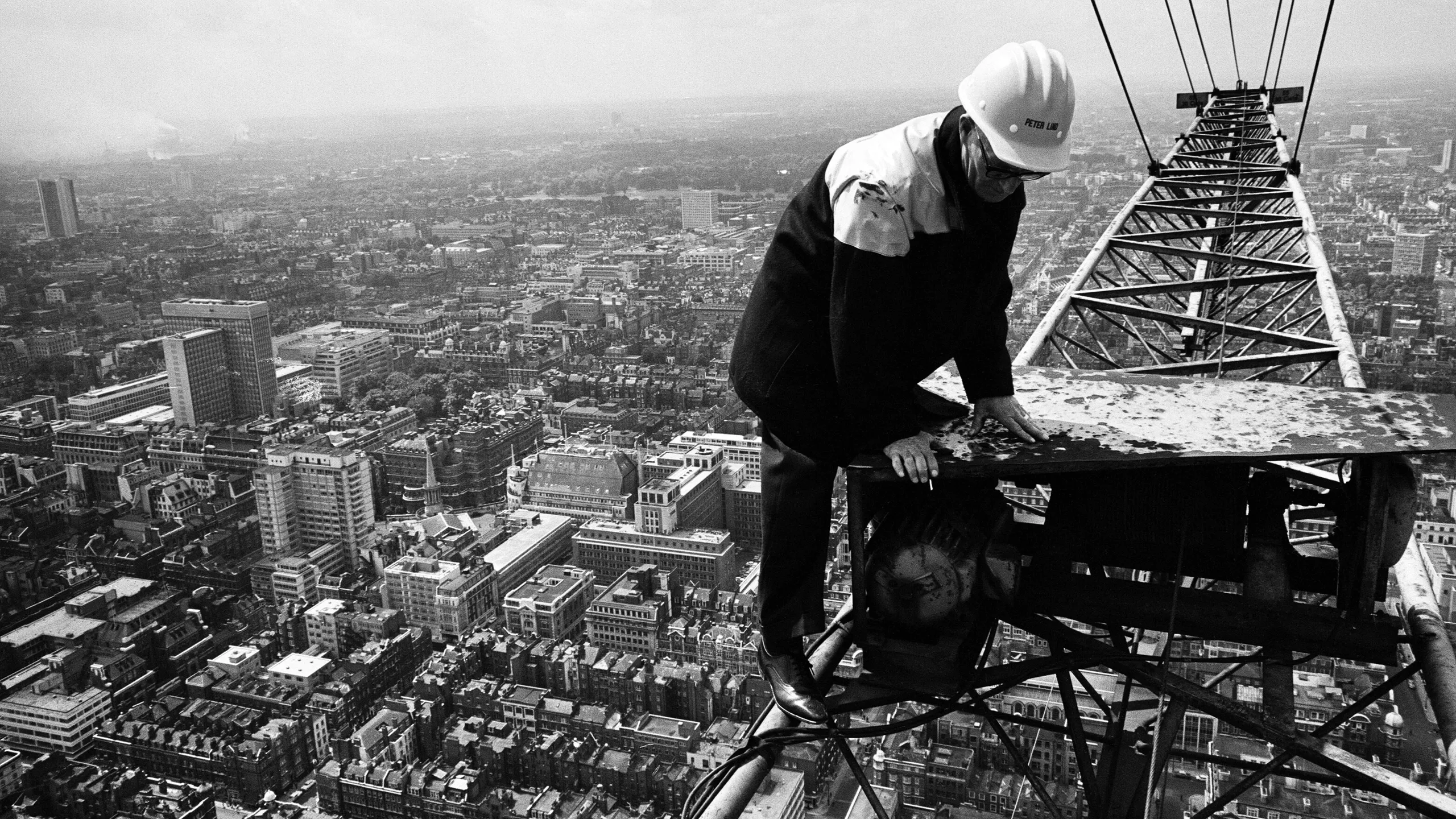
Britain needed improved infrastructure to support the increasing demand for telephone calls and television broadcasts. But it would have been too expensive and difficult to lay cables underground across London. The solution: build a tower that could provide additional capacity via microwave radio transmissions beamed through sky. The tower used to have 57 microwave dishes attached to it.
How tall is the BT Tower?
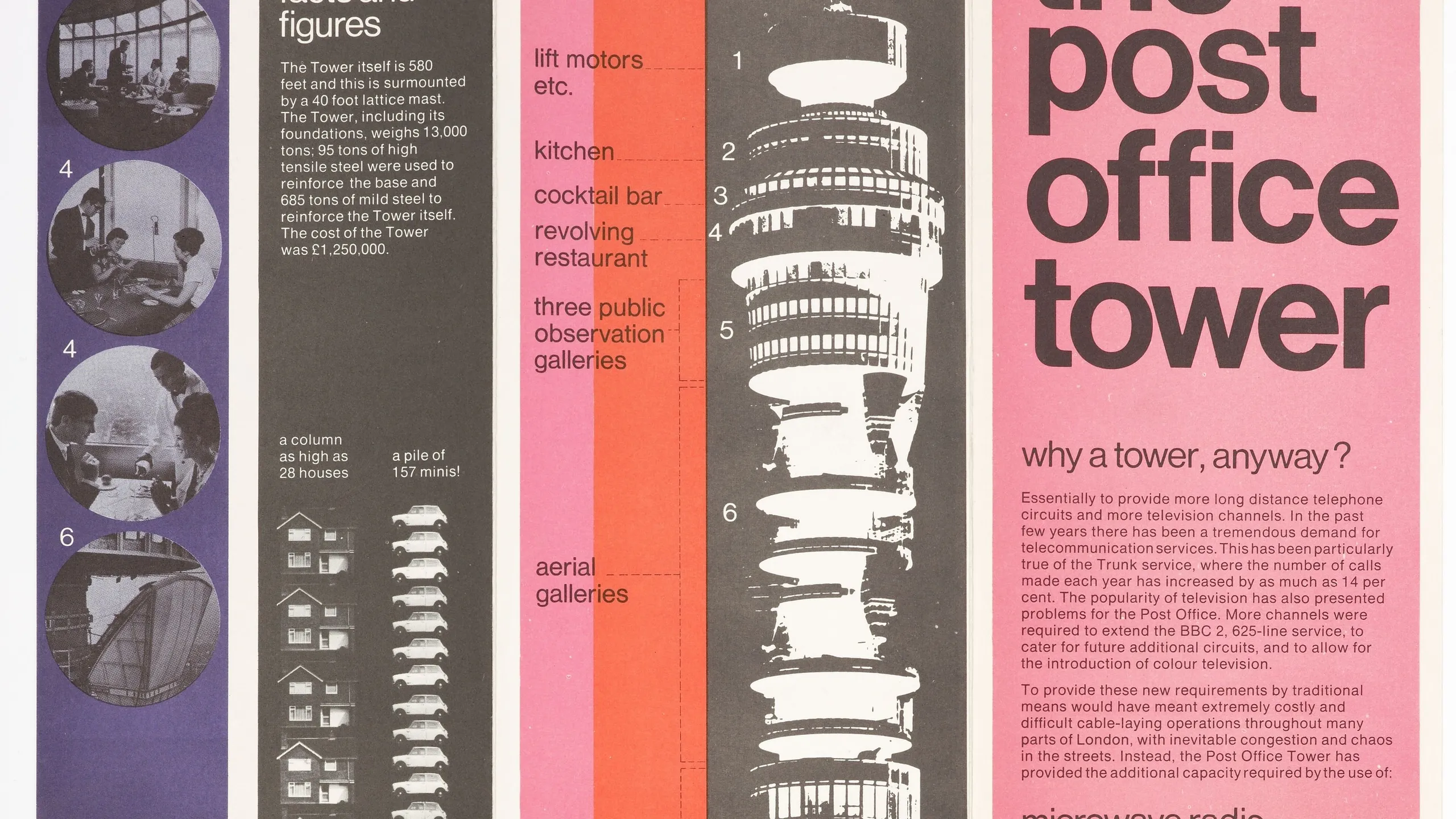
The tower was Britain’s tallest building when it opened. The main structure is 177 metres tall, plus there’s a 12-metre mast poking out from the top. This leaflet by the General Post Office compares this height to stacks of 28 houses, or 157 Mini cars. The BT Tower lost this title in 1980 with the completion of the 183-metre-tall NatWest Tower, in the City of London.
Could you go up the tower?
By design, the tower was also a tourist attraction. You could take in views across the capital from public galleries high in the sky. It was very popular – around one million people visited in the first year. You could then buy souvenirs from the tower shop to remember your visit.
The 1971 bomb
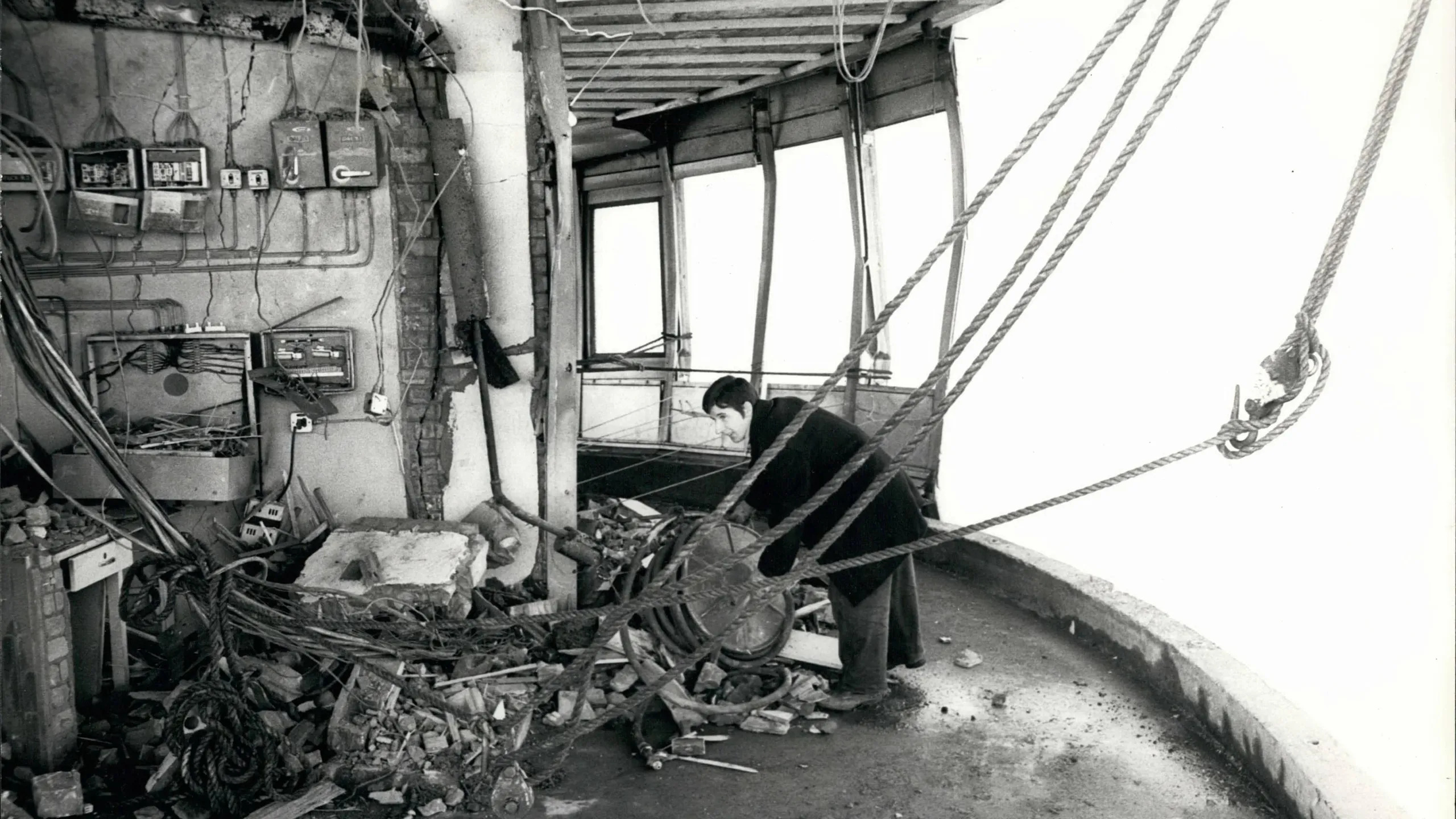
In the early hours of 31 October 1971, a bomb exploded in the toilets on the 31st floor. Thankfully, no one was hurt. The damage took two years to repair, and the observation galleries were permanently shut. The far-left Angry Brigade claimed responsibility for the explosion.
What happened to its revolving restaurant?
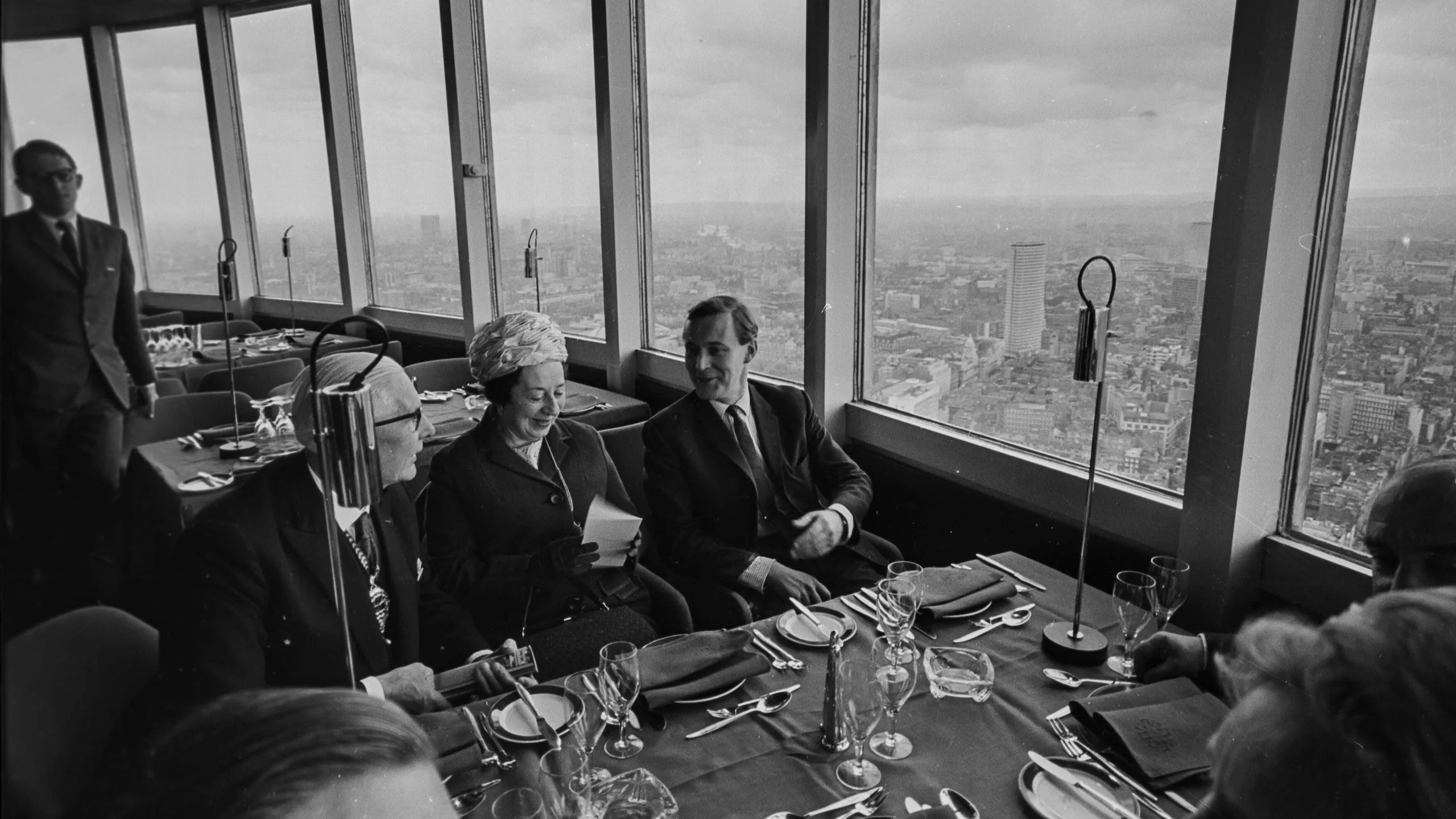
The Top of the Tower was the revolving restaurant and cocktail bar on the 34th and 35th floors. It took around 22 minutes to complete a full spin. Marketed as “London’s new glamour spot”, the menu offered mostly French dishes, including onion soup, mussels, lobster thermidor and crepes. It was run by the seaside resort chain Butlins. When the contract for the revolving restaurant ran out in 1980, the building was fully closed to the public.
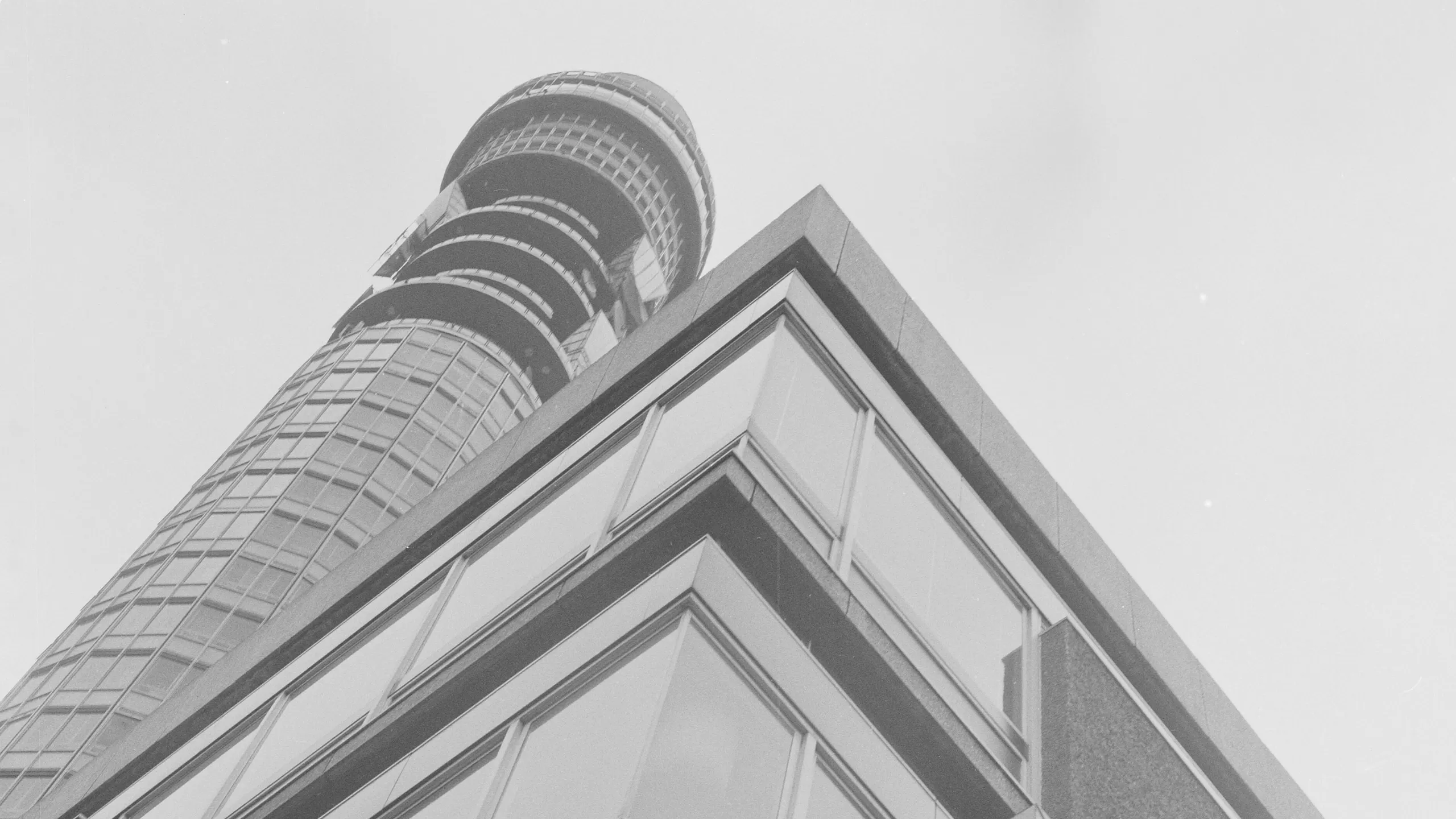
Was the BT Tower a secret?
Because the tower was so important to the UK’s communications network, its location was once classed as an ‘official secret’ by the government. Yes, despite it being a very visible London landmark. It would have been technically illegal to take photos of the BT Tower. In 1993, Labour member of Parliament Kate Hoey used ‘parliamentary privilege’ to reveal the location during a debate in the House of Commons.
The BT Tower’s architectural importance
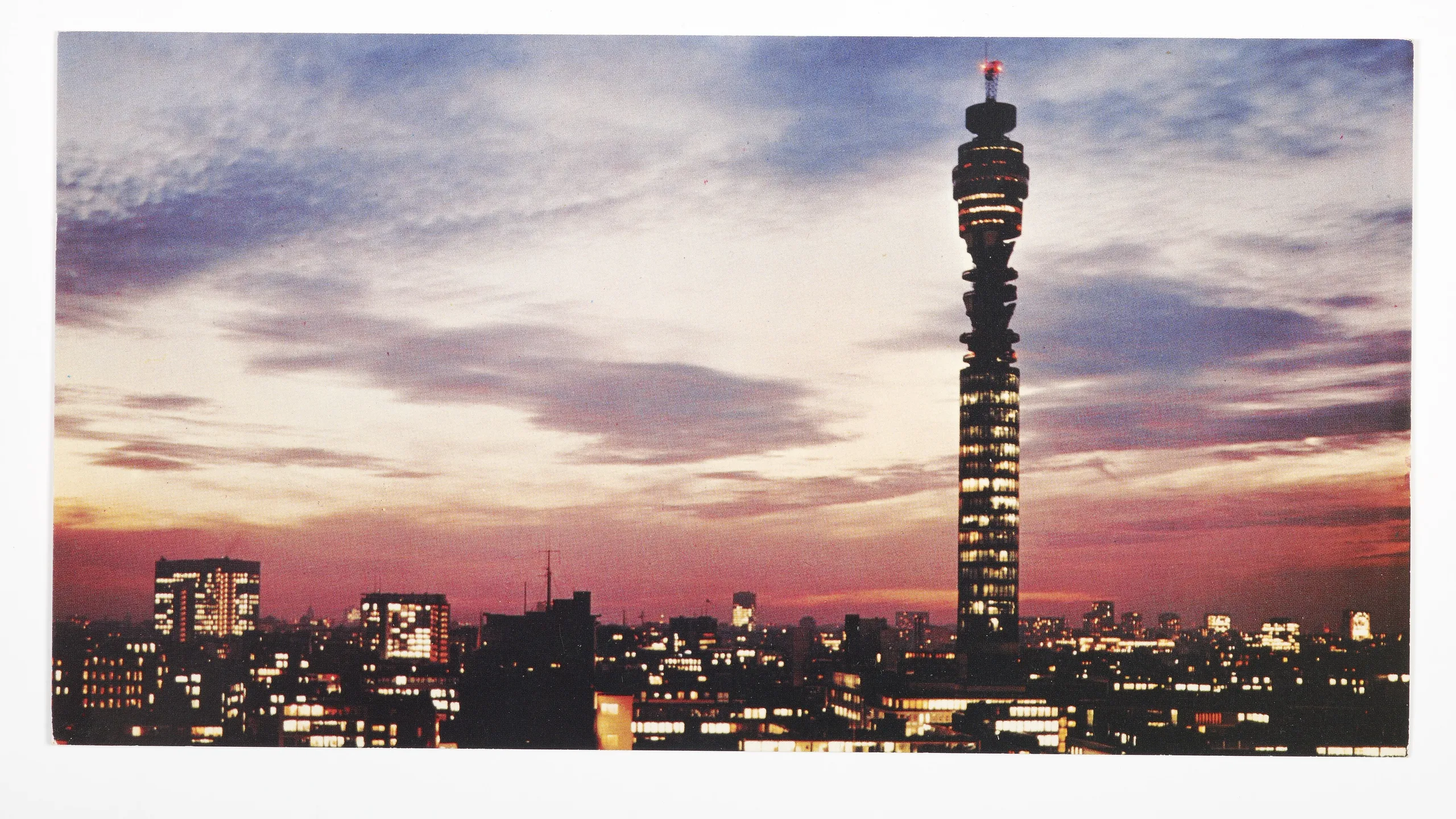
In 2003, Historic England awarded the BT Tower Grade II listed status for its architectural and cultural significance. Its design is futuristic and sleek, but also practical. Its cylindrical shape reduced wind resistance, keeping its sensitive telecommunications equipment stable during gusts and storms. The Labour politician Tony Benn called it a “triumph of modern architecture and engineering” in 1965.
Who bought the BT Tower?
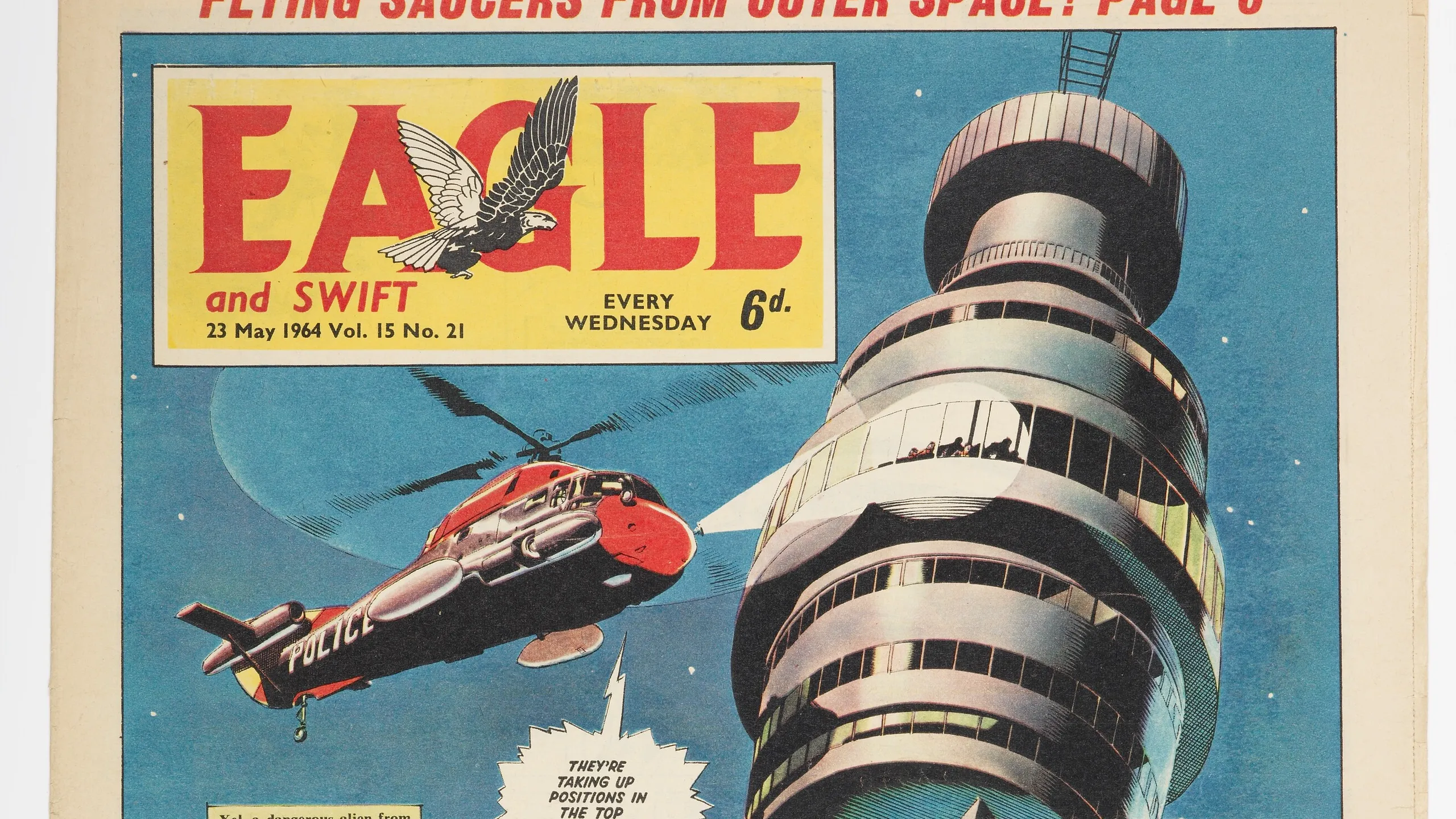
Nowadays, we no longer rely on microwaves for our radio, television and telephone communications. So in 2024, the BT Tower was sold for £275 million to a hospitality company called MCR Hotels, who run around 150 hotels worldwide. The company plans to convert it into a luxury hotel and reinstate public access to the viewing galleries. Initial plans even include a rooftop swimming pool.
Tags
-
-
-
-
-
Printed Ephemera

-
-