A Bengali Muslim wedding in London, 1992
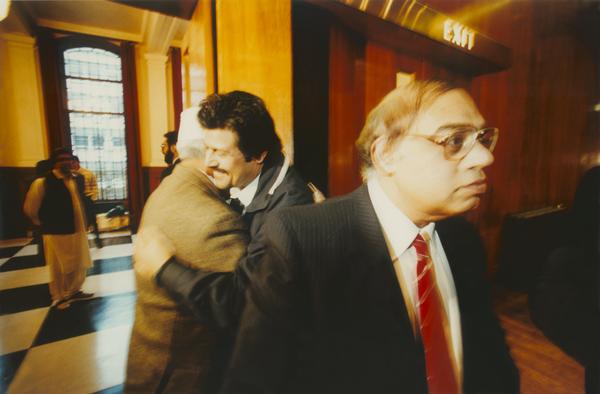
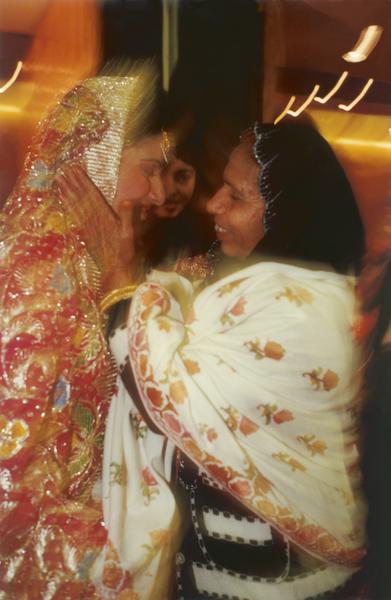
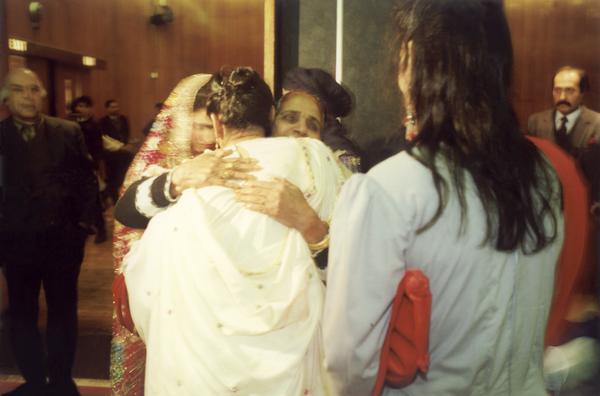
A wedding is a huge occasion in any culture, and in a traditional Bengali Muslim ceremony, the rituals can last days. In the early 1990s, photographer Keith Cardwell joined in with the celebrations.
East End
Around 1992
The big day
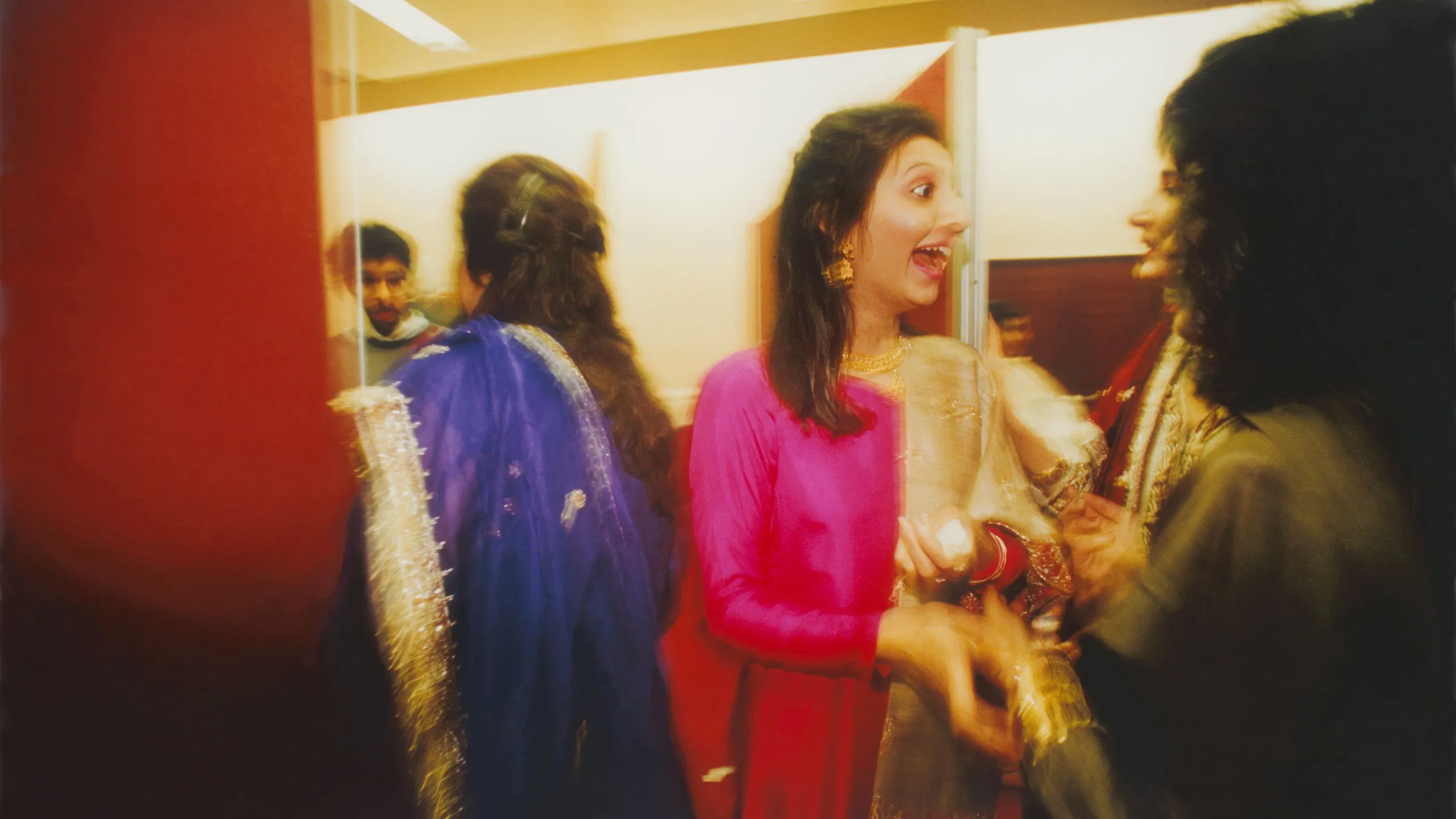
Who doesn’t love a wedding? Whatever the culture, religious or not, it’s a celebration of love and a union of two families.
It’s all a blur
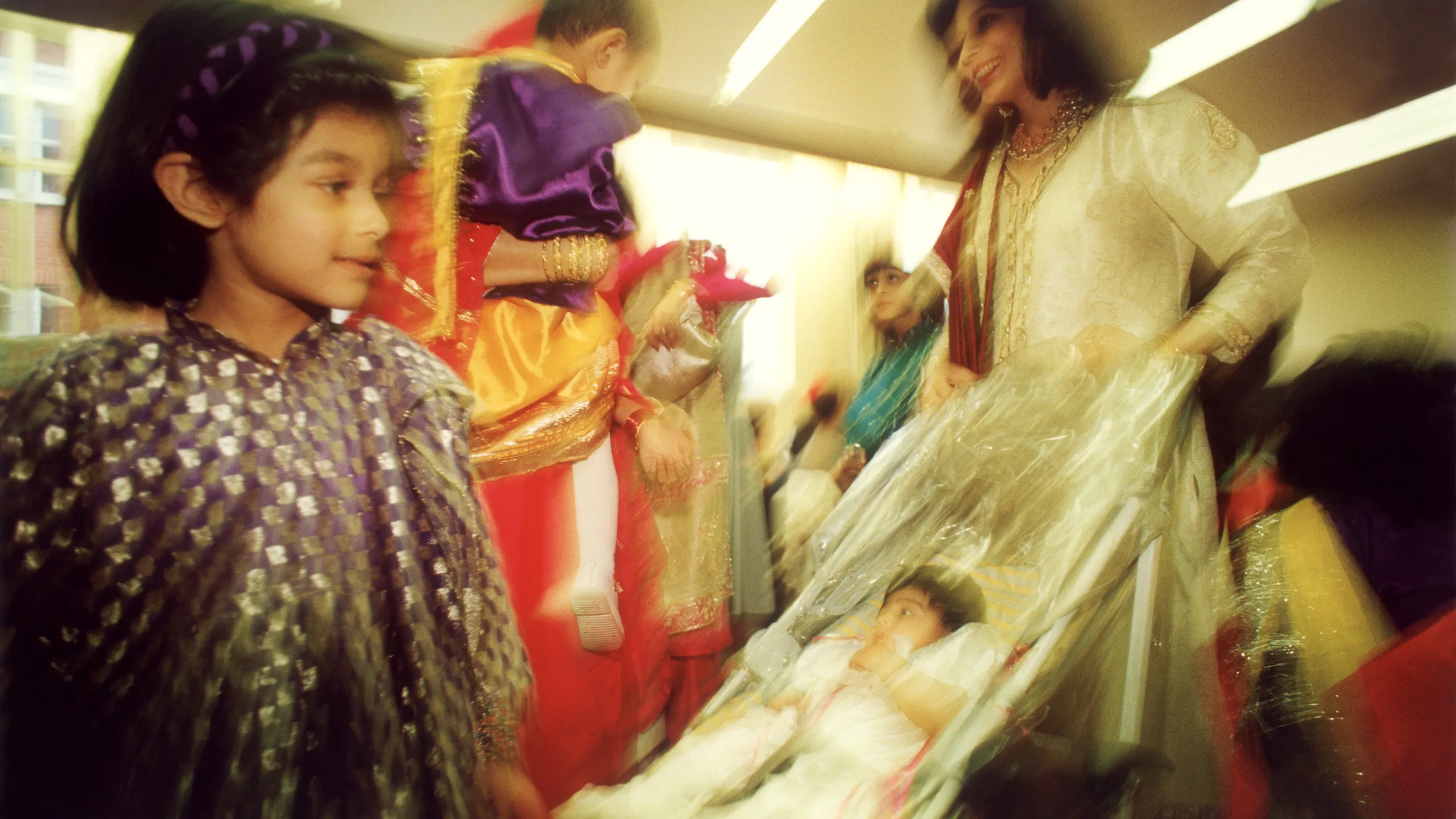
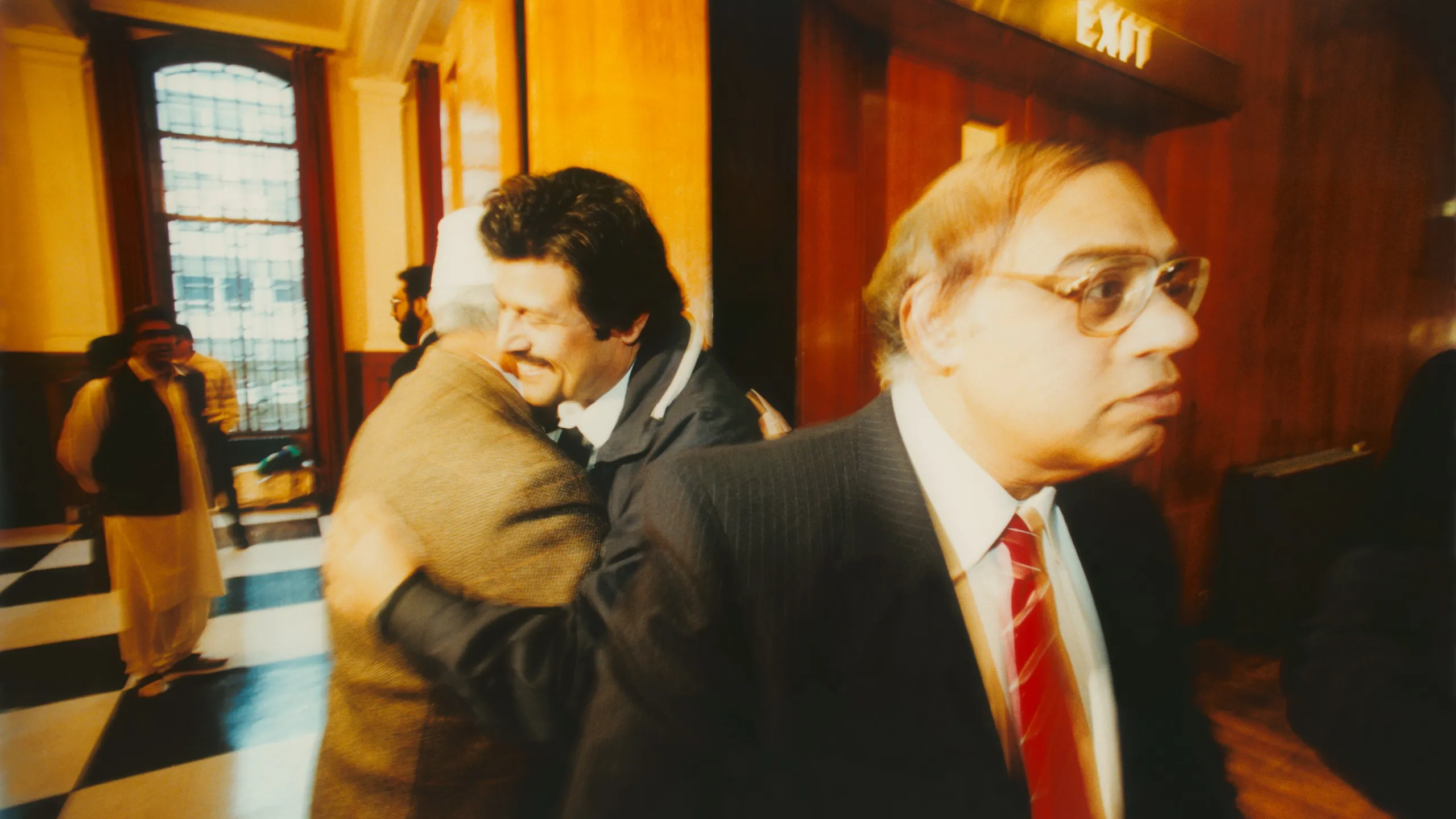
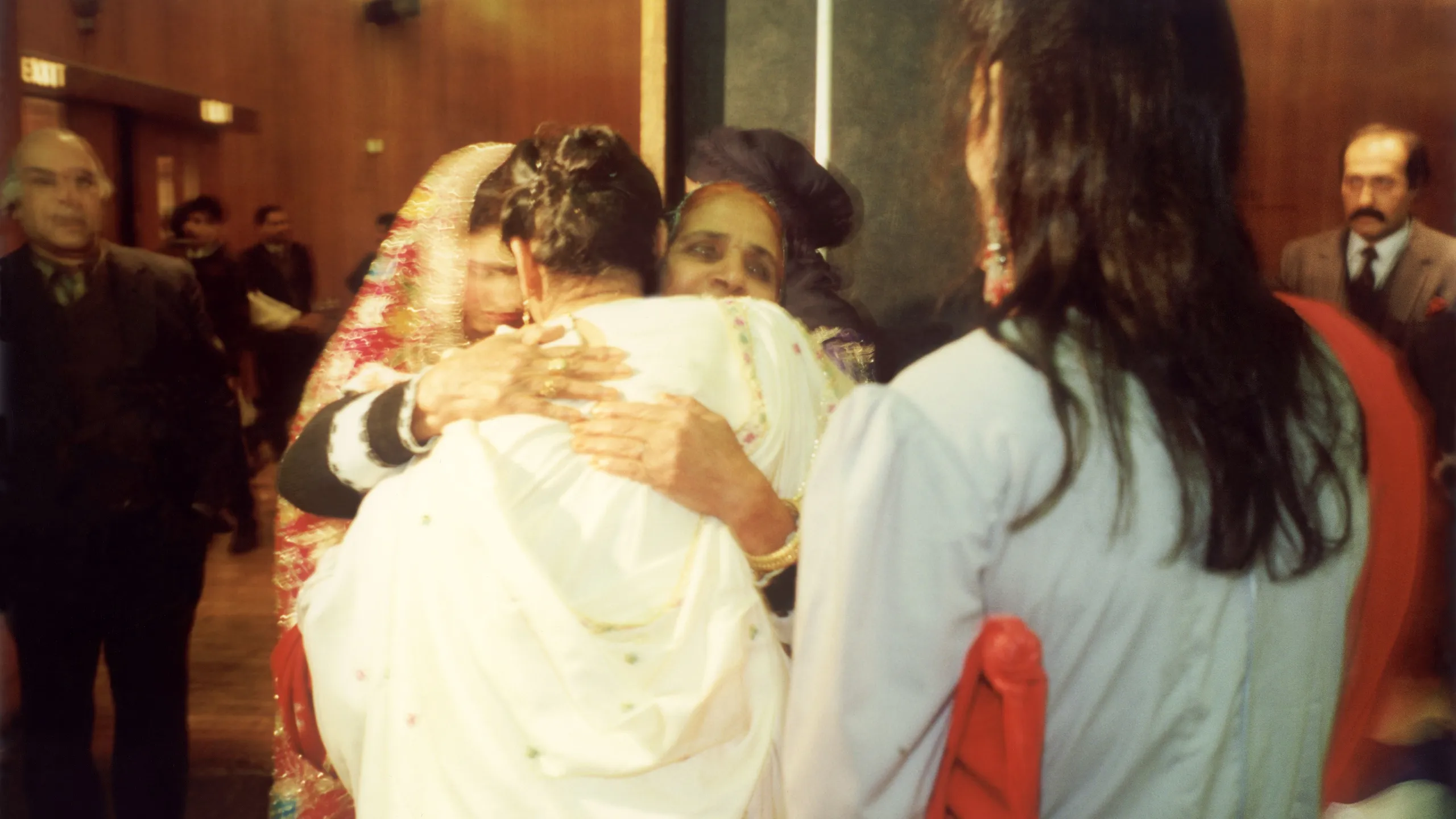
Weddings are a whirl of conversations, rituals, greetings and feasting. It can be joyous, frenetic and exhausting. Photographer Keith Cardwell’s blurred shots give a sense of the bustle, the hyperactivity of it all.
The Bengali bride
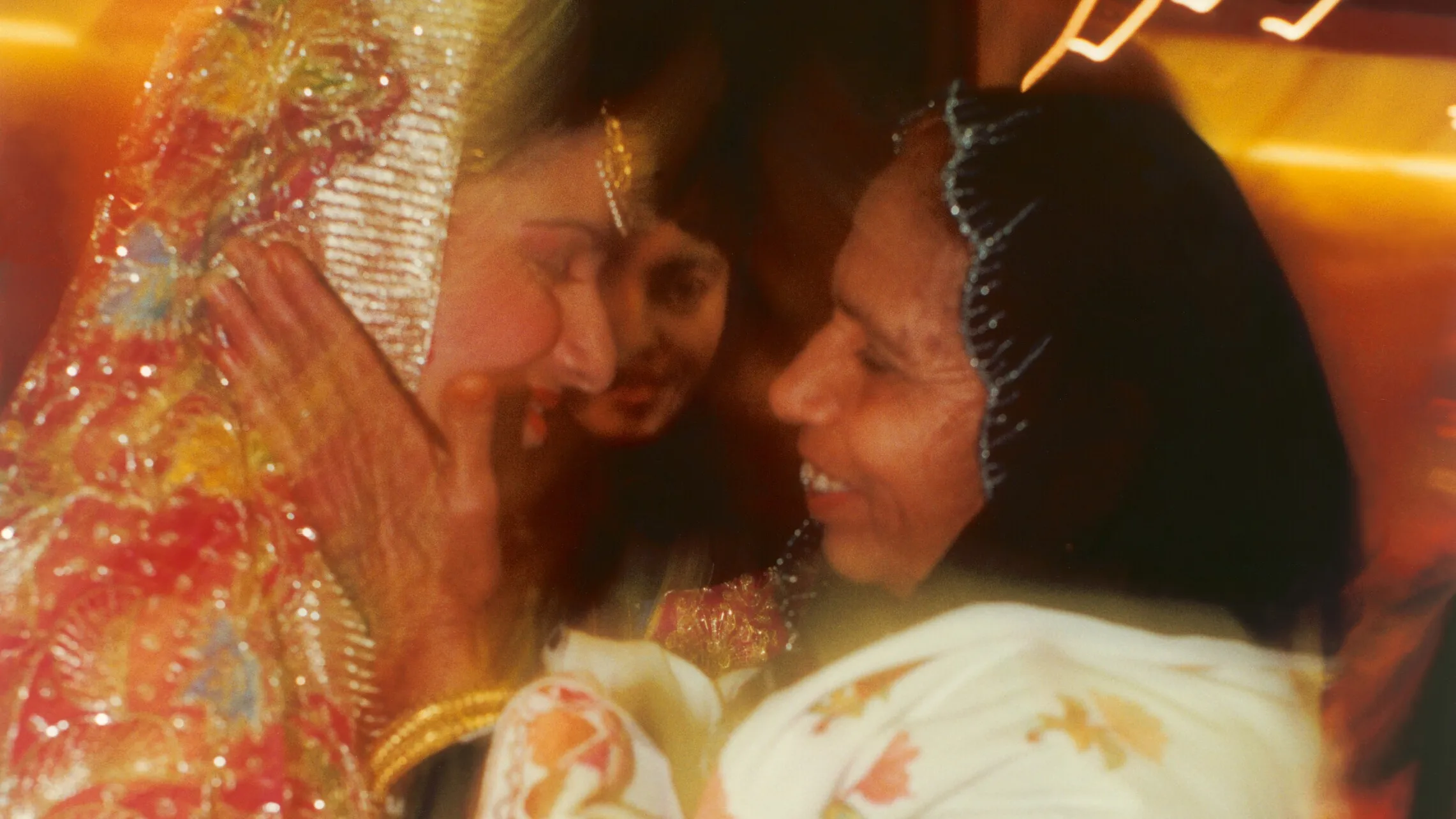
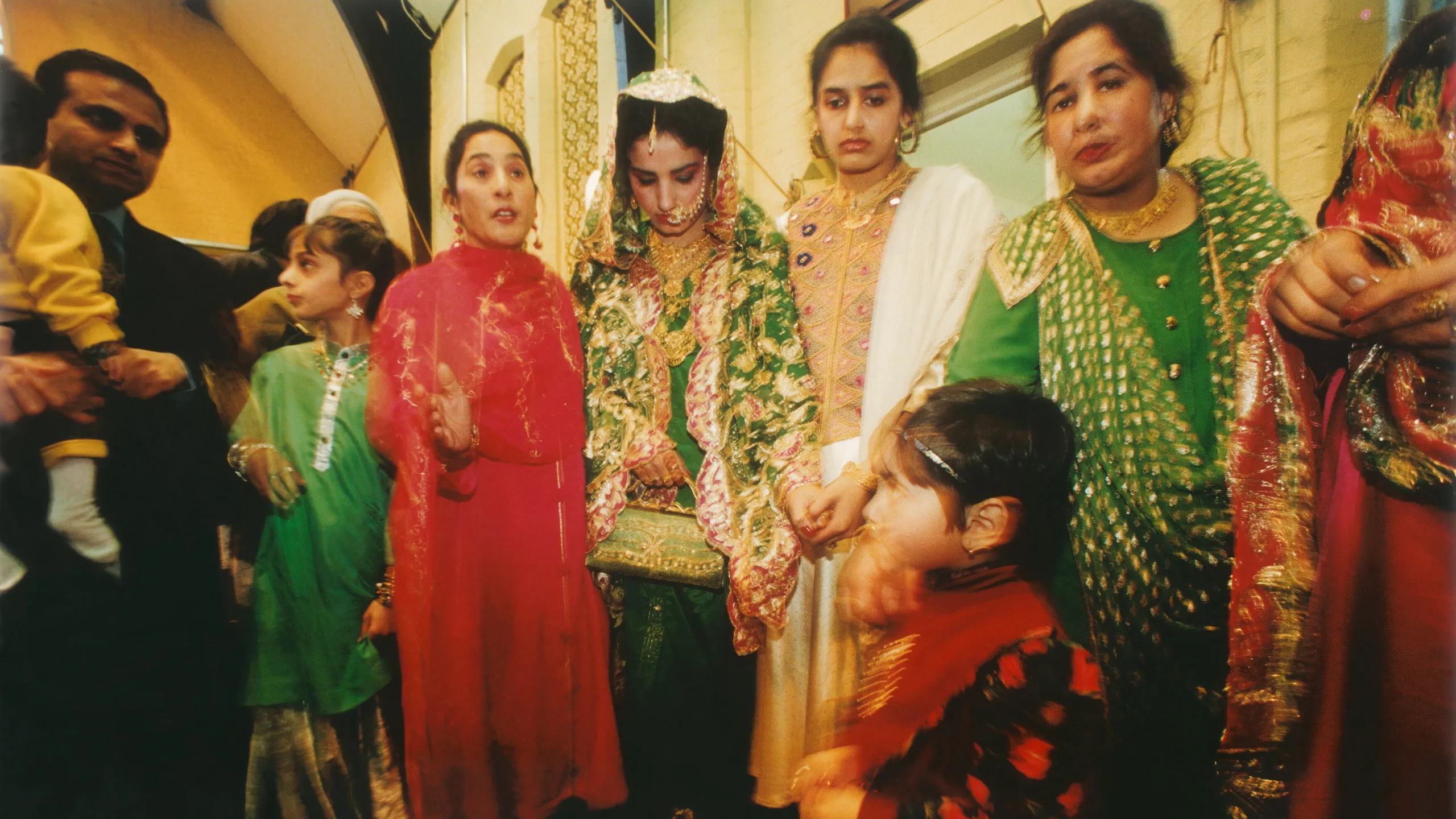
The vast majority of Bangladeshi people in east London are Bengali. Bengalis are an ethnic group associated with Bengal, a region of South Asia which includes Bangladesh and eastern parts of India. The Bengali language is spoken widely within Bengal and by many Bengalis living around the world.
London’s Bangladeshi population then and now
In 1991, there were 86,700 Bangladeshi people in London. In 2021, 322,052 people living in London identified as Bangladeshi. East London has historically been home to the city’s largest Bangladeshi population. In 2021, one third of the people living in Tower Hamlets were Bangladeshi.
The birth of Bengali London
Bengali people have been present in the city since the early 1800s. Then, Bengal was part of the British empire, and most Bengalis arriving were seamen. Many more Bengalis have come since the 1940s. They sought work, followed family and fled political turmoil, especially the 1971 Bangladeshi war of independence. Over several generations, their descendants have forged their own identity, blending Bengali ancestry and British culture.
The importance of food
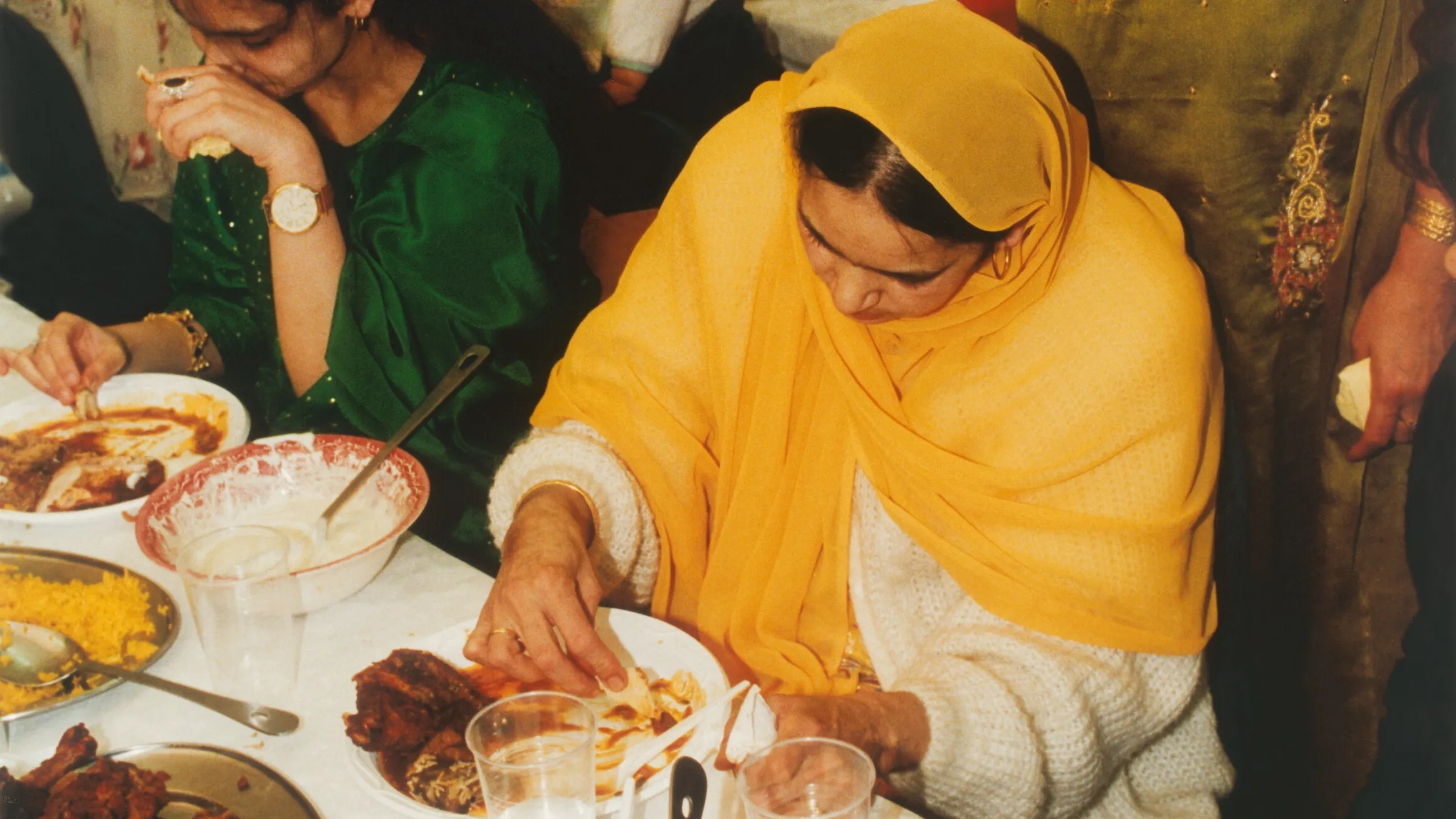
Food has played an important role in the story of Bengali people in London. The vast majority of Indian restaurants in the UK are run by Bangladeshi people with ties to the city of Sylhet.
Religion
Most Bengali Bangladeshi people in east London are Muslim. Historic mosques in the area include the Brick Lane Mosque, open since 1976, and the East London Mosque, which dates back to 1941.