Shows for schools & families
Connecting London's young people with extraordinary stories through storytelling and performance.
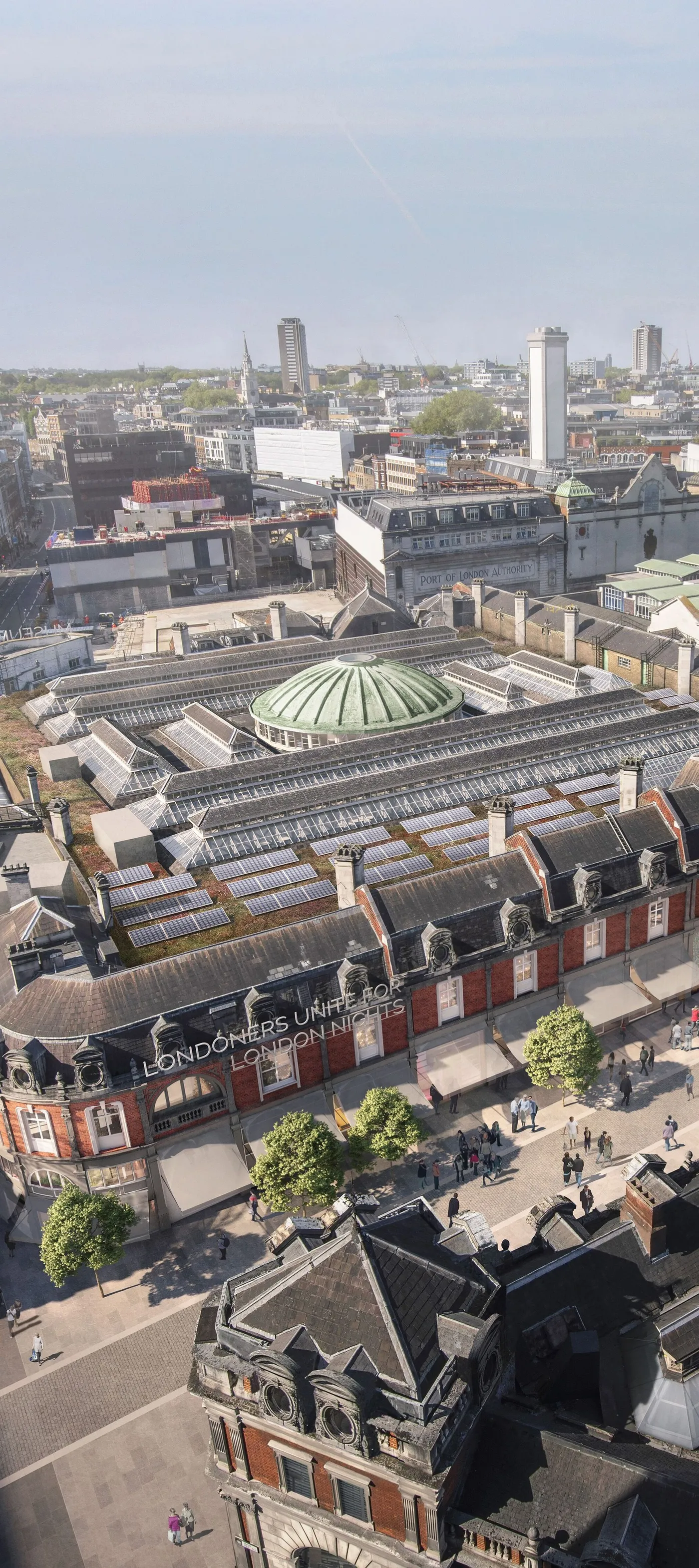
Developed for the new London Museum in Smithfield, our shows programme began in 2024 kindly supported by a grant from Terra Firma Capital Partners. It offers a new approach to sharing some of London's greatest stories, while bringing underrepresented histories and surprising perspectives to the forefront.
Taking place in the N. Sethia Showspace, our auditorium specially designed for schools and family groups, these presenter-led shows provide a shared, interactive learning experience. This free programme combines engaging storytelling with live performance to create an experience that can't be replicated in the classroom.
The aim of shows is to create memorable, collective experiences that bring London’s history to life. Audiences are encouraged to develop empathy, engage with new perspectives and discover aspects of London's past that they may not have encountered before, feeling curious and connected to London in a new way.
What are London Museum shows?
London Museum shows tell some of London’s greatest stories in unexpected ways, giving our youngest visitors a new perspective on their city. They are 30–45 minutes performances led by a member of museum staff.
The term ‘show’ was chosen to reflect that they're large-scale, highly engaging and interactive performances. They are both fun and thought-provoking, designed to be relatable and accessible to the lived experience of the age group.
For both schools and families, audiences play an active role in the storytelling. The performances are led by one storyteller bringing the chronicles of London to life through objects, custom visuals, props and a variety of audience participation activities. The shows content does not change between audiences, which allows our youngest visitors to enjoy the same experiences no matter who they visit with.
The shows are primarily focused on key topics in the collection with links to the national curriculum for England. They encourage audience members to reflect on their own identity and their relationship with London.
The connecting thread between all our shows is that they platform surprising stories of everyday Londoners that audiences might not know, encouraging curiosity and a desire to learn more about the past.
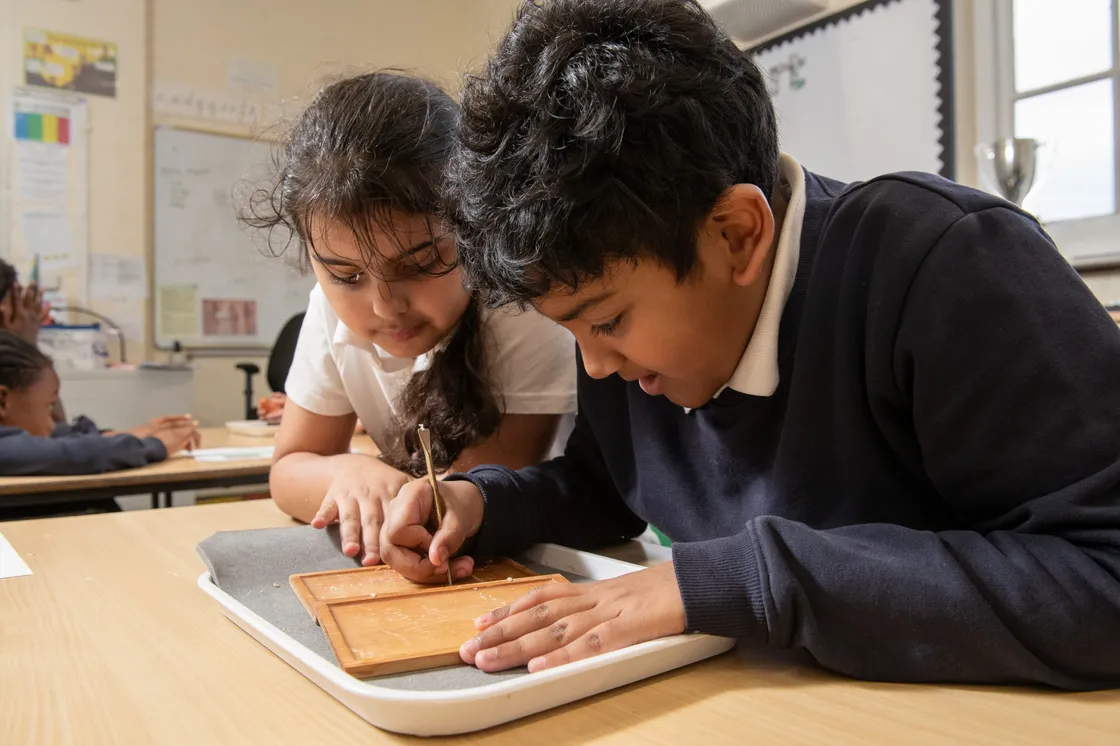
Pupils testing ideas for the Roman key stage 2 show.
“By sharing the history of London, students learned some new figures in the past, motivating them to leave their print on the history of London”
Feedback from a secondary teacher on pilot performance
How are shows created?
Ensuring young Londoners have a voice in the shows has been part of the process from the start. We follow a seven-step development process to embed pupil voice into the programme design, which ensures that our shows meet real classroom needs and reflect the lived experiences of children and young people.
Feedback through pilot performances has directly impacted the final versions of each show and many of the words and sensory language pupils used to explore objects has been written into the scripts.
-
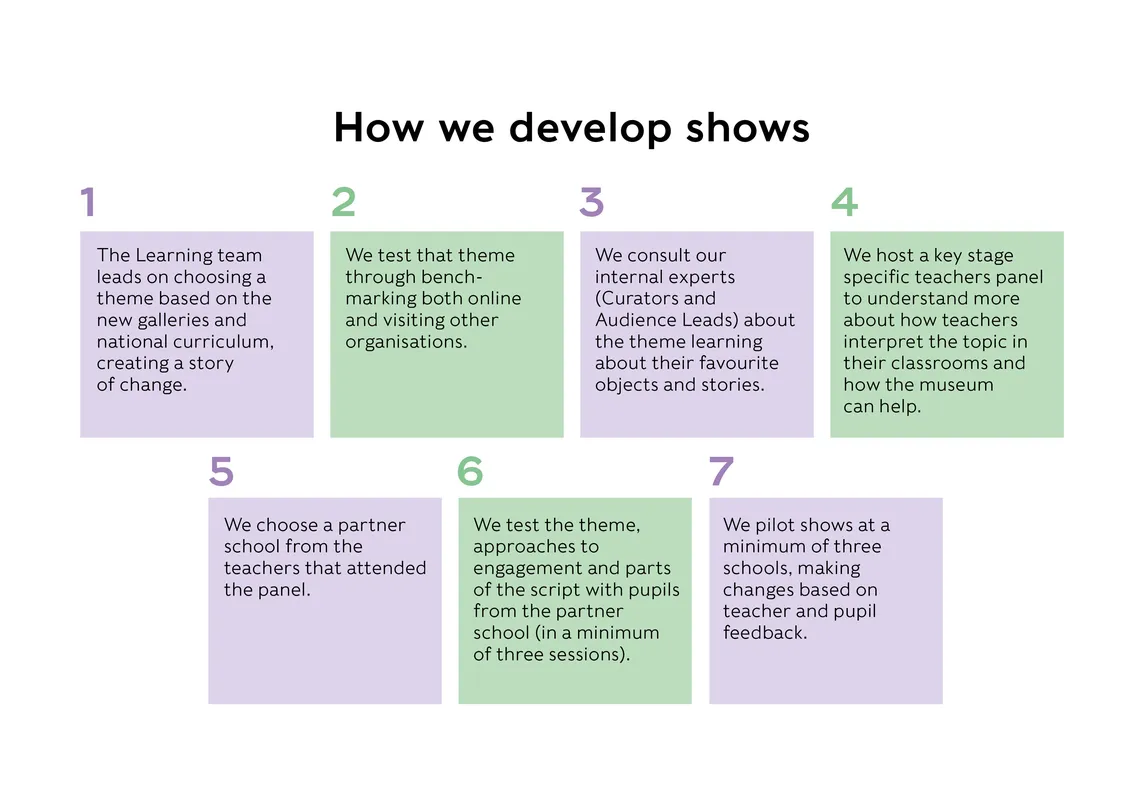
The process of how we develop shows
Why does London Museum offer shows?
London is a spectacular city full of spectacular stories. But how do you connect young people to the Romans who lived in London from 2,000 years ago? Whose stories do we not tell when talking about the Great Fire of London? How do we support others to make a deeper connection to the city?
People will come to London Museum to experience the chronicle of London in the same way we attend the theatre to experience a story. Performance allows us to draw out stories that are underrepresented or absent from the collection, and interpret our collection in new ways, helping us finding the extraordinary in what may seem like ordinary everyday objects.
We invite visitors to reflect on, participate in and be entertained by a shared memorable live experience by delivering to large audiences. This encourages opportunities for dialogue, broadening perspectives and fostering emotional connections with the past. By presenting history in a different way, shows create space for reflection and encourage creativity and empathy, confident communication through interaction, collaboration and critical thinking.
By using performance as a tool for interpretation, we can transform historical knowledge into lived experience, helping young people see London's story as something they're part of and something they will continue to shape.
“Really enjoyable, purposeful, engaging. Can't wait to book for next year!”
Feedback from a primary teacher on pilot performance
What content do the shows include?
The content of our shows has been shaped by the objects within our collection and their fascinating stories. From Roman statuette of a goddess, burnt bricks left behind after the Great Fire of London, and a Sony Walkman, our objects support audiences to discover how Londoners have shaped the city by building communities and changing London in unexpected ways.
Content is also informed by the curriculum, as we know that the museum is a trusted source for primary and secondary History topics. However, all topics expand beyond the curriculum, exploring broader histories, encouraging new ways of thinking about museums, and inviting students to reflect on their own perspectives and values.
Each show is driven by our storytellers and features accompanying visuals with custom illustrations, videos, sound effects and other sensory experiences to present London’s history with vibrancy and personality.
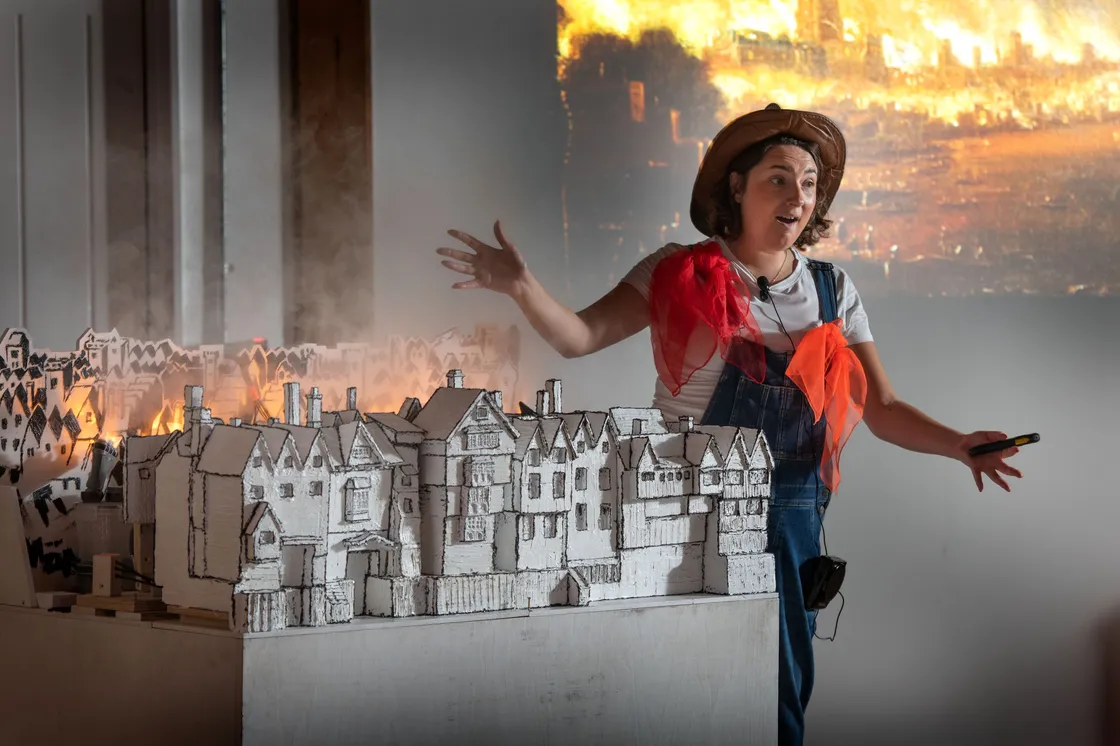
Testing the Great Fire show with families.
How do we measure the success of shows?
Evaluation has been a consistent part of the development of our shows, helping us ensure they meet what our audiences are looking for: experiences that both enhance and consolidate learning and create lasting memories.
Through pilot performances in schools, we gathered feedback from teachers and pupils to shape the final productions. Teacher surveys described the shows as high quality, engaging, multi-sensory and interactive, highlighting the use of props and museum objects. They also highlighted that the inclusion of surprising histories that they were previously unaware of made an emotional impact and helped the shows feel relatable.
Focus groups and interviews with pupils reinforced this, with many saying that the props and interactivity helped bring the stories to life.
To inform the development of shows further, in summer 2025 we tested the Great Fire of London show with family audiences through 12 performances across six days at London Museum Docklands, reaching 1,538 people. Feedback was overwhelmingly positive, with 100% of audiences rating the show as 'good' or 'excellent'.
This evaluation gave us confidence that the shows successfully combine curriculum learning with engaging, memorable experiences for a wide range of audiences.
Many thanks to Terra Firma Capital Partners for supporting the development of this pilot programme, and to Tishman Speyer for their ongoing support of Showspace.
By Charlotte Storey, Showspace Learning Manager