Museums, Class & the Pandemic
COVID-19 highlighted the vulnerability of the working classes, a subject often overlooked by museums. This research documents the pandemic’s disproportionate impact on low-paid workers and advocates for more class-centred museum work.
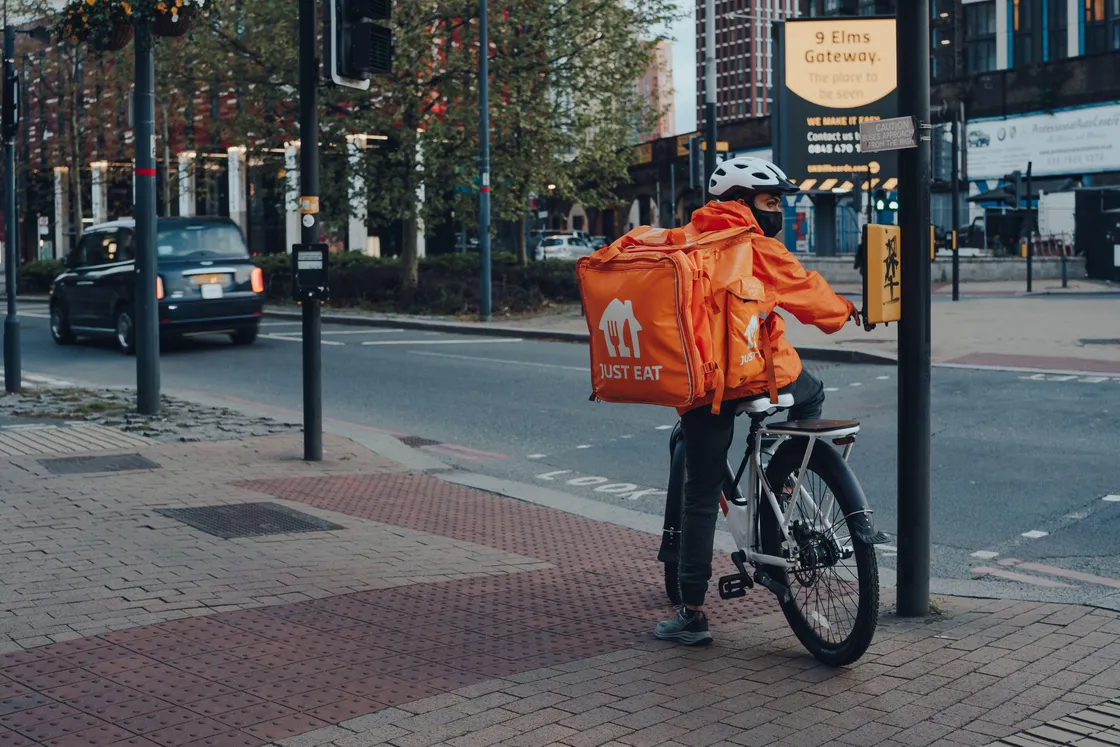
With restaurants being forced to shut down, gig-economy workers became an asset for online food delivery companies during the pandemic.
Duration: January–December 2021
Research leads: Dr Serena Iervolino (Senior Lecturer, King’s College London) and Dr Domenico Sergi (Senior Research Lead, London Museum)
Research associate: Stella Toonen
Research assistants: Nabil Al-Kinani, Thomas Campbell, Karim Mahmoud, Valentina Vavassori and Kirsty Warner
Academic partner: Culture, Media and Creative Industries Department, King’s College London
“Because I need money I went back to work as a delivery courier to be able to pay my bills and continue to live here”
Antonio, delivery courier
Working-class communities remain largely undocumented in museum scholarship despite growing attention to diversity and inclusion.
This gap is urgent. In 2021, 17% of London jobs were low-paid, and COVID-19 markedly widened inequalities across the capital. Yet, museums have historically ignored or obscured class differences, leaving a significant hole in how institutions document and understand contemporary Britain.
This report fills that knowledge gap by presenting findings from ‘Inequality, Class and the Pandemic’, a collaborative research project between London Museum and King’s College London. This was developed as part of the museum’s Curating London programme.
The report instigated wider reflections on class representation in museums. A peer-reviewed publication in Museum Worlds also offered further insights into the questions explored by the research.
We contributed a chapter to an edited publication addressing contemporary museological concerns. We also secured funding to further investigate working-class representation in 21st-century museums through a Collaborative Doctoral Award, which we are co-supervising.
Our aim and how we achieved it
The project centred on oral histories with essential workers – such as supermarket staff, cleaners, carers and delivery couriers – who kept Britain running during COVID-19.
We also undertook a literature review, semi-structured interviews with museum professionals and organised a focus group. Key questions included:
- How can London Museum document, collect and interpret the stories and experiences of working-class Londoners during the pandemic?
- How can this learning inform museums’ future engagements with class divides in the UK?
Through these interviews, a more complex picture of working-class lives emerges.
What we found
The interviewees highlighted several common challenges. Working-class Londoners experienced disproportionate COVID-19 deaths and severe social isolation, unable to visit dying relatives. Isolation, anxiety and lost time compounded their hardship.
Many felt pressure to be productive during lockdown – a burden particularly acute for economically vulnerable workers struggling to make ends meet.
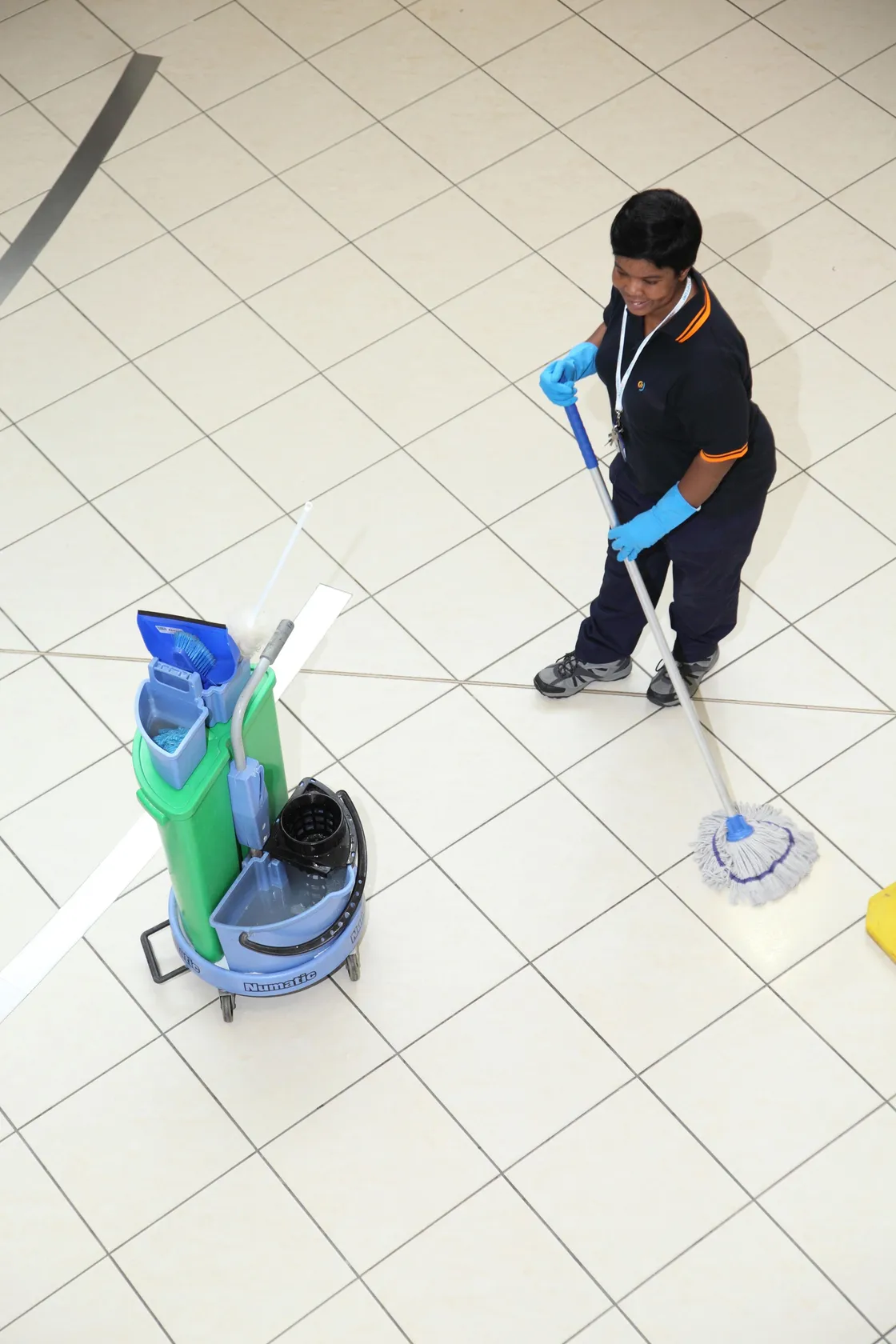
A hospital cleaner at work.
Three main themes emerged as critical in our analysis. These revolve around the inequalities determined by the job market, the sense of vulnerability experienced during the pandemic, and the feeling of solidarity and individual agency. The sense of uncertainty was higher among those interviewees who were made redundant.
The main themes are then divided into several subthemes. In presenting them, we seek to foreground the experiences and voices of our research participants. We intertwine their voices with our own analysis so as to highlight the key issues emerging.
Moving forward: Museums & class
The report concludes with recommendations for how museums can better research, collect and display working-class stories – reshaping curatorial practice, recruitment and governance. It’s a call for the sector to treat class as a serious analytical tool in museum theory and practice.
On 11 January 2023, a panel discussion was held at London Museum Docklands to launch the report and discuss findings and suggested way forward.
More in Projects
-

Calling for Change
Young Londoners’ views on a sustainable future for their city
-

Compassion in London: Life on Buses
Are Londoners compassionate on buses?
-

Sugar and its Legacies
How has sugar shaped London through slavery, industrialisation and its impact on health?
-

We are the Youth of Today
What does life in London mean for Generation Z?