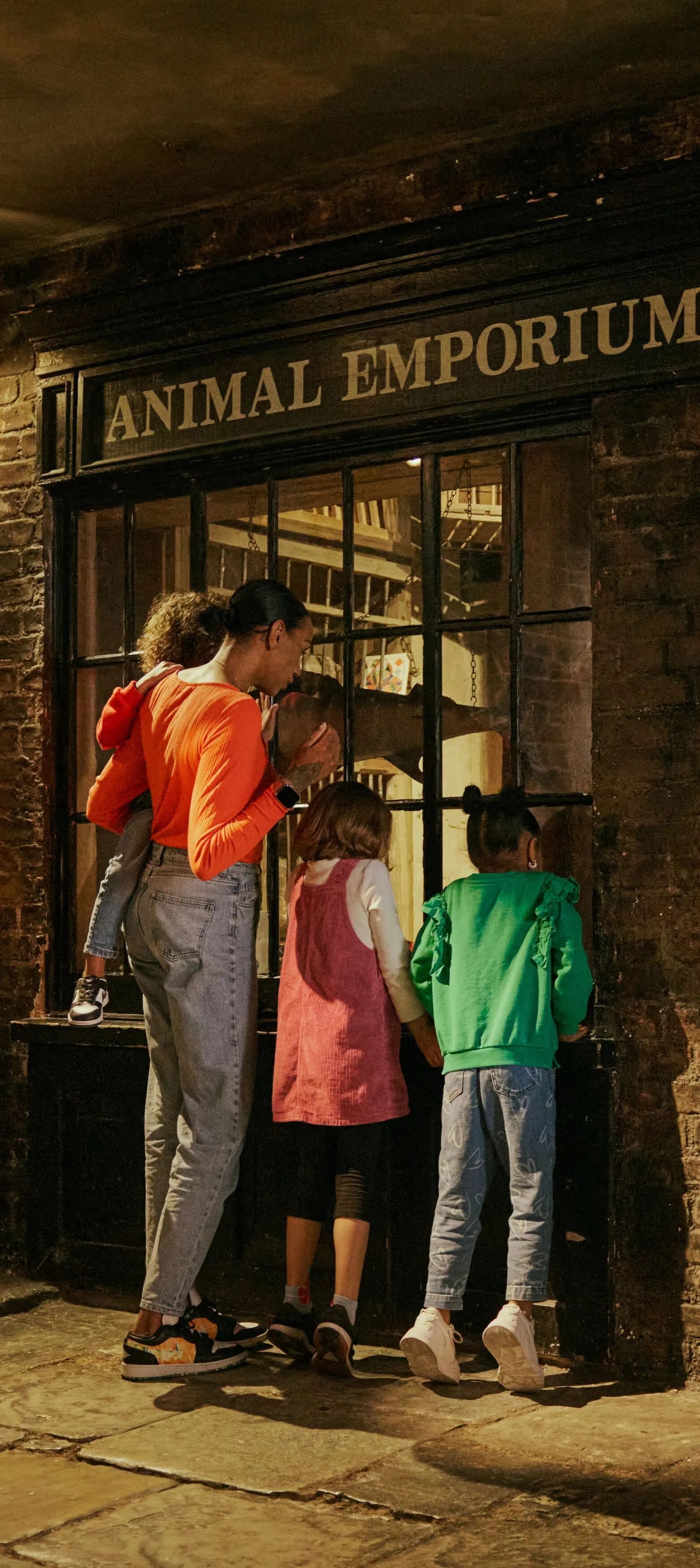

Finding Home in Football
Football is an integral part of London’s culture. This collaborative research explores how football spaces and the sport create a sense of belonging, identity and connection.
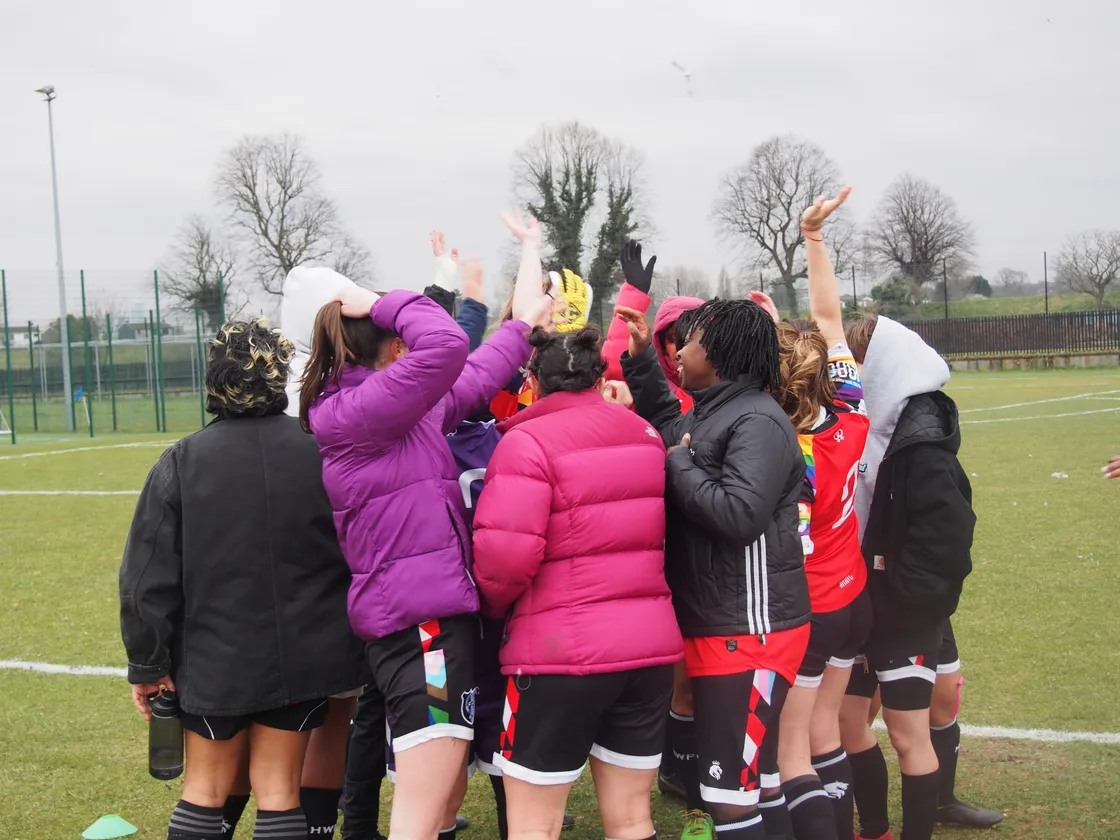
Hackney Women’s FC Second XI put their hands up together after a pre-match team talk before their fixture vs Brentford, 2023.
Researcher: Josh Bland, PhD researcher of Sports and Industrial Heritage
Research partner: Cambridge Heritage Research Centre, University of Cambridge
“More than just the football. It’s about a group of people who look after each other through the good times and the bad, on the pitch and off it”
Caz Ulley in Hackney Women’s Football Club – 30 Years and Counting (Hackney Women’s Football Club, 2016)
London is home to people from all over the world for whom football plays an important part in constructing a sense of individual and community identity. From elite stadiums to local parks, the sport shapes how millions of Londoners understand their place in the city.
This collaborative research between London Museum and the Cambridge Heritage Research Centre, University of Cambridge addresses this relationship between ‘football, home and the city’.
This study investigates the specific ways this sense of home manifests across different football spaces, such as stadiums, pubs, community centres and pitches. It’s not just about physical locations, but also about the ways communities actively create and recreate spaces as sites of meaning, memory and social bonds. This could be through nostalgia for a lost stadium, temporary celebrations during the World Cup, or the everyday rituals of grassroots football.
Football offers London’s diverse populations a powerful tool for making their home in an increasingly complex city. Crucially, this reinforces an interpretation of home as “people who matter” rather than a specific physical space.
How we did it
The research uses an open, co-creative ethnographic methodology, while touching on the themes of placemaking, identity and community building. The researcher Josh Bland focuses on lived experiences, conducting oral history interviews with supporters, and attending matches and training sessions.
He worked with three communities:
- Plough Lane stadium – the historic home of Association Football Club (AFC) Wimbledon
- a small set of pubs and social clubs connected to diasporic communities
- Hackney Women’s Football Club, Europe’s first ‘out’ football team
The fieldwork drew inspiration from London Museum’s Curating London programme, which foregrounds people’s lived experiences of the city. Community members defined the concept of ‘home’ through their own voices and stories.
-
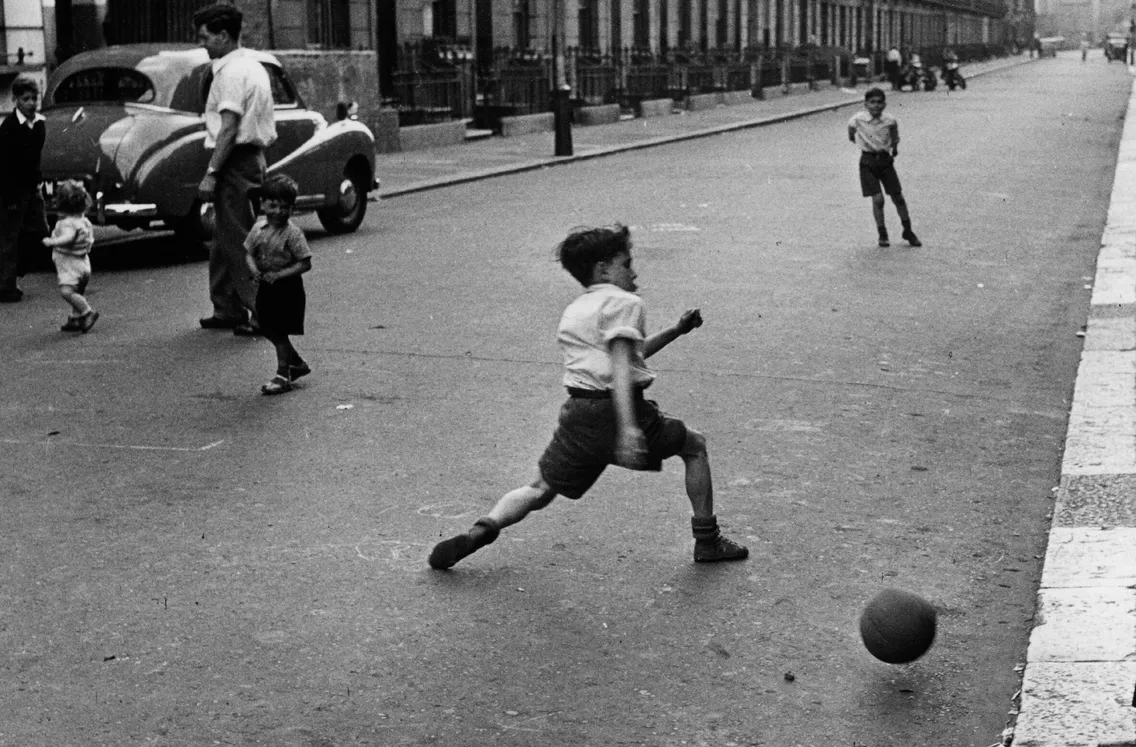
Boys playing football.
-
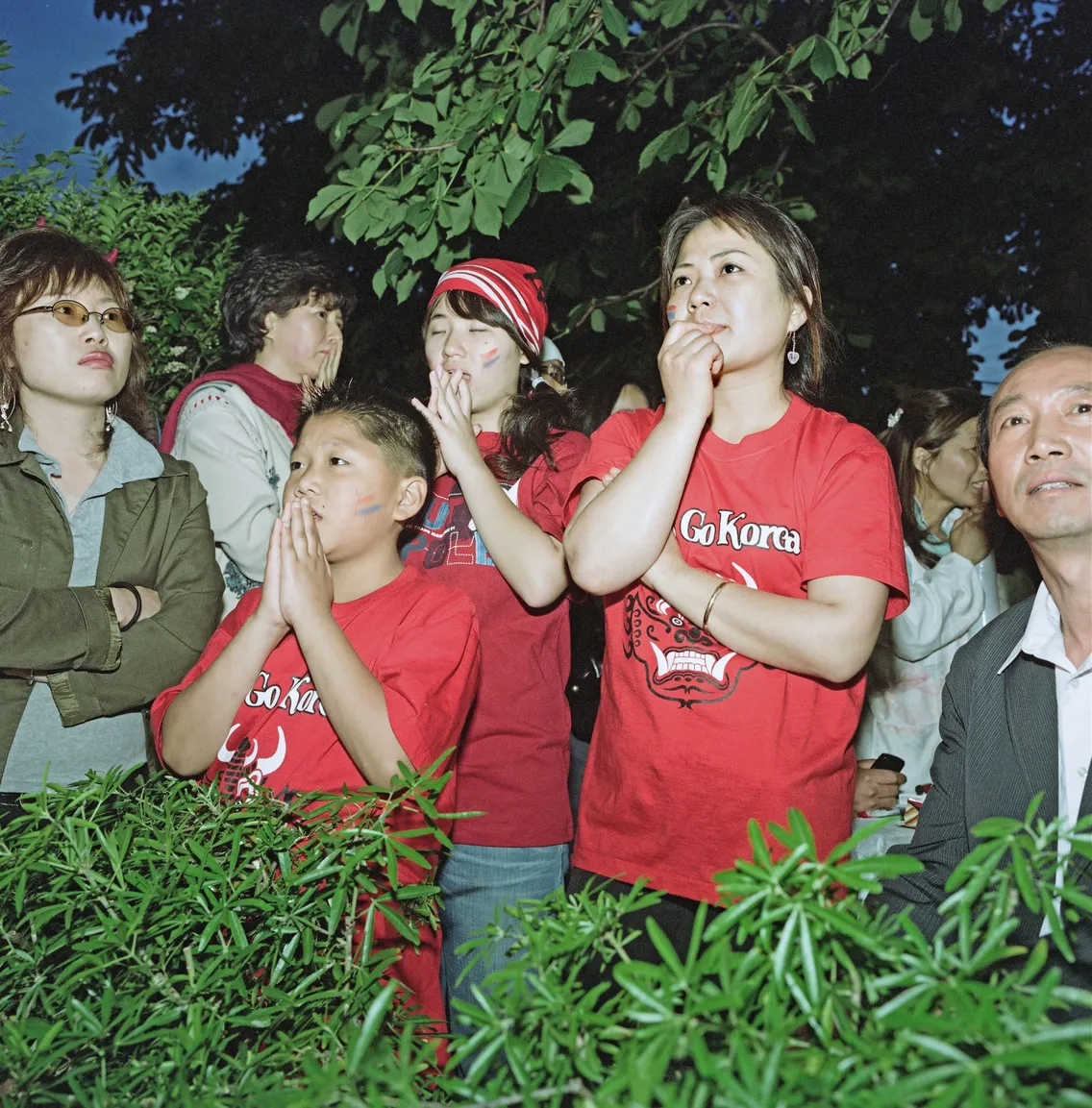
Korean football supporters during the 2006 World Cup outside The Fountain Pub in New Malden.
The research attempts to answer three questions:
- Does football help different communities construct a (sense of) home in London? If so, how does this manifest?
- How do these conclusions contribute to the wider academic discussion around home more generally?
- What do the report’s results suggest about the future for public-facing football-based research and curation around football in the museum sector?
What we found
The research highlights various ways in which football helps communities in London create a sense of 'home'. For example, stadiums like Plough Lane in Wimbledon serve as both physical and emotional anchors for fans. The destruction of the stadium sparked supporter-led activism, driven by shared nostalgia, bringing people together as a unit.
The study also revealed that temporary viewing spaces can transform into ‘homelands’ for fans away from home. During the 2022 World Cup, spectators celebrated their identities through shared language, food and material symbols, fostering connections.
Additionally, social relationships are just as important as physical structures. For instance, Hackney Women’s FC nurtures a sense of home through friendships, shared values and belonging.
Bland argues that generalist museums should take the next step in presenting football as a cultural entity rather than a siloed sport. He believes it is essential to shift the focus from elite athletes to the lived experiences of fans, coaches, officials and the broader communities engaged with the game at all levels. This approach would better capture the richness and diversity of football’s cultural landscape.
More in projects
-

Calling for Change
Young Londoners’ views on a sustainable future for their city
-

Compassion in London: Life on Buses
Are Londoners compassionate on buses?
-
Trellick & Edenham Community Plan
Residents co-design a plan for the redevelopment of the area
-

We are the Youth of Today
What does life in London mean for Generation Z?