
Calling for Change
Young Londoners have spoken. This research report shows how over 1,000 young people demand action on transport, education and environmental justice by 2035.
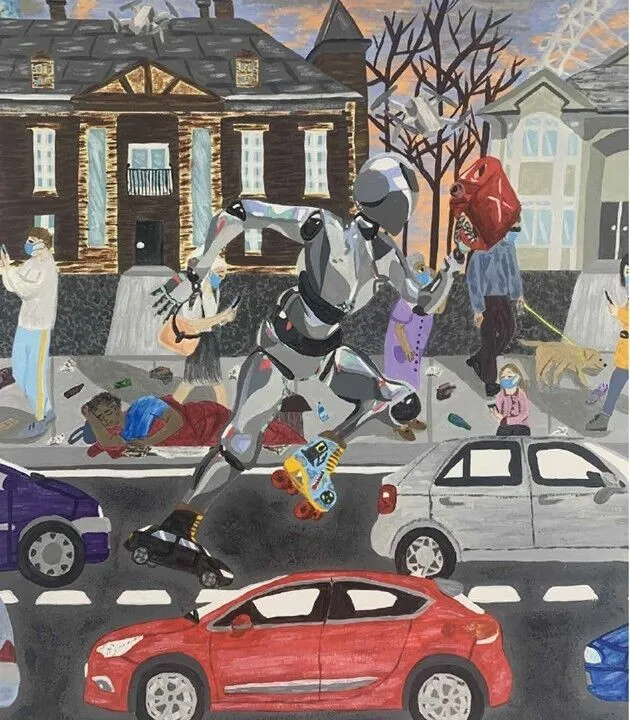
Young London artist Katie Watling's rendering of what young Londoners think the city might look like if climate action is not taken.
Duration: June–September 2022
Community researchers: Syeda Shakila Islam (17 years old), Yanis Fekar (18), Joss Harrison (23), Halima Mehmood (24), Guyanne Sinon (25)
Research partner: Partnership for Young London
“I have to protest. Because when so many horrible things happen…that needs to change”
Survey respondent
Young Londoners have a clear vision for their city’s sustainable future, and they’re ready to act on it. This research reveals what over 1,000 young people aged 16–25 think London needs to become truly sustainable by 2035.
The report, designed and delivered by five young peer researchers, addresses a critical question: “What does a sustainable London look like in 2035, how do we get there, and what is the role of London Museum?”
Two key lessons emerged. First, co-designing with young people must become standard practice in environmental policymaking. And second, that barriers to sustainable action must be taken seriously. The data revealed that young Londoners’ ability to act sustainably differs significantly by race, gender and disability status. Policymakers need to put intersectionality at the heart of environmental efforts rather than adopting one-size-fits-all approaches.
-
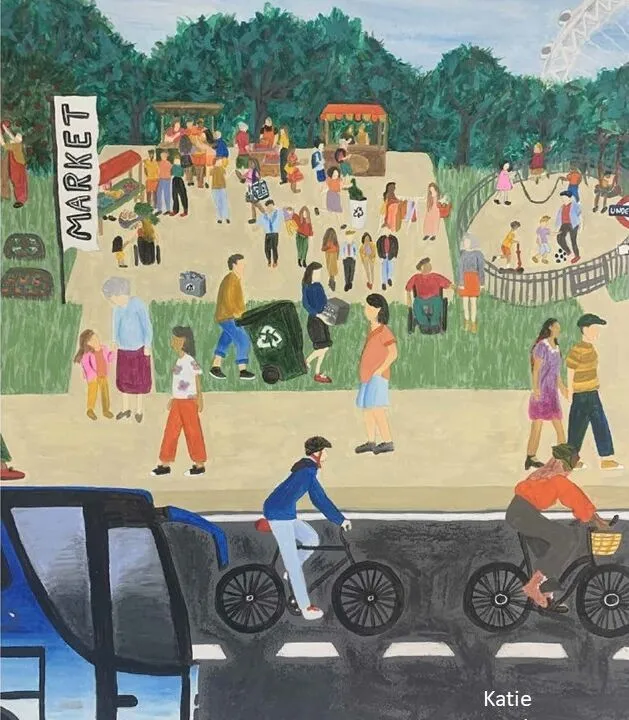
Young London artist Katie Watling's rendering of what young Londoners think the city might look like if climate action is taken.
-
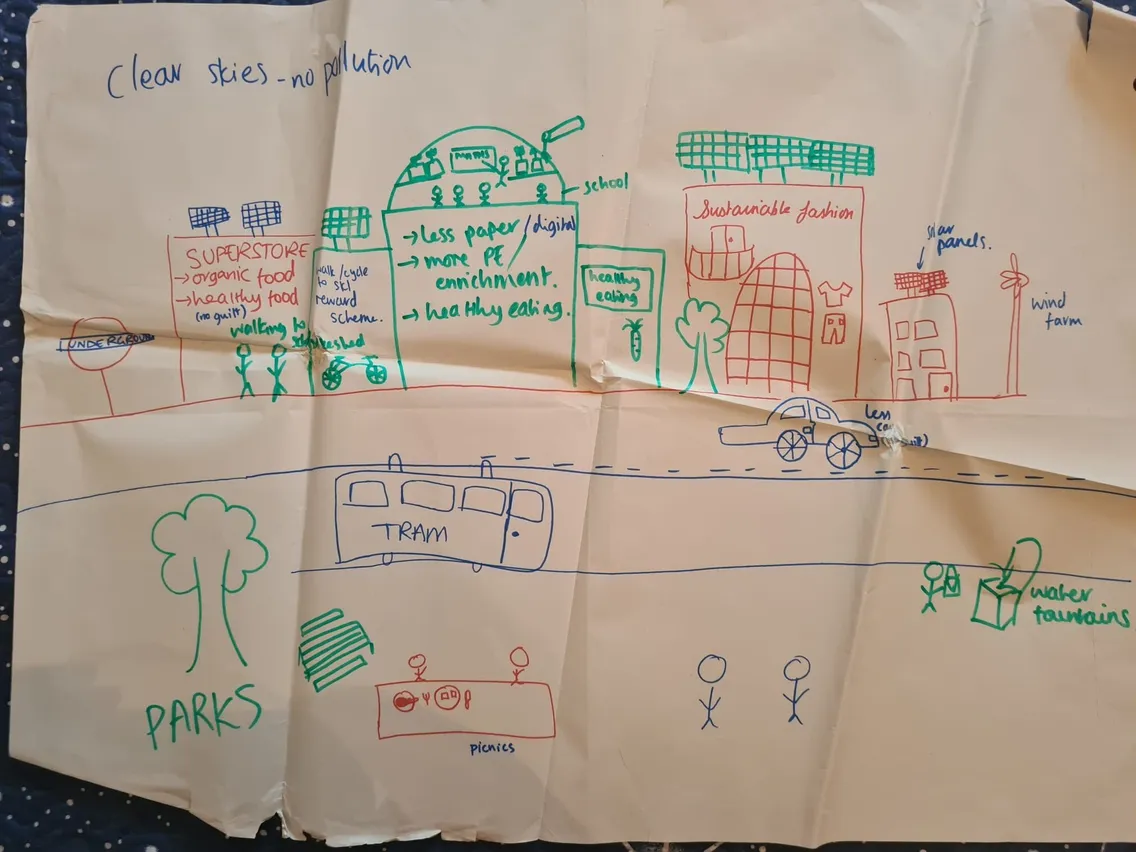
London, in a sustainable future, 2022 . Part of a drawing from a workshop, 27 July 2022.
This research highlights London’s fundamental inequalities that young people want addressed alongside environmental issues. It also revealed the daily actions young Londoners already take, like changing how they shop, travel and consume.
They are committed to living sustainably, while advocating for the systemic change needed to make London simultaneously greener, fairer and more equal.
How we did it
This peer research project, a form of Participatory Action Research, involved five peer researchers aged 17–25 as equal partners with London Museum and Partnership for Young London.
The three-stage project began with research planning and training, where peer researchers designed the research question, survey questions and interview guides. Stage 2 involved fieldwork, with 1,023 young Londoners aged 16–25 completing a quantitative survey. Four focus groups were also conducted with 20 young people from different London communities.
In Stage 3, peer researchers analysed survey data using statistical software and coded focus group transcripts to identify key themes. Throughout the project, peer researchers received training to ensure informed decision-making and maximum involvement.
What we found
The research found that the top three forms of transport that young Londoners want to see more of by 2035 are bicycles, walking and tubes. They overwhelmingly want a sustainable city centred on a green revolution in transport. However, they see this responsibility lying with government and corporations, not individuals.
While most support Low Traffic Neighbourhoods and emission zones, affordability of public transport still remains one of the biggest barriers. Young people are already taking action through sustainable shopping choices but struggle with confusing certifications and high prices.
They’re turning to social media rather than schools to learn about climate issues and want more comprehensive environmental education. Critically, they lack understanding of green jobs and career opportunities.
Arts and cultural spaces like London Museum are seen as having a responsibility to engage young people on these issues through interactive events and by providing platforms for political expression.
More in projects
-
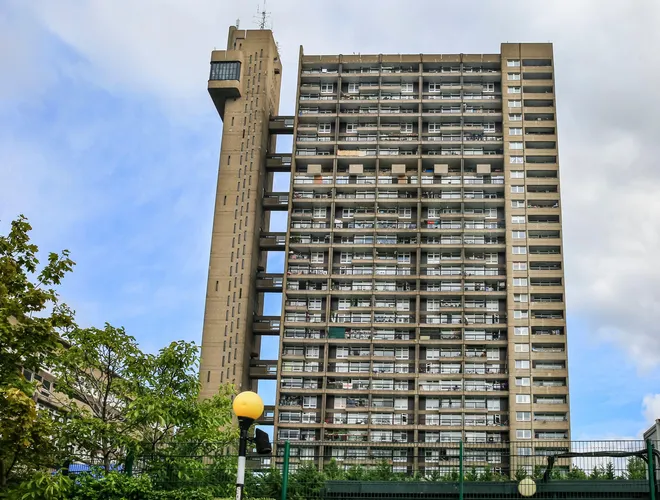
Trellick & Edenham Community Plan
Residents co-design a plan for the redevelopment of the area
-

Compassion in London: Life on Buses
Are Londoners compassionate on buses?
-

We are the Youth of Today
What does life in London mean for Generation Z?
-

Museums, Class & the Pandemic
Documenting the pandemic’s disproportionate impact on low-paid workers