

Impact of Industrialisation report
Our research explores how industrialisation changed the lives of people and its impact on health. This is based on evidence and analysis of human skeletal remains from 22 archaeological sites across England.
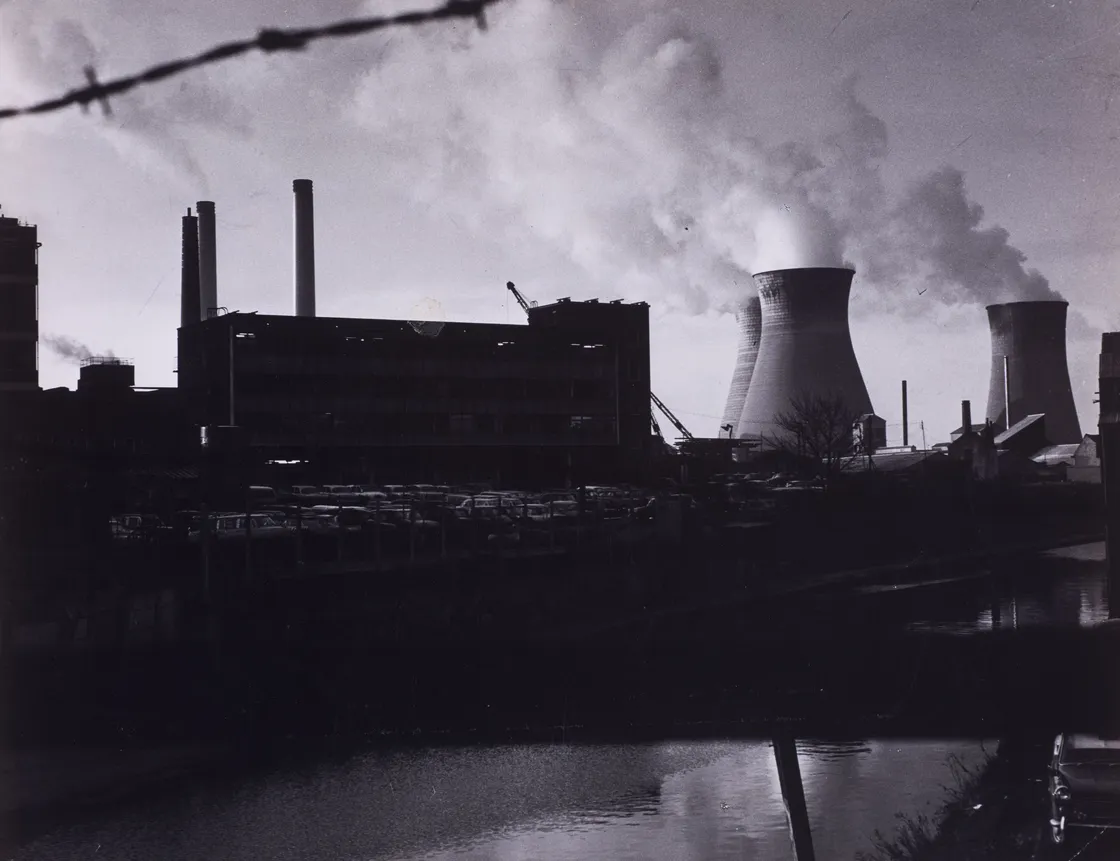
A photograph of the Walls factory from Old Oak Lane, Willesdsen, 1957, by Henry Grant.
This page contains content some people may consider sensitive, or find offensive or disturbing. Understand more about how we manage sensitive content.
“Has our health really changed over time?”
To answer this question, a multidisciplinary research project, working in partnership with Gaynor Western, Ossafreelance, investigated health patterns over 800 years.
This was based on the analysis of 2,241 archaeological human skeletal remains of adults from 22 sites, both in London and other parts of England. The research was funded by The City of London Archaeological Trust (CoLAT) from a bequest by the late Rosemary Green.
Health and environment
London has a current population of nine million. All living and working together as one geographic mass, yet each person is affected differently by the environment.
Today, health and wellbeing, are closely tied to where we live and work.
But what of the people that lived here before? What happened to us and our bodies as London changed and grew?
In Britain, the Industrial Period is usually considered to have happened between 1750 and 1900. It was a pivotal time, with unprecedented changes in population growth and influencing all aspects of people’s lives, profoundly affecting the environment in which they lived and worked. London transformed from rural and largely agrarian to urban, becoming a manufacturing hub and distribution network for the nation, and overseas.
Industrialisation is complex and was far from a uniform process across the UK as not all people living during this time experienced the same changes and living conditions.
This raised three questions:
- How did our bodies respond to working and living in this manufactured, urban environment?
- What imprint has industrialisation left on our health today?
- Is our health still shaped by the footprint of London past?
Using digital imaging of archaeological remains, we found that the shift from agrarian to industrial lifestyles created deeply embedded health changes. These biological changes in human remains show how we manufacture our living environments and our bodies as a result.
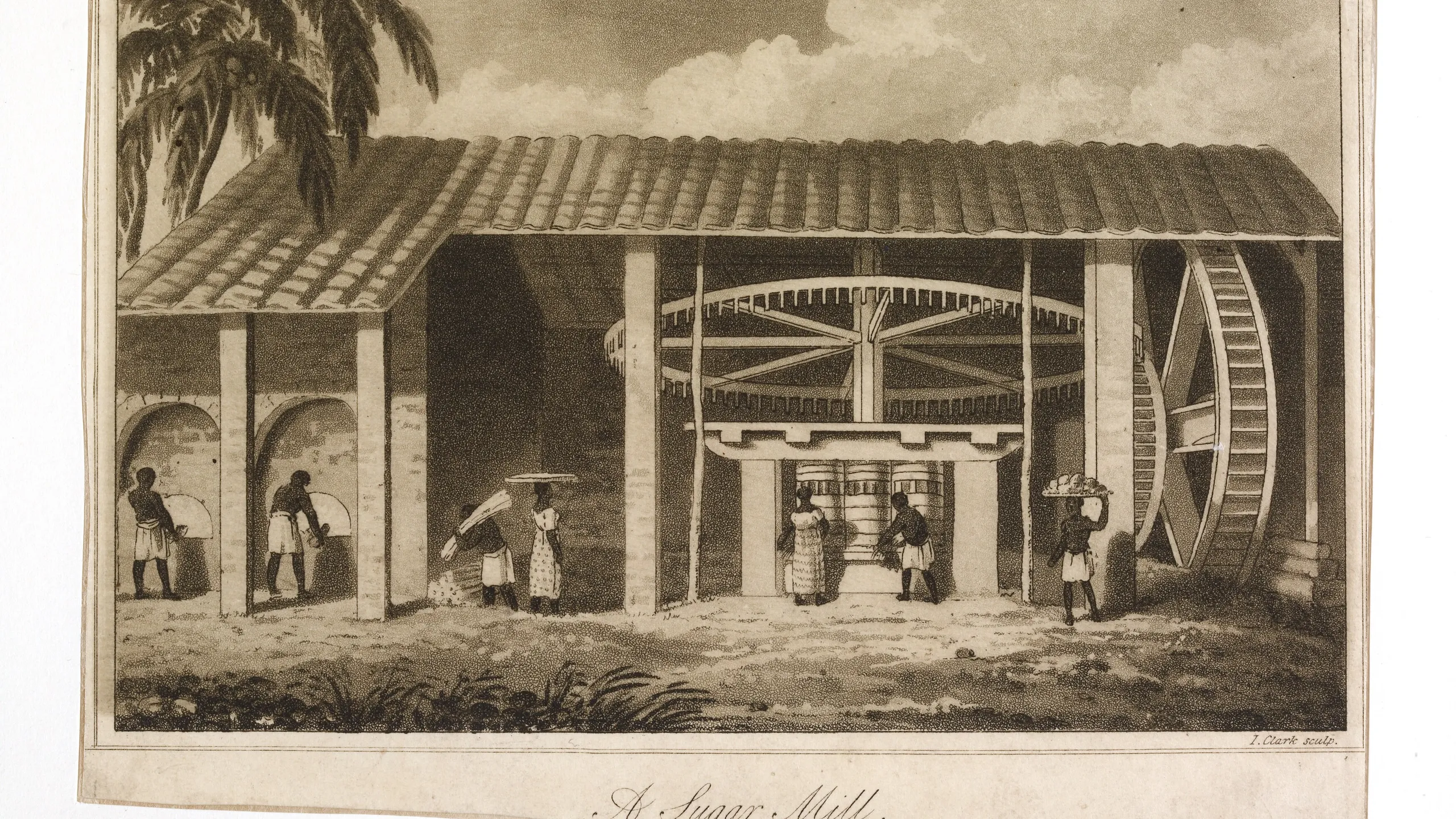
Setting up the research
With the curation at London Museum of large-scale archaeologically derived collections of human skeletal remains from the pre-Industrial (medieval) and Industrial (post-medieval) period, and access to comparative skeletal collections from non-Metropolitan locations outside of London, it was possible to examine and analyse the skeletal remains of men and women who had lived through the Industrial era. Thus, enabling a unique perspective on the impact of industrialisation on the health of Londoners directly from their physical remains.
Based on the evidence from the analysis of these human remains, we looked at the diversity of lifestyles people experienced before, during and after industrialisation, and compared life in London to non-metropolitan places outside.
Focusing on the different environments people were living in and the huge expansion of London as an industrial city, we explored whether these changes had a good or bad impact on our health, and what this might mean for our future.
-

National locations included in the study.
-
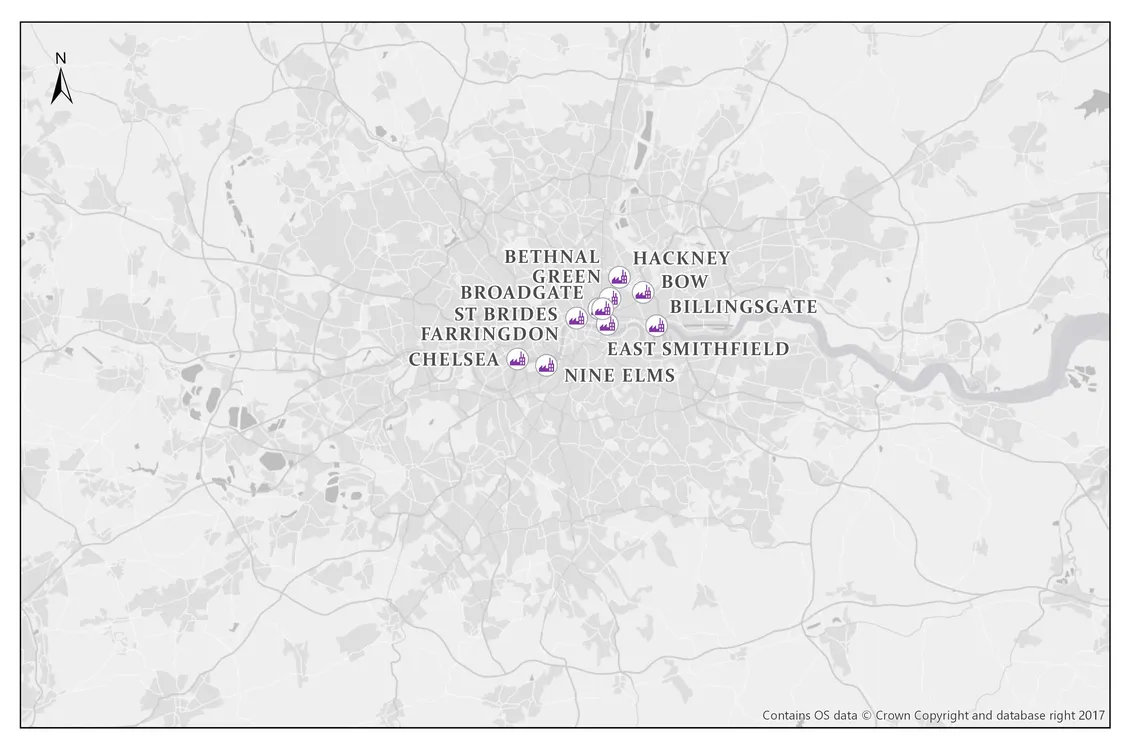
London locations included in the study.
How did we do it?
Digital radiography and computer tomography (CT) scanning were used to assess the consequences of industrialisation detectable in the skeletal remains of these individuals.
Only adults with an age and sex estimation were analysed, enabling them to be grouped into age cohorts of young, middle and old-age adults. This allowed us to discern health patterns between the sexes and different age groups over time and in relation to their geographical context.
These results helped determine the factors important to the health of Londoners and the general population, past and present.
-
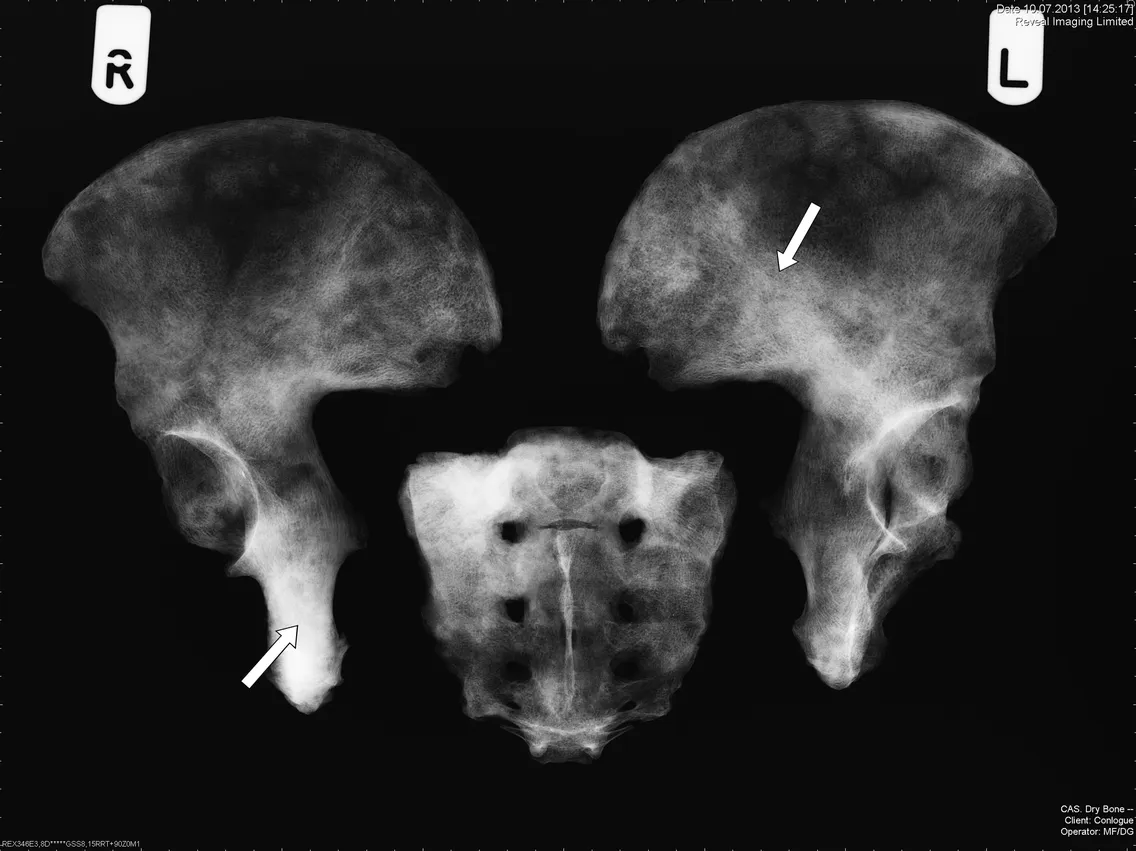
Digital radiograph of pelvis and sacrum, indicative of metastatic bone chances in an old adult male from Industrial London.
-
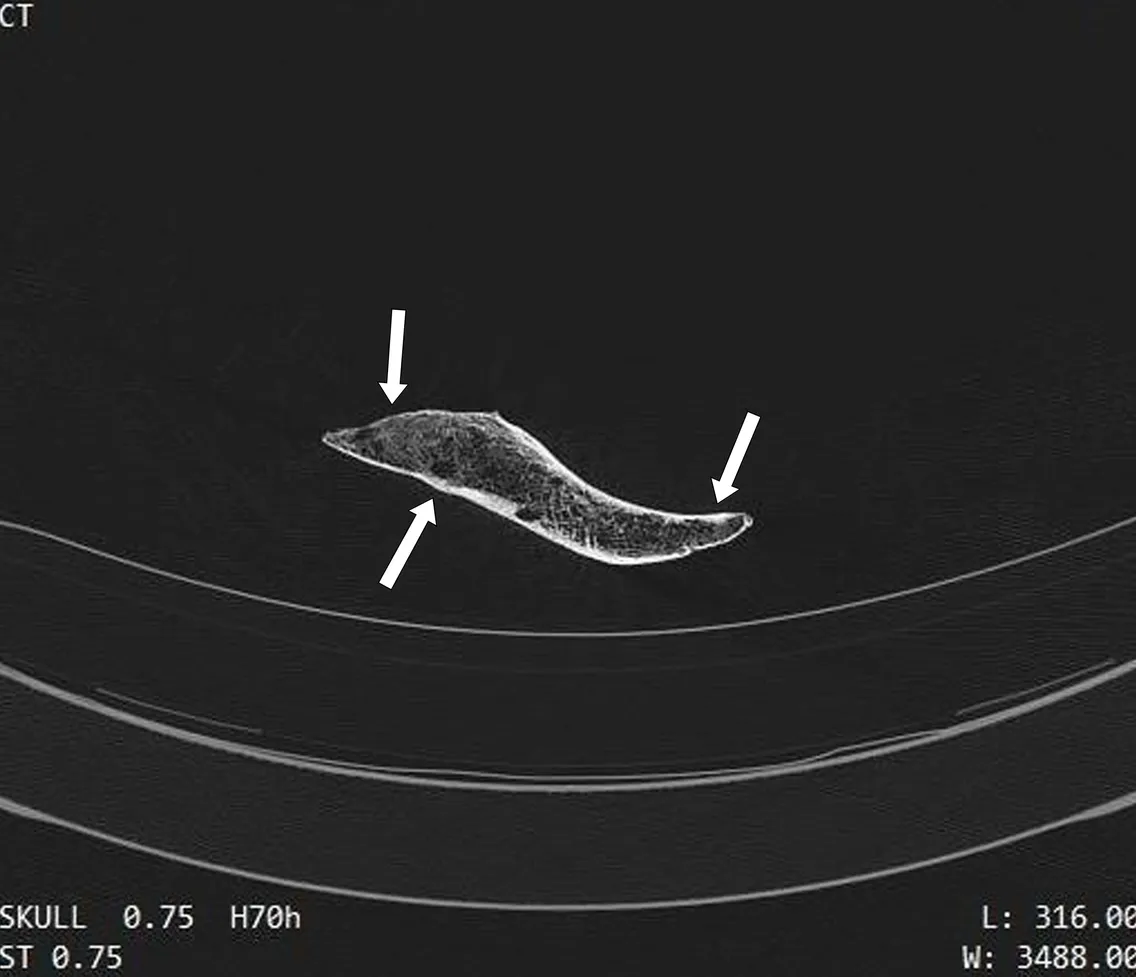
A CT scan slice of pelvis, indicative of multiple myeloma in an old adult female from Industrial London.
We focused on seven diseases associated with industrialisation, urbanisation, enriched lifestyles and old age to assess their prevalence over time:
- Hyperostosis Frontalis Interna (HFI), detected using radiography and CT
- Osteoporosis, detected using radiography
- joint disease, detected macroscopically and radiographically
- trauma, detected macroscopically
- neoplastic disease (cancer), detected using radiography and CT
- infectious disease (rib lesions), detected macroscopically
- Diffuse Idiopathic Skeletal Hyperostosis (DISH), detected macroscopically
These diseases were investigated to ascertain if and how their frequency has altered over time to the present day.
We compared five key areas of health over time – these still impact us today:
- accidents, fractures and physical trauma
- air pollution
- cancer
- obesity
- old age
We also looked at a range of sites from across London to compare how the different environments within the city impacted on the quality of our lives in the past.
What did we find?
Determining patterns and trends provides a synthesised insight into the health status of the population, and specifically Londoners. These were analysed in relation to rural and urban lifestyles, social status, technological and medical advances, hazardous environments, malnourishment and excess food, cancers and age-related issues.
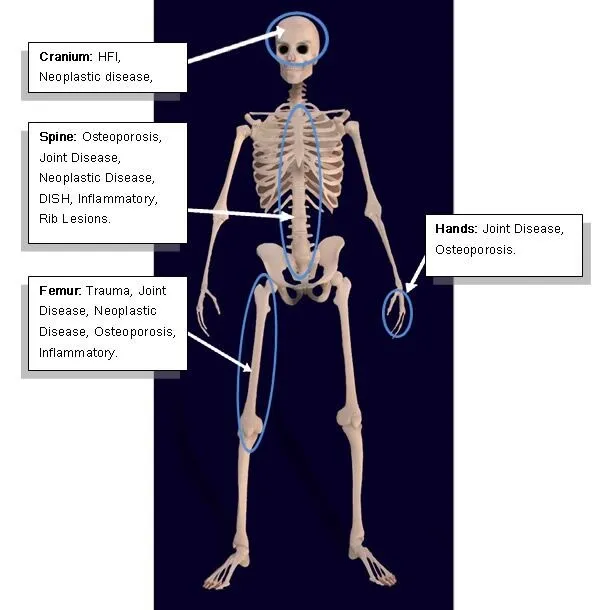
3D Male Skeleton showing highlighted strategically selected areas of skeleton radiographed.
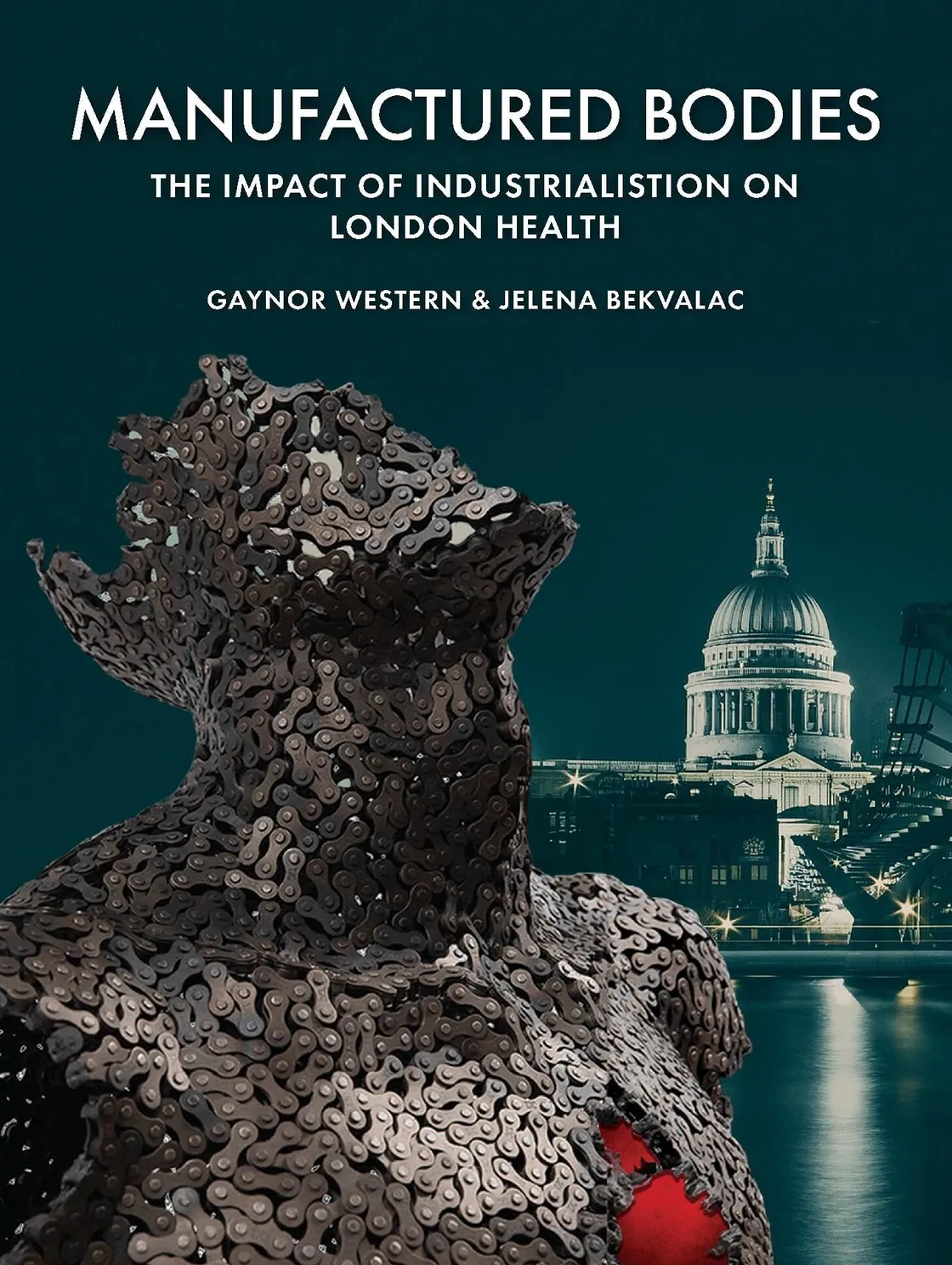
The project resulted in a publication, Manufactured Bodies: The Impact of Industrialisation on London Health which revealed the findings from the large-scale comparative data sets, thus, highlighting how they resonate with modern health topics.
We saw a significant trend in bone changes in the ribs (visceral surface) from chronic lung disease which rose from 2.9% to 19.5% in Industrial London. The city still has the country’s highest air pollution mortality rate at 6.3%.
High-status males and females from Industrial-period London had increased rates of metabolic disorders (DISH and HFI) linked to richer diets, excessive consumption and sugar, providing an insight to obesity in the past. However, today, obesity and type 2 diabetes are more prevalent in less affluent boroughs, reversing historical patterns.
Life expectancy increased around 1870. During the Industrial period, old-aged Londoners also experienced the highest osteoporosis rates (21.8%) compared to non-metropolitan areas (10.5%).
Issues such as air pollution, nutrition, sedentary lifestyles, technology and ageing are all pertinent today. Industrialisation has had serious consequences on our health and leaves an ongoing legacy. It is literally shaping our lives.
Impact Radiographic Images Database
All the radiographic images used in this study can be accessed via our online searchable database.
Here you can access all the radiographs used in the impact project research. You will need a login to access the database. Please use the ‘sign up’ button to create an account. Once your account is approved, you will receive a confirmation email.
Download the table listing sites in the project
PDF: 600.0 KB
This table lists all of the sites used in the Impact Project, with the site code, time-period, indicating if pre-industrial or industrial, London or non-metropolitan, and for the London sites, social status based on funereal contextual information.
More in Research
-

Bioarchaeology at London Museum
How to use the Osteological Database, and cite the cemetery summaries and data downloads
-

Sugar and its Legacies
How has sugar shaped London through slavery, industrialisation and its impact on health?