Who were the Bloomsbury Group?
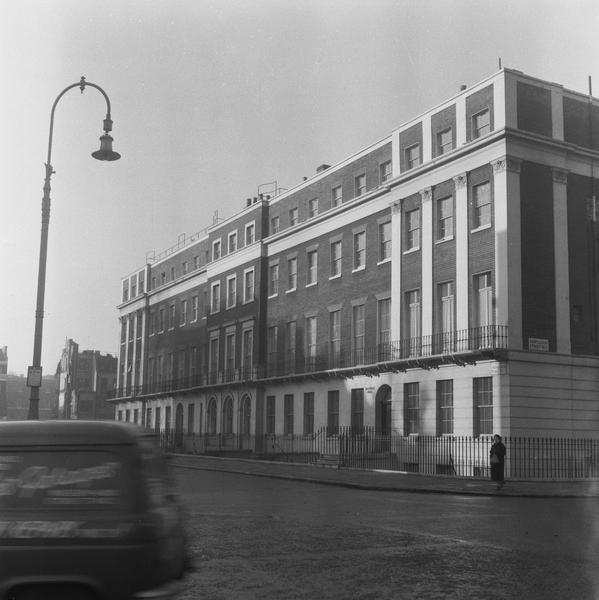
In the early 1900s, a group of free-thinking friends started meeting up regularly at the home of two sisters, Virginia and Vanessa Stephen, at 46 Gordon Square, Bloomsbury. These mostly upper-middle-class artists, writers and intellectuals gathered to share their work and exchange ideas about politics, philosophy, society and art. They became known as the Bloomsbury Group. These were some of its core members.
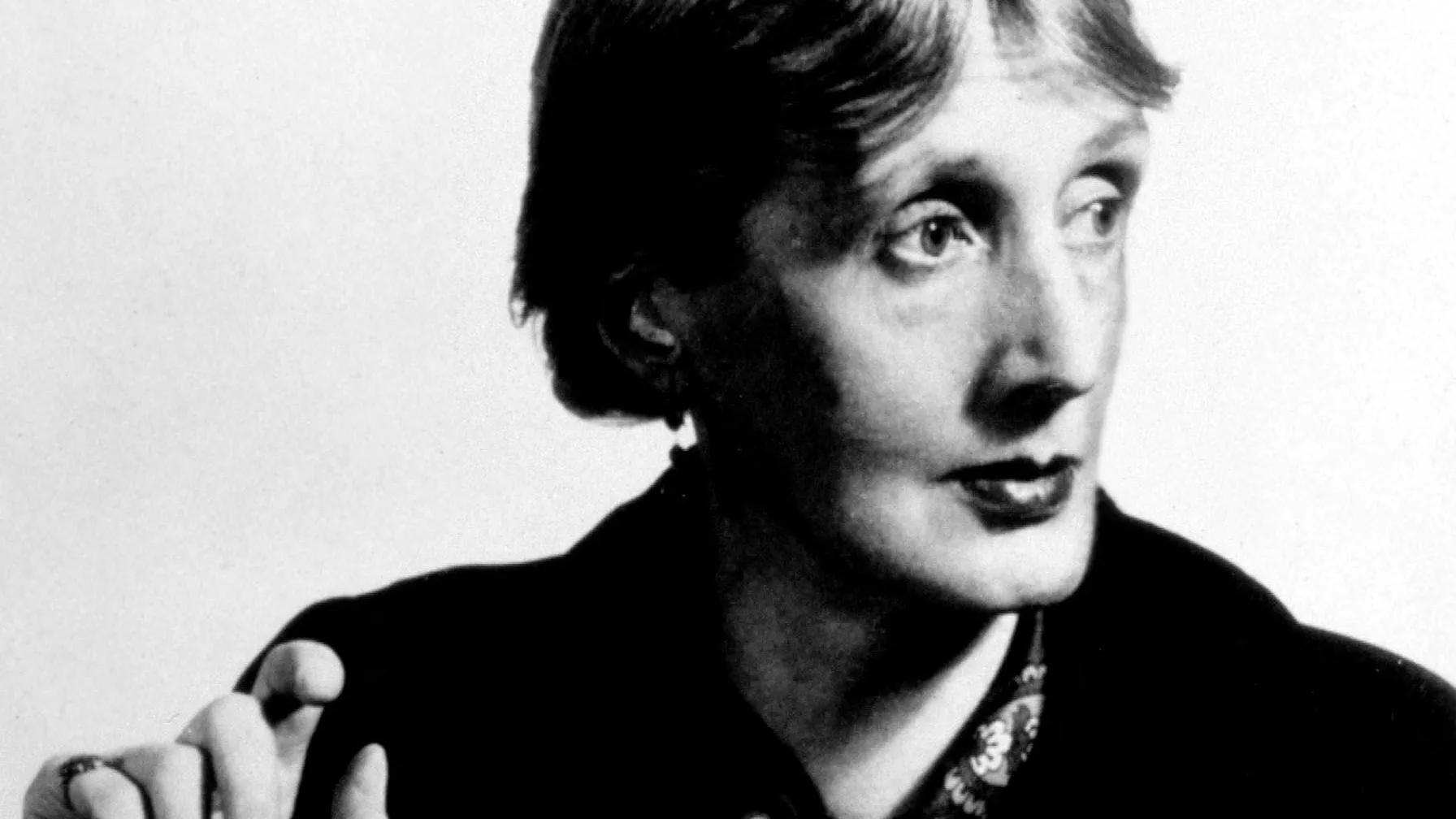
Virginia Woolf (1882–1941), writer
Virginia Woolf (born Virginia Stephen) was an influential writer and key member of London’s social and literary circles. She’s known for novels such as Mrs Dalloway (1925) and essays like A Room of One’s Own (1929). Woolf moved from Kensington to Gordon Square with her siblings after her father died in 1904. There, she hosted Thursday meetings with the group’s founding writers and critics.
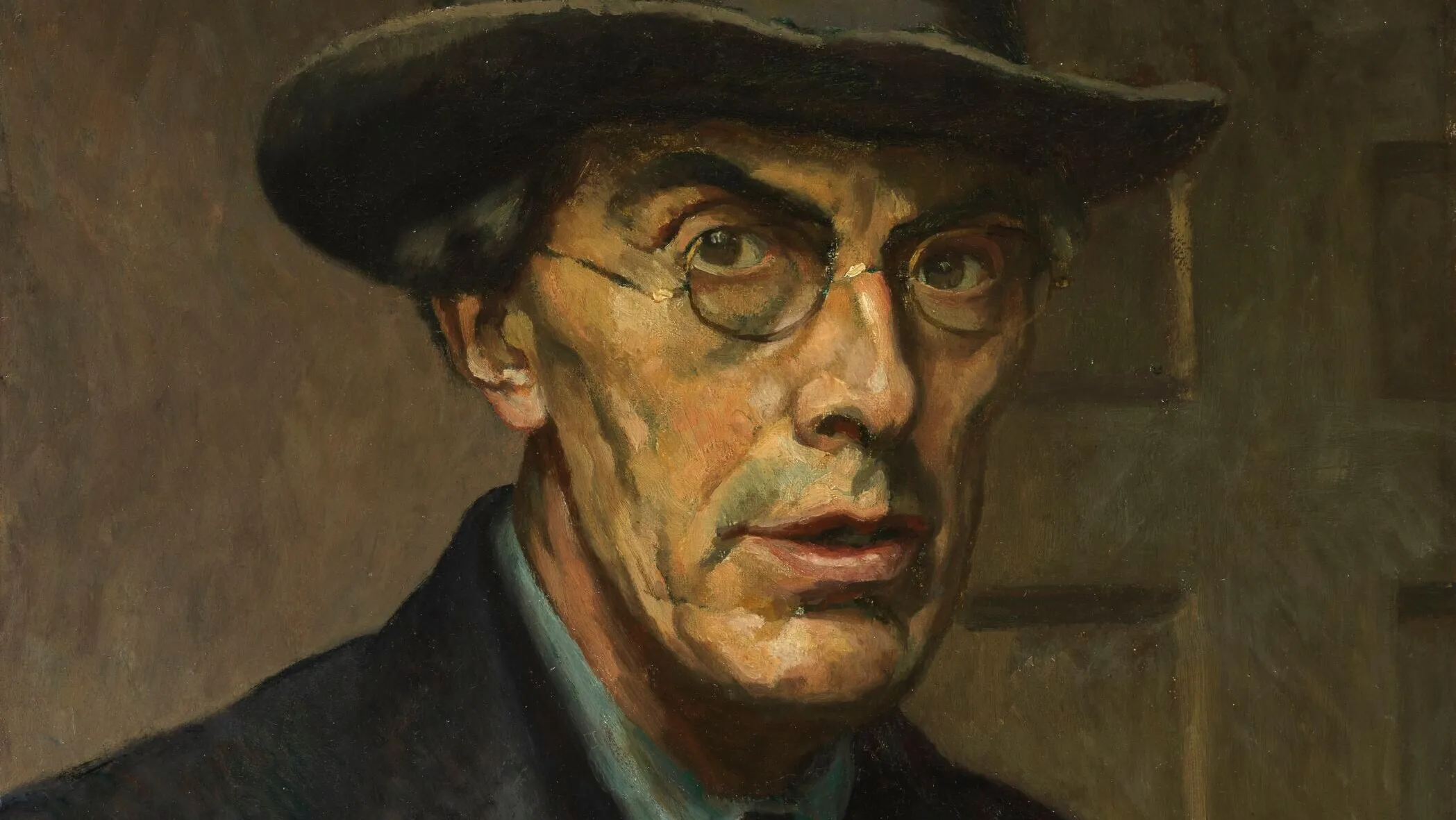
Roger Fry (1866–1934), art critic and artist
Roger Fry championed ‘post-impressionist’ art, his term for a new art movement characterised by unnatural colours and expressive, geometric shapes. His pioneering exhibitions of these works in Mayfair in 1910 and 1912 inspired Bloomsbury artists’ own styles. In 1913, he created the Bloomsbury-based Omega Workshops, which produced post-impressionist designs and items for the home.
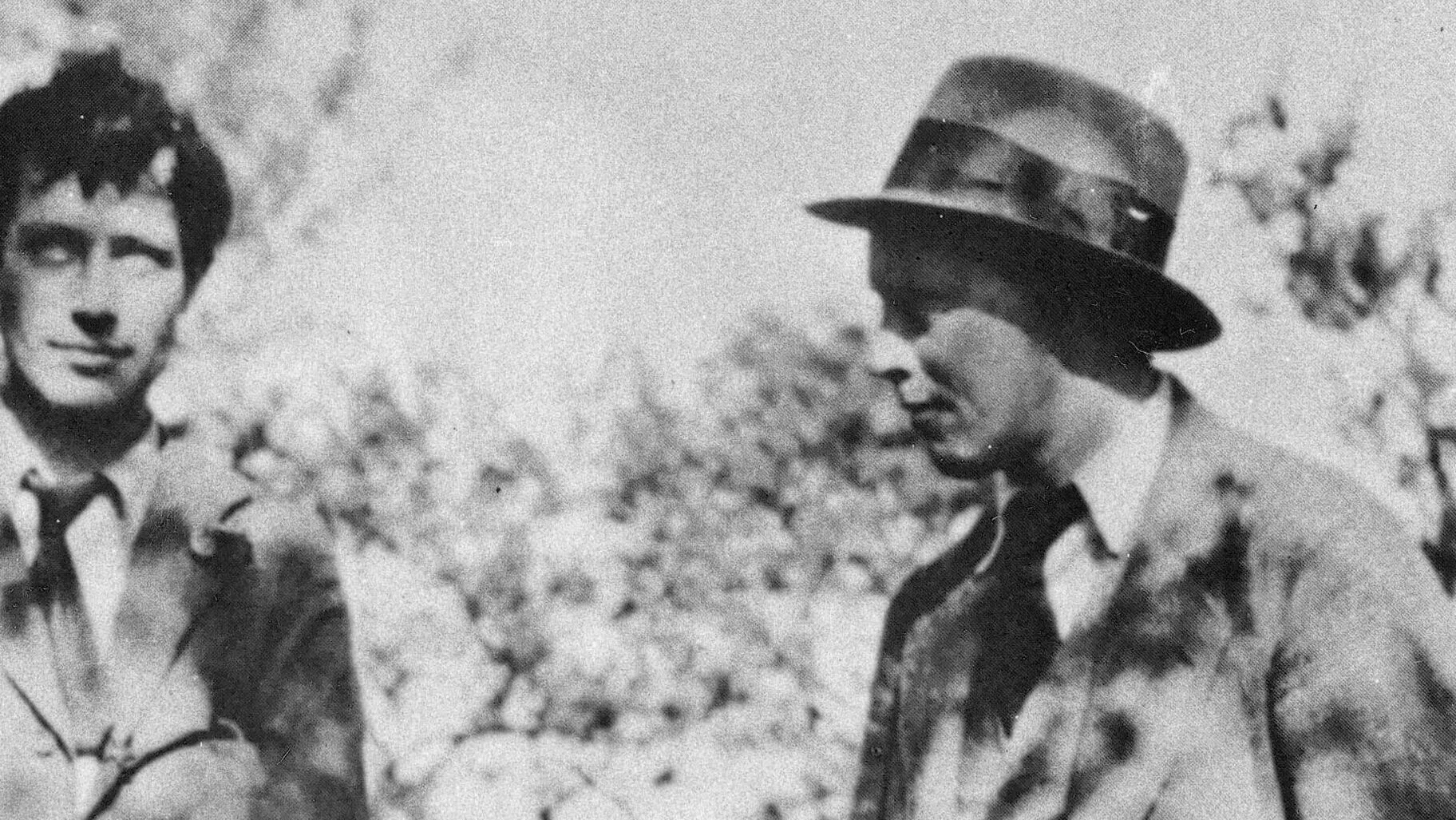
Clive Bell (1881–1964), art critic
Clive Bell studied at the University of Cambridge with Thoby Stephen, and he married Stephen’s sister, Vanessa, in 1907. Bell worked with Fry to organise the post-impressionist exhibitions in 1910 and 1912. He came up with the theory of ‘significant form’. Put simply, he believed that the relationship between the lines, colours and shapes of an artwork could stir emotion in the viewer independent of its subject matter.
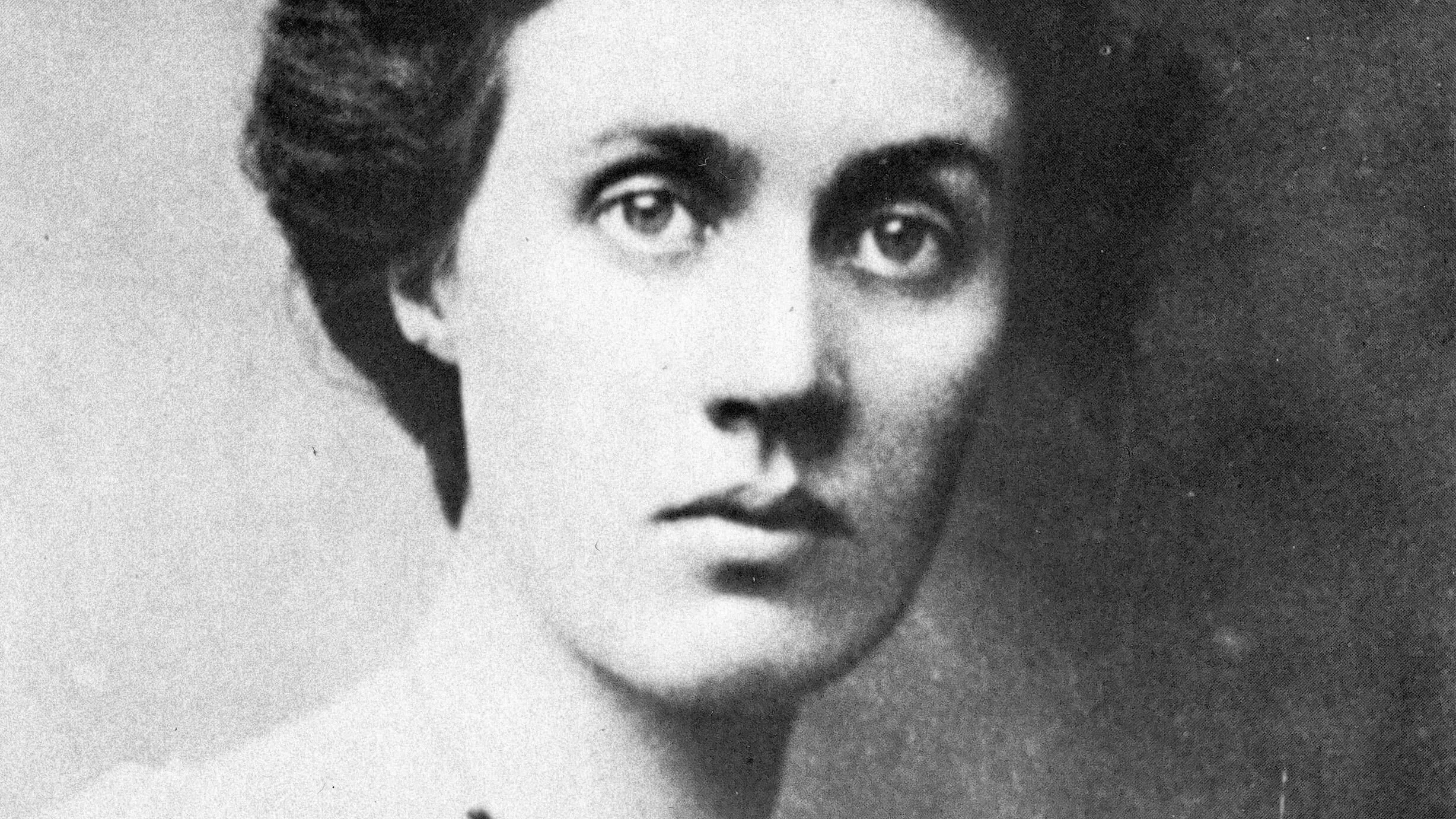
Vanessa Bell (1879–1961), artist and interior designer
Born Vanessa Stephen, Vanessa Bell’s Friday Club from 1905 brought the group’s artists together to share ideas and exhibit their work. She was a celebrated and innovative painter, but she also worked in textiles and designed furniture and household objects at the Omega Workshops. Bell lived on her own terms: she had an open marriage with Clive Bell, and had relationships with Fry and artist Duncan Grant.
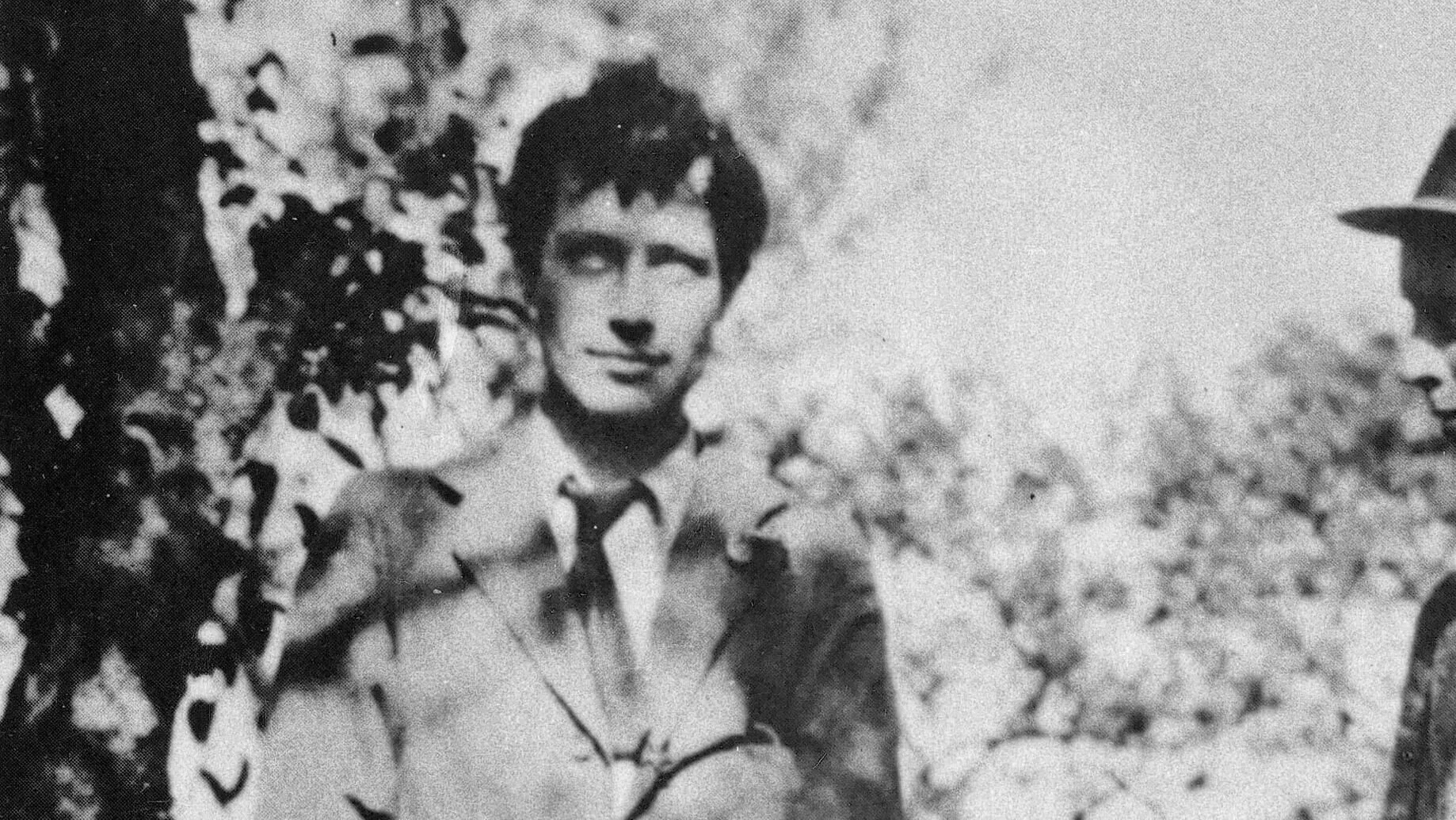
Duncan Grant (1885–1978), artist
Duncan Grant was a prolific artist who was influenced by the colourful, abstract pieces in Fry’s post-impressionist exhibitions. A co-founder of the Omega Workshops, he worked across media like paint, textiles and ceramics. Grant and Vanessa Bell lived and worked together from 1914, while he also had relationships with men at a time when all sex between men was criminalised.
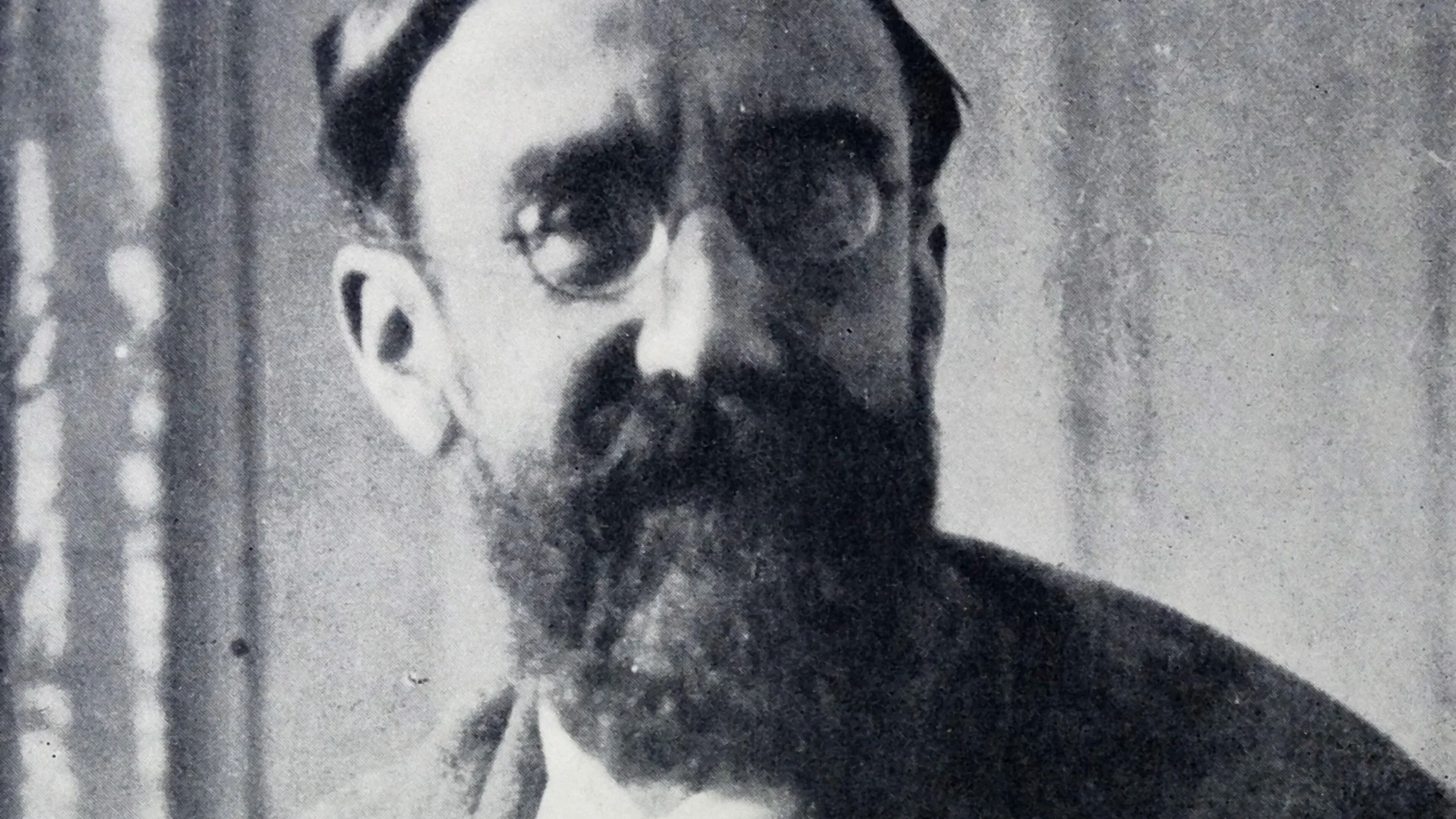
Lytton Strachey (1880–1932), critic and biographer
Lytton Strachey was Grant’s cousin and studied at Cambridge with Fry and economist John Maynard Keynes. He shot to fame with his 1918 book Eminent Victorians, biographies of four 19th-century ‘celebrities’ including nurse Florence Nightingale. They were written in a radically new style – with wit, scepticism and a disdain for these so-called honourable individuals.
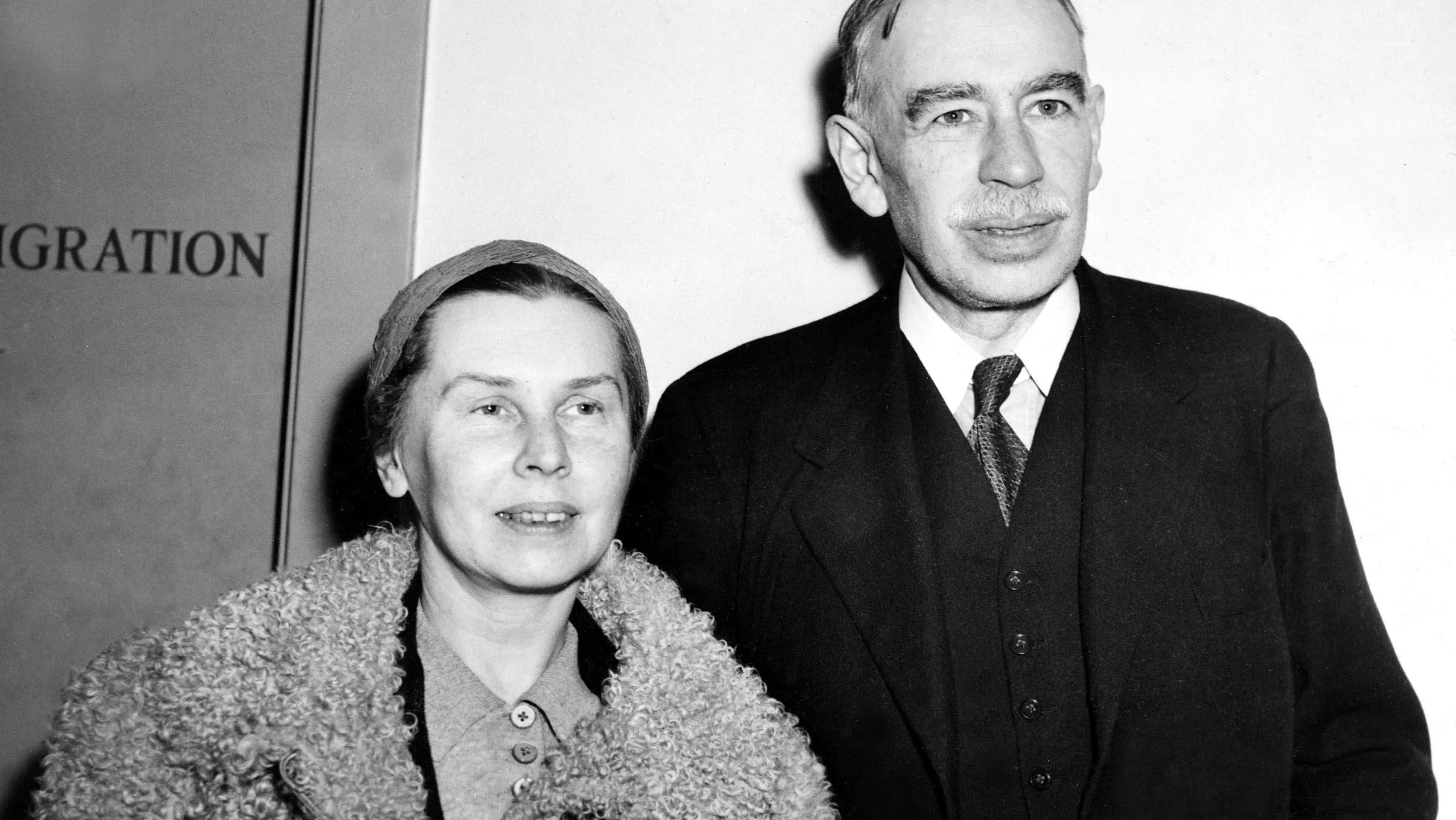
John Maynard Keynes (1883–1946), economist and writer
Keynes was introduced to the Bloomsbury Group through his relationship with Grant. He was a prominent economist whose ideas, known as ‘Keynesian’ economics, shaped economic policies in the 1900s. He was also a keen collector of art and supported public arts programming and arts organisations throughout his life, including the Arts Council.
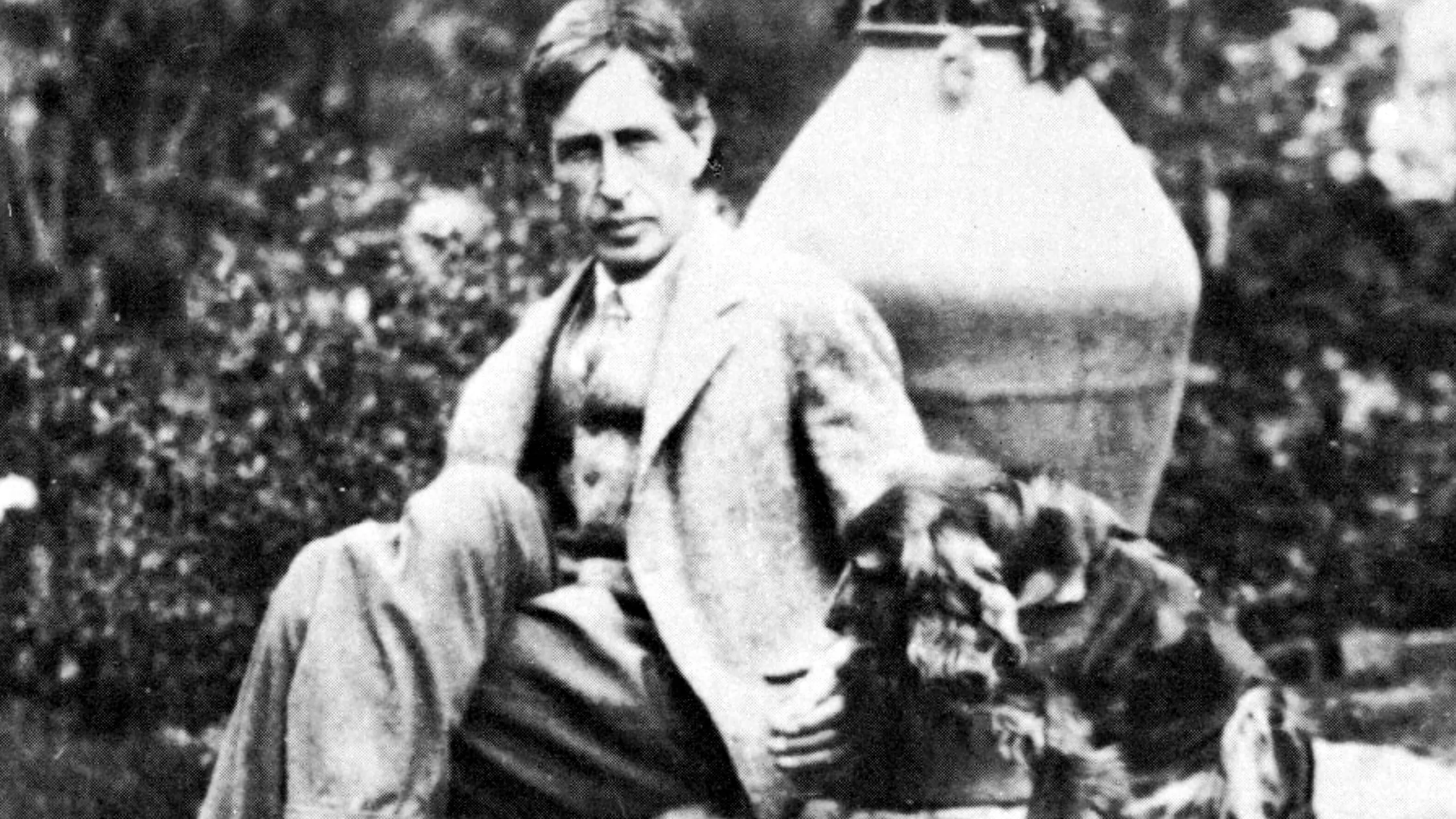
Leonard Woolf (1880–1969), writer and political theorist
Fellow Cambridge graduate Leonard Woolf married Virginia Stephen in 1912. The couple set up the Hogarth Press publishing house from their home in Richmond in 1917. What began as a hobby hand-printing books led to them publishing work by famous authors like Russian novelist Fyodor Dostoevsky. Hogarth Press also published work by Bloomsbury writers like EM Forster and featured illustrations by the group’s artists like Vanessa Bell.
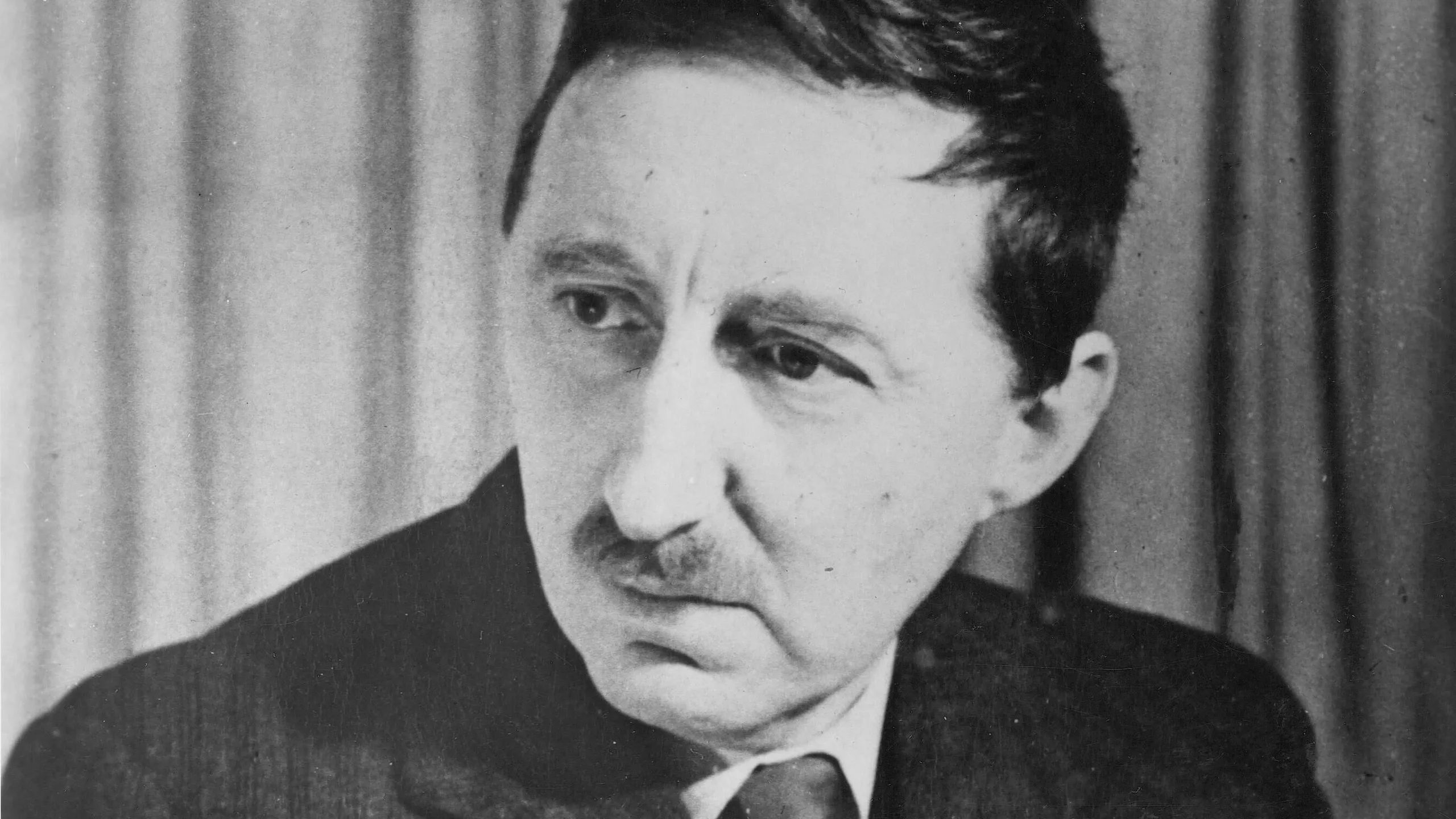
EM Forster (1879–1970), writer
Forster was best known for books like A Room with a View (1908), Howards End (1910) and A Passage to India (1924). Howards End takes Bloomsbury as both the novel’s setting and a way of exploring class and society in modernising Britain. It’s thought he based two of the book’s sisters on Vanessa Bell and Virginia Woolf.
Tags
-
-
Paintings, Prints & Drawings
-
Photography

-
Paintings, Prints & Drawings

-
Paintings, Prints & Drawings
 Paintings, Prints & Drawings
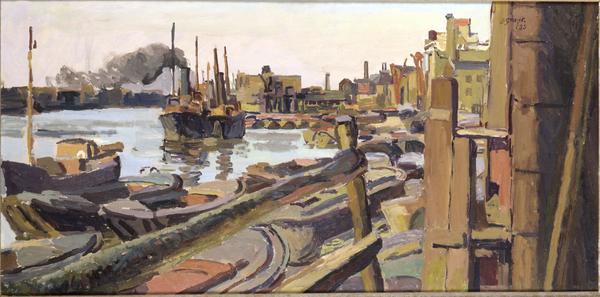
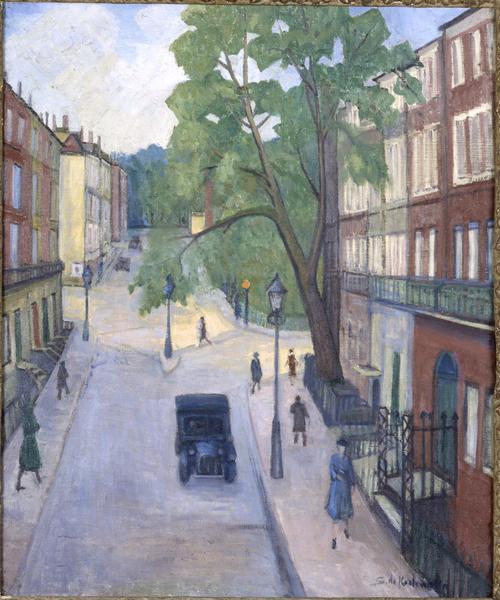
A Corner of Russell Square (oil painting)
Karlowska, Stanislawa de
C.1935