The Savoy Palace & Hospital
The bustling part of the Strand just west of Waterloo Bridge has had its ups and downs. Around 800 years ago, it was the site of the Savoy Palace. Later, it was a large hospital for homeless people. But by the 1800s, this once-magnificent estate was a shadow of its regal past.
City of Westminster
1200s–1800s
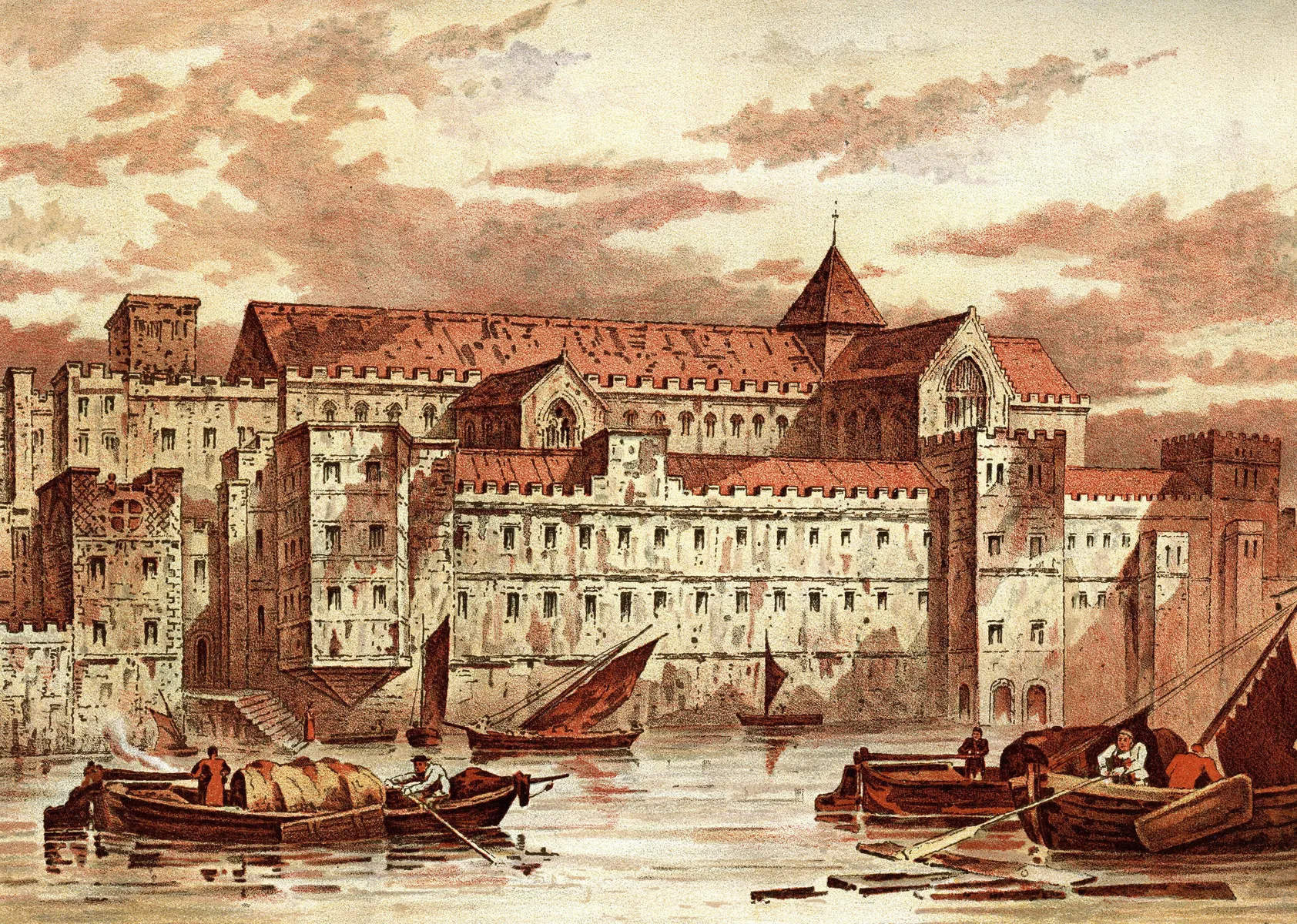
From riches to ruins
Peel off the Strand near Waterloo Bridge and you’ll find yourself surrounded by the word ‘Savoy’. There’s the luxury Savoy Hotel, the glamorous Savoy Theatre and five different roads with Savoy in the name.
They’re all on the site of the Savoy Palace, a magnificent medieval townhouse founded in the 1200s, and burned down during the Peasants’ Revolt in 1381.
In the early 1500s, the first Tudor king, Henry VII, turned it into the Savoy Hospital, a resting place for London’s poor and homeless men.
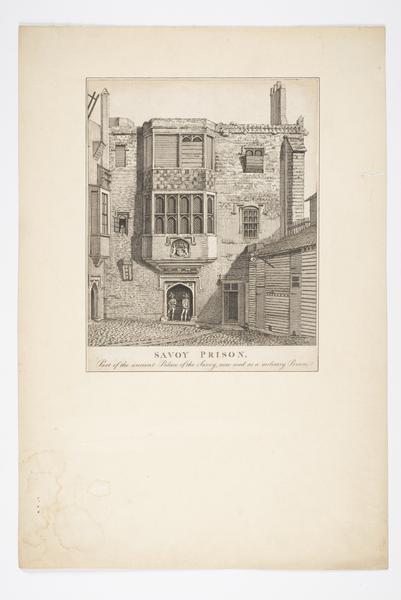
But the hospital soon fell into decline. After a few centuries being used in part as a prison, school and church, it was left in ruins.
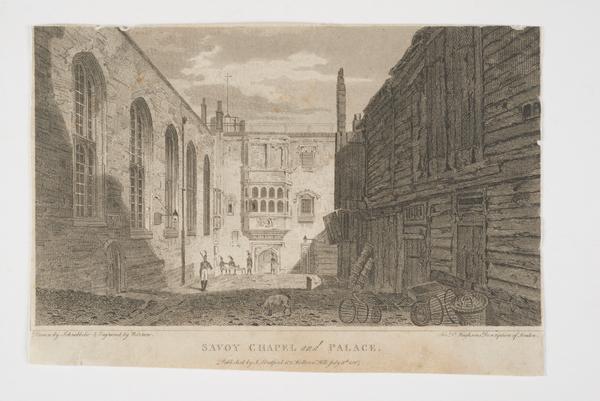
All that survives today of the estate’s long and tumultuous history is a stone chapel, nestled in the built-up backstreets of the old Savoy estate.
“there was none in the realm to be compared in beauty and stateliness”
John Stow, 1598
The Savoy Palace
The palace was built by Peter, Count of Savoy, after he was given the land by King Henry III in 1246. Savoy was a region covering parts of modern France, Switzerland and Italy.
After Peter died, the property was bought back by Henry III’s queen, Eleanor of Provence, and given to her second son, Edmund, Earl of Lancaster. It was then passed down through successive earls of Lancaster, keeping the grand townhouse in the possession of the elite.
We don’t know much about the building, as no plans of the palace have survived. We do know there were stables, a chapel, a vegetable garden and a ‘great hall’. There was also a river gate. Before the Victoria Embankment was built in the 1800s, the River Thames was much wider and reached the palace walls.
-
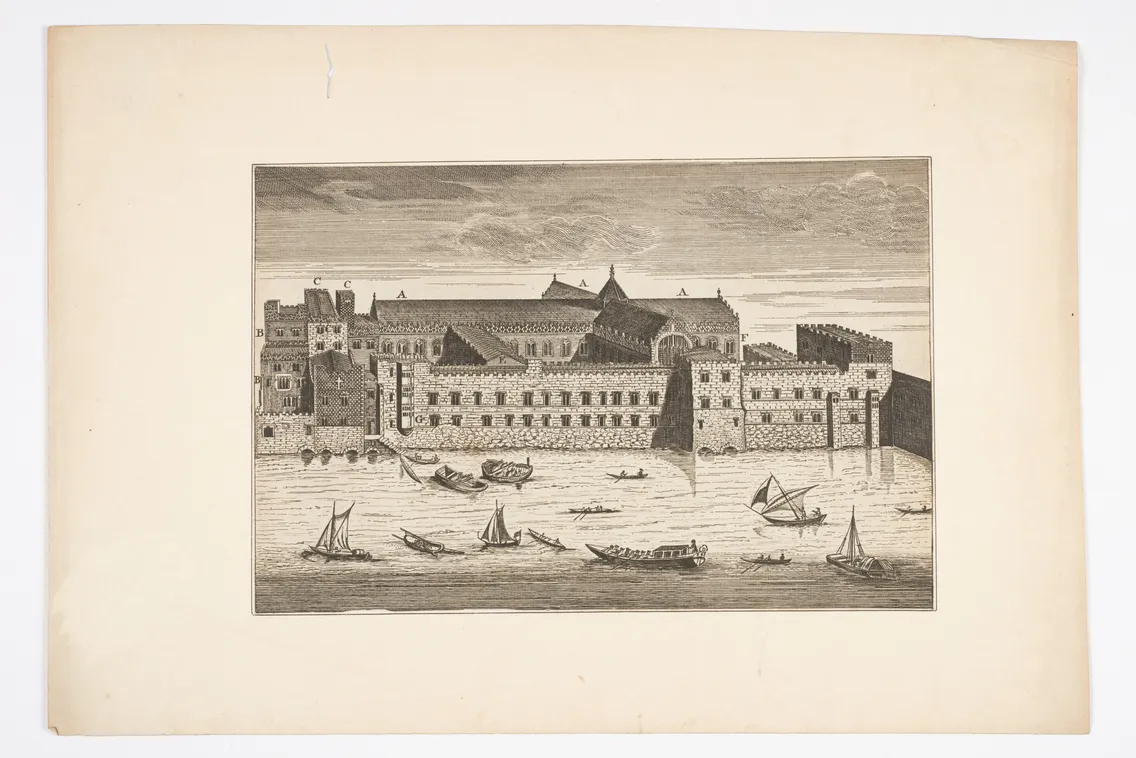
This view of the palace from around 1650 to 1750 shows how close it was to the riverbank.
The Savoy Palace was a looker. The historian John Stow wrote in 1598 that “there was none in the realm to be compared in beauty and stateliness” to the Savoy Palace. Its final owner, John of Gaunt, King Edward III’s son, was pretty wealthy and had decked it out with jewels, carvings and fine wall hangings.
The palace was destroyed in the Peasants’ Revolt
John of Gaunt was the uncle of and advisor to the young King Richard II. As Richard became king at just 10 years old, it was John who effectively ruled the country. He was a much-hated figure and a symbol of government corruption. This – and his luxurious London manor – made him a target.
In the Peasants’ Revolt of 1381, thousands of rebels travelled to London from Essex and Kent in an uprising against the ruling elite. They killed lawyers and government ministers, freed prisoners in the City of London and destroyed a number of buildings – including the Savoy Palace. John was away at the time, but others in the manor were killed. His expensive belongings were burned on a bonfire.
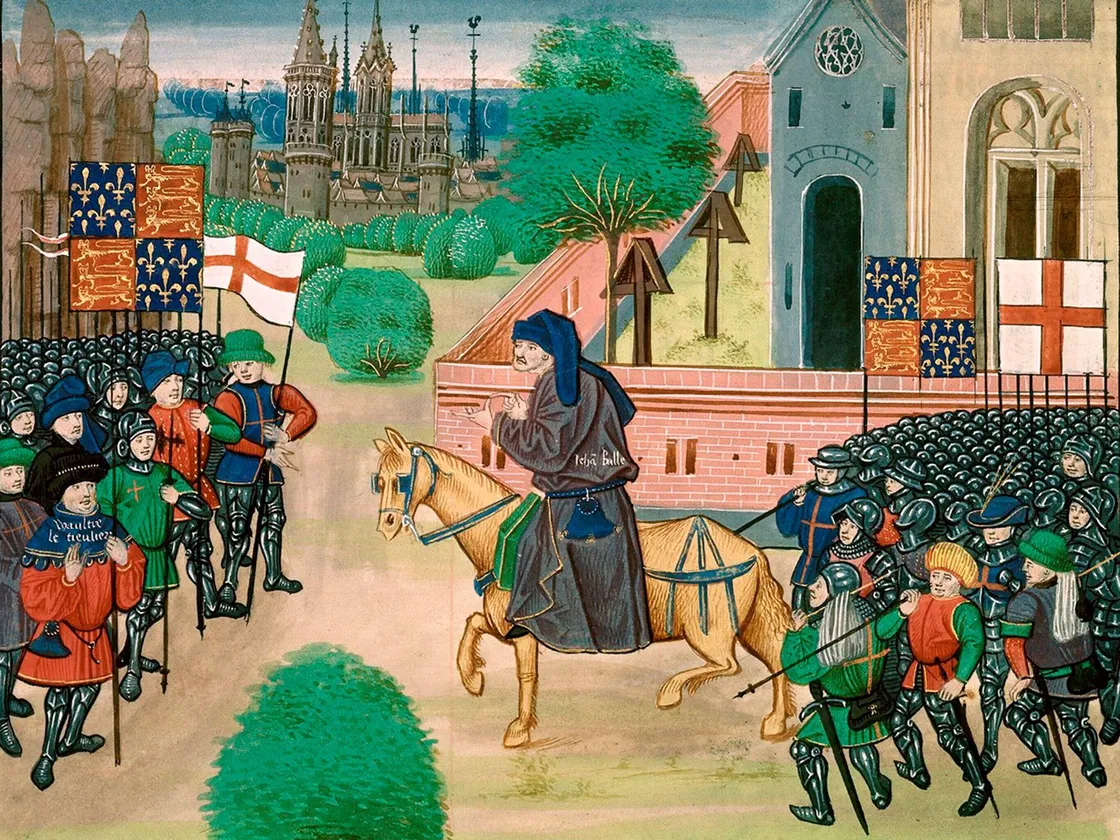
London is seen in the background as rebel leader John Ball rallies the crowd.
Henry VII founded the Savoy Hospital
In 1505, King Henry VII, the first Tudor king, cleared the site to build a hospital. This wasn’t a hospital in the sense we know it today. It was more like a charity shelter, a place where poor or homeless men could find a safe place to sleep.
Henry died in 1509, and the money in his will funded the hospital’s construction. It was completed in 1515, and was called the Hospital of Henry late King of England of the Savoy.
The Savoy Hospital provided beds for 100 men. The lodgers were first taken to the chapel to pray for the founder, Henry. They were given a bath and their clothes were cleaned. But the men could only stay one night – unless they were sick, in which case the nurses would treat them.
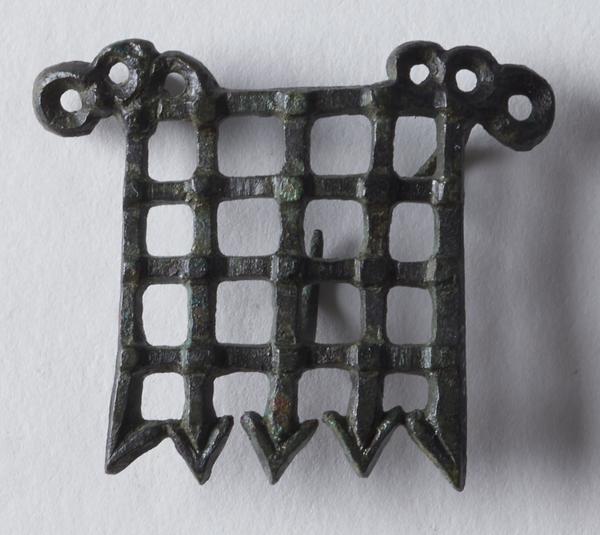
It was a heavily Henry VII-branded project. His emblems of a portcullis and a Tudor rose were embroidered into the bedding. Wardens might have worn the Tudor rose badge below, and it’s thought that inmates might have been given the portcullis badge. All to remind them of Henry’s generosity.
-
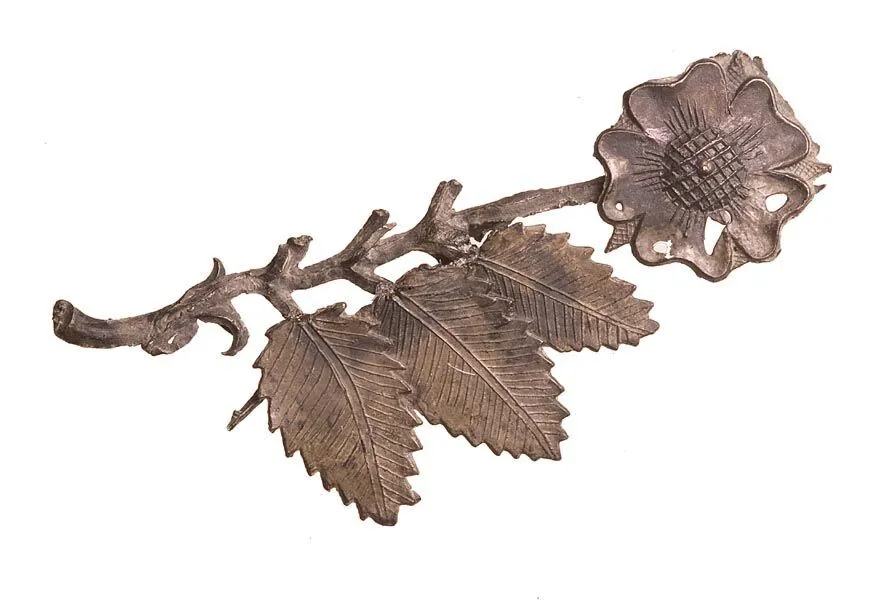
Henry VII created the Tudor rose emblem when he became king, joining his Lancastrian red rose with the Yorkist white rose after his marriage to Elizabeth of York.
-
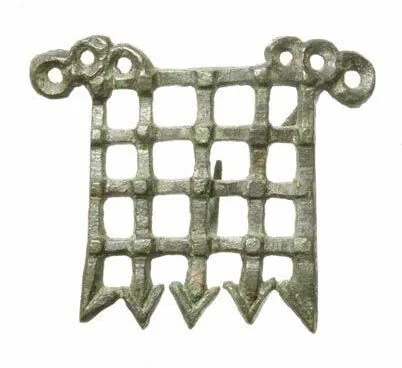
The portcullis was the emblem of the noble Beaufort family, which Henry’s mum belonged to.
The hospital fell into decline
Poor management, debts and corruption in the second half of the 1500s caused the Savoy Hospital to decline. One particularly problematic master, Thomas Thurland, was even accused of owing the institution money, having sexual relations with hospital staff and taking the hospital’s jewels. He was removed in 1570, but the organisation never really recovered.
The site transformed over the 1600s. Parts of the hospital were used for sick and wounded soldiers, rather than poor Londoners. It was also used as a school, an army barracks and a place for tradespeople like printers, glove-makers and leather-sellers to set up their businesses. A military prison was built there, as well as private houses and a number of churches.
From ruins to revival
The print below from our collection shows how the old hospital was in ruins by the 1800s. Eventually, almost all of the buildings were demolished during the construction of Waterloo Bridge (1811–1817) and the Victoria Embankment (1864–1870).
-
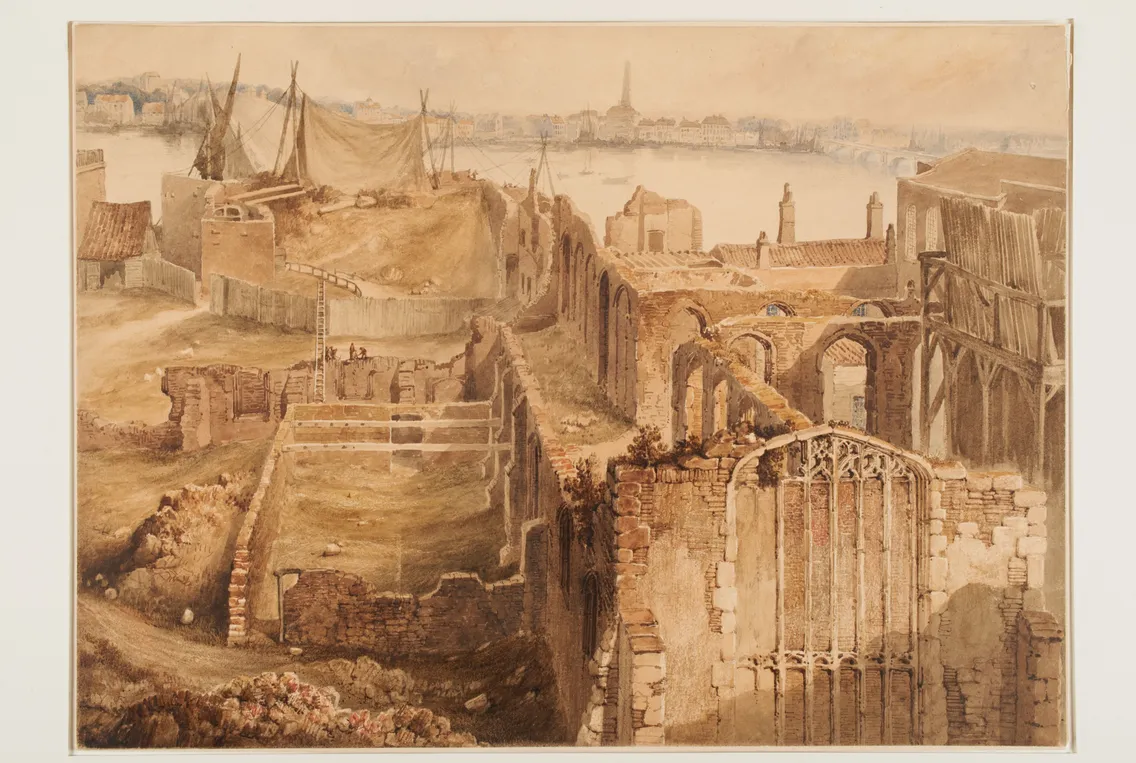
Bird’s eye view of the ruins of the Savoy Hospital, looking towards the River Thames, in the early 1800s.
-
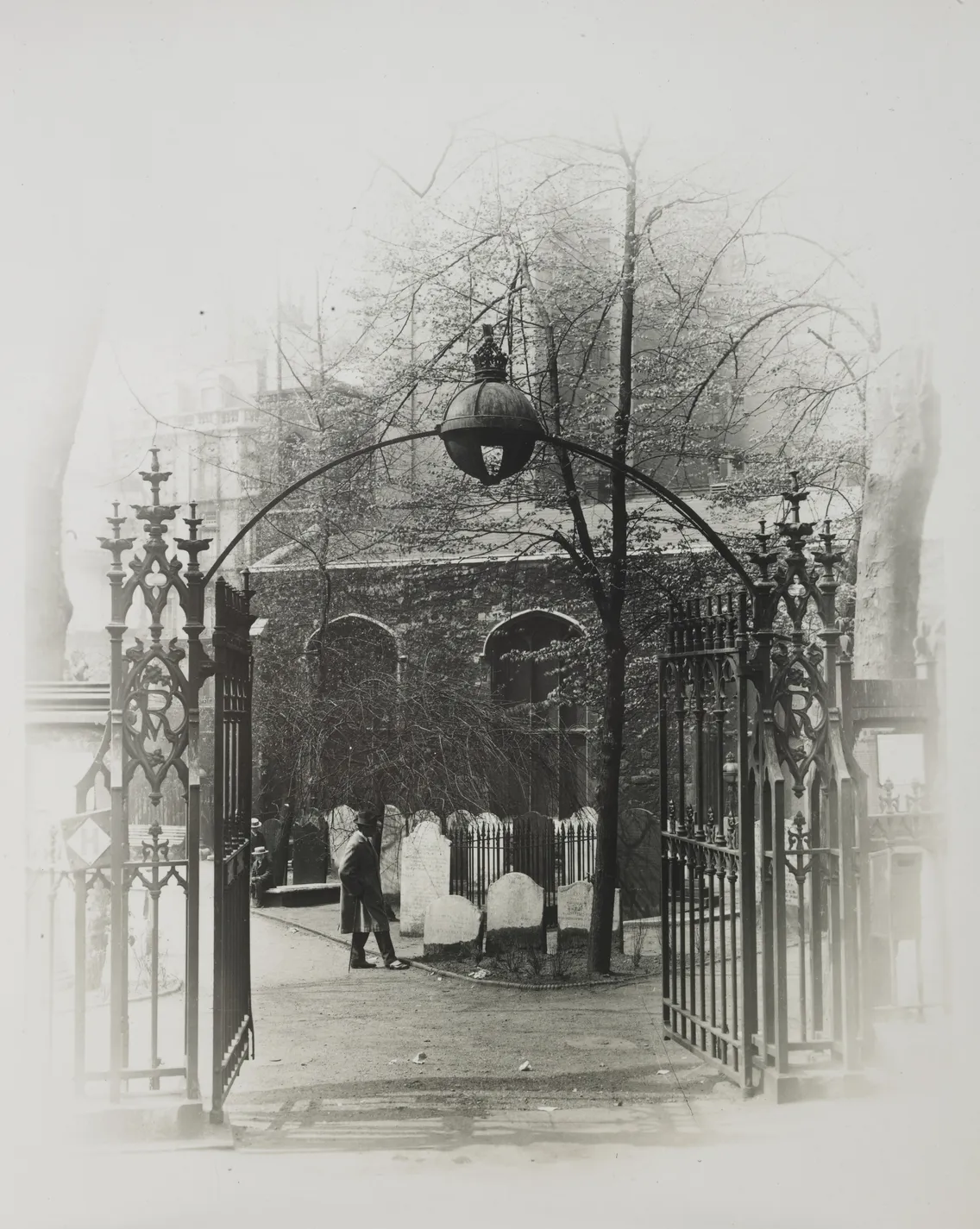
This chapel is the only surviving building.
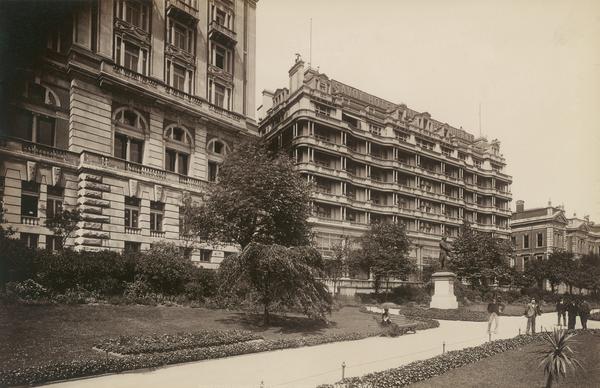
The old Chapel of St John the Baptist is the last Tudor building standing, now known as The King’s Chapel of the Savoy. The Savoy Hotel, Savoy Theatre, Victoria Embankment and Embankment Gardens now cover the rest of the site.
Tags
-
-
Paintings, Prints & Drawings
 Paintings, Prints & Drawings
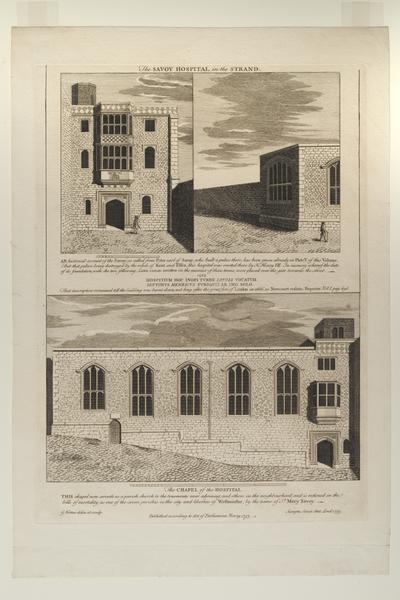
The Savoy Hospital in the Strand. (engraving)
Vertue, George
1753-11-29
-
Paintings, Prints & Drawings
 Paintings, Prints & Drawings
Savoy Chapel and Palace (etching)
Schnebbelie, Robert Blemmell
1807-07-11
-
-
Photography
 Photography
The Savoy Hotel from Victoria Gardens (mounted albumen print)
Wilson, George Washington
C. 1890