May Day protests in post-war London
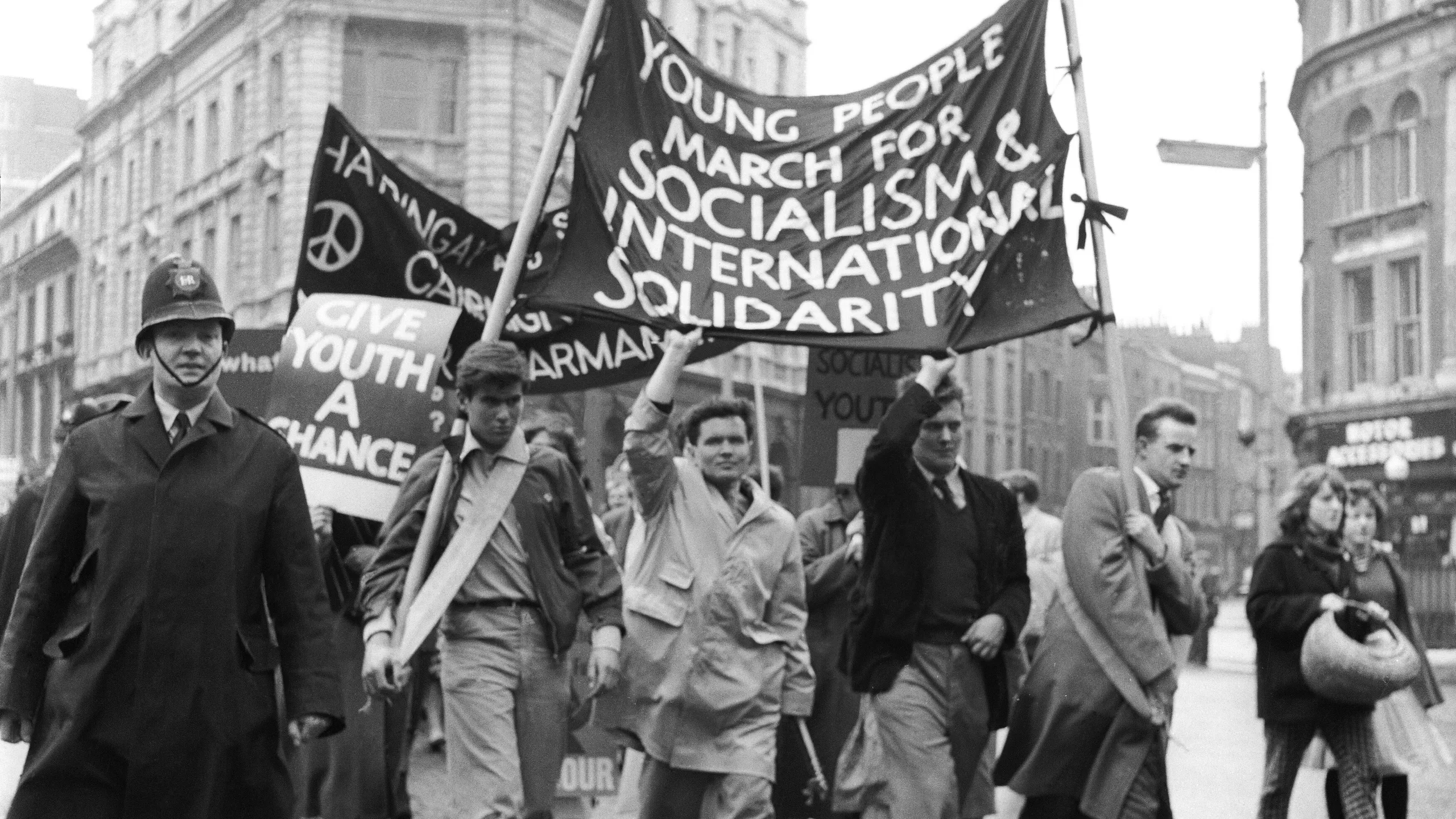
Since the late 1800s, May Day on 1 May has been marked by political demonstrations and marches in central London. Documentary photographer Henry Grant captured activists rallying for many different causes in the decades after the Second World War (1939–1945).
Since the 1800s
What is May Day?
May Day, the first day of May, has ancient roots as a festival of spring and the oncoming summer. It’s long been celebrated with folk traditions like Morris dancing and village festivals. But, during the industrial revolution of the 1800s, May Day also became associated with the labour movement, commemorating working-class achievements and struggles. Today, it’s known as International Workers’ Day.
International protests for eight-hour days
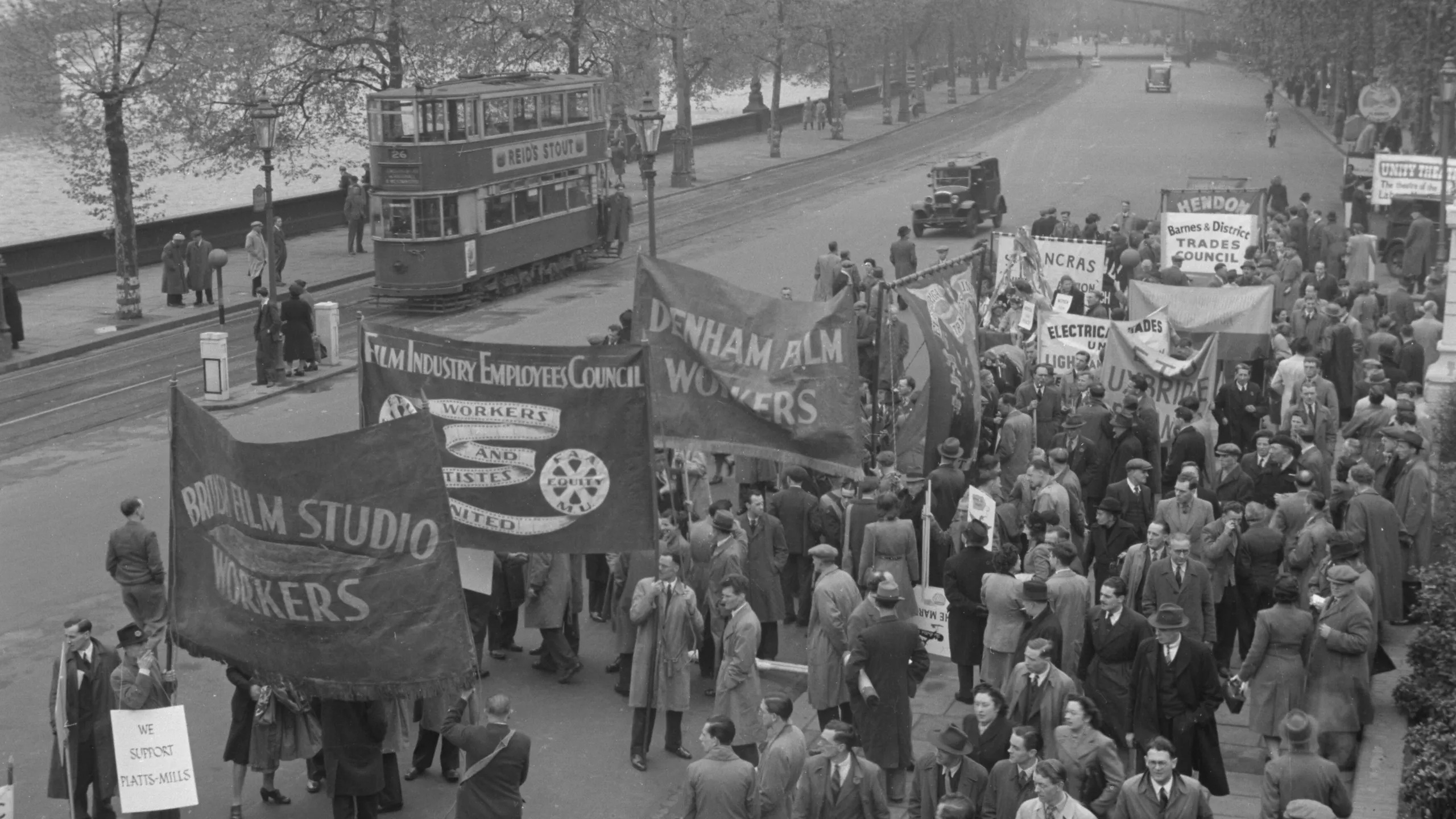
May Day was born out of the fight for an eight-hour working day in countries all over the world. In the 1880s, demonstrations were organised internationally on or near 1 May to protest long working hours and unfair working conditions. On 4 May 1890, 300,000 people gathered in Hyde Park calling for an eight-hour day.
May Day grows in the 1900s
May Day became more popular as trade unions and the workers’ movement grew in the early 20th century. Families, including children, attended marches and rallies across the country. After the Second World War, political demonstrations continued to be held in London on May Day. In 1978, the Labour government of Prime Minister James Callaghan introduced the May Day bank holiday in England, Wales and Northern Ireland.
Documenting London and Londoners
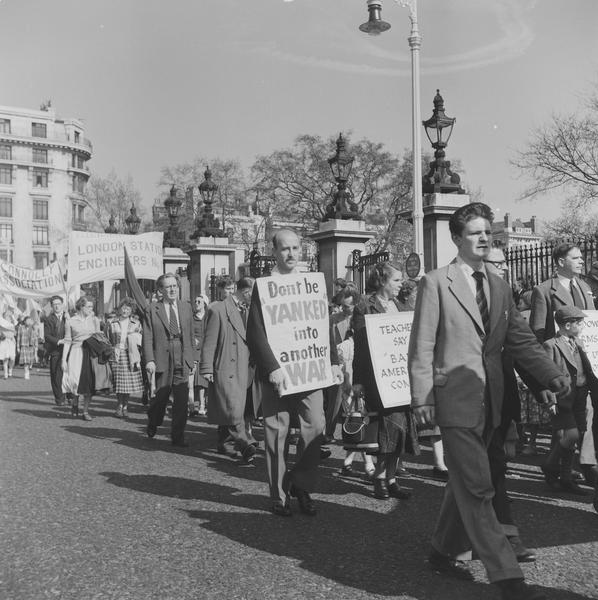
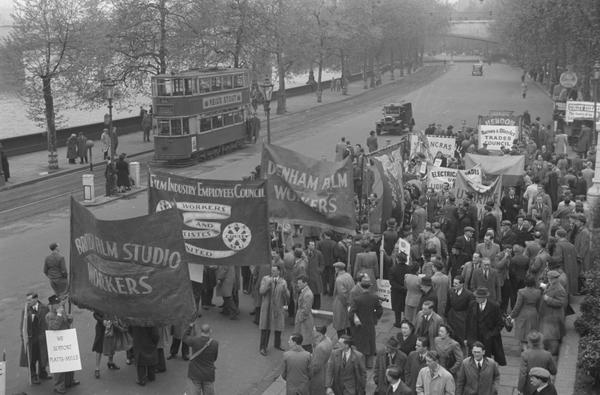
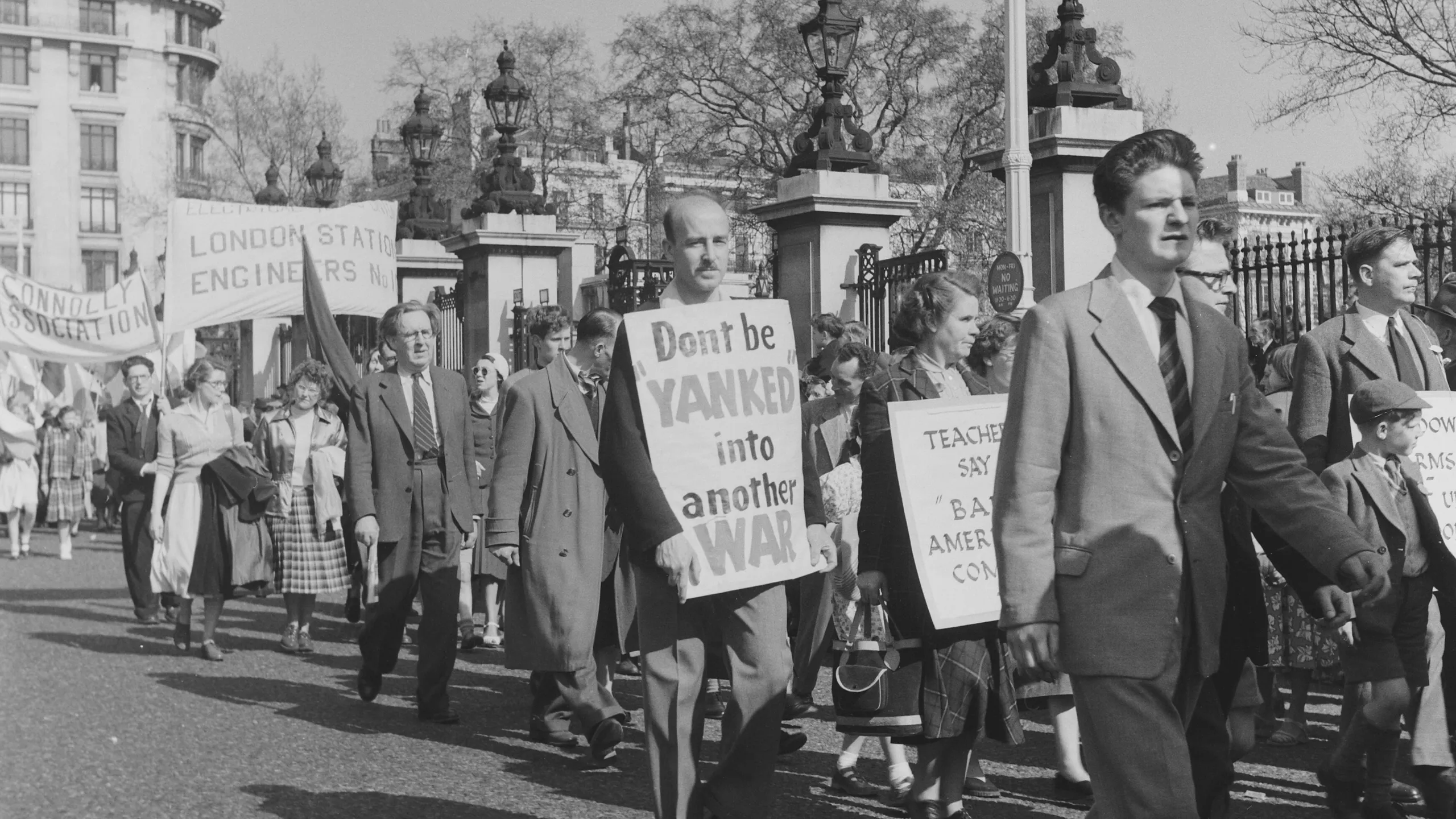
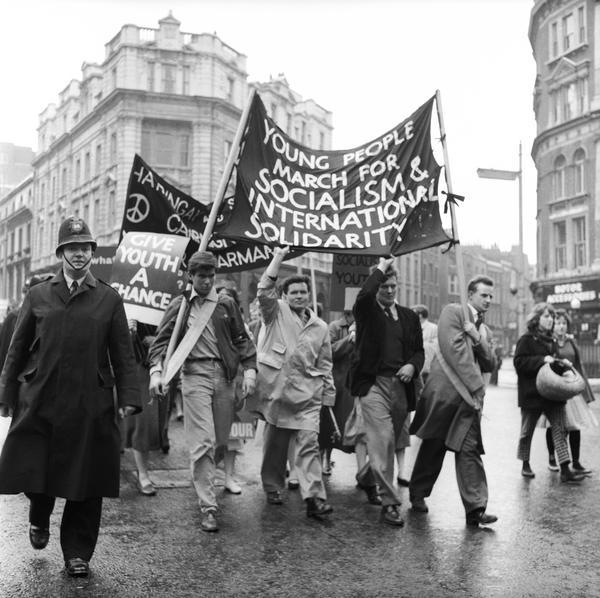
Henry Grant photographed everyday life in London from 1946 to his retirement in 1980. Through the mid-1900s in particular, he captured many May Day demonstrations, documenting the organisations and causes people marched for.
Protesting for peace
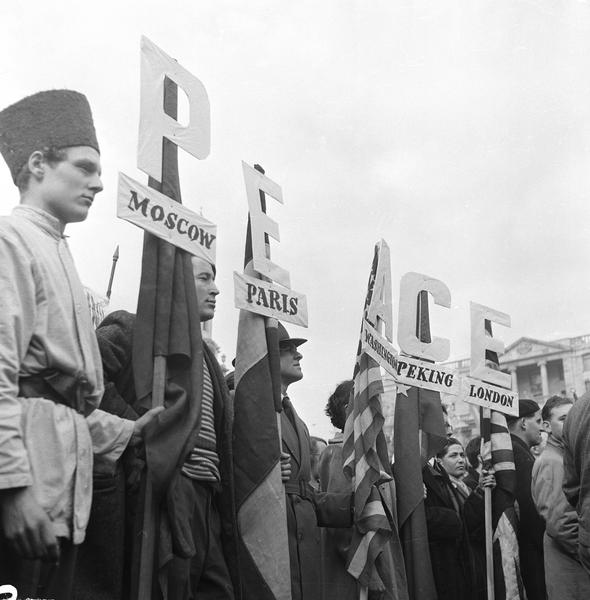
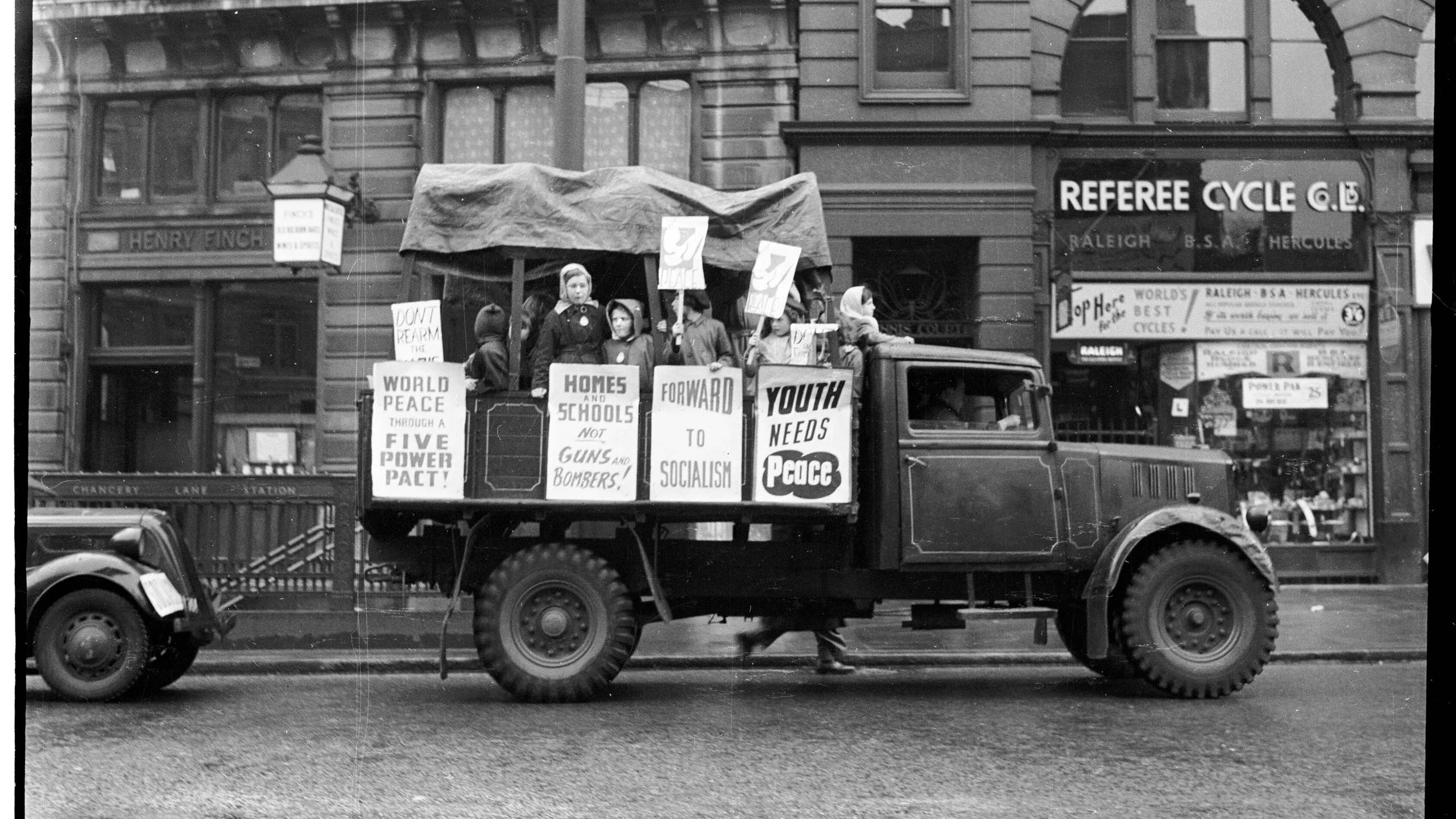
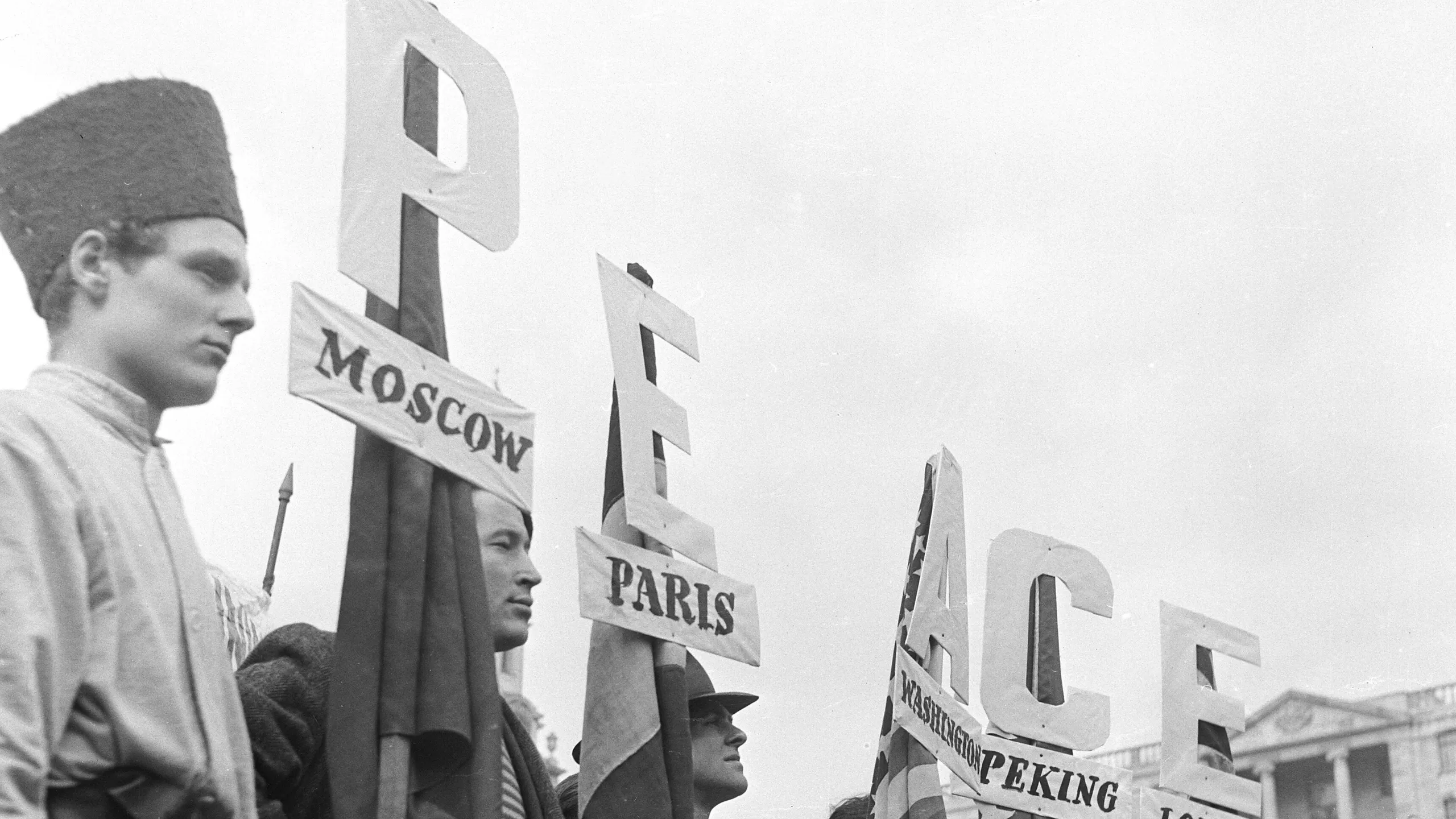
On May Day in 1951, demonstrators held a 'peace rally' in London in reaction to the tensions of the Cold War. These protesters wore international dress and carried flags mounted with letters which spell out the word ‘peace’.
The Cold War
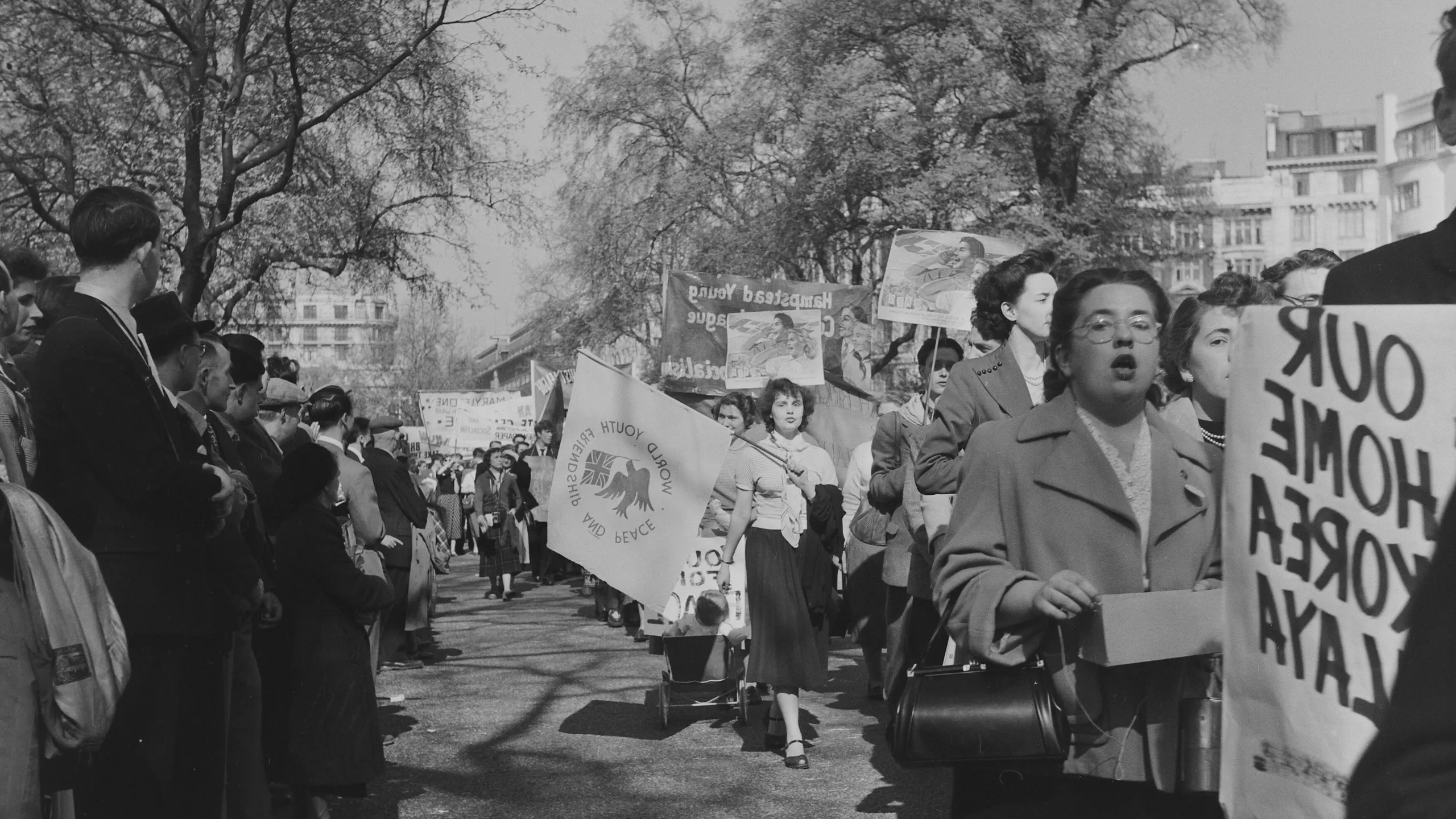
The Cold War tensions between the US, the Soviet Union and their respective allies intensified in the early 1950s. Britain, a close US ally, was heavily involved. For example, it fought in the Korean War (1950–1953), the first major proxy conflict of the Cold War. By 1952, Britain had also successfully tested its own nuclear weapon. Many May Day demonstrations called for peace amid the escalating hostilities.
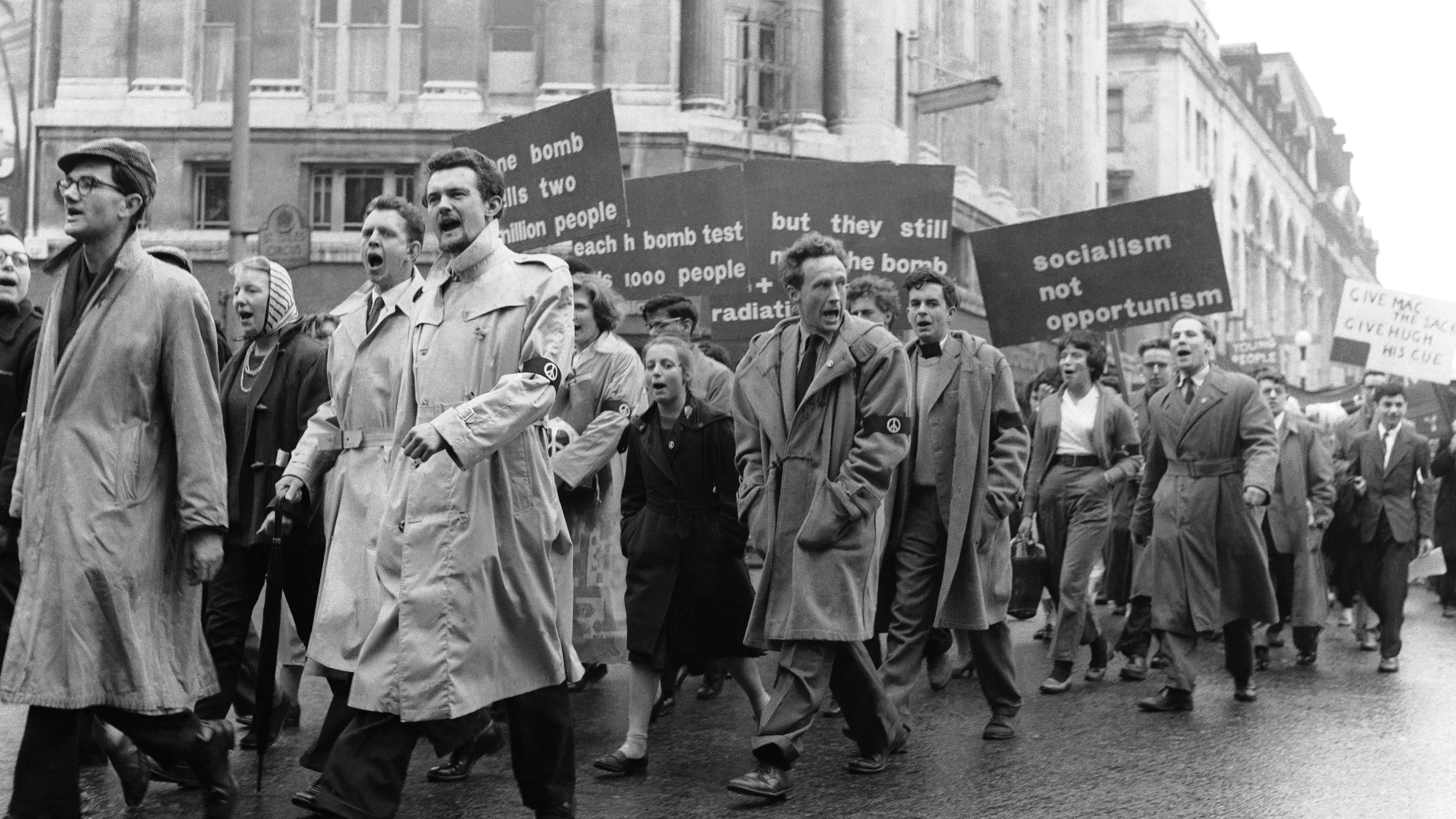
Hydrogen bomb tests
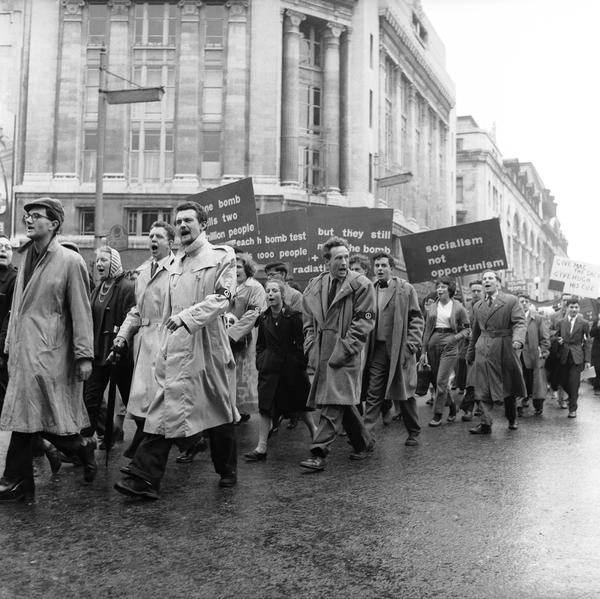
Some of the placards in this photo from 1959 are protesting the development of hydrogen bombs, a more powerful form of nuclear weapon.
Tags
-
Photography
-
-
Photography
 Photography
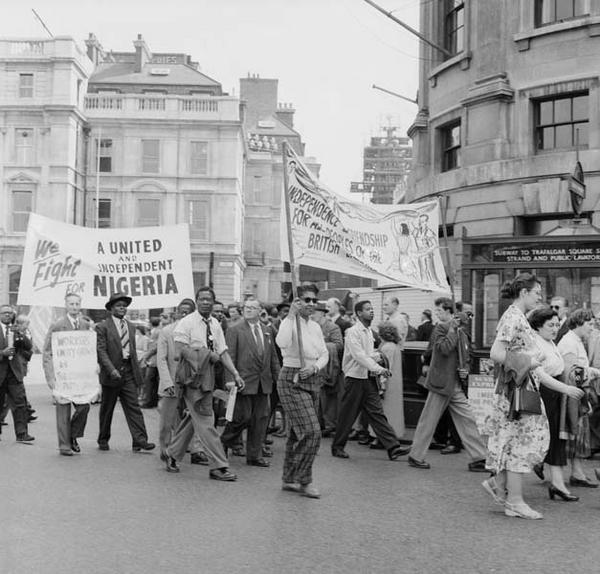
Student marchers campaigning for Nigerian independence, May Day (negative)
Grant, Henry
1956-05
-
Photography
 Photography
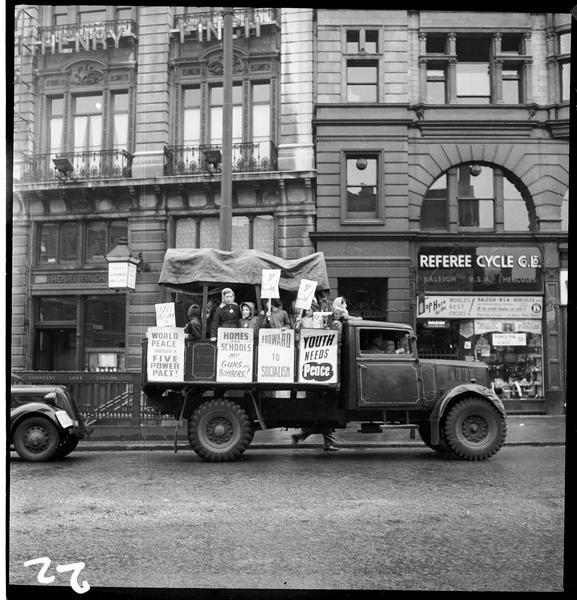
Young protestors drive past Chancery Lane station on May Day (negative)
Grant, Henry
1951-05
-
-
-