London’s abandoned & long-lost Tube stations
Deep beneath our feet, ghosts of the London Underground exist in the disused stations on the Tube network. Some were closed because of low passenger numbers, others gobbled up by a modernising city. Many lived second lives as air raid shelters or film sets. Today, a few abandoned stations survive as perfectly preserved time capsules, while the rest have been dismantled and disappeared.
Aldwych
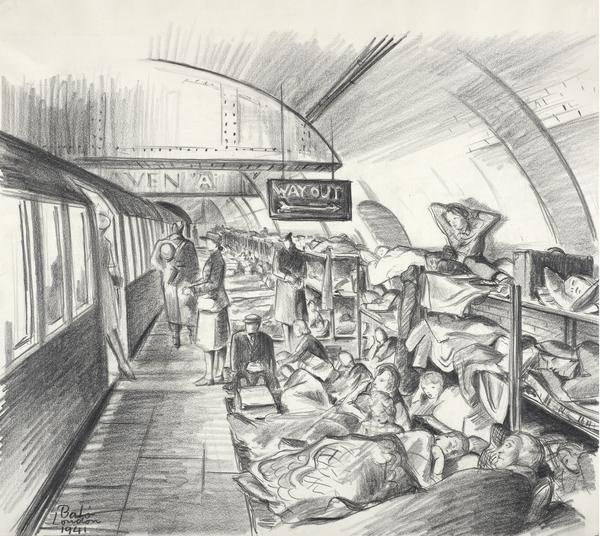
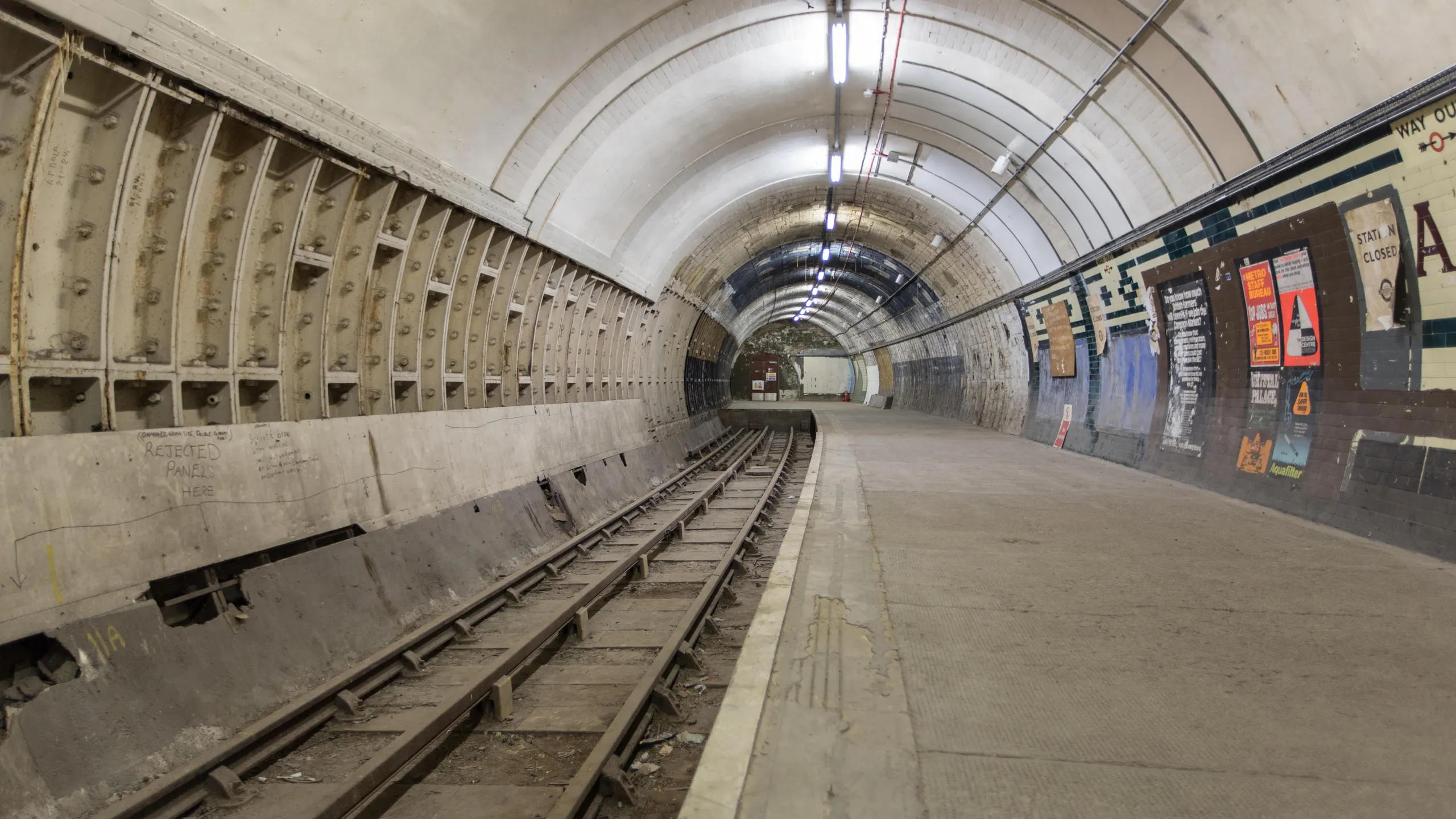
Aldwych opened in 1907 as a strange central London terminus peeling off of the Piccadilly line at Holborn station – a ten-minute walk away. During the Second World War (1939–1945), the station and its tunnels were used as an air raid shelter. Priceless treasures from the British Museum and National Gallery were also stored here. Aldwych wasn’t used much, but it still survived until 1994. Its well-preserved features have since been used in film, TV and the music video for the Prodigy’s 1996 track Firestarter.
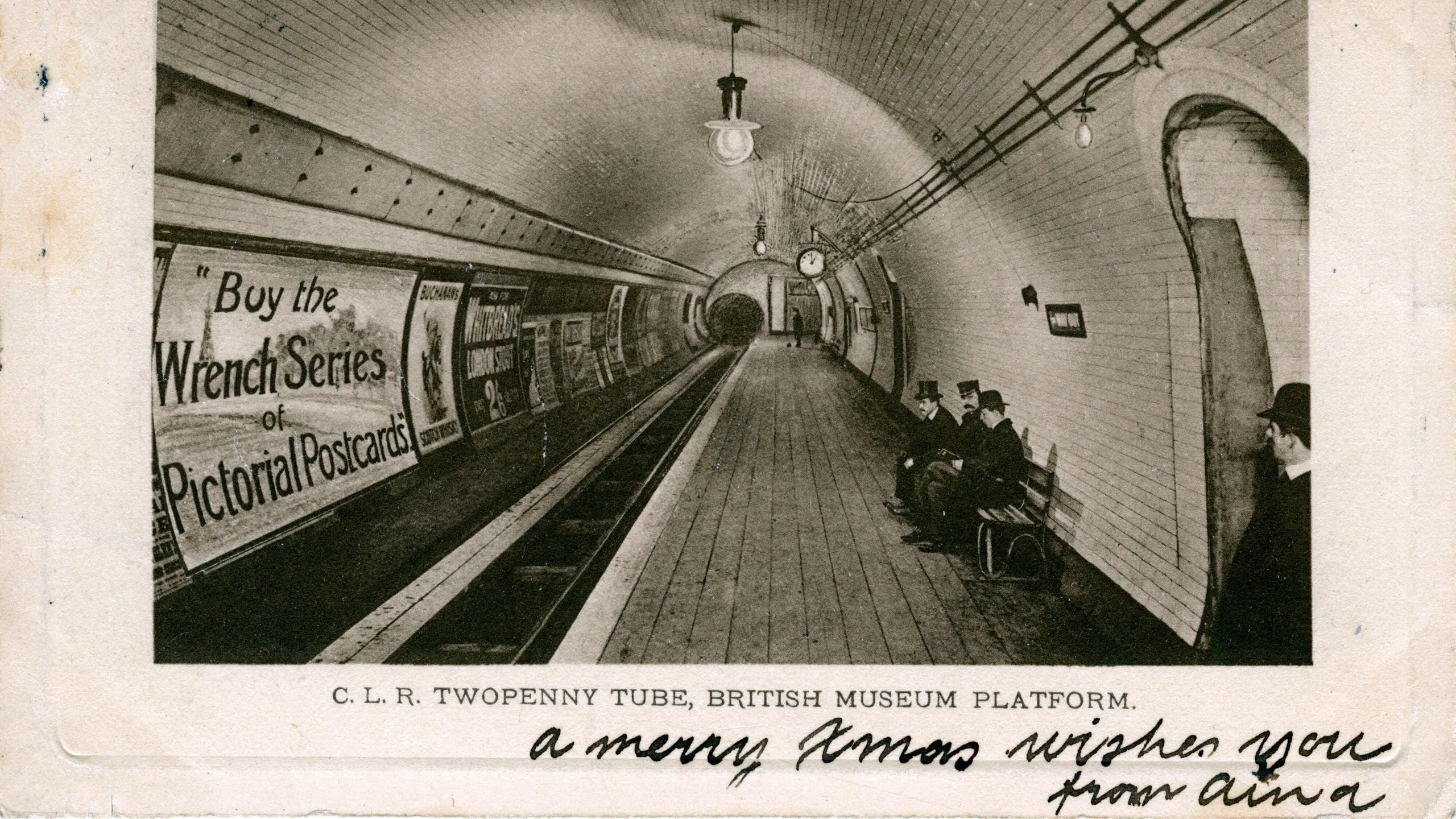
British Museum
This Central line station opened in 1900 for visitors to Bloomsbury’s British Museum. In 1906, Holborn station, serving the Piccadilly line, opened a mere stone’s throw away. When the Central line connected into Holborn in 1933, you no longer had to exit and cross the street to change onto the Piccadilly line. So British Museum was rendered useless and shut down. The above-ground building is long gone. But you can still get a glimpse of the station’s tunnel from a Central line train.
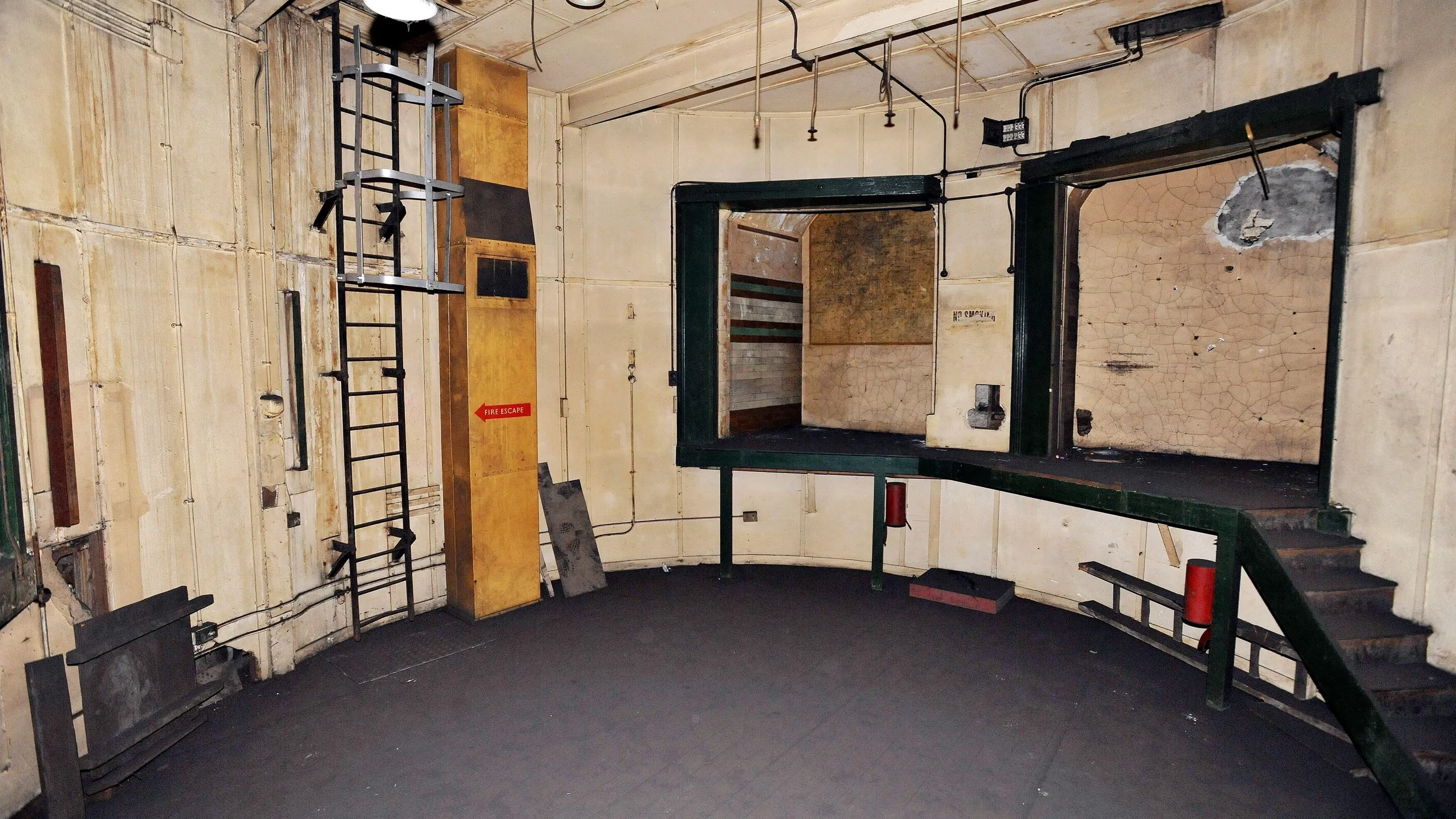
Brompton Road
Opened in 1906, Brompton Road’s proximity to the Victoria & Albert Museum and Harrods department store still didn’t bring in enough passengers. When a new entrance at nearby Knightsbridge station opened in 1934, Brompton closed for good. It was sold to the War Office in the Second World War and used as an anti-aircraft operations room. Since then, the underground station areas have been left largely unchanged and unused. Parts of the red-tiled facade are also still visible.
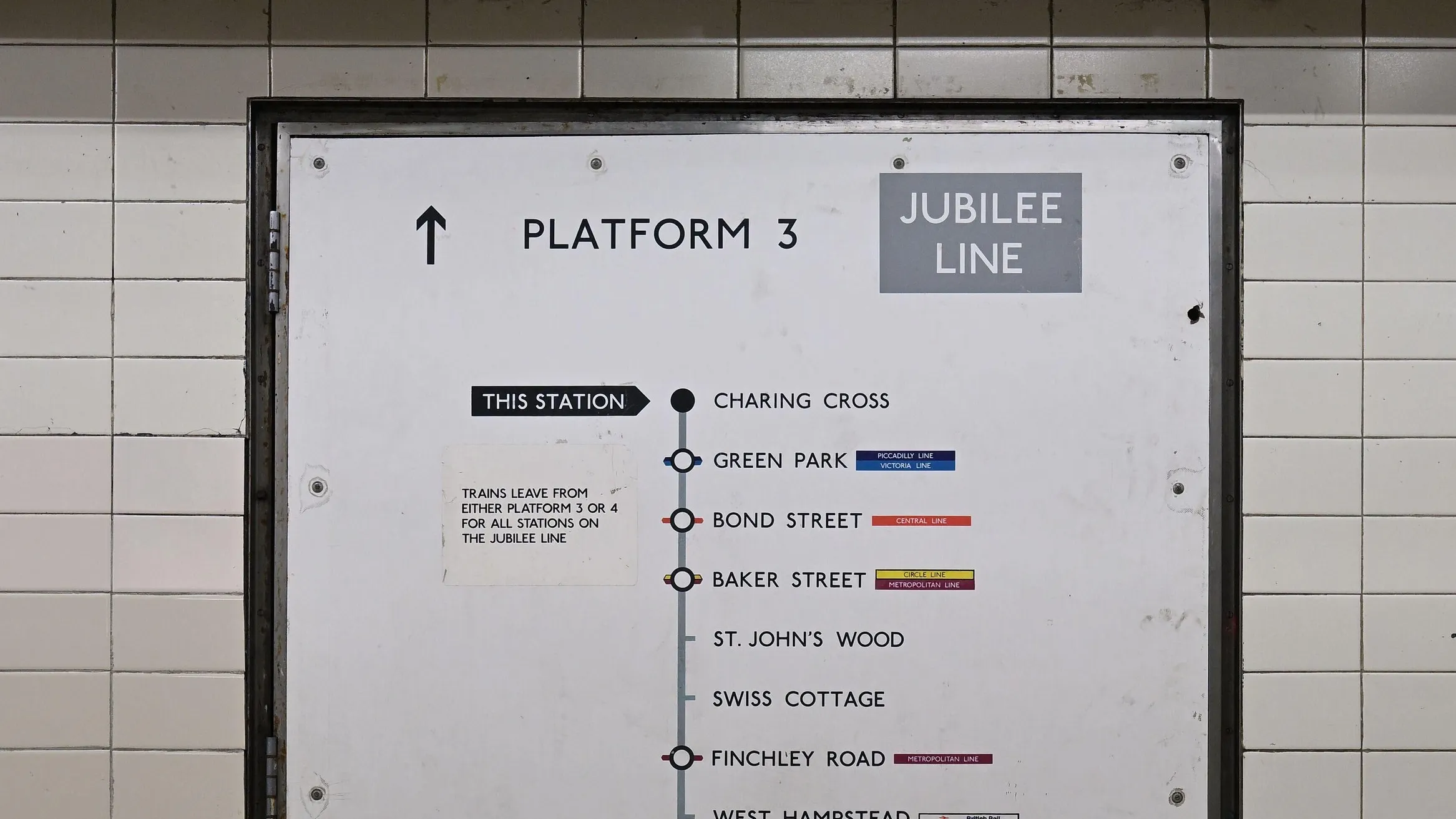
Charing Cross
Charing Cross was once the terminus of the Jubilee line, which opened in 1979 and connected to Stanmore in north-west London. While Charing Cross is still open, its two Jubilee line platforms closed in 1999 when the Jubilee line extension swerved south to Green Park. Its preserved platforms and tunnels have been well-used in film and TV since. Spot it in Skyfall, Thor 2 and Sherlock. They’re also used to store spare trains and test new technologies before they’re rolled out to the network.
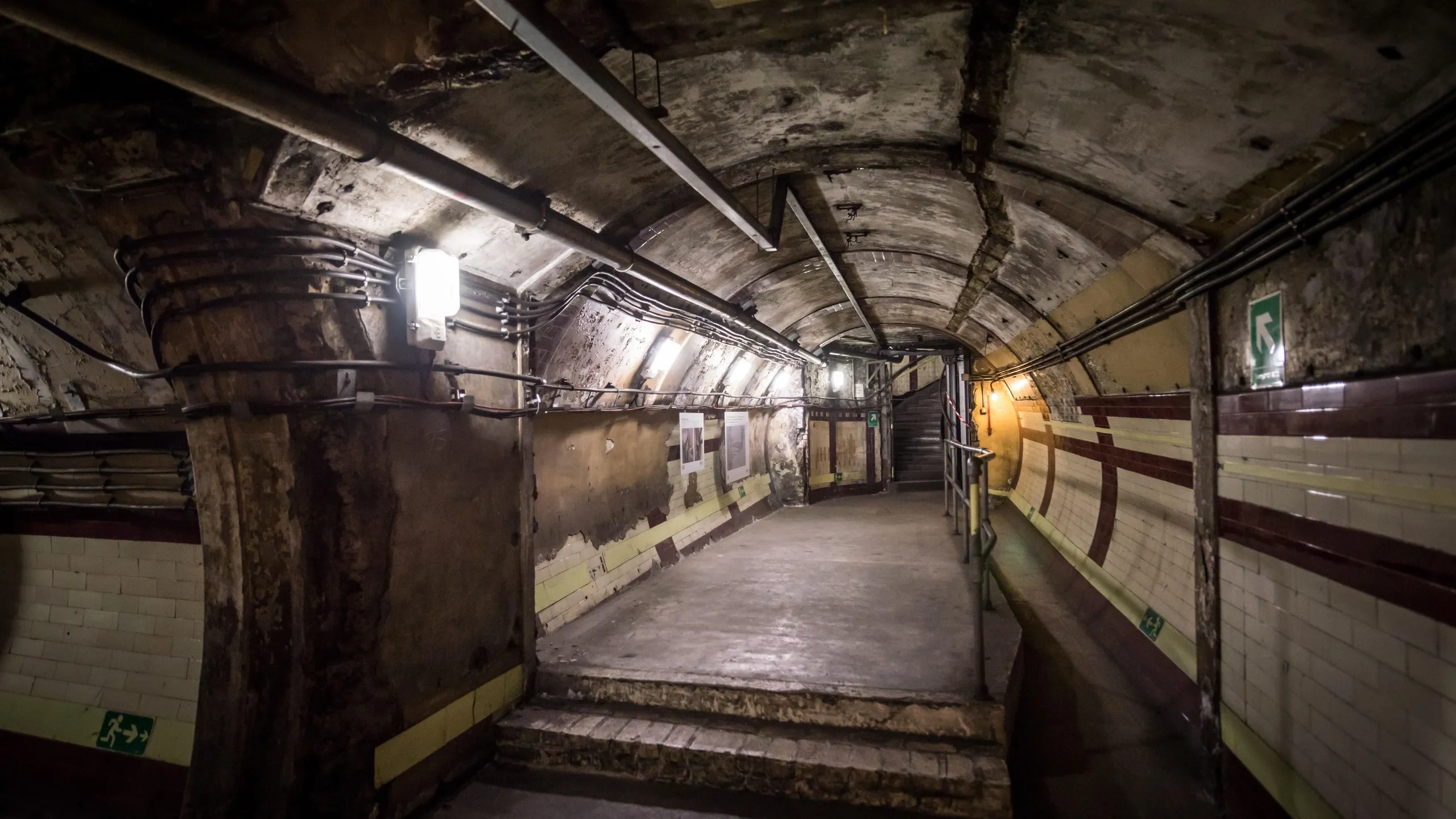
Down Street
This Mayfair station was doomed from the start. Opened in 1907, Down Street was very close to Dover Street (now Green Park) and Hyde Park Corner stations. It was also in an area of London whose wealthy residents were used to private transport. It closed in 1932 but, being 22m underground, the station was reused as bomb-proof offices during the Second World War. Prime Minister Winston Churchill used Down Street as a safe meeting place a number of times.
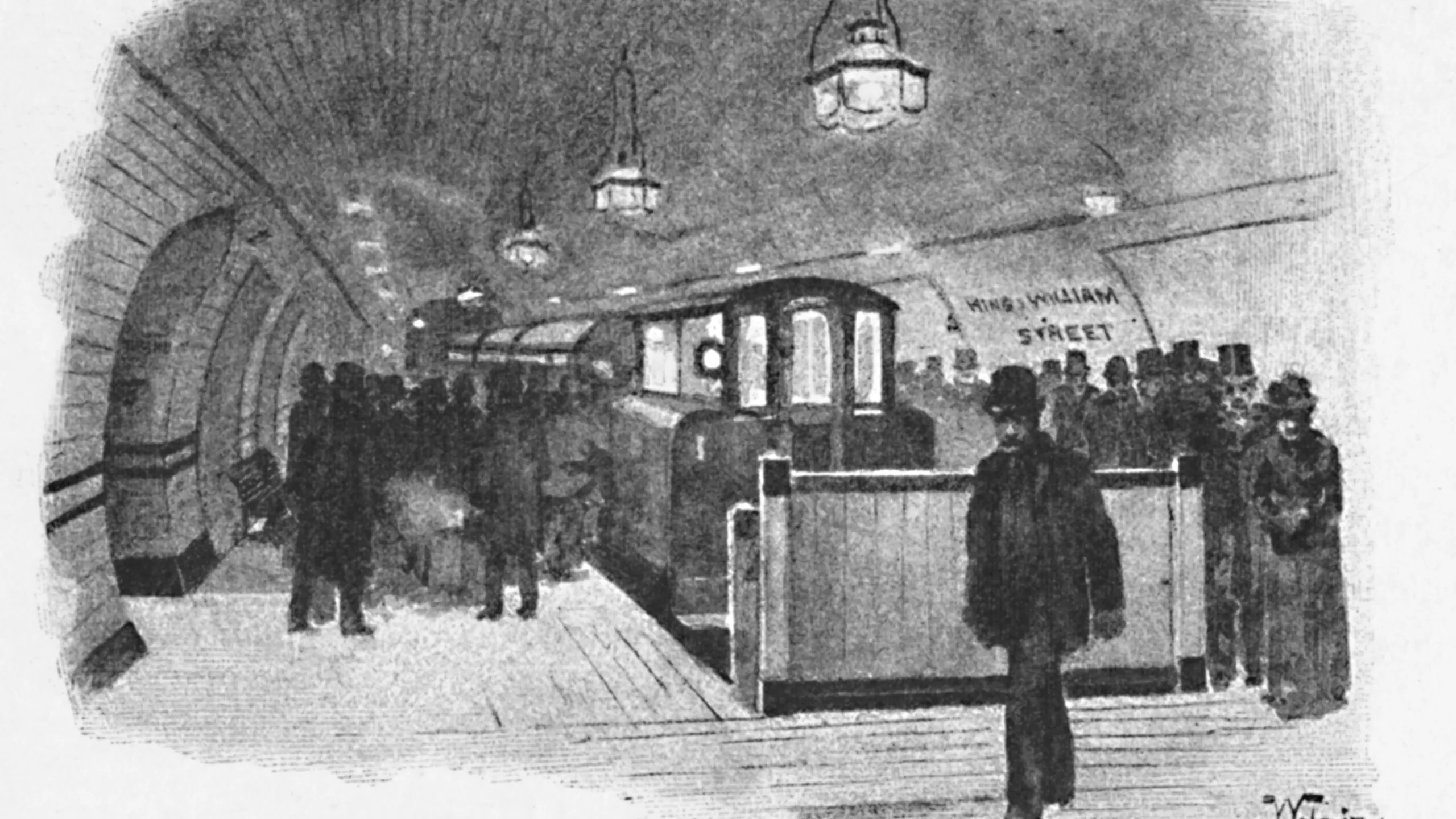
King William Street
Opened in 1890, this station was the City terminus of the City and South London Railway (C&SLR), the world’s first electric underground railway, which ran under the Thames. Originally planned as a cable railway, the experimental electric trains couldn’t cope with the steep slope and sharp curves approaching King William Street. The station closed in 1900 when C&SLR extended north, with a new tunnel bypassing the station. It was left abandoned for decades until it was absorbed into a recent Bank station upgrade.
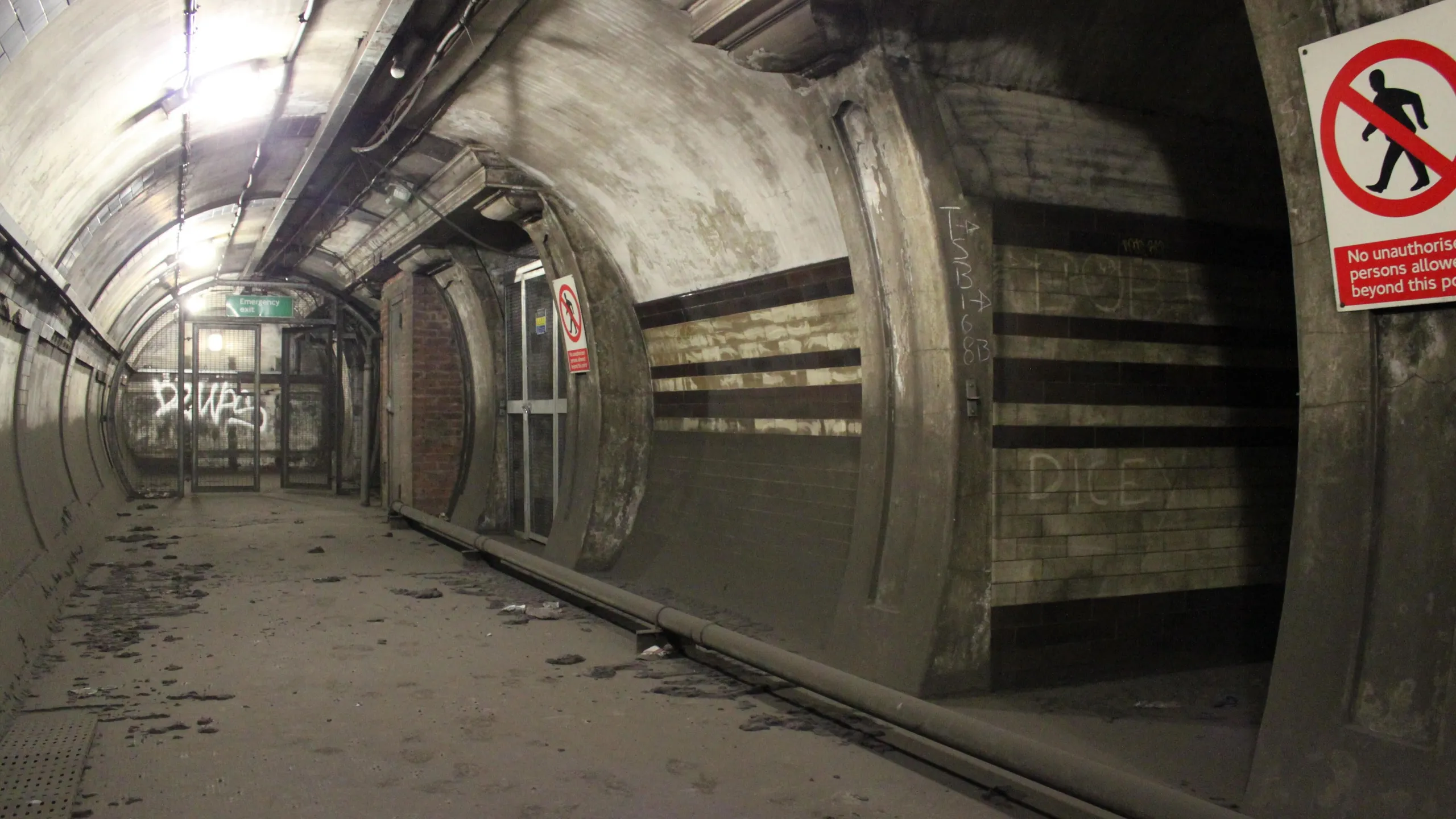
South Kentish Town
This Camden station was considered so “devastatingly unimportant” that the poet John Betjeman wrote a short story on a passenger getting trapped down there for a week. South Kentish Town closed in 1924 during a strike at a local power station and simply never reopened. It tallied up just 17 years of life. The red-tiled street-level building survives today.
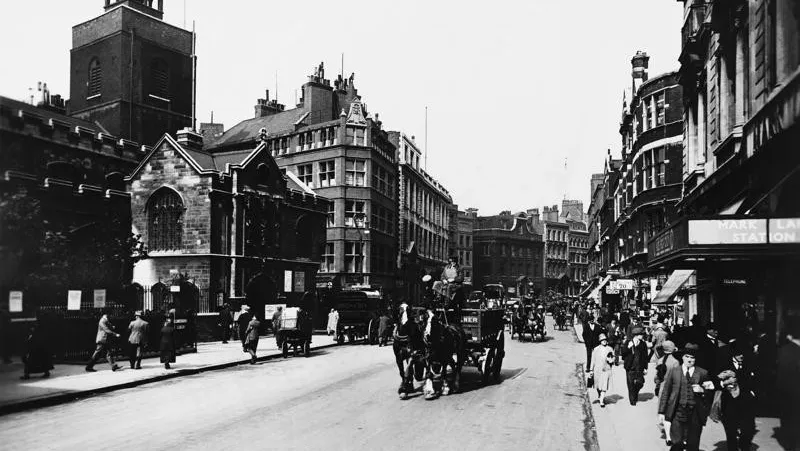
Mark Lane/Tower Hill
Mark Lane station opened in 1884, and was renamed Tower Hill in 1946. It replaced the nearby and short-lived Tower of London station and served the District and Circle lines. The site was small and often crowded with commuters or tourists visiting the Tower. With no space to expand, in 1967, Tower Hill was moved to a new station built on the site of the original Tower of London station. Parts of the old station, including its original green tiling, still survive underground.
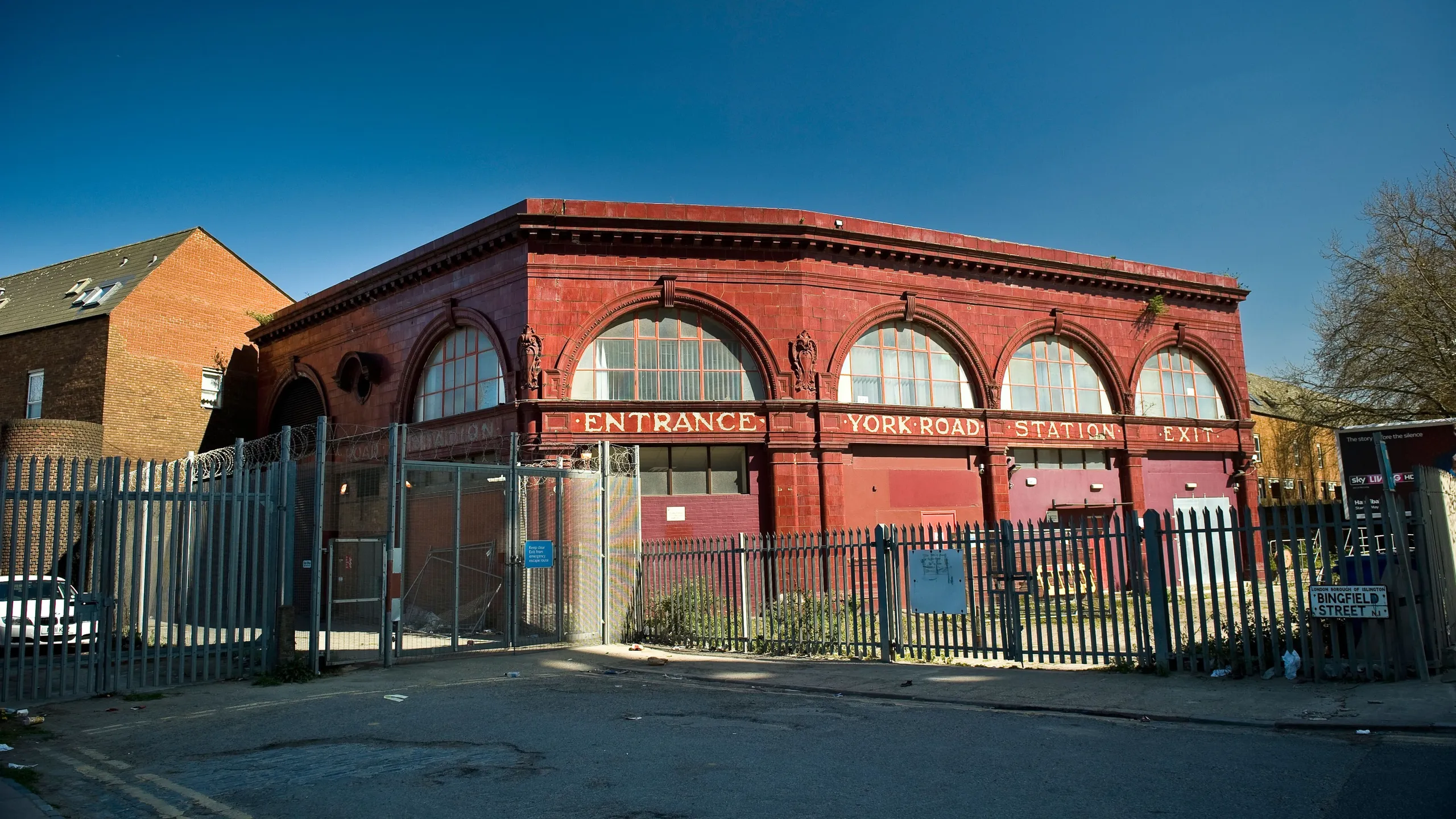
York Road
Tucked away behind King’s Cross and Coal Drops Yard, you’ll still see the ruby-red tiling of York Road. This Piccadilly line station was abandoned in 1932, having attracted few passengers since opening in 1906. Ideas for the site’s future have been debated over the decades. It would be expensive to reopen as a Tube line, and difficult to build over the five rail tunnels sitting underneath.
Tags
-
Paintings, Prints & Drawings

-
-
Paintings, Prints & Drawings
-
Printed Ephemera
-
Paintings, Prints & Drawings