London schools: A history lesson
What did your school days look like? London has had schools of every type, for students of every type. We’re now in an age of free, universal education, but that wasn’t always the case.
Across London
Since 1127
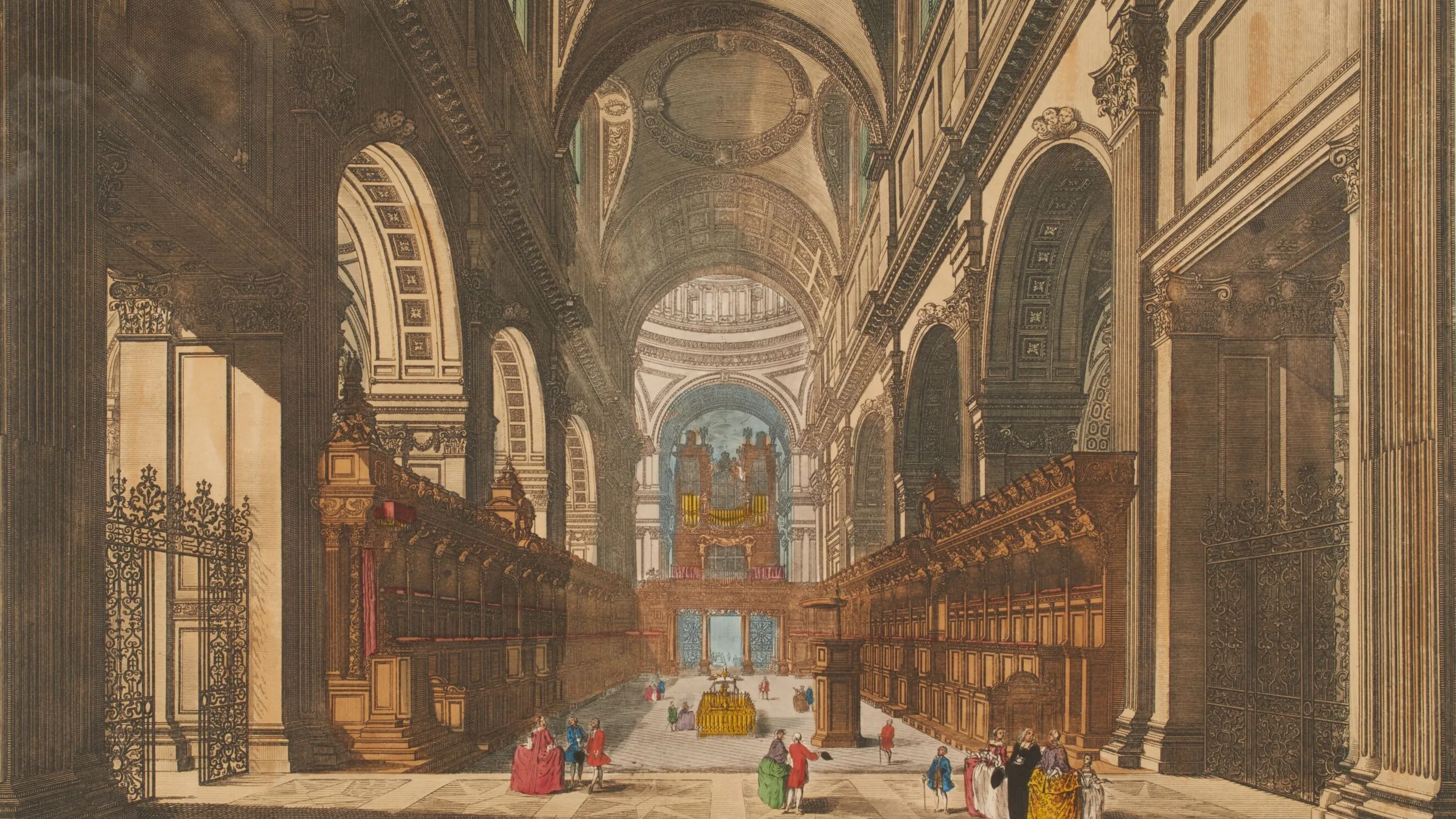
London’s oldest school is St Paul’s Cathedral School
Dating back to at least 1127, this school in the City of London originally housed just eight boys. The boys were given a bed, food and an education in return for singing in the cathedral’s daily services. The school has moved several times, but still provides choristers to the cathedral. It now takes a couple of hundred students, both boys and girls.
Education wasn’t always guaranteed
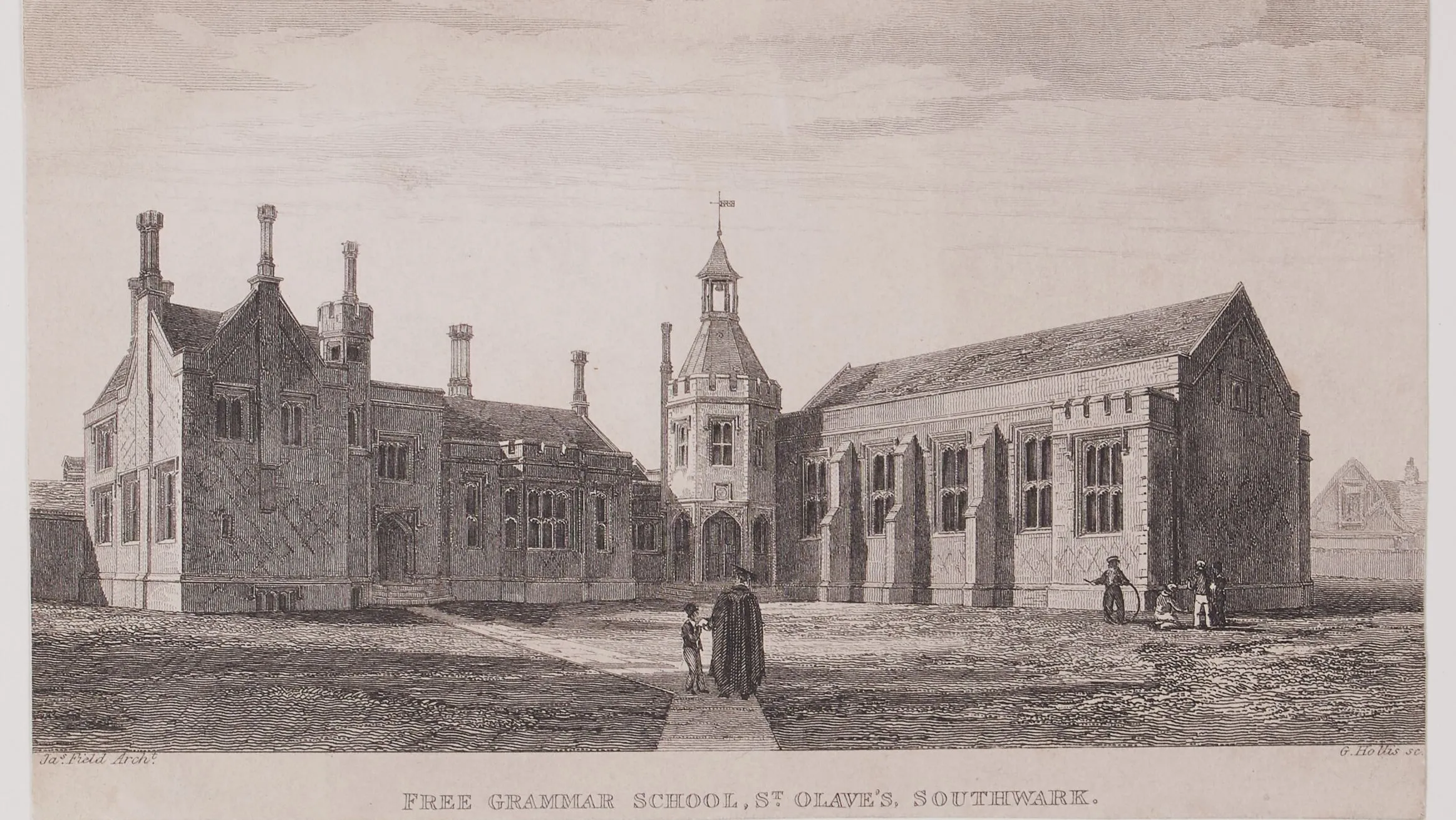
Until the 19th century, most children worked to support their families and didn’t go to school. The wealthiest families sent their sons to grammar schools established by rich founders. Beyond this, any education was less formal. Charity schools taught some poorer children for free. And small local schools taught the basics of reading, writing and arithmetic for a fee. Girls typically had less access to schooling.
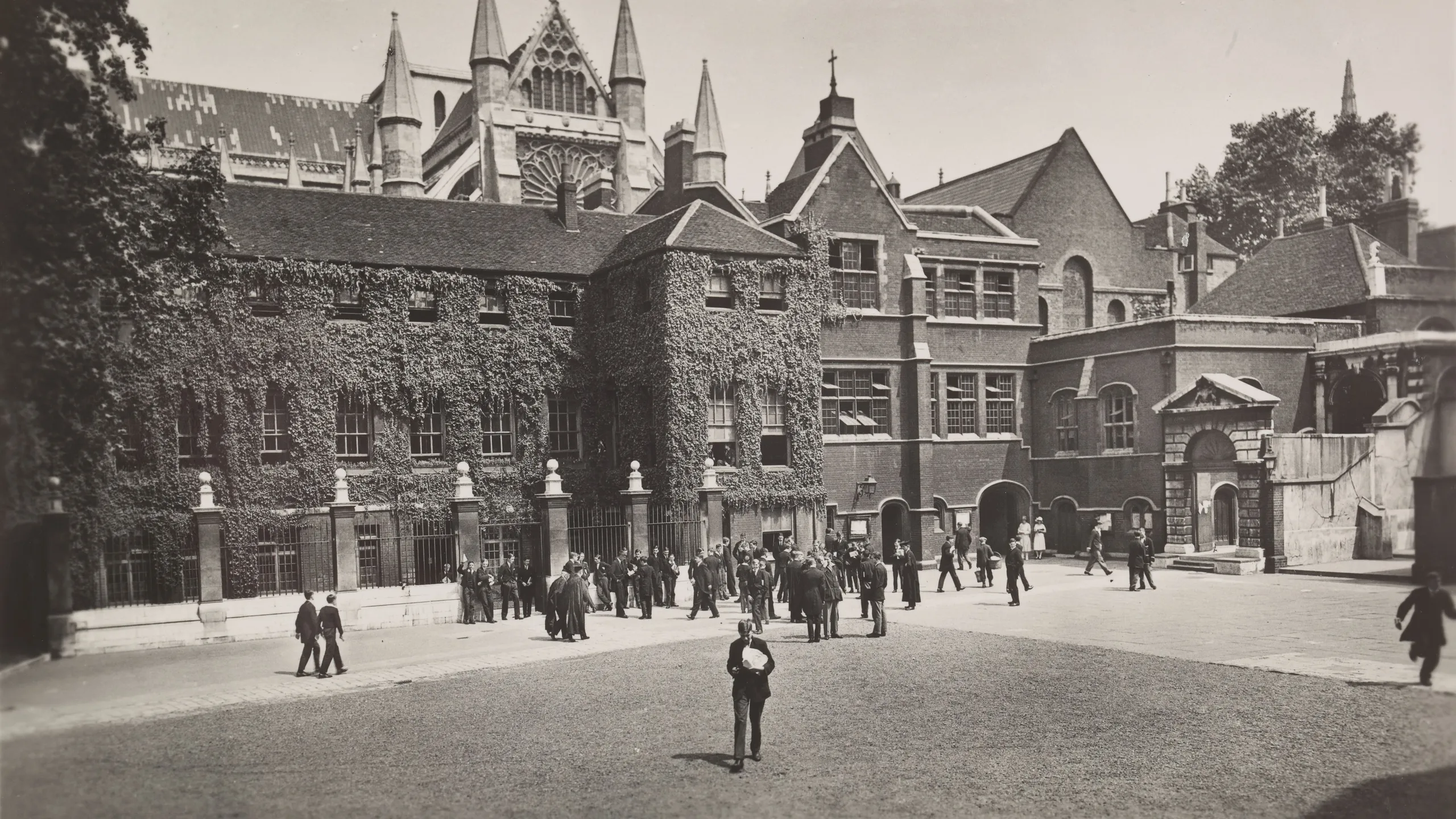
London’s historic public schools
The most prestigious schools attracted students from far and wide. These ‘public schools’ originally took students from a mix of backgrounds, but became dominated by rich, powerful families. London’s surviving public schools include Westminster (founded 1179), St Paul’s (1509) and Harrow (1572). The Merchant Taylors’ School (1561) and Charterhouse (1611) have both moved beyond the city.
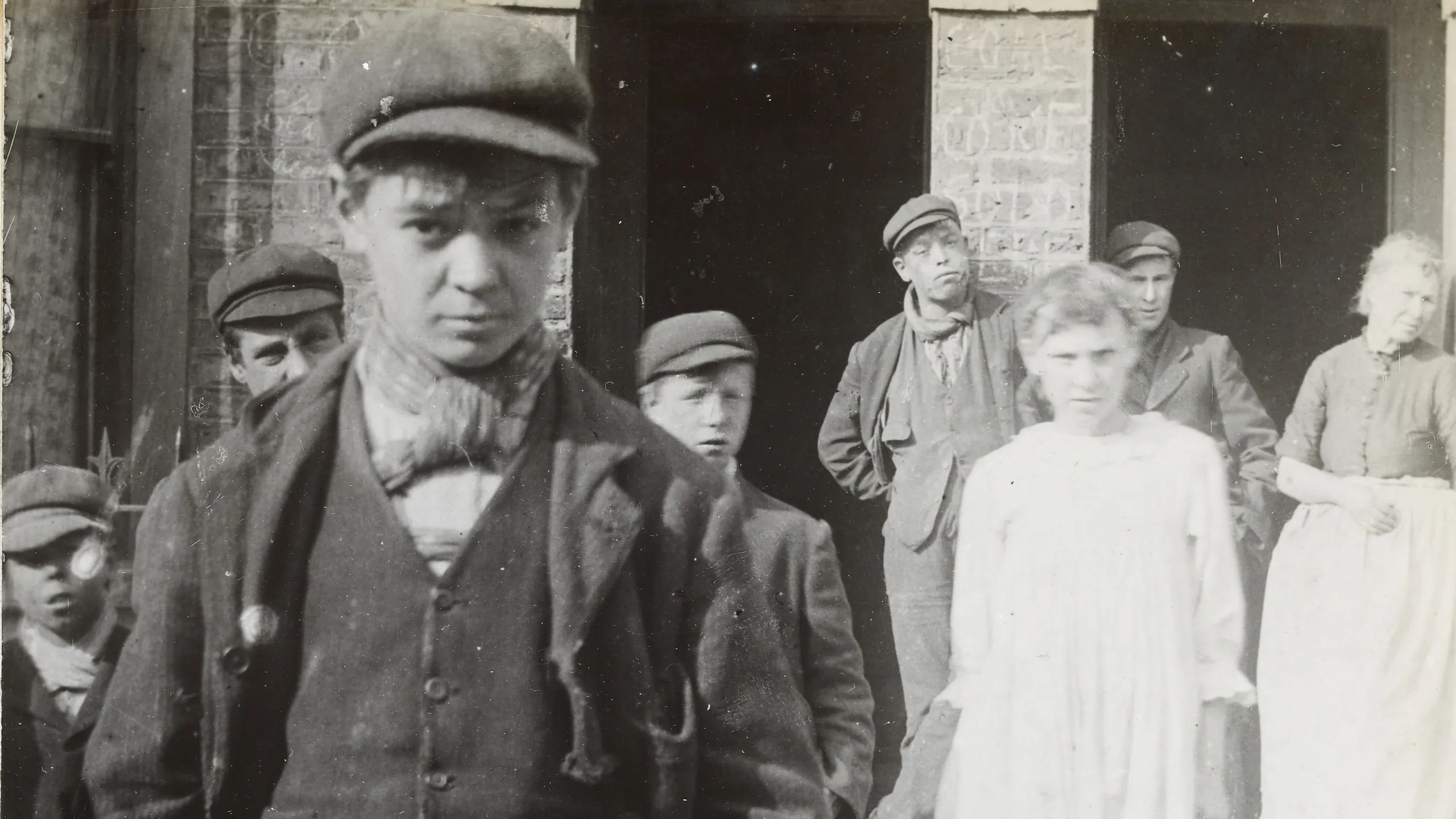
Ragged schools
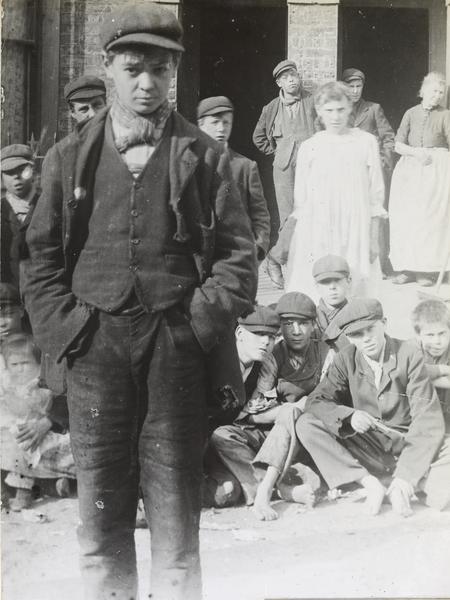
Calls to provide education for working-class children grew in the 1800s. A wave of new free schools were named ‘ragged schools’, after the ‘ragged’ state of their students, many of whom lived in severe poverty. Charity-owner Thomas Barnardo opened one in Mile End, east London, in 1877, which has now been converted to a museum. Barnardo’s charity continues today.
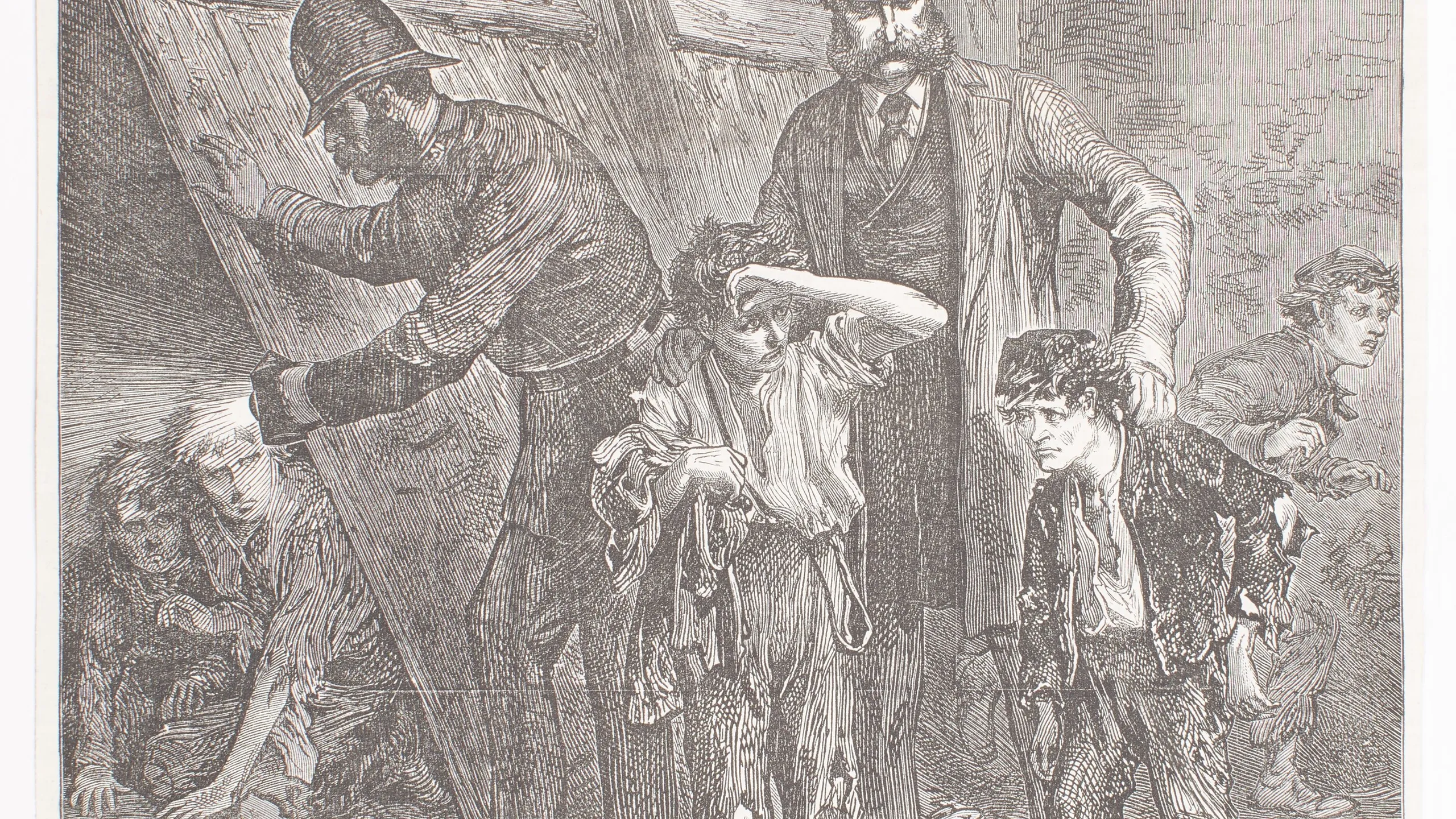
Education became compulsory in the 19th century
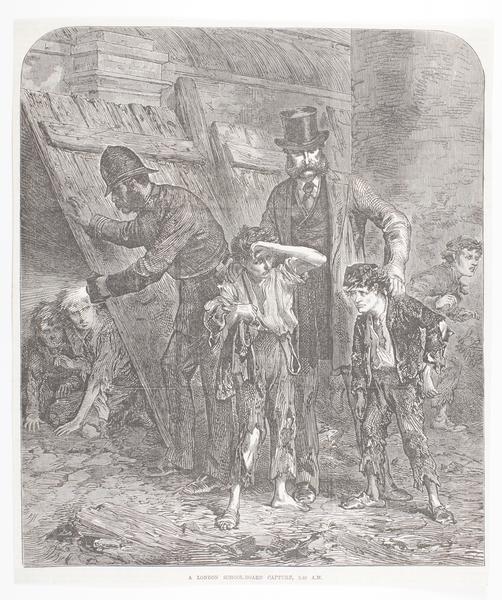
The government acted on education in 1870, introducing school boards to manage schools and create them where they were needed. In 1880, schooling was made compulsory for children aged 5–10. But getting children to lessons was harder than changing the law. This illustration shows children being rounded up by the school board in Charing Cross.
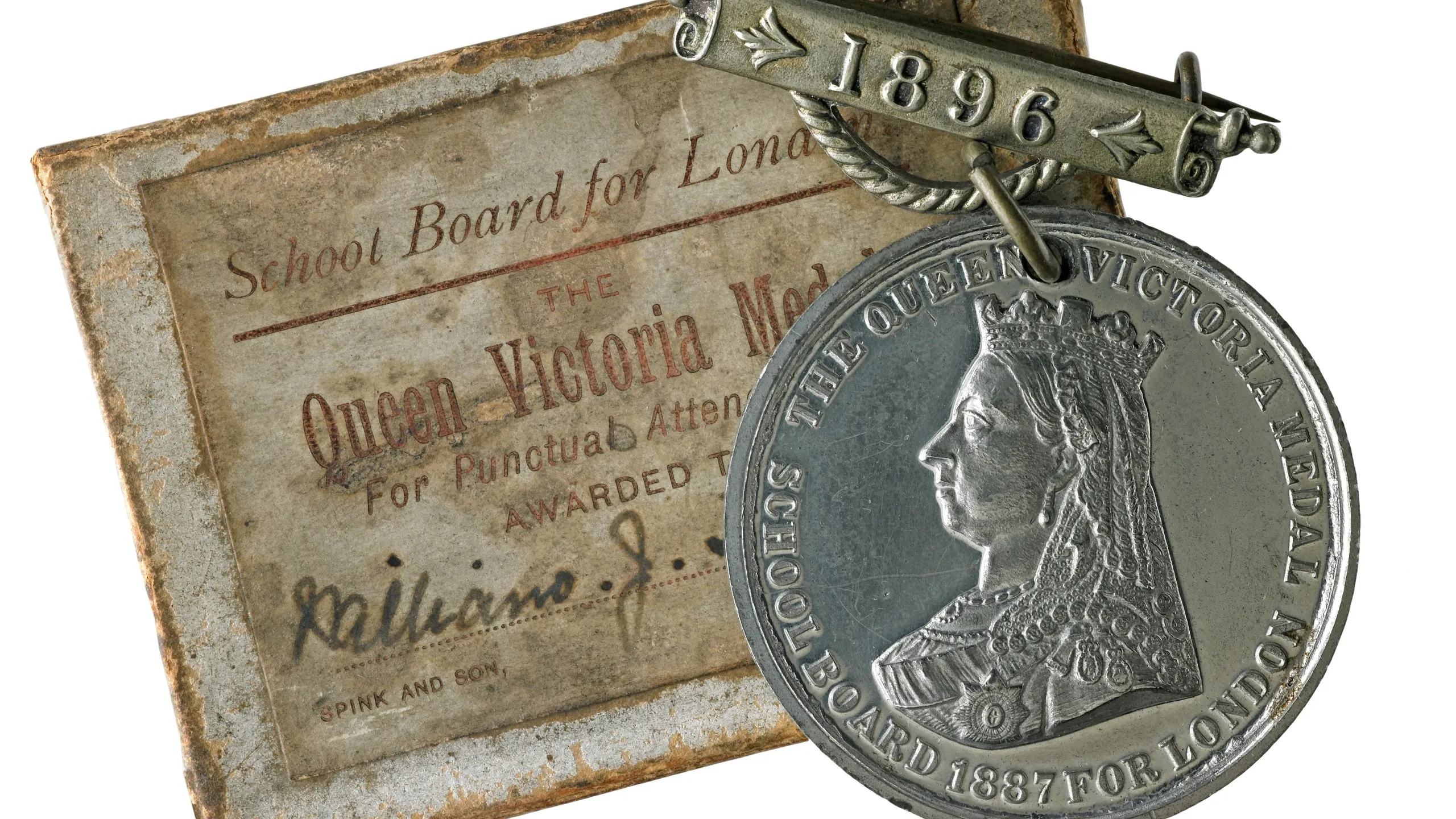
Medals rewarded good attendance
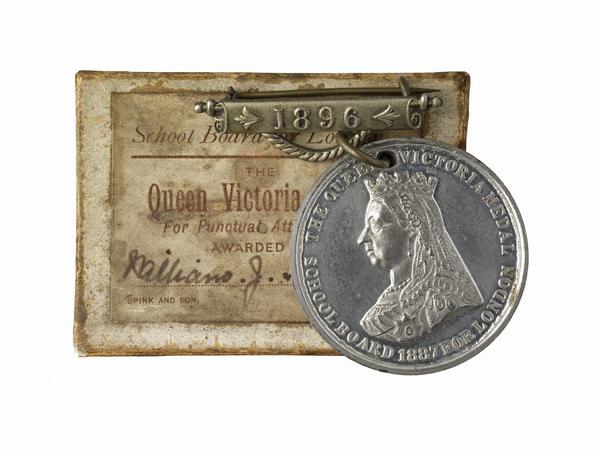
The London school board gave out medals like this to encourage children to go to school, at a time when many were still needed by their families for work. One one side, it reads: "Awarded to W.J. Seaman for punctual attendance every time the school was opened during the school year ended 1896".
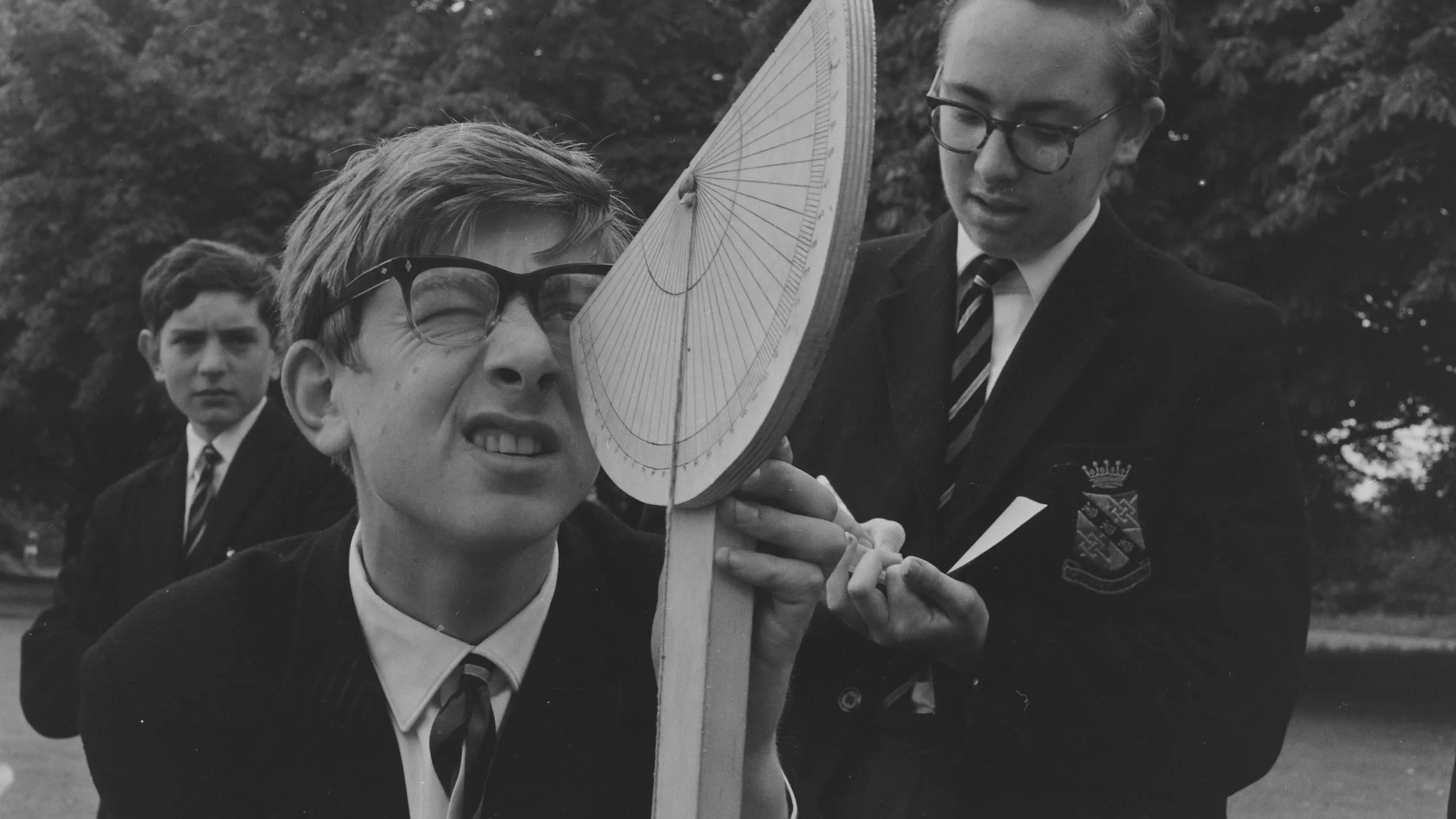
Education expanded in the 20th century
The school leaving age crept up from 12 to 14 in 1918, to 15 in 1947 and to 16 in 1972. The 1944 Education Act made secondary education free for all. It also introduced the 11-plus test to sort students into grammar, secondary modern and technical schools. But comprehensive schools, which welcomed all students and merged academic and technical subjects, became more common in the 1970s.
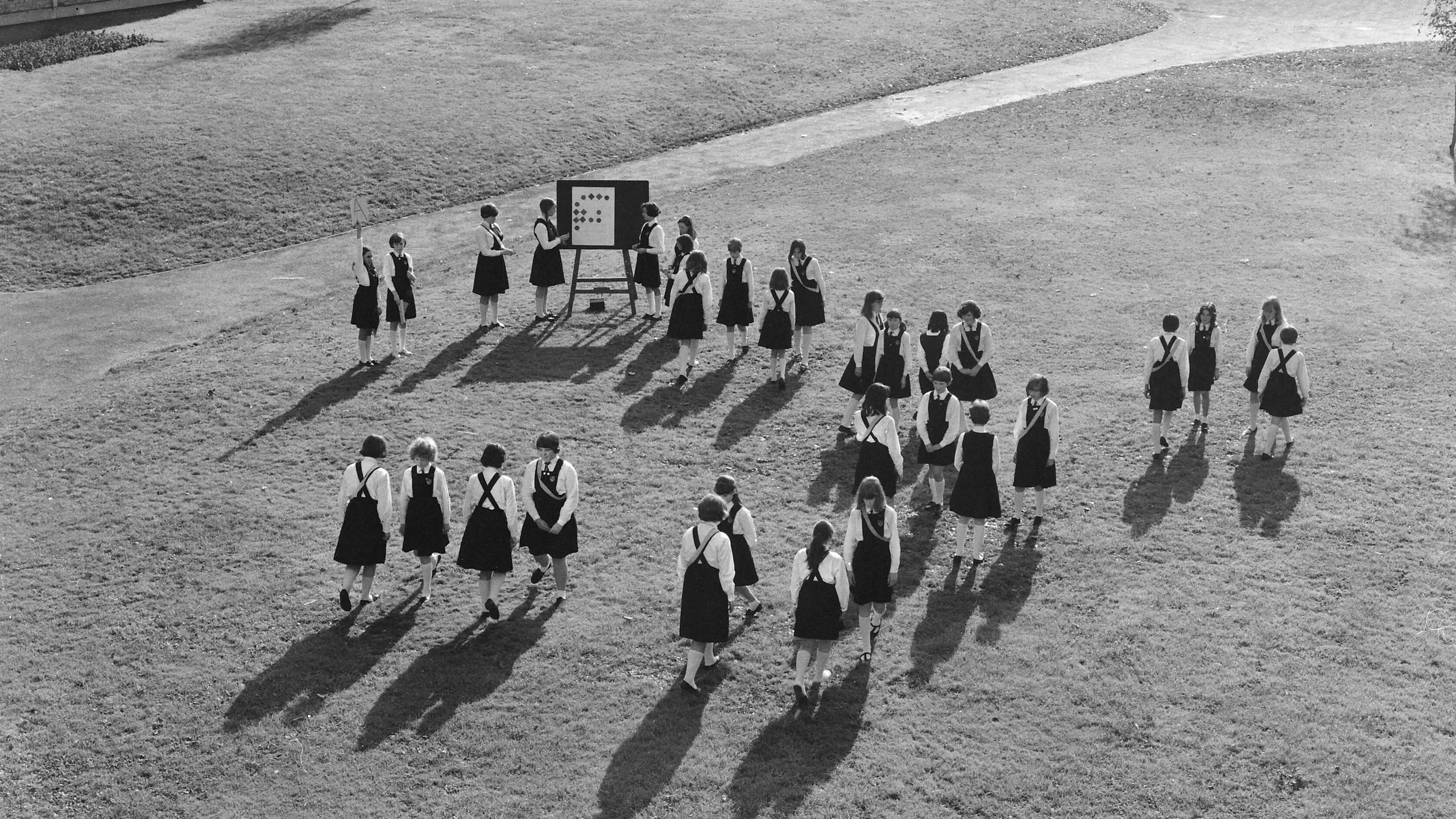
Schools for girls
Until the 20th century, schools typically taught boys and girls separately. James Allen’s Girls’ School in Dulwich dates back to 1741, when it taught girls to read and sew. In 1850, educator Frances Mary Buss opened her pioneering North London Collegiate School, preparing girls for university or professional careers. By the mid-1970s, most children were taught in mixed schools.
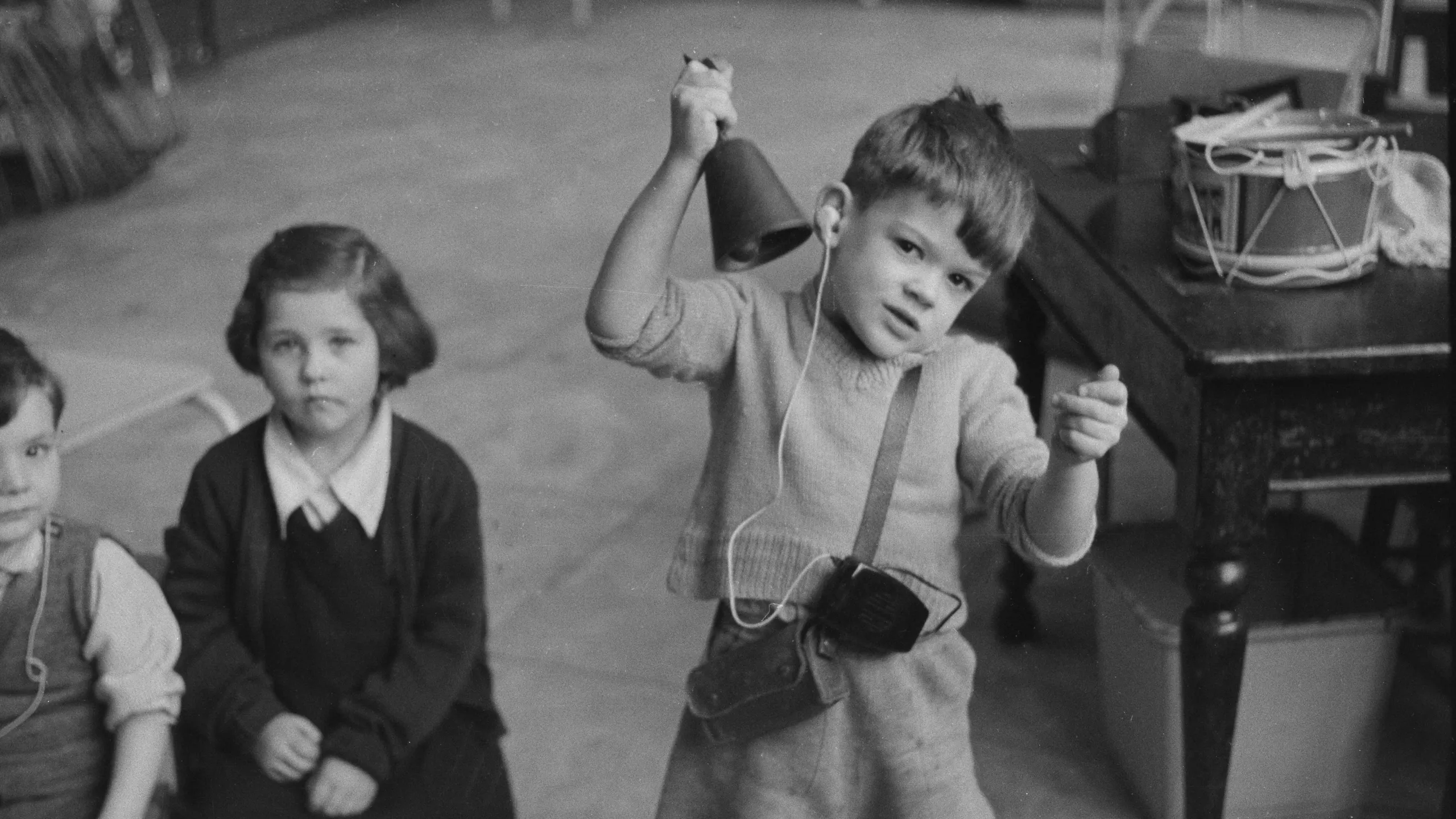
A school for D/deaf children
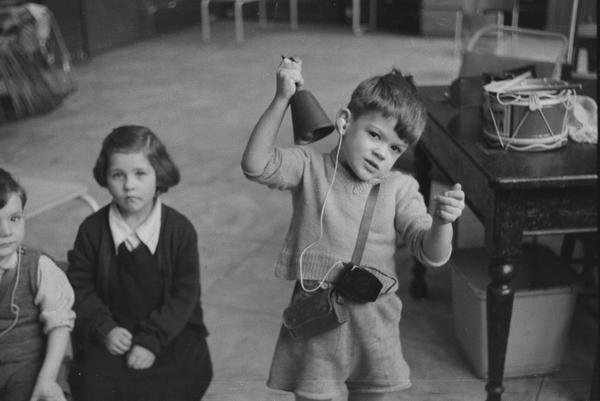
Certain London schools have long provided for disabled students. The school pictured here is the Old Kent Road School for the Deaf in Southwark. It was founded in Bermondsey in 1792 and moved to Old Kent Road in 1809.
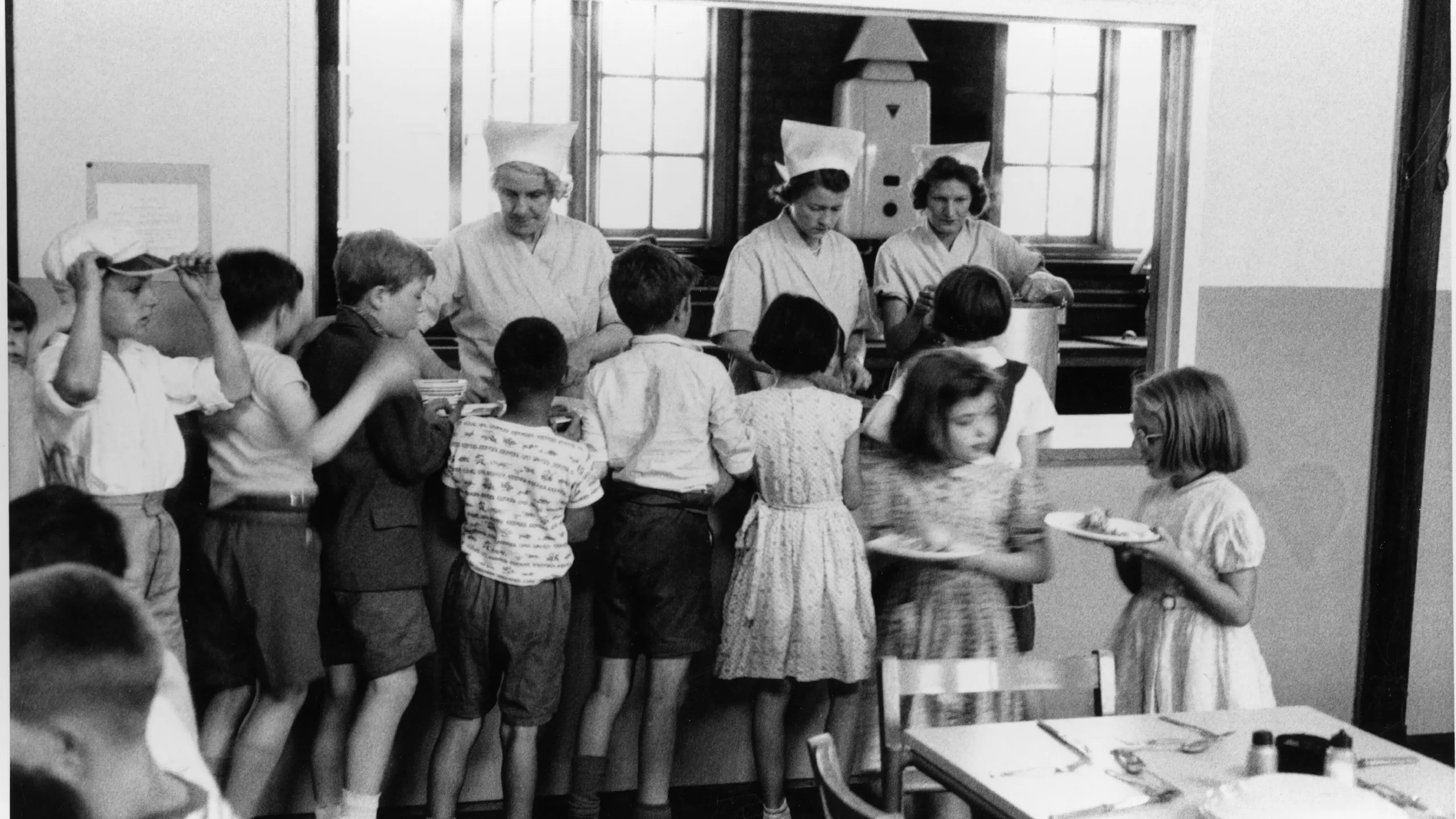
School dinners
The 1944 Education Act made it compulsory for schools to provide free meals for children when their parents couldn’t afford to pay. Cue decades of dinners that inspire nostalgia and disgust in equal servings.
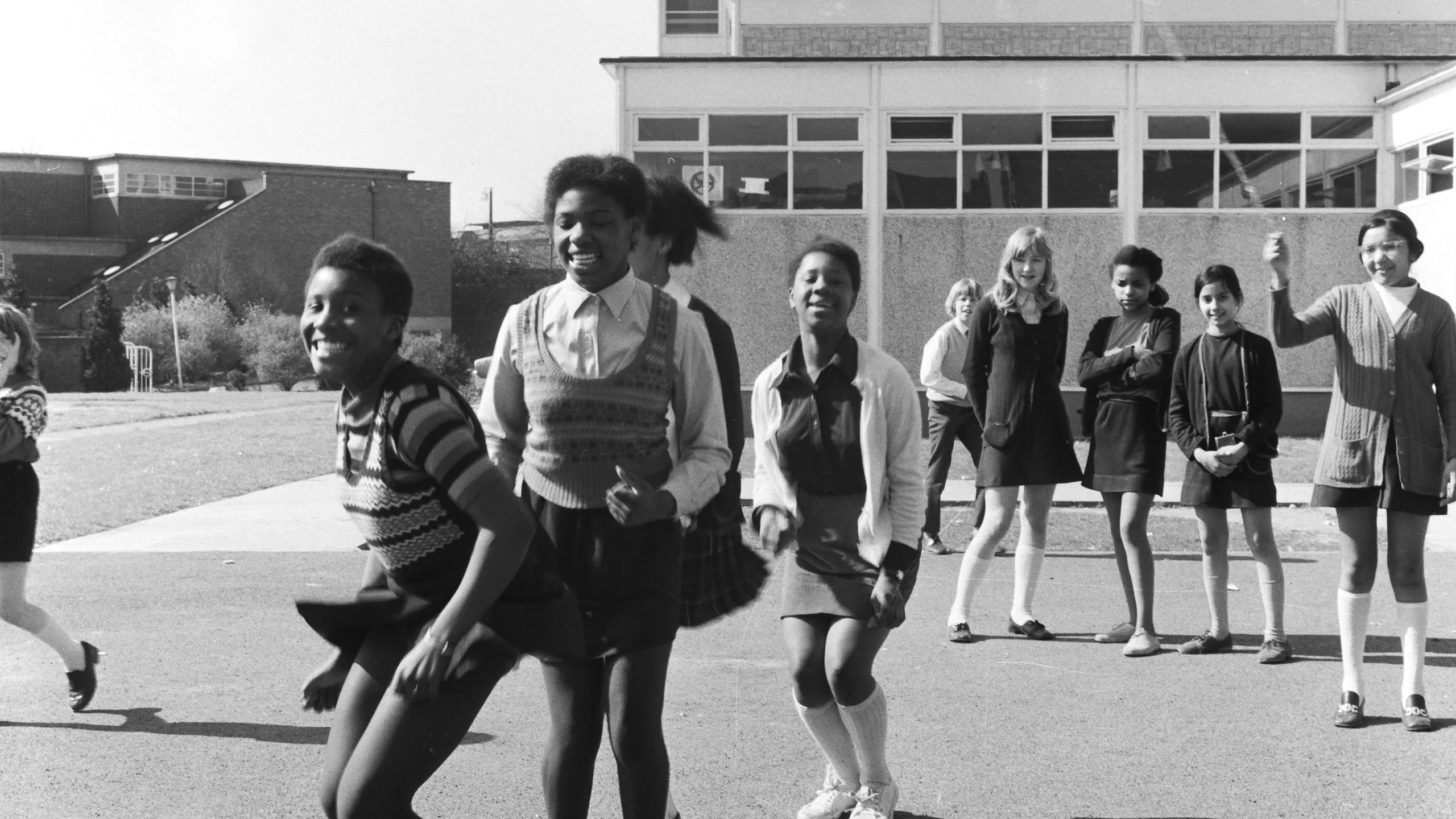
Playtime
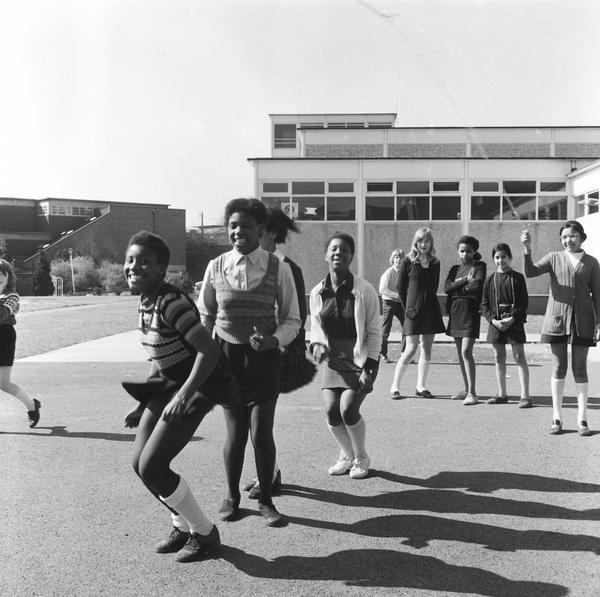
The school playground has always been a place to vent some pent-up energy, a chance to gossip, scheme, dream, scrap and play.
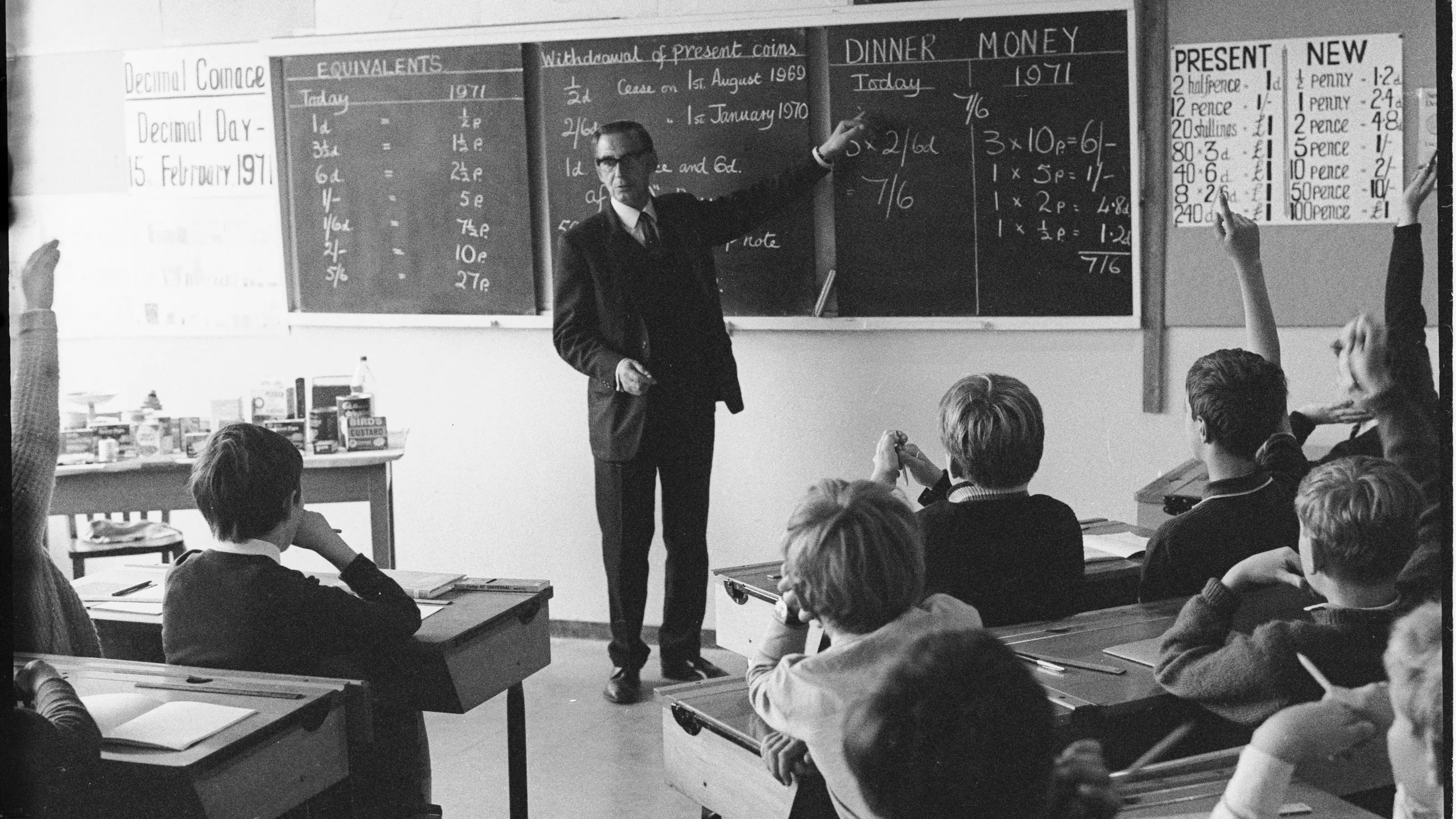
Hands up for nostalgia
Many Londoners will remember wooden desks and the scratch of chalk on the blackboard. For a different generation, the squeak of markers on whiteboards is just as nostalgic. School has become a central part of most childhoods, a time that can mould our identities, social circles and ambitions. It’s no wonder we’re left with powerful memories.
Tags
-
Paintings, Prints & Drawings
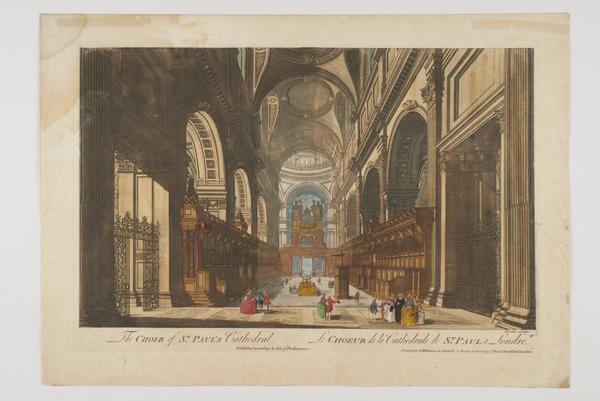 Paintings, Prints & Drawings
The Choir of St Paul's Cathedral (coloured engraving)
Bowles, John, Wilkinson, Robert
1786-1825
-
-
Paintings, Prints & Drawings
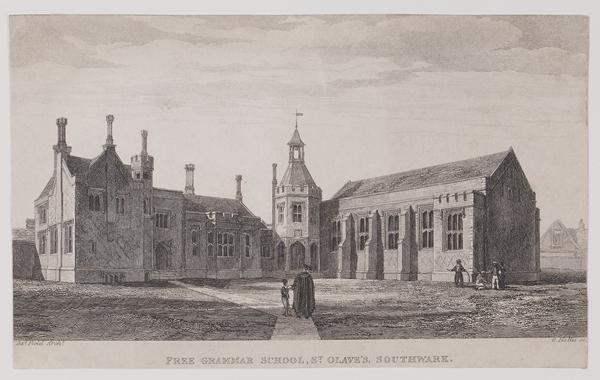 Paintings, Prints & Drawings
Free Grammar School, St Olave's, Southwark (engraving)
Hollis, G., Gentleman's Magazine
1836-01
-
Photography
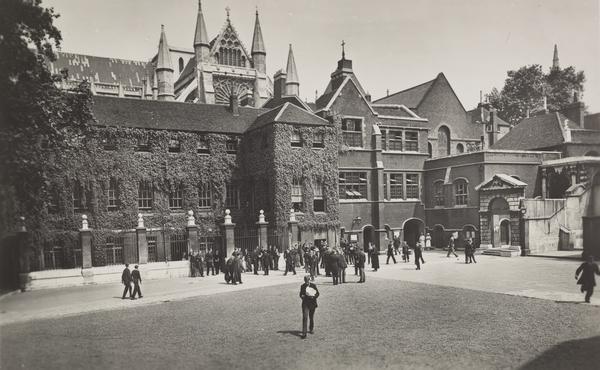 Photography
The frontage of Westminster School, Dean's Yard (silver gelatin print)
Reid, George Davison
1920-1933
-
Printed Ephemera
 Printed Ephemera
A London School-Board Capture, 2.40 am (newspaper cutting)
Illustrated London News, Hopkins, Arthur
1871
-
-
Photography
-
Photography
-
Photography
-
Photography