A history of Chelsea Flower Show
Run by the Royal Horticultural Society in the Royal Hospital Chelsea, this prestigious flower show has been a firm fixture on London’s springtime calendar for over 100 years.
Kensington & Chelsea
Since 1913
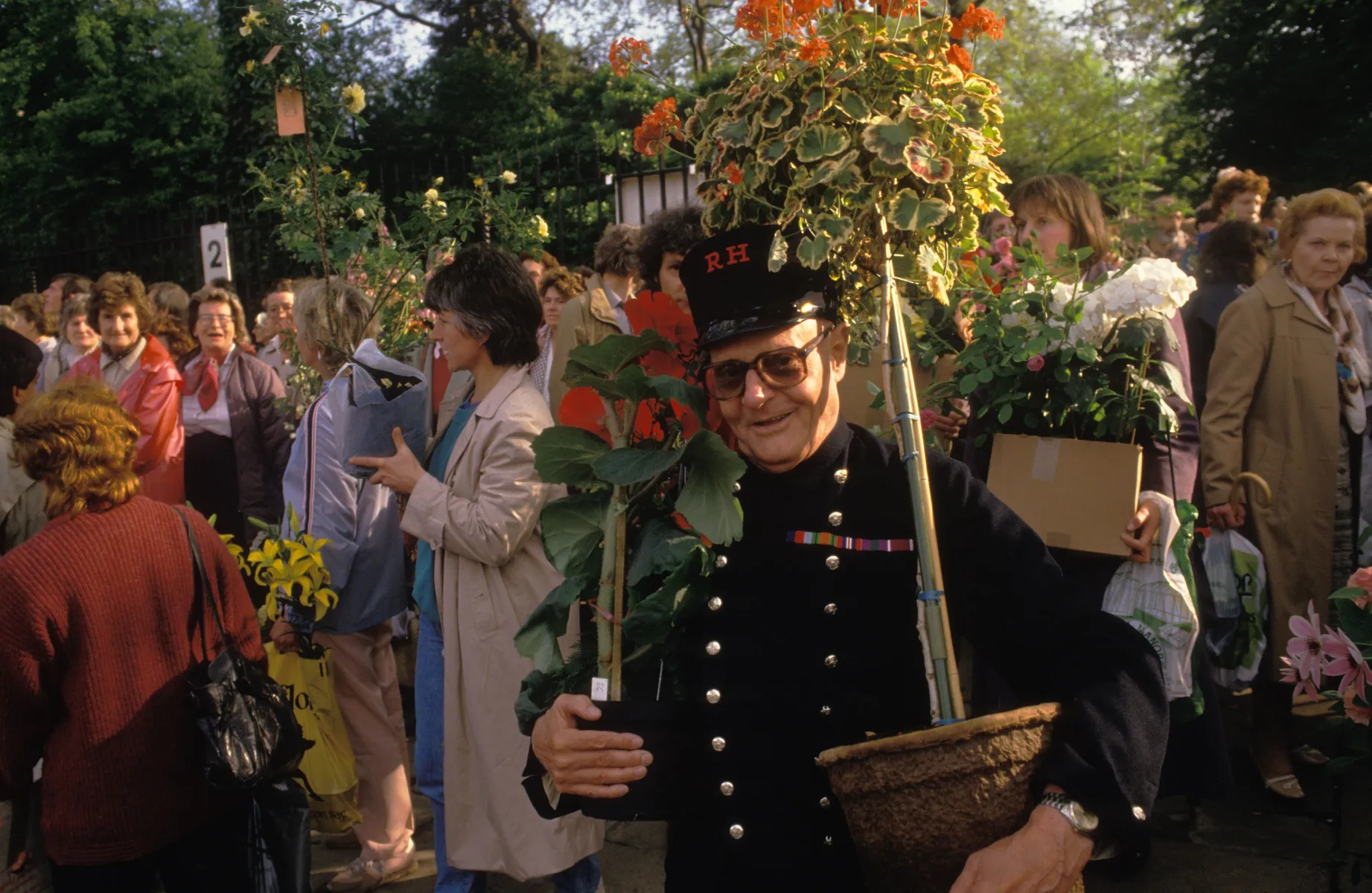
A Chelsea Pensioner takes home some flowers on the last day of the 1984 Chelsea Flower Show.
A yearly showcase of what’s hot in horticulture
If you’re into your horticulture – that’s the science and art of growing fruits, vegetables, flowers or ornamental plants – then you’ll have probably heard of the Chelsea Flower Show.
This May showcase of new garden design, plant innovations and floral displays is considered the top ticket of Britain’s annual flower shows.
The first official Chelsea Flower Show was held on the grounds of the Royal Hospital Chelsea in west London in 1913. But its history stretches back well into the 1800s, emerging from early flower competitions held by the Royal Horticultural Society (RHS).
The event moved around London before settling in its permanent home. It was cancelled during two world wars, has withstood the ever-unpredictable British weather and, as it became increasingly popular over the 1900s, managed serious overcrowding.
The RHS and 19th-century flower shows
The RHS was founded in 1804 as the Horticultural Society of London, with headquarters on Regent Street. At their meetings, members read papers about horticulture and exhibited interesting plants. The first exhibit? A potato.
From the 1820s, the Society ran outdoor flower shows and competitions at their garden in Chiswick, west London. Despite the pricey entrance fee, the shows were very popular, attracting some of London’s fashionable upper classes.
The successful Chiswick events evolved into what the RHS called the Great Spring Show, held at their garden in Kensington in 1862. It was moved into central London to one of the city’s oldest gardens, Temple Gardens, in 1888. This is a little green haven in one of the Inns of Court, which are buildings where barristers and law students have trained since medieval times.
-
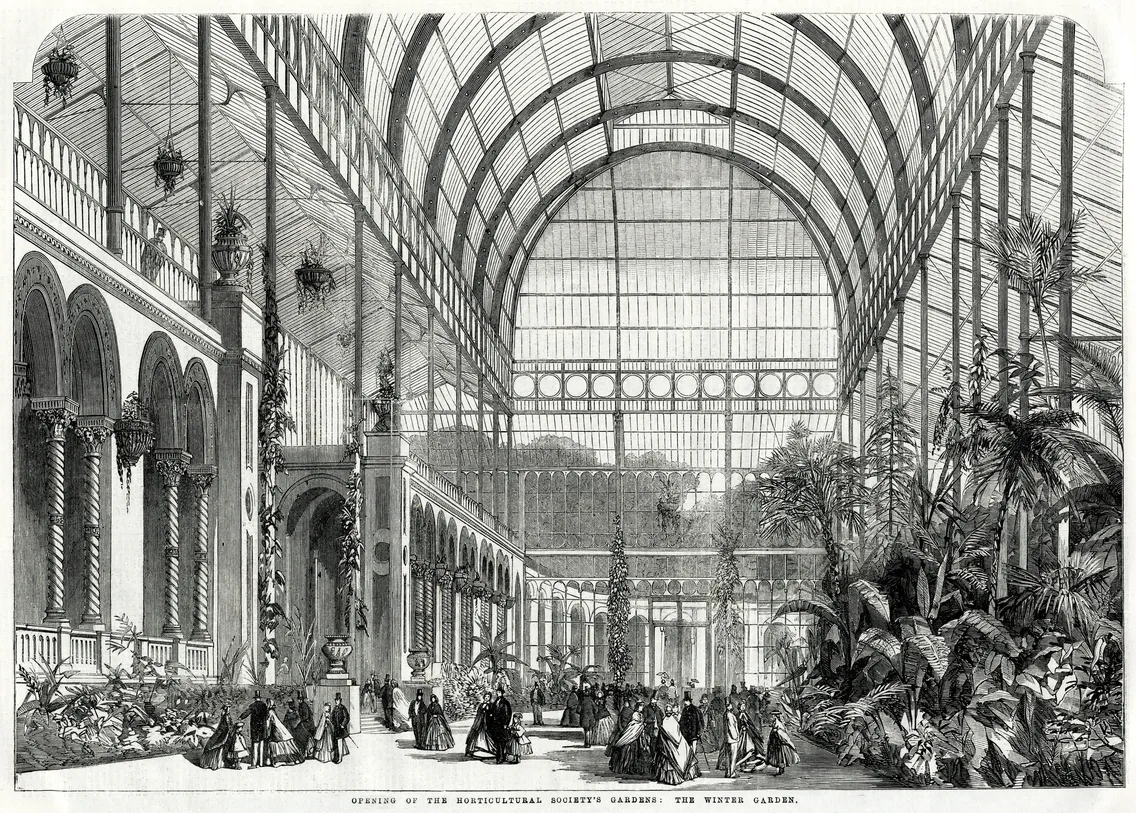
Royal Horticultural Society Gardens at South Kensington, 1861.
Flower shows were also held by rival societies elsewhere in London, such as the Metropolitan Society of Florists and Amateurs and the Royal Botanic Societies.
“so large and numerous were the groups, and so magnificent the quality of the varied exhibits”
Gardeners’ Chronicle, 1913
A new home at the Royal Hospital Chelsea
In the early 1900s, the Great Spring Show had outgrown its small plot of land by the River Thames. The lawyers who worked by the gardens had also started to get a bit fed up with the event happening on their grounds.
So in 1913, the RHS moved west to the larger grounds of the Royal Hospital Chelsea, a retirement home for British Army veterans known as Chelsea Pensioners. On 20 May, the first Chelsea Flower Show opened its doors.
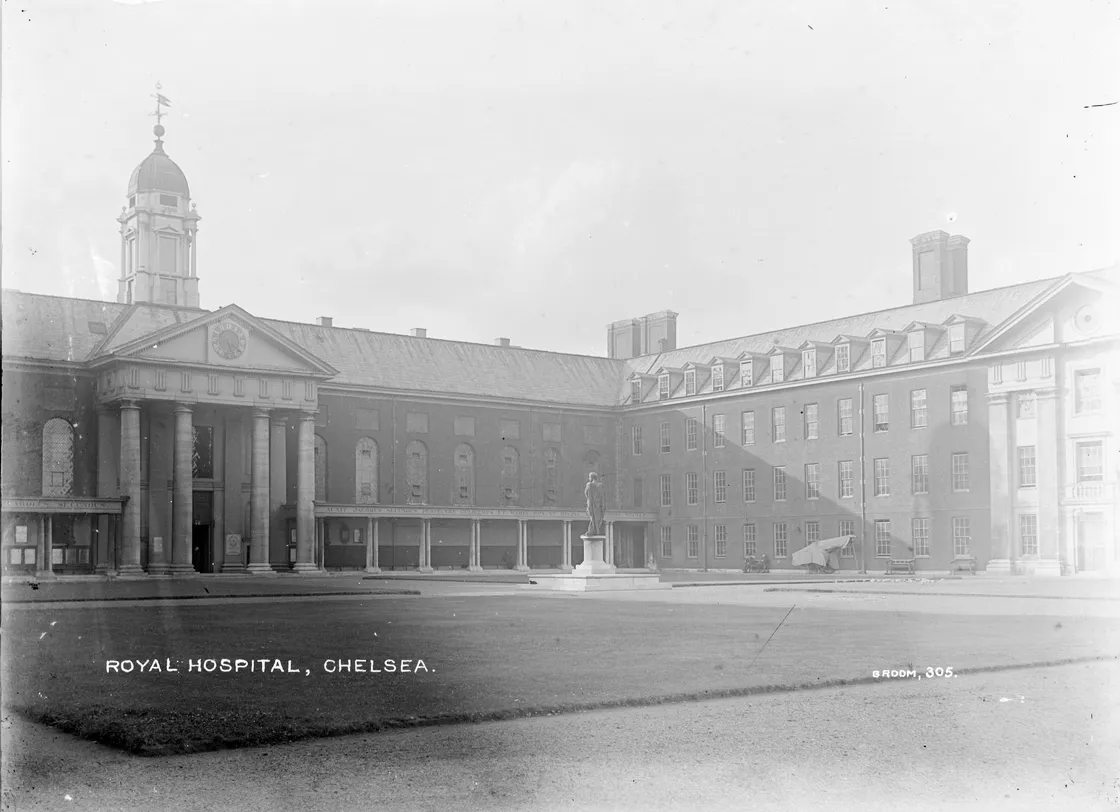
Photographer Christina Broom captures the Royal Hospital Chelsea in the early 1900s.
There were 244 exhibitors that year – almost double the 126 that were at Temple Gardens.
You could explore 95 exhibition tables of flowers, plants and shrubs packed into the show’s big tent, and roam around the 17 outdoor show gardens.
The Chelsea Flower Show “exceeded all expectations,” declared Gardeners’ Chronicle, “so large and numerous were the groups, and so magnificent the quality of the varied exhibits”.
One of London’s popular spring events
The Chelsea Flower Show was soon at the top spot on the country’s horticultural calendar. It’s always been hugely popular, withstanding criticism of its expensive entry fees. The royal family always visits, and the BBC have been broadcasting the event to our tellies since 1958.
But it's struggled to manage the throngs of flower fans that try to squeeze into the relatively small space. In 1979 and 1987, organisers had to shut off the turnstiles because of fears of overcrowding.
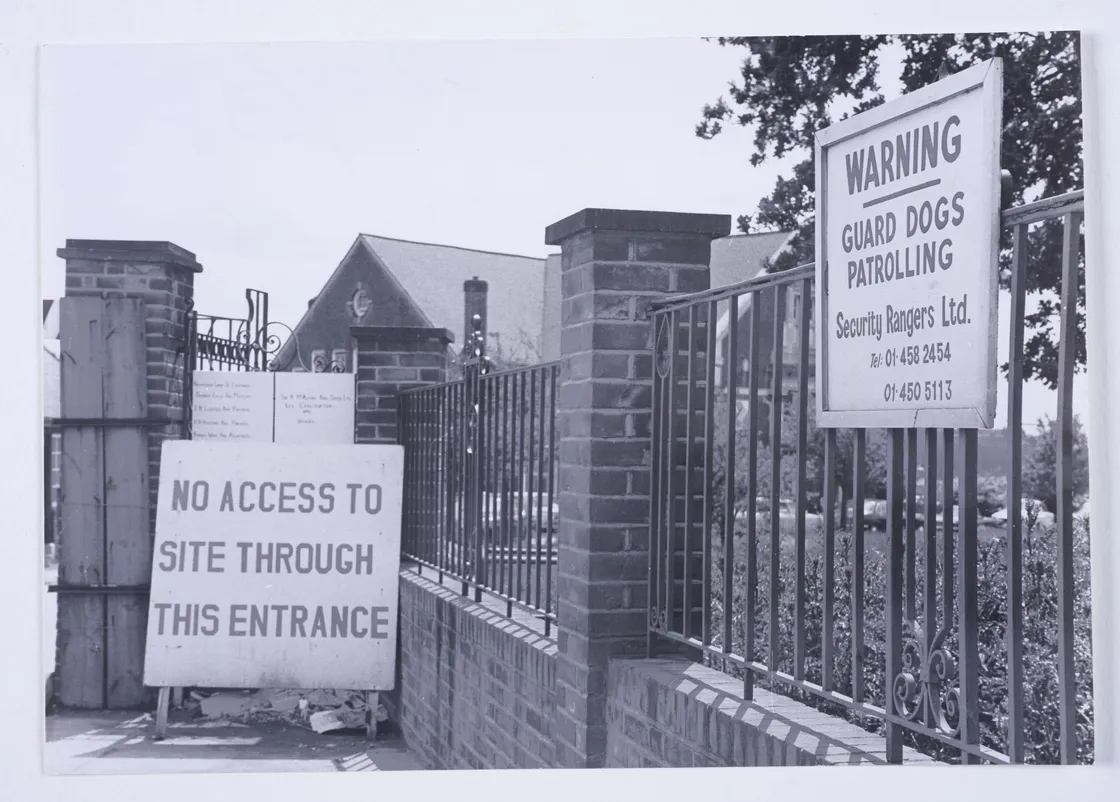
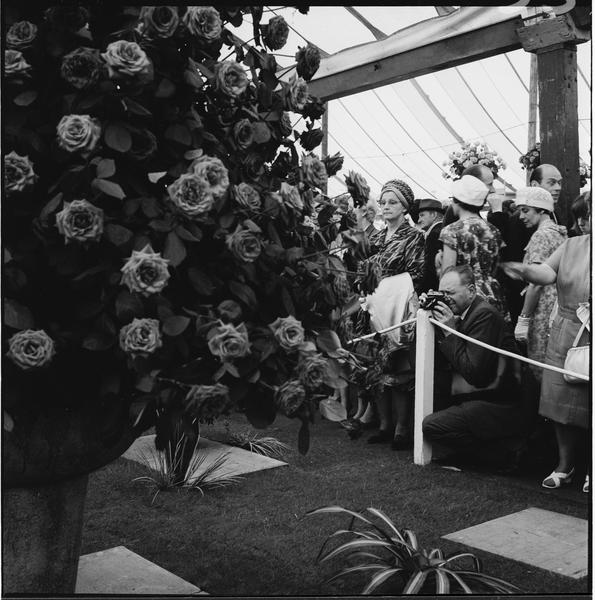
Some of the security measures for the 1964 show, including “guard dogs patrolling”.
Chelsea’s challenges
Battling the crowds hasn’t been the only issue Chelsea Flower Show has faced over more than 100 years.
The event was called off for two years during the First World War (1914–1918) and seven years during and after the Second World War (1939–1945). Not only was this kind of gardening seen as unsuitably indulgent during wartime, men were conscripted into the armed forces, impacting the businesses who’d usually take part.
The event has only been cancelled once since: in 2020, during the first Covid-19 lockdown.
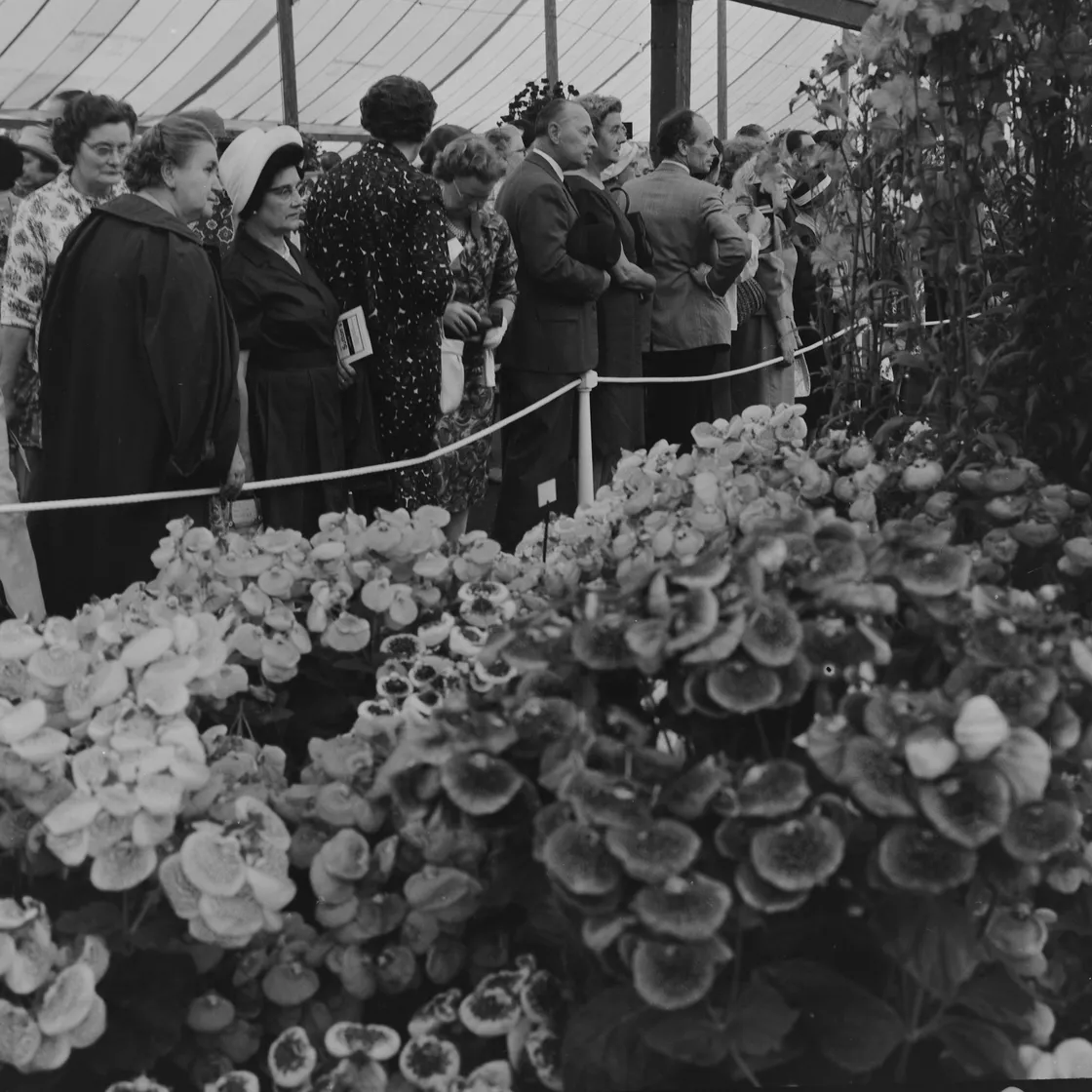
Photographer Henry Grant snaps the 1964 Chelsea Flower Show.
Then there’s the British weather the show’s had to contend with. Thanks to some rain-soaked springs, the show gardens fell apart in 1932, the site flooded in 1971 and the bookshop collapsed in 1995. It once earned itself the nickname ‘Chelsea Shower Flow’ after a particularly wet year.
Gardening trendsetting
Chelsea’s displays and show gardens showcase the latest gardening trends and innovations. They provide inspiration to amateurs and professionals alike.
In the early 1900s, rock gardens were the height of fashion as they were expensive to build and maintain. Modernism, with all its clean lines and concrete, was popular in garden design in the 1960s. And in the 1990s, gardens that looked like natural landscapes, such as the coast, were a new and somewhat controversial trend.
-
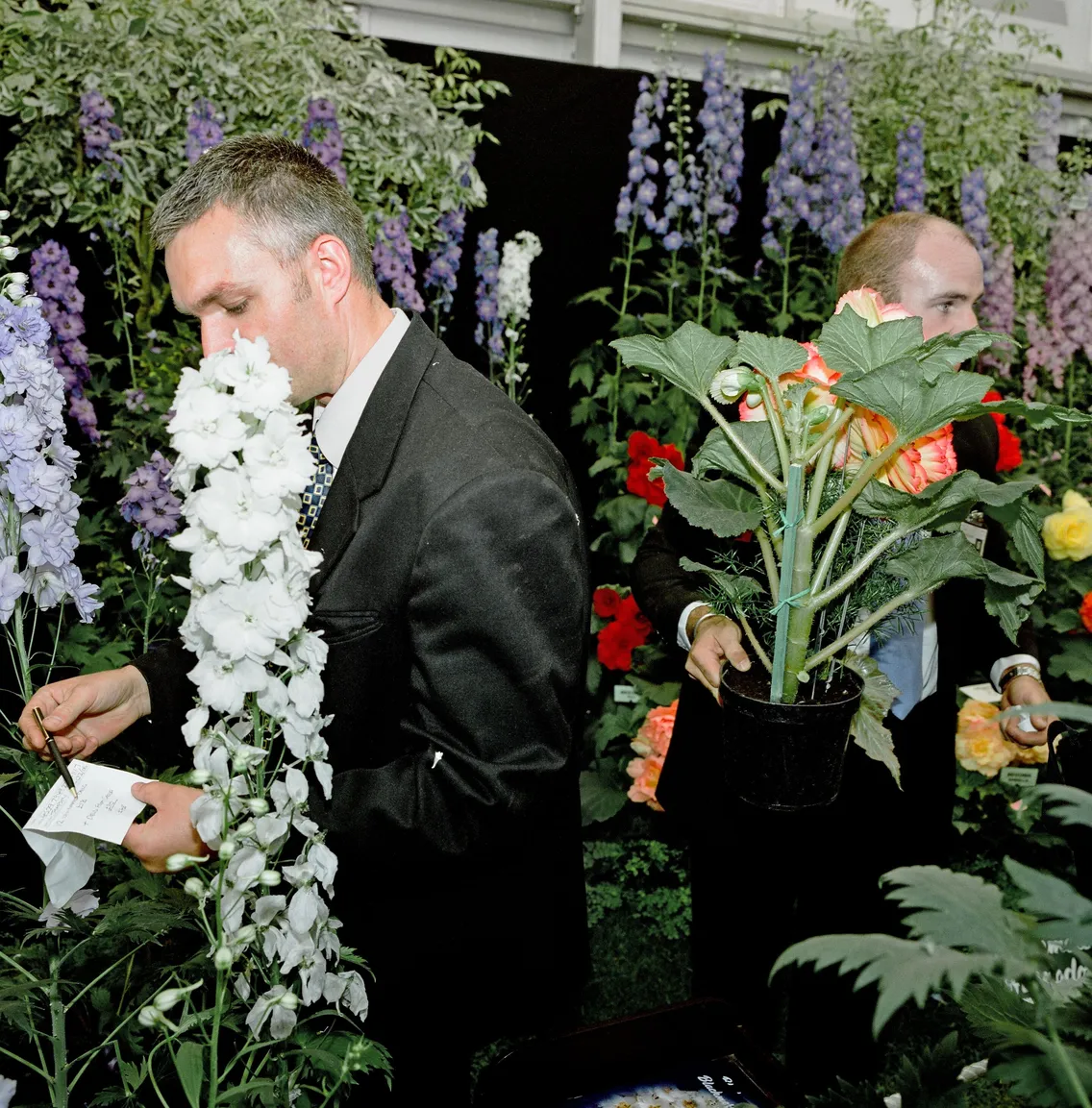
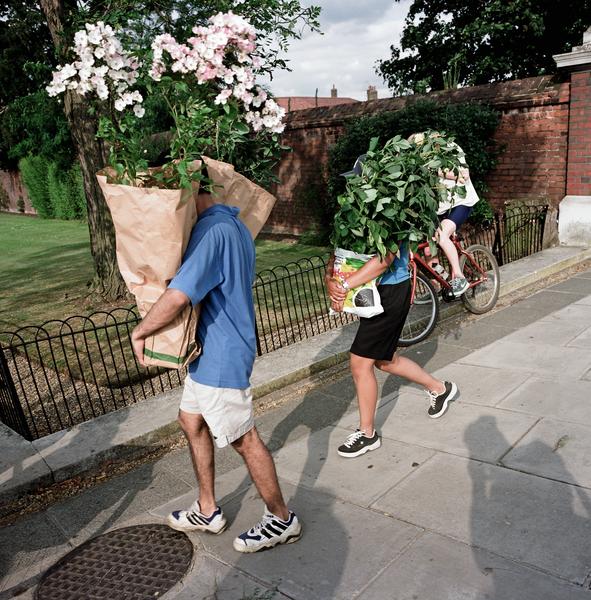
Visitors rush to grab a bargain as exhibitors flog their plants at discount prices on the final day.
-
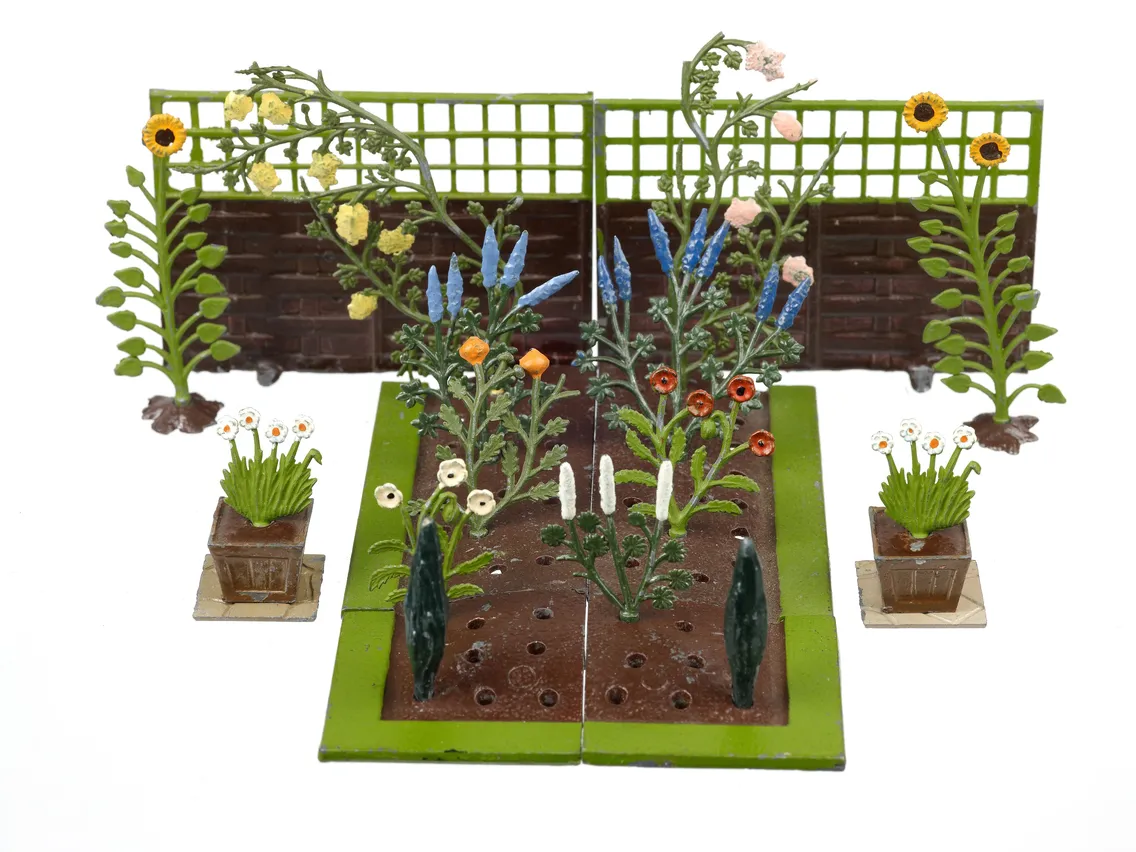
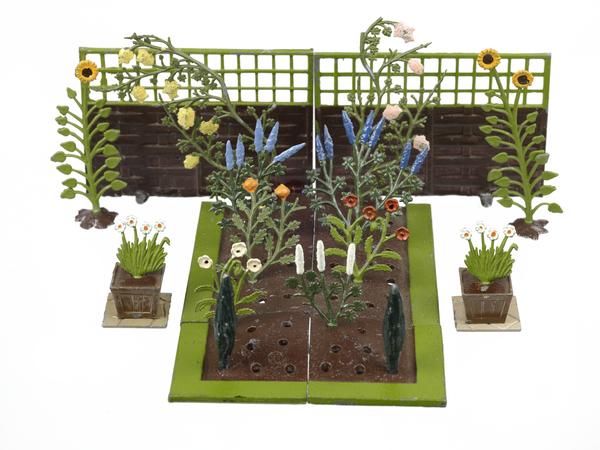
20th-century toy gardens were advertised to avid gardeners keen to plan their designs.
Exhibits also reflected what was going on in the wider world. Herbs and vegetables were popular displays during the economic depression of the 1930s. And after the Second World War, Chelsea exhibitors explored what could be done with the bomb sites around St Paul’s Cathedral.
Then there was the 1959 ‘Garden of Tomorrow’, where you could get a glimpse at the gardens of the future with radio-controlled lawn mowers, electric bird scarers and watering devices.
More recently, sustainability has become a key theme for the show. Garden designers have responded to issues such water management, biodiversity and adapting to the climate crisis.
Tags
-
Photography
-
Photography
-
-
-
Photography
 Photography
Visitors leaving the last day of the Hampton Court Flower Show with their purchases (pigment print)
Baldesare, Paul
2002