Hatton Garden: London’s diamond & jewellery quarter
In the 19th century, skilled craftspeople working in precious metals and gems transformed this pocket of Camden into Britain’s jewellery centre. Today, Hatton Garden is famous for diamonds and craftsmanship – as well as some high-profile heists.
Hatton Garden, Camden
Since 1576
The gem of Britain’s jewellery crown
Hatton Garden is both a street and its surrounding area, nestled between Clerkenwell, Holborn and Farringdon. In the 17th century, fashionable housing was built here on an old medieval estate. Then, from the 19th century, jewellers, metalworkers and diamond businesses transformed the area into a commercial centre.
‘The Garden’, as locals call it, is best known as one of the world’s diamond capitals. But it's always had a mixture of things going on. Here, a close-knit community of skilled craftspeople have worked together in close quarters across different trades, speaking many different languages.
Today, Hatton Garden is mostly a retail space. Its shops draw in loved-up couples looking for engagement rings, or promise cash deals in exchange for jewellery and gold.
Christopher Hatton and Ely Palace
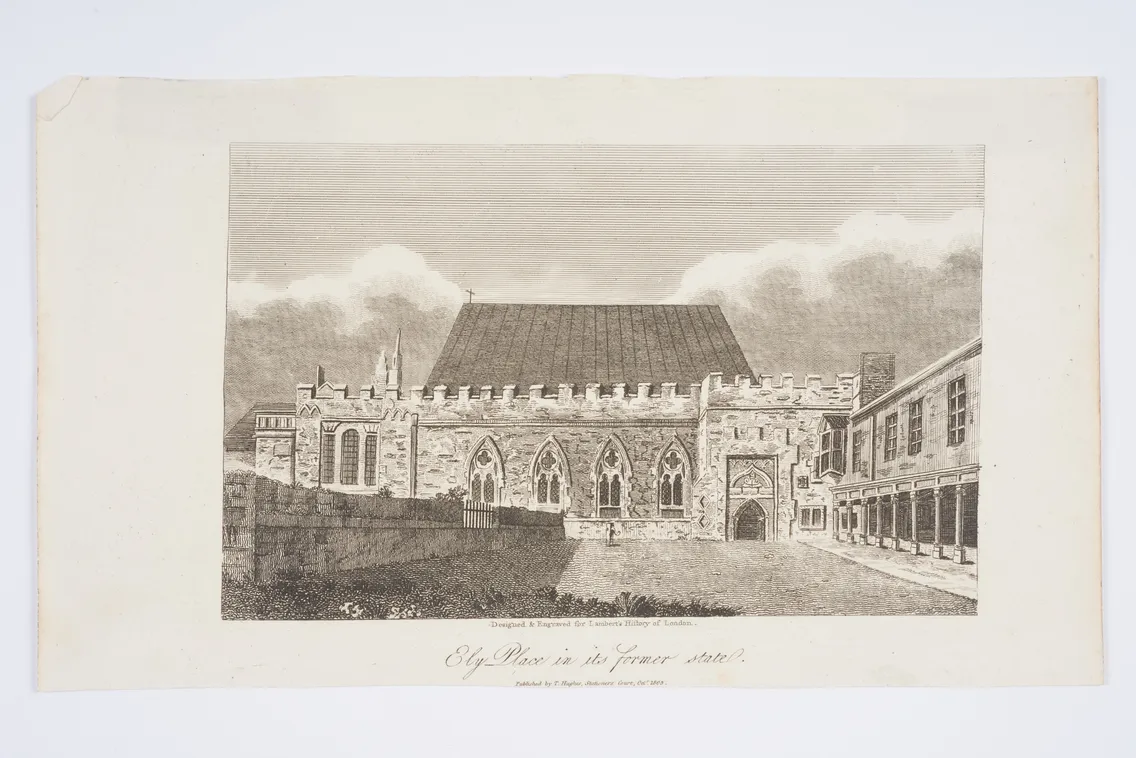
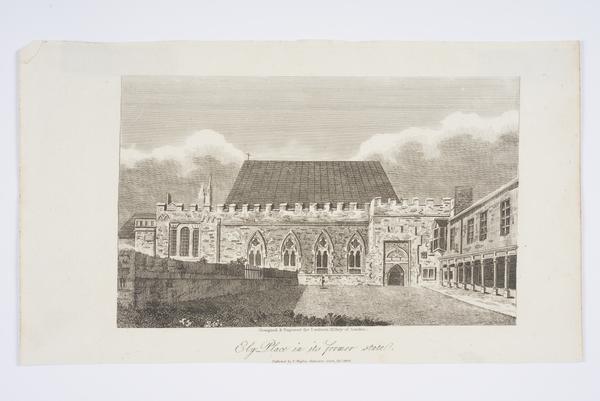
Hatton Garden takes its name from Christopher Hatton, a close aide and adviser to Queen Elizabeth I. Elizabeth quite liked Hatton. In 1576, she gave him part of a 13th-century estate called Ely Palace. The palace sat just outside the city walls in what was, back then, open fields.
Hatton either built a new property called Hatton House on the grounds, or transformed part of the existing palace into it. The estate’s meadows, orchard and garden became known as Hatton’s Garden.
Over the following centuries, the Hatton family sold off parts of the beautiful estate to build housing, and fashionable upper-class Londoners moved in. Hatton Street, which is now known as Hatton Garden, was laid down in the mid-17th century. We know some skilled craftspeople, like goldsmiths and watchmakers, worked from their homes there.
By 1800, the Hatton Garden area had transformed from rural fields to a London suburb.
Businesses moved into the area in the 19th century
Over the 19th century, the Garden transformed from a residential to a commercial area. In 1807, there were only 11 businesses related to the jewellery, watch and clock trades in Hatton Garden directories. In 1907, there were 264 – including 35 silversmiths, 45 jewellery manufacturers and 78 firms relating to diamonds.
These businesses rubbed shoulders with many other trades, like printers and bookmakers. Gamages department store occupied a huge, warren-like site between Leather Lane and Hatton Garden from 1878 to 1972.
London’s first Little Italy also emerged in Hatton Garden and the surrounding Clerkenwell and Saffron Hill. Italian migrants who settled in this area worked as opticians or makers of scientific instruments, bringing manufacturing knowledge that helped the Hatton Garden jewellery industry grow.
-
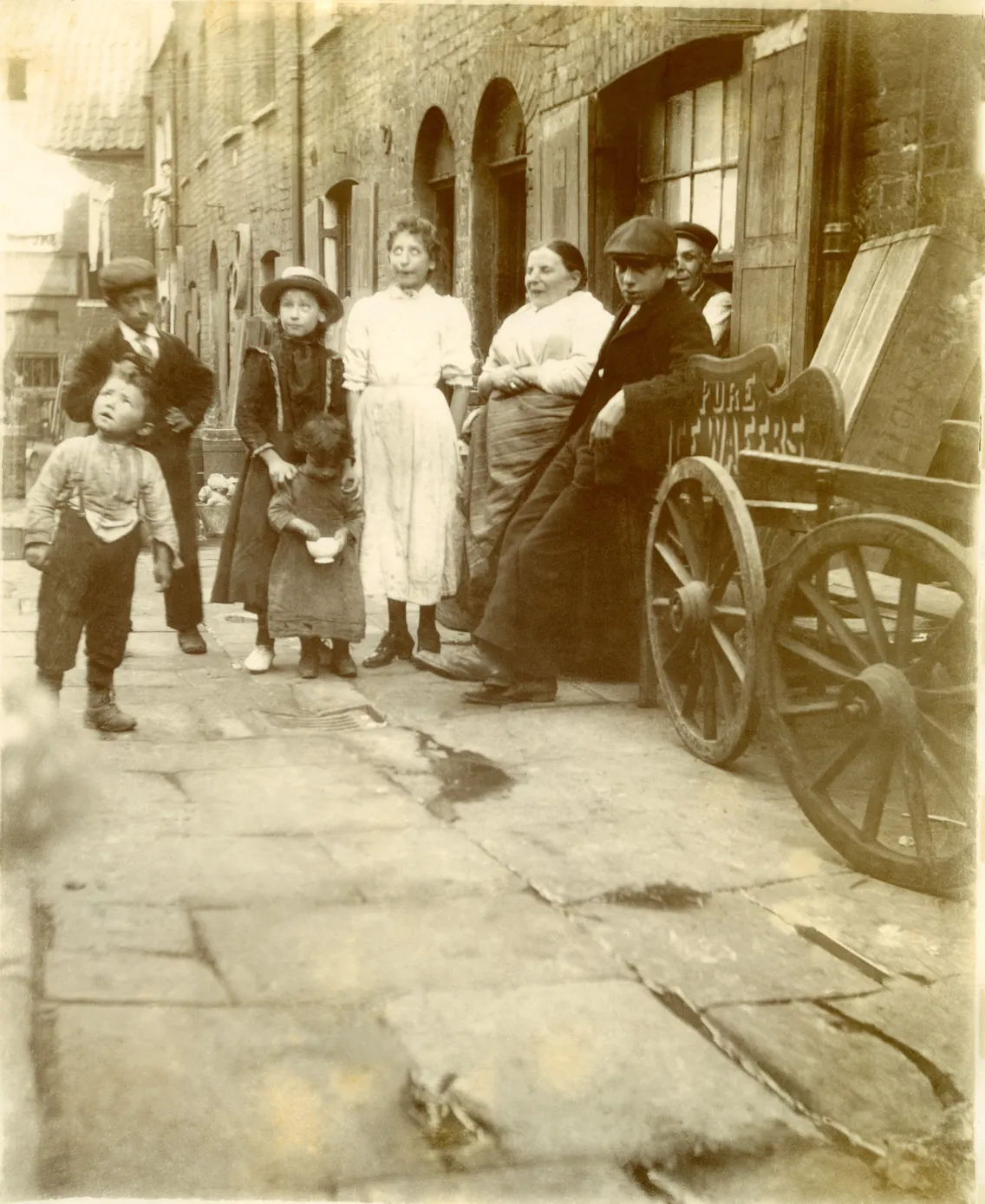
A photograph of an Italian family in Saffron Hill.
-
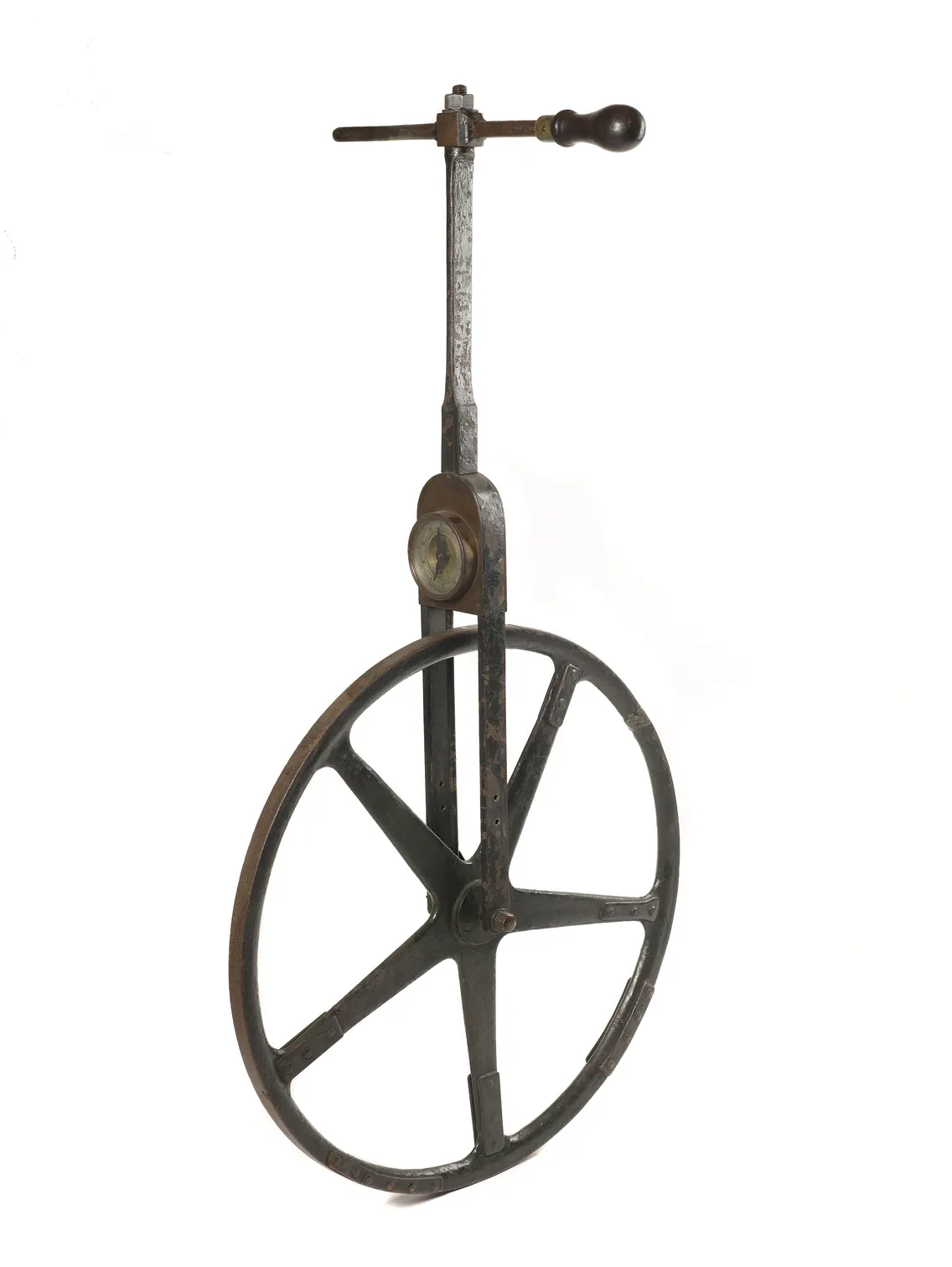
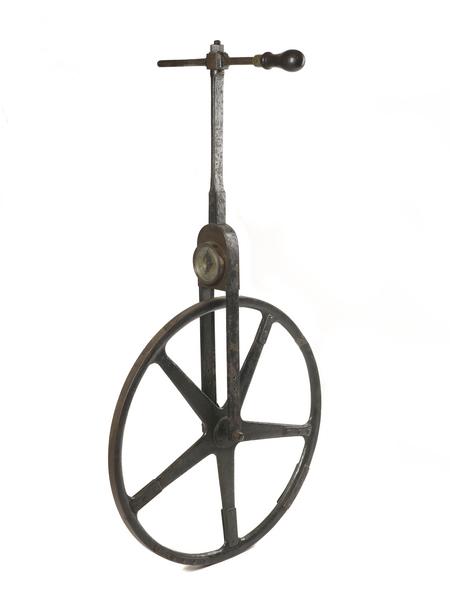
Negretti and Zambra made scientific instruments and optical and photographic equipment, like this waywiser, which measures distance.
The Hatton Garden diamond trade
In the 1870s and 1880s, the discovery of gold and diamonds in southern Africa led to colonial exploitation and pillaging of the area’s natural resources. The huge new mines dug there became the world’s top supplier of diamonds and transformed London’s jewellery industry. Companies like De Beers, founded by the British imperialist Cecil Rhodes, owned these mines and had headquarters near Hatton Garden.
These rough jewels were distributed through the London Diamond Syndicate, which was made up of 10 Jewish-owned firms based around Hatton Garden. The syndicate’s monopoly helped keep the price and demand for diamonds high. It also pulled the centre of the diamond trade from Amsterdam, in the Netherlands, to London.
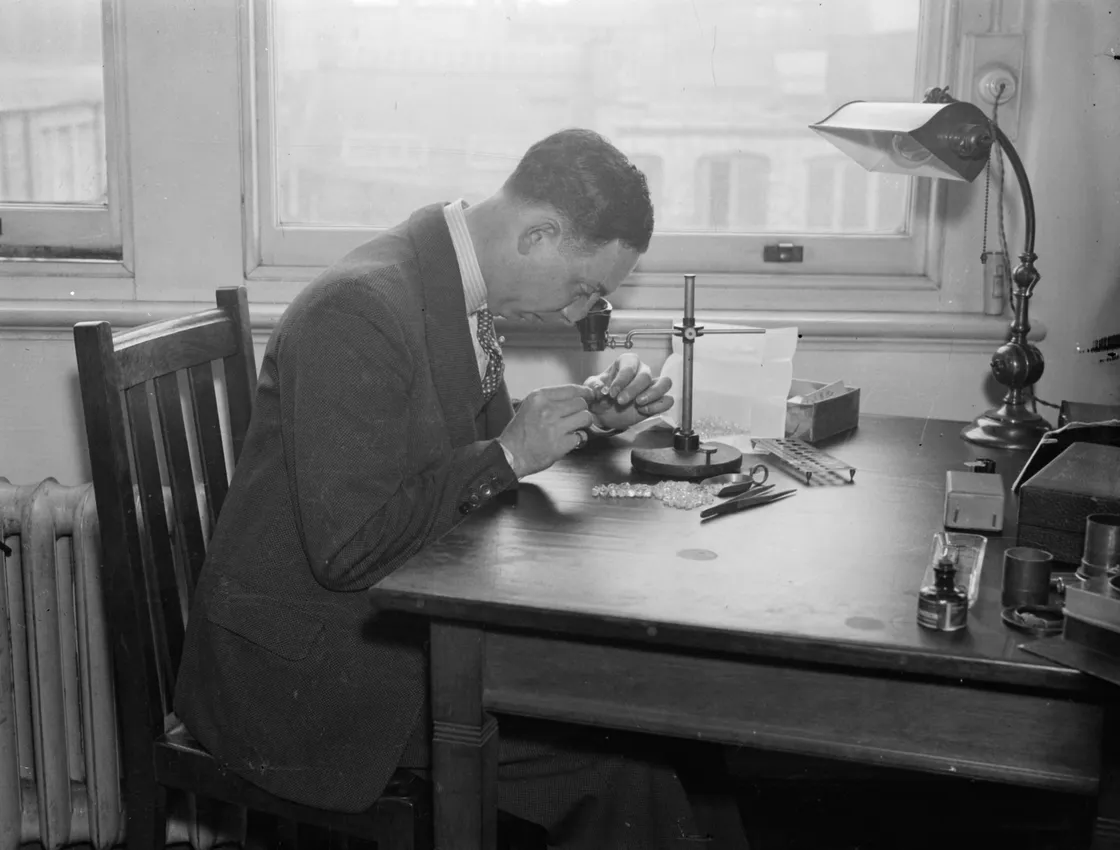
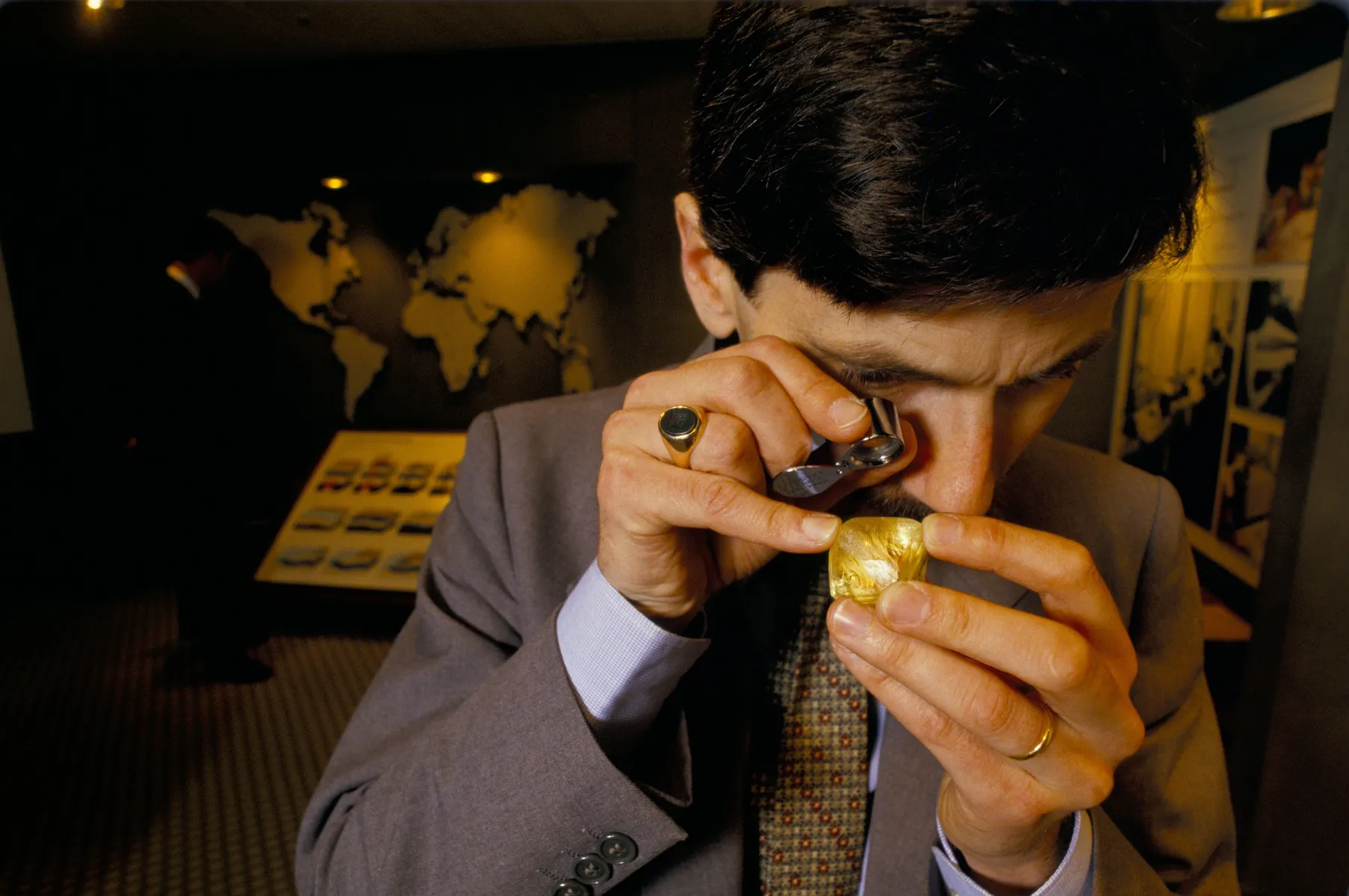
Diamond expert examines a marquise diamond in his Hatton Garden office.
The number of diamond cutters, brokers, dealers, manufacturers and jewellers in Hatton Garden boomed. Many of these businesses were run by Jewish people, who’d brought skills in the diamond industry to London after fleeing persecution in Eastern Europe and Russia.
At its peak, as much as 90% of the world’s diamond supply was marketed via the Garden.
Jewish Hatton Garden
In the 1930s and 1940s, the rise of the Nazis in Germany and anti-semitic persecution in Europe led to more Jewish people fleeing the continent.
Diamond trading between many Jewish firms would happen at Mrs Cohen’s Kosher Cafe, a smoky meeting place on the corner of Greville Street and Leather Lane. You’d hear deals done in languages like German and Yiddish, which were a common tongue for those from different European backgrounds.
This network of traders eventually evolved into the London Diamond Bourse, who moved from the cafe into increasingly big offices and trading floors in Hatton Garden over the 1900s.
“The place had the atmosphere of a small village rather than a street in Central London”
Rachel Lichtenstein, Diamond Street: The Hidden World of Hatton Garden
Shops arrived in the 20th century
The retail shops we see on Hatton Garden today only started to emerge in the 1960s. The increasing costs of manufacturing and labour led to some longstanding Hatton Garden makers moving their production overseas. Others adapted their businesses, becoming retailers.
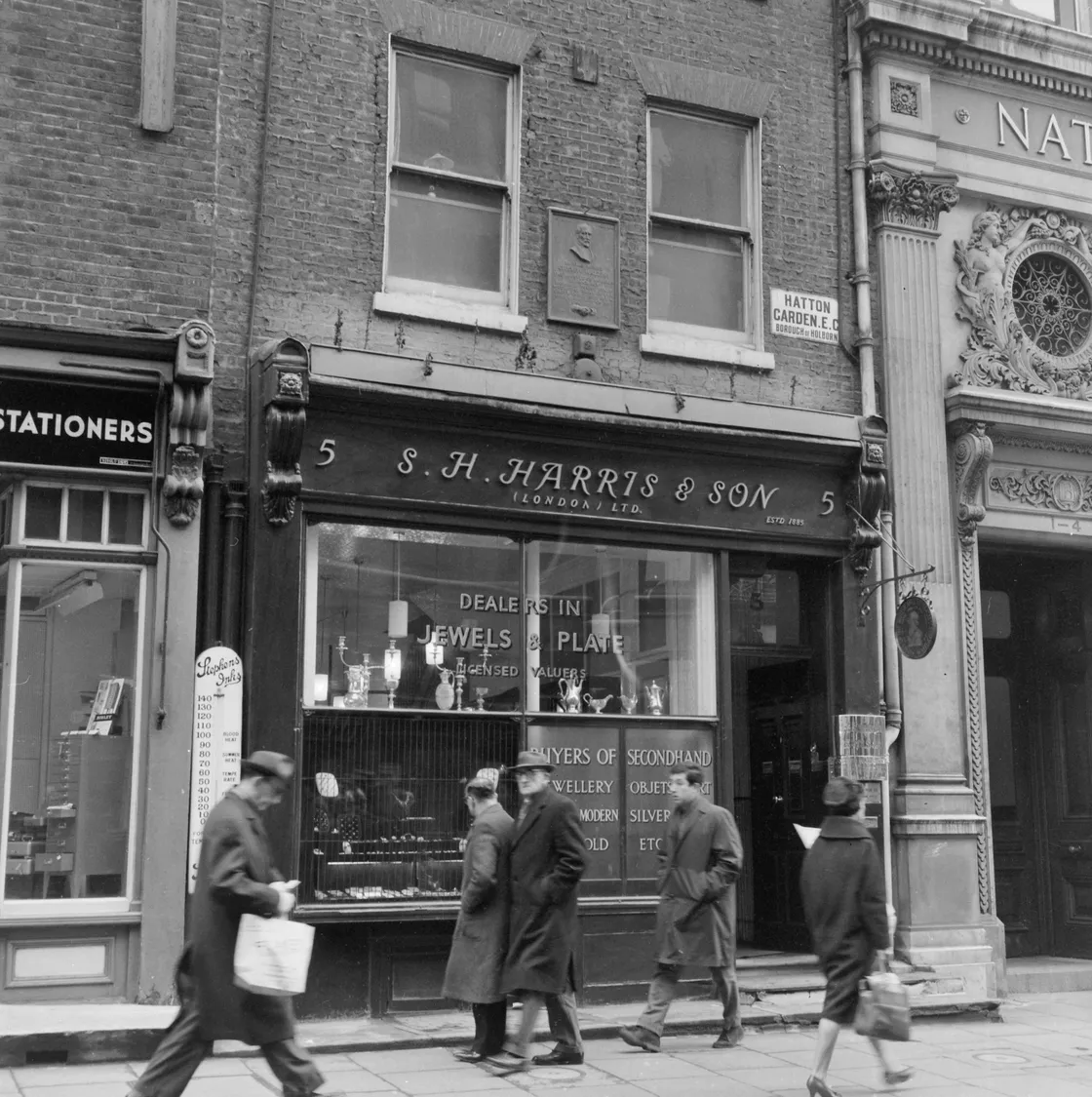
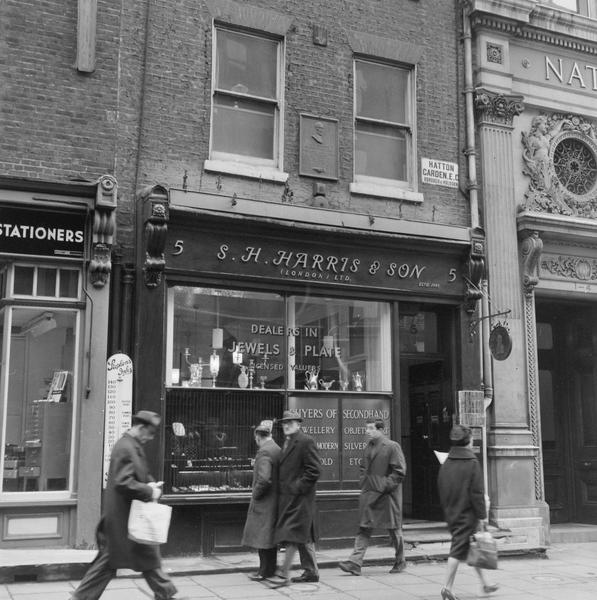
A photo of S. H. Harris & Son Jewelry shop at No 5 Hatton Garden.
For the first time, the public started visiting Hatton Garden. Shops there priced their items more competitively than high street brands, and they offered more one-of-a-kind pieces of jewellery. To shoppers, the Garden had the appeal of getting the ‘real deal’. You’d come for the experience.
Historian Rachel Lichtenstein, whose family had a jewellery shop there, remembers the community feel among the Garden’s businesses. “The place had the atmosphere of a small village rather than a street in Central London,” she says in her book Diamond Street: The Hidden World of Hatton Garden.
Hatton Garden raids and robberies
The area’s diamonds and fancy jewellery haven’t just attracted those with big purses. Hatton Garden has been the site of armed robberies, burglaries, black market dealing and, in the 1980s, Value Added Tax (VAT) fraud on gold.
The most famous of these criminal exploits is the 2015 burglary of Hatton Garden Safe Deposit Ltd. An estimated £14 million worth of goods were stolen from one of the area’s many underground storage vaults. The burglars drilled through a concrete wall and raided 73 safety deposit boxes, taking diamonds, gold and sapphires.
It was said to be one of the largest burglaries in English history – but that’s not what captured the public’s attention. Many of the men charged were in their 60s and 70s. The heist inspired TV shows, a radio play and three films.
Tags
-
Paintings, Prints & Drawings
 Paintings, Prints & Drawings
Ely Place in its former state (engraving)
Hughes, T., Lambert's History of London
1805-10
-
-