Guinness’ iconic early adverts were born in London
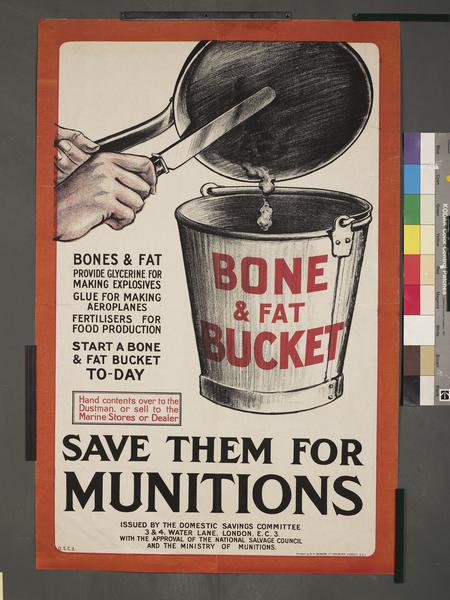
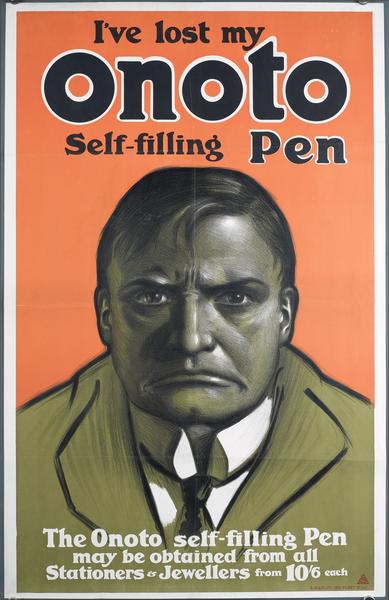
From the 1930s to the 1960s, Guinness’ iconic advertising campaigns came from London-based advertising agency S H Benson and their in-house designer John Gilroy.
Since 1929
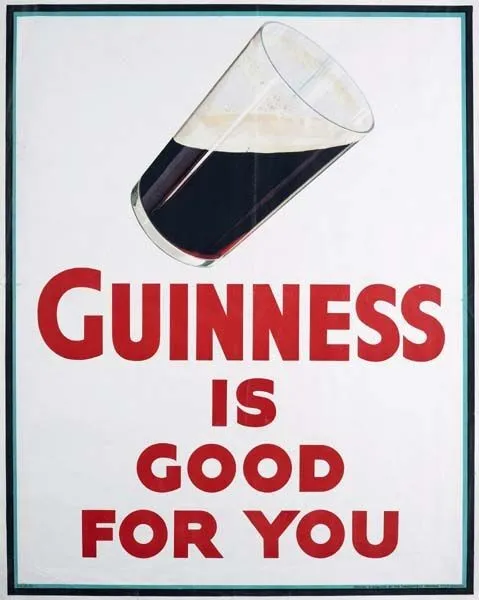
Great branding is good for you
Guinness didn’t use advertising for their first 170 years of existence. This dark and delicious Irish stout, the Dublin-born company thought, could speak for itself.
That all changed in 1929 when the first Guinness advertising campaign was launched by London-based advertising agency S H Benson. Its in-house designer John Gilroy created the iconic, whimsical posters that you’ll still find hung on the walls of pubs and homes today.
Gilroy produced more than 100 press adverts and nearly 50 poster designs for Guinness over 35 years. Some of his posters from the 1930s are in our collection.
What was S H Benson?
S H Benson was one of the capital’s leading advertising agencies in the first half of the 20th century. It was founded in 1893 at 100 Fleet Street, the former heart of London’s printing and publishing industry.
The company began by advertising the beef extract paste Bovril. These early campaigns used humour and bold, colourful posters featuring memorable slogans. In one, a cow looks mournfully at a bottle next to the quote: “Alas! my poor Brother”.
-
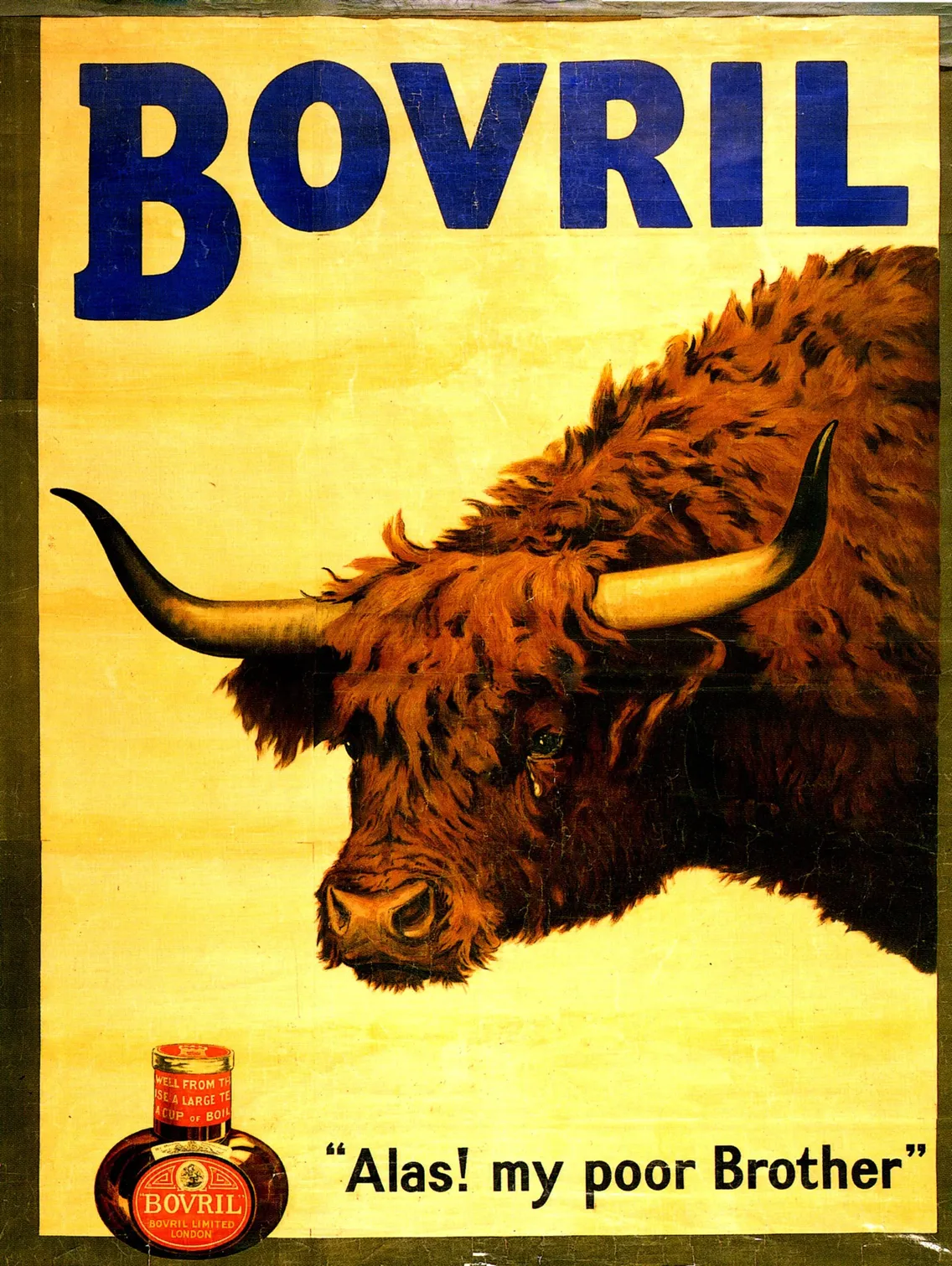
One of Bovril’s most popular adverts from around 1905.
-
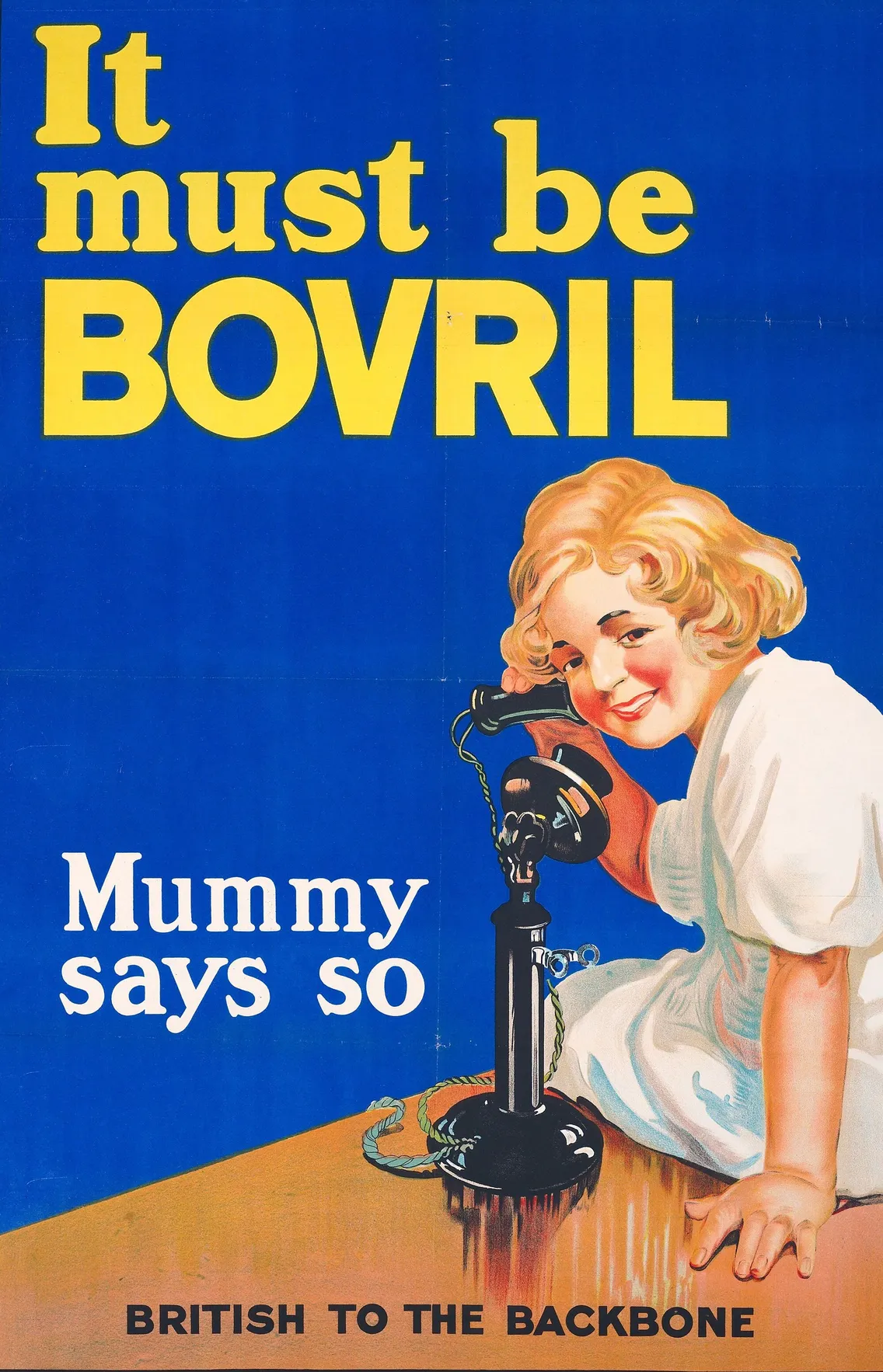
“It must be Bovril” was a key advertising slogan.
Benson’s success with Bovril meant that, in 1909, the agency could move to larger premises on Kingsway, central London. It went on to create campaigns for Colman’s mustard and Macleans toothpaste. And, in 1928, Benson won the prestigious Guinness Brewery account.
We also have a series of posters in our collection which Benson designed for the English Eugenics Education Society. Founded in 1907, the society promoted the offensive and disproved theory of eugenics, which aimed to 'improve' human hereditary traits through 'selective breeding'.
Thankfully, eugenics didn’t become a mass movement in the UK. However it influenced, with devastating consequences, the beliefs about race in Nazi Germany. The poster reminds us of the threat the eugenics movement posed in the early 1900s, and the role marketing and advertising played in spreading its ideas.
A new age of advertising
Advertising became very important as consumerism grew in Britain in the 1920s and the 1930s.
To make manufacturers' products stand out among the increasing competition, advertising agencies like Benson pushed the idea of ‘branding’ beyond traditional nice logos and ads in print. Personality, unique images and emotional pull were used as devices to sell products to customers – and keep them coming back for more.
Agency designers were crucial to bringing branding to life. Benson’s in-house artists had a knack for making their posters relatable by showing how a brand’s products were relevant to contemporary culture. Below, this Bovril poster from 1940 shows a couple riding a tandem bike, which was a popular leisure activity at the time.
-
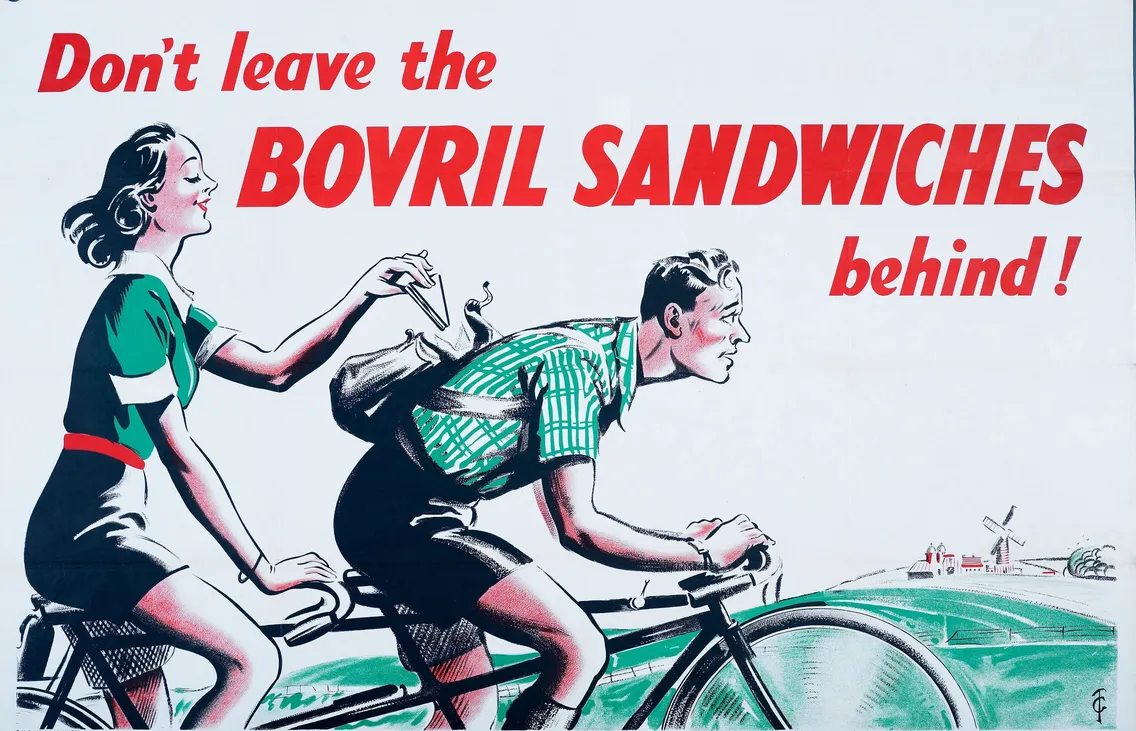
Bovril sandwiches were popular during the Second World War (1939–1945) when meat was rationed.
One of Benson’s key designers was John Gilroy, a graduate of London’s Royal College of Art who joined the company in 1925. He produced nearly 50 Guinness posters from the 1930s to the 1960s. He also worked as a portrait painter whose sitters included royalty, Pope John XXIII and Winston Churchill.
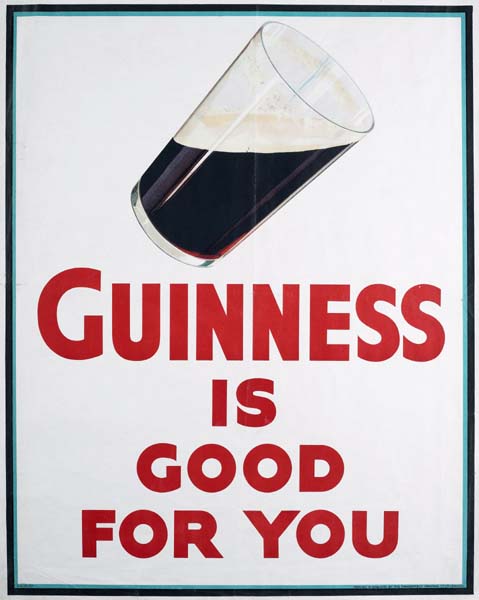
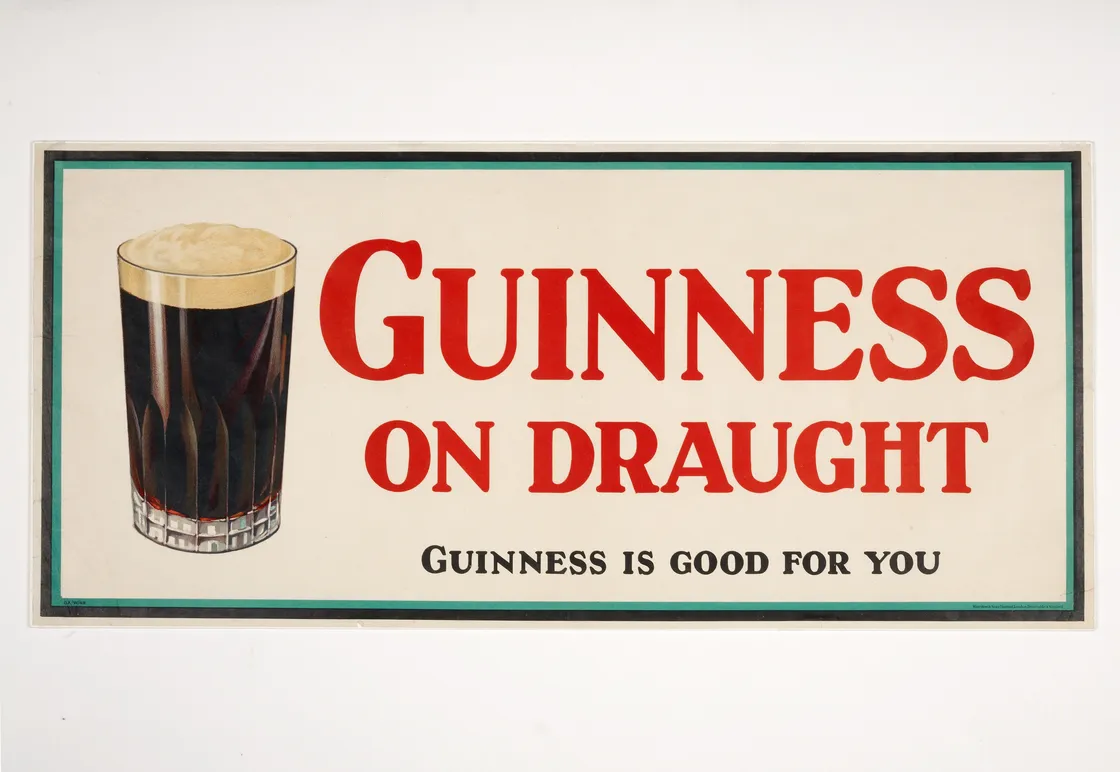
‘Guinness is Good for You’
To research their branding for the drink, Benson employees visited pubs near their London office and asked people why they drank Guinness. The answer was almost always: “because it’s good for you”. And so the famous phrase was born.
The stout, which was brewed in London from 1936 to 2005, was believed to be rich in iron and other nutrients. Even today, the health benefits of Guinness continue to be debated.
Marketing myth or medical fact?
‘Guinness is Good for You’ was the first official advertising campaign for the beer, launched in 1929. Gilroy stuck to the same bright, high-impact visual language for the next 30 years, making Guinness ads easy to recognise even while on the move. He always made sure there was a dash of humour, too.
Guinness advertising slogans
The message behind Benson’s Guinness slogans have lingered long after they went out of print. There was ‘Guinness for Strength’, which launched in 1934. Here, Gilroy shows a builder with superhuman strength carrying a large steel girder on one shoulder.
-
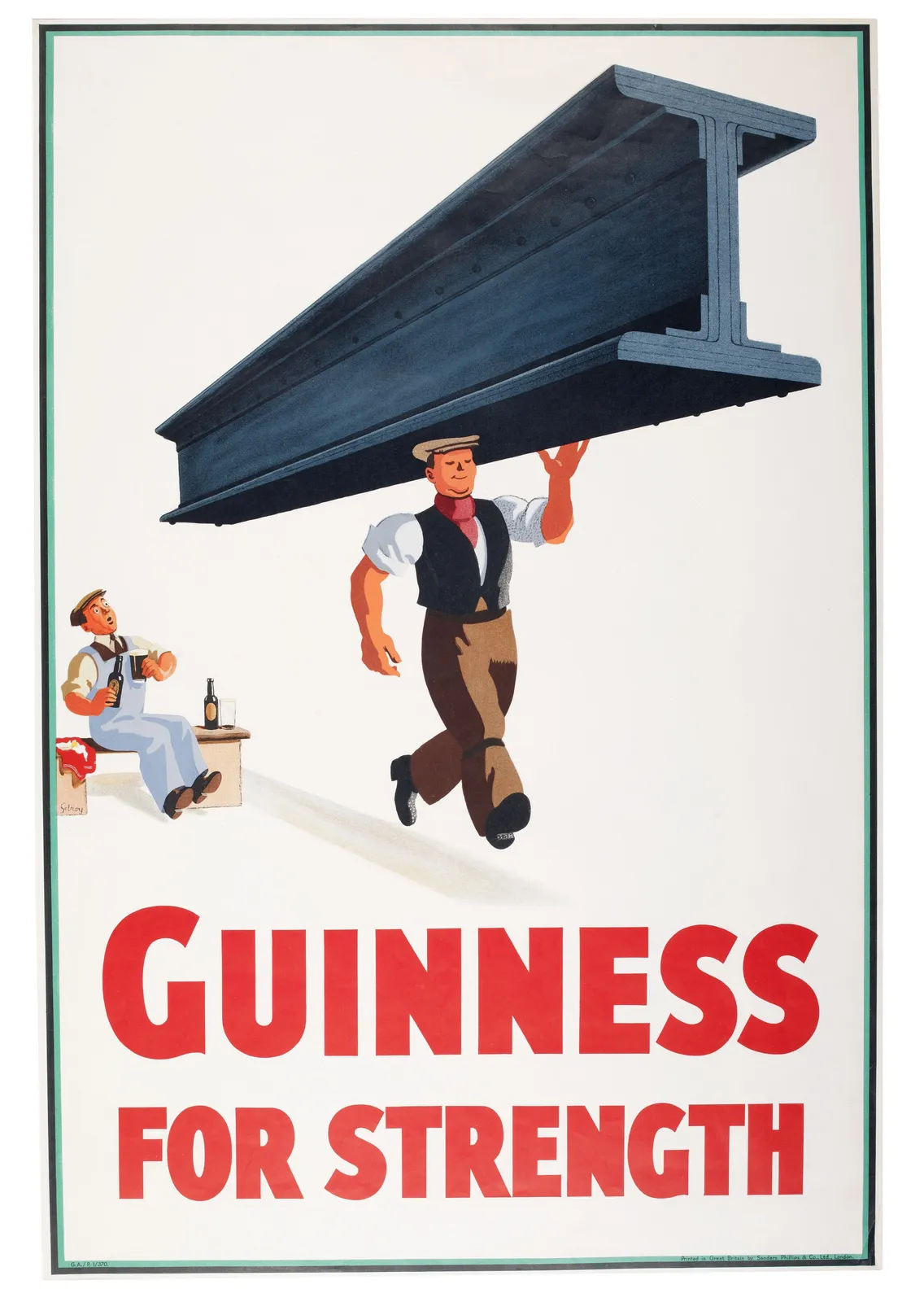
This slogan aimed to make the association of the stout with strength even stronger.
-
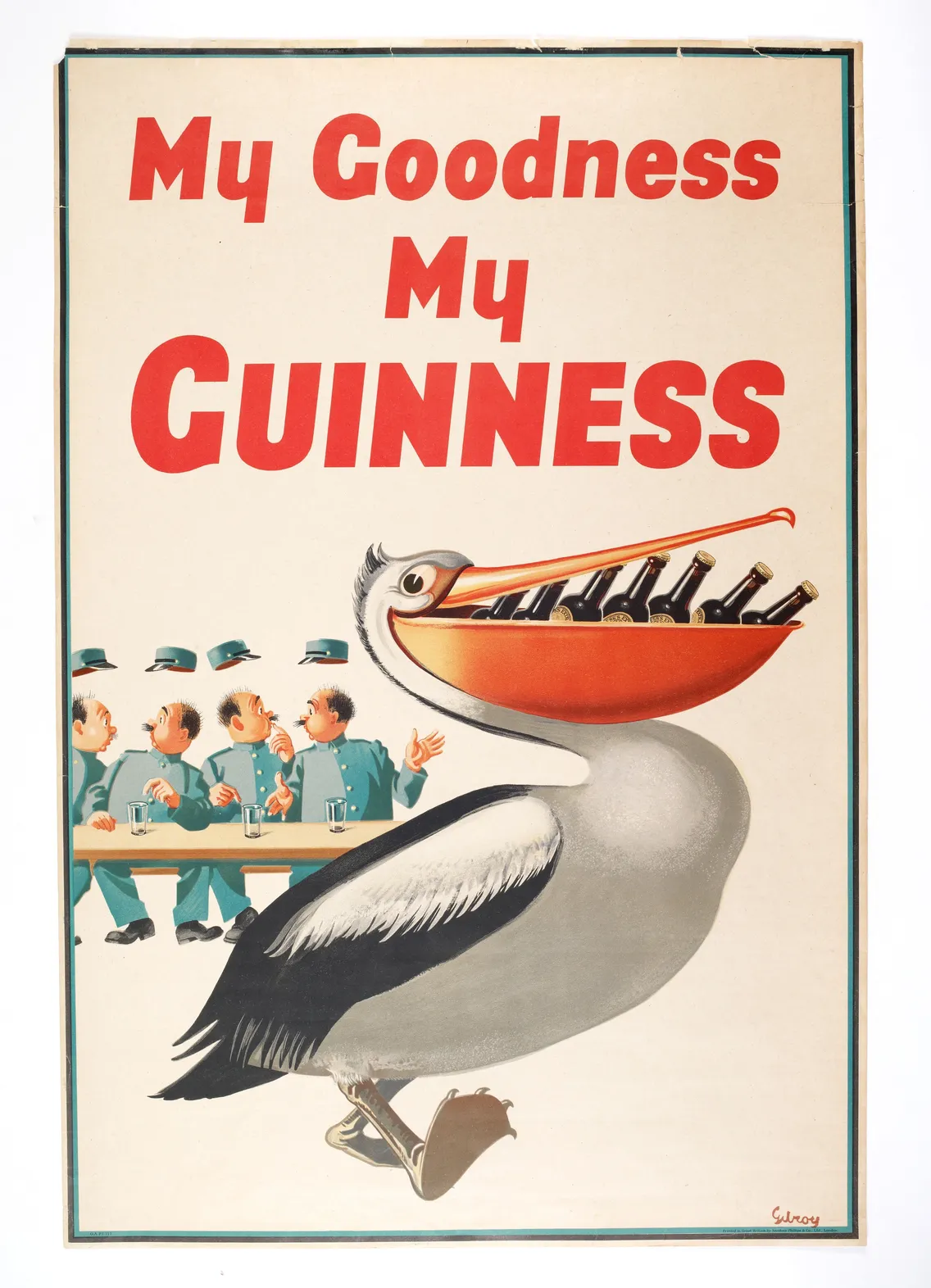
Slogans like ‘My Goodness, My Guinness’ became popular catchphrases.
‘My Goodness, My Guinness’ was another. The story goes that after a night out at Bertram Mills Circus in west London, Gilroy was inspired to incorporate animals into playful posters with the slogan. There were ostriches, seals, camels and, most famously, toucans. The one above features a pelican with bottles of the black stuff in its mouth.
Tags
-
Printed Ephemera
 Printed Ephemera
My Goodness My Guinness (advertising poster)
Gilroy, John, Sanders Philips and Co., Ltd, S H. Benson Limited
C. 1939
-
-
Printed Ephemera
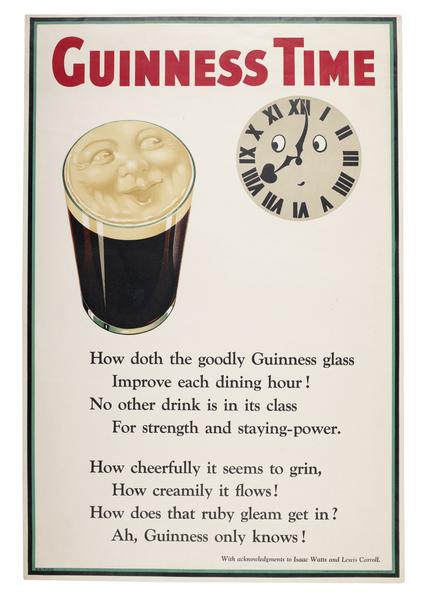 Printed Ephemera
Guinness Time (advertising poster)
Dangerfield Printing Company Limited, Gilroy, John, S H. Benson Limited
1930-1939
-
-
Printed Ephemera