
The Gordon Riots: A revolution in the making
For one week in 1780, London was gripped by anti-Catholic, anti-authority destruction. The Gordon Riots were among the worst disorder the city has ever seen, and it took thousands of soldiers to end it.
St George’s Fields, Newgate Prison, Bank of England
2–8 June 1780
-
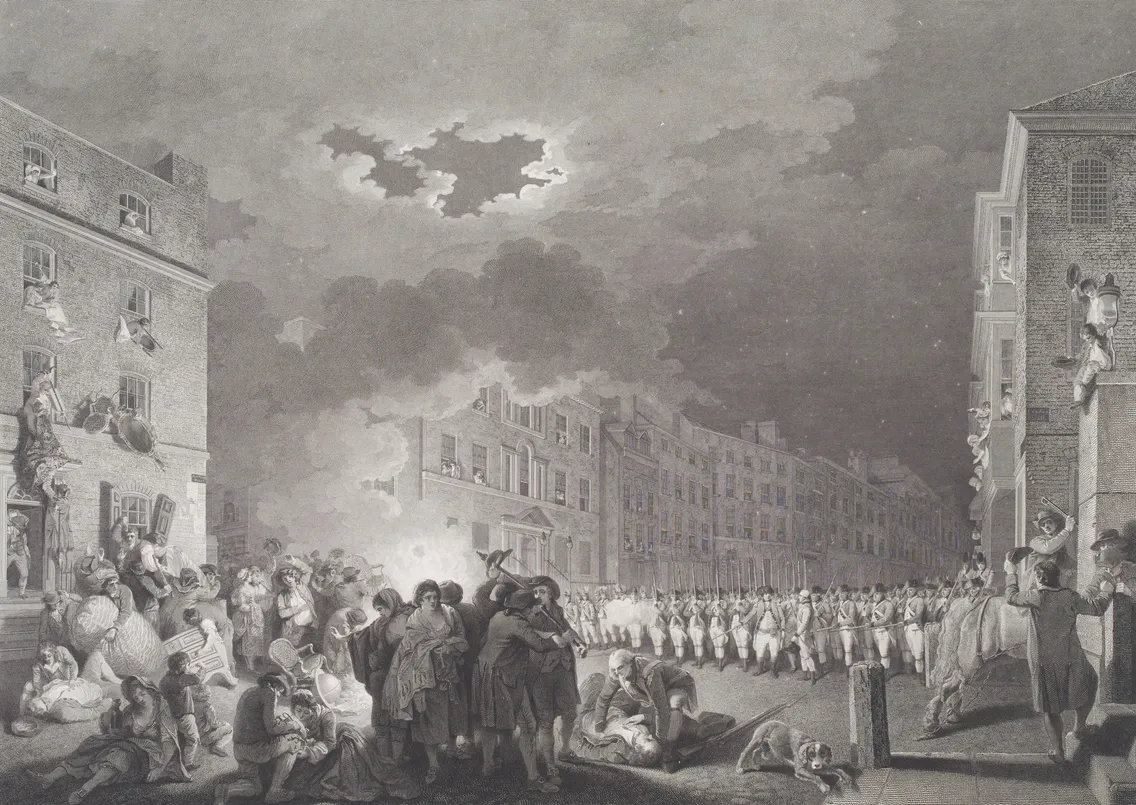
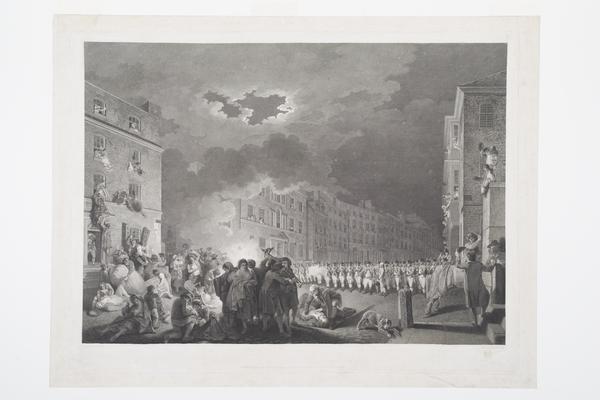
Artist Francis Wheatley’s print shows soldiers challenging rioters on Broad Street.
A week-long storm of religious rage
In 1780, the provocative politician George Gordon led a huge crowd to Parliament to protest a law giving Catholics more rights.
This was the trigger for the Gordon Riots, when rioters targeted Catholics and their property in a wild week of destruction. The carnage expanded to attacks on authority, with people burning down Newgate Prison and assaulting the Bank of England. Many observers felt they were on the verge of a revolution.
For all the Londoners who joined in with the riots, there were those who watched in terror as fires burned across the city. Soldiers eventually used deadly force to regain control, killing hundreds of rioters. Another 26 people were hanged in the aftermath.
What caused the Gordon Riots?
The Gordon Riots were rooted in the long history of religious division and conflict between Protestants and Catholics in Britain. This history stretches back to the 16th century, when Protestantism first emerged. It includes the infamous Gunpowder Plot of 1605, a Catholic attempt to kill and replace the Protestant king.
In the 18th century, Britain was a majority Protestant country. Many people remained suspicious of Catholics, who they called ‘Papists’, and their loyalty to the pope, which they called ‘Popery’.
Catholics were discriminated against in law and everyday life, but attitudes began to change in the mid-18th century. In 1778, the government passed the Catholic Relief Act. The law gave some rights back to Catholics, allowing them to own land and join the British Army at a time when the government needed troops.
Some feared that Catholics in the British Army would plot treason. Critics of the law came from many corners, including the authorities of the City of London.
Then there was Gordon. He was a member of Parliament, and the fanatical leader of the Protestant Association, a movement that opposed the reforms.
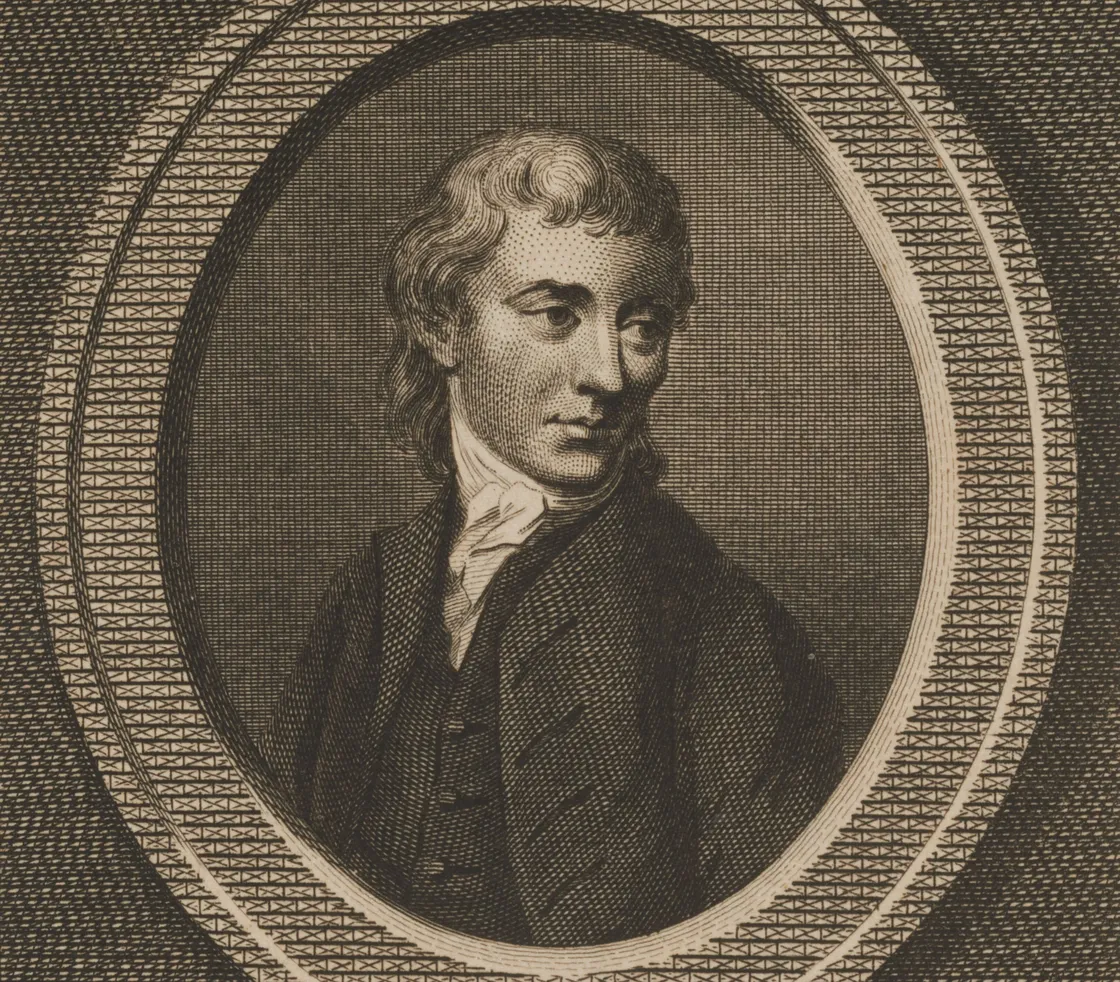
George Gordon, the politician whose supporters triggered the riots.
How did the Gordon Riots start?
Gordon arranged for his supporters to join him at St George’s Fields in Southwark on 2 June 1780. They planned to present a petition to the Houses of Parliament opposing the Catholic Relief Act. The petition had around 45,000 signatures.
Roughly 50,000 people headed to Westminster, many wearing the blue rosettes of the Protestant Association. Some stormed inside Parliament, shouting “No Popery! Repeal! Repeal!”
Under severe pressure, ministers agreed to debate the petition, but scheduled it for a later date.
Gordon’s supporters weren’t satisfied. That night, some protesters burned down a Catholic chapel and emptied another to make a bonfire in the street.
What did the rioters target?
Over the next few days, rioters attacked more Catholic chapels and buildings. They also assaulted Irish working-class Londoners, most of whom were Catholic, poor and seen as competition for work.
The writer Samuel Johnson called the riots “a time of terror”, while the poet William Cowper described “a metropolis in flames and a nation in ruins”. The poet George Crabbe was scathing when he described meeting “a resolute band of vile-looking fellows, ragged, dirty, and insolent, armed with clubs”.
There was some order to the violence, though. The rioters were deliberate in choosing their targets and often started bonfires outside the buildings they attacked to create a spectacle. They harassed politicians and terrified onlookers, but they seem to have avoided deliberately killing anyone.
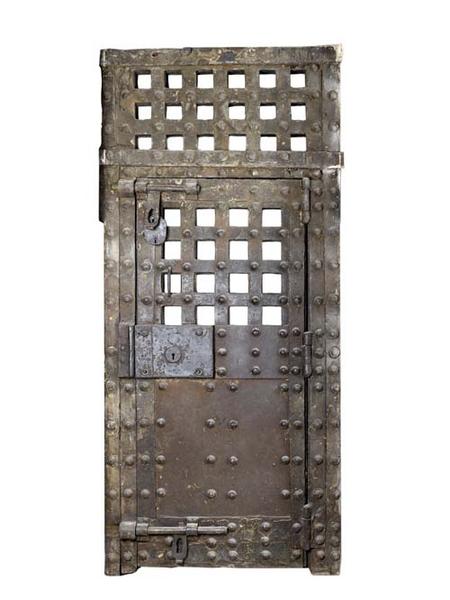
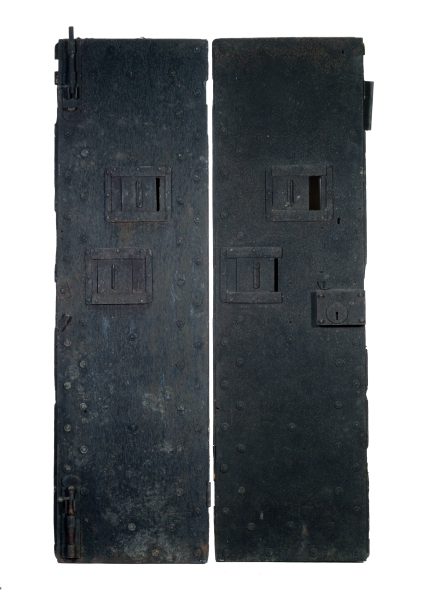
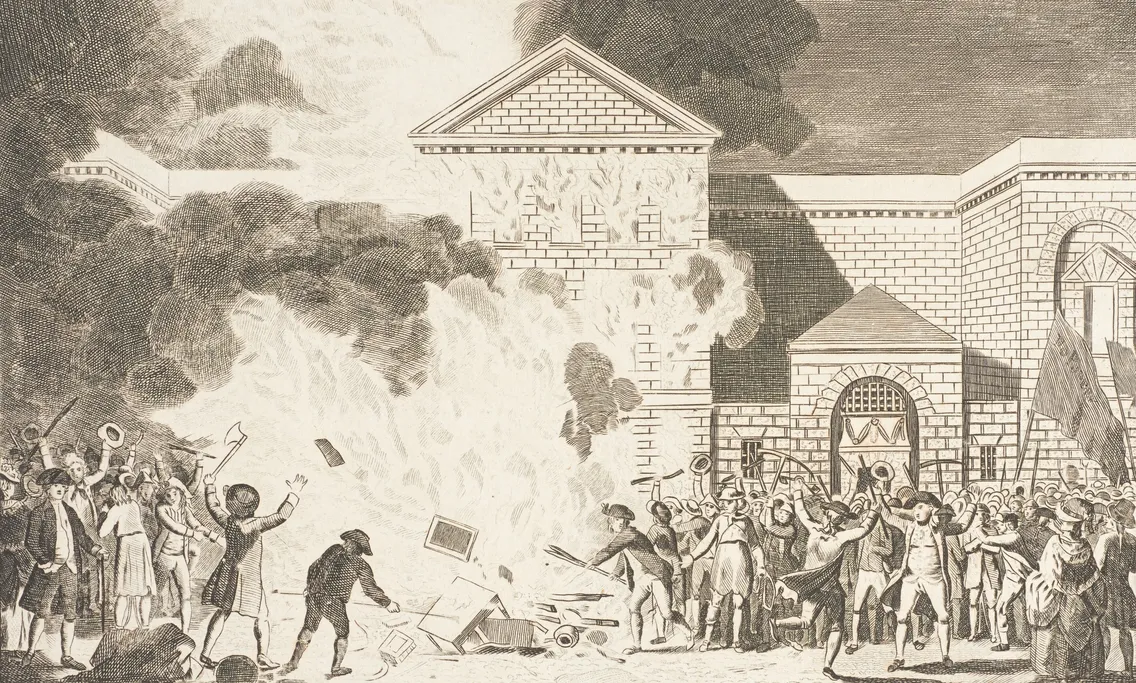
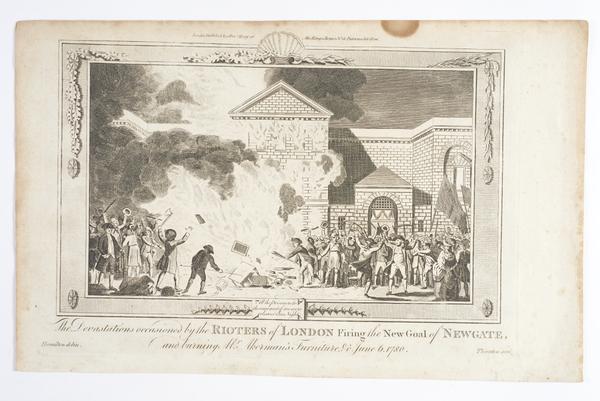
Some of the rioting morphed into a general protest against authority, inequality and the institutions of justice. Rioters torched the tollbooth on Blackfriars Bridge. They also burned down the newly rebuilt Newgate Prison, releasing rioters held inside. The prison’s imposing doors are part of our collection. You can see the gun slots that were used to defend the prison from the rioters.
“Such a fire I never beheld”
Susan Burney
Black Wednesday
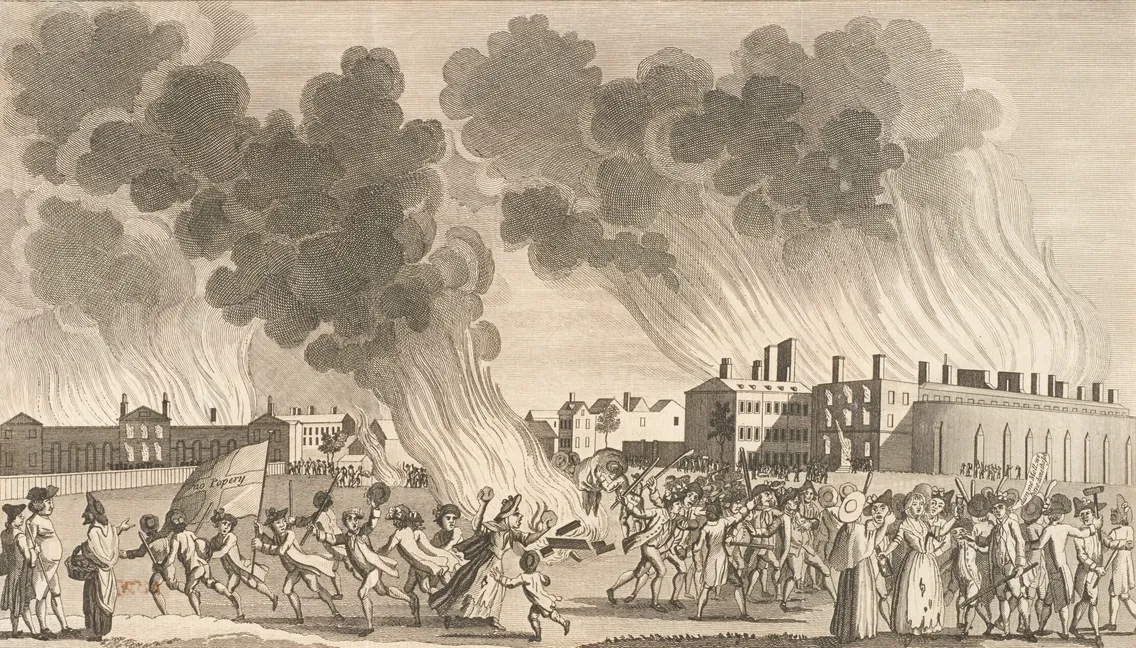
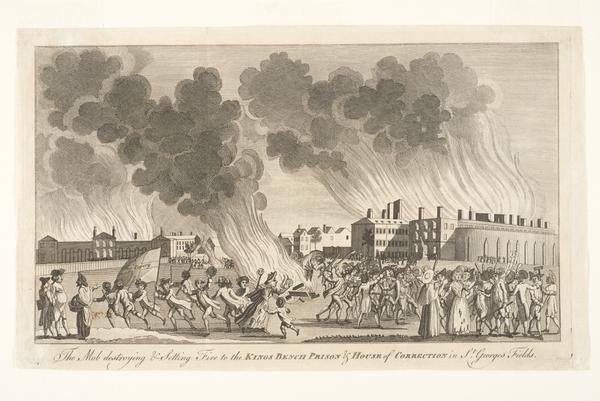
The riots peaked on Wednesday 7 June, known as ‘Black Wednesday’. Groups pulled down houses in Westminster, Islington and Bermondsey. They destroyed shops and pubs in Old Street, Whitechapel and Holborn. And they attacked Marshalsea, Fleet and King’s Bench prisons.
Dozens of fires burned across London. One the rioters started in a Holborn distillery spread to neighbouring buildings, killing a number of people. “Such a fire I never beheld,” said Susan Burney, who watched from her family home. The distillery was targeted, she said, because the owner “was a Papist”.
The same day, the rioters turned their attention to their largest target: the Bank of England. At this point, the City authorities finally intervened to defend it. Armed troops and the City’s volunteer militia fired on the rioters, killing dozens of people.
How many people died in the Gordon Riots?
Nearly 300 rioters were killed by soldiers and militia. Dozens more were wounded, and 450 were arrested.
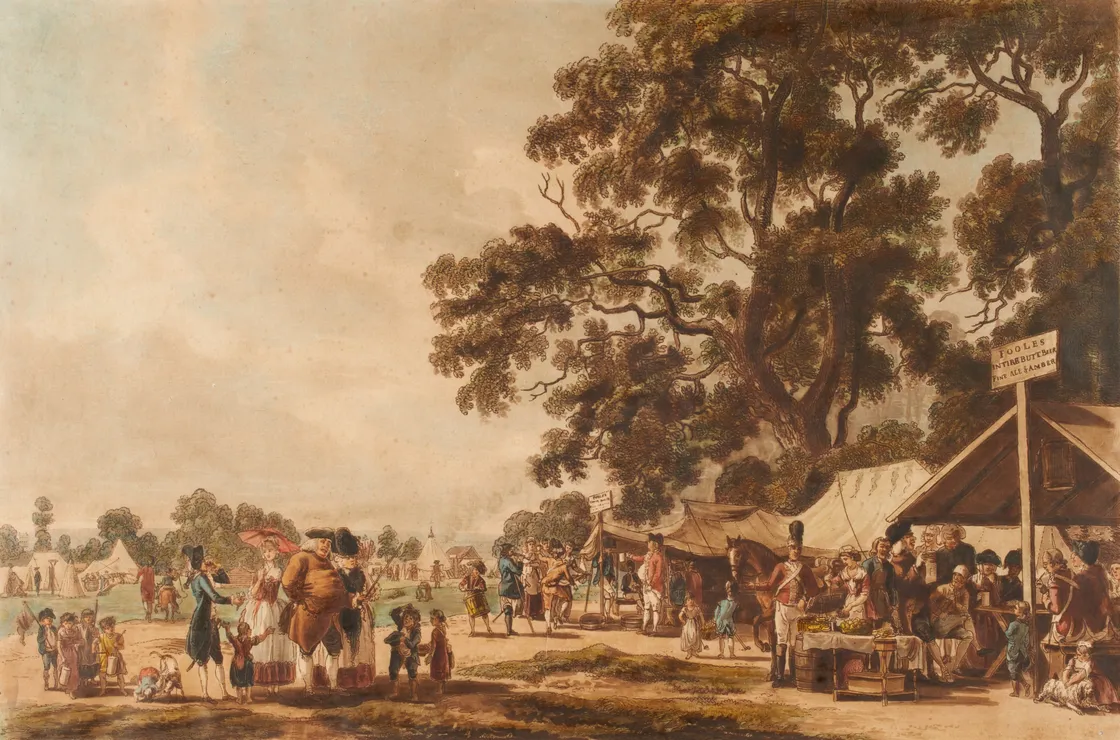
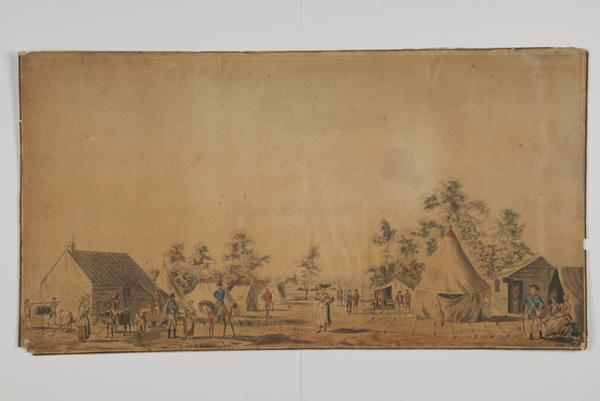
Soldiers called in to quell the riot camped at Hyde Park.
How did the Gordon Riots end?
On Thursday 8 June, the day after Black Wednesday, there was some sporadic rioting. By that point though, thousands of soldiers had been brought into the capital to stamp out the rioting. Property-owning Londoners also rallied to defend their buildings.
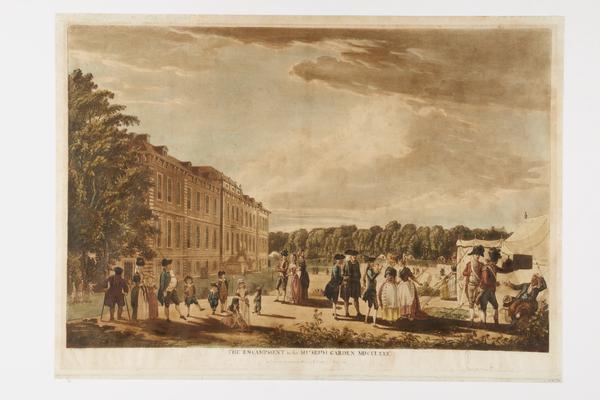
The soldiers camped in Hyde Park, St James’ Park, Blackheath and the gardens of the British Museum. The artist Paul Sandby captured these scenes in a number of prints which are part of our collection.
Plenty more writers and artists used the riots as inspiration. Around 60 years later, the author Charles Dickens took the Gordon Riots as the setting for his 1841 historical novel Barnaby Rudge.
What happened to the rioters?
At the London and Southwark courts, 326 rioters were tried before the end of June. There were 26 rioters hanged in public. The legal records tell us the identity of many of the rioters. Some are identified as being Black people – valuable evidence of the lives of London’s Black population at this time.
As for George Gordon, the person who started all this? He was arrested, charged with high treason and imprisoned for eight months while awaiting his trial. He was eventually found not guilty and released.
Ironically, he died years later in Newgate Prison in 1793, having been imprisoned there for insulting the French ambassador, Marie Antoinette.
Tags
-
Paintings, Prints & Drawings
 Paintings, Prints & Drawings
The Devastations occasioned by the Rioters of London Firing the New Goal of Newgate, and burning Mr Akerman's Furniture, &c. June 6. 1780 (etching and engraving)
Hogg, Alexander, Hamilton, John, Thornton, T.
1780-06-06
-
-
-
Paintings, Prints & Drawings
 Paintings, Prints & Drawings
The Encampment in the Museum Garden (coloured aquatint)
Sandby, Paul
1783-05
-
Paintings, Prints & Drawings
 Paintings, Prints & Drawings
The Riot in Broad Street on 7 June 1780 (engraving)
Wheatley, Francis
1790-09-29
-
Paintings, Prints & Drawings
-
Paintings, Prints & Drawings
 Paintings, Prints & Drawings
The mob, destroyed and setting fire to the King's Bench prison and House of Correction in St George's Fields (line engraving)
C. 1780