Golders Green Crematorium: A London first
When Golders Green Crematorium opened in Barnet in 1902, it marked a shift in Britain’s re-adoption of cremation as a common funeral practice. It was London’s first crematorium and a choice of many famous and notable people for their final resting place.
Golders Green, Barnet
1902
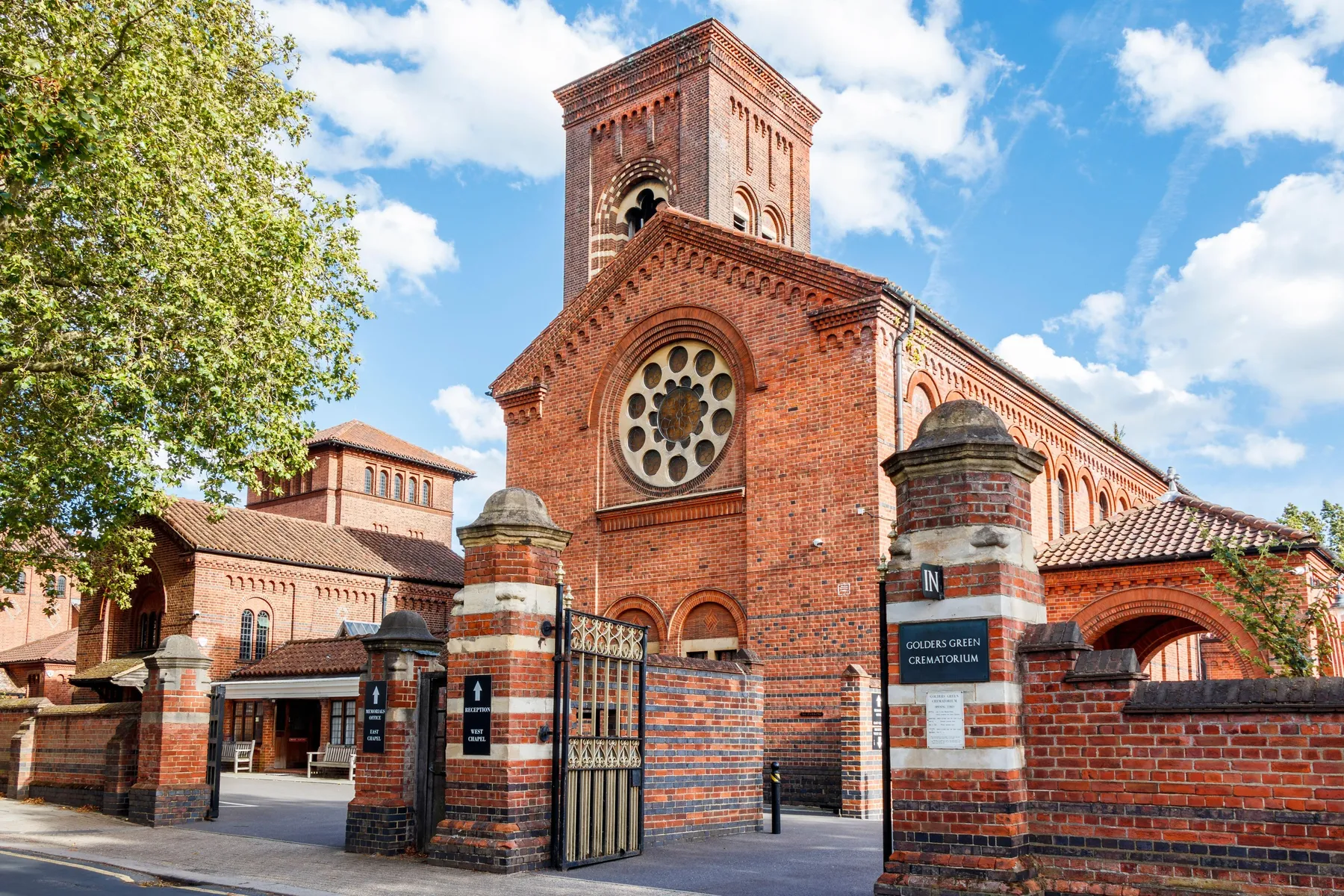
London’s home of a new kind of funeral
Cremation is the most popular funeral choice nowadays, with around 80% of Brits opting to turn their body into ashes after they die. But the picture looked very different 100 years ago. In the early 1900s, less than 1% of the population chose to be cremated.
Golders Green Crematorium and the company that established it, the London Cremation Company, played an important role in the shift away from burials in 20th-century Britain.
Many notable people, including politicians, artists and actors, have chosen Golders Green as their final resting place.
The crematorium has a Grade II listing from English Heritage, noting its architectural and historical significance. And the gardens – the first purpose-built crematorium landscape – have the top-tier Grade I listing.
“escape from the ghastly but costly ceremonial which mostly awaits our remains after death”
Henry Thompson, 1874
The battle for cremations in Britain
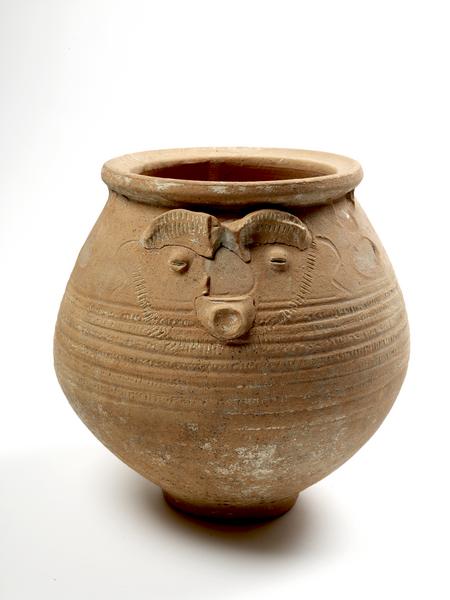
Cremation has been practised in cultures around the world for thousands of years. We have a number of Roman urns containing cremated remains in our collection, showing us that it was happening in London around 2,000 years ago.
But from medieval times, when Britain was a predominantly Christian country, there was a widely held belief in resurrection after death. This made the idea of turning a body into ashes a taboo. There was nothing in the law allowing cremation, so it wasn’t considered legal.

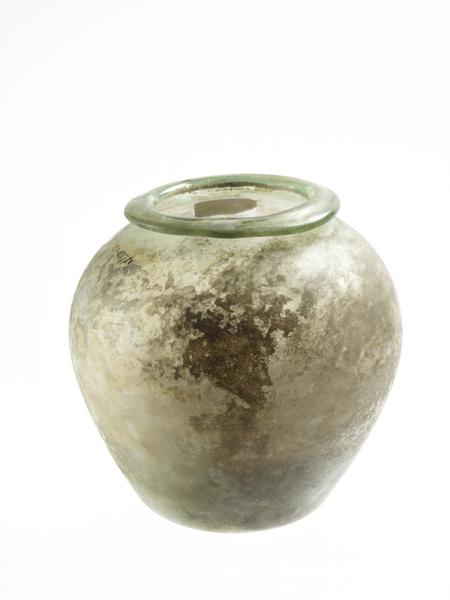
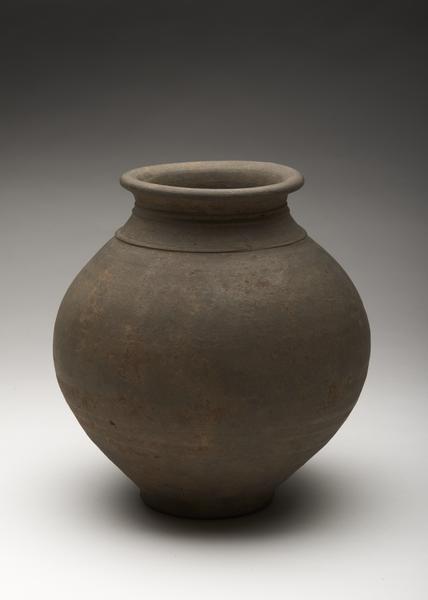
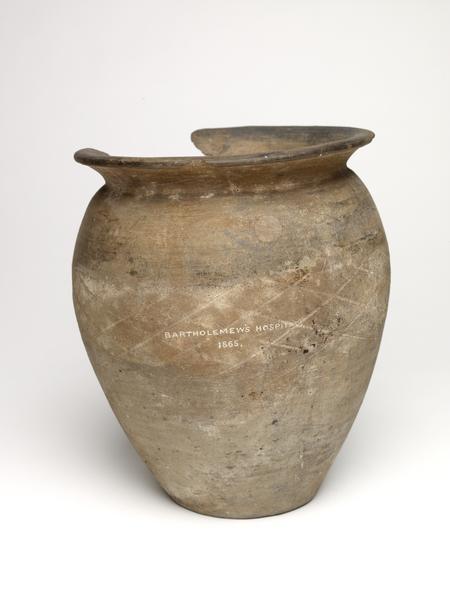
The tide only started to turn in the late 1800s. In 1874, Henry Thompson, who was Queen Victoria’s surgeon, published his influential paper The Treatment of the Body After Death.
Thompson argued that London’s increasingly overcrowded graveyards were spreading disease and pollution. He believed that cremation offered a cheaper, cleaner alternative and an “escape from the ghastly but costly ceremonial which mostly awaits our remains after death”.
Support for cremations accelerated in the late Victorian period
Thompson founded the Crematorium Society of England in 1874. They campaigned for cremation to be properly recognised in law and built Britain’s first crematorium in Woking, Surrey, in 1878. The body of a horse was the first to be burned there in 1879 – which caused outrage among the local community. The home secretary stepped in to stop further cremations happening.
In 1884, a court case ruled that while cremation wasn’t explicitly legal, it also wasn’t illegal. Following this, in 1885, a woman called Jeanette Pickersgill became Woking’s first official cremation.
Although there was resistance to this pioneering crematorium at first, public support slowly increased. In 1900, 424 people were cremated in Britain, up from 54 a decade before.
The society saw a need to open a crematorium in London, founding the London Cremation Company in 1901.
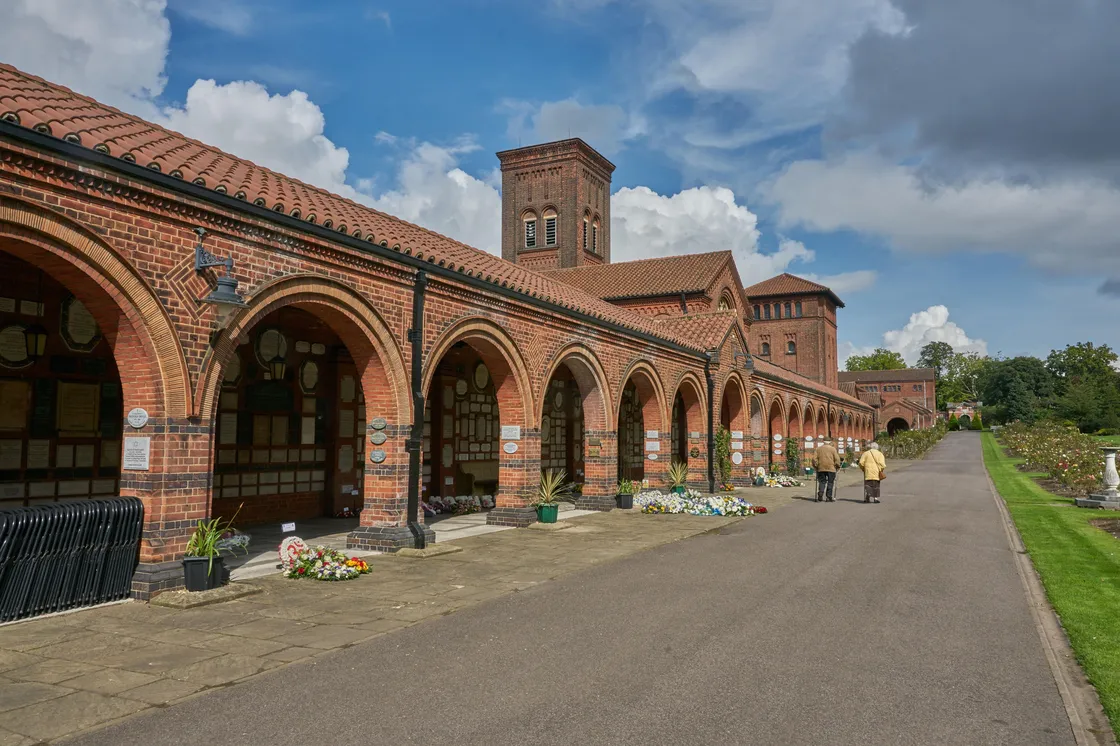
Golders Green Crematorium.
London’s first crematorium opened in 1902
Thompson officially opened the Golders Green Crematorium in 1902 – the first in London, and the seventh in Britain. Golders Green, just north of Hampstead Heath, was chosen as the location because it was easily accessible from central London.
The same year, a new law was passed to allow all local authorities to set up crematoriums and to regulate how they operated.
The crematorium is an architectural achievement
The London Cremation Company selected the influential architect Ernest George to design the crematorium. They believed he could “command the confidence of the public”.
The crematorium was constructed in phases over almost 40 years. It includes a number of chapels and columbariums, buildings used to store urns holding cremated remains. The crematorium’s chimneys are housed in a tall clock tower.
The red-brick buildings were designed in a Lombard Romanesque style, a kind of architecture originating from Italy around the 11th century. The style is characterised by heavy walls and ornamental arches, a step away from the Gothic features popular in the 1800s.
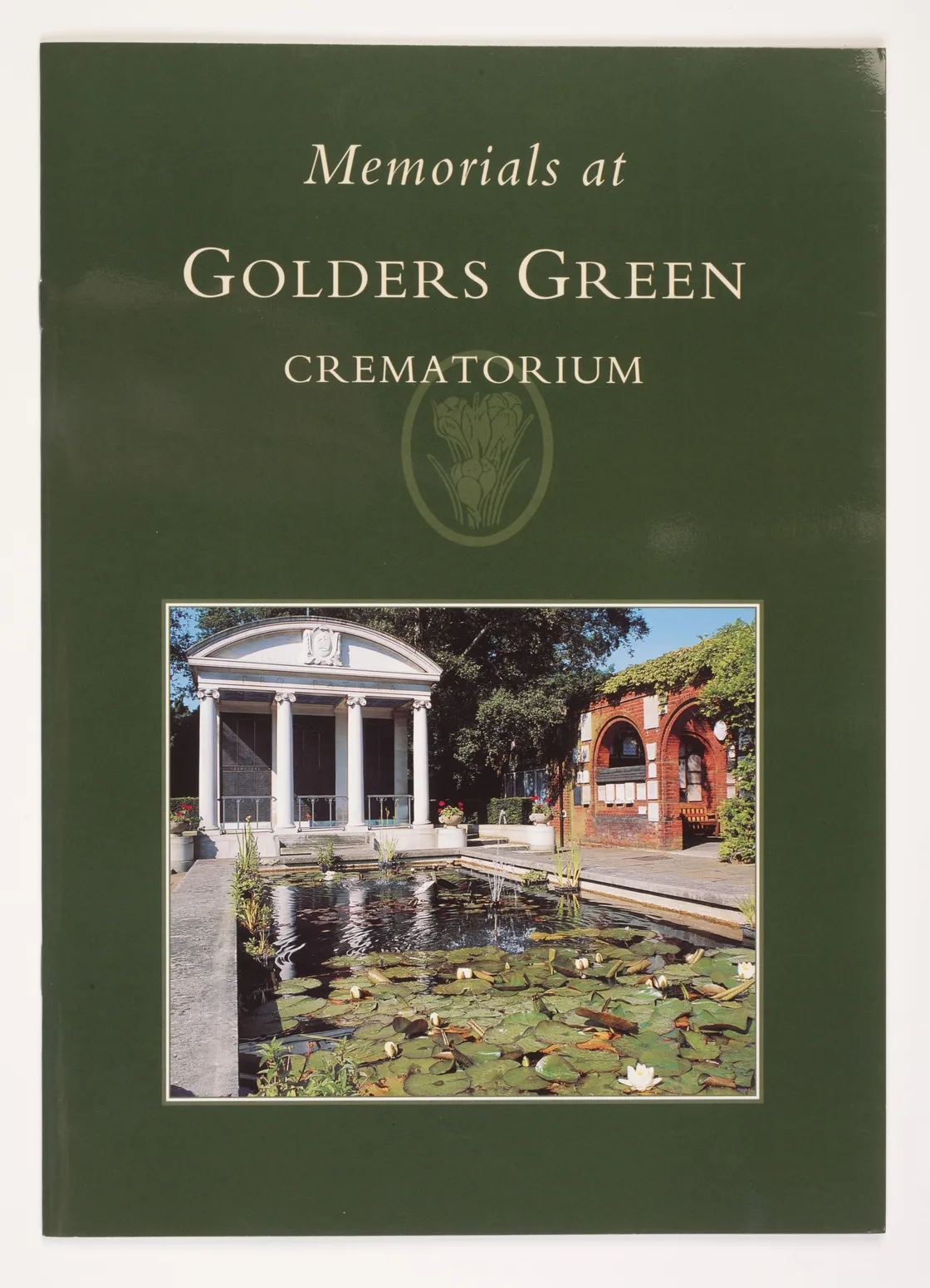
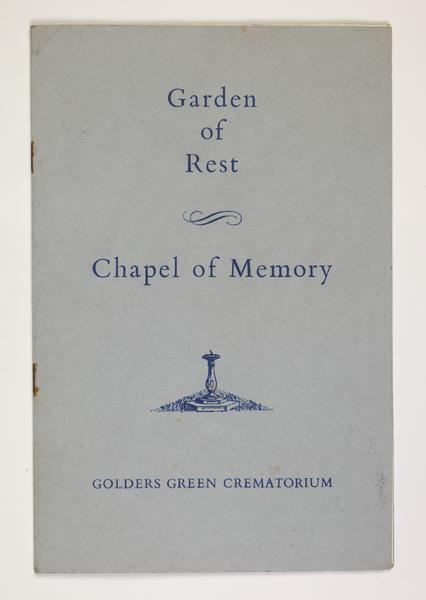
A booklet of memorials at Golders Green.
The first crematorium landscape gardens
George also worked with landscape gardener William Robinson to create a large, peaceful garden. Golders Green was the first crematorium to have a purpose-designed crematorium landscape.
It’s remained largely unchanged since the 1930s, featuring tombs, rose gardens, ponds, crocuses lawns and a section of grass to scatter ashes. Mourners walk into this ‘living memorial’ after their ceremony. This marks a shift in emotional state and provides a quiet and contemplative space of remembrance.
Who’s been cremated at Golders Green Crematorium?
You’ll find a bust of the cremation champion Henry Thompson by the West Chapel. He died in 1904 and was one of the early people to be cremated there. Ernest George, the architect, was cremated there too.
Many other famous Victorians were cremated at Golders Green, such as Dracula author Bram Stoker and ice cream entrepreneur Agnes Marshall.
There are memorials to Sigmund Freud, the founder of psychoanalysis, and ballet dancer Anna Pavlova in the Ernest George Columbarium.
A number of musicians have also been cremated there, including Amy Winehouse, The Who’s Keith Moon and Ronnie Scott, the saxophonist and co-founder of Soho jazz haunt Ronnie Scott’s Jazz Club.
Tags
-
Printed Ephemera
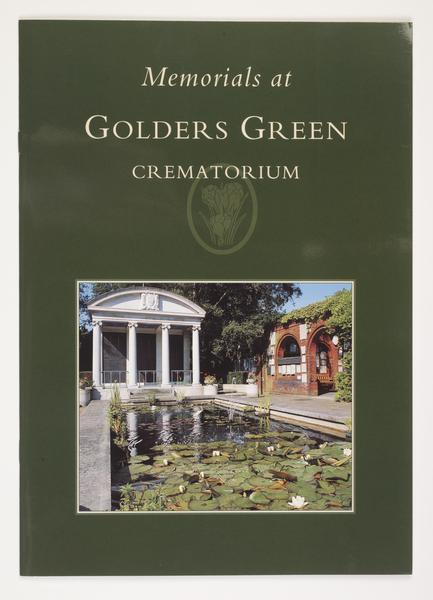 Printed Ephemera
Memorials at Golders Green Crematorium (brochure)
London Cremation Company plc
1999-2000
-
Printed Ephemera
-
-
Printed Ephemera
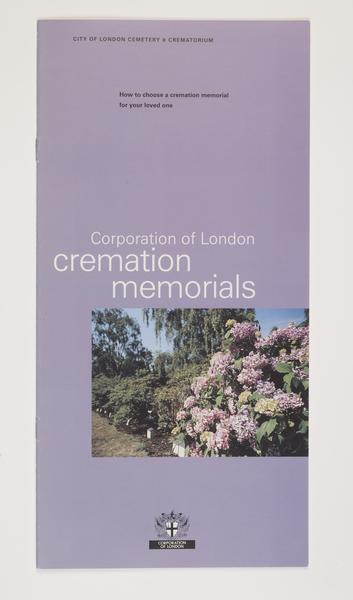 Printed Ephemera
Corporation of London City of London Cemetery and Crematorium: cremation memorials (brochure)
City of London Cemetery and Crematorium
1996
-
Printed Ephemera
-