A fun-seeker’s guide to Regency London
The early 1800s brought shifts for Londoners of all classes in how they spent their spare time. Whether splashing cash in new shopping centres or placing bets on a bloody cockfight, there was fun to be had all over the Regency-era capital.
Across London
Late 1700s & early 1800s
When was the Regency period?
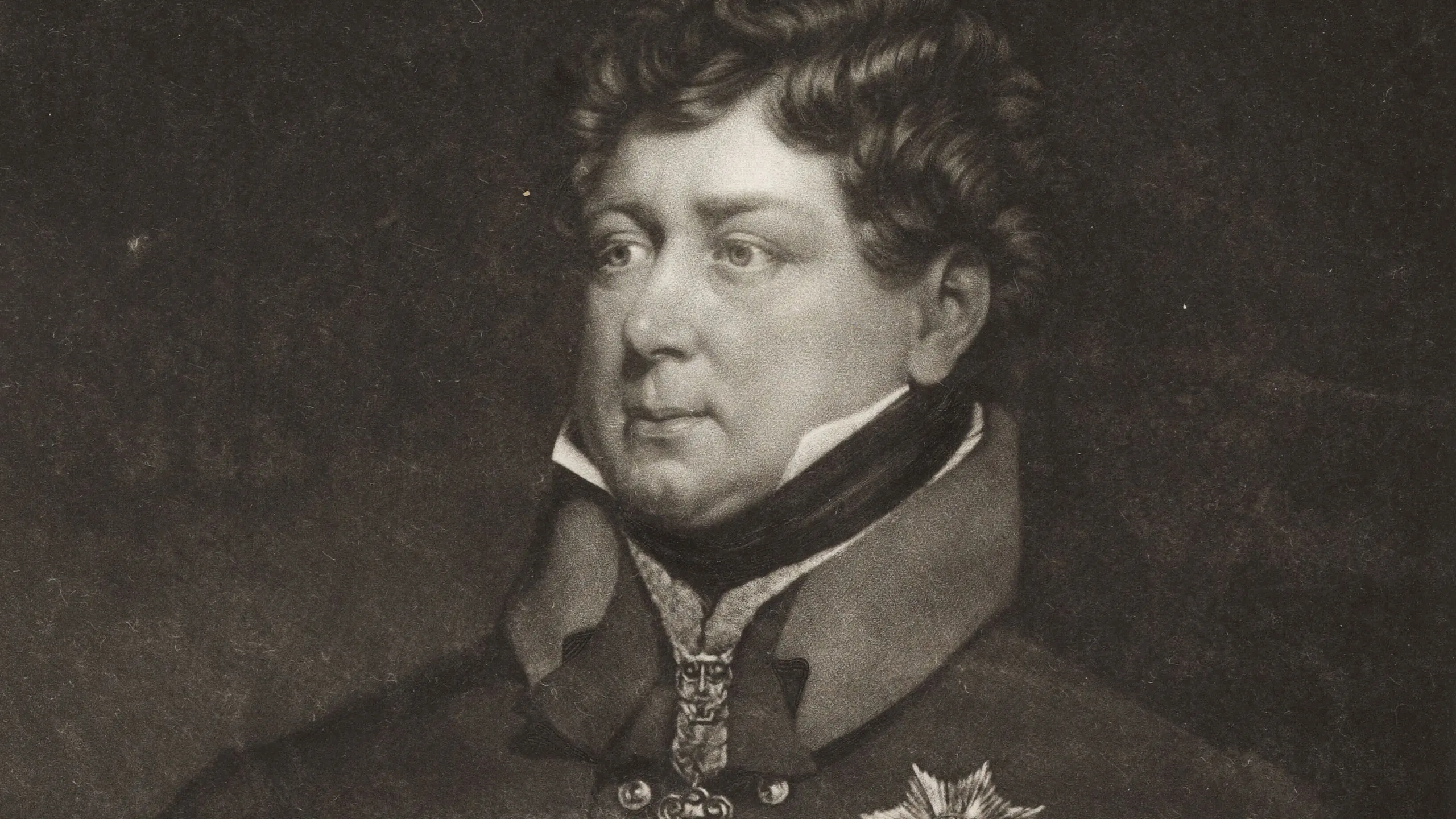
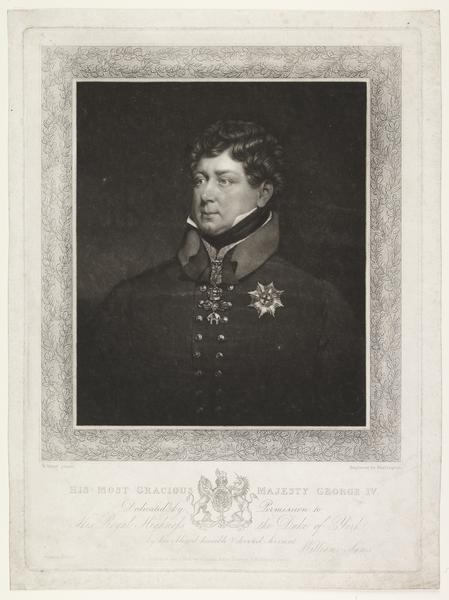
Politically, the period runs from 1811 to 1820. In that time, King George III was too ill to rule, so his son, George IV, reigned as prince regent. That title gives the Regency era its name. But culturally, we can think a bit broader, from the mid-1790s to the accession of Queen Victoria in 1837.
Gambling
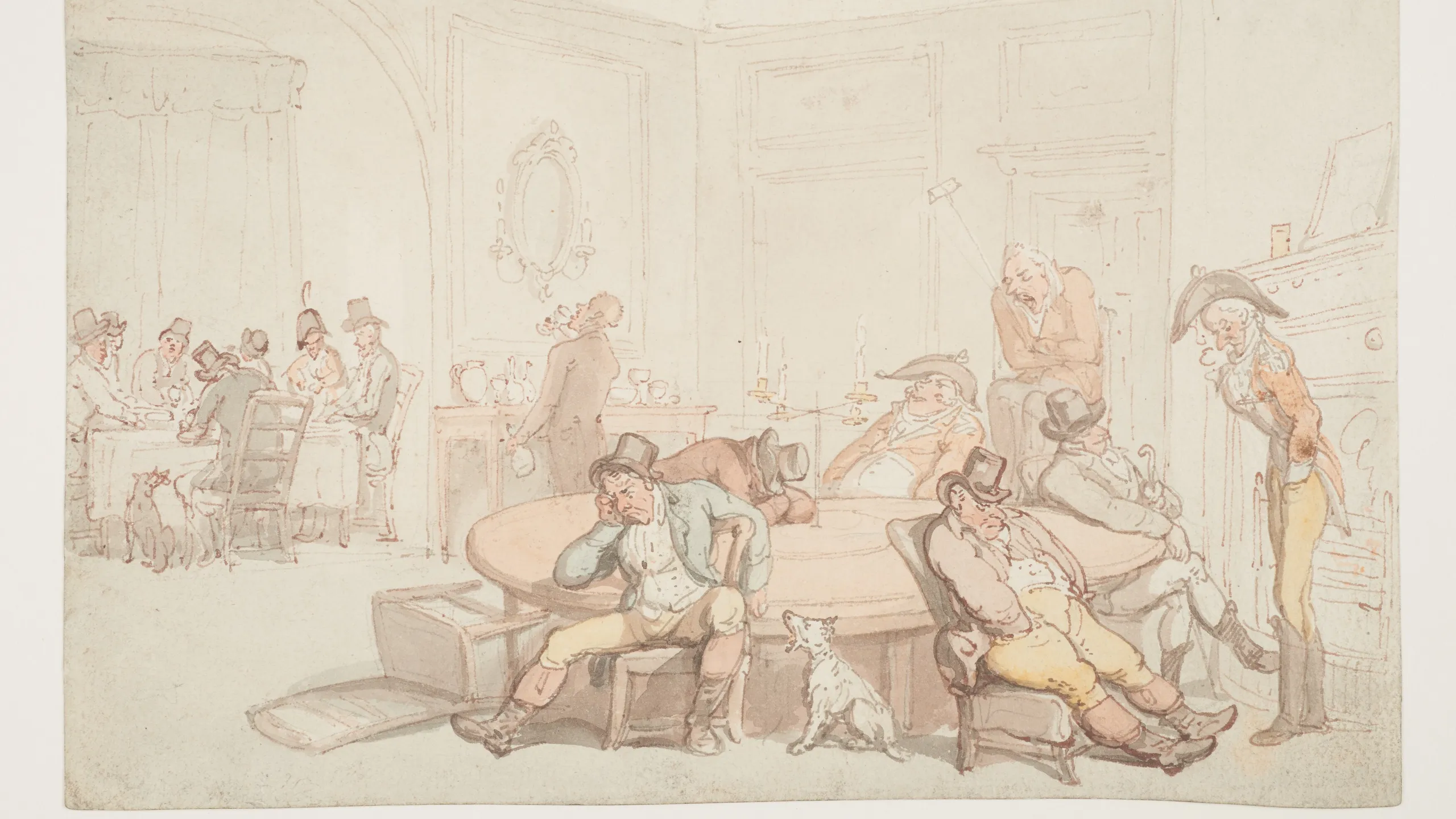
Men in all levels of society gambled. London’s wealthy would head to gentlemen’s clubs such as Brooks’s and Crockford’s in the fashionable district of St James’s in Westminster. The lower classes would gather in so-called ‘copper hells’. Cards and dice were played by all, but you’d also find table games like roulette in the elite ‘golden hells’.
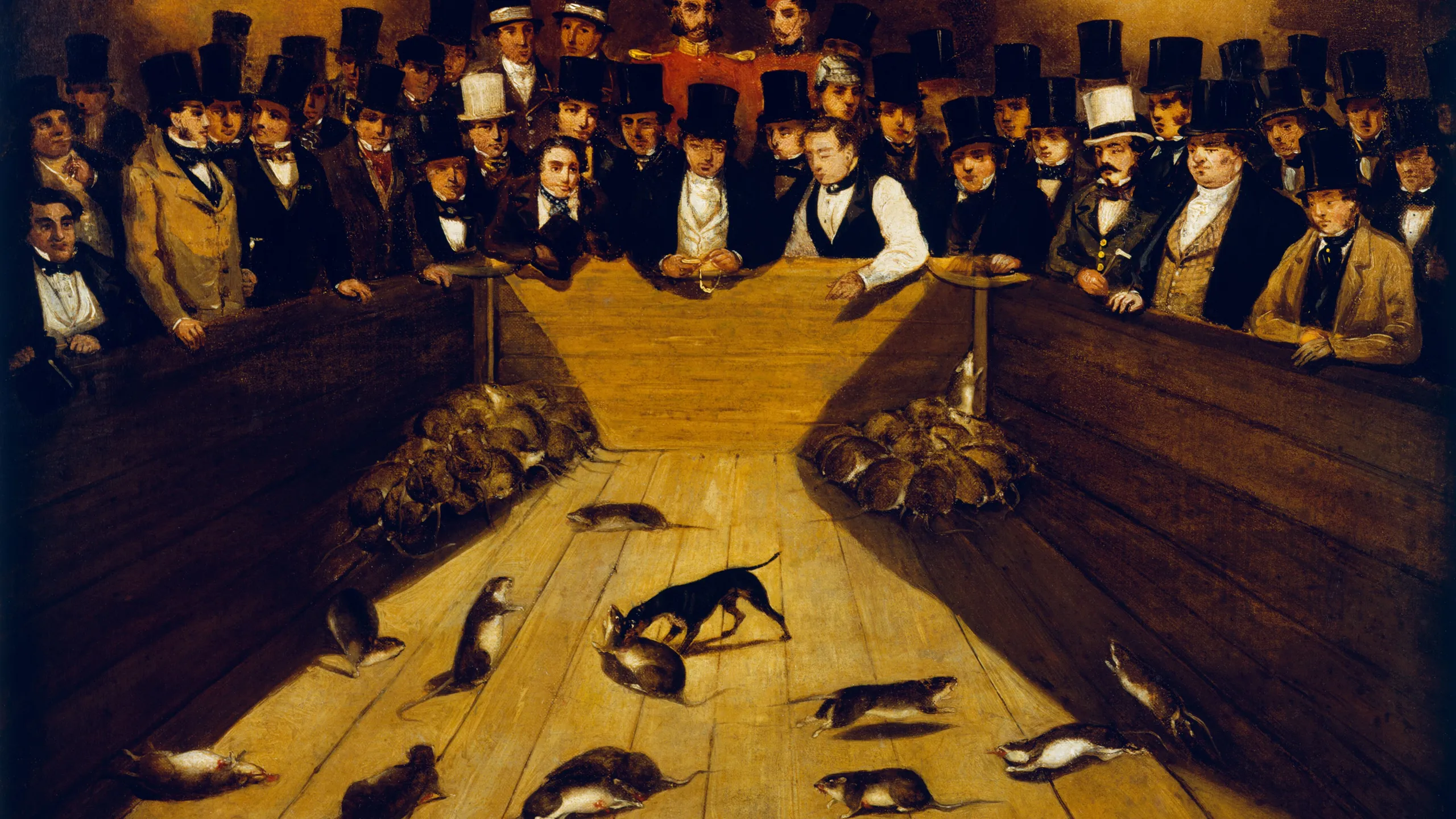
Blood sports
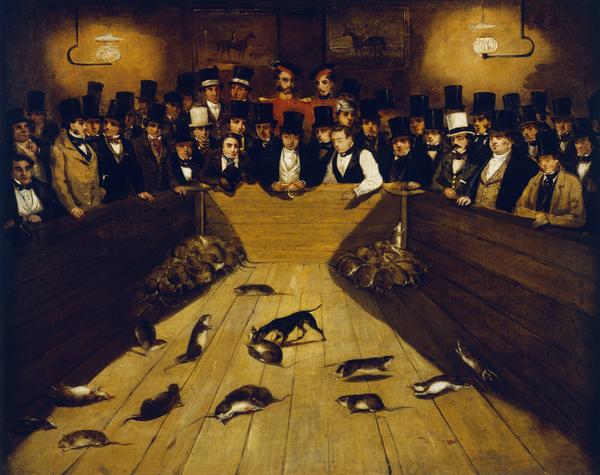
Prize-fighting, which could see men bare-knuckle boxing each other for hours on end, was more popular than horse racing. Events like cock-fighting and dog-fighting took place in purpose-built arenas attached to inns and taverns. And ratting, in which one dog could kill as many as 200 rats in an hour, was enjoyed by all classes in Regency London.
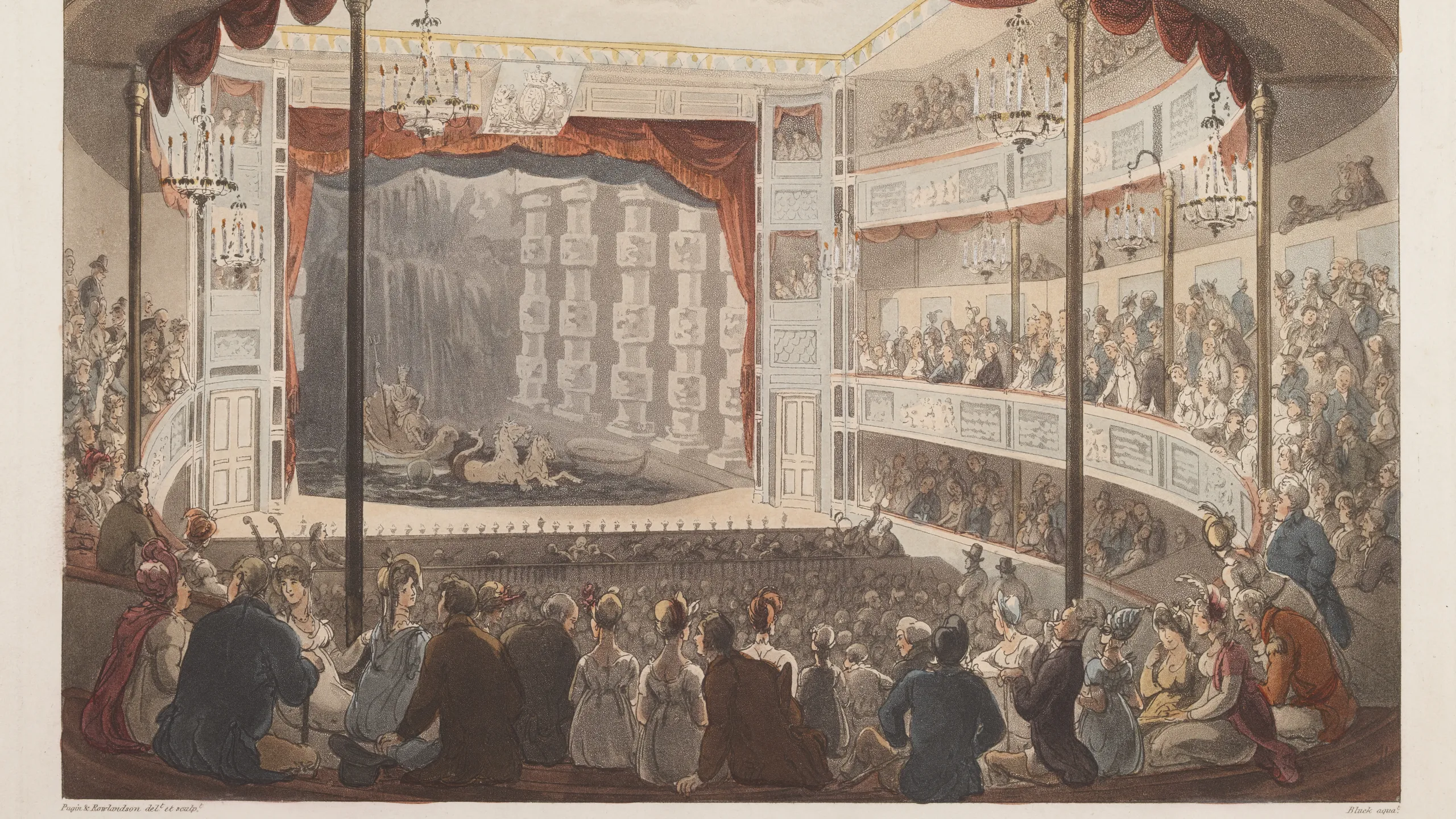
Theatre
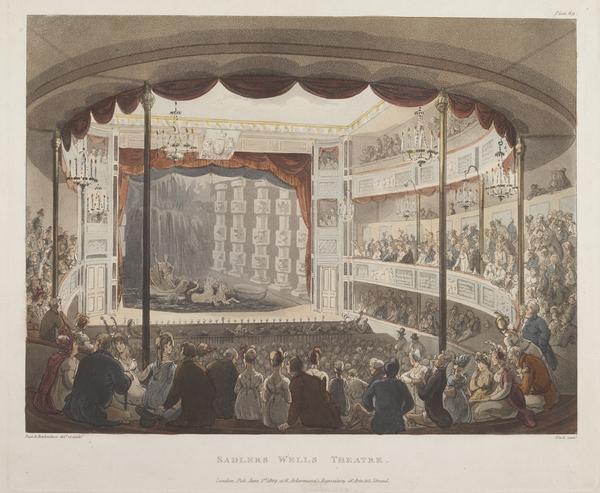
Theatre was right at the heart of London leisure in the early 1800s, and the prince regent was himself a keen supporter. Some existing theatres were expanded to accommodate growing audiences. The Adelphi Theatre opened on the Strand, as did smaller spaces on the outskirts of the city. Actors Edmund Kean and Ira Aldridge, plus the clown Joseph Grimaldi, were stars of the Regency stage.
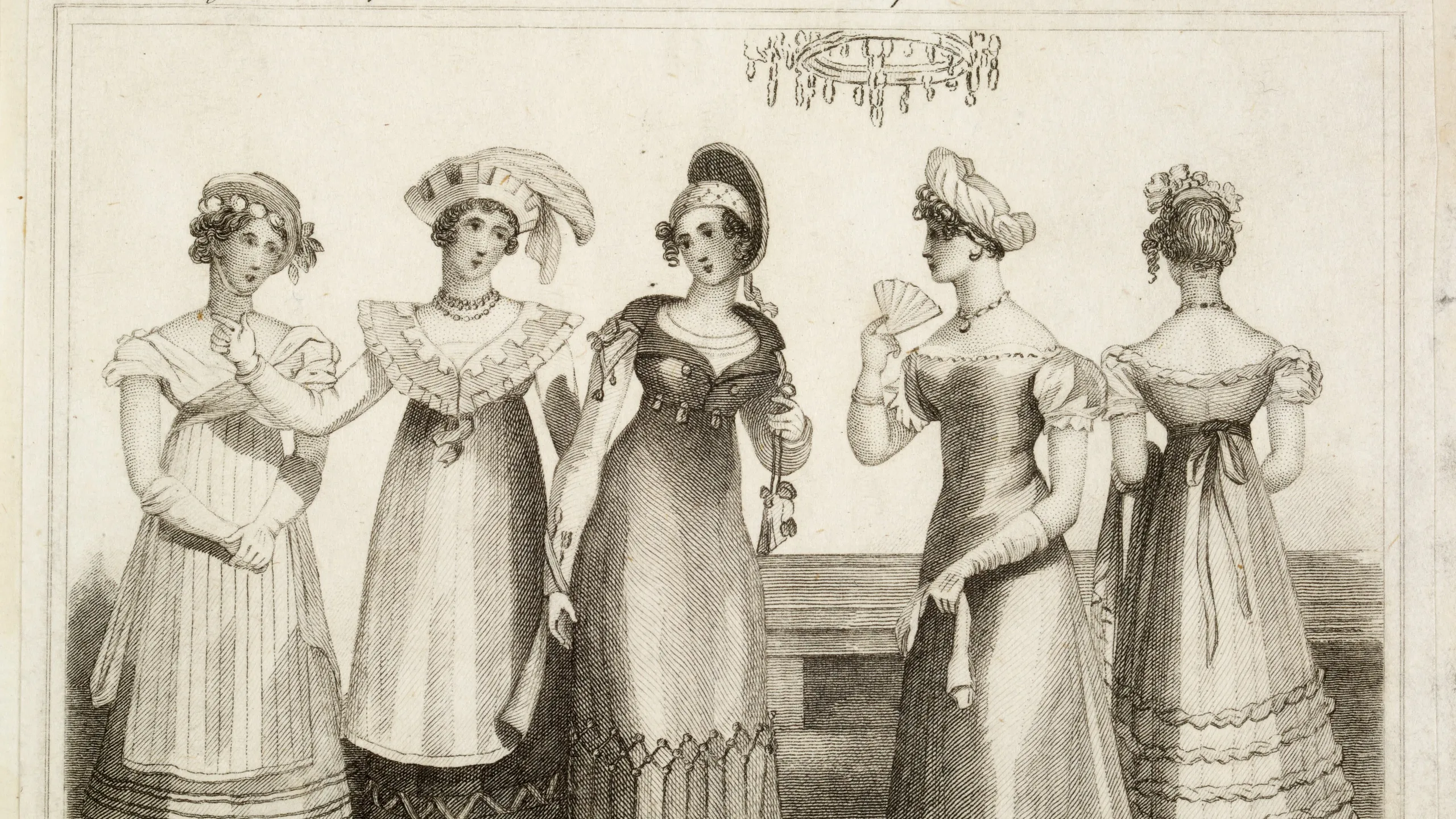
Assembly rooms
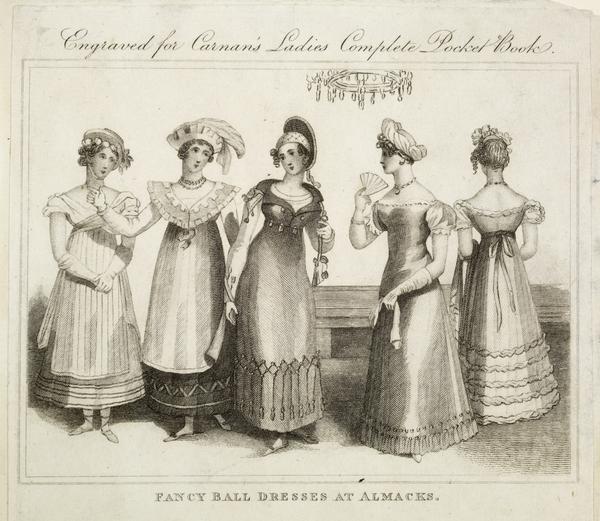
For upper-class Londoners with their rigid social rules, assembly rooms provided one of the only spaces outside the home where men and women could meet, talk and flirt. These grand spaces were designed with separate rooms for different forms of leisure, including ballrooms, card rooms and refreshment rooms. Almack’s Assembly Rooms in St James’s was the most exclusive venue in London.
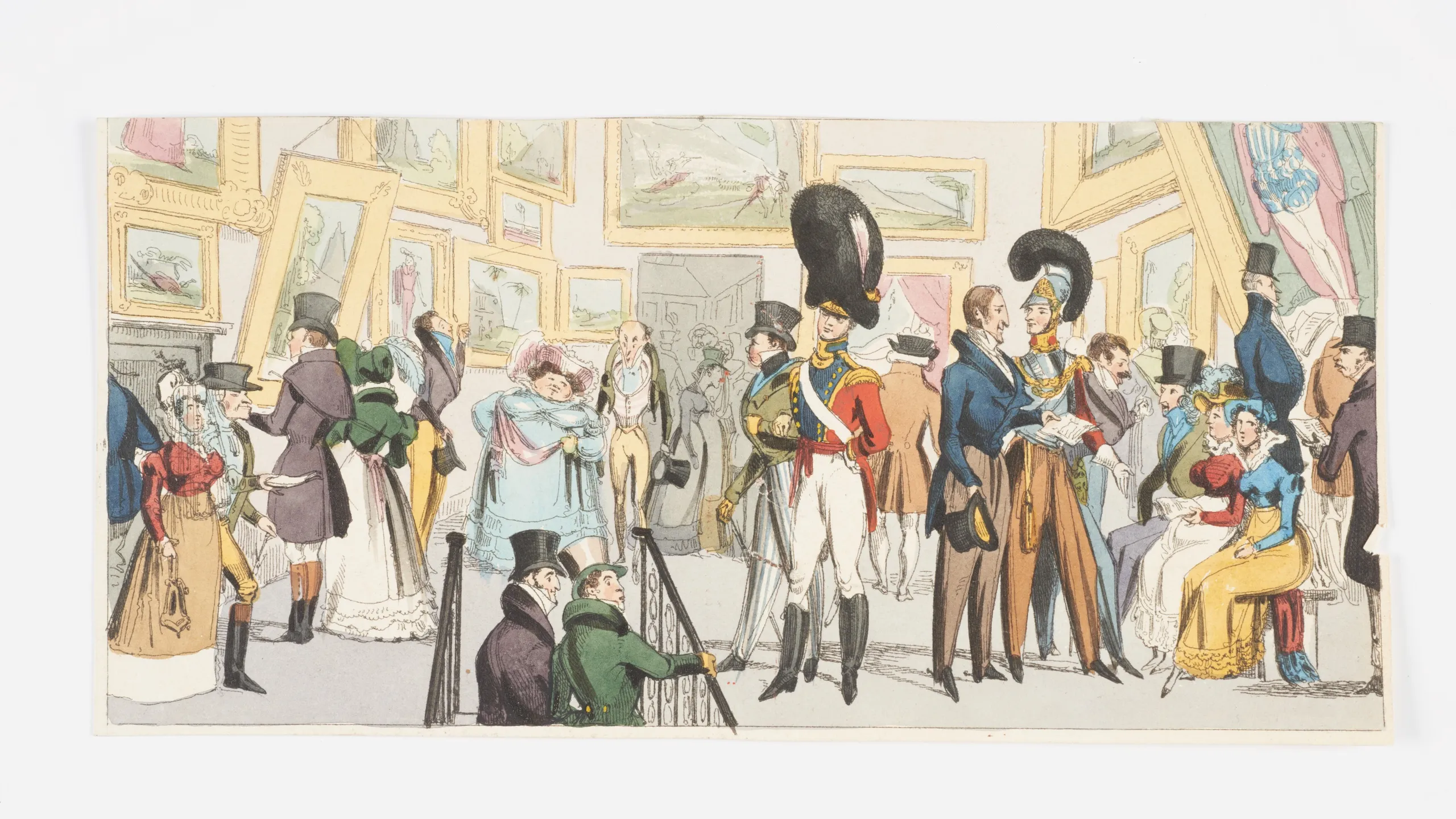
Art galleries
The idea of a public art gallery took off in the early 1800s. Britain’s first purpose-built public art gallery, Dulwich Picture Gallery, opened in 1817. The National Gallery, founded in 1824, moved to its new home on the north side of Trafalgar Square between 1832 and 1838. In these spaces, most Londoners could casually view art for the first time.
Shopping
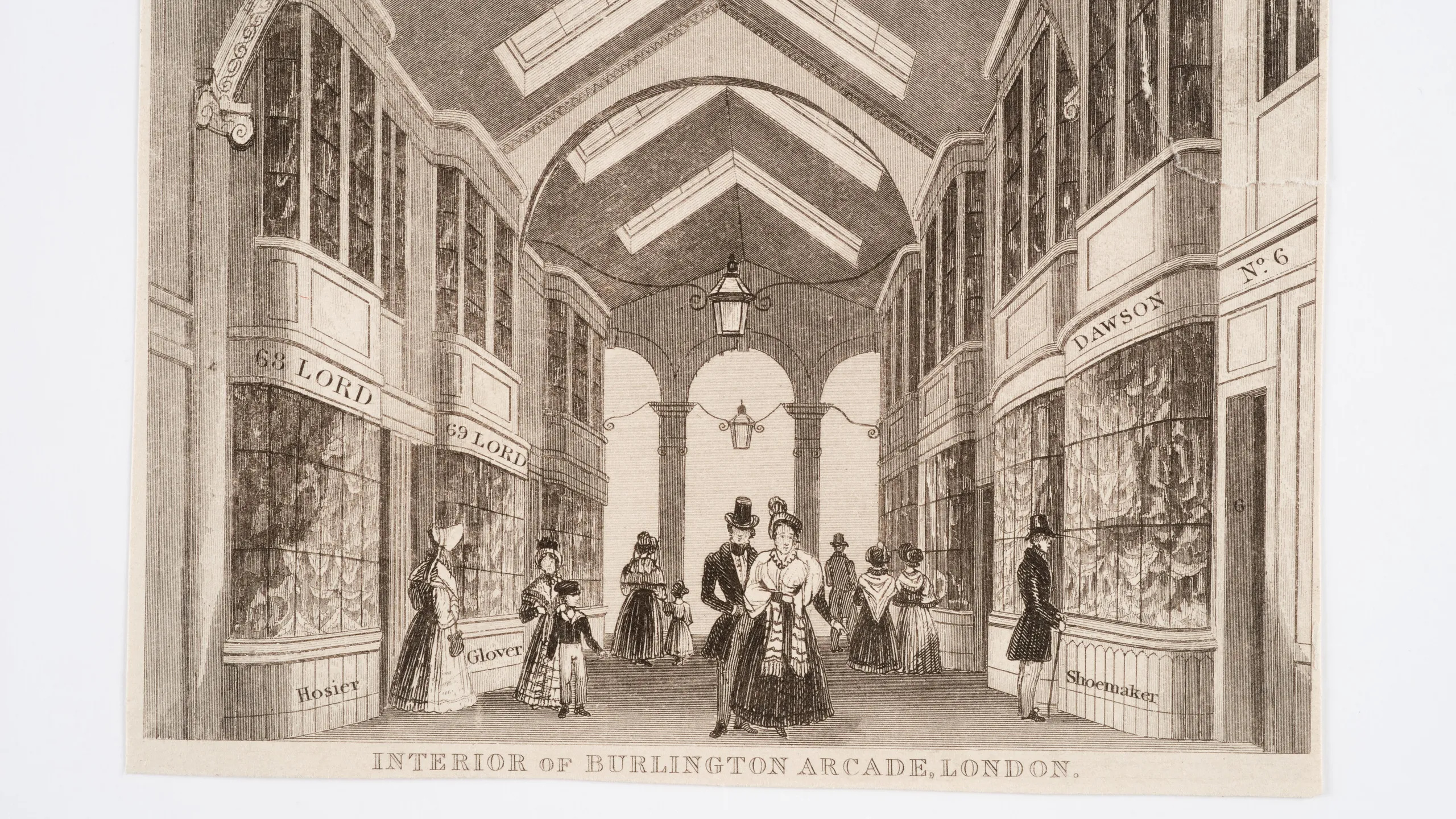
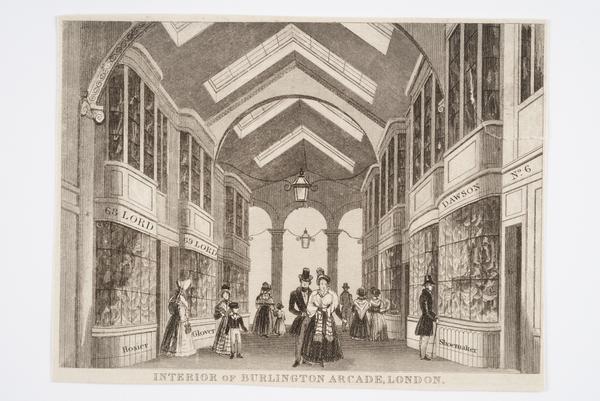
The West End became the city’s new shopping hub, centred around the new development of Regent Street, built between 1816 and 1824. Two new types of stores – bazaars and arcades – sprung up during this period. Both brought together different retailers under one roof. And temporary sale shops were set up in working-class areas to sell off dated stock.
Pleasure gardens
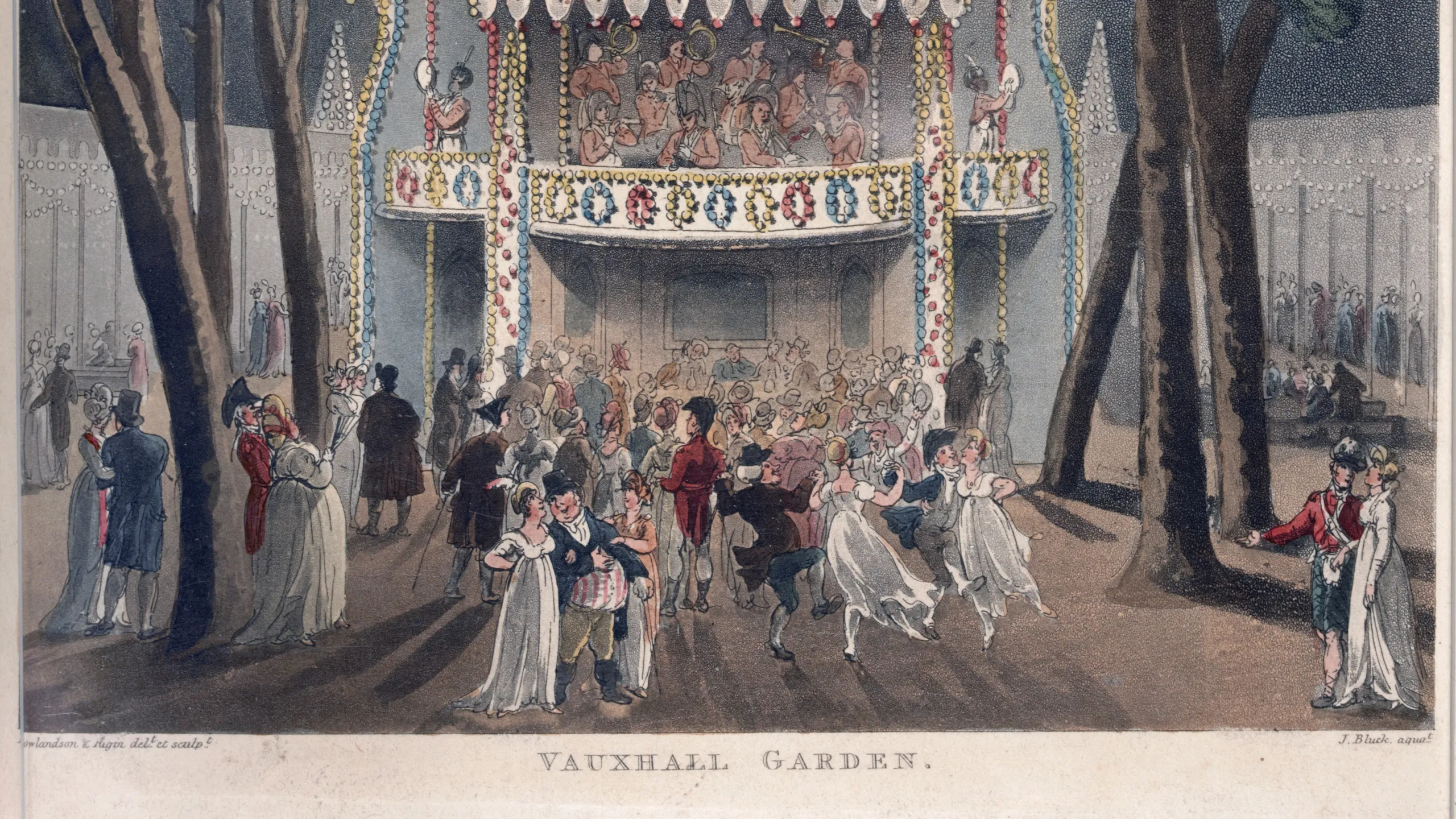
Part public garden, part restaurant and part gig venue, pleasure gardens were the height of fashion and culture in the 1700s. But by the Regency period, their wealthy and fashionable crowds had drifted away. To keep the crowds coming, gardens competed by offering forms of entertainment like fireworks and balloon rides.
Taverns
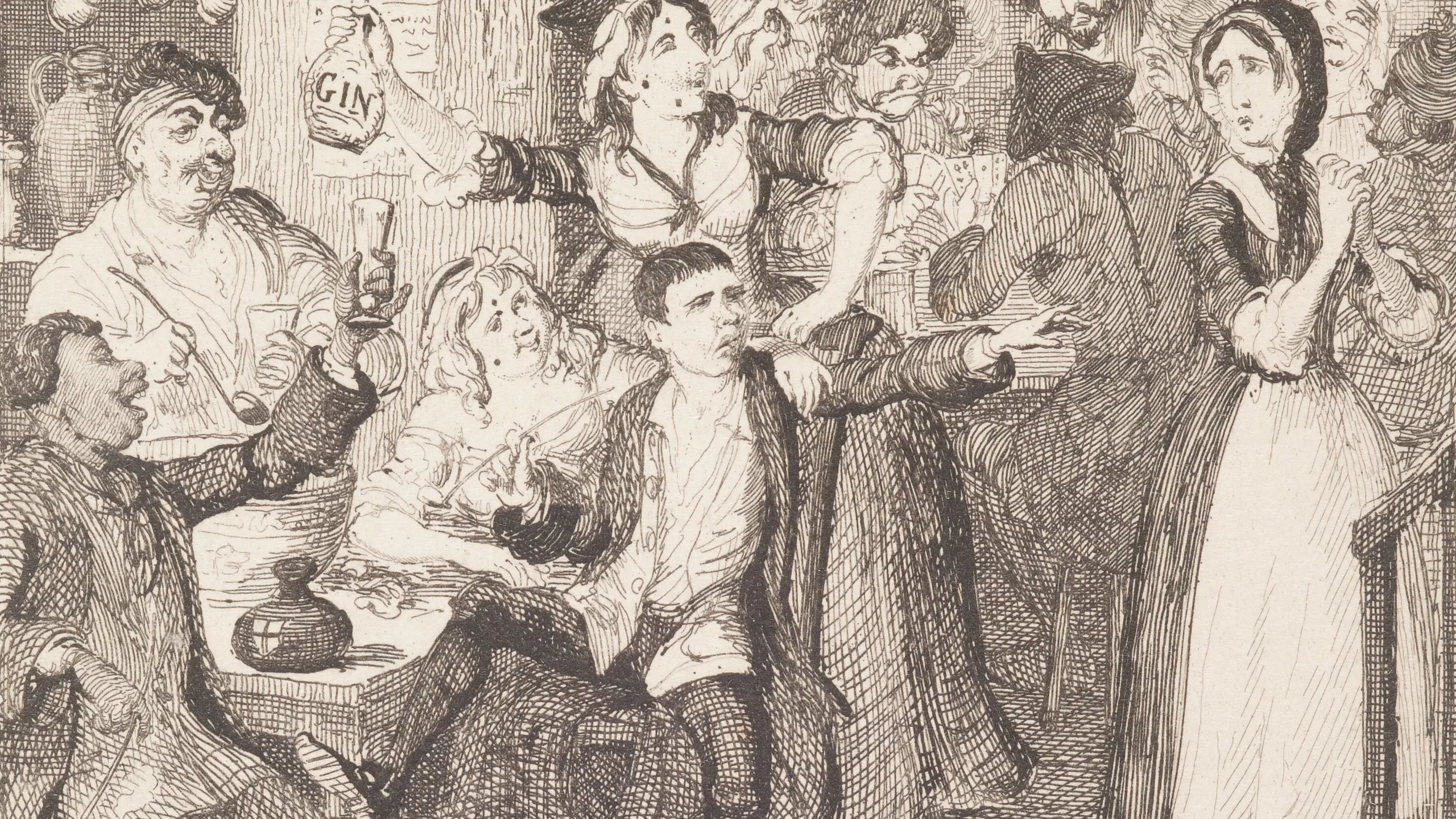
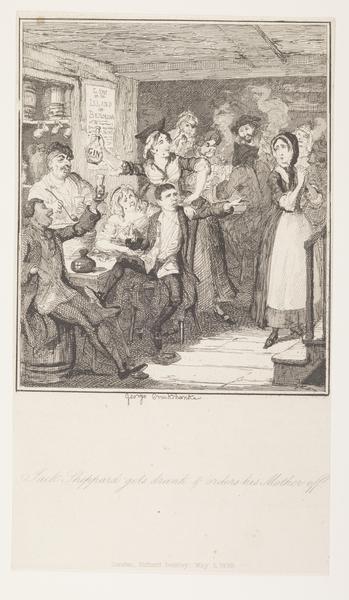
Taverns were meeting places for the “lowest life in London” according to Pierce Egan, author of the popular 1821 book Life in London. These places for eating and drinking had a reputation for overindulgence, promiscuity and debauchery. But of course, alcohol was the fuel for bad behaviour in the fancy St James’s clubs just as much as it was in these popular drinking establishments.
Tags
-
Paintings, Prints & Drawings
 Paintings, Prints & Drawings
Rat-Catching at the Blue Anchor Tavern, Bunhill Row, Finsbury (oil painting)
British School, 19th century, British School
1850-1852
-
Paintings, Prints & Drawings
 Paintings, Prints & Drawings
Jack Sheppard: Jack Sheppard gets drunk and orders his mother off (etching)
Cruikshank, George, Bentley, Richard
1839-05-01
-
Paintings, Prints & Drawings
-
Paintings, Prints & Drawings
 Paintings, Prints & Drawings
Fancy Ball Dresses at Almacks (engraving)
Carnan's Ladies Complete Pocket Book
1821
-
Paintings, Prints & Drawings
 Paintings, Prints & Drawings
Sadlers Wells Theatre (coloured aquatint)
Pugin, Auguste Charles, Rowlandson, Thomas, Bluck, J., Ackermann, Rudolph
1809-06-01
-
Paintings, Prints & Drawings
 Paintings, Prints & Drawings
His Most Gracious Majesty George IV (mezzotint)
Wivell, Abraham, Lupton, Thomas, Sams, William, Lahec, James
1824-01-01