Dobell’s Record Shop was a jazz fan’s dream
Doug Dobell’s record shop was at the beating heart of the jazz, blues and folk scene that emerged in London after the Second World War (1939–1945).
Charing Cross Road, City of Westminster
1946–1991
A club for enthusiasts and musicians alike
If you were a jazz fan in post-war London, you’d probably have known the name Doug Dobell.
Dobell ran Dobell’s Record Shop on Charing Cross Road and, later, on Tower Street in central London. It became known as one of the top jazz stores in the capital. Musicians and fans alike flocked there to get their fix of jazz, folk and blues.
In the 1950s, Dobell also set up his own record label, 77 Records, named after the shop’s street number.
Dobell’s Record Shop survived nearly 50 years. We acquired several objects from the shop after it closed down in 1991.
Dobell launched his record shop on Charing Cross Road
Dobell came from a family of bookshop owners who’d been based on Charing Cross Road since the 1800s. He joined his father’s business in 1946, but quickly realised the book trade wasn’t for him. Instead, he began selling records from an empty corner of the shop.
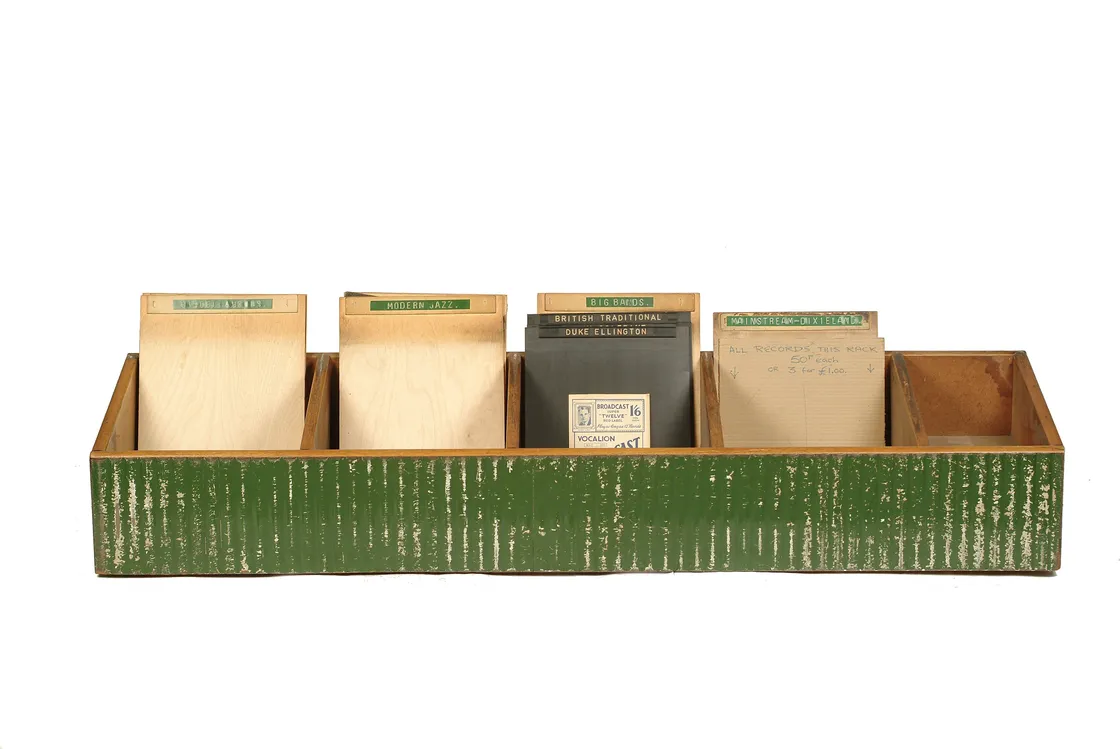
This record rack contained both LPs and singles, filed under jazz styles like “big bands” and “mainstream-dixieland”.
He kick-started things with two boxes of pre-war records from his own collection. People then started coming in with their own records they wanted Dobell’s to sell.
“I always got the feeling that my father felt I was the black sheep of the family for turning to jazz records and not carrying on with the tradition,” Dobell said in a magazine interview in 1986. “Mind you, I’ve had no regrets at my decision, the last 40 years have been very fulfilling.”
Soon after, books had disappeared from the shelves at 77 Charing Cross Road. Record racks, listening booths and speakers were moved in. When his father retired in 1955, Dobell’s became a dedicated record shop.
A jazz specialist
Dobell’s shop specialised in jazz, blues and folk. It was also a spot for teenage fans of ‘skiffle’ music, a scene that burned bright but fast in London in the late 1950s.
Jazz was booming in post-war Soho. New late-night spots like The Flamingo Club, The Sunset Club and Ronnie Scott's opened in the 1950s to cater to increasingly jazz-hungry crowds. And shops like Dobell’s were fans’ first choice for finding records to listen to at home.
-
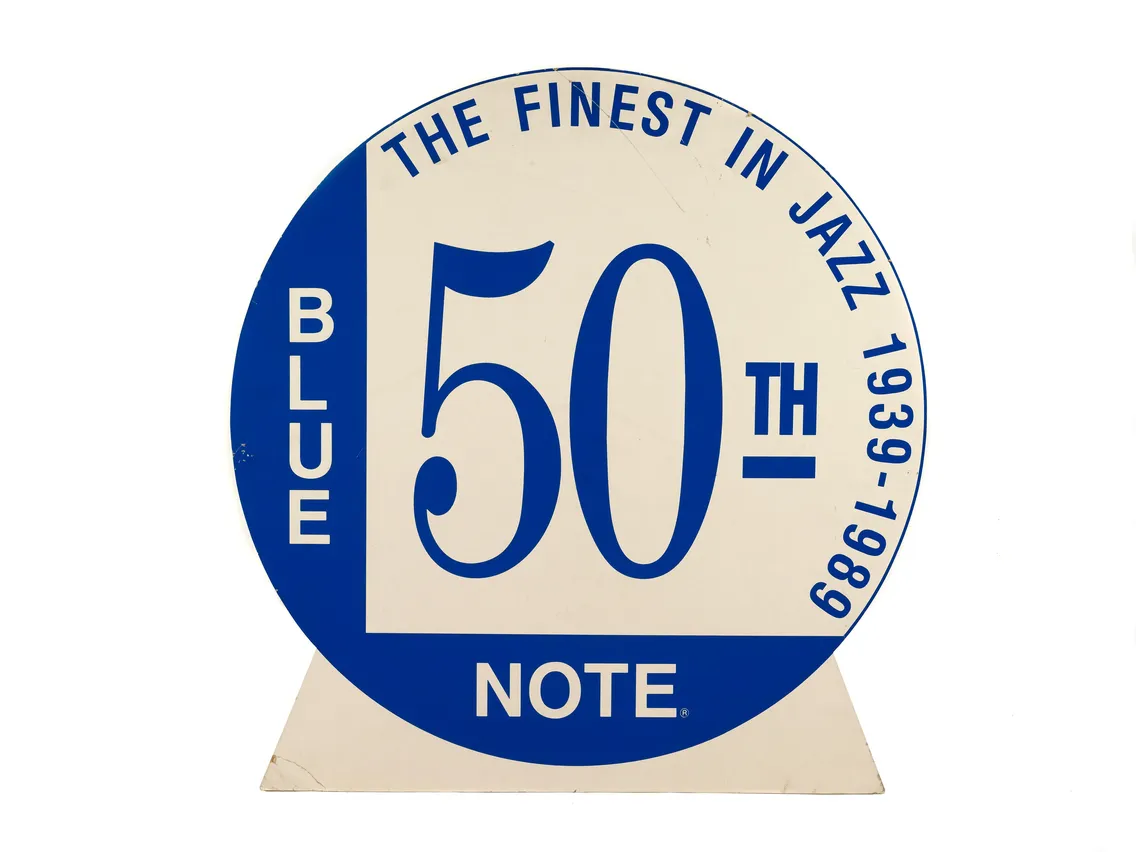
This sign advertising legendary jazz label Blue Note’s 50th anniversary was originally displayed in the shop.
-
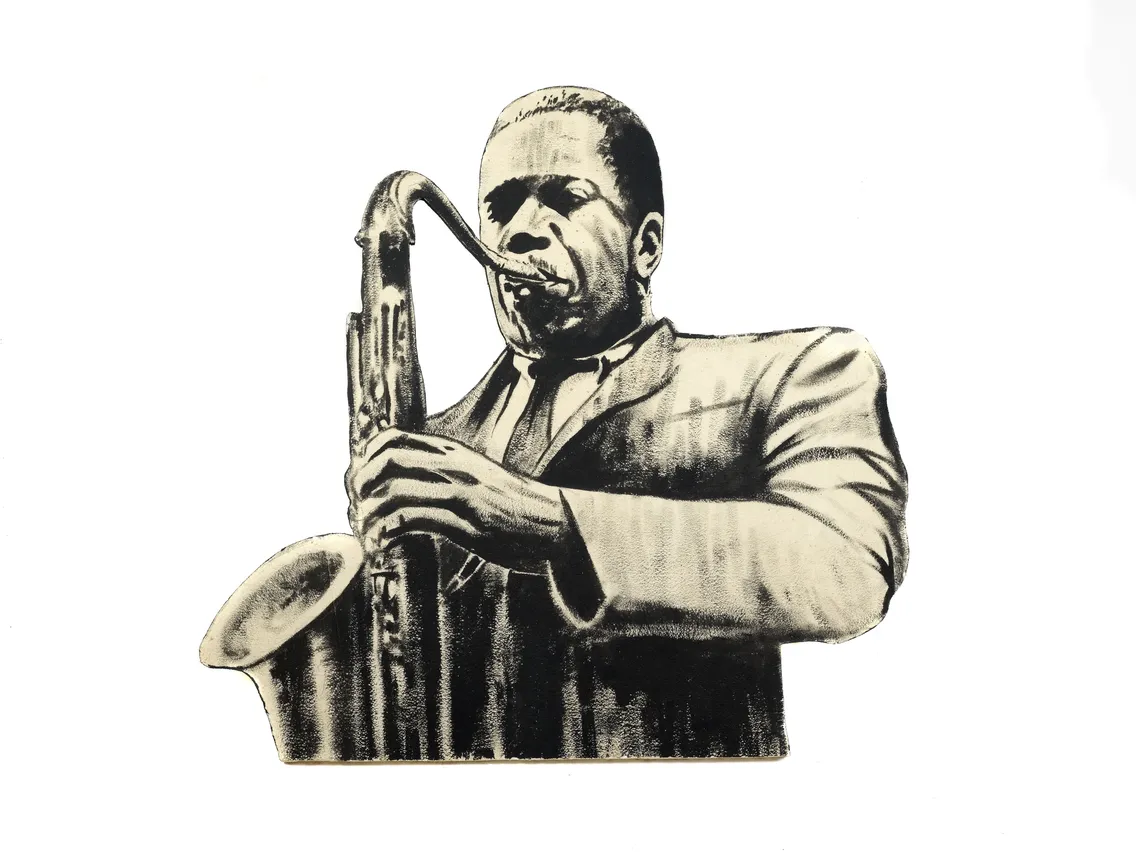
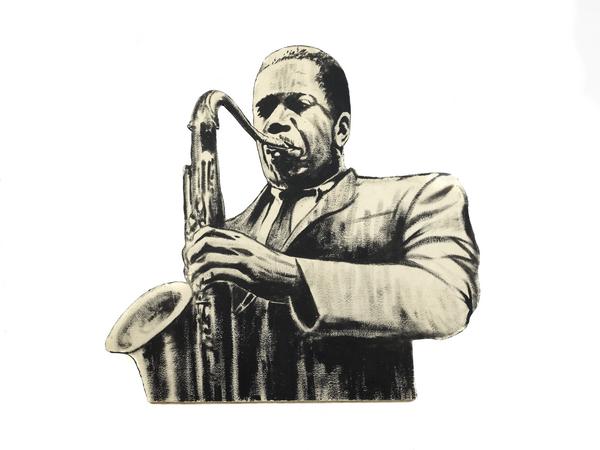
So was this decorative image of John Coltrane, the American jazz saxophonist.
Many legendary musicians leafed through Dobell’s record racks, including American blues legends BB King and Muddy Waters. You’d come to Dobell’s to hear about what new sounds were on the rise, or what the cool places in London to visit were.
The shop sold many records imported from the United States, giving the capital’s music fans their first taste of sounds from across the Atlantic.
Dobell’s label, 77 Records, which he launched in the mid-1950s, also released music from the likes of Acker Bilk and Tubby Hayes. It even had an early Bob Dylan track, which was recorded under the name Blind Boy Grunt in the shop’s basement.
Dobell’s was forced to move to Tower Street
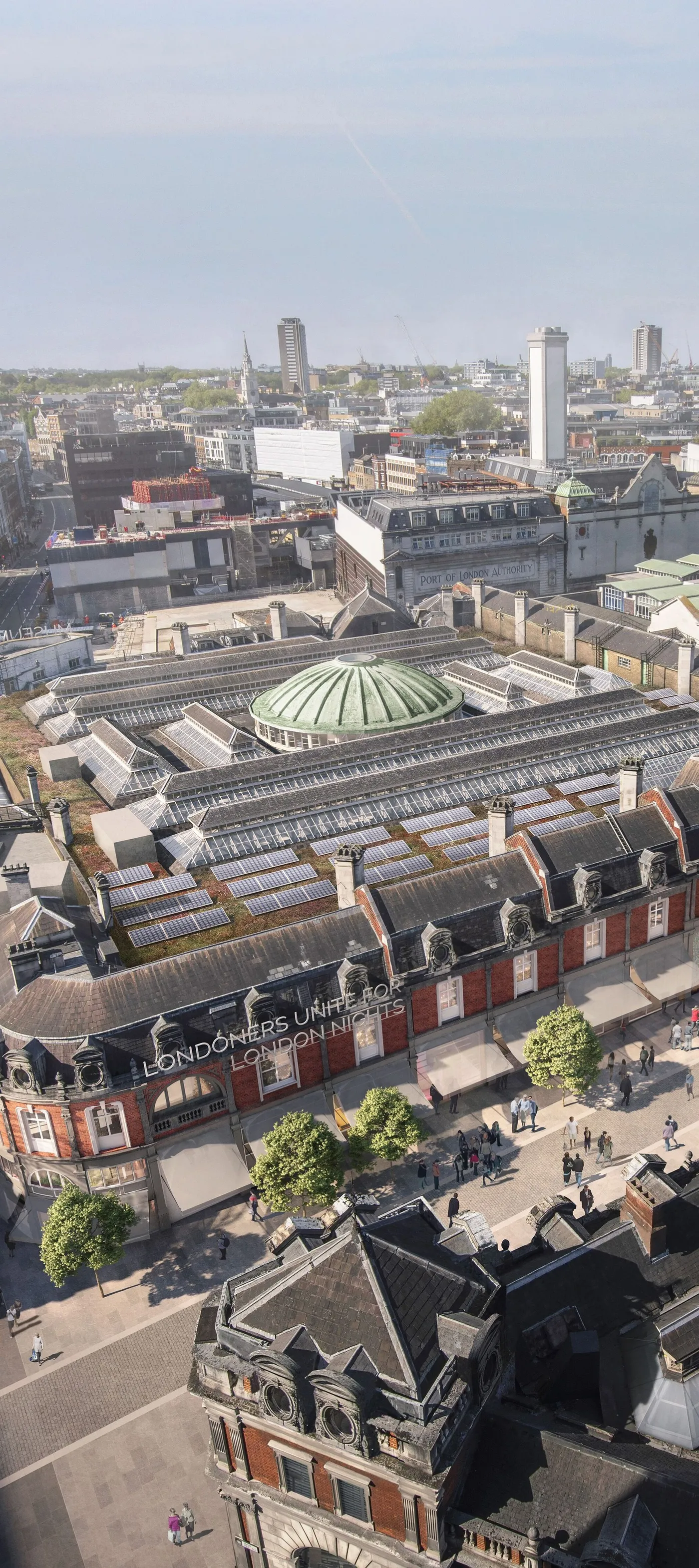
In 1981, the demolition and development of the entire west side of Charing Cross Road – including Dobell’s Record Shop – forced the shop to move.
Dobell remembered this as “probably the most traumatic period” of his many years at the shop’s helm. It took an “agonising” four months to find a new location. “It seemed extremely difficult to find a landlord who was not horrified at the thought of having a jazz record shop owner as a tenant!”
Eventually, Dobell found a spot tucked away on nearby Tower Street. The new location didn’t have the same footfall as the major thoroughfare that was Charing Cross Road. But it was bigger, and most jazz enthusiasts caught on to the new location quickly.


The shop survived nearly 50 years
One 1985 Music Weekly article reported that “Dobell’s survives because it offers the jazz lover a unique service, in records and most certainly staff.”
Jazz had fallen out of favour after rock and roll set London’s music scene on fire in the 1960s. But Dobell and his staff had a deep knowledge of and love for the genre that kept the customers coming.
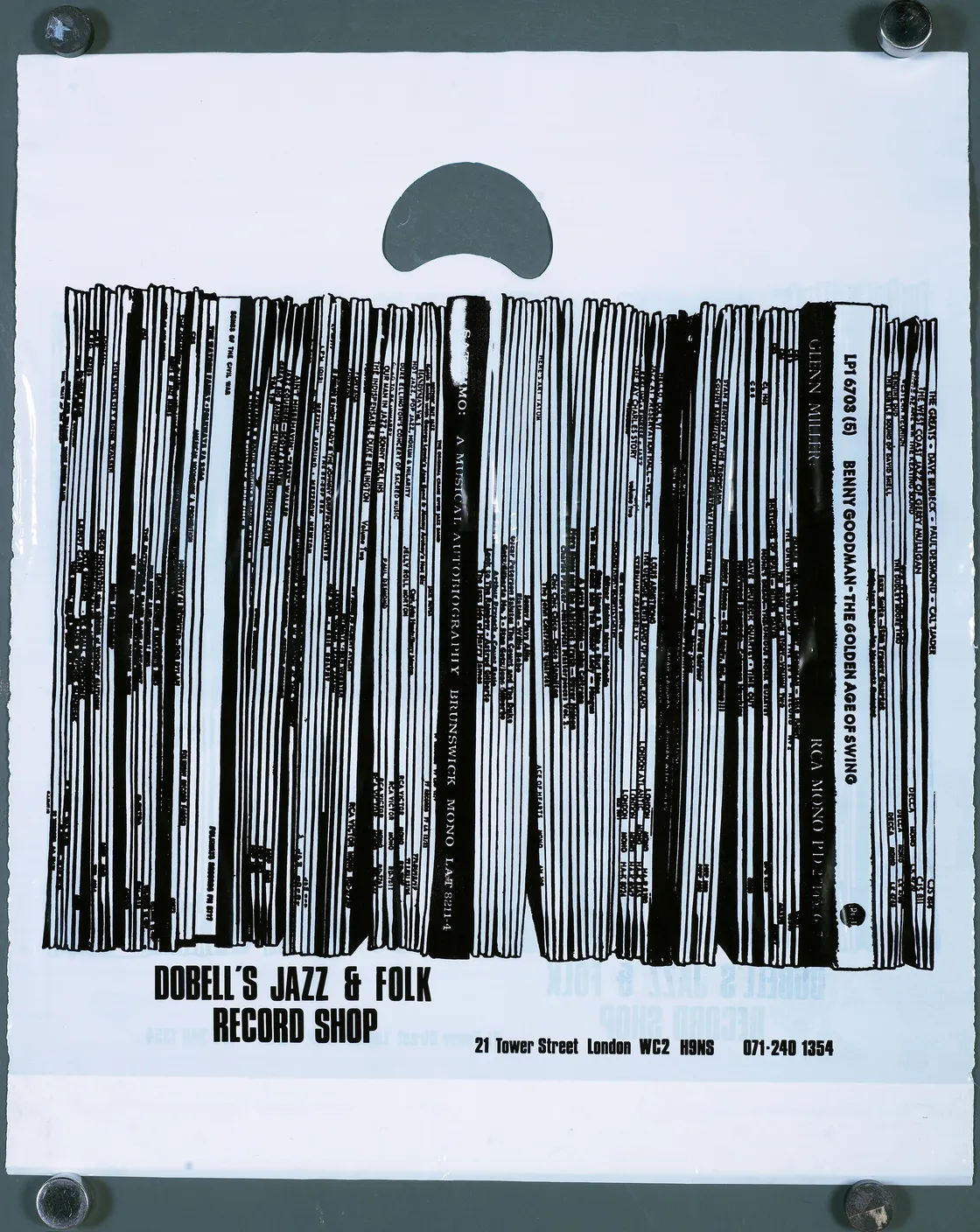
Record shop carrier bags were a statement that music fans carried proudly.
Dobell’s was a hub of the Soho scene for nearly 50 years. Known nationally and internationally, it was a favourite of musicians and music-lovers alike.
After Dobell died in 1987, the business continued for a few more years. It shut its doors permanently in 1991.