Collections access & enquiries
While research access is limited right now, if you’d like to know more about our collections, here's how you can reach out to us.
Active engagement with our collections for researchers, museum professionals and members of the public is extremely important to the museum and we aim to do this in a variety of ways.
We support access through collections online, displays and temporary exhibitions, learning activities and events, the Library, picture reproduction and licensing and publications. Where possible, we aim to offer information and digitised images under the Creative Commons licence.
We are working to make more of the collection available digitally via our:
Access is balanced against the conservation, care and security of the collections to maintain their accessibility for future generations, and there may also be legal, contractual or ethical considerations that restrict access to collections.
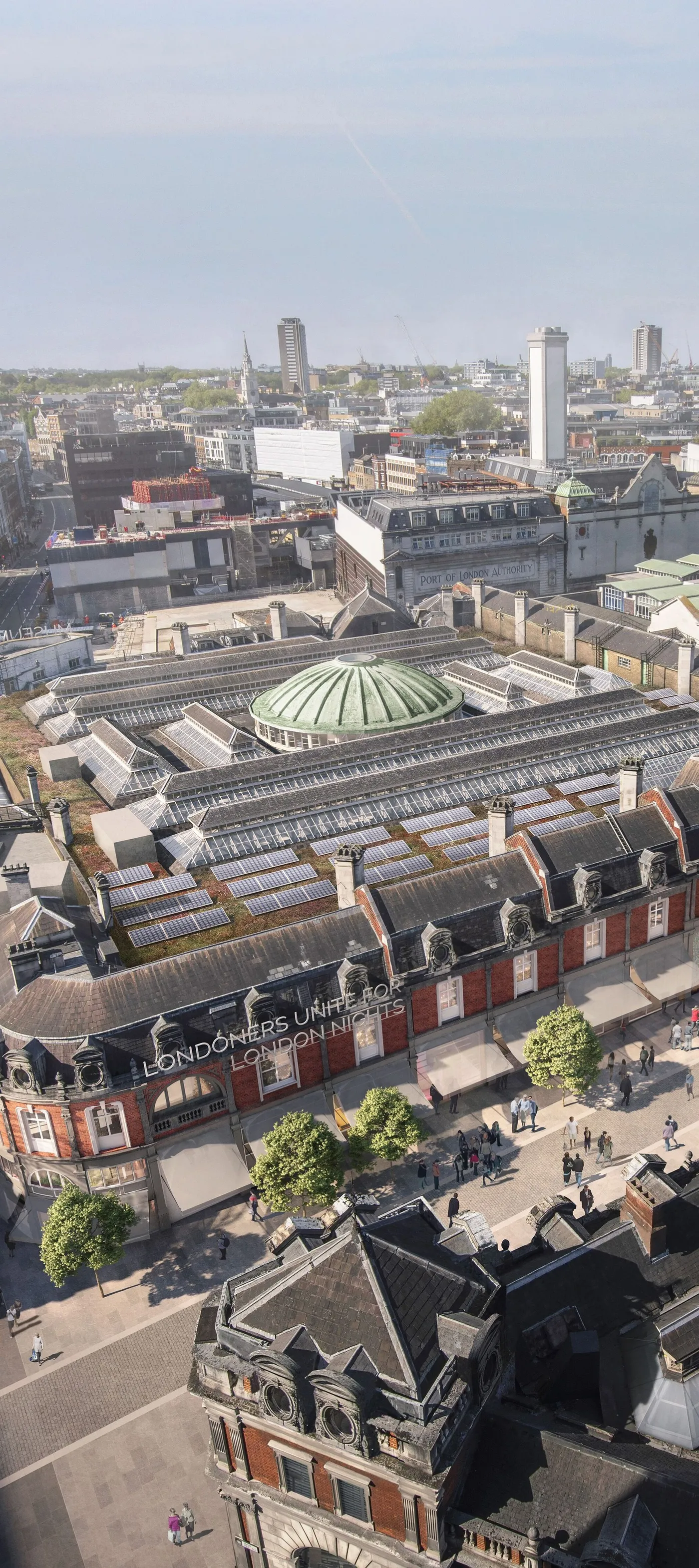
It's important to note that while we prepare for our big move to Smithfield in 2026, research access to all collections at London Museum Spaces, including the Library, is currently closed.
Limited access to a part of the Archaeological Archive collection at London Museum Stores has been reopened to researchers, with support from The City of London Archaeological Trust (COLAT). Access to the osteological collections and bulk material remains unavailable.
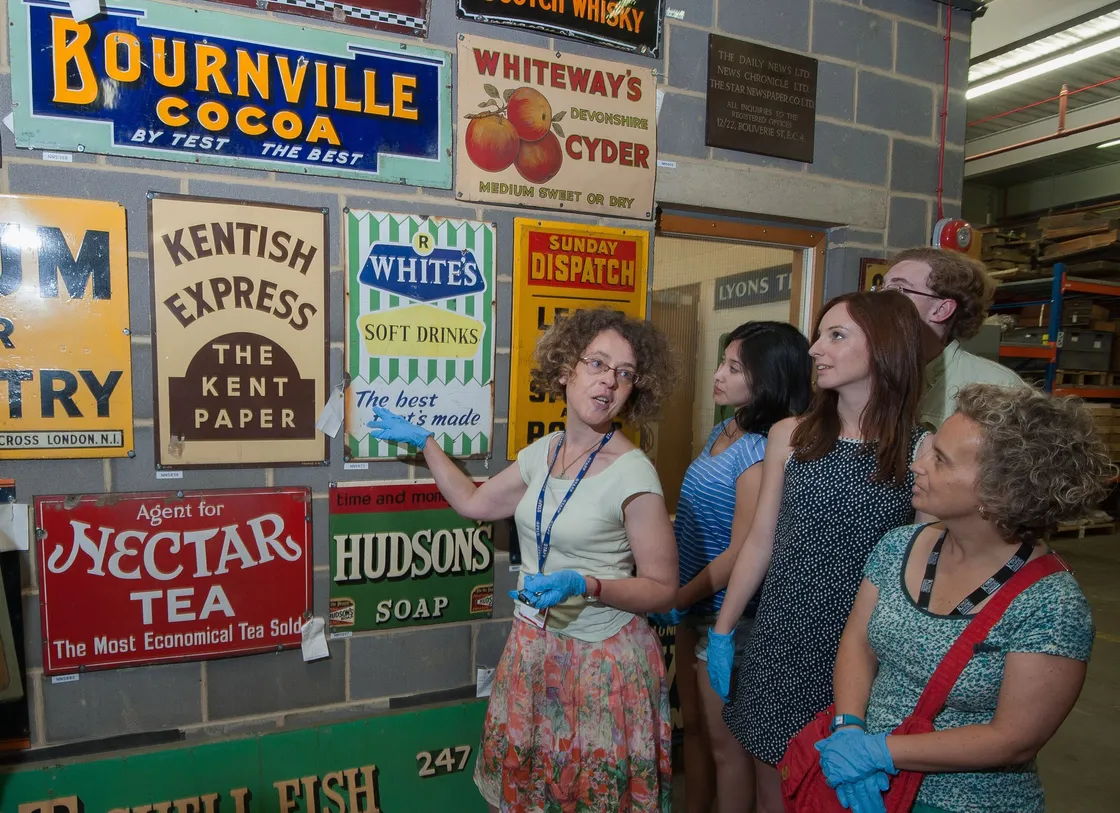
A tour of our collections at London Museum Stores.
Research at the Archaeological Archive
Access to registered finds, metal finds and archive records will be available on Tuesdays and Wednesdays, 10am–4pm. Due to limited space, physical access will be restricted to two researchers per day.
The Archive team will continue to provide digital access on days when on-site consultation is not available. This includes digitising records, sharing documentation, and providing measurements and photographs where possible. See below for access information.
Please email the Archive team to submit an enquiry or request a research visit, and include all the following information:
- sites and components of interest (including site codes, object IDs and any other relevant details to help us identify the material)
- the purpose of your request (eg, publication, conference paper, dissertation, personal research, etc.)
- your company or institutional affiliation
- if publishing, the intended publication venue and expected date
- if for a dissertation or PhD thesis, the associated university
- students should also include a cover letter from their supervisor
- if part of a research project, details of funding body, funding awarded and/or applied for. And the expected timeline of the research project
Please note that larger research projects (eg, those requiring more than one week of access) will require approval by the Research Steering Group, which typically meets every two months. So, we recommend contacting the museum with as much notice as possible to allow adequate time for review and scheduling.
If you’re an Archaeological Contractor who needs to access to archive records to applications you can contact us at [email protected]
Research at London Museum Docklands
Researchers and visitors can still make appointments to visit stored collections at Docklands. For enquiries and appointments to see material from the Sainsbury Archive, Port and River Archive, and the Port of London Authority Library, see below.
The Search Room is located at the London Museum Docklands, in the Sainsbury Gallery and Study Centre. Access to the material held in the library is via the Search Room appointment system. Please note that for security reasons the library is not accessible for browsing at present. As with the archive collections, books can be requested and brought through to the Search Room for you.
Thursdays, 10am–12.30pm and 1.30–3.30pm. Appointments must be booked in advance, as the archive cannot accommodate drop-in users.
To make an appointment, please fill out the Research Visit Request Form below. Please be as specific as possible about what you wish to see and why. We will then contact you to confirm the appointment.
For enquiries regarding the Port & River Archive and PLA Library, email [email protected]
For enquires regarding the Sainsbury Archive, email [email protected]
Things to remember ahead of visiting
The first time you visit the Search Room, you will need to show two forms of original identification, proof of your name with signature and proof of address.
All visits will also be subject to the terms published on the reverse of the Research Visit Request form, which you will be asked to sign on arrival.
You may take reference photographs of material, subject to physical condition and copyright restrictions, on signing a camera agreement and keeping an accurate list of what you have photographed.
Search Room facilities
The Search Room has lockers available to store personal possessions, and power points for charging electronic devices.
Family history enquiry at Port & River Archive
PDF: 261.3 KB
Download this guide on how to trace family history in the Port and River Archive
Object donations
We’re sorry that we cannot accept object donations for the time being. We are preparing our extensive collections for the upcoming relocation to Smithfield, a move that requires our full attention. Only pre-approved exceptions will join the collection during this transition period. Once settled into our expanded space, we will once again look forward to gifts that continue growing our treasured collection.
Our Object loans page has more information on borrowing objects from London Museum.
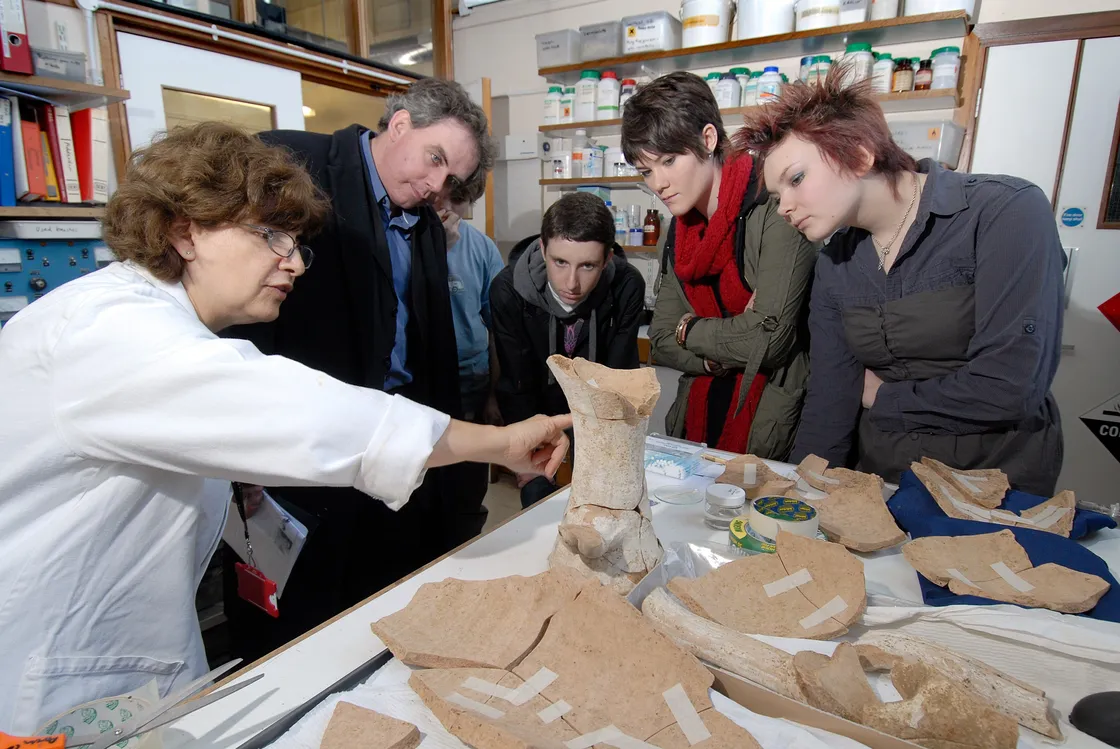
Students and visitors attending an archaeological talk at the museum.
Portable Antiquities Scheme
The Portable Antiquities Scheme (PAS) is a voluntary recording scheme for archaeological objects found by members of the public in England and Wales. The PAS primarily records objects that date from over 300 years but we also record more recent objects of local or regional interest. All finds are recorded onto an online public database and are searchable by object type, time period and findspot location.
For more information on mudlark permits and how to report finds and treasure, check out Managing archaeology at London Museum.
If you would like to record an archaeological find or find out more about PAS or the Treasure Act, please contact our local Finds Liaison Officer, Stuart Wyatt, who covers the area of Greater London, at [email protected]
London Museum hosts monthly Finds Days during which people can bring in their finds for identification and recording. Finds Days will take place at London Museum Spaces. These are pre-bookable events with 30-minute slots. Finds taken in are borrowed and recorded onto the PAS database. They are then returned to the finder at their next meeting.
Further enquiries
Still have a query about our collections or history of London Museum? Please use our online contact form or email us at [email protected]
We aim to respond within 20 working days. However, responses may take longer during this busy time.
Unfortunately, we currently can’t assist with family histories or conduct detailed historical research on your behalf.
Please note that we do not provide valuation assessments.
We appreciate your patience as we lay the groundwork for the exciting months ahead.
For image licensing, contact our Picture Library.
More on our collections
-

About our collections
Explore the lives and stories of Londoners through more than seven million objects, including the world’s largest archaeological archive
-
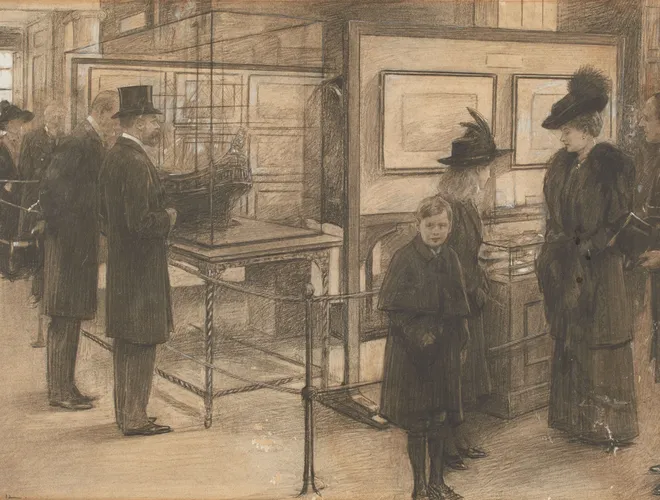
History of our collections
Our diverse collections trace the rich history of London and its people, from archaeology to digital archives
-

Managing our collections
Whether in storage, on display, being handled or moved, we follow best practices to keep our collections safe and accessible
-
What we collect
The museum collects objects that help to tell the stories of this diverse, multicultural city of over nine million people